
3 Days in Salt Lake City: A Compact Mountain-Front Itinerary
A practical 3-day Salt Lake City itinerary: downtown highlights, mountain hikes, food neighborhoods, transit tips and best local experiences for a weekend…
A compact, outdoor-friendly 3-day plan that mixes downtown sights, nearby nature, neighborhood eats, and smart transit tips for a memorable Salt Lake City weekend.
Salt Lake City blends a compact downtown, dramatic Wasatch Range views, and an outdoors-first culture into an accessible urban base for a long weekend. It suits travelers who want a mix of museums, neighborhood cafes, craft breweries and easy day trips for hiking or skiing. Three days works well because the core museums, Capitol and Temple Square sit close together, leaving half-days for a canyon walk, Great Salt Lake visit or a quick drive to nearby resorts. This plan keeps transit realistic, groups attractions by neighborhood, and balances indoor and outdoor time so you can get a real feel for the city without rushing.
Quick Answer
A compact, outdoor-friendly 3-day plan that mixes downtown sights, nearby nature, neighborhood eats, and smart transit tips for a memorable Salt Lake City weekend.
Who This Guide Is For
This guide is best for first-time visitors, couples, solo travelers, and anyone planning 3-day city break, weekend trip, urban outdoors in Salt Lake City with a balance of highlights, local character, and reasonable spending.
How This Guide Was Prepared
This guide was prepared through a structured editorial workflow that combines destination research, geographic context, itinerary planning logic, and practical travel review.
Plan Your Stay in Salt Lake City
Use this itinerary as your starting point, then compare areas to stay, transport options, seasonal timing, and realistic daily costs before booking.
Why Visit
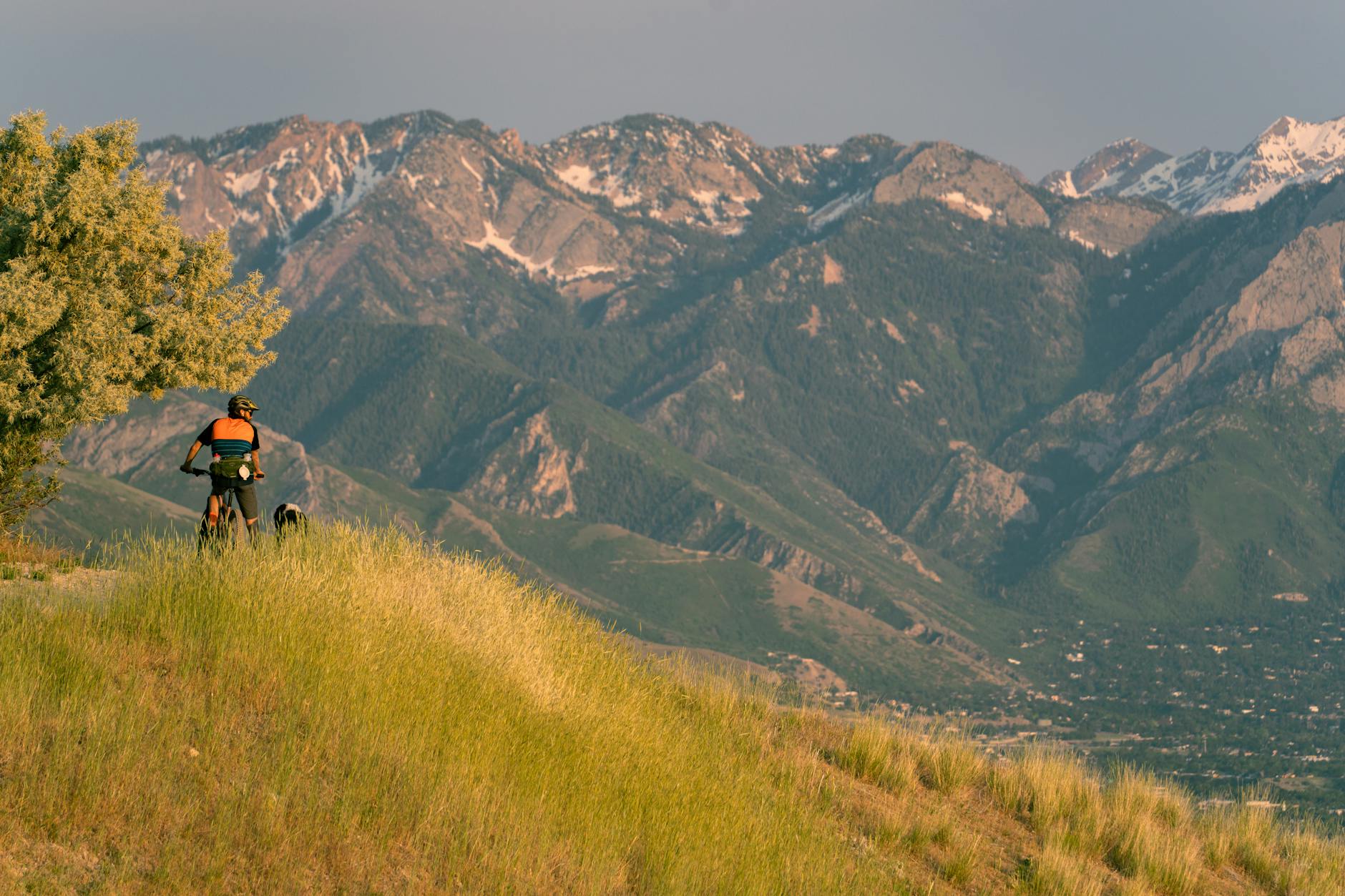
You’ll find big-sky mountain scenery within minutes of a walkable downtown. Culture and history mix with a lively food and craft-beer scene. Outdoor options—hiking, mountain biking, fishing and skiing—are a short drive from the city, so you can pair museums and coffee shops with active days. The downtown grid is compact, which makes this an excellent city for a focused three-day visit where mornings can be for galleries and afternoons for canyon trails or salt-flat sunsets.
Quick Planning Tips
Fly into Salt Lake City International Airport (SLC) and allow 20–30 minutes to downtown by car. Buy a UTA pass (day or 3-day) if you’ll use TRAX and buses; rail connects airport, downtown and South Salt Lake. Pack layers—the valley warms quickly in summer but mornings can be cool, and altitude (4,300 ft) affects exertion. Reserve ski or canyon day trips in high season. Book one centrally located hotel to minimize transfers. Carry sunscreen and a refillable water bottle for hikes.
Day 1
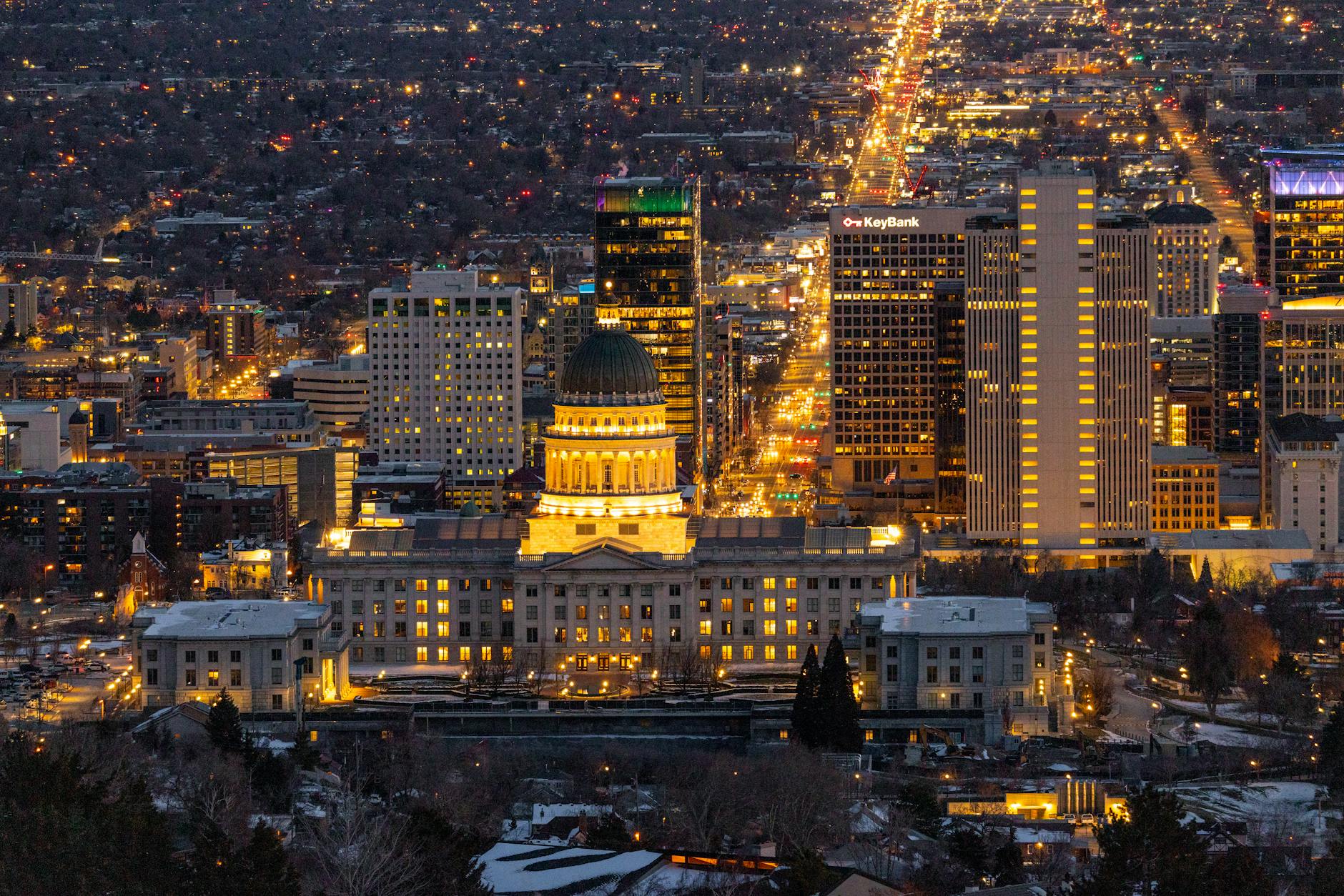
Morning: Start at Temple Square for a quick orientation and the historic grounds; nearby City Creek Center is good for a coffee and window-shopping. Walk up to the Utah State Capitol for city views and a short tour.
Afternoon: Explore the Church Historic Visitor Center or the Leonardo Museum (science plus design). Stroll Main Street and stop at a local lunch spot—try the 9th & 9th or downtown coffee shops.
Evening: Catch a show at the Eccles Theater or a live music venue, then sample a local brewery in the Warehouse District.
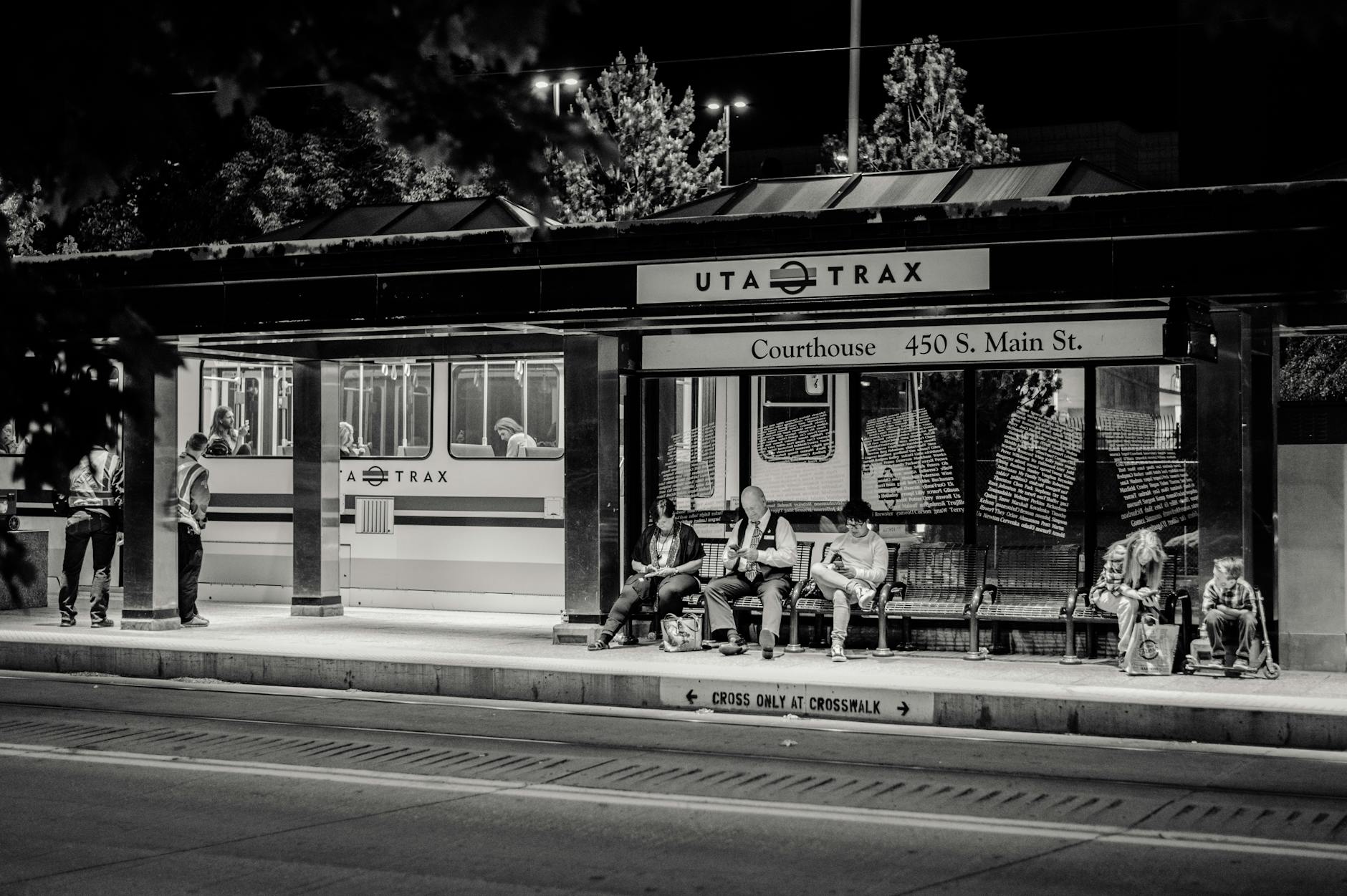
Transit tip: Most of Day 1 is walkable or a short TRAX ride.

Day 2
Morning: Head east to Red Butte Garden or the Natural History Museum of Utah (both near the University of Utah). Allow two hours for exhibits or garden paths.
Afternoon: Drive up City Creek Canyon or Millcreek Canyon for a short hike (1–3 hours) — Pack water and layers. Alternatively, make a half-day trip to Antelope Island for Great Salt Lake shoreline, bison spotting and sunset photos.
Evening: Return to Sugar House or 9th & 9th for dinner; the neighborhoods offer a mix of international and modern American restaurants.
Transit tip: A car or rideshare makes canyon and island access easier; consider a rental for this day.

Day 3
Morning: Visit Hogle Zoo or Liberty Park for a relaxed start. If you prefer urban culture, spend time at the Utah Museum of Fine Arts or the Clark Planetarium.
Afternoon: Use the afternoon for a Park City short trip (40–45 minutes) or explore local boutiques and murals in the Avenues neighborhood. Stop at the Salt Lake City Public Library for its architecture and rooftop views.
Evening: Finish with a riverside walk along the Jordan River or a final scenic viewpoint at Ensign Peak for sunset above the valley.
Transport tip: Keep this day flexible to match flight schedules or weather.
Best Local Experiences
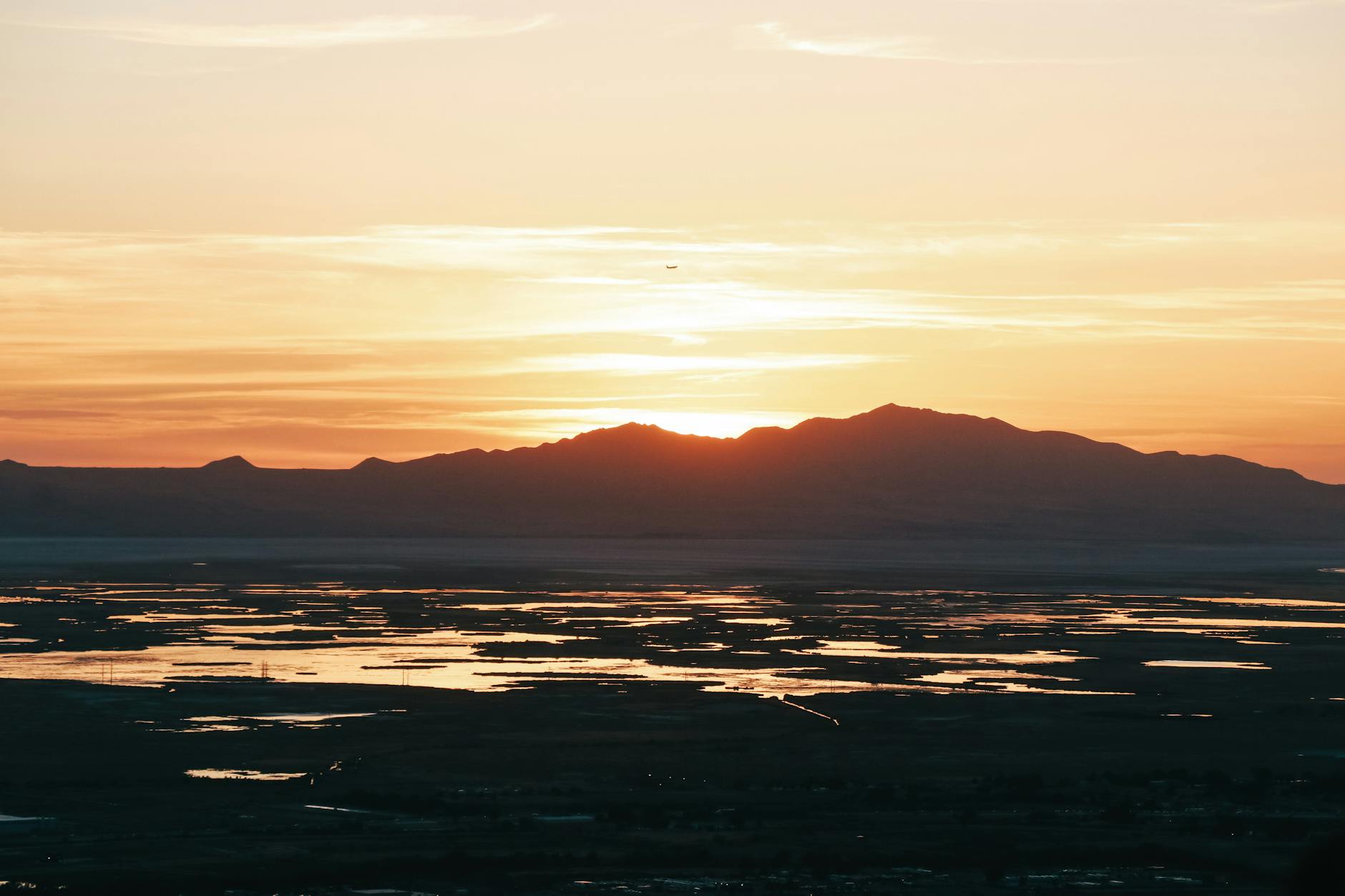
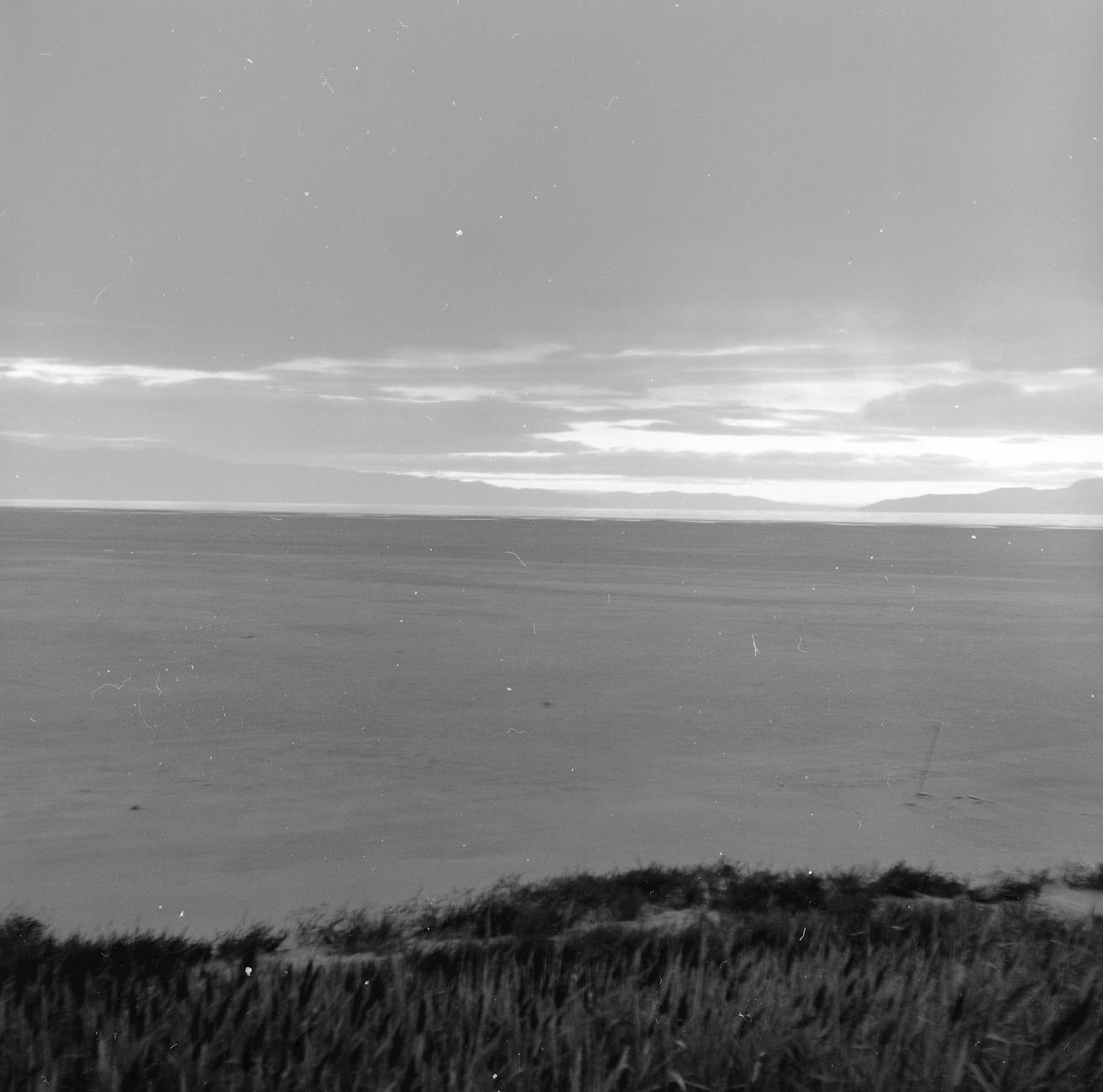
Sunset at Antelope Island to photograph the sparkling salt flats and bison. A Wasatch foothill hike—Donut Falls or Grandeur Peak for views and short driving time. Red Butte Garden concerts in summer for a local-music evening. Explore the Avenues and 9th & 9th neighborhoods for independent shops and coffee roasters. Try a brewery tour in the Salt Lake City Brewery District and visit a farmers market on a Saturday morning for regional produce and crafts.
Where to Stay
Downtown/Capitol Hill: Best for first-time visitors—close to Temple Square, Capitol and TRAX lines. The Avenues: quieter, residential streets with boutique B&Bs and easy climbs to viewpoints. Sugar House: lively neighborhood with parks and good restaurants, slightly south of downtown. Near University of Utah: ideal if you plan campus museums and east-side canyons. Choose a central base to minimize travel time; parking is available but limited at peak times downtown.
Food and Drink
Start days with independent coffee shops in 9th & 9th or downtown. For lunch, explore food trucks or the Gateway District near the Salt Palace. Dinners range from farm-to-table American to global cuisine in Sugar House and near the university. The city has a strong craft-beer scene—look for taprooms in Central 9th and the Brewery District. Don’t miss trying regional flavors at the farmers market; late-summer fruit and regional cheeses are highlights. For quick bites, many neighborhoods offer casual cafes and bakeries with outdoor seating.
Getting Around
UTA TRAX light rail and buses cover downtown, the university and many neighborhoods—buy a day pass for unlimited rides. Rideshares and taxis are widely available; parking downtown is metered and garages are common. For canyon hikes, Antelope Island and Park City, rent a car for flexibility. Cycling is growing—expect bike lanes in parts of the city but bring a lock. SLC International Airport is a short drive; TRAX Red Line connects the airport to downtown in 20–25 minutes.
Best Time to Visit
Late spring (May–June) and early fall (September–October) offer mild weather, fewer crowds and great hiking conditions. Winter is prime for skiers—resorts in Little Cottonwood and Park City open by late November. Summer brings warm, dry days perfect for lake visits and outdoor concerts. Check canyon road conditions in winter; snow can limit access to some trails. Book accommodations early during ski season and popular summer weekends.
Budget and Practical Tips
Expect mid-range prices for hotels; downtown options trend higher on weekends. Museums and gardens have modest admission fees—look for combo or student discounts. Tipping follows U.S. norms: 15–20% for sit-down meals, $1–2 per drink at bars. Sales tax applies to restaurant bills; check current rates. Carry layers and hydrate—altitude can intensify exertion. Public restrooms are common downtown and at major attractions. Cell service is reliable across the valley and into most canyon trailheads.
FAQ
Is three days enough to see the highlights?
Yes. Three days covers downtown museums, Temple Square, a canyon hike and a Great Salt Lake or Park City half-day trip with focused planning.
Do I need a car for three days?
Not strictly for downtown and university-area sights—TRAX covers many spots. A rental or rideshare is recommended for Antelope Island, canyon trails or Park City day trips.
Is the city family-friendly?
Yes—Hogle Zoo, Natural History Museum and Liberty Park are good family stops alongside easy nature outings.
How cold does it get in winter?
Winters can be cold with snow; valley lows often dip below freezing and canyon weather is colder—dress in layers and check road conditions.
Are there safe places to bike?
Yes. The city has growing bike infrastructure and dedicated trails, but use caution on busier streets and wear a helmet.
Conclusion
Three days here gives a satisfying mix of city culture and mountain access. Stay central, use TRAX for urban days, rent a car for canyon or island outings, and balance museums with at least one outdoor adventure. With compact neighborhoods, friendly cafes and easy day trips, you’ll leave with a clear sense of why the valley is a favorite Utah gateway.
How this guide was prepared
This guide was prepared through a structured research that combines destination research, geographic context, itinerary planning logic, and content review.