
Best Time to Visit Taipei
Practical, seasonal advice for visiting Taipei — weather, crowds, festivals, transport realities, and sustainable tips to plan your trip and connect with our 3 days in Taipei itinerary.
When to visit Taipei for pleasant weather, fewer crowds, and low‑impact experiences. Clear guidance by season, neighborhood tips, transport notes, and booking advice that pairs with our 3 days in Taipei itinerary.
Quick Answer
When to visit Taipei for pleasant weather, fewer crowds, and low‑impact experiences. Clear guidance by season, neighborhood tips, transport notes, and booking advice that pairs with our 3 days in Taipei itinerary.
Who This Page Is For
This page is for travelers planning a stay in Taipei who want clearer decisions about best time to visit, local logistics, timing, budgeting, and practical trip planning.
How This Page Was Prepared
This page was prepared through a structured editorial workflow that combines destination research, geographic context, and practical travel-planning review.
Plan the Rest of Your Trip
Use this page together with the full itinerary and the related planning pages below to make better booking, timing, transport, and budget decisions.
Best months for most travelers: October–November and March–April. These shoulder seasons offer mild temperatures, lower humidity, fewer heavy rains, and good hiking conditions. Winter (December–February) is cooler and drier — good for temples, museums and hot springs. Summer (June–August) is hot, humid and rainy; plan around typhoons and heavy showers. If you want to avoid crowds and have lower environmental impact, aim for March–April or October–November and use public transit for day trips.
This page helps you pick the best time to visit Taipei based on weather, crowds, activities, and sustainable choices. It’s written to support our main 3 days in Taipei itinerary and to help you plan sensible day trips to nearby cities such as Taichung, Kaohsiung or coastal Hengchun. Expect practical notes about transport, neighborhood character, local etiquette and when to book ahead.
What This Page Helps You Decide
Use this guide to decide:
- Which month matches your priorities (weather, hiking, night markets, festivals).
- Whether to schedule day trips and which transport to use (MRT, HSR, TRA, flights to offshore or cross-strait cities).
- When to book accommodation and tickets for peak dates like Lunar New Year.
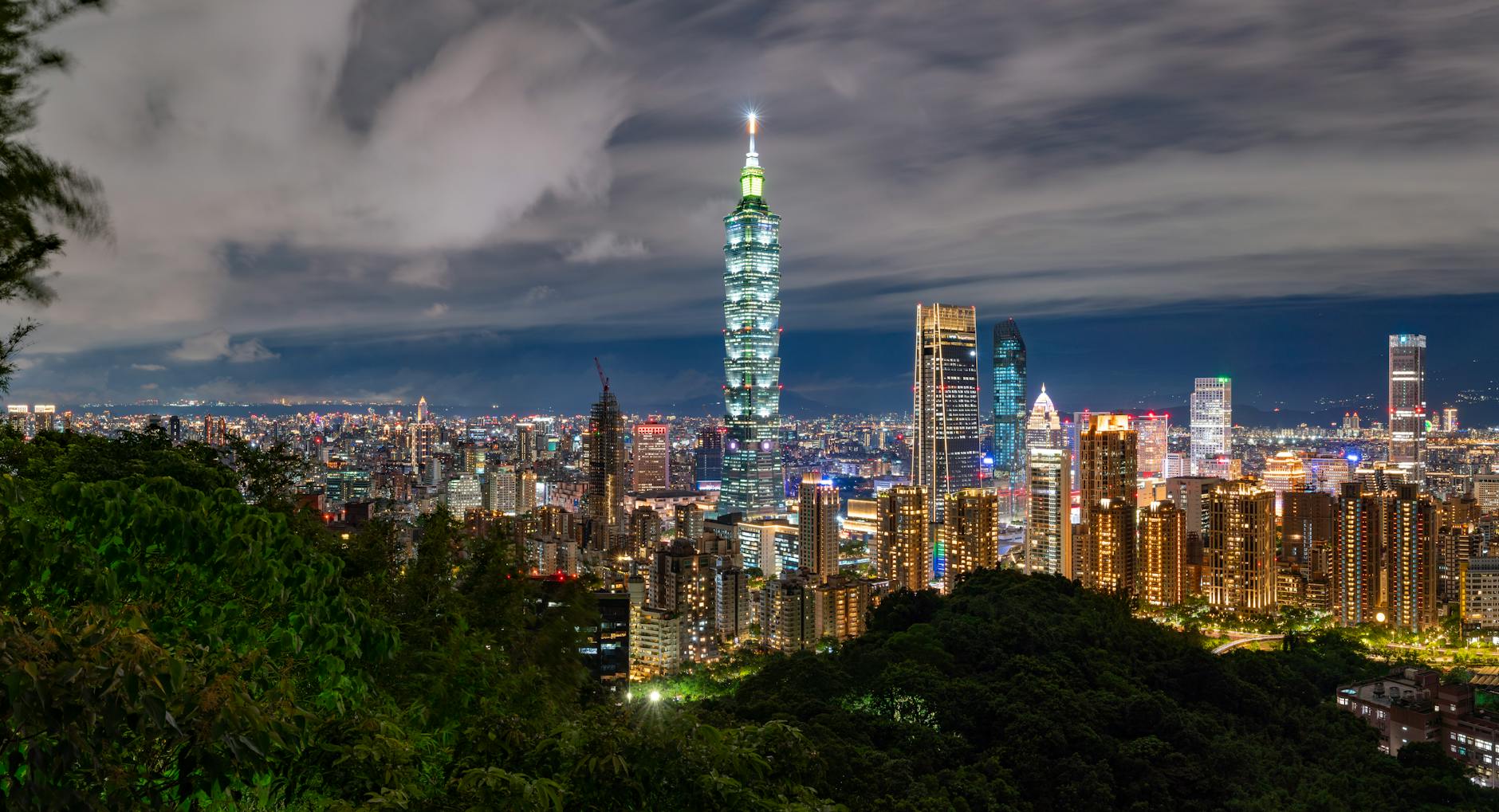
- How to match neighborhood choices (Xinyi for skyline and shopping; Da'an for cafes and parks; Wanhua/Longshan for old Taipei) to your 3-day plan.
If you’re planning a short stay, consult our 3 days in Taipei itinerary for neighborhood sequencing and practical transit routing.

Top Recommendations
Seasonal highlights and practical tips:
- Autumn (Oct–Nov): Best overall. Clear skies, pleasant temperatures, ideal for Elephant Mountain sunrise hikes and rooftop views from Xinyi. Book popular restaurants and rooftop bars in Xinyi in advance.
- Spring (Mar–Apr): Cherry blossoms in Yangmingshan, mild weather, good for walking in Da'an Park and food markets. Expect occasional plum rains in late spring; carry a light rain jacket.
- Winter (Dec–Feb): Cool and often dry. Enjoy Beitou hot springs, museums and low-season hotel rates outside Lunar New Year. Bring layers; nights can be chilly.
- Summer (Jun–Aug): Festivals and night market life peak, but heat, humidity and typhoon risk are real. If you travel now, plan indoor backup activities (museums, temples) and avoid long coastal hikes during storms.
Pair these with nearby trips: a bullet train to Taichung for museums and food, HSR to Kaohsiung for southern beaches any time outside typhoon peaks, and a longer-plan boat/flight if considering Xiamen or Fuzhou—check cross-strait requirements and book early.

Local Context
Neighborhood and transport realities that affect timing:
- Neighborhoods: Xinyi is busy day and night with shopping and skyline views; Da'an is residential with cafes and Da'an Park; Wanhua (Longshan) is historic and bustling at night markets; Songshan and Raohe have excellent food streets.
- Transport: Taipei’s MRT is reliable and covers most tourist areas; EasyCard makes transfers seamless. Taxis are plentiful but surge during typhoons or late nights. For intercity travel, Taiwan High Speed Rail (HSR) is the fastest to Taichung/Kaohsiung; TRA (regular trains) serve coastal towns. Flights or ferries are needed for Xiamen/Fuzhou—allow extra time for documentation.
- Weather microclimates: Yangmingshan and Beitou are noticeably cooler and foggier than central Taipei; pack a warm layer for higher-altitude hikes even on warm days downtown.

How to Choose Well
Match your priorities with the season and neighborhood:
- Food and night markets: evenings year-round; spring and autumn are most comfortable.
- Hiking and skyline photography: autumn and spring for clearer skies; avoid typhoon season.
- Hot springs and culture: winter is ideal for Beitou and indoor temple visits.
- Festivals: Lunar New Year (Jan/Feb) is lively but crowded; Dragon Boat (June, varied dates) affects travel in some regions; Ghost Month (seventh lunar month) influences certain businesses and events.
Booking advice:
– Reserve hotels and HSR seats well before major holidays.
– For popular restaurants and rooftop bars in Xinyi, book 2–4 weeks ahead in shoulder season and earlier in peak season.
– If planning a day trip to Hengchun (Kenting), allow an extra day during summer weekends and book bus/HSR connections ahead.

Responsible and Local-First Tips
Make low-impact choices that benefit local communities:
- Use public transit and walk between neighborhoods to reduce carbon footprint and encounter local businesses.
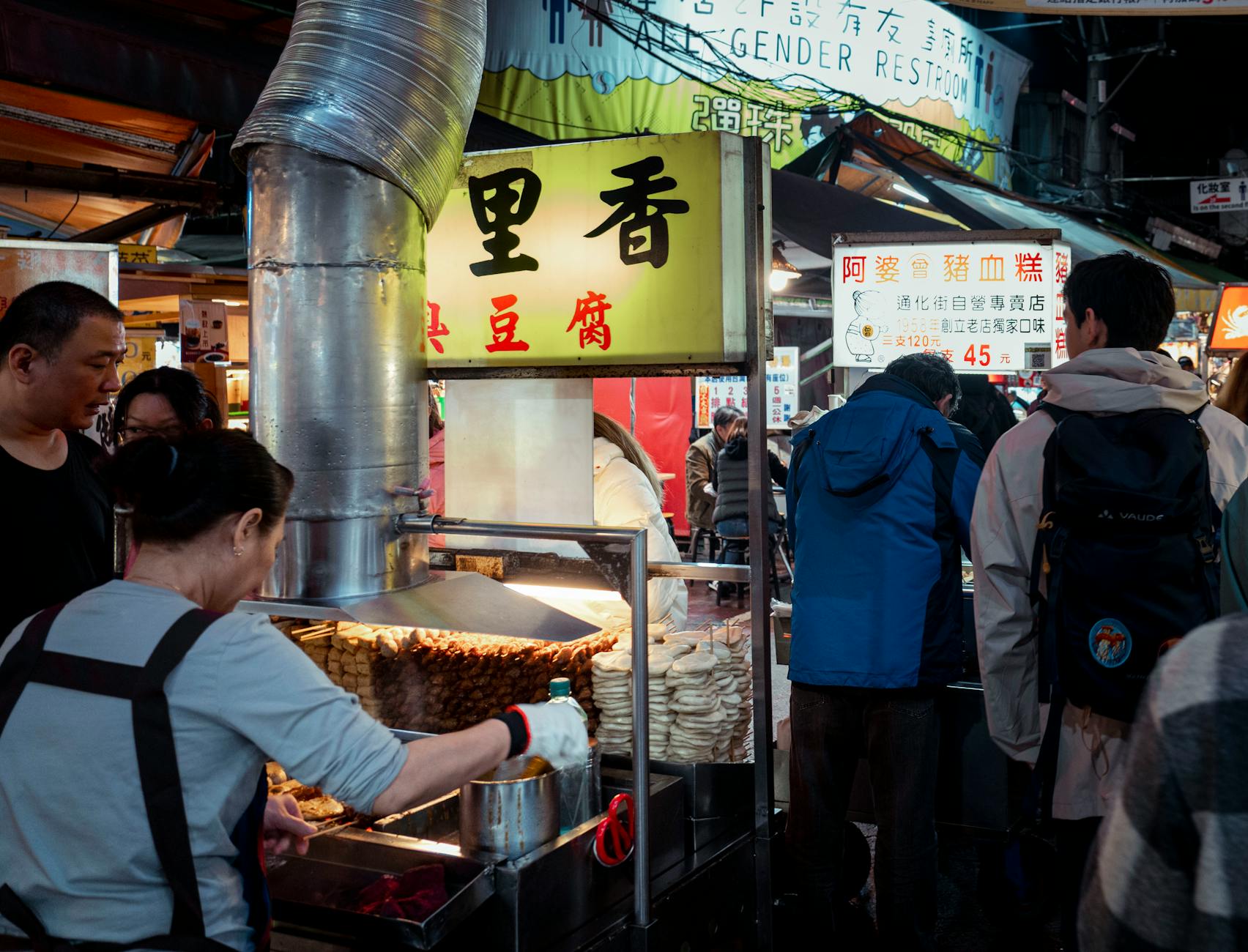
- Spend at small stalls and family-run eateries in night markets rather than chains. Bring small bills; some stalls don’t accept cards.
- Choose homestays, locally owned guesthouses or certified eco-tours for day trips to Yangmingshan and coastal areas.
- Bring a reusable water bottle and cutlery to reduce single-use plastics — many cafes will refill a bottle for a small fee.
- Respect temple etiquette: remove hats in main halls, speak softly, and ask before photographing worshippers or rituals.
These choices help spread tourism benefits across neighborhoods like Wanhua, Songshan and Beitou rather than concentrating spending only in Xinyi.
Common Mistakes to Avoid
Practical pitfalls travelers make and how to avoid them:
- Underestimating humidity: Pack breathable fabrics and plan indoor backup activities during summer storms.
- Not carrying cash: Night markets and small vendors often prefer cash.
- Renting a scooter without experience: Roads are busy and helmets and licenses are required; avoid if unfamiliar.
- Ignoring holiday closures: Many businesses close or fill up during Lunar New Year; book ahead or travel in shoulder months.
- Assuming cross-strait travel is same-day simple: Flights/ferries to Xiamen or Fuzhou need extra paperwork and scheduling — plan earlier than you think.
- Overplanning outdoor activities during typhoon season: Allow flexible days and travel insurance for weather cancellations.
FAQ
When is typhoon season in Taipei and how should I plan?
Typhoon season runs roughly June–October, with the highest risk July–September. If you travel then, keep plans flexible, buy refundable tickets when possible, and monitor local advisories. Use the MRT and taxis instead of walking in heavy rain.
Is there a best month for hiking near Taipei?
October–November and March–April are best: cooler temperatures, lower humidity and clearer skies make trails like Elephant Mountain and Yangmingshan more pleasant.
Are night markets open year-round?
Yes. Night markets operate year-round, but rainy days reduce stall variety. For the fullest experience, visit on dry evenings and bring small cash denominations.
Do I need to book HSR/TRA tickets in advance to Taichung or Kaohsiung?
For regular travel on non-holiday weekdays you can often buy same-day tickets, but during weekends, holidays and Lunar New Year reserve in advance. HSR has assigned seats, so prebooking is recommended for peak travel days.
Can I combine Taipei with Xiamen or Fuzhou easily?
Cross-strait trips require extra planning: flights are common; ferries operate selectively. Check visa/entry rules and seasonal schedules well before booking and consider using Taipei as your hub while taking regional flights on clearer weather days.
Conclusion
Choose October–November or March–April for the most comfortable, low-impact visits to Taipei. If you prefer cooler weather and hot springs, winter works well. Summer is lively but requires weather contingency planning. Wherever you go, favor public transit, support small local businesses in neighborhoods like Da'an and Wanhua, and pair this timing advice with our 3 days in Taipei itinerary to organize neighborhoods and day trips to Taichung, Kaohsiung or Hengchun. Check seasonal festival dates, book ahead for holidays, and bring flexible plans for the occasional storm.
How this guide was prepared
This guide was prepared through a structured research that combines destination research, geographic context, itinerary planning logic, and content review.