
Practical 3-Day Bordeaux Itinerary: What to See and Do
A practical 3-day itinerary for Bordeaux with transit tips, realistic budgets, and neighbourhood plans to maximize time while avoiding common tourist mistakes.
Three days gives a clear introduction to Bordeaux's riverfront, markets, museums and a single wine-area visit. This guide prioritises realistic timing, transit, and where to skip the lines.
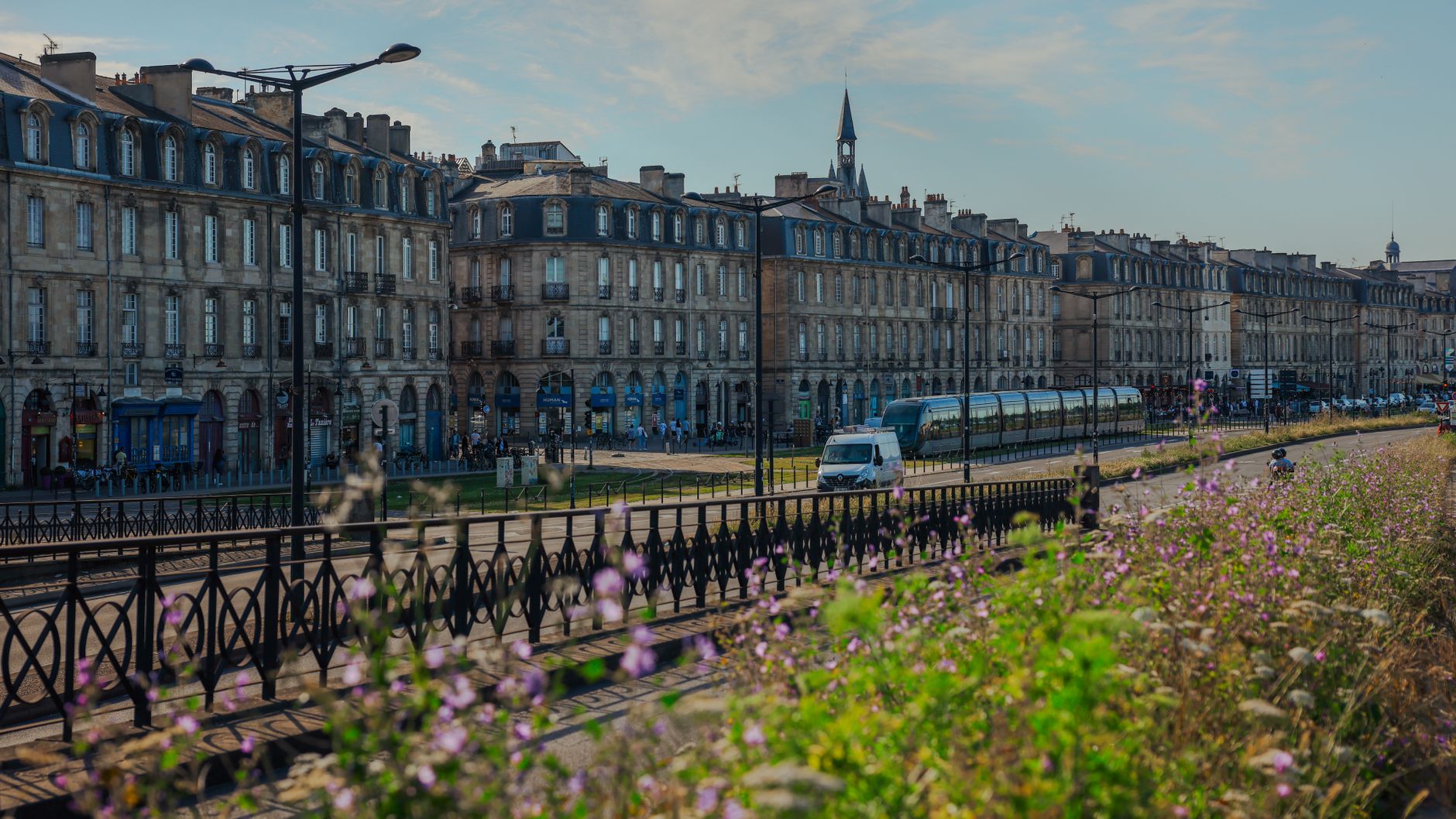
Bordeaux feels like a city built around a very broad river and an active port: long quays, stone façades, and a steady flow of delivery vehicles remind visitors that this is a working place as well as a visitor destination. Expect wide promenades along the Garonne, a compact medieval core around rue Sainte-Catherine and Place du Parlement, and a modern edge in Bassins à Flot where warehouses have been repurposed into cafés, galleries and startups.
Most pre-trip assumptions lean on wine clichés and elegant façades; newcomers are often surprised by the scale of traffic near the port and by how many good markets and local cafés close mid-afternoon. The city suits travellers who like walking and short tram hops, those who want a single dedicated winery day, and people who will accept busy central spots like Place de la Bourse during daylight hours.
Plan to move at a steady pace: distances along the quays are longer than they look, and several worthwhile museums require at least 60–90 minutes each. With three days, expect a clear overview rather than exhaustive coverage of the surrounding wine regions.
Is 3 days in Bordeaux enough?
Yes—three days is enough to see the central riverfront, the main museums, the historic core, and a short winery visit or Bassin d'Arcachon shore detour. Expect to skip a full Médoc estate tour or a second full-day wine region visit unless a longer trip is added.
Who This Guide Is For
Best for weekend travellers who enjoy walking, urban markets, museums, and a single organised wine outing. Poor fit for people who want multiple full-day winery tours or a relaxed beach holiday.
Local Tips for Bordeaux
Practical details that most travel sites skip — specific to Bordeaux.
- Buy a TBM 24-hour ticket for about €7 from tram machines or the TBM app — valid on all trams, buses and the VCub bike stations for short trips.
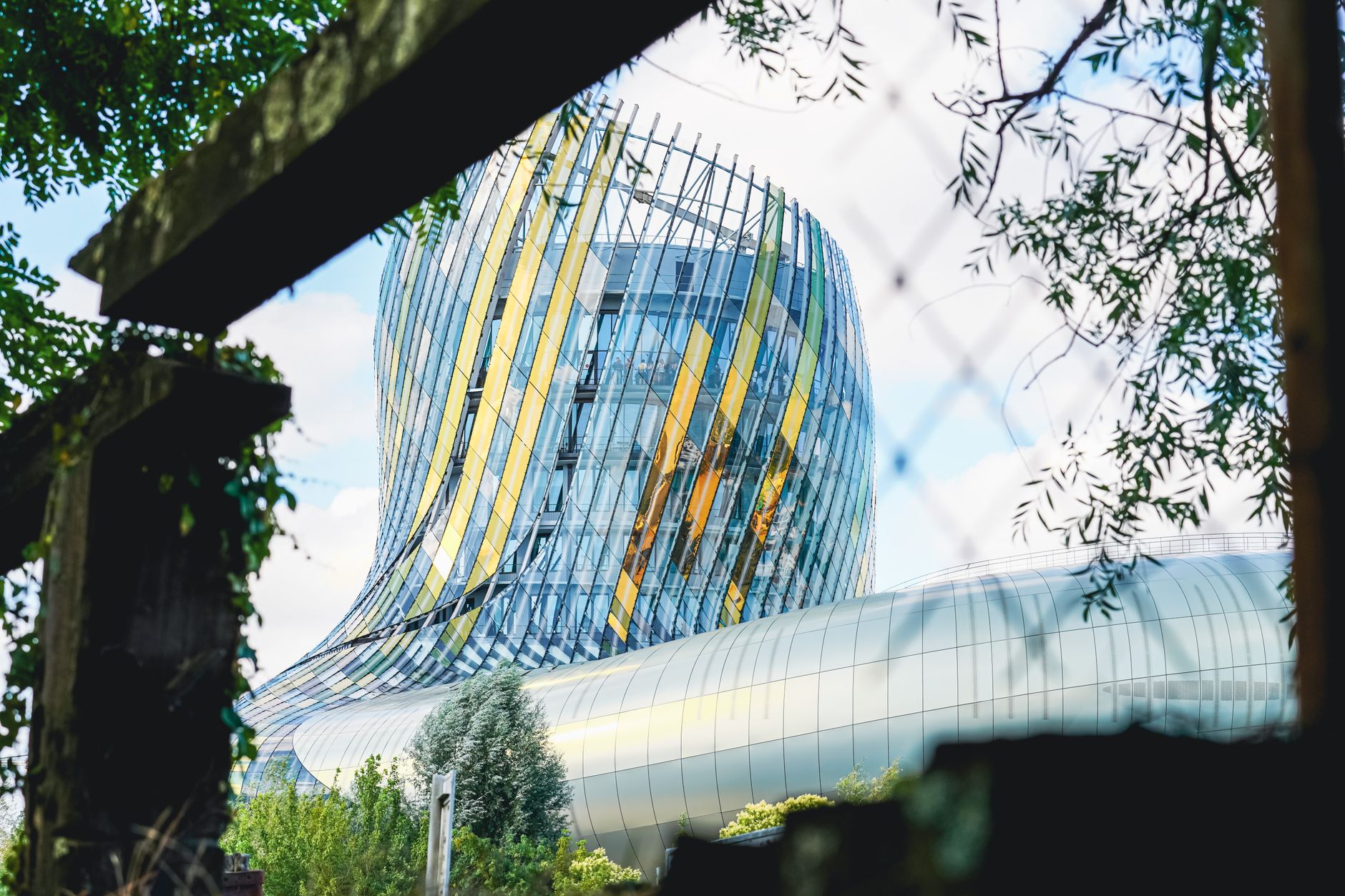
- Cité du Vin has timed-entry slots and general admission around €20; book the evening slot for quieter views from the belvedere.
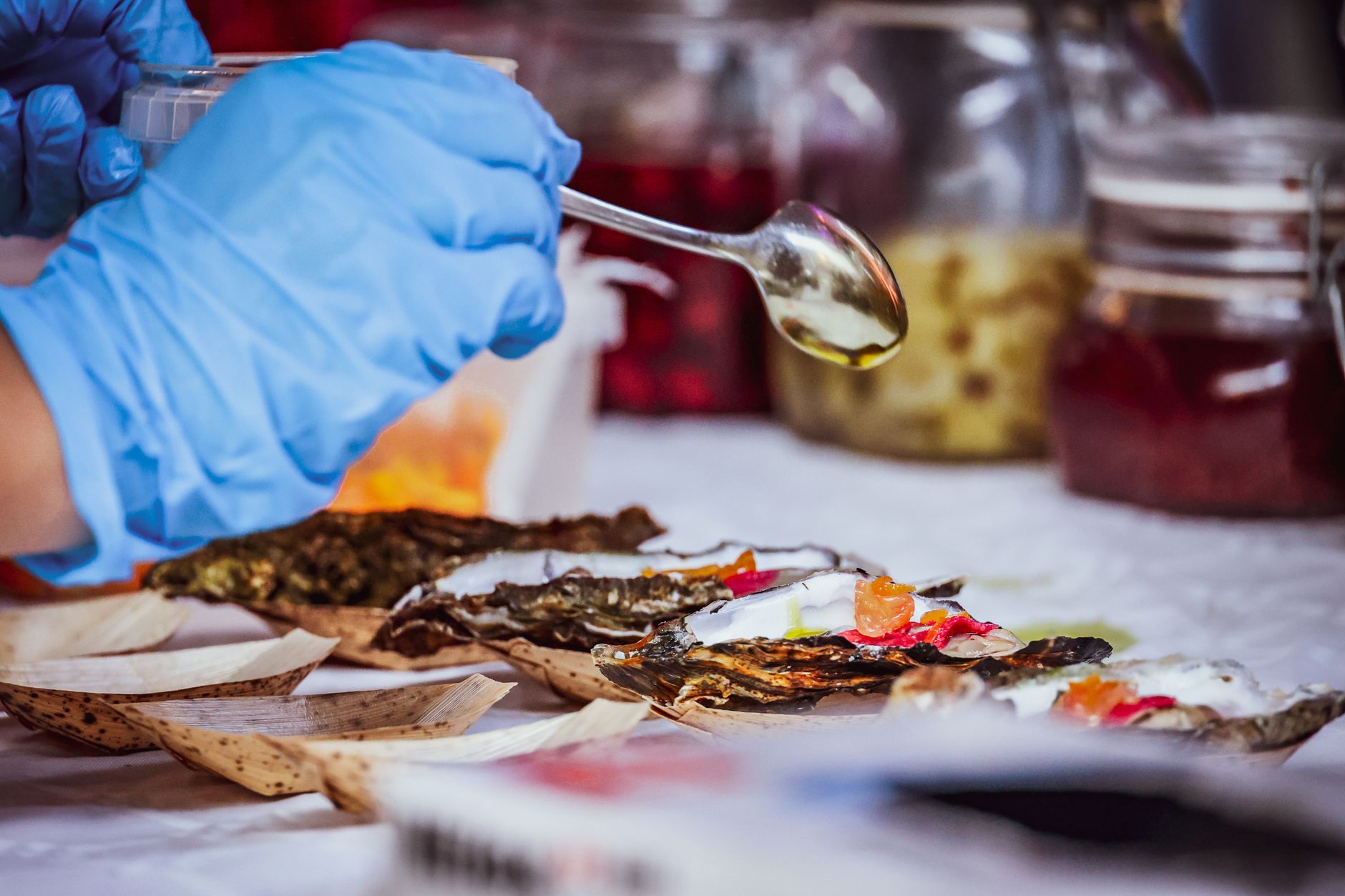
- Marché des Capucins (Cours de la Marne) is busiest 07:00–11:00 daily and the oyster stalls fill out on weekend mornings — arrive early for the best selection.
- Take tram line B to reach Cité du Vin and Bassins à Flot quickly; tram lines A–D converge at Place des Quinconces, the main interchange.
- Use the VCub bike-share for short riverside rides—first 30 minutes are effectively the value zone; download the official VCub app for unlocking and station maps.
How This Guide Was Prepared
This guide treats Bordeaux as a working port city with a strong wine-industry presence rather than a postcard of monuments. Most guides overemphasise wine-tasting glamour and under-explain simple daily logistics like tram stops, market opening hours, and how much time museums actually take. The approach here is practical: plan for walking along the Garonne, market mornings, a modern-museum afternoon, and one organised winery trip if time allows. This guide was prepared through a structured research that combines destination research, geographic context, itinerary planning logic, and content review.
Plan Your Stay in Bordeaux
Use this itinerary as your starting point, then compare areas to stay, transport options, seasonal timing, and realistic daily costs before booking.
Why Visit
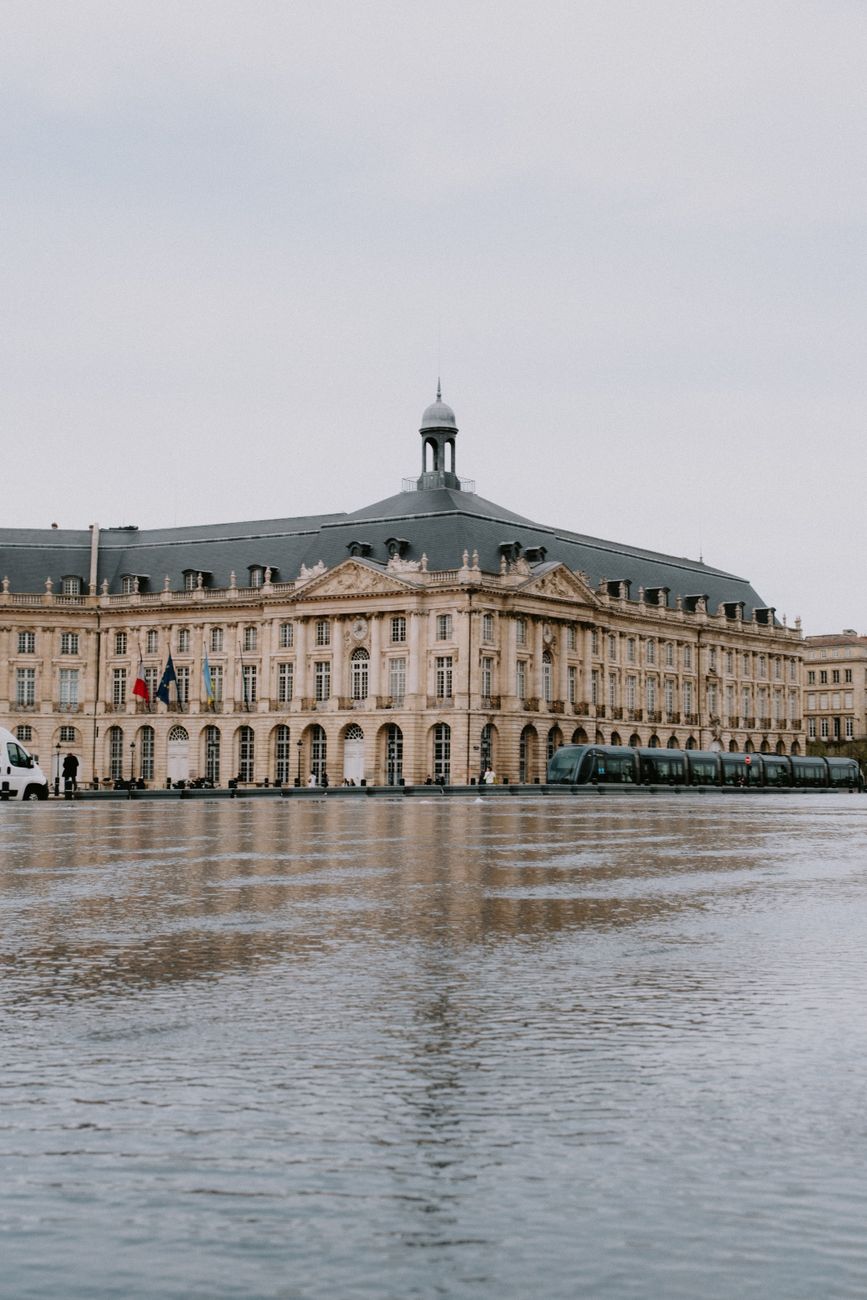
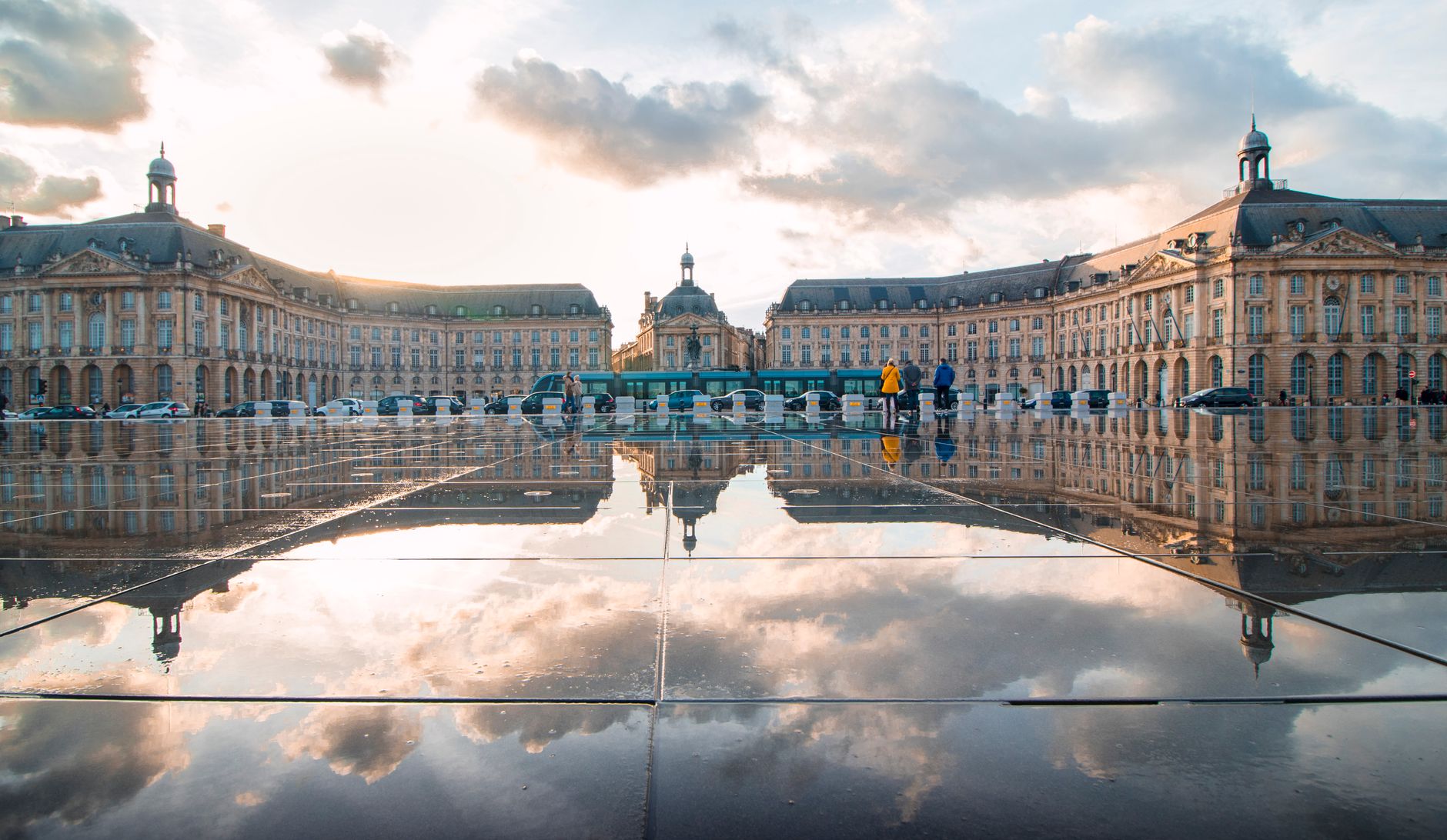
The architectural ensemble along the river—Place de la Bourse and the Miroir d'eau—offers an unusually coherent 18th-century urban front, useful for those interested in urban planning and classical façades. It provides excellent photo opportunities and an easy flat walk along the quays.
Food markets and regional produce are very accessible. Marché des Capucins supplies fresh oysters, fish and seasonal produce, and nearby bakeries on rue Fondaudège do serious morning business. These markets make food-focused short trips simple and cost-effective compared with long winery lunches.
A concise museum scene mixes regional history and modern art: Musée d'Aquitaine explains the local context, CAPC provides large-format contemporary shows, and Cité du Vin offers a modern, interactive approach to wine without needing to travel to an estate. This range means a three-day visit can cover history, art and wine without long transfers.
The compact historic core—Grosse Cloche, rue Sainte-Catherine, Place du Parlement—keeps most walking distances under 20 minutes between highlights, so a well-paced three-day plan is efficient and avoids constant transfers.
Quick Planning Tips
Arrive via Bordeaux–Mérignac Airport; the simplest public option is the airport shuttle into Porte de Bordeaux or a direct tram-bus link depending on the flight schedule. A taxi to the city centre typically costs €35–45 and takes 25–35 minutes outside rush hour.
Buy TBM transit tickets at tram machines or on the TBM app; a single ticket is around €1.80 and a 24-hour pass about €7. Use VCub docking bikes for short riverside trips—first 30 minutes are the most cost-effective.
Book timed entry for Cité du Vin and check opening hours for CAPC and Musée d'Aquitaine—some small local museums close on Mondays. Avoid planning a Médoc and Saint-Émilion winery visit on the same day; pick one and reserve a guided tour with transport if not driving.
Day 1
Start at Place de la Bourse and the Miroir d'eau in the morning when reflections are clearest and the area is less crowded. Spend 30–45 minutes here for photos and a short riverside walk along Quai Louis XVIII toward Pont de Pierre.
Walk across Pont de Pierre (10–15 minutes from Place de la Bourse) for views upstream and then return to reach Jardin Public via tram A or a 20–25 minute walk along the quays. Jardin Public offers a quiet half-hour break and a small natural history museum if time allows.
From Jardin Public, head to Musée d'Aquitaine (about 12 minutes on foot) for a focused 60–90 minute visit covering regional archaeology and colonial history. Expect basic admission around €6–8 and audio guide options for a surcharge.
Lunch at Marché des Capucins (10–15 minutes by tram or a 20–25 minute walk east): find oyster stalls, rotisserie stands and simple sit-down options. Budget €12–20 for a market meal.
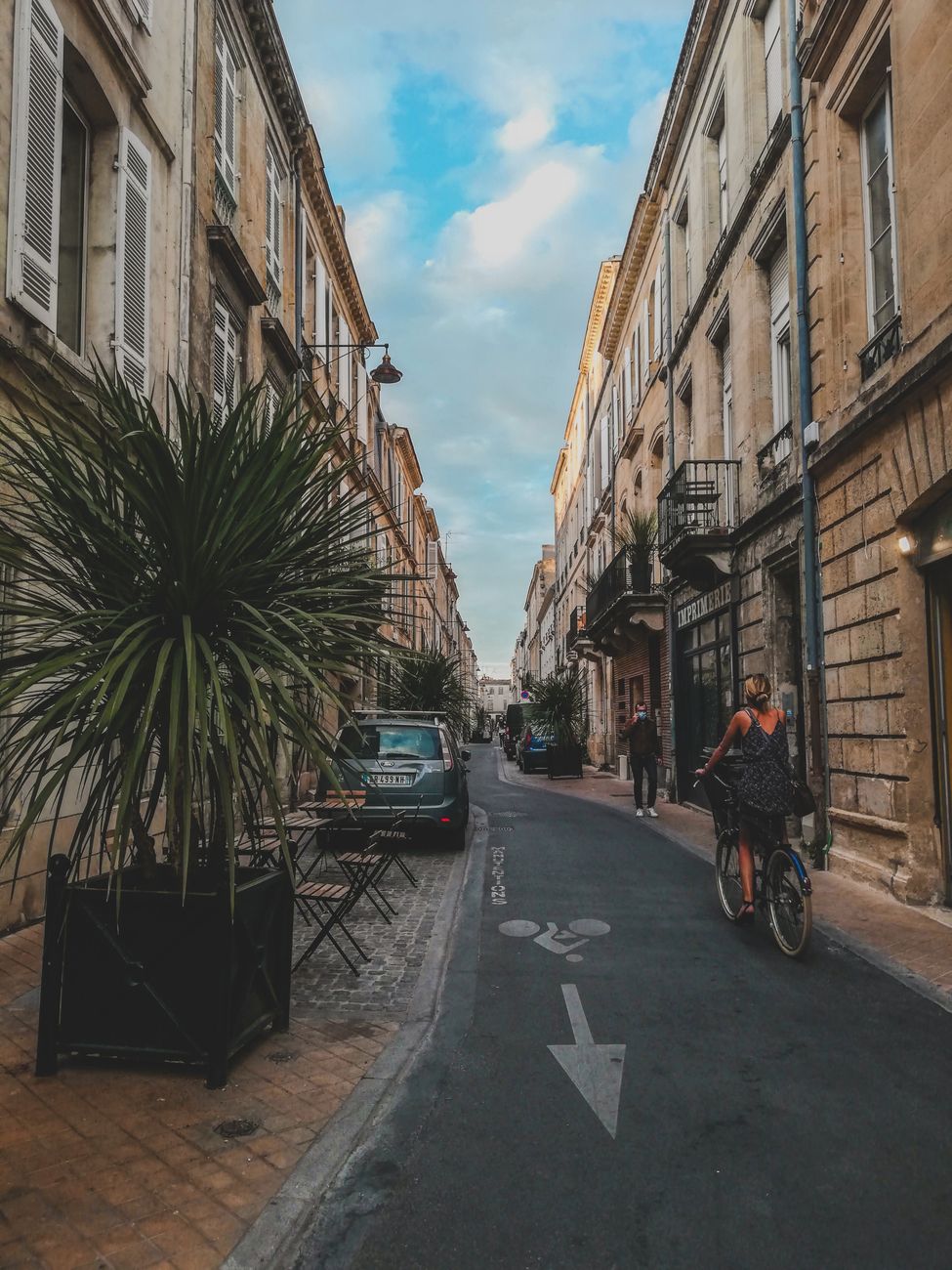
After lunch, walk to Saint-Pierre neighbourhood (5–10 minutes) and spend the afternoon exploring Grosse Cloche, rue Sainte-Catherine shopping street and Place du Parlement. Allow 60–90 minutes to move slowly through narrow streets and cafés.
Dinner recommendation: brasserie on rue Sainte-Catherine or a small bistro in Saint-Pierre; main courses typically €15–25. Evening recommendation: a short riverside stroll on the quais to see the illuminated façades and return to Place des Quinconces for late-evening tram connections.
Day 2
Dedicate this day to museums, contemporary neighbourhoods and the Bassins à Flot district. Start with Cité du Vin; take tram B to the 'Cité du Vin' stop and arrive for the opening slot. Plan 90–120 minutes for the main exhibition and a belvedere visit. General admission is around €20 and timed-entry is strongly advised.
From Cité du Vin, walk or take tram B to Les Bassins à Flot and Darwin Ecosysteme (10–15 minutes by tram). Spend an hour exploring the repurposed warehouses, street art, and the food stalls there. Darwin also has an eco-focused bookstore and occasional pop-up markets.
Take tram or bus back toward Chartrons (about 10 minutes). Chartrons is the old wine-trade quarter with antique shops, small galleries and wine bars. Visit the Musée du Vin et du Négoce if interested in trade history; allow 45–60 minutes for the museum and tastings.
Lunch in Chartrons—try a wine bar with a charcuterie plate, €12–18 for a light lunch. After lunch, head to CAPC musée d'art contemporain in the former warehouse on rue Ferrère (15–20 minutes walk from Chartrons). Plan 60–90 minutes for contemporary exhibitions; admission typically €6–9.
Evening recommendation: dinner along Quai des Chartrons or return to the central quays. For a late drink, choose a wine bar in Chartrons or Saint-Pierre; many close earlier than Paris, so check hours and reserve tables for weekend evenings.
Day 3
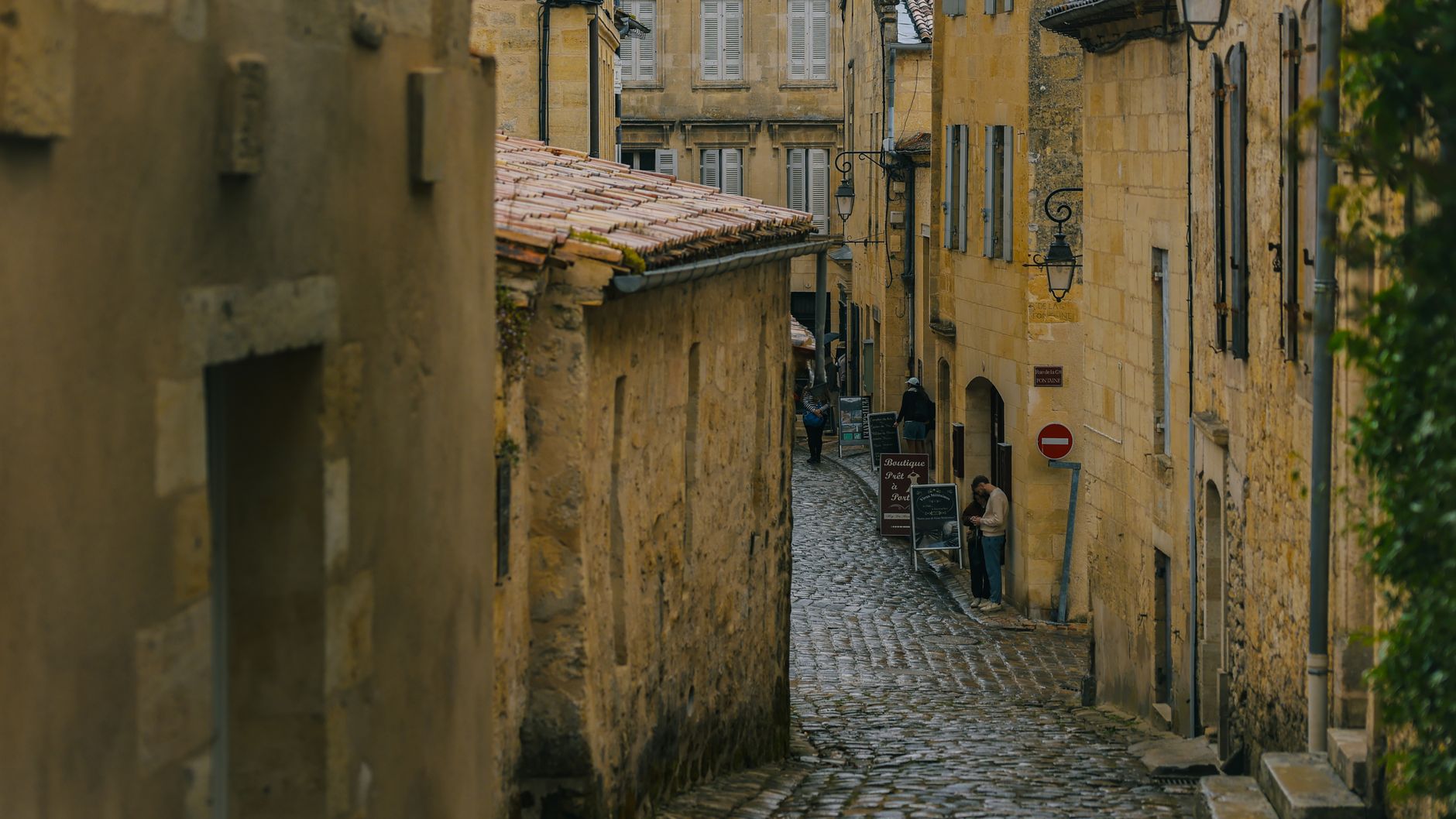
Use the final day for a single organised trip or local neighbourhood exploration depending on departure plans. Option A: Saint-Émilion half-day trip. Book a morning shuttle or guided tour (90–120 minutes by road each way). In Saint-Émilion, allow 2–3 hours to visit the village, a winery tour and a short wine tasting; coordinated tours include transport and tasting fees from about €60–€90 per person.
Option B: Arcachon Bay and Bassin d'Arcachon. An early train from Gare Saint-Jean reaches Arcachon in about 50–60 minutes; a quick oyster tasting at the waterfront and a walk on the Dune du Pilat require a full day, so this is only advisable with an afternoon or evening departure.
For travellers staying local, start with a slow morning at Marché des Capucins for breakfast and then visit small museums like Musée des Beaux-Arts near place Jean-Moulin (allow 60 minutes). Walk the remaining quays toward Pont de Pierre and allow time for last-minute shopping on rue Sainte-Catherine.
Practical note for departures: if catching an afternoon flight, avoid booking morning activities that finish late—allow two hours for transfer to Bordeaux–Mérignac Airport and one hour extra for check-in. For an evening flight, reserve the afternoon for a relaxed museum visit and an early dinner near Gare Saint-Jean if travelling by train next.
Best Local Experiences
Market mornings at Marché des Capucins on Cours de la Marne—best for oysters, local cheese and bakers; arrive before 10:30 for selection. A guided tour of Saint-Émilion including a winery visit and underground monuments—booked with pickup or train returns. An evening tasting at a wine bar in Chartrons where négociant bottles are available by the glass; many bars specialise in less-commercial appellations. A visit to Darwin Ecosysteme in Bassins à Flot for industrial-conversion architecture, street art and weekend markets; the collective runs regular food stalls and pop-ups. A walk across Pont de Pierre followed by a riverside bicycle ride using VCub to reach the renovated docklands—practical for skyline views and quick exercise.
Other specific activities: attending a performance at Grand Théâtre when schedules align, a guided tour of CAPC's current exhibition openings, and checking the Bordeaux wine fairs calendar for temporary tastings. Each of these is time-sensitive; check opening hours and event dates in advance.
Where to Stay
Saint-Pierre: central, historic core with narrow streets, steps to Place du Parlement and many cafés. Suits first-time visitors who want short walks to museums and restaurants. Expect mid-range hotels from €100–160 per night (roughly €100–160 / $110–175).
Chartrons: former wine-trade area north of the river with antique shops, wine bars and calmer evenings. Suits travellers who want more local shops and quieter streets while staying two tram stops from the centre. Expect €90–150 per night (about $100–165).
Bordeaux quay/Quinconces area: practical for tram connections and larger hotels, close to main tram interchange. Suits travellers with early trains or late arrivals who want straightforward transfers. Expect €110–180 per night (about $120–200).
For budget travellers, look for guesthouses or small studios in Victoire or Saint-Michel where rates can fall to €50–80 per night in shoulder seasons. For splurge stays, select riverside hotels or renovated mansions near Place de la Bourse with prices from €200 upward.
Food and Drink
Canelé: a small baked good with a caramelised crust and soft interior. Best versions come from local patisseries near Marché des Capucins; expect €1.20–2 each. Breakfast option: a café on rue Sainte-Catherine with espresso and a croissant for €3–6.
Oysters (huîtres): typically from Bassin d'Arcachon, sold fresh at Marché des Capucins and local oyster bars; budget €3–4 per oyster at market stalls, higher in restaurants. Try them with a dry white from Graves.
Entrecôte bordelaise or magret de canard: local bistro mains; look for simple brasseries around Place du Parlement or cours de l'Intendance. Typical main course prices €15–28.
White wine from Entre-Deux-Mers or a Bordeaux Supérieur glass: available widely in wine bars and restaurants; expect €4–8 per glass depending on provenance. For tastings, wine bars in Chartrons offer flights from about €12–20.
Street food: jambon-beurre baguette or a rotisserie chicken sandwich purchased near markets; expect €4–8. For a more formal dinner, a three-course meal with wine at a mid-range bistro runs €30–45 per person.
Getting Around
Public transit runs under the TBM brand: tram lines A, B, C and D cover the centre and suburbs. Place des Quinconces is the main tram interchange; Cité du Vin is on tram line B. Single ticket price is roughly €1.80 (valid one hour), and a 24-hour pass is around €7.
VCub bike-share docking stations are widespread along the quays and in main squares; the first 30 minutes are the value segment, and the official VCub app shows station availability. TBM provides an official app for timetables and tickets; Navitia is a useful third-party planner for multi-modal routes.
Key rail point is Gare Saint-Jean for regional TER trains to Arcachon, Saint-Émilion (via Libourne connections), and long-distance TGVs. Expect a taxi from Bordeaux–Mérignac Airport to downtown at roughly €35–45 depending on traffic; an Uber-like service may be slightly higher during peak periods.
Note that many central streets are pedestrian-only or have restricted vehicle access; walking remains the most reliable way to move between narrow historic streets and riverside promenades.
Best Time to Visit
Late spring (May–June) offers mild temperatures around 15–23°C and fewer tourists than July–August; this is good for walking and market mornings. Early autumn (September–October) brings harvest-related events and comfortable temperatures 14–22°C; wineries are active and evenings cool.
Summer (July–August) is warm—often 22–28°C—and busy with higher accommodation prices and occasional riverfront crowds. Winters (December–February) are mild compared with inland France, typically 5–12°C, with more museum time and lower hotel rates but shorter daylight hours and some closures on Mondays.
For best value and manageable crowds choose May–June or September. Avoid the height of summer if accommodation budget is tight or if day trips to nearby beaches are not a priority.
Budget and Practical Tips
Sample daily budget for a mid-range traveller: accommodation €100–150 (≈$110–$165), food €35–60 (breakfast €3–8, lunch €12–20, dinner €20–30), transport €3–10 (TBM day pass or a couple single tickets), museum entries €6–20 depending on visits. Total daily: roughly €150–240 (≈$165–$265).
For tighter budgets, expect €50–80 per night for basic guesthouses and €20–30 per day for food if relying on markets and bakeries. For higher-end travel, riverside hotels plus dinners and tastings can push totals above €300 per day.
Tipping: service is included in restaurant prices (service compris), but rounding up small amounts or leaving €1–2 per person for table service is common for good service. Taxi drivers do not expect large tips; round up to the next euro or add 5–10% for longer rides.
Carry a contactless card and some euros in cash for small markets and bakeries. Many smaller vendors accept cards only above a minimum; ask before ordering. Keep printed confirmations for timed entries like Cité du Vin and winery tours.
FAQ
Is Bordeaux safe for solo travellers?
Yes. Central neighbourhoods like Saint-Pierre, Chartrons and the quays are generally safe during daytime. Standard urban caution applies at night—avoid poorly lit side streets and keep valuables secure.
How do I get from Bordeaux–Mérignac Airport to the city centre?
Options include a taxi (€35–45, 25–35 minutes) and shuttle/bus services timed with flight arrivals. Check TBM connections for the closest tram-bus links if schedules match.
Is a Bordeaux City Pass or tourist card worth buying?
Only if planning multiple paid museum visits, a Cité du Vin tour and guided winery activities; otherwise individual tickets and a TBM day pass are more economical for short stays.
Can a day trip to Saint-Émilion be done independently?
Yes—take a regional train to Libourne then a shuttle or local bus, but most visitors prefer an organised tour with tasting and transport for convenience.
Which transit app should be used?
Use the official TBM app for ticket purchases and timetables; VCub app for bike rentals and Navitia as a secondary route planner.
Are museums closed on certain days?
Several museums close on Mondays; verify hours for Musée d'Aquitaine, CAPC and smaller sites before planning. Cité du Vin operates daily but uses timed entries.
Conclusion
A three-day visit will leave a clear impression of the riverfront, central historic streets, a strong local market culture and one organised excursion into the wine landscape or nearby coast. The most memorable moments tend to be market mornings at Capucins, the view from Pont de Pierre and a focused tasting session in a small Chartrons bar rather than a long list of monuments.
If time runs short, prioritise a morning at Marché des Capucins and a riverside walk from Place de la Bourse to Pont de Pierre; those elements capture the food, river and urban character of the area in a compact window.
How this guide was prepared
This guide was prepared through a structured research that combines destination research, geographic context, itinerary planning logic, and content review.