
Where to Stay in Marrakesh: Best Neighborhoods, Riads, and Practical Advice
Practical, sustainable advice on where to stay in Marrakesh: choosing between the Medina, Gueliz, Hivernage, Kasbah and Sidi Ghanem; booking riads; transport and seasonal tips for a 3-day trip.
Neighborhood-by-neighborhood guidance for first-time and repeat visitors to Marrakesh, with low-impact recommendations, transport realities, and booking tips that pair with our 3 days in Marrakesh itinerary.
Quick Answer
Neighborhood-by-neighborhood guidance for first-time and repeat visitors to Marrakesh, with low-impact recommendations, transport realities, and booking tips that pair with our 3 days in Marrakesh itinerary.
Who This Page Is For
This page is for travelers planning a stay in Marrakesh who want clearer decisions about where to stay, local logistics, timing, budgeting, and practical trip planning.
How This Page Was Prepared
This page was prepared through a structured editorial workflow that combines destination research, geographic context, and practical travel-planning review.
Plan the Rest of Your Trip
Use this page together with the full itinerary and the related planning pages below to make better booking, timing, transport, and budget decisions.
First-time visitors who want the full sensory experience should stay inside the Medina (near Jemaa el-Fna) in a locally run riad. Travelers who prefer wider streets, cafés, and modern shops should consider Gueliz. Hivernage is best for luxury hotels and quieter evenings. Use the Kasbah for proximity to major monuments and quieter riads. For workshops and contemporary galleries, Sidi Ghanem is ideal. Match your choice to your 3-day plan to minimize transit.
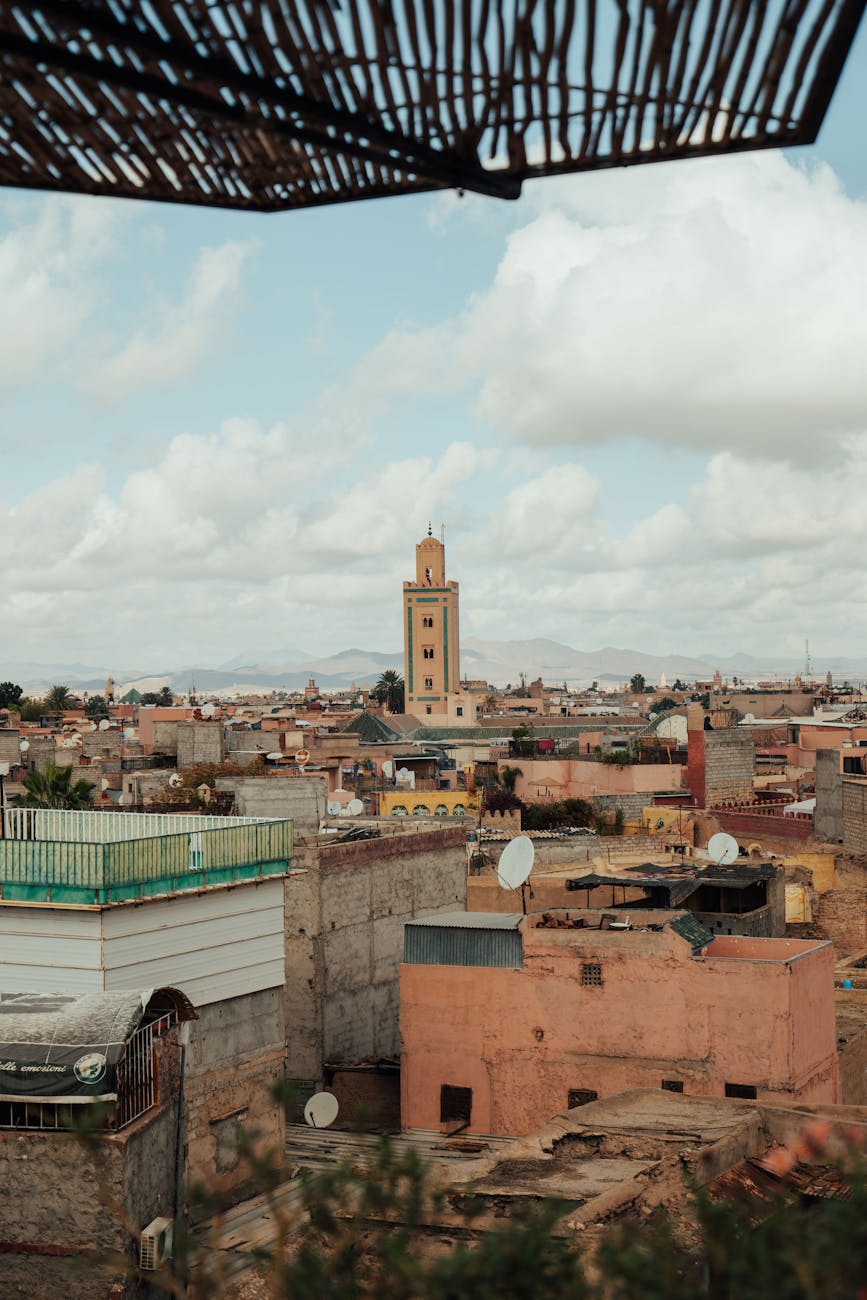
Marrakesh is compact but diverse: the walled Medina, modern Gueliz, palm-lined Hivernage, industrial-chic Sidi Ghanem and the quieter Kasbah each offer a different travel experience. Where you stay will shape how you spend your 3 days, whether you want immediate access to souks, a calm riad courtyard, or easy onward travel to Essaouira or the Atlas Mountains. This page helps you choose a place that supports local businesses, reduces needless transfers, and matches your energy level and interests.
What This Page Helps You Decide
This page helps you choose a neighborhood and lodging type based on:
- Your main priorities: souks and heritage, calm courtyards, nightlife, or modern conveniences.
- Accessibility and transport: walking distances, taxi realities, and airport access.
- Sustainability and local impact: preferring family-run riads, local guides, and low-impact choices.
Use this alongside our 3 days in Marrakesh itinerary to pick nights by neighborhood so you spend less time in transit and more time exploring.
Top Recommendations
Neighbourhood picks by traveler type:
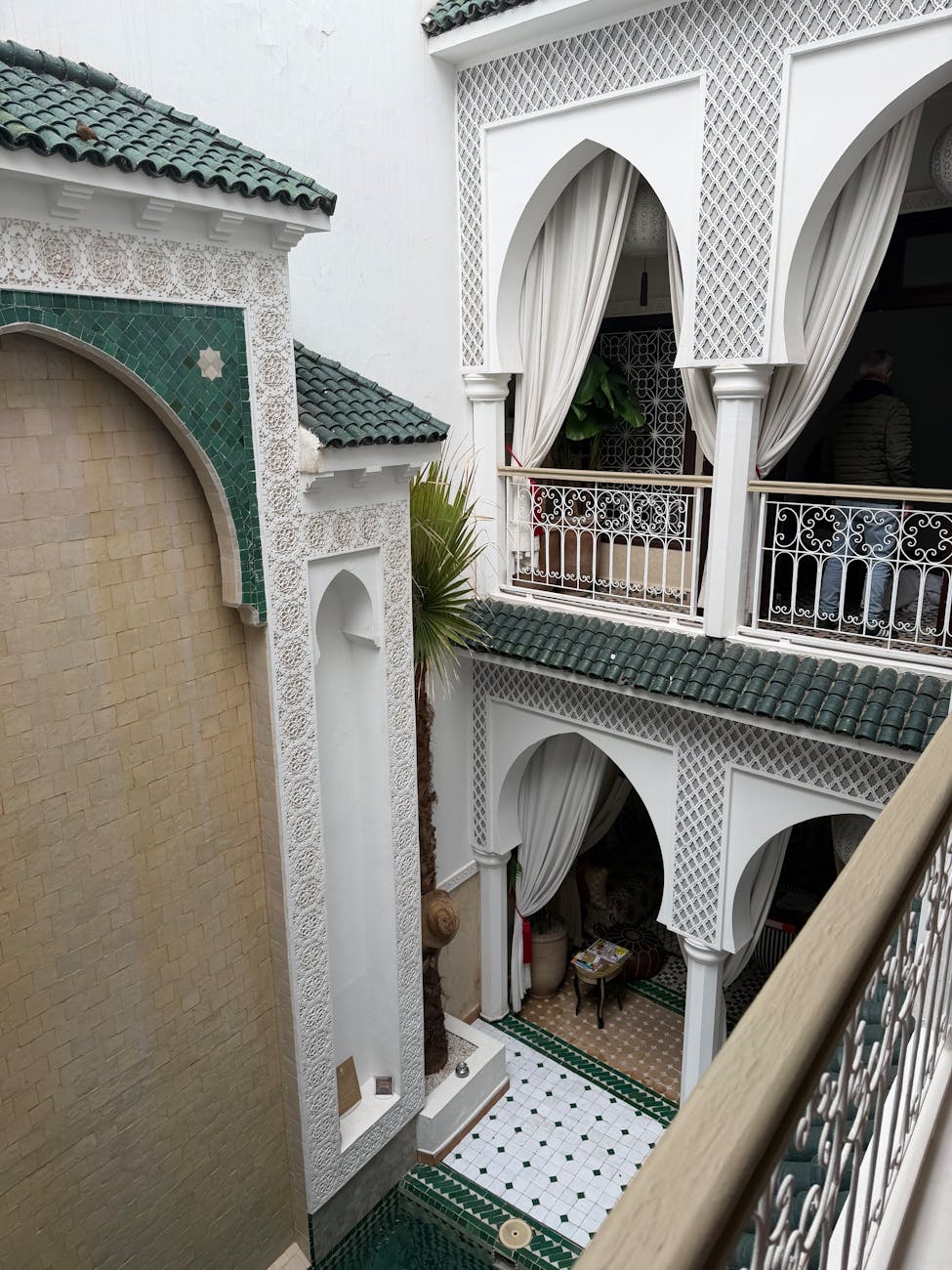
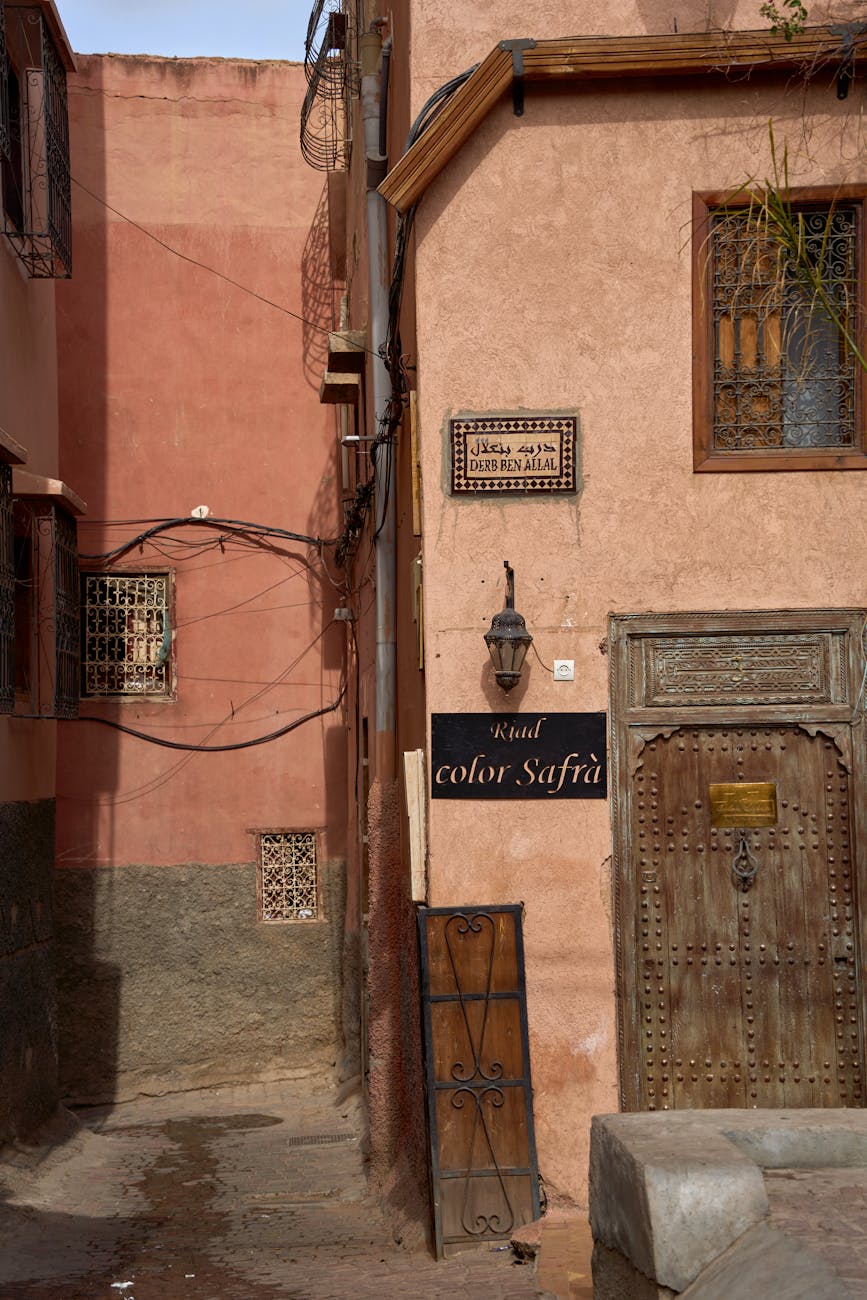
- First-time, sensory immersion: Stay inside the Medina (near Jemaa el-Fna, Koutoubia). Choose a small riad with locally employed staff and breakfast included.
- Modern comforts, cafés, shopping: Gueliz — roomy apartments and boutique hotels, walkable to museums and tram stops.
- Quiet luxury and nightlife: Hivernage — hotels with gardens and pools, easy taxi access but farther from souks on foot.
- Local craft and contemporary design: Sidi Ghanem — ateliers, showrooms and light industry converted into studios.
- Family or lower mobility: Kasbah or ground-floor riads in the Medina; consider a car or regular taxi access.
Booking tips:
- Book riads early for high season (Oct–May) and long weekends.
- Look for clear hot-water, heating/cooling, and cancellation policies.
- Request a map and simple walking directions from your host for late arrivals.
Pairing with day trips:
- Base in the Medina to follow our 3 days in Marrakesh walking itinerary easily.
- If you plan a day trip to Essaouira or Agadir, consider a night near the train station or central Gueliz for smoother transfers to long-distance buses or private shuttles.
Local Context
Seasonal reality: Summers (June–Aug) are hot and dry—choose shaded riads with pools or air conditioning. Shoulder seasons (Apr–May, Sep–Nov) offer milder temperatures, smaller crowds and are the most sustainable times to travel. Winters are mild but nights can be cool; check heating in riads.
Transport realities: Marrakech-Menara Airport is about 6 km from the Medina; airport taxis are metered but confirm rates for evenings. Petit taxis are short-trip meters; grand taxis handle intercity travel. The city centre is highly walkable but streets in the Medina are pedestrian-only and narrow—expect luggage handling by hosts.
Local etiquette: Dress respectfully—cover shoulders and knees in crowded areas. Haggle in souks but keep it friendly; treat sellers with courtesy. Ask permission before photographing people, especially in the Mellah and around market stalls.
How to Choose Well
Decide with this quick checklist:
- How much walking can you do? Choose Gueliz or Hivernage for easier car/taxi access; pick a centrally located riad in the Medina if you want to walk to attractions.
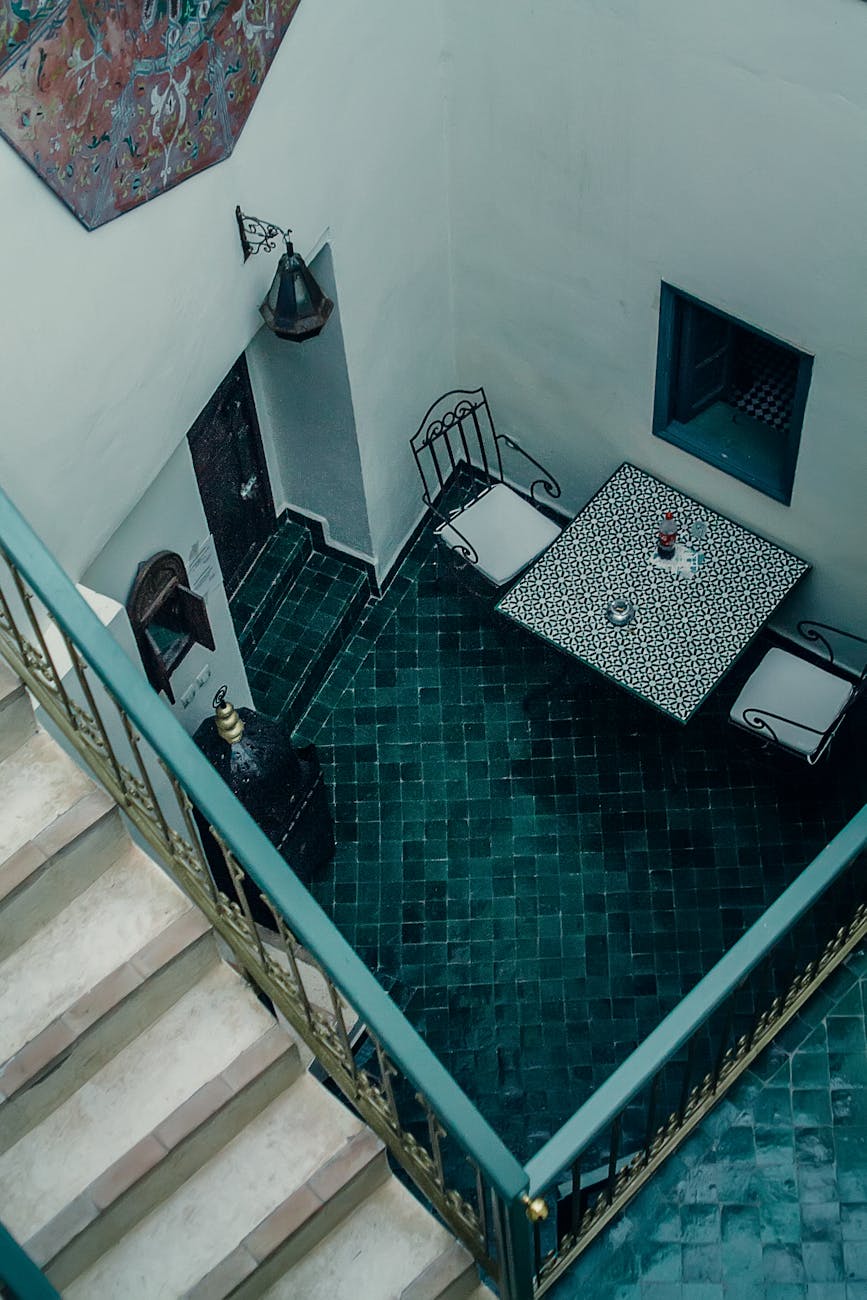
- Noise tolerance: Streets around Jemaa el-Fna are lively at night—pick a riad with solid windows or a tucked-away courtyard.
- Budget and comfort: Small family riads offer authentic stays and lion-share local spending; boutique hotels in Hivernage offer more predictable amenities.
- Mobility and luggage: Request assistance for luggage and ask for ground-floor rooms or an elevator.
Questions to ask before booking:
- Is the property family-owned and do they employ local staff?
- What is the exact walking time to Jemaa el-Fna or Majorelle Garden?
- Are transfers from the airport available and at what cost?
- Do rooms have reliable hot water and climate control?
Responsible and Local-First Tips
Prioritize businesses that keep revenue local and minimize impact:
- Choose small riads, locally run guesthouses, and family restaurants.
- Book local guides for souk walks and day trips; insist on fair payment and ask for guide registration where applicable.
- Reduce taxi use by clustering activities: group souks, palaces and lunch in one neighborhood.
- Use refillable water, avoid single-use plastics, and support artisans with direct purchases rather than packaged imports.
- Travel in shoulder season to reduce strain on infrastructure and to help local businesses outside peak months.
When booking, prefer properties that mention sustainable practices (water-saving, staff wages, solar panels) and read recent guest comments about local engagement.
Common Mistakes to Avoid
Avoid these frequent errors:
- Picking a riad solely from photos without checking location—some are far from main sights and involve confusing alleys.
- Underestimating luggage transport—many Medina doors are narrow; confirm arrival assistance.
- Expecting standard international hotel service in small riads—service is personal but sometimes informal.
- Booking last-minute in high season—limited riads and boutique hotels sell out quickly.
- Ignoring seasonal heat—visitors in summer who skip air conditioning or a pool can find days unpleasant.
Practical fixes: ask hosts for arrival maps, confirm baggage help, and align your booking dates with nearby events that can double prices and crowds.
FAQ
Is it safe to stay in the Medina at night?
Yes—many travellers stay safely inside the Medina. Streets are busy after dusk around Jemaa el-Fna, but pick riads with secure doors, and avoid poorly lit alleys late at night. Keep valuables secure.
Should I choose a riad or a hotel?
Choose a riad for authentic atmosphere, personalized service, and local economic impact. Choose a hotel for predictable facilities (gym, larger pools, guaranteed elevators). Match choice to mobility needs and comfort priorities.
How close to Jemaa el-Fna should I stay?
Within a 10–20 minute walk is ideal for first-timers—close enough to return for midday rest and evening shows, but consider sound levels if you need quiet.
How do I get from the airport and what does it cost?
Menara Airport is 5–10 km from the city centre. Airport taxis offer direct service—agree the rate for off-hours or ensure the meter is used. Many riads offer airport transfer for a fixed fee—ask for that option if you arrive late.
Can I take day trips to Essaouira or the Atlas Mountains from Marrakesh?
Yes. Essaouira and Atlas day trips are common; base selection on your itinerary—if you plan early departures, choose a place with easy taxi access or near bus/transfer pickup points. For longer journeys to Casablanca, Rabat or Meknes consider spending a night near train or bus stations in Gueliz.
Any tips for traveling sustainably in Marrakesh?
Stay in locally owned accommodations, hire certified guides, buy directly from artisans, travel in shoulder season, and minimize plastic use.
Conclusion
Picking where to stay in Marrakesh is about aligning comfort, convenience and impact. Use the neighborhood guidance above and our 3 days in Marrakesh itinerary to plan nights so you waste less time moving and more time experiencing the city. Favor family-run riads and local services where possible, travel in shoulder seasons for a lighter footprint, and confirm arrival logistics with your host before you go. If you need a suggested nightly plan tied to attractions, consult the 3 days in Marrakesh companion guide or consider brief side trips to Essaouira, Agadir or Casablanca for more time in coastal and urban Morocco.
How this guide was prepared
This guide was prepared through a structured research that combines destination research, geographic context, itinerary planning logic, and content review.