
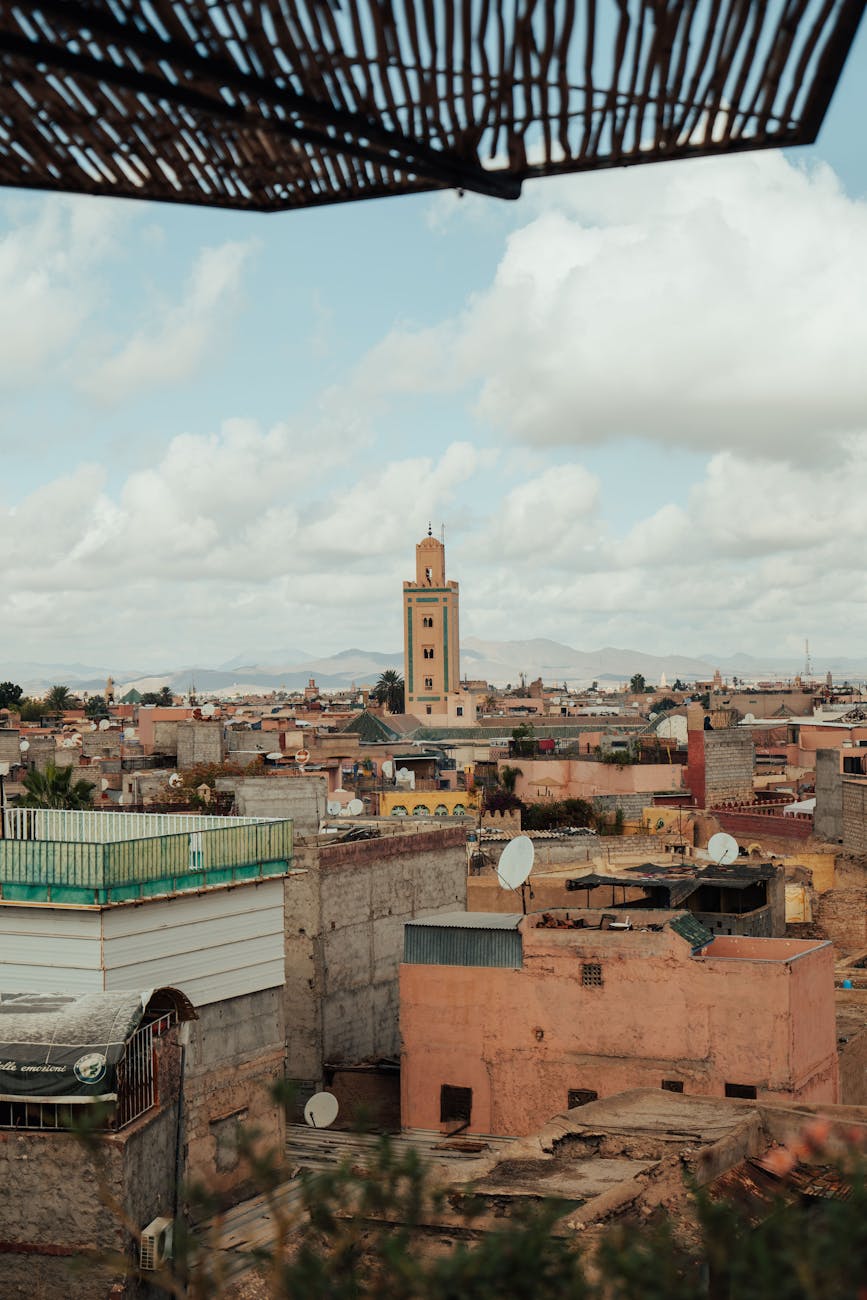
Best Things to Do in Marrakesh — Practical, Local-First Recommendations
A concise, practical guide to the best things to do in Marrakesh: medina highlights, gardens, day trips, sustainable choices, neighborhoods, and booking tips to support your 3-day itinerary.
Clear, local-first suggestions for exploring Marrakesh’s medina, gardens, palaces, hammams, and nearby day trips — optimized for a 3-day plan and sustainable travel.
Quick Answer
Clear, local-first suggestions for exploring Marrakesh’s medina, gardens, palaces, hammams, and nearby day trips — optimized for a 3-day plan and sustainable travel.
Who This Page Is For
This page is for travelers planning a stay in Marrakesh who want clearer decisions about things to do, local logistics, timing, budgeting, and practical trip planning.
How This Page Was Prepared
This page was prepared through a structured editorial workflow that combines destination research, geographic context, and practical travel-planning review.
Plan the Rest of Your Trip
Use this page together with the full itinerary and the related planning pages below to make better booking, timing, transport, and budget decisions.
Best things to do: wander Jemaa el-Fnaa at dusk, dive into the souks, visit Bahia Palace and Saadian Tombs early, stroll Majorelle Garden and Yves Saint Laurent Museum, relax in a reputable hammam, and take one day trip (Essaouira or the High Atlas). For a main itinerary, use our 3 days in Marrakesh guide to arrange timing and bookings. Favor local guides, small-group operators, and riads that support community employment.
Marrakesh is a compact, sensory city best experienced on foot in the medina and with short excursions to gardens, palaces, and nearby coasts or mountains. This page supports the practical choices you’ll make while using our main 3 days in Marrakesh itinerary, with neighborhood-level context, transport realities, and sustainable tips to keep your visit low-impact and beneficial to local communities.
What This Page Helps You Decide
Use this page to choose:
– Which medina highlights to prioritize on a short schedule.
– When to book sites (time of day and season) and whether to hire a guide.
– Which neighborhood fits your pace: medina for atmosphere, Gueliz for modern comforts, Hivernage for upscale hotels.
– The best day trip (Essaouira for the coast, Imlil/Atlas for hiking) depending on interests and season.
It complements the 3 days in Marrakesh itinerary by giving alternatives and sustainable options for each slot.
Top Recommendations
Core experiences (mix into your 3-day plan):
– Jemaa el-Fnaa at dusk: watch street performers, try small food stalls, and photograph the square’s changing light. Keep valuables secure.
– Souks of the medina: allocate 2–4 hours; focus on spice markets, leather souks, and metalwork areas. Ask a local guide for one hour to orient yourself.
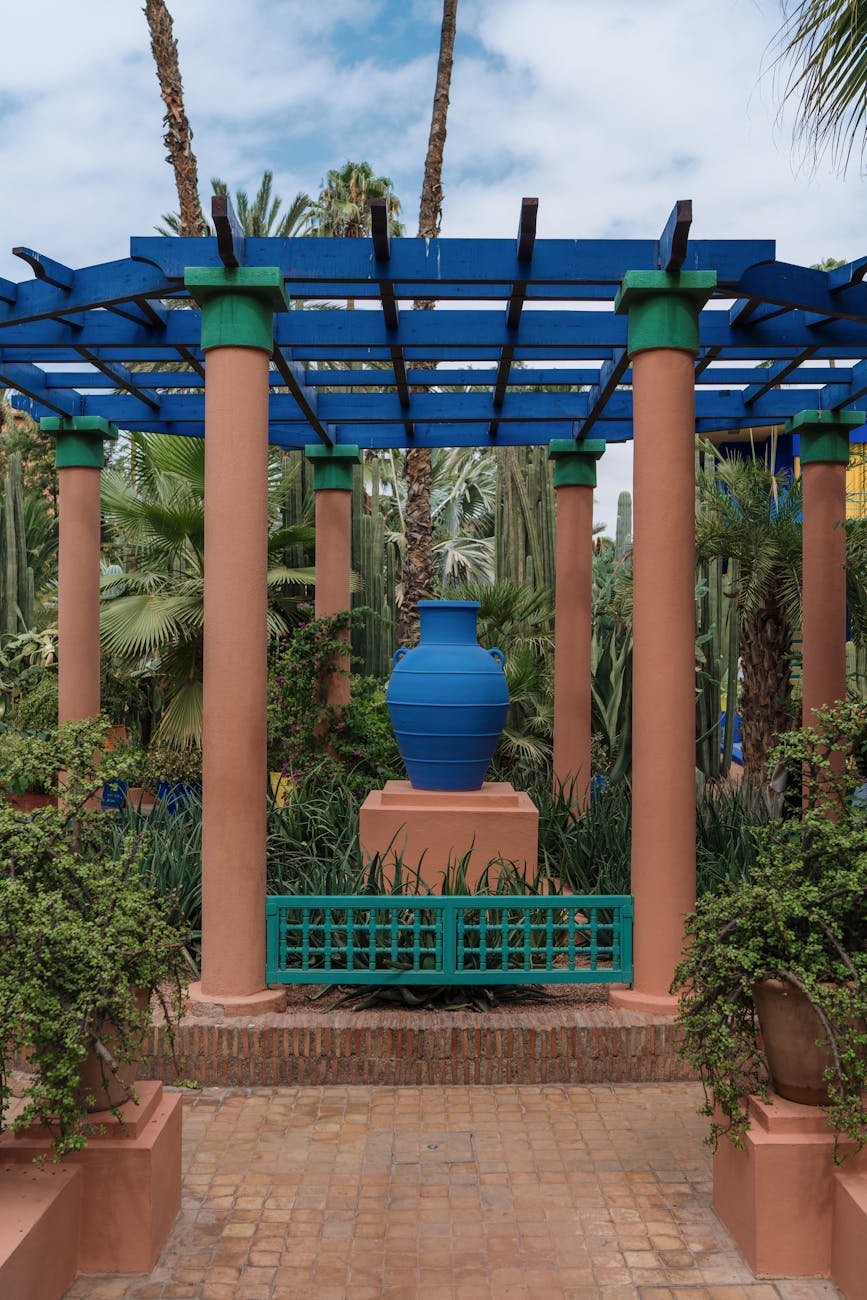
– Majorelle Garden + Yves Saint Laurent Museum: buy tickets in advance for peak season and late afternoon light.
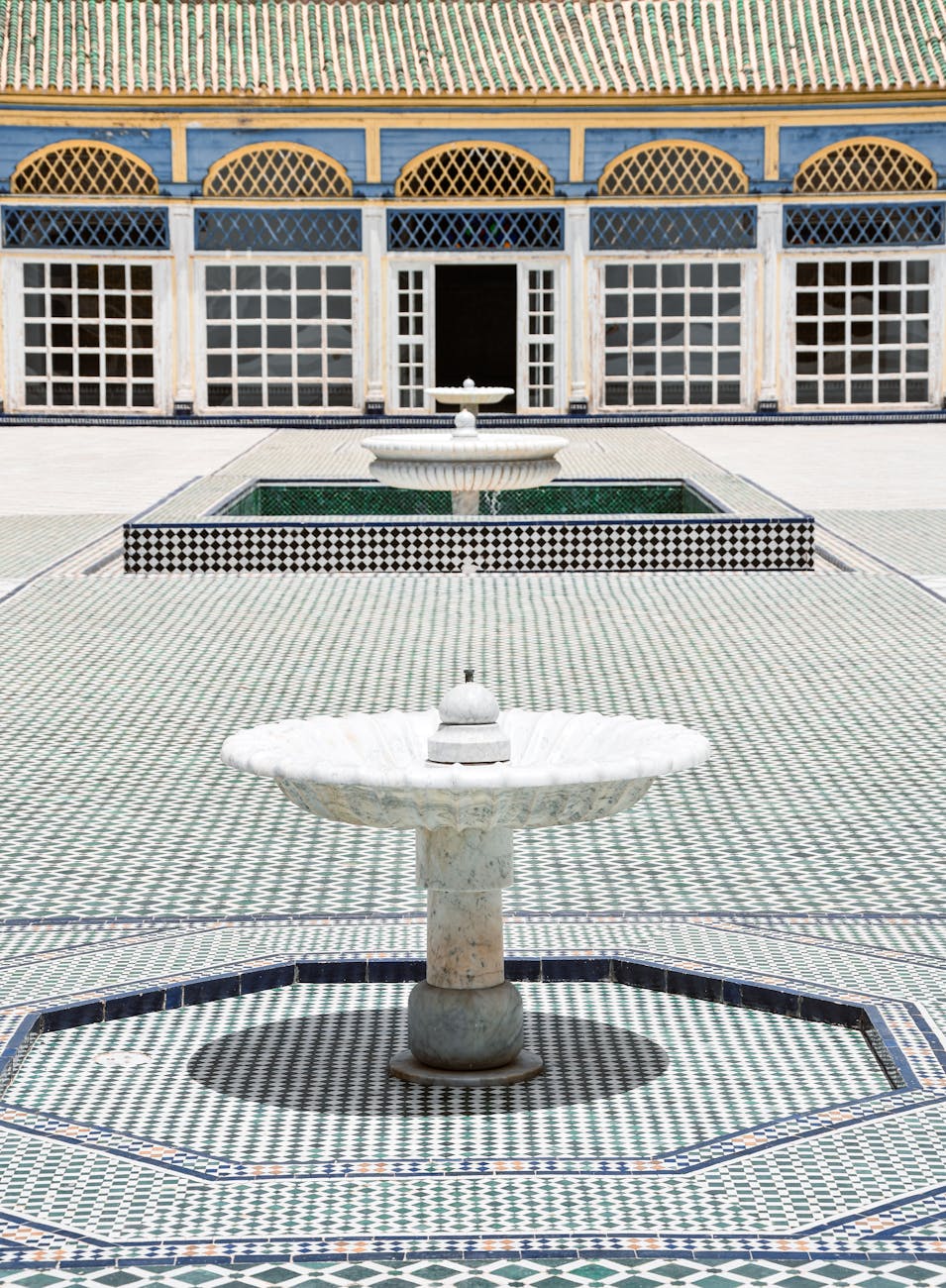
– Bahia Palace & Saadian Tombs: visit early to avoid crowds and heat.
– Ben Youssef Madrasa (if open): admire the architecture and nearby café culture.
– Hammam and spa: choose a highly rated, locally run hammam or a women-run facility; reserve in advance.
– Rooftop cafés and sunset views: great for rest and people-watching after long medina walks.
Recommended day trips: Essaouira (2–3 hours by car; coastal markets and wind sports) and Imlil/Atlas (hiking, local mountain villages). For longer logistics or intercity travel, consider trains or grand taxis to Casablanca, Rabat, or Meknes — check schedules and book in advance for holidays.
Local Context
Neighborhoods and practicalities:
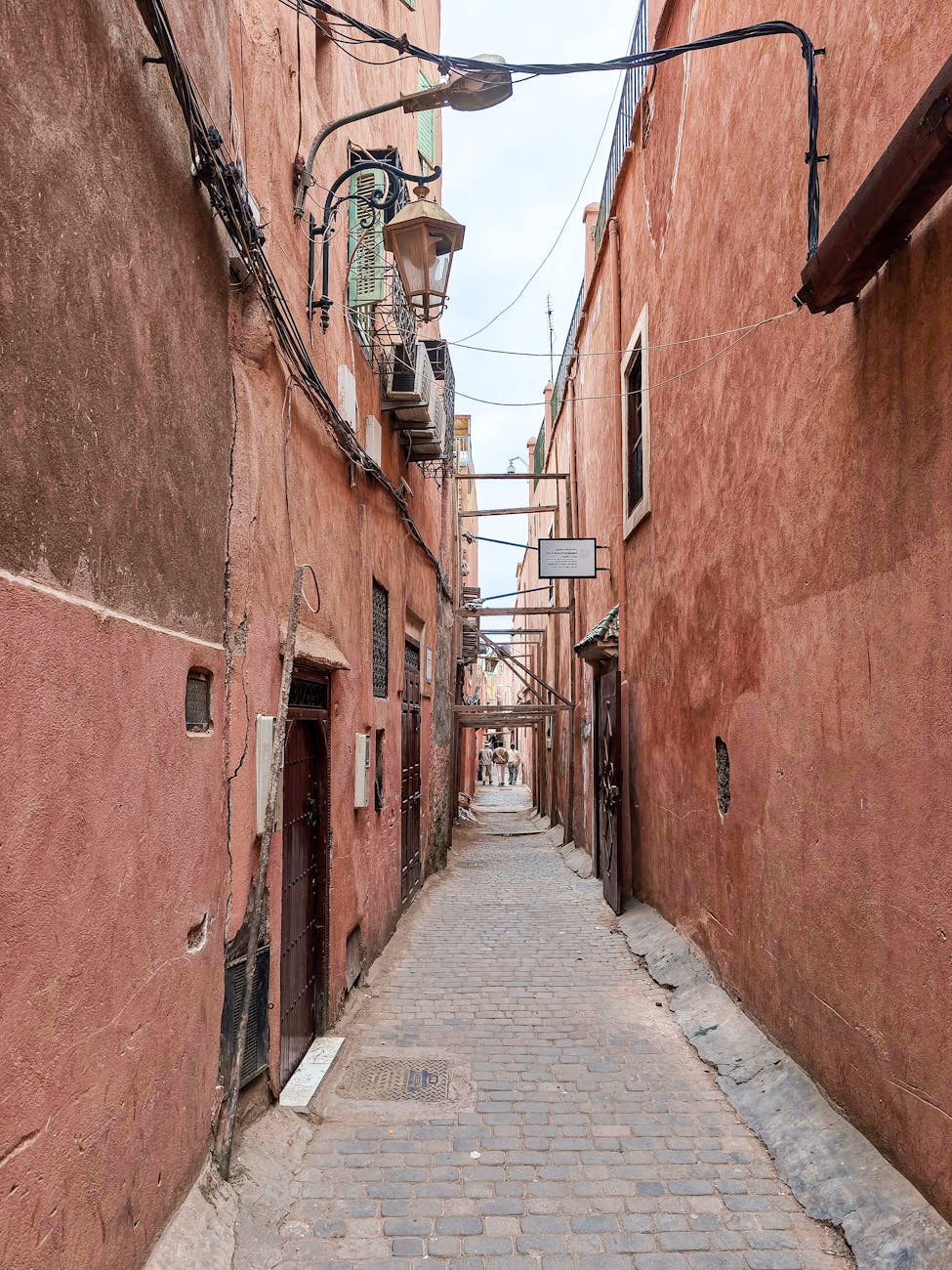
– Medina: crowded, pedestrian-only alleys; best explored on foot. Expect narrow passages and limited vehicle access.
– Gueliz (Ville Nouvelle): modern shops, restaurants, and easier parking — good base if you prefer fewer alleyways.
– Hivernage: hotels, nightlife, and upmarket dining near the palm-lined boulevards.
– Palmeraie: palm groves north of the city for cycling or camel rides; farther from medina sights.
Transport realities:
– Petit taxis serve the city and are metered in principle — agree a fare for short medina pickups or insist on the meter when possible.
– Grand taxis handle intercity routes (to Essaouira, Agadir, etc.).
– No metro or tram in Marrakesh; walking is often fastest inside the medina.
Seasonal patterns and etiquette:
– Best shoulder seasons: March–May and September–November for milder temperatures.
– Summers can be intensely hot; plan indoor or garden time midday.
– During Ramadan, hours for restaurants and attractions may change — check ahead.
– Dress respectfully in public spaces; modest clothing helps when visiting religious sites and markets.
How to Choose Well
Pick the right options for your travel style:
– Riad vs hotel: choose a riad in the medina for atmosphere and local employment; choose a hotel in Gueliz or Hivernage for larger rooms, easier parking, and late-night access.
– Guided vs self-guided: hire a licensed medina guide for your first market visit (2–3 hours) to learn navigation and bargaining norms; self-guide afterward.
– When to book: reserve Majorelle Garden tickets and popular hammams in high season. Book airport transfers for early/late flights.
– Family or mobility concerns: prioritize ground-floor riad rooms or hotels outside the medina and allow extra time for short taxi rides.
– Balancing sights: if your 3-day plan lists many indoor sites, leave space for unstructured medina wandering or a single day trip to avoid burnout.
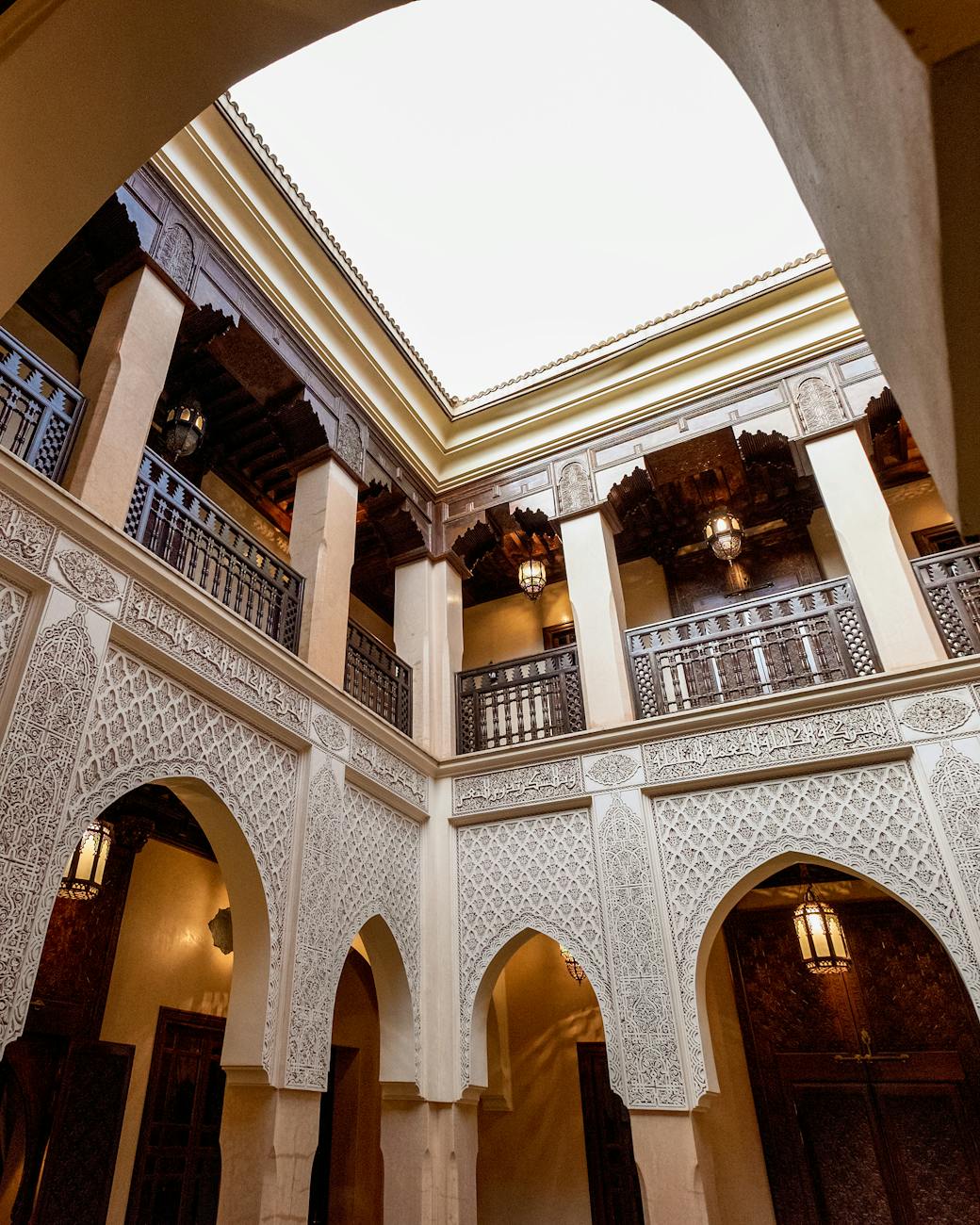
Responsible and Local-First Tips
Support local economies and reduce impact:
– Hire licensed local guides and pay them directly; ask if proceeds benefit community projects.
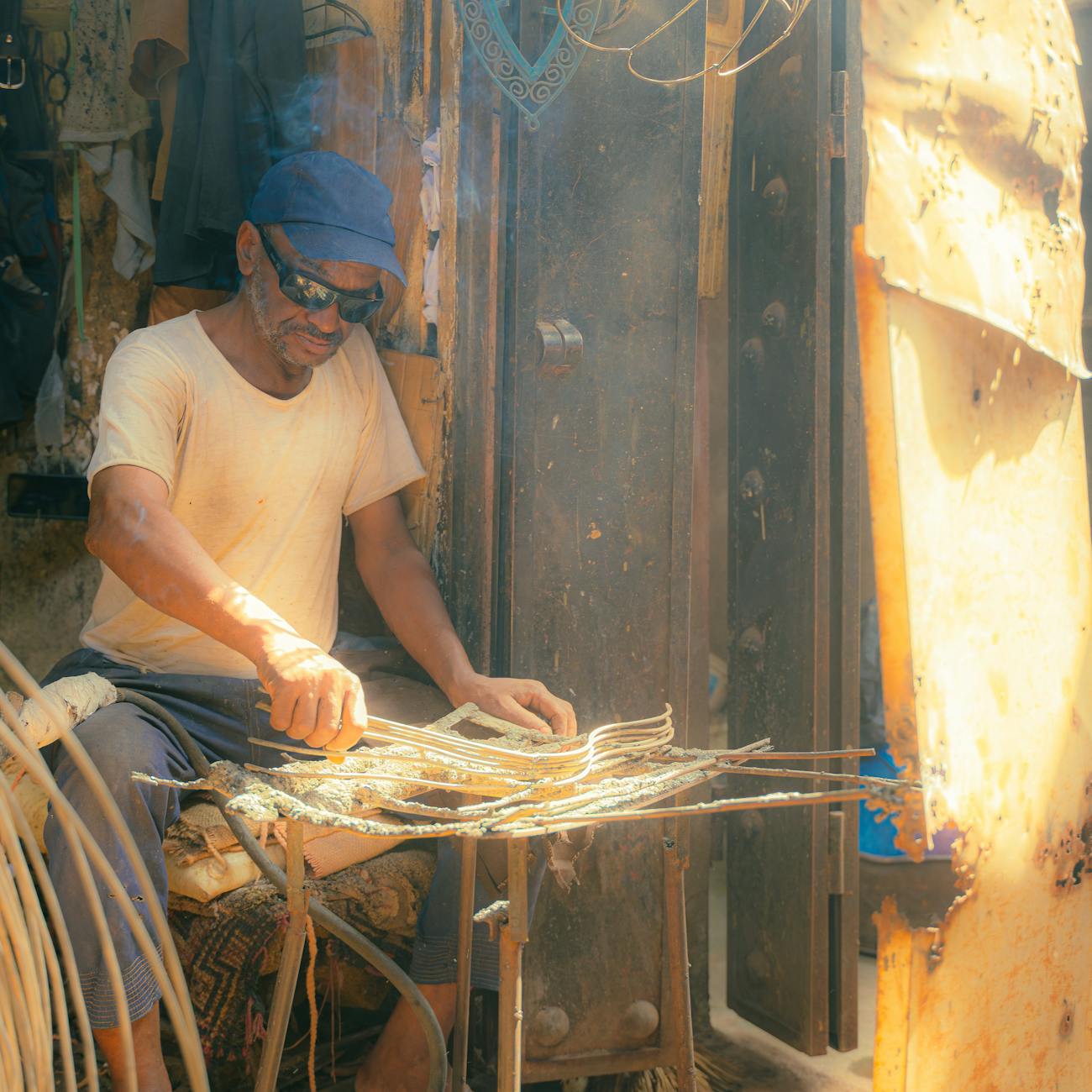
– Buy crafts from artisan workshops or cooperative storefronts (request maker info) rather than from middlemen in the square.
– Prefer family-run restaurants and street vendors with visible hygiene practices; carry cash in small denominations.
– Water and resources: Marrakesh is in a water-scarce region — use refillable bottles and accept towel reuse policies in riads when offered.
– Choose small-group day trips and local drivers for Atlas or Essaouira excursions; verify they use sustainable practices and fair pricing.
– Cultural respect: ask permission before photographing people, especially in markets and religious contexts.
– Female travelers: hammam cultural norms vary; opt for women-only facilities when preferred and ask staff about modesty rules.
Common Mistakes to Avoid
Avoid these pitfalls:
– Underestimating time in the souks: allow at least 2–4 hours for exploration and slow shopping.
– Relying solely on GPS in the medina: narrow alleys can confuse apps — use a paper map or local guide for orientation.
– Not agreeing taxi fares for medina pickups: negotiate short medina pickups or ask the riad to call a taxi.
– Expecting card acceptance everywhere: many stalls and small cafés are cash-only.
– Ignoring seasonal closures: check opening hours during Ramadan, local holidays, and winter maintenance closures.
– Buying low-quality souvenirs: ask about materials and production methods; for leather and textiles, seek workshops rather than street sellers.
FAQ
How many days do I need in Marrakesh to see the highlights?
Three days gives a strong overview: one afternoon/evening in Jemaa el-Fnaa and the souks, one day for palaces and gardens (Majorelle, Bahia, Saadian), and one day for a nearby escape (Essaouira or the Atlas foothills). See our 3 days in Marrakesh guide for a timed plan.
Is the medina safe to walk alone?
The medina is generally safe during daytime; be cautious at night in quieter alleys, keep valuables secure, and use well-lit main streets or arrange a taxi through your riad.
Should I haggle in the souks?
Bargaining is expected in many markets, but do so respectfully. Start lower, know approximate prices, and be willing to walk away. For fixed-price artisan shops or cooperatives, accept the listed price to support fair wages.
Are credit cards accepted widely?
Tourist restaurants, larger shops, and museums often accept cards, but many stalls, small cafés, and markets are cash-only. Carry dirhams for purchases under ~200 MAD.
When is the best time to visit to avoid heat and crowds?
Shoulder seasons — spring (March–May) and autumn (September–November) — balance milder weather and smaller crowds. Early morning site visits avoid midday heat and peak tour groups.
Conclusion
Marrakesh rewards a slow, locally-minded approach: combine a few signature sights with time for wandering, rooftop breaks, and one mindful day trip. Use the 3 days in Marrakesh itinerary to structure mornings and evenings, reserve selected tickets in advance, and prioritize local guides, cooperatives, and sustainable operators to ensure your visit benefits the city long-term.
How this guide was prepared
This guide was prepared through a structured research that combines destination research, geographic context, itinerary planning logic, and content review.