
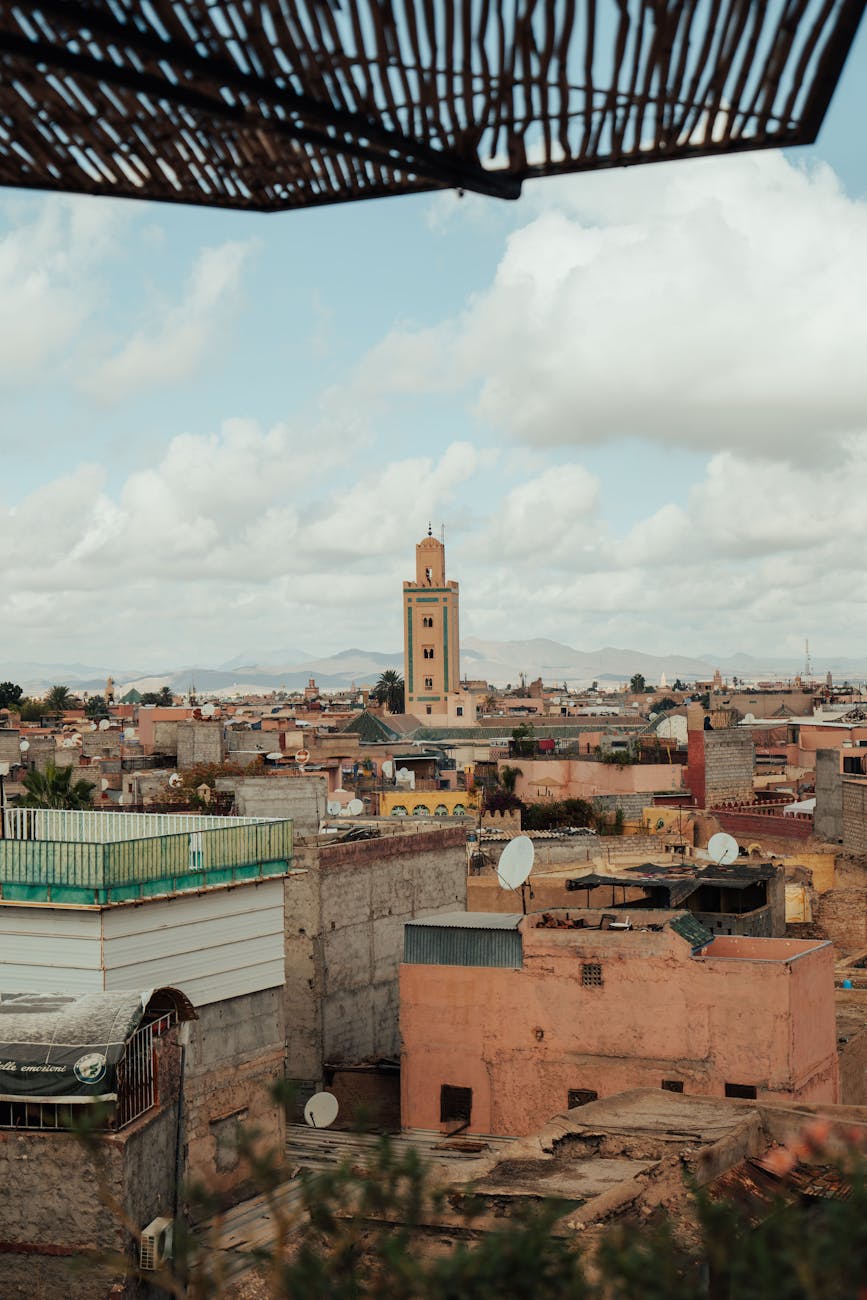
Marrakesh Travel Budget: Practical Costs, Savings, and Local Tips
Realistic daily budgets, cost breakdowns for accommodation, food, transport and tours in Marrakesh, plus booking and sustainable tips to support local businesses. Ideal companion to '3 days in Marrakesh'.
Clear, scannable guidance on what to expect to spend in Marrakesh, how to save without missing the city’s best experiences, and practical advice on booking riads, day trips, haggling and tipping. Perfect as a budget support page for the 3-day Marrakesh itinerary.
Quick Answer
Clear, scannable guidance on what to expect to spend in Marrakesh, how to save without missing the city’s best experiences, and practical advice on booking riads, day trips, haggling and tipping. Perfect as a budget support page for the 3-day Marrakesh itinerary.
Who This Page Is For
This page is for travelers planning a stay in Marrakesh who want clearer decisions about travel budget, local logistics, timing, budgeting, and practical trip planning.
How This Page Was Prepared
This page was prepared through a structured editorial workflow that combines destination research, geographic context, and practical travel-planning review.
Plan the Rest of Your Trip
Use this page together with the full itinerary and the related planning pages below to make better booking, timing, transport, and budget decisions.
Typical daily budgets (approximate, in Moroccan dirham MAD):
- Backpacker/low-budget: 250–450 MAD per day (~$25–$45) using hostels, street food and shared taxis.
- Midrange: 700–1,500 MAD per day (~$70–$150) for a comfortable riad, guided half-day tours and dining at midrange restaurants.
- Comfortable/luxury: 2,000+ MAD per day (~$200+) for boutique riads, private guides and higher-end dining.
These ranges assume you plan meals, a few paid attractions (palaces, gardens), short taxis, and at least one day trip (which adds cost). Always keep some cash handy — many small vendors and markets prefer MAD.
This page gives clear, usable budgets for a short stay in Marrakesh and practical tips to keep costs low while supporting local businesses. Use it alongside the main 3 days in Marrakesh guide for day-by-day planning and suggested routes. The advice emphasizes shoulder-season travel, locally run riads, and low-impact choices that keep money in the neighbourhoods you visit.
What This Page Helps You Decide
Use this page to:
- Pick a daily budget tier that matches your travel style.
- Decide whether a riad or hotel is worth the extra cost for a 3-day stay.
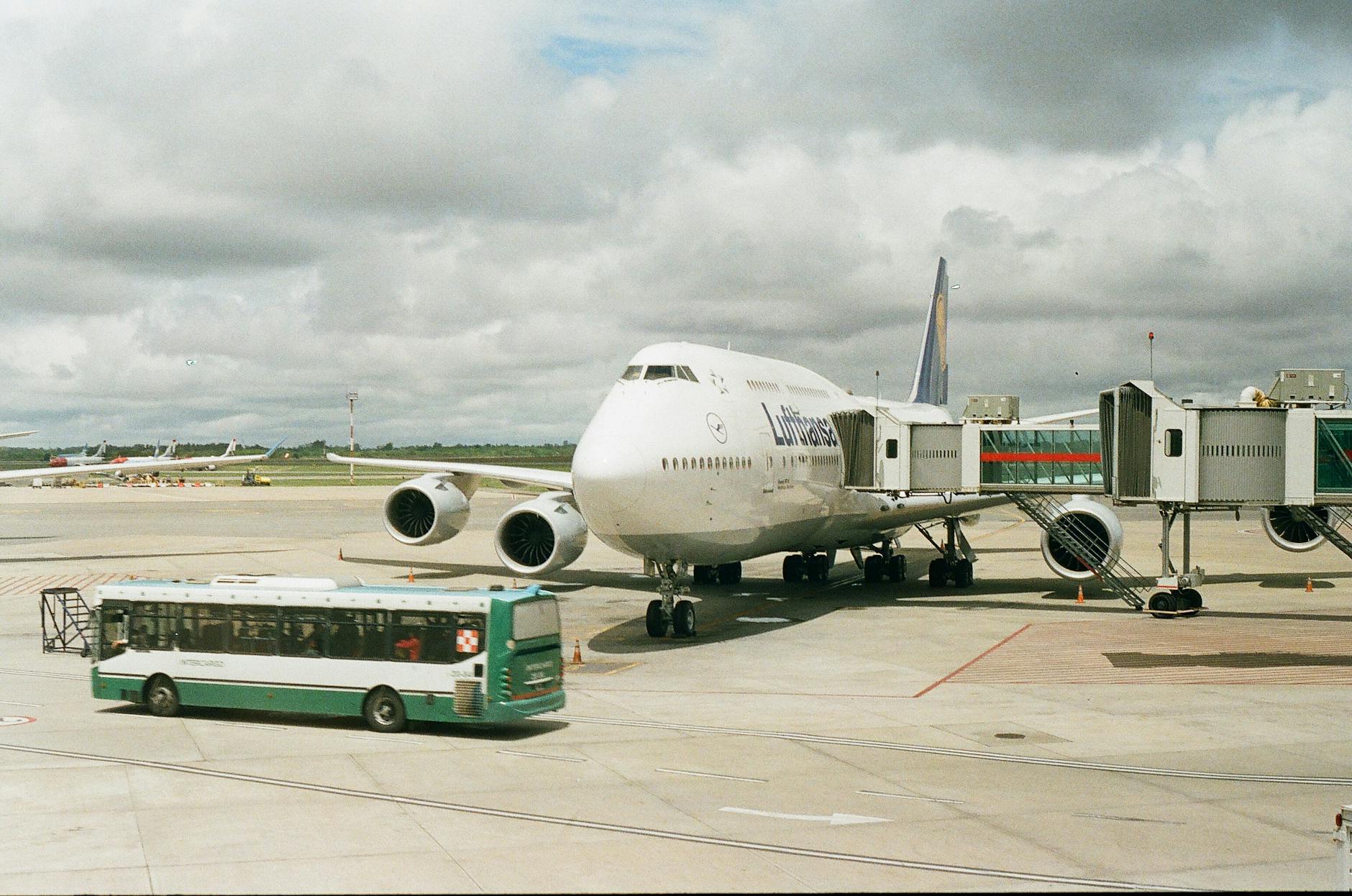
- Estimate transport costs to/from Marrakech-Menara Airport and for day trips to nearby cities like Essaouira or Agadir.
- Choose sustainable options that benefit local guides, artisans and cooperatives.
If you want a recommended itinerary, check the companion 3 days in Marrakesh guide for timing and attraction order.
Top Recommendations
Key practical choices to save money and get authentic value:
- Stay in a locally owned riad in the Medina or Kasbah for atmosphere and to support small businesses. Book earlier for high season; negotiate for stays longer than three nights.
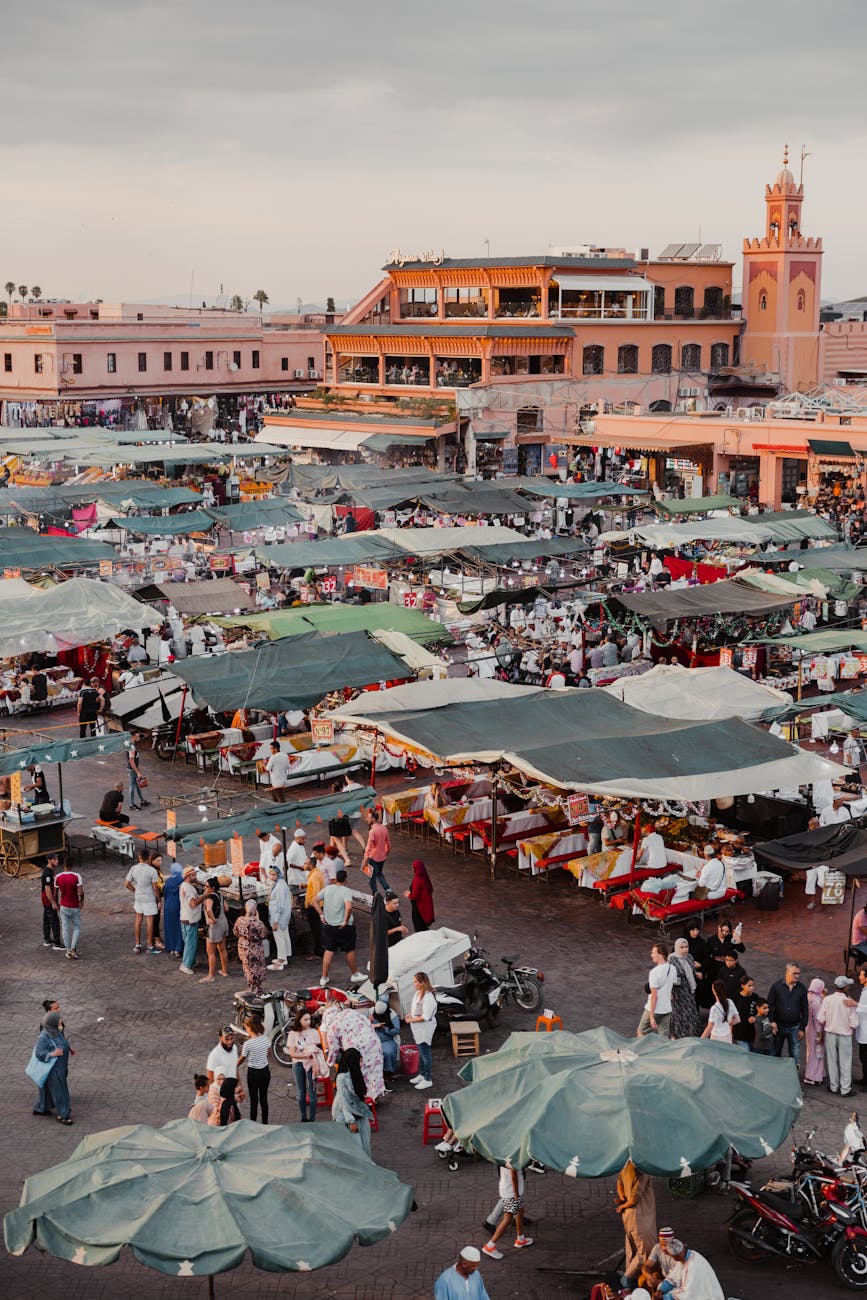
- Eat where locals do: food stalls in Jemaa el-Fnaa (busy evenings), small cafés in Mellah, and family-run tagine spots in Gueliz.
- Hire local licensed guides for a half-day to orient you in the souks rather than a packaged tour — you’ll learn shortcuts and history and the fees stay in the local economy.
- Travel in shoulder seasons (April–May, September–October) to avoid extreme heat and inflated rates.
For logistics and timing tailored to a short trip, see the 3 days in Marrakesh itinerary which layers must-see sights with realistic travel times.
Local Context
Neighborhoods and practical realities:
- Medina and Kasbah: Historic core, walking only for most streets; riads, souks and major attractions are here. Expect crowds and lots of stalls.
- Gueliz and Hivernage: Modern neighbourhoods with cafes, bakeries and western-style shops; useful for late-night dining and supermarkets.
- Transport: Petit taxis serve city trips; insist on the meter or agree a price before you go. Grand taxis run shared or private routes to nearby towns. Trains and CTM/ Supratours buses connect Marrakesh with Casablanca, Rabat and Meknes.
- Seasonality: Summers are very hot (June–August); winters are mild but cool at night. Ramadan affects opening hours and meal availability—businesses may open late or close during the day.
Cultural notes: dress modestly in the Medina, ask before photographing people, and remove shoes where requested indoors (some riads and shops).
How to Choose Well
Choosing accommodation and tours:
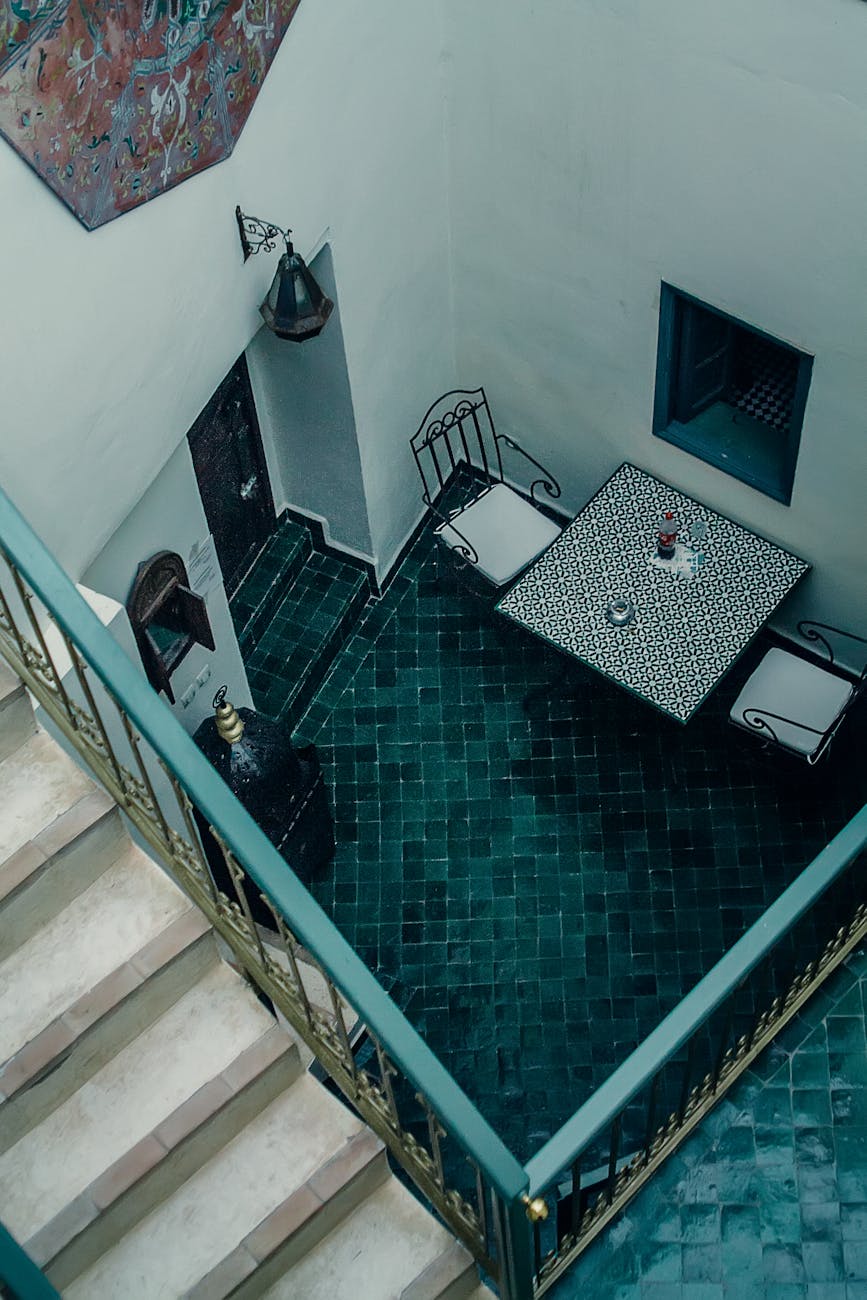
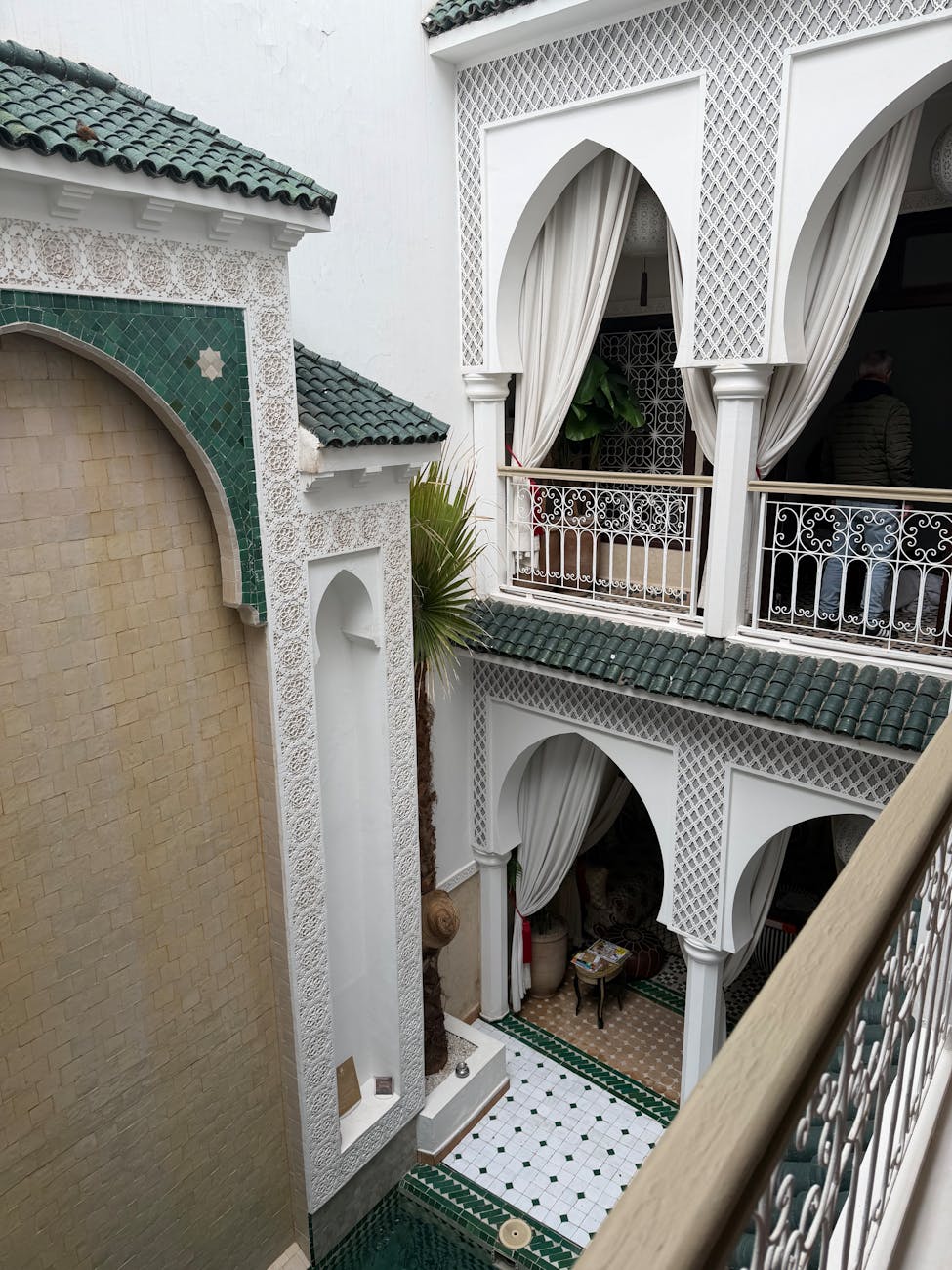
- Riads vs hotels: Riads in the Medina offer character and usually include breakfast. For quieter nights choose riads toward the Kasbah or near Bab Doukkala. Gueliz is better for larger hotels and late-night options.
- Booking: Compare prices on local booking platforms and direct riad websites; many riads offer discounts for direct booking and for multi-night stays. Read recent guest reviews for noise and accessibility details — many riads have stairs and small rooms.
- Guides and day trips: Choose licensed local guides or small-group operators. For day trips to Essaouira or the Atlas Mountains, compare private vs shared transport; shared minibuses lower cost per person but reduce flexibility.
- Payment: Carry some cash (MAD) for markets; credit cards are accepted at many hotels and larger restaurants, but smaller vendors and taxis may not accept cards.
Responsible and Local-First Tips
Practical ways to keep your spending local and low-impact:
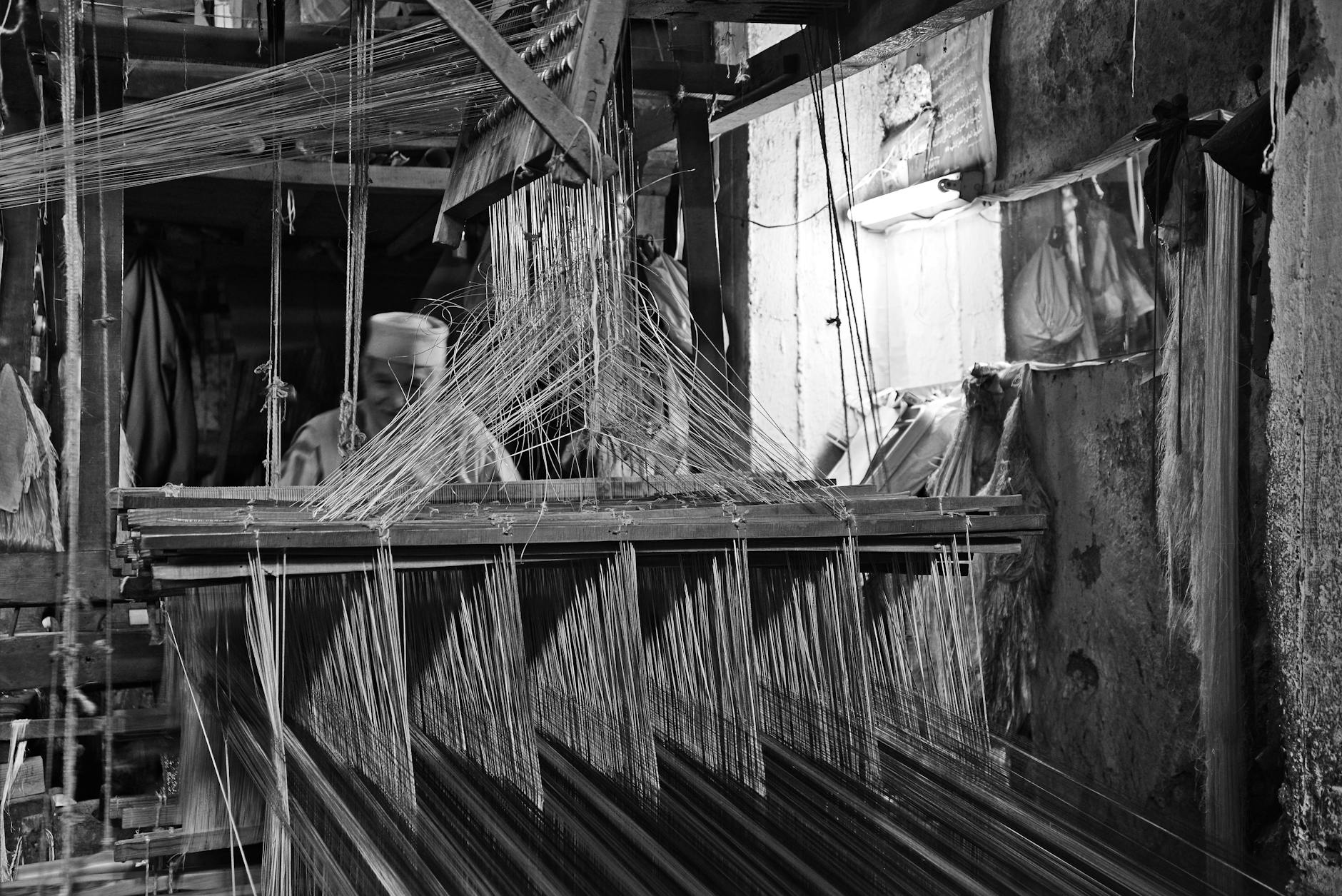
- Prioritize locally owned riads, family-run restaurants and artisan cooperatives when buying crafts. Look for fair-pricing and transparent sourcing.
- Book walking tours with local guides rather than large international operators so earnings stay in the community.
- Reduce waste: carry a refillable water bottle (tap water quality varies — refill at trusted riads), say no to single-use plastic bags when buying small items, and avoid buying products made from endangered materials.
- Respect cultural norms: ask before photographing people, especially in the souks and the Mellah, and be mindful of prayer times.
Small choices add up: spending a few extra MAD at a local café rather than an international chain supports neighbourhood livelihoods.
Common Mistakes to Avoid
Frequent budget errors visitors make and how to avoid them:
- Overpaying taxis: Always confirm the meter or agree a fare in advance for short rides. For airport runs, decide between fixed-price airport transfers and taxis — confirm pricing before departure.
- Missing cancellation policies: Low-cost riads may have strict non-refundable rates. Read cancellation and check-in details before booking.
- Not budgeting for tipping and small purchases: Tips, small purchases in the souk and a guided tour add up. Keep a contingency of 10–20% of your planned daily spend.
- Trying to rush the souks: Rushing leads to impulse buys or poor-value purchases. Allow time to compare stalls and ask local guides about fair prices.
Avoid these pitfalls and your budget will align better with the experience you want.
FAQ
How much cash should I carry in Marrakesh?
Carry enough for a couple of days of meals, local transport and market purchases (roughly 500–1,000 MAD), and keep cards for larger payments. ATMs are widespread in Gueliz and near the train station, but small vendors prefer cash.
Is haggling expected and how aggressively should I bargain?
Haggling is normal in the souks. Start at about 40–50% of the first price, keep exchanges friendly, and know your limit. If a price still feels high, walk away — many sellers will call you back with a fairer offer.
Can I visit Marrakesh on a tight three-day budget?
Yes. Follow a backpacker budget by staying in a budget riad or hostel, eat street food, use shared transport for day trips, and prioritize free or low-cost sights. For planning, combine this page’s budget guidance with the 3 days in Marrakesh itinerary to balance costs and timing.
How much should I tip guides, drivers and riad staff?
Typical tips: 50–100 MAD for a half-day licensed guide, 20–50 MAD per day for riad staff or porters, and round up taxi fares. Always tip what feels fair relative to service and local prices.
Are cards accepted for day trips to Essaouira or Agadir?
Many day-trip operators accept cards, but smaller shared taxis and local buses generally require cash. Confirm payment options when booking and keep some MAD handy for on-the-ground costs.
Conclusion
A practical budget for Marrakesh balances a few paid experiences (a guided souk walk, a garden or palace entry) with local meals and smart transport choices. Prioritize locally run riads and guides to keep your spending in the neighbourhoods you enjoy. For an actionable plan that fits a short stay, use this budget page alongside the 3 days in Marrakesh itinerary and consider affordable day trips to Essaouira, Agadir, Casablanca, Rabat or Meknes depending on your route and time.
How this guide was prepared
This guide was prepared through a structured research that combines destination research, geographic context, itinerary planning logic, and content review.