
Getting Around Marrakesh: Practical, Low-Impact Transport for 3 Days and Beyond
How to move around Marrakesh sustainably and efficiently — arriving, medina navigation, taxis, buses, trains and day trips to Essaouira, Agadir, Casablanca and Rabat.
Clear, scan-friendly advice for getting around Marrakesh: airport logistics, medina walking, taxis, buses, trains and low-impact day trips that complement a 3-day Marrakesh itinerary.
Quick Answer
Clear, scan-friendly advice for getting around Marrakesh: airport logistics, medina walking, taxis, buses, trains and low-impact day trips that complement a 3-day Marrakesh itinerary.
Who This Page Is For
This page is for travelers planning a stay in Marrakesh who want clearer decisions about getting around, local logistics, timing, budgeting, and practical trip planning.
How This Page Was Prepared
This page was prepared through a structured editorial workflow that combines destination research, geographic context, and practical travel-planning review.
Plan the Rest of Your Trip
Use this page together with the full itinerary and the related planning pages below to make better booking, timing, transport, and budget decisions.
Best approach: arrive via Marrakesh-Menara Airport and take an official taxi or pre-booked transfer; explore the medina on foot with occasional petit taxi hops; use trains and reputable bus companies (ONCF, CTM, Supratours) or shared grand taxis for intercity travel. Prioritize shoulder-season travel, walkable neighborhoods (medina, Gueliz, Hivernage), and book longer transfers in advance to reduce stress and carbon-intensive travel choices.
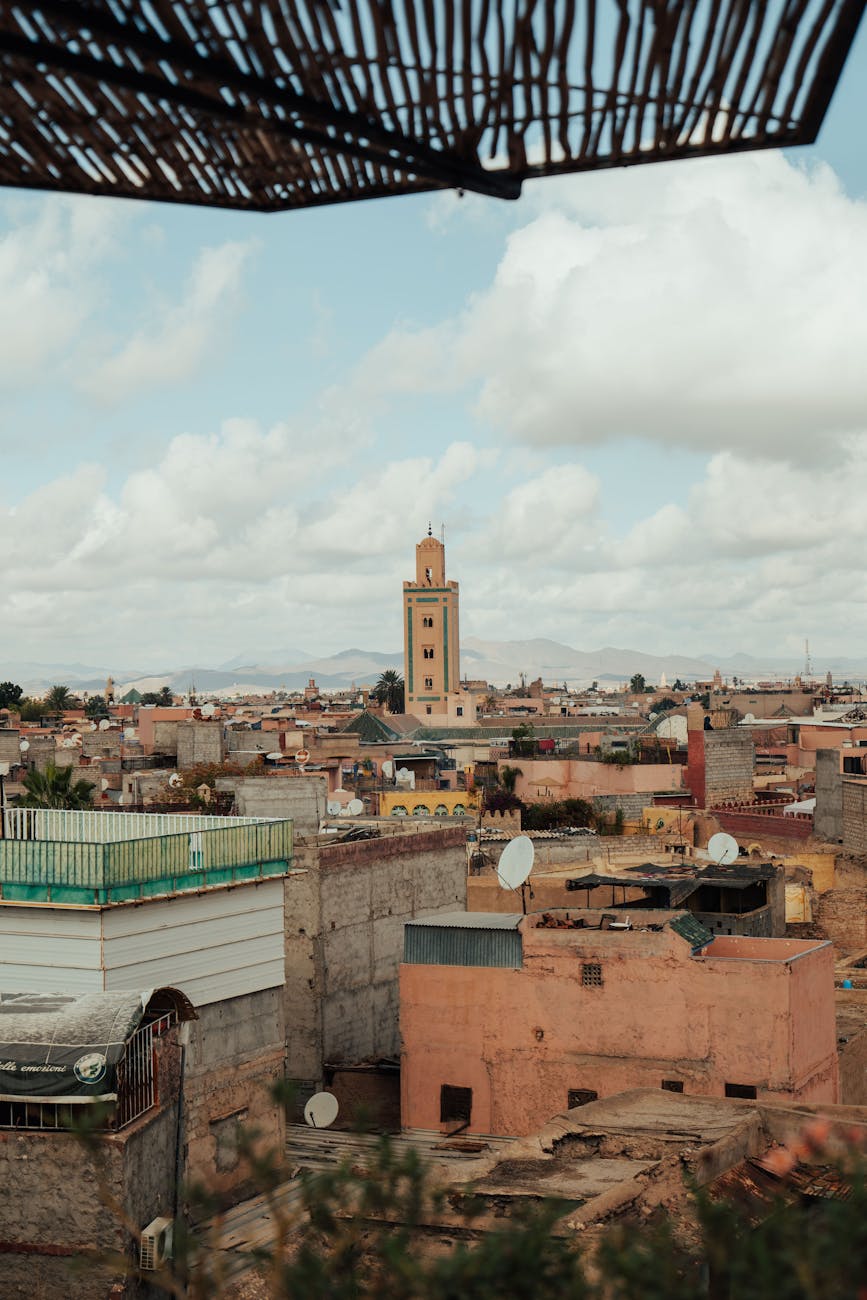
Marrakesh is compact but layered: a walkable medina of narrow alleys and souks, a modern European-style Ville Nouvelle (Gueliz), leafy Hivernage and the sprawling Palmeraie just outside the city center. Getting around well means mixing walking, short taxi trips and a few reliable intercity services for day trips beyond the city. This page supports the practical side of the main 3 days in Marrakesh itinerary: use it to plan arrivals, inner-city movement, and low-impact routes to Essaouira, Agadir, Casablanca, Rabat or Meknes.
What This Page Helps You Decide
Use this page to quickly choose between:
- Arriving options: official airport taxi vs pre-booked transfer or hotel pickup.
- How to move inside the medina versus Gueliz or Hivernage.
- When to take a train, CTM/Supratours bus or a grand taxi for day trips to Essaouira, Agadir, Casablanca, Rabat or Meknes.
- Low-impact choices: walking routes, public buses, and local cooperatives for guided walks.
It’s tailored to support the 3 days in Marrakesh main itinerary: which neighborhoods to base yourself in, how to reach key sights, and how to slot nearby cities into a practical day-trip or onward-travel plan.
Top Recommendations
Arrivals
- Official taxi from Marrakesh-Menara Airport for most travelers. Use the taxi desk at arrivals or pre-book a hotel transfer for luggage-heavy or late-night arrivals.
Getting around the medina
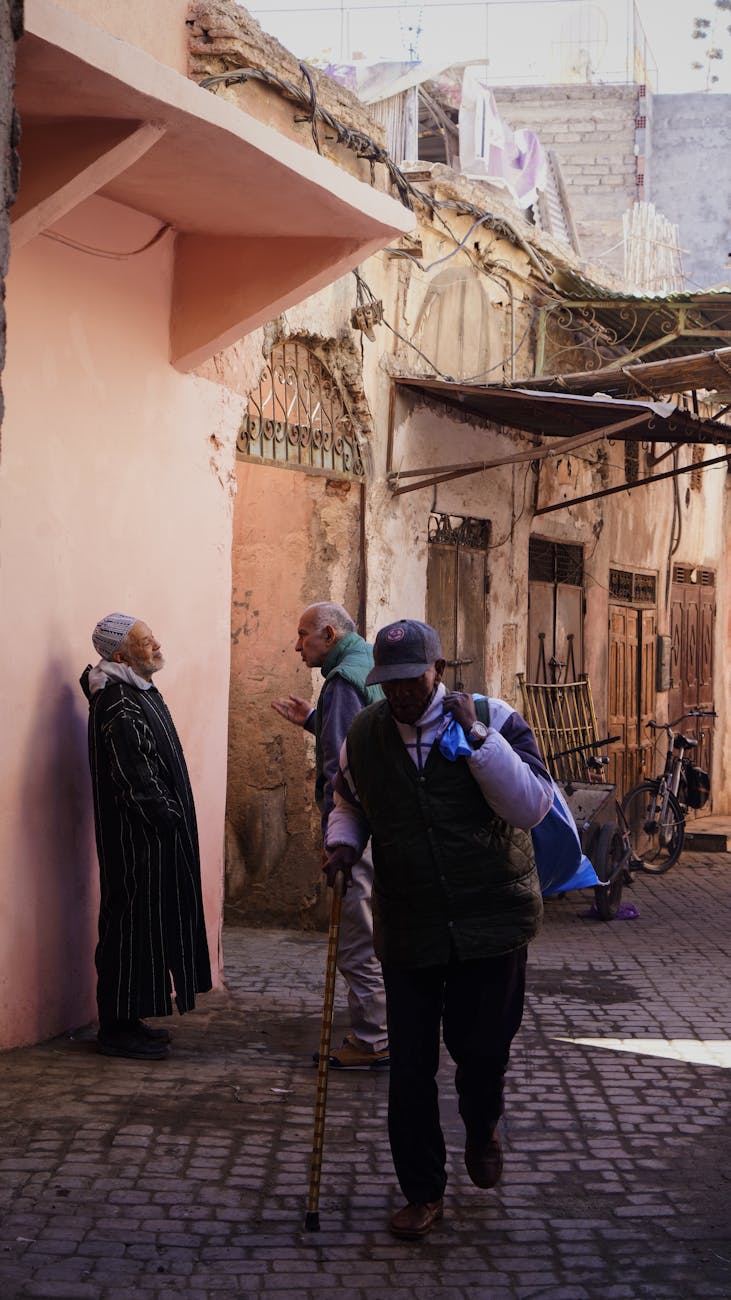
- Walk first: the medina is dense and most attractions lie within 15–30 minutes on foot.
- Use petit taxis for short hops when alleys are too narrow or during the heat; insist the meter is used or agree a clear fare before you ride.
Between neighborhoods
- Gueliz and Hivernage are bike- and walk-friendly; consider a short taxi if crossing from the medina with luggage.
- The Palmeraie is best reached by pre-booked petit taxi or a shared cycling tour from the city edge.
Day trips and regional travel
- Essaouira: CTM/Supratours or private transfer for early departures; shared grand taxis if you prefer a local option and flexibility.
- Agadir: long-distance bus or private car for comfort; consider staying overnight rather than a same-day round trip.
- Casablanca/Rabat/Meknes: ONCF trains are comfortable and fast for Casablanca and Rabat; for Meknes combine train with a Rabat transfer or organized tour.
Booking tips
- For trains and CTM/Supratours book online or at stations in advance for shoulder season and peak times.
- For day trips, small-group operators that work with local guides and cooperatives give better local benefit than anonymous high-capacity buses.
Local Context
Neighborhoods and access
- Medina: historic core where cars are often blocked; expect donkey carts, mopeds and pedestrians sharing alleyways. Many riads have a nearby drop-off point rather than door access.
- Gueliz: newer, grid-like district with wide avenues, tram-like bus corridors and the most visible cafés and shops.
- Hivernage: hotels, restaurants and nightlife; better for late-night returns.
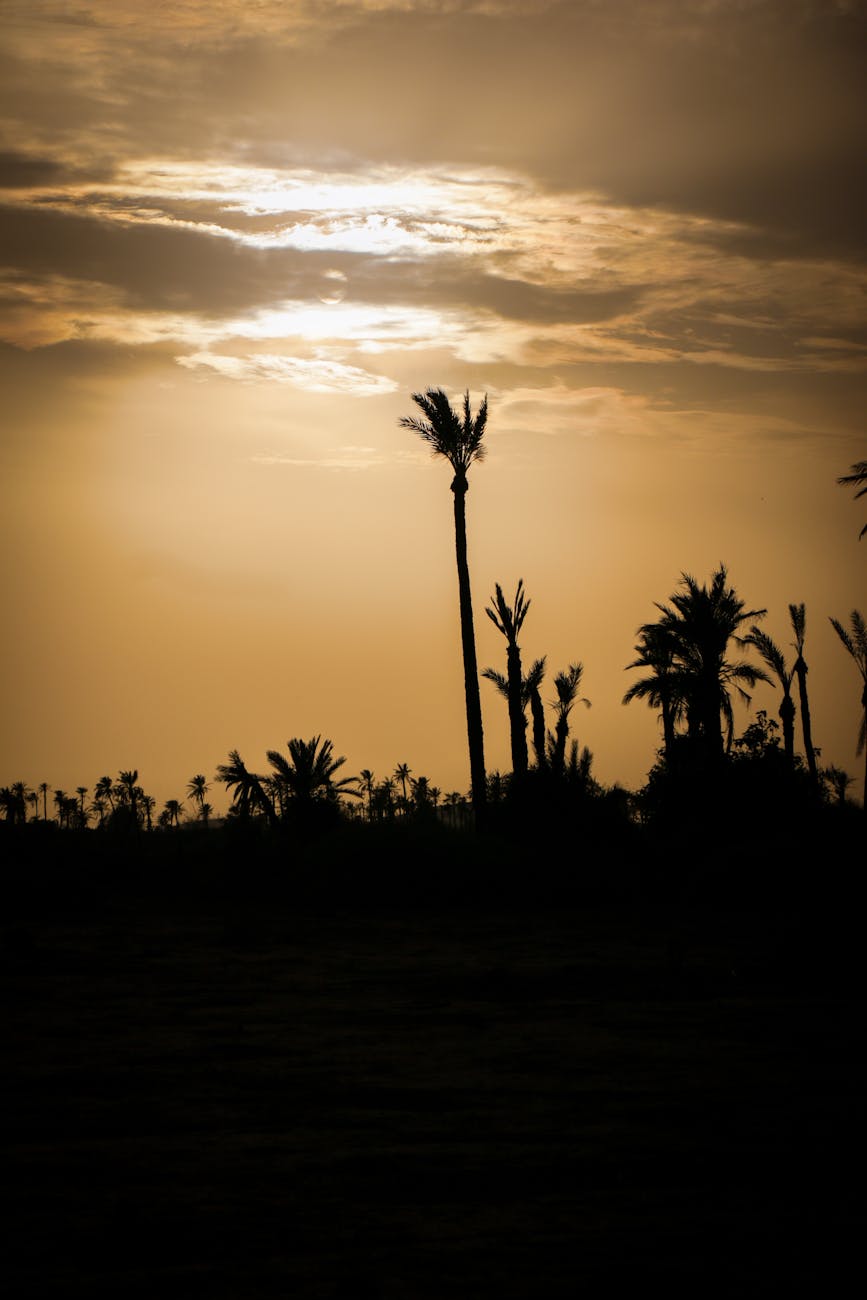
- Palmeraie: palm oasis outside the center; distances mean a car or organized tour is usually needed.
Seasonal realities
- Summer (June–August) brings intense heat and busy streets; plan walking in early morning or late afternoon.
- Shoulder seasons (March–May, September–November) offer cooler temperatures and fewer crowds—ideal for walking and day trips.
- Winter can be mild by day but chilly in the evenings.
Transport realities
- No metro or tram in Marrakesh; public buses cover the city but are slower and sometimes crowded.
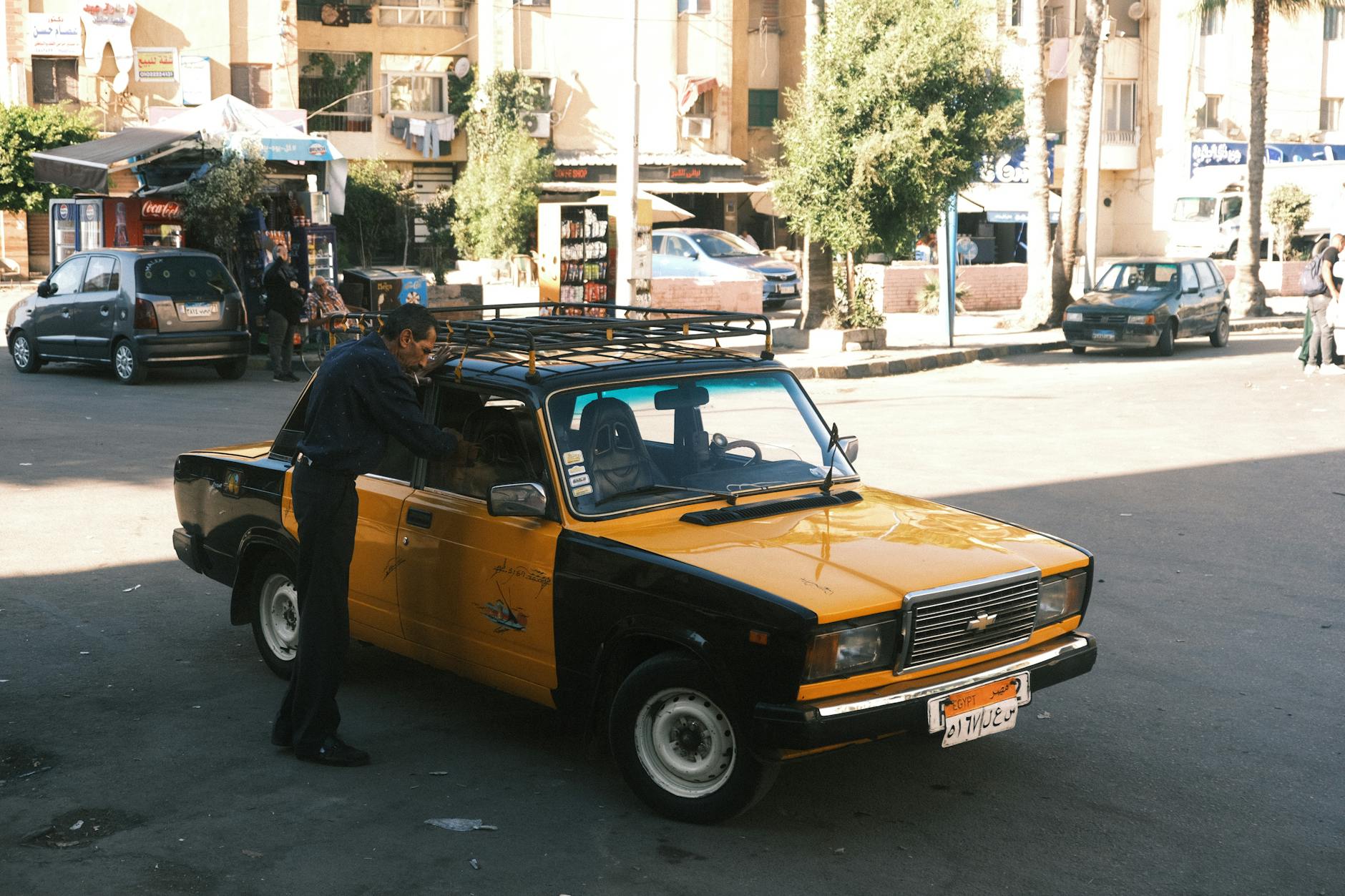
- Petit taxis are for in-city trips; grand taxis serve longer intercity routes and shared trips to nearby towns.
- ONCF rail links connect Marrakesh to Casablanca and Rabat; schedule constraints mean plan departures and returns carefully for a day trip.
How to Choose Well
Decide based on time, comfort and impact:
- If you have limited time (3 days): base in the medina or Hivernage to minimize transit time and walk to most sights—use petit taxis for late-night or luggage transfers.
- If you want a quieter stay with easier driving access: choose Gueliz or Hivernage; reduce walking uphill and avoid narrow alleys with heavy luggage.
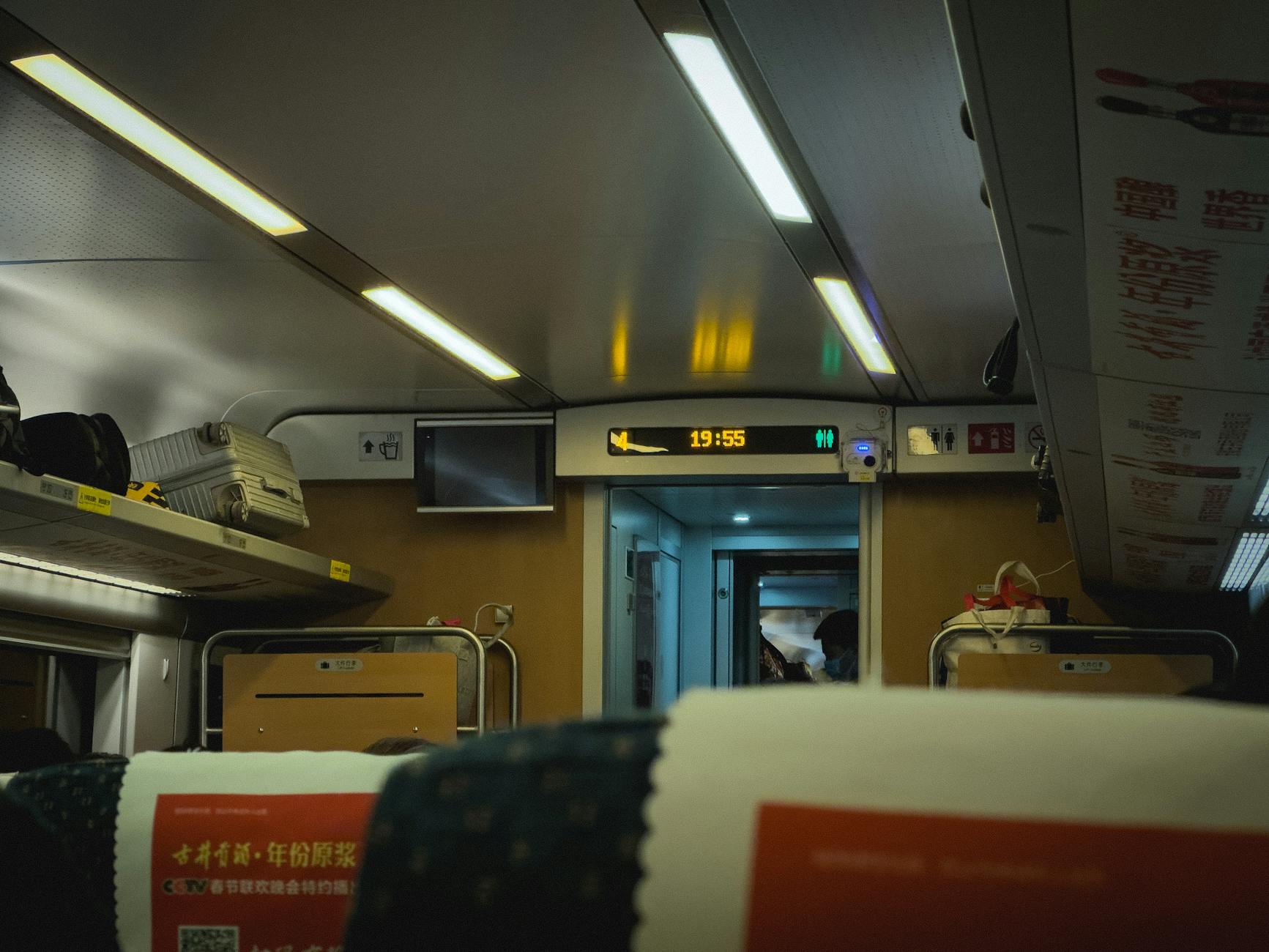
- For day trips: prefer trains (ONCF) or CTM/Supratours buses for a balance of comfort, reliability and lower emissions per passenger than private cars.
- For flexibility and local support: book small local operators for guided day trips to Essaouira or the Atlas foothills; they circulate income locally and often follow low-impact routes.
Practical selection tips
- Compare travel time vs door-to-door comfort: a private transfer is faster door-to-door but has a higher cost and environmental footprint.
- Book train and CTM tickets online during shoulder and high seasons; for grand taxis, negotiate the split fare and meeting point ahead of departure.
- Choose riads that coordinate airport pickups to avoid long waits at the taxi stand.
Responsible and Local-First Tips
Sustainability and local benefit
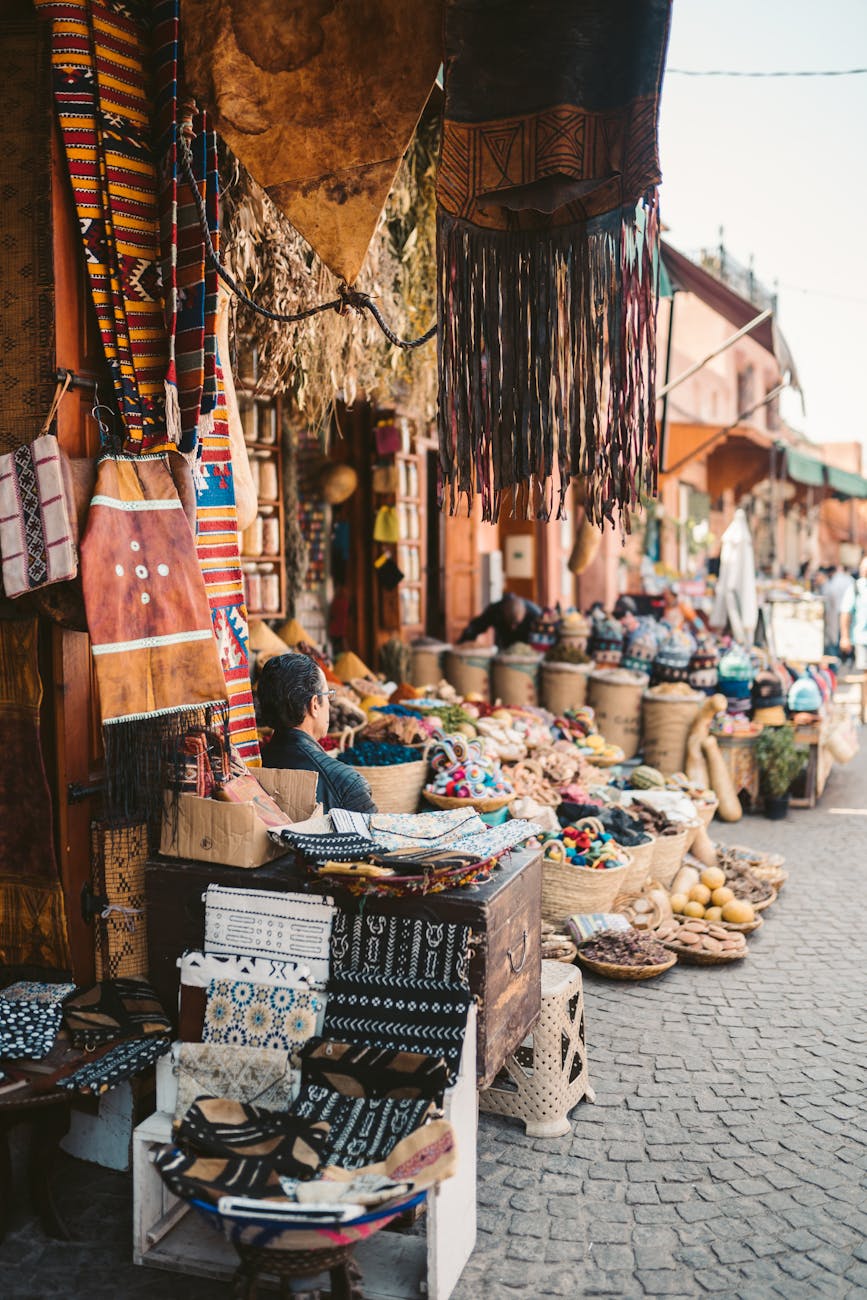
- Walk more: the medina rewards slow exploration and your spending at local cafes, artisans and cooperatives matters more than in large hotel chains.
- Use local guides and worker cooperatives for souk tours, cooking classes and craft workshops.
- Prefer public buses or trains for intercity travel where practical; if you hire a driver, ask that they use local refill stations and avoid unnecessary idling.
Respect and etiquette
- Dress modestly in public spaces: shoulders and knees covered help you blend in and show respect.
- Haggle politely in the souks: aim for a fair deal that supports artisans; buy directly from cooperative stalls when possible.
- Avoid rides or experiences that exploit animals; support responsible equestrian or camel centers that emphasize welfare.
Low-impact packing
- Bring a refillable water bottle and small hand sanitiser; water fountains are limited in the medina.
- Carry small change (dirham coins) to avoid forcing drivers to overuse change; it also speeds up short taxi trips.
Common Mistakes to Avoid
- Trying to drive the medina: narrow alleys, pedestrian traffic and one-way patterns make a car more of a burden than a help.
- Leaving intercity travel to the last minute: trains and reputable buses sell out on holidays and weekends—book ahead.
- Failing to agree fares: always set the price or ensure the meter runs for petit taxis; for grand taxis agree the split fare before leaving.
- Overpacking your day: take a light bag when walking the medina—stairs, cobbles and crowds make heavy luggage unwieldy.
- Assuming all guides are licensed: look for local associations or riad-recommended guides to ensure the money stays local and you get accurate history.
FAQ
How do I get from Marrakesh-Menara Airport to the medina?
Use the official taxi desk inside arrivals to get an authorized driver, or pre-book a hotel transfer. Official taxis minimize disputes; for later arrivals pay attention to night surcharges and bring small notes.
Are taxis safe and how should I use them?
Yes—petit taxis are safe for short trips. Ask for the meter to be used or agree a fare first. For longer intercity trips, grand taxis are shared or private and should be negotiated in advance.
Can I walk everywhere in Marrakesh?
You can walk to most central attractions in the medina, Gueliz and Hivernage. Expect uneven paving and lots of stairs in riads; use taxis for distant sites like the Palmeraie or early-morning transfers.
What’s the best way to get to Essaouira or Agadir for a day trip?
Essaouira: CTM/Supratours buses or a small-group transfer are most practical for a day. Agadir is farther—consider an overnight stay or a private transfer. For both, booking in advance improves comfort and reduces stress.
Are trains convenient for Casablanca, Rabat and Meknes?
Trains (ONCF) are comfortable and efficient to Casablanca and Rabat; Meknes requires planning and sometimes a transfer—check schedules and book seats for weekends or holidays.
Conclusion
Plan to walk the medina, use short petit taxi hops smartly, and choose trains or reputable bus services for longer journeys. For your 3 days in Marrakesh, base yourself to minimize long transfers, book key intercity tickets in advance, and favor local guides and cooperatives for tours and day trips. When you’re ready to extend beyond the city, this page points you to low-impact options to Essaouira, Agadir, Casablanca, Rabat and Meknes so you can keep travel efficient and locally beneficial.
How this guide was prepared
This guide was prepared through a structured research that combines destination research, geographic context, itinerary planning logic, and content review.