

Where to Stay in Ha Noi — Neighborhoods, Practical Tips & Sustainable Choices
Decide where to stay in Ha Noi for a 3-day visit. Clear neighborhood recommendations, transport realities, seasonal advice, and local-first tips to match your itinerary and budget.
A practical, low-impact guide to choosing the best neighborhood in Ha Noi for a short stay. Ideal for travelers following our '3 days in Ha Noi' itinerary who want authentic lodging, easy transit, and local spending.
Quick Answer
A practical, low-impact guide to choosing the best neighborhood in Ha Noi for a short stay. Ideal for travelers following our '3 days in Ha Noi' itinerary who want authentic lodging, easy transit, and local spending.
Who This Page Is For
This page is for travelers planning a stay in Ha Noi who want clearer decisions about where to stay, local logistics, timing, budgeting, and practical trip planning.
How This Page Was Prepared
This page was prepared through a structured editorial workflow that combines destination research, geographic context, and practical travel-planning review.
Plan the Rest of Your Trip
Use this page together with the full itinerary and the related planning pages below to make better booking, timing, transport, and budget decisions.
For a first-time, 3-day visit stay in Hoan Kiem/Old Quarter for walkable access to the main sights and easy dining options. If you prefer quieter evenings and lakeside cafés, choose Tay Ho / West Lake. For museums, government sites and a calmer daytime feel pick Ba Dinh. Budget travelers and those wanting local markets should consider Hai Ba Trung or a small guesthouse near Dong Xuan Market. Book early for Tet and major national holidays.
This page helps you pick the right neighborhood and type of lodging in Ha Noi for a short city trip, especially if you're following the companion 3 days in Ha Noi itinerary. It prioritizes options that keep money in local hands — family-run guesthouses, small hotels, homestays and locally staffed boutiques — and offers transport and seasonal advice so you can make low-impact choices that fit your schedule and priorities.
What This Page Helps You Decide
Use this guide to match your stay to these concrete questions:
– Which neighborhood minimizes daily transit time for a 3-day plan?
– Do you want nightlife and street food nearby, or a quieter family-friendly base?
– Is supporting local businesses and low-impact travel a priority?
– Do you need easy airport or train-station access for onward travel to Hue, Hoi An (via Da Nang), Nha Trang or Ho Chi Minh City?
It also directs when to book, what transport to expect, and which lodging styles (homestay, boutique hotel, serviced apartment) suit your needs.

Top Recommendations
Match neighborhood to traveler type:
– First-time / 3-day itinerary: Hoan Kiem / Old Quarter — walk to Hoan Kiem Lake, Old Quarter streets, the water puppet theatre and many day tours. Expect noise at night and narrow streets.
– Culture and museums: Ba Dinh (near Ho Chi Minh Mausoleum and Temple of Literature) — calmer streets, good for daytime sight-seeing.
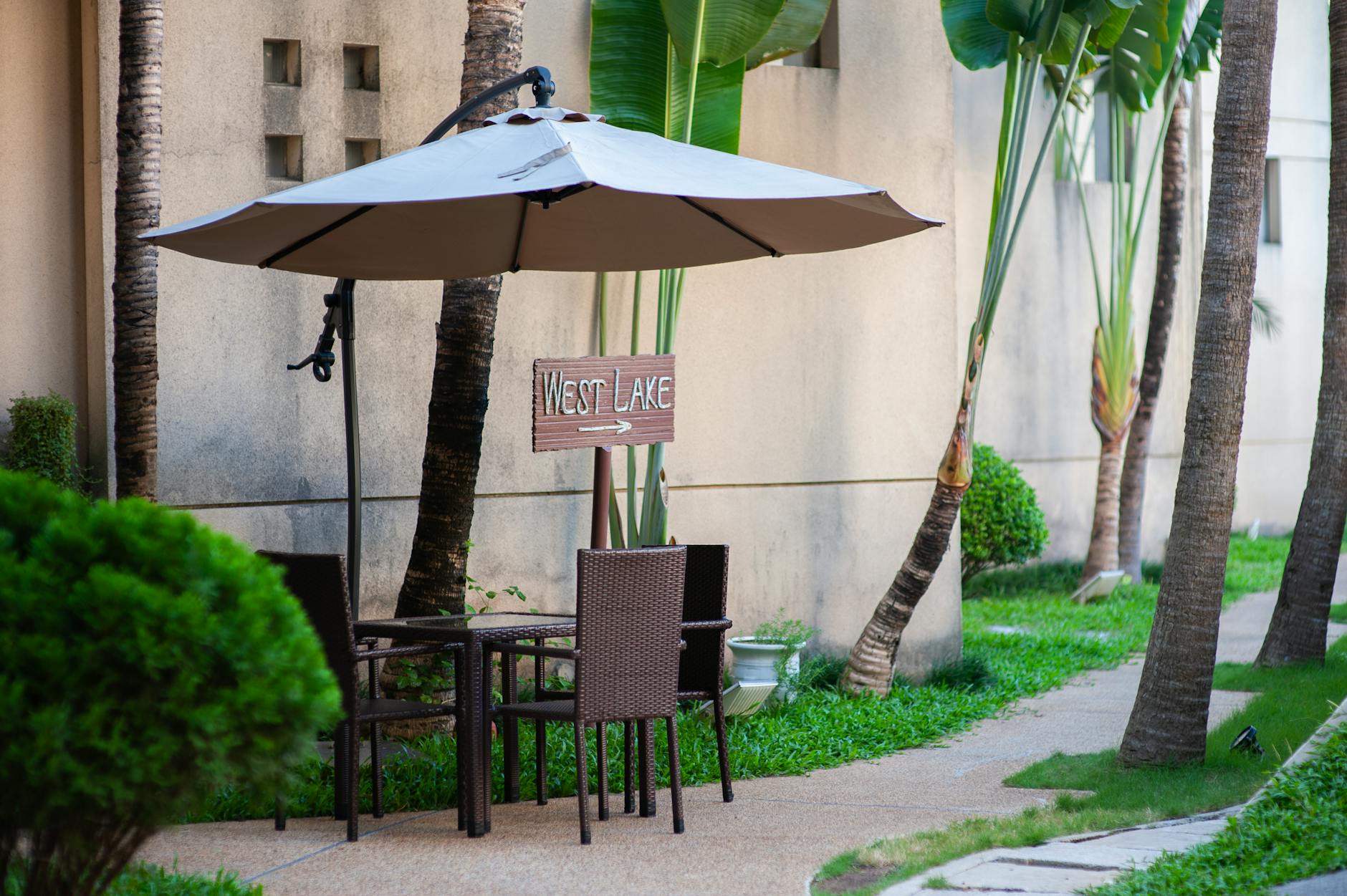
– Relaxed, expat & café life: Tay Ho / West Lake — lakeside guesthouses, bike rentals, quieter evenings; useful for longer stays or families.
– Budget travelers: Hai Ba Trung and around Dong Xuan Market — cheap eats, hostels and quick access to buses and trains.
– Families or longer stays: Serviced apartments around West Lake or near the French Quarter for more space and quieter nights.
Practical booking notes:
– Reserve at least one month ahead for Tet (Vietnamese New Year) and several weeks for summer weekends.
– Read recent guest reviews for noise and Wi‑Fi quality; many small properties are family-run and have variable hours.
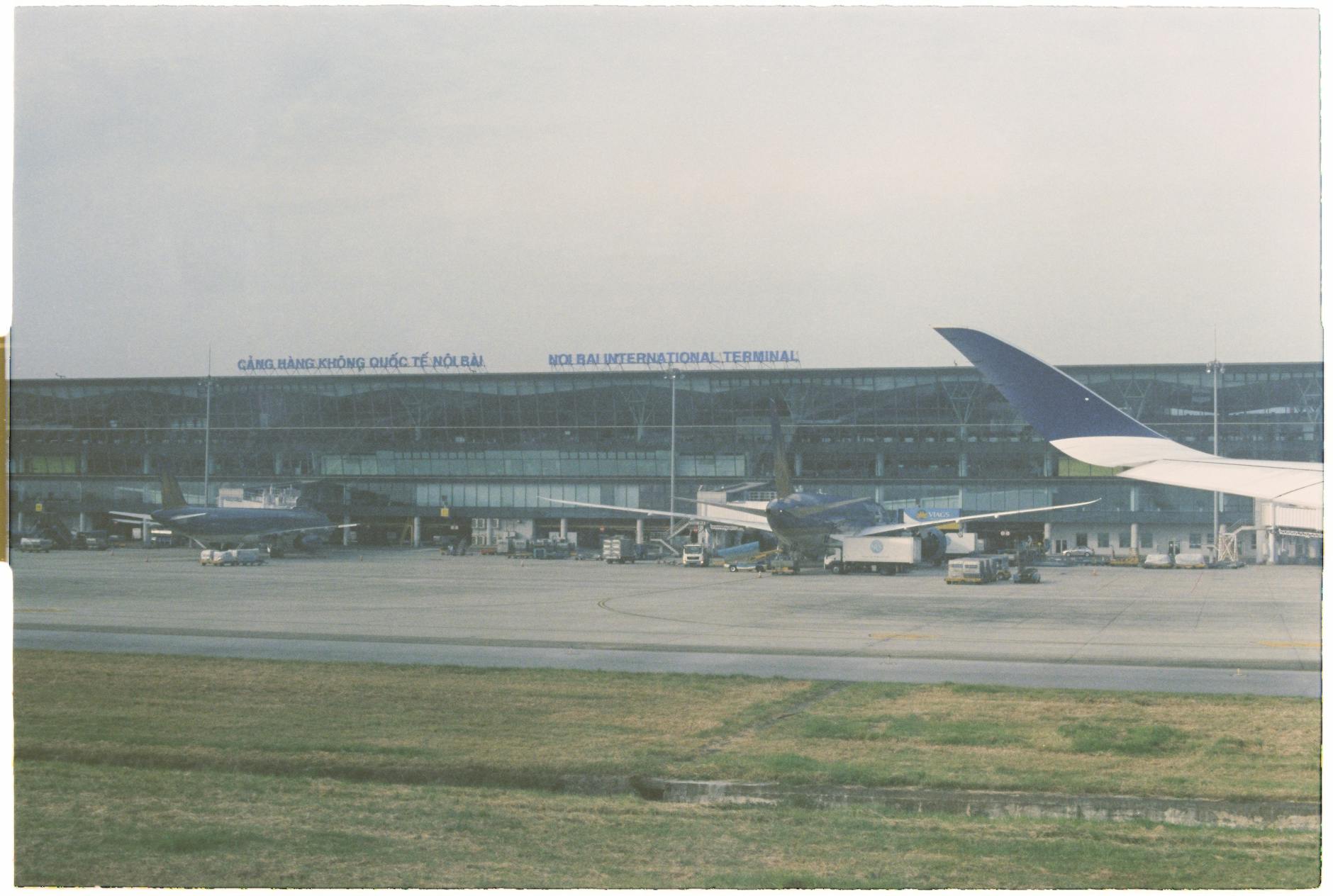
– If you plan onward travel by train, choose a place within easy Grab/taxi access to Hanoi Railway Station or plan an airport transfer from Noi Bai.
Sustainability note: favor locally owned guesthouses and book tours through community-led operators when possible.

Local Context
Seasonal patterns:
– Best weather: September–November and March–April (cooler, less rain). Shoulder seasons are ideal for lower-impact travel and fewer crowds.
– Summer (June–August) is hot and rainy; expect short, heavy downpours and higher hotel demand.
Transport realities:
– Metro: lines are being developed and partially open; don't rely on it for all trips yet.
– Most short trips use Grab (ride-hailing), taxis, cyclos or walking. Traffic is dense and motorbikes dominate public space; allow extra time for peak hours.
– Trains: the Reunification Express connects Ha Noi with Hue, Da Nang (gateway to Hoi An), Nha Trang and Ho Chi Minh City — a lower-carbon option versus flying.
Local etiquette and safety:
– Remove shoes at temples or family homes when asked, dress modestly for religious sites, and ask before photographing people.
– Bargain respectfully in markets; accept 'no' and avoid aggressive haggling.
Accommodation norms:
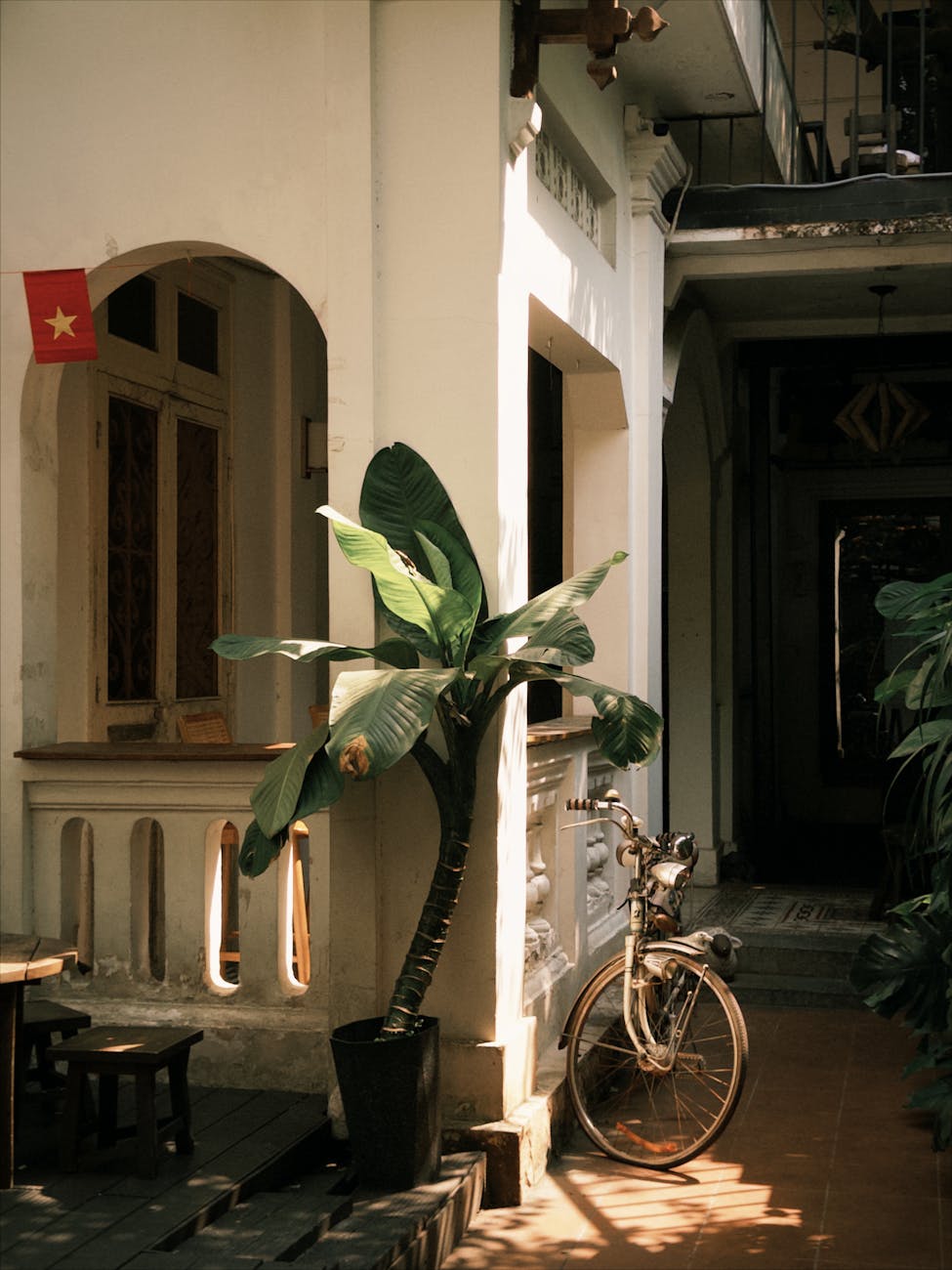
– Many small hotels are family-run; check if they provide luggage storage and confirm check-in times. Hostels commonly offer late check-in but verify ahead.
How to Choose Well
A simple decision checklist:
1) Start with your itinerary: if you follow the 3 days in Ha Noi plan, choose Hoan Kiem to cut travel time.
2) Decide on noise tolerance: Old Quarter = lively and noisy; West Lake and Ba Dinh = quieter.
3) Prioritize sustainability: pick locally run guesthouses, use trains to nearby cities, and walk or cycle when possible.
4) Check logistics: confirm airport/train transfers, secure baggage storage, and flexible check-in if you arrive early or late.
5) Read recent reviews for cleanliness, heating/cooling and Wi‑Fi reliability.
6) Book refundable rates during shoulder season to keep options open.
If you plan onward travel to Hue, Hoi An, Nha Trang or Ho Chi Minh City, choose lodging with easy access to a Grab taxi or the official airport shuttle.
Responsible and Local-First Tips
Practical ways to keep your stay low-impact and beneficial to locals:
– Prefer family-run guesthouses, homestays and small hotels over large international chains when possible.
– Eat at neighborhood restaurants, street stalls with busy local trade, and morning markets to keep spending local.
– Use public transport or shared rides; consider overnight trains to Hue or Da Nang instead of short domestic flights.
– Travel light and bring a refillable water bottle; ask if properties have filtered water to reduce plastic waste.
– Ask hosts for local cleaners, tailors and guides rather than booking large tour operators; this supports small businesses.
– Respect local rhythms: avoid loud behavior late at night and learn a few basic Vietnamese phrases to show respect.
– When booking tours, choose companies that employ local guides and contribute to community projects.
Common Mistakes to Avoid
- Picking a noisy Old Quarter hotel without earplugs if you need early sleep.
- Waiting until the last minute to book during Tet or summer weekends.
- Expecting the metro to solve all transit needs — rely on Grab and taxis for many routes.
- Assuming all places accept cards; carry some Vietnamese dong for markets and small restaurants.
- Overpacking and relying on frequent laundromat use; reduce clothing or choose accommodations offering eco-laundry.
- Not checking distance to sights: even 'central' addresses can be on narrow streets far from taxi drop-offs.
- Taking a private flight for short hops without checking trains or buses as lower-carbon alternatives.
FAQ
Where should I stay in Ha Noi for three days?
Hoan Kiem / Old Quarter is the most practical base for a 3-day itinerary — you can walk to main sights and most day tours depart nearby. If you prefer quieter evenings, pick Tay Ho (West Lake) or Ba Dinh.
Is it safe to walk around at night?
Central Ha Noi is generally safe after dark, but watch traffic when crossing streets, keep valuables secure, and avoid poorly lit side alleys late at night.
How do I get to Noi Bai Airport from the city center?
Options: pre-booked airport shuttle (timed to flights), Grab/taxi (30–60 minutes depending on traffic), or the public airport bus for a budget option. Allow extra time in rush hours.
Should I choose a homestay or hotel?
For local impact, choose a small, locally run homestay or family hotel. For more space and consistent amenities, look at serviced apartments, especially around West Lake.
Can I travel to Hue, Hoi An, Nha Trang or Ho Chi Minh City by train?
Yes. The Reunification Express connects Ha Noi with Hue, Da Nang (for Hoi An), Nha Trang and Ho Chi Minh City. Trains are a lower-carbon option and often overnight.
Do I need to book accommodation far in advance?
Book earlier for Tet, major holidays and peak summer. Shoulder seasons (spring and autumn) are less crowded but still benefit from advance booking for popular boutique places.
What about payments and tipping?
Carry cash (Vietnamese dong) for markets and small eateries. Cards work at many hotels and restaurants. Tipping is appreciated but modest; rounding up or a small tip for guides and drivers is normal.
Any local etiquette I should know?
Remove shoes in temples when requested, dress respectfully at religious sites, ask before photographing people and avoid touching heads.
Can I rely on the metro to get around?
The metro network is expanding but not comprehensive; use it where available and combine with Grab, taxis and walking for most itineraries.
Conclusion
Choose a neighborhood that matches your pace: Hoan Kiem for a tightly packed 3-day plan, Tay Ho for calm and space, Ba Dinh for museums, and Hai Ba Trung for budget finds. Favor locally run accommodations, use trains when traveling onward to Hue, Hoi An (via Da Nang), Nha Trang or Ho Chi Minh City, and book early for peak dates. For specific day-by-day routing and must-see lists, see our main 3 days in Ha Noi itinerary; use that to pick the best first-night location and minimize needless travel.
How this guide was prepared
This guide was prepared through a structured research that combines destination research, geographic context, itinerary planning logic, and content review.