

Best Things to Do in Ha Noi — Practical, Local-First Guide
A concise, sustainable travel guide to Ha Noi: top sights, neighborhood walks, markets and food districts, transport realities, seasonal tips, and how to choose activities for a 3-day itinerary.
Practical, low-impact recommendations for exploring Ha Noi's Old Quarter, lakes, temples, markets and food scene—designed to support a 3-day itinerary and onward travel to Hue, Hoi An, Nha Trang and Ho Chi Minh City.
Quick Answer
Practical, low-impact recommendations for exploring Ha Noi's Old Quarter, lakes, temples, markets and food scene—designed to support a 3-day itinerary and onward travel to Hue, Hoi An, Nha Trang and Ho Chi Minh City.
Who This Page Is For
This page is for travelers planning a stay in Ha Noi who want clearer decisions about things to do, local logistics, timing, budgeting, and practical trip planning.
How This Page Was Prepared
This page was prepared through a structured editorial workflow that combines destination research, geographic context, and practical travel-planning review.
Plan the Rest of Your Trip
Use this page together with the full itinerary and the related planning pages below to make better booking, timing, transport, and budget decisions.
Top picks for most visitors:
- Walk the Old Quarter and sample street food on local-favorite streets (Hang Bac, Ta Hien, Ma May).
- Watch a water puppet show and visit the Temple of Literature for classical culture.
- Stroll around Hoan Kiem Lake at sunrise and cross the wooden Ngoc Son Bridge.
- Cycle or walk around West Lake and visit Tay Ho neighborhood cafes.
- Explore Dong Xuan Market and the nearby train street for street-level city life.
- Take a low-impact day trip to Ninh Binh or a responsibly run Halong Bay operator if you have more time.
Ha Noi is an energetic, walkable city where tree-lined lakes, French colonial architecture and a labyrinthine Old Quarter sit alongside official monuments and thriving neighborhood markets. This page focuses on practical, low-impact things to do that support local businesses and make the most of a short visit. Use this alongside the companion 3 days in Ha Noi itinerary for day-by-day planning, and consider nearby cities such as Hue, Hoi An, Nha Trang or Ho Chi Minh City if you’re extending your trip.
What This Page Helps You Decide
This page helps you choose which experiences to prioritize based on time, fitness, and interest. Use it to:
- Fill days in the 3 days in Ha Noi guide with specific neighborhood walks, markets and meals.
- Decide which attractions to prebook (water puppet show, souvenir workshops, guided temple visits).
- Pick sustainable options for day trips and transport.
- Find neighborhoods that match your pace: Old Quarter for bustle, Ba Dinh for monuments, Tay Ho for relaxed lakeside cafés.
If you’re continuing your trip, look for onward travel options to Hue, Hoi An or Nha Trang using train and low-cost flights mentioned in the 3-day guide.

Top Recommendations
Morning essentials:
- Sunrise at Hoan Kiem Lake and a short walk along the lakeshore; locals exercise here, so travel lightly and blend in.
- Breakfast: try pho or bun cha at a small family-run shop in the Old Quarter—ask your guesthouse for a nearby local favorite.
Neighborhood days:
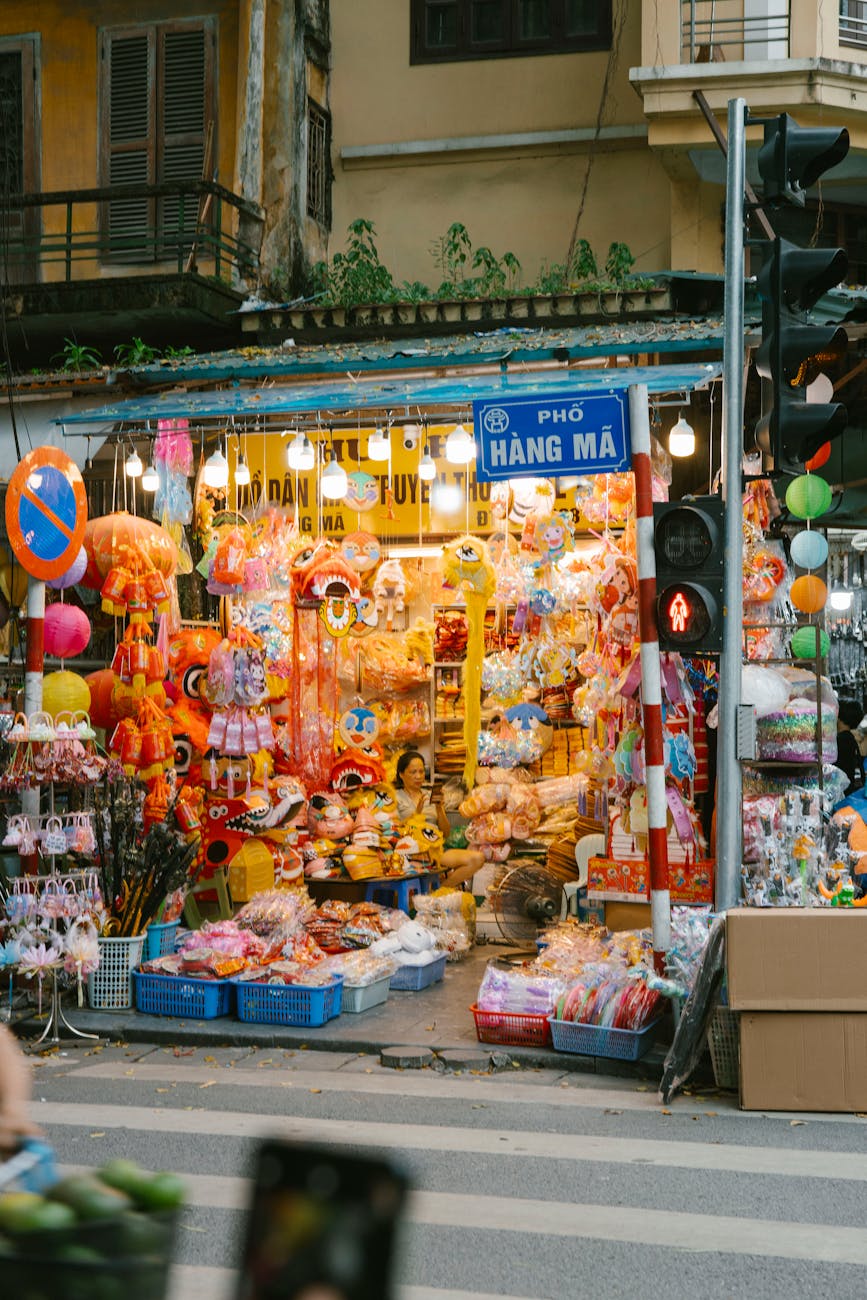
- Old Quarter: wandering on foot is the point—focus on Hang Dao, Ma May and Ta Hien for food; Hang Gai for silk shops. Avoid pushing a rigid list; linger in a tea house or craft shop run by a family.
- Ba Dinh & French Quarter: visit the Ho Chi Minh Mausoleum (arrive early; strict opening hours), the Presidential Palace exterior, and the nearby Hoa Lo Prison museum.
- West Lake & Tay Ho: rent a bicycle or e-bike for a calmer afternoon, stop at a lakeside café, and visit Tran Quoc Pagoda.
Markets, craft and food experiences:
- Dong Xuan Market for textiles and household goods; go earlier to see vendors set up.
- Craft workshops in Bat Trang pottery village (combine with a half-day trip) and a responsibly run cooking class that visits a market first.
Evening:
- Water puppet theater near Hoan Kiem or a small live-music venue in Tay Ho.
- Sample late-night street food on Ta Hien or along Ma May but avoid single-use plastics by carrying a reusable cutlery set and straw.
Booking tips:
- Reserve water puppet and popular cooking classes in advance during Dec–Feb and July–Aug.
- For mausoleum entry or official ceremonies check current opening hours and dress code; security checks are strict.
Local Context
Seasons and crowds:
- Best shoulder seasons: March–April and September–November for warm, drier weather and fewer international tourists.
- Monsoon months (May–August) bring heavy afternoon rain and higher humidity; plan indoor museums and markets for wet afternoons.
Transport realities:
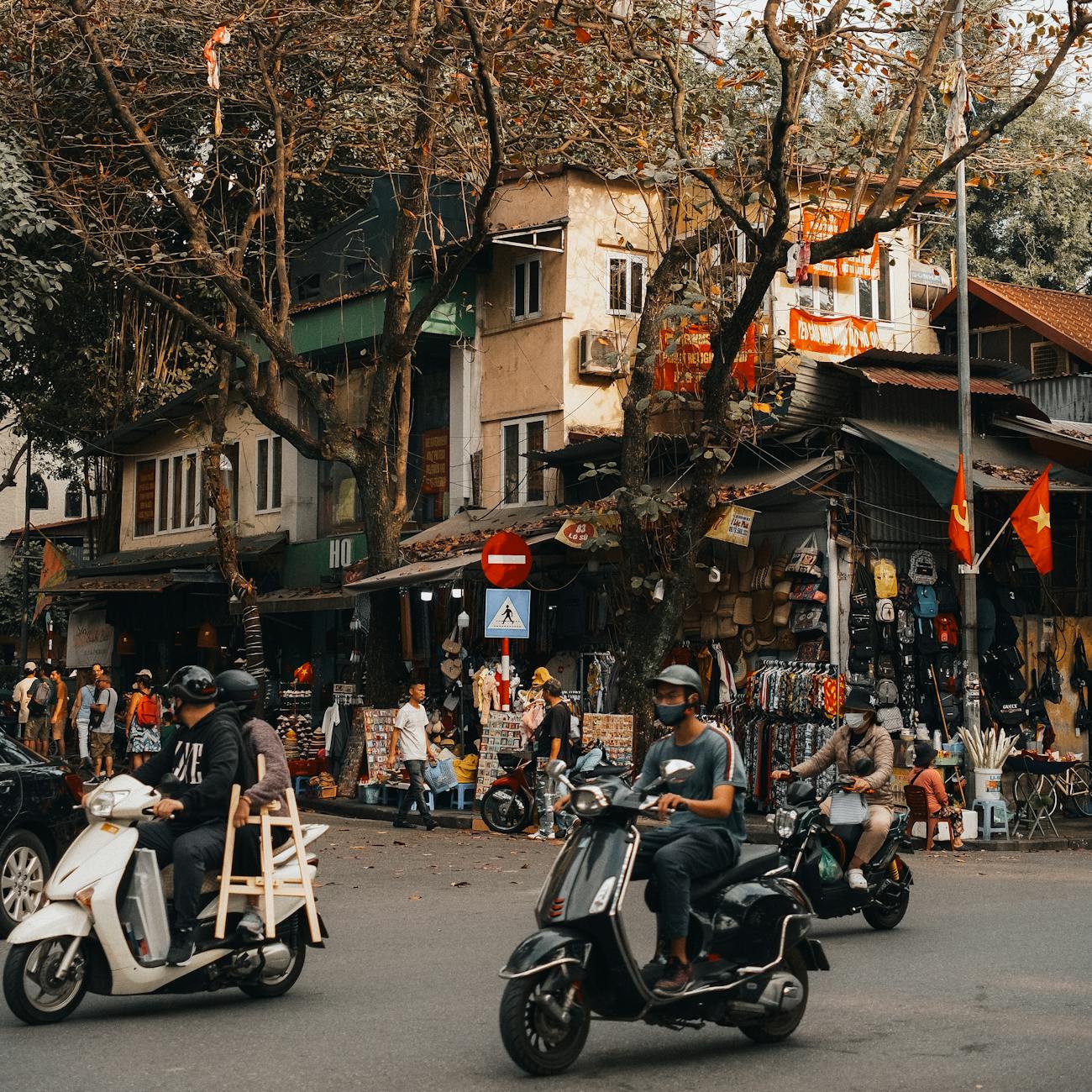
- Streets are busy with motorbikes. Use pedestrian crossings carefully and follow locals’ rhythm when crossing.
- Grab and local taxi apps are reliable; prefer GrabBike for short solo trips. Agree fares up front for unmetered vehicles.
- Walking and cycling are the most rewarding ways to discover neighborhoods; some lanes are narrow so expect close passing vehicles.
Local etiquette:
- Dress modestly at religious sites; remove shoes where required and speak quietly.
- Bargain respectfully in markets—start lower but avoid insulting vendors.
- Tipping is appreciated for guides and drivers but not mandatory; small local payments support livelihoods.
How to Choose Well
Match activities to energy and time:
- Low energy or rainy day: museums (Vietnam Museum of Ethnology), indoor markets, cafe-hopping in the French Quarter.
- High energy: long Old Quarter walks at dawn, cycling West Lake, or a multi-site walking loop through Ba Dinh and the French Quarter.
Planning tips:
- Combine nearby sites: Hoan Kiem, Old Quarter and the water puppet theater in an evening; Ba Dinh monuments in a morning.
- Reserve time to eat—Ha Noi’s food scene is the point for many visitors; one long market visit is more rewarding than several rushed stops.
- If taking a day trip (Ninh Binh, Halong), choose operators that limit group size and commit to local conservation.
Accessibility and pace:
- Ha Noi’s sidewalks are uneven; if mobility is limited, plan for short walks and use Grab cars.
- Ask homestays or small guides for quieter alternative routes to major sights to avoid crowds and support neighborhood businesses.

Responsible and Local-First Tips
Support local economies:
- Eat at family-run eateries and buy souvenirs from artisan stalls or cooperatives rather than mass-produced items.
- Choose homestays and small guesthouses in neighborhoods like Ba Dinh or Tay Ho to keep money in local communities.
Low-impact choices:
- Walk and cycle where possible; use public buses for longer urban trips.
- Avoid single-use plastics—carry a refill bottle and reusable bag.
Respectful tourism:
- Follow rules at religious sites (no loud photography near worship).
- Skip attractions that exploit animals, and decline offers to ride wildlife.
- When visiting craft villages (Bat Trang), seek workshops that pay fair wages and teach traditional methods.
Seasonal and community-aware travel:
- Visit during shoulder seasons to reduce peak-pressure on services.
- If joining a day trip to Halong or Ninh Binh, check operator sustainability policies and book operators that contribute to local conservation or community projects.

Common Mistakes to Avoid
Avoid these frequent pitfalls:
- Overpacking too many sites into one day—Ha Noi rewards slow exploration.
- Using unlicensed taxis or accepting rides without child seats; prefer Grab or reputable companies.
- Eating at the first street stall you see—ask your guesthouse for current local favorites.
- Underestimating travel time across the city during rush hour—allow extra time for airport transfers and inter-city trains.
- Forgetting to carry small currency for markets and modest tips; many small vendors are cash-only.
- Buying wildlife products or poorly made “antique” items—shop with reputable galleries and cooperatives.
FAQ
How many days do I need in Ha Noi?
2–3 days lets you cover the Old Quarter, a main museum or two, Hoan Kiem Lake and one neighborhood like Tay Ho or Ba Dinh. Use the 3 days in Ha Noi companion for a full, paced plan and add day trips to Ninh Binh or Halong if you have more time.
What’s the best time to visit for fewer crowds and good weather?
Shoulder seasons—March–April and September–November—offer milder weather and fewer tourists. December–February is cooler and busy with domestic travel; summer brings rain and heat.
Is Ha Noi safe to walk and eat street food?
Yes—walking is rewarding. Stay aware of motorbikes when crossing streets. For street food, eat where vendors turn over food quickly and where locals gather; ask your host for trusted spots.
Do I need to prebook tickets for major sites?
Book water puppet shows and popular cooking classes in advance, especially in peak months. The Ho Chi Minh Mausoleum has fixed hours and security checks—arrive early and dress respectfully.
How should I get from Ha Noi to Hue, Hoi An or Ho Chi Minh City?
Trains and domestic flights are common. Overnight trains to Hue are popular for scenery; flights save time to Hoi An (via Da Nang) and Ho Chi Minh City. Book reputable carriers and compare CO2 options if available.
Any transport tips for getting around locally?
Use Grab for cars and bikes, buy a local SIM for ride apps, and be prepared to walk short stretches where alleys are too narrow for vehicles.
Can I visit craft villages like Bat Trang in a half-day?
Yes—Bat Trang pottery village is a popular half-day trip. Choose workshops that demonstrate traditional techniques and allow you to buy direct from artisans.
Conclusion
Ha Noi rewards slow, locally focused travel: choose a few neighborhoods, eat where families eat, and favor walking or cycling. Use this page to pick activities that fit your pace and the companion 3 days in Ha Noi itinerary to sequence them efficiently. When extending your trip, consider sustainable day trips and onward travel to Hue, Hoi An, Nha Trang or Ho Chi Minh City—book with operators that respect local communities and the environment.
How this guide was prepared
This guide was prepared through a structured research that combines destination research, geographic context, itinerary planning logic, and content review.