
Best Time to Visit Santiago, Chile — When to Go, Weather, and Practical Tips
Find the best months to visit Santiago by weather, crowds, festivals, and nearby day trips. Practical, sustainable advice for planning a 3-day Santiago itinerary.
Santiago is a year-round city with clear seasonal shifts: hot, dry summers; cool, smog-prone winters; and comfortable shoulder seasons. Use this guide to pick dates that match your interests, avoid crowds, and connect sustainably with local neighborhoods, vineyards, and the Andes.
Quick Answer
Santiago is a year-round city with clear seasonal shifts: hot, dry summers; cool, smog-prone winters; and comfortable shoulder seasons. Use this guide to pick dates that match your interests, avoid crowds, and connect sustainably with local neighborhoods, vineyards, and the Andes.
Who This Page Is For
This page is for travelers planning a stay in Santiago who want clearer decisions about best time to visit, local logistics, timing, budgeting, and practical trip planning.
How This Page Was Prepared
This page was prepared through a structured editorial workflow that combines destination research, geographic context, and practical travel-planning review.
Plan the Rest of Your Trip
Use this page together with the full itinerary and the related planning pages below to make better booking, timing, transport, and budget decisions.
For mild weather and fewer crowds, aim for shoulder seasons: spring (September–November) or autumn (March–May). If you want summer warmth and long evenings, visit December–February but expect higher domestic travel and hotter, drier air. For skiing and Andes snow activities, visit June–August. Avoid booking only around mid-September (Fiestas Patrias) unless you want to experience the holiday — local demand makes accommodation and transport more expensive.
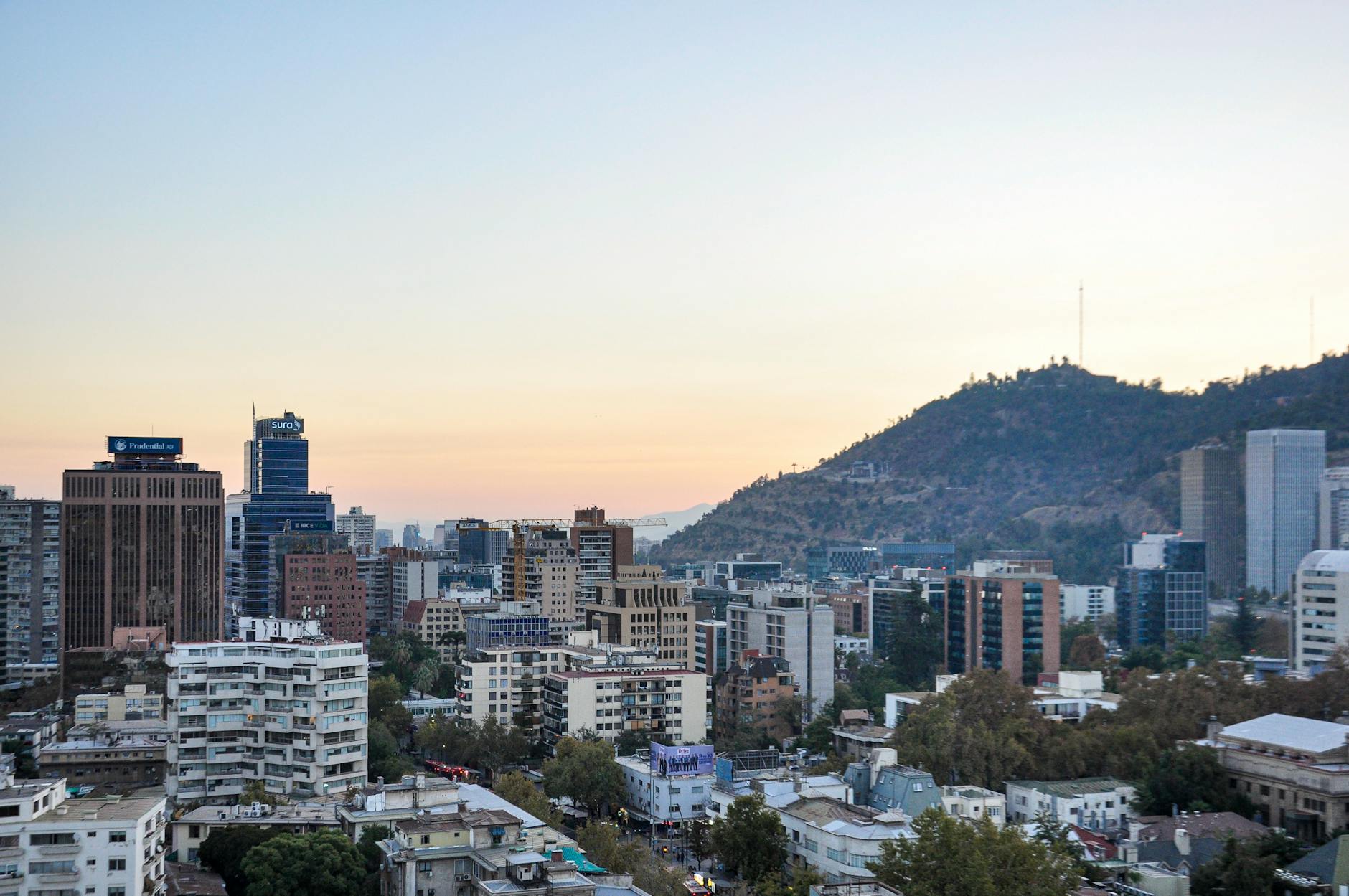
Santiago sits in a dry basin at the foot of the Andes, with a clear high-desert summer and a cooler, wetter winter. Seasons affect air quality, mountain access, vineyard activity, and local rhythms — all important when you’re planning a short, sustainable visit or using this as the start of a 3-day Santiago itinerary. This page gives practical guidance so you can choose dates that match weather, festivals, transport, and low-impact options.
What This Page Helps You Decide
This page helps you pick dates for: – Weather priorities (warm, mild, or snowy days). – Crowd and price sensitivity (shoulder seasons vs. high season). – Activity focus (city culture, wine tours, Andes access, skiing). – Nearby day trips and border crossings (Vina del Mar/Valparaiso or Mendoza). Use the linked 3 days in Santiago itinerary to match an optimal travel window with daily plans and local neighborhoods.

Top Recommendations
Best overall months: September–November (spring) and March–May (autumn). Why these work: – Comfortable daytime temperatures (15–25°C / 59–77°F). – Lower chance of poor winter inversion smog. – Vineyards around Casablanca and Maipo are active but not crowded. High season: December–February for sunshine, long evenings, and coastal day trips to Viña del Mar and Valparaiso. Winter: June–August for skiing in Valle Nevado and Farellones, but expect rain at low altitudes, cooler temperatures, and possible air quality issues. Festival notes: – Fiestas Patrias (around Sept 18–19) is culturally rich but means locals travel and higher prices. – Vendimia (harvest events) occur around March in wine regions — great for wine-focused visitors.
Local Context
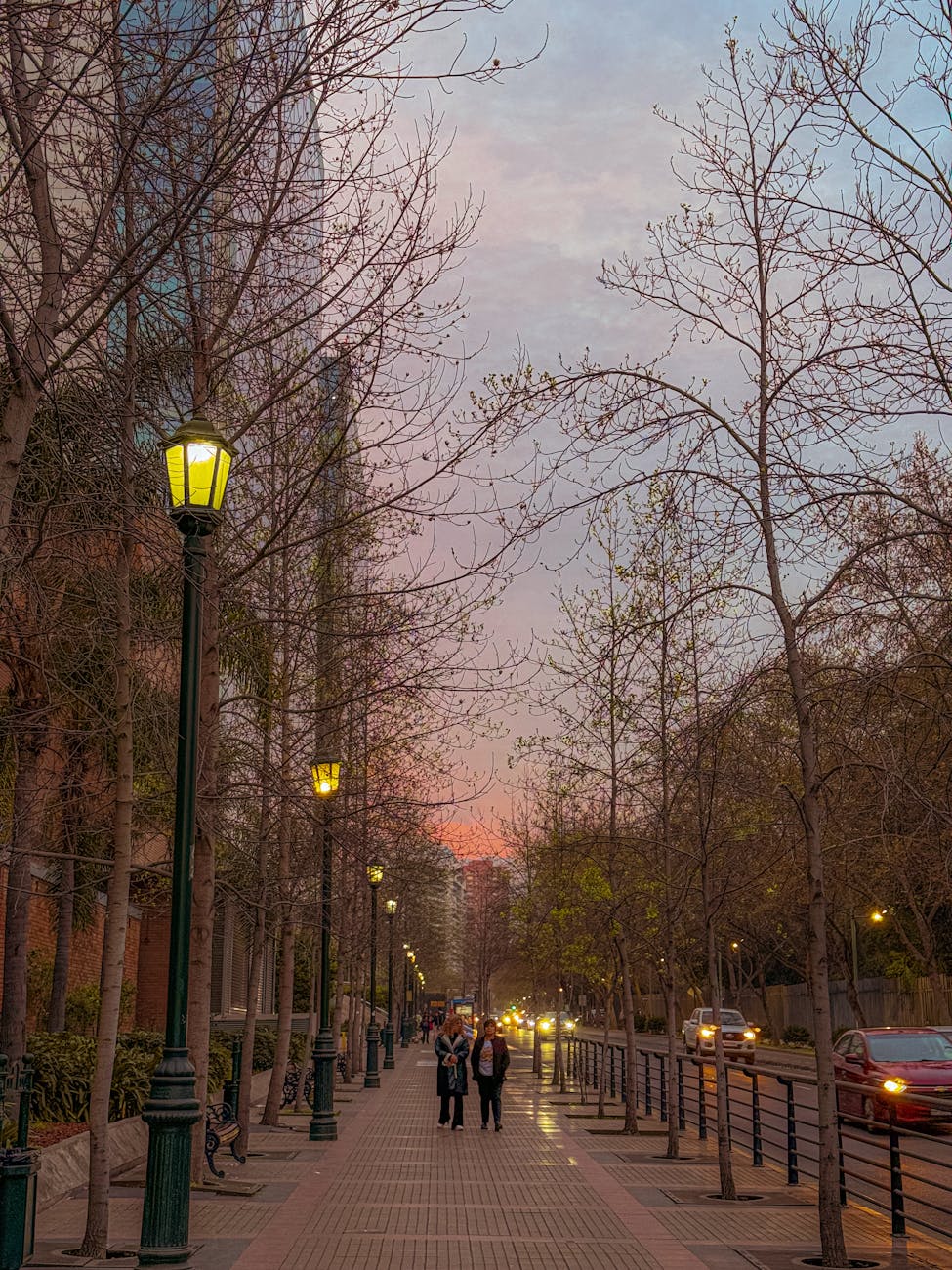
Neighborhoods and daily life shift by season. Lastarria and Barrio Yungay are lively year-round with markets and cultural venues. Bellavista is busiest on summer evenings. Providencia and Vitacura offer greener parks and quieter neighborhoods in shoulder seasons. Transport realities: – Santiago’s Metro is fast, safe, and the best sustainable way to move across the city; avoid extra taxi pickups in rush hour. – Traffic to coastal Valparaiso/Vina del Mar is typically 1.5–2 hours by bus or car. – Cross-border travel to Mendoza requires extra time for the Andes crossing by bus (6–8 hours including border) or flights. Air quality: Winter thermal inversions (May–Aug) can produce smog; check local air-quality forecasts if you have respiratory concerns. Seasonal closures: Some mountain roads and high-elevation hikes close in winter or after heavy snow.
How to Choose Well
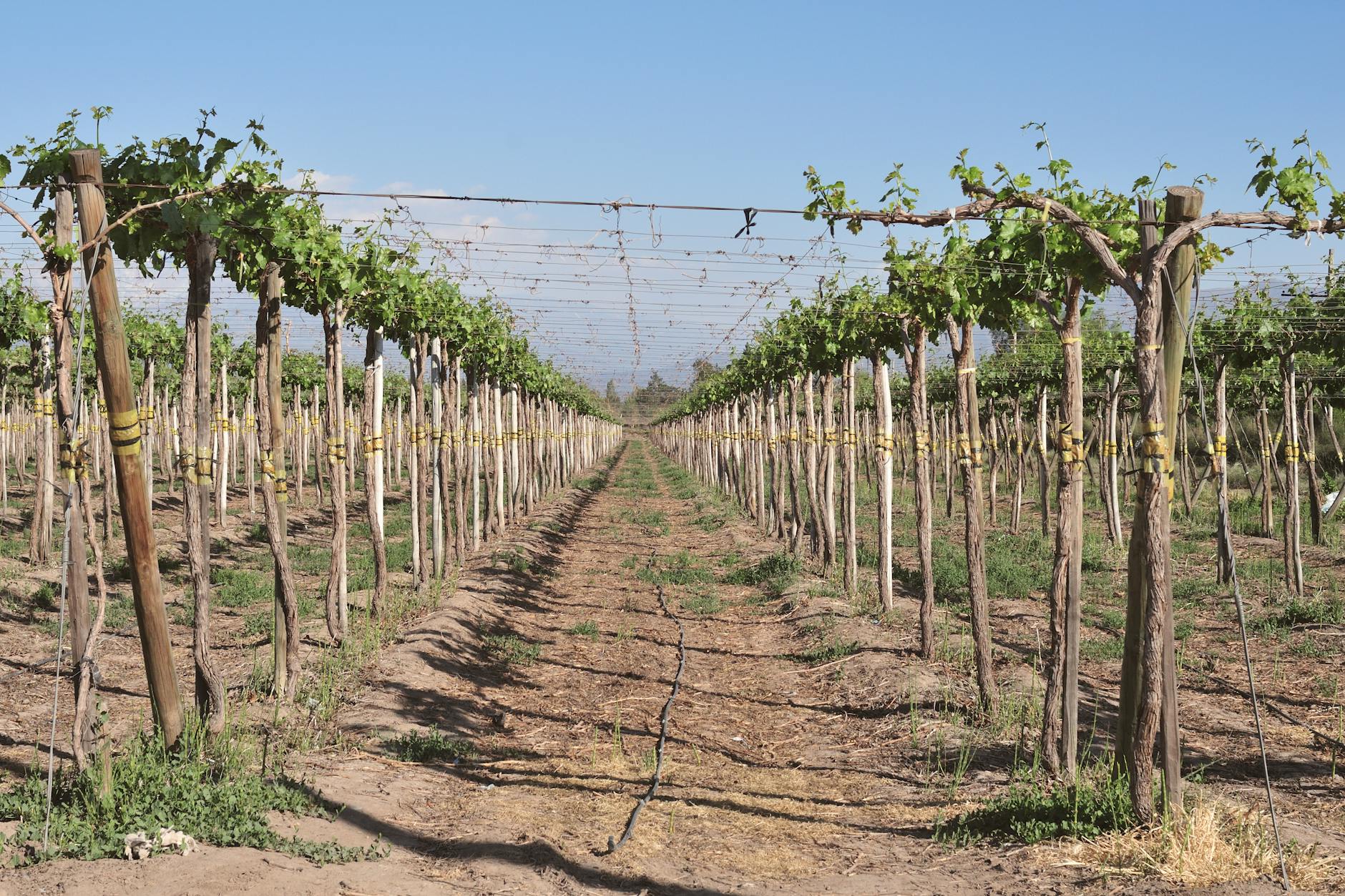
Match timing to your priorities: – Culture and food: spring or autumn to enjoy outdoor markets, patios, and walking tours without heat. – Wine and vineyards: harvest season in March and April for small wineries and vendimia events; Casablanca and Maipo are easy day trips. – Andes outdoors: summer for hiking, winter for skiing; check snow reports and road conditions. Budget and crowds: book sooner for December–February and mid-September. For better prices and a lower footprint, consider traveling mid-week and staying in locally run guesthouses or B&Bs. Practical booking tips: – Reserve accommodation and any guided or popular restaurant slots at least 6–8 weeks in high season. – For Fiestas Patrias, book 2–3 months ahead. – Use Metro passes and local buses rather than multiple short taxis.
Responsible and Local-First Tips
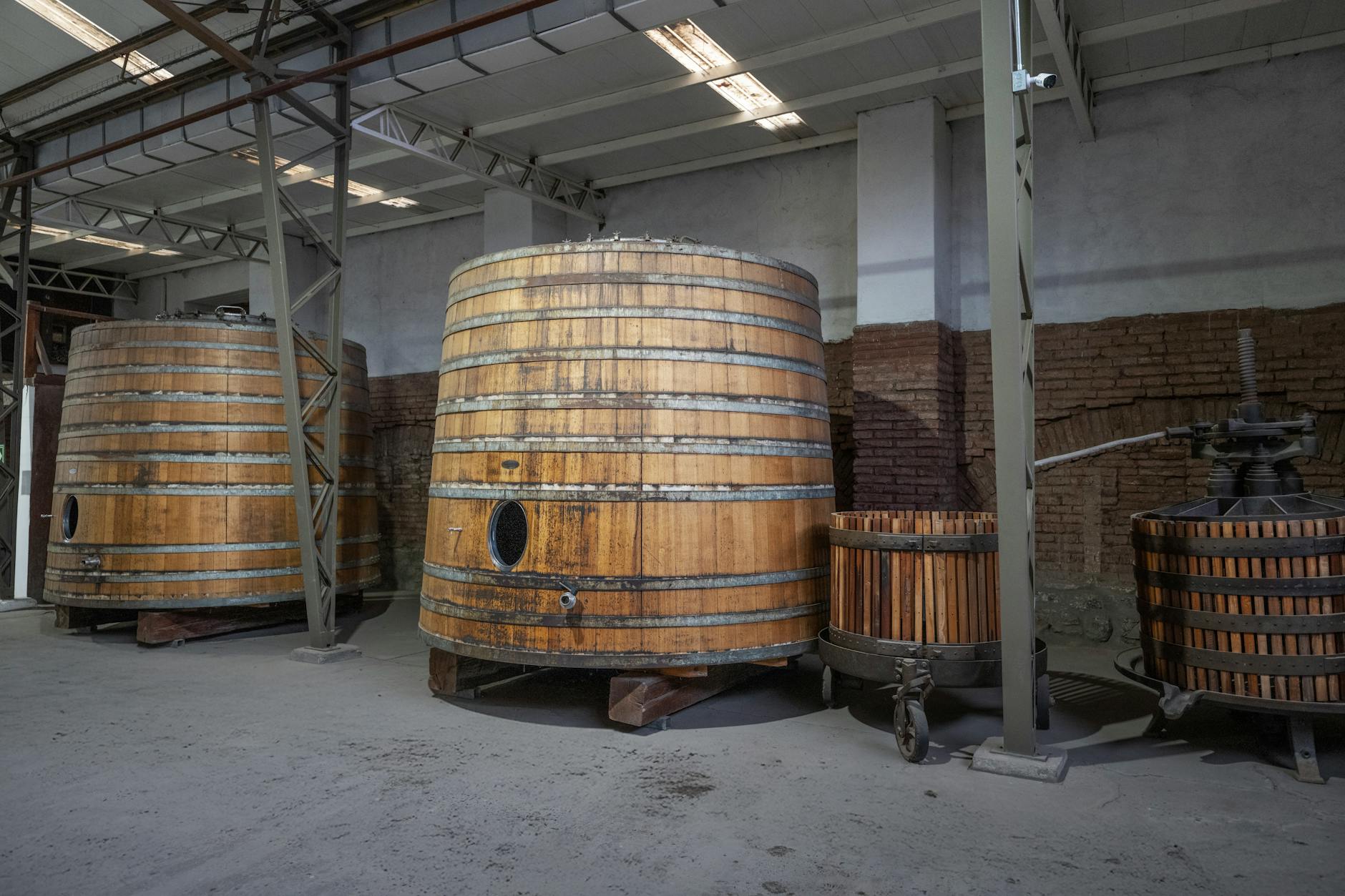
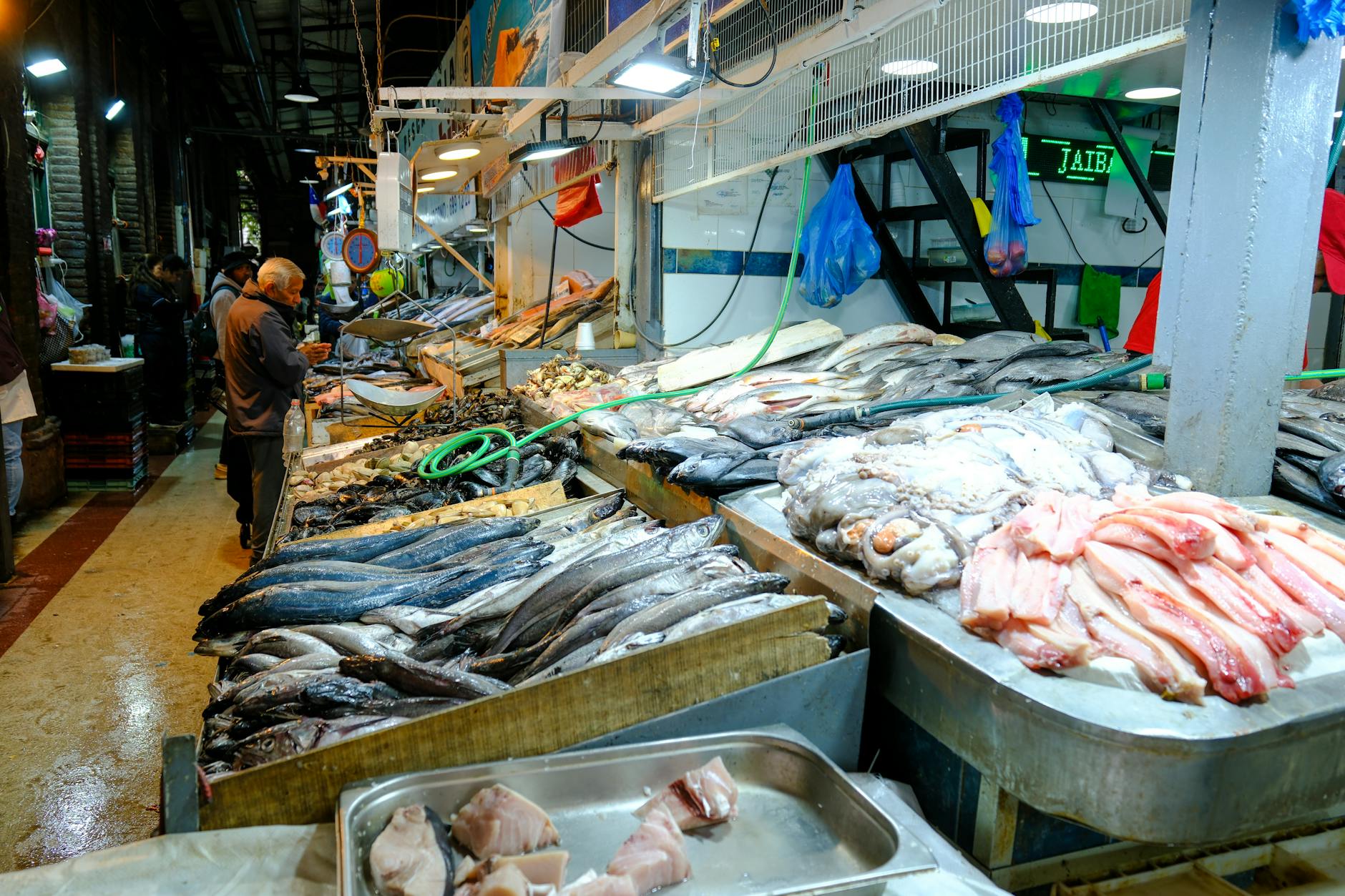
Choose experiences that benefit local communities and minimize impact: – Use the Metro and buses; if you need a taxi, favor registered apps or daytime official cabs. – Spend in neighborhood markets (Mercado Central, Feria Santa Isabel) and book meals at family-run restaurants in Lastarria, Barrio Italia, or Yungay. – Pick small, licensed guides for walking tours rather than large coach trips; local guides offer cultural context and keep spending local. – If visiting wineries, favor smaller producers who practice sustainable viticulture or offer educational visits. – Respect water scarcity: take short showers and reuse towels, especially in summer months when supply can be constrained.
Common Mistakes to Avoid
Avoid these predictable mistakes: – Ignoring Fiestas Patrias: traveling around Sept 18–19 without booking early leads to sold-out hotels and crowded services. – Underestimating winter pollution: plan outdoor activities with air-quality checks in winter months. – Overplanning same-day cross-border trips: trips to Mendoza or Bariloche need realistic travel time and sometimes an overnight. – Relying solely on taxis in rush hour: the Metro often saves time and money. – Skipping neighborhood exploration: stick to downtown only and you’ll miss local markets, craft shops, and the strong restaurant scene in Lastarria and Barrio Italia.
FAQ
When is the warmest time to visit Santiago?
December through February are the warmest and driest months, with daytime temperatures often in the mid-20s°C (mid-70s°F). Expect long sunny days and more domestic travel.
Is spring a good time to visit for walking and food?
Yes. September–November offers mild weather, blooming parks, open-air markets, and manageable crowds — ideal for following a 3 days in Santiago plan that focuses on walking neighborhoods, museums, and markets.
Can I visit the Andes from Santiago year-round?
You can access the Andes year-round, but activities change by season: summer is best for hiking and mountain scenery; winter (June–August) is for skiing and snow sports. Check road and ski-resort updates in winter.
How busy is Santiago during Fiestas Patrias (mid-September)?
Very busy. Nationals travel to family or the coast for the holidays. Book hotels, buses, and restaurants well in advance or choose shoulder-season dates to avoid the peak.
Are there air-quality concerns I should plan for?
Yes. Winter thermal inversions (May–August) can bring smog, especially in the basin. If you have respiratory issues, check local AQI forecasts and prefer indoor museums, or plan outdoor days during clearer windows.
Conclusion
Pick dates based on what you want to do: shoulder seasons for balanced weather and lower impact, summer for coastal escapes and longer evenings, and winter for snow sports. Wherever you go, favor local transport, neighborhood businesses, and smaller producers to keep your visit beneficial to the community. Use this guidance alongside the 3 days in Santiago itinerary to build a practical, sustainable short trip and consider day trips to Valparaiso, Viña del Mar, or wine valleys for a fuller regional experience.
How this guide was prepared
This guide was prepared through a structured research that combines destination research, geographic context, itinerary planning logic, and content review.