

Kuala Lumpur Travel Budget: Practical Costs, Tips, and Low‑impact Choices
A practical Kuala Lumpur travel budget guide with realistic daily costs, neighborhood-based advice, transport realities, sustainable tips, and booking guidance to support the 3 days in Kuala Lumpur itinerary.
Clear, scannable budget guidance for Kuala Lumpur that helps you decide where to stay, how to move, how much to expect to spend, and how to keep spending local and low‑impact while following the 3 days in Kuala Lumpur itinerary.
Quick Answer
Clear, scannable budget guidance for Kuala Lumpur that helps you decide where to stay, how to move, how much to expect to spend, and how to keep spending local and low‑impact while following the 3 days in Kuala Lumpur itinerary.
Who This Page Is For
This page is for travelers planning a stay in Kuala Lumpur who want clearer decisions about travel budget, local logistics, timing, budgeting, and practical trip planning.
How This Page Was Prepared
This page was prepared through a structured editorial workflow that combines destination research, geographic context, and practical travel-planning review.
Plan the Rest of Your Trip
Use this page together with the full itinerary and the related planning pages below to make better booking, timing, transport, and budget decisions.
Expect these ballpark daily budgets per person (prices in Malaysian ringgit):
- Backpacker: RM60–RM140/day — dorm bed or budget guesthouse, street food, transit by LRT/monorail.
- Comfortable budget: RM150–RM350/day — 2‑star/3‑star hotel, mix of hawker and cafe meals, occasional Grab rides.
- Midrange: RM350–RM700/day — nicer hotel near KLCC, sit‑down meals, paid attractions.
Transport: single LRT/MRT trips RM1–RM6; Grab short rides RM6–RM25 depending on traffic. Factor an extra RM40–RM80 for airport transfers if not using KLIA Ekspres (or RM55 for the KLIA Ekspres one‑way). These are working ranges to use while following the 3 days in Kuala Lumpur plan.
This page gives clear numbers and practical choices to help you plan a budget‑minded stay in Kuala Lumpur while supporting local businesses and keeping impact low. Use it as immediate reference when preparing for the linked 3 days in Kuala Lumpur itinerary, or to decide affordable day trips to nearby cities such as Petaling Jaya, Subang Jaya, Shah Alam, Ipoh and Kuantan.
Read fast for daily-cost ranges, neighborhood picks, transport realities and sustainable tips you can use right away.
What This Page Helps You Decide
This page helps you choose:
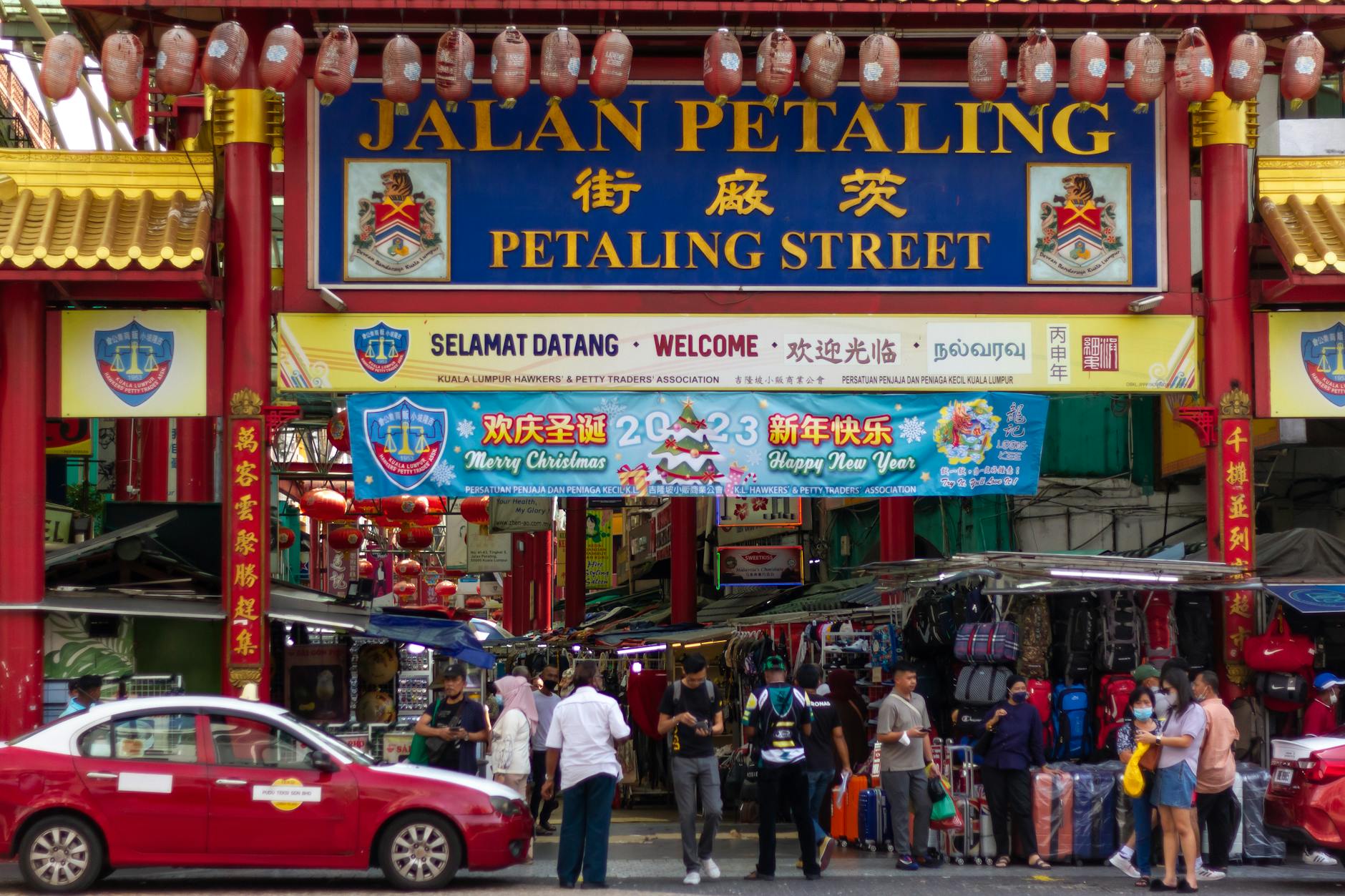
- Where to stay in budget tiers (Chinatown/Petaling Street for cheapest, Bukit Bintang for central access, KLCC for sightseeing convenience).
- How to allocate daily money between accommodation, food, transport, and attractions.
- Whether day trips to Petaling Jaya, Subang Jaya, Shah Alam, Ipoh or Kuantan fit your budget and how to reach them cheaply.
It complements the 3 days in Kuala Lumpur itinerary by translating each day into realistic costs and low‑impact options so you can book confidently.
Top Recommendations
Smart, money‑wise choices that still feel local:
- Stay: For the 3‑day itinerary, book a midrange hotel or guesthouse in Bukit Bintang or KLCC for time savings and walkable evenings. If on a strict budget, choose hostels in Chinatown (Petaling Street) or Brickfields (Little India).
- Eat: Prioritize hawker centers and kopitiams (local coffee shops). Jalan Alor and the Central Market food court are efficient, affordable and locally run. Avoid international chains when you can.
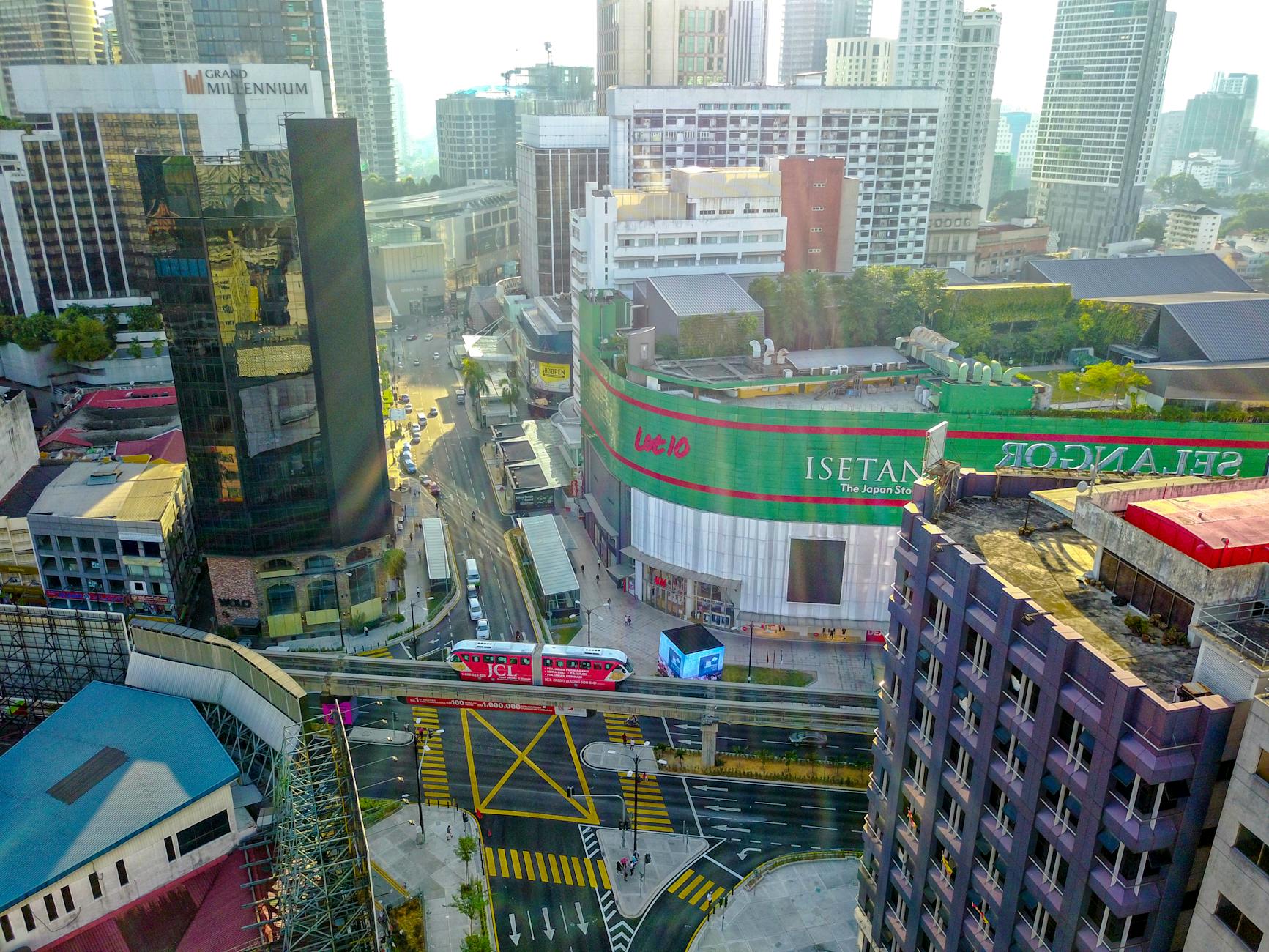
- Move: Use LRT/MRT/monorail for peak periods; take Grab for late nights or when public transit needs multiple transfers. Buy a Touch ’n Go card for convenience on trains and buses.
- Attractions: Many parks, street markets, and religious sites are free or low cost. Reserve paid attractions like Petronas Tower tickets in advance to avoid premium walk‑up prices.
Day trips: KTM Komuter and intercity buses provide low‑cost options to Petaling Jaya, Subang Jaya and Shah Alam; for Ipoh or Kuantan, book an early morning ETS or express bus to save on time and avoid overnight accommodation costs.

Local Context
Neighborhoods matter for both budget and experience:
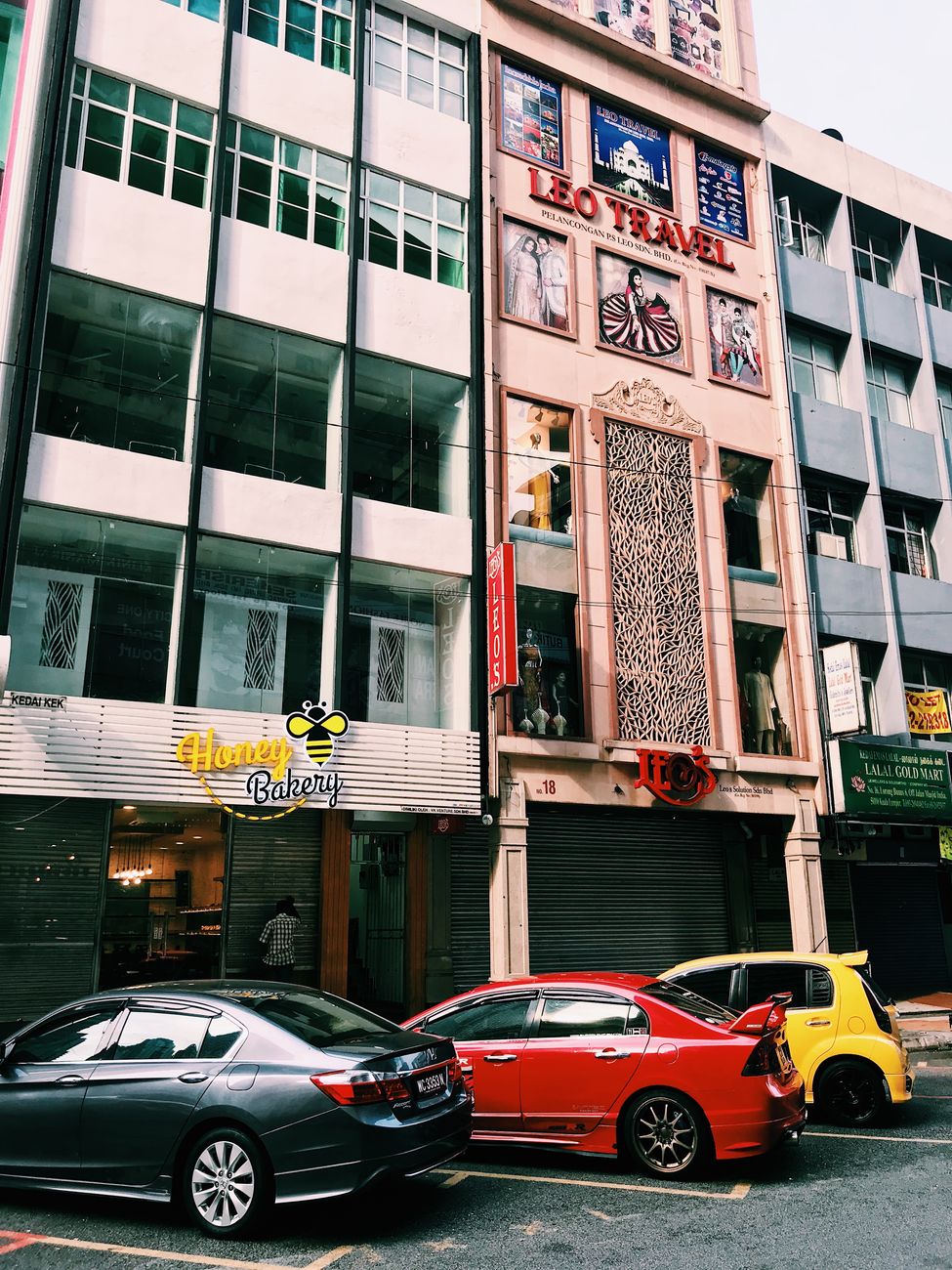
- Bukit Bintang: tourist hub with frequent sales on budget hotels; lively at night but pricier food and bars.
- KLCC / Ampang: close to Petronas Towers and museums, better for shorter stays despite higher rates.
- Chinatown (Petaling Street): cheapest food and accommodation, best for markets and street photography.
- Brickfields (Little India): good value food and easy access to KL Sentral transport.
Seasonality and weather:
- Kuala Lumpur is hot and humid year‑round. Expect short heavy showers during inter‑monsoon periods (April–May, Oct–Nov) and more consistent rain Nov–Feb.
- Shoulder months (Feb–Apr, Sep) often bring fewer tourists and slightly lower prices — good times for budget travelers seeking lower crowds.
Transport realities:
- Peak traffic can double Grab and taxi times; use rail for predictable travel during AM/PM rush.
- KLIA Ekspres is fast but costs more than buses; budget travelers use Airport Coach or KLIA Transit for lower fares.
How to Choose Well
Practical selection criteria, depending on your priorities:
- If you want to maximize time for the 3 days in Kuala Lumpur itinerary: pick accommodation in Bukit Bintang or KLCC to reduce transfer time.
- If you want the lowest nightly rate: choose Chinatown hostels or guesthouses but check recent reviews for cleanliness and water pressure.
- If you care about train access and regional day trips: stay near KL Sentral to catch KTM Komuter, ETS, and intercity buses easily.
Booking tips:
- Compare refundable rates and small guesthouse direct prices — owners sometimes hold rooms cheaper than OTAs.
- For attractions with limited slots (Petronas viewing gallery, guided Batu Caves sunrise tours), book in advance to avoid inflated last‑minute rates.
- Reserve airport transfers for arrival at odd hours; otherwise public coach services are cheaper.
Responsible and Local-First Tips
Spend where it benefits locals and reduces impact:
- Eat local: hawker stalls and family‑run kopitiams keep earnings in the community and are low‑waste compared with delivery and chains.
- Use public transit: trains and buses reduce emissions and avoid contributing to rush‑hour congestion.
- Choose small guesthouses or locally run boutique hotels rather than global chains when possible; ask about their water and energy practices.
- Reduce plastic: carry a refillable water bottle and a reusable bag for market purchases.
- Hire local guides for neighborhood walks (Bukit Bintang food tours, Chinatown history walks) to support small businesses and get deeper context.
When taking day trips to Petaling Jaya, Subang Jaya or Shah Alam, use KTM Komuter or shared buses rather than private transfers to keep costs and footprints down.

Common Mistakes to Avoid
Short checklist of frequent budget pitfalls:
- Underestimating travel time: rush‑hour traffic makes road transfers slow and expensive; prefer rail for reliability.
- Carrying only cards: small stalls and markets often accept cash only — keep RM50–RM100 in small notes.
- Paying for taxis without checking the meter: insist on the meter or use Grab for transparent fares.
- Overpacking for weather: lightweight, breathable clothing and a compact rain jacket are enough; heavy luggage adds incidental transfer costs.
- Skipping advance bookings for key sights or cheap intercity trains: last‑minute can cost more or sell out, especially for ETS to Ipoh.
FAQ
What is a realistic daily budget for Kuala Lumpur?
For a budget traveler, RM60–RM140/day covers dorm beds, street food and public transit. For comfort travelers, RM150–RM350/day covers a midrange hotel, a few paid attractions and some Grab rides.
Where should I stay for the best value if I’m following the 3 days in Kuala Lumpur itinerary?
Bukit Bintang balances cost and proximity to nightlife and shopping; Chinatown is cheapest; KLCC is best if you want to cut transit times to Petronas Towers and museums.
Are street food and hawker stalls safe and affordable?
Yes. Choose busy stalls with turnover, avoid unsealed water/ice, and use a water bottle with a filter if concerned. Eating local is both affordable and supports small vendors.
Can I do day trips to Ipoh or Kuantan on a tight budget?
Yes. Book early ETS trains to Ipoh for fast, cheap trips. Kuantan is farther; consider overnight buses or an early bus to save money. For nearby Subang Jaya, Petaling Jaya and Shah Alam, KTM Komuter and local buses are very affordable.
How do I save on airport transfers?
Use Airport Coach or KLIA Transit for lower prices, or share a Grab with others if arriving at odd hours. The KLIA Ekspres is fastest but more expensive.
Conclusion
Kuala Lumpur is straightforward to explore on a tight budget if you use neighborhoods strategically, favor rail for reliability, eat at local hawker centers, and book key tickets in advance. Use this page alongside the 3 days in Kuala Lumpur itinerary to translate each planned activity into expected costs and low‑impact choices. If you plan day trips, check KTM Komuter, ETS and express bus timetables early to lock in the best rates for Petaling Jaya, Subang Jaya, Shah Alam, Ipoh and Kuantan.
How this guide was prepared
This guide was prepared through a structured research that combines destination research, geographic context, itinerary planning logic, and content review.