

Responsible Travel in Kuala Lumpur — Practical Support for a Low-Impact City Visit
Practical, local-first advice for traveling responsibly in Kuala Lumpur: where to stay, transport realities, sustainable choices, seasonal tips, and how this supports a 3-day Kuala Lumpur itinerary and nearby day trips.
A compact guide to making low-impact decisions in Kuala Lumpur — neighborhood choices, public transport, respectful site visits, local spending tips, and seasonal advice that complements our main 3-day Kuala Lumpur itinerary.
Quick Answer
A compact guide to making low-impact decisions in Kuala Lumpur — neighborhood choices, public transport, respectful site visits, local spending tips, and seasonal advice that complements our main 3-day Kuala Lumpur itinerary.
Who This Page Is For
This page is for travelers planning a stay in Kuala Lumpur who want clearer decisions about responsible travel, local logistics, timing, budgeting, and practical trip planning.
How This Page Was Prepared
This page was prepared through a structured editorial workflow that combines destination research, geographic context, and practical travel-planning review.
Plan the Rest of Your Trip
Use this page together with the full itinerary and the related planning pages below to make better booking, timing, transport, and budget decisions.
Base yourself near a transit node: KLCC for iconic skyline sights, Bukit Bintang for food and shopping, or KL Sentral for rail connections and lower-impact day trips. Choose shoulder months (March–May, September–November) to avoid crowds and heavy rains. Prefer trains, the monorail, and shared rides (Grab) over taxis for lower emissions. Support small eateries, market stalls at Central Market and Petaling Street, and book community-led tours for deeper, responsible experiences.
For a short trip, use this information to refine the plan in the 3-day Kuala Lumpur guide and to identify which nearby destinations—Petaling Jaya, Subang Jaya, Shah Alam, Ipoh, or Kuantan—fit your interests and time.
This page is a practical support resource for travelers who want to visit Kuala Lumpur with low impact and maximum local benefit. It sits alongside our main 3-day Kuala Lumpur itinerary and is engineered to help you choose neighborhoods, transport, dining, and day trips that favor local businesses and reduce unnecessary carbon and crowding.
Expect realistic details on seasons, transit hubs, respectful behavior at cultural sites, and quick booking tips so you can make decisions before you follow the main itinerary.
What This Page Helps You Decide
Use this page to quickly decide:
- Where to stay based on walkability, transit links, and local ownership.
- Whether to add a day trip to Petaling Jaya, Subang Jaya, Shah Alam, Ipoh, or Kuantan from the main 3-day plan.
- Which transport passes or single tickets to buy and when Grab is practical.
- Which cultural sites require modest dress and appropriate visiting times.
- Simple sustainable swaps: reusable bottle, refill stations, and support for neighbourhood businesses.
If you’re using the 3-day Kuala Lumpur itinerary, treat the neighborhoods and trip suggestions here as choices you can slot into each day to reduce impact and increase local benefit.
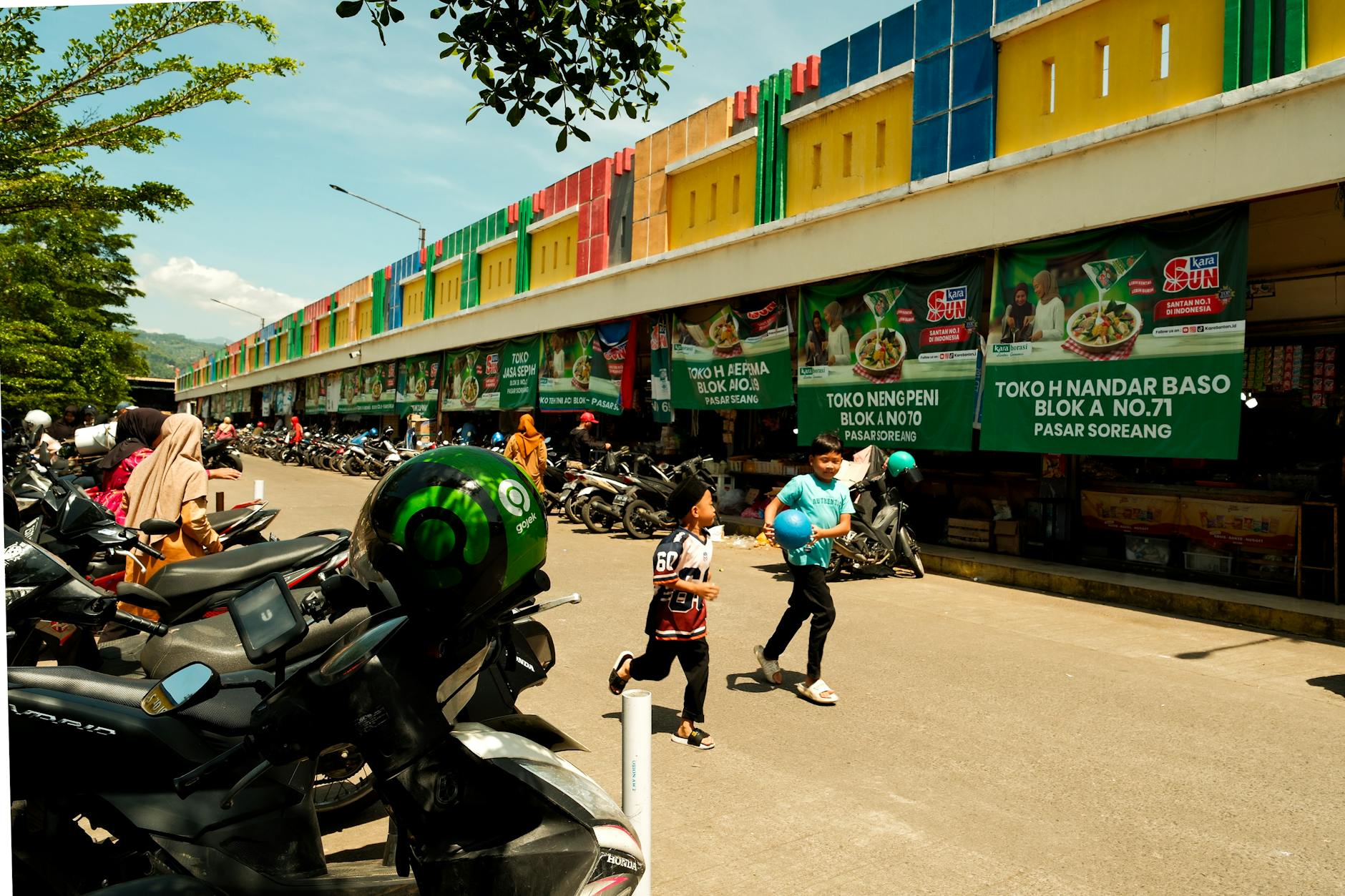
Top Recommendations
Neighborhoods:
– KLCC: convenient for first-time visitors and rail links; choose small locally run hotels or guesthouses rather than international chains where possible.
– Bukit Bintang: vibrant food scene; good for street food evenings and short walking distances.
– Kampung Baru: the best place for authentic Malay food and a quieter, community-led stay.
– KL Sentral: practical for sustainable travel planning and rail day trips.
Transit and booking:
– Get a Touch 'n Go card or reloadable MyRapid balance for LRT/MRT/Monorail and KTM Komuter.
– Use KLIA Express only if time-sensitive; otherwise, an EMT/coach plus KTM is lower-cost and connects to KL Sentral.
– Book train tickets early for longer day trips (Ipoh) and reserve seats when possible.
Experiences to prioritize:
– Early-morning visit to Batu Caves to avoid crowds and to respect religious activity.
– Street food at Jalan Alor and Kampung Baru kopitiams, choosing stalls with local patrons.
– A walk through Perdana Botanical Gardens or Titiwangsa Lake Gardens for green space without added cost.
Practical tips:
– Bring a small umbrella and comfortable walking shoes; afternoon showers are common year-round.
– Carry small ringgit notes for market purchases and stall food.
Local Context
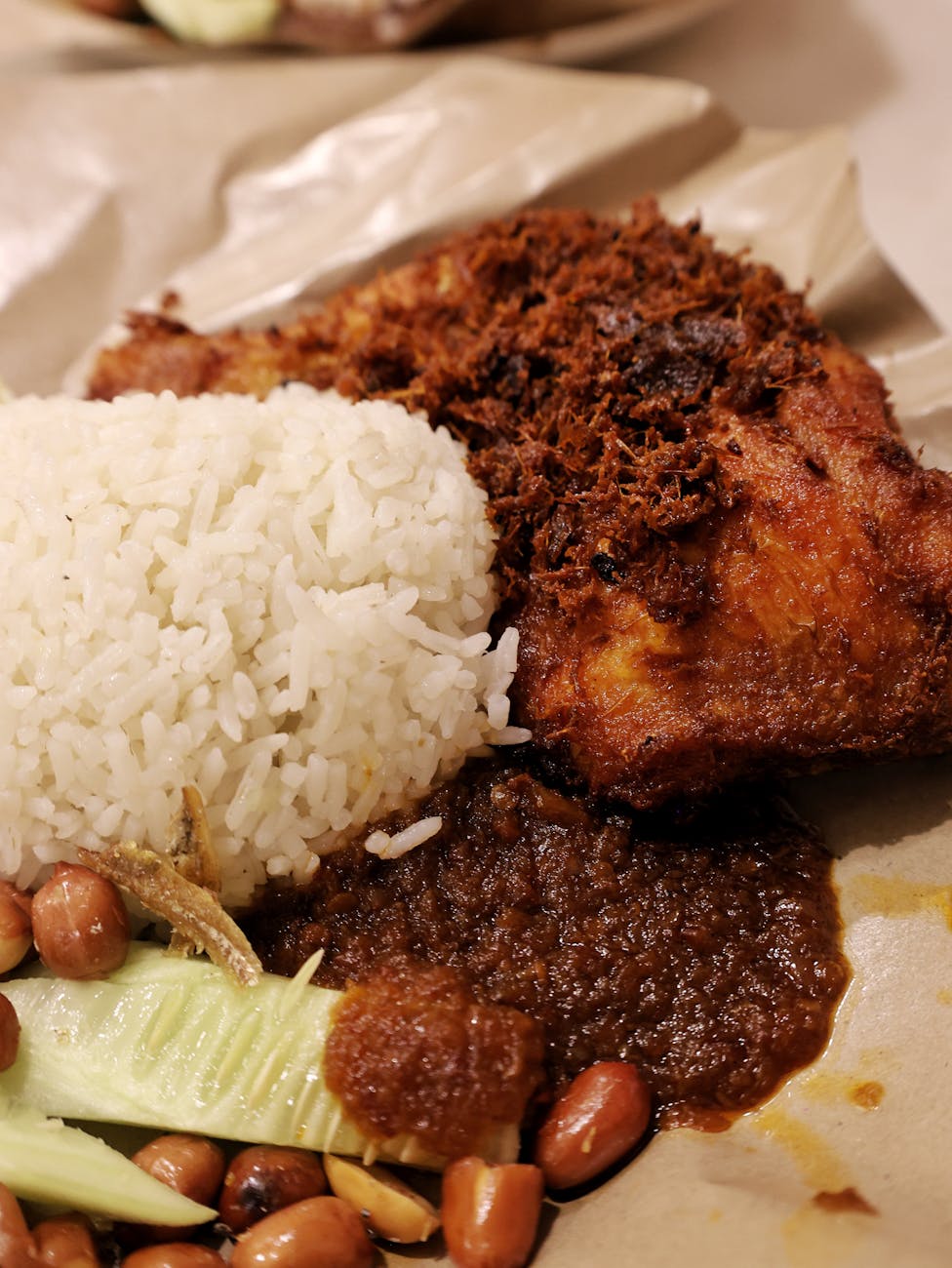
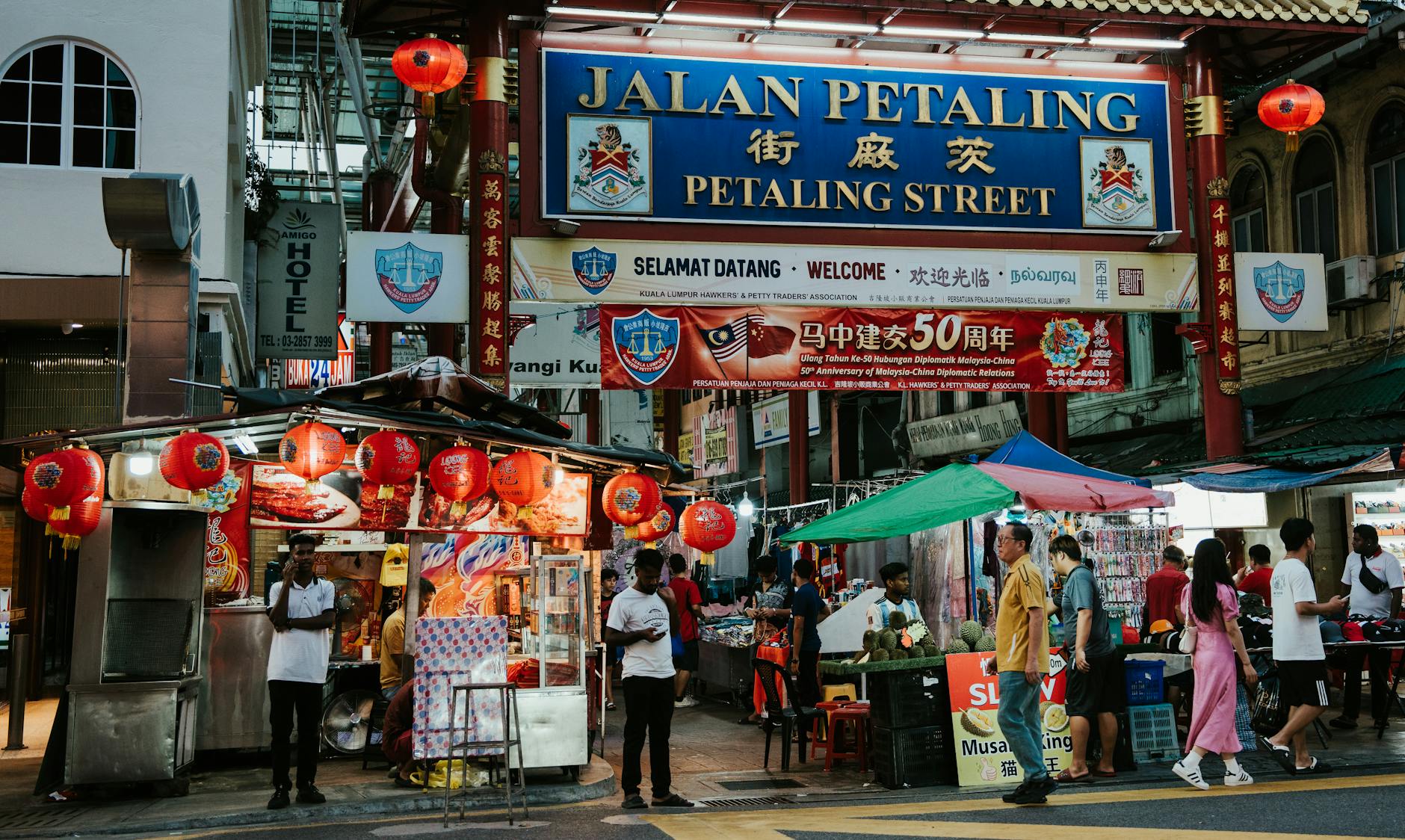
Kuala Lumpur is a multicultural city shaped by Malay, Chinese and Indian communities. That diversity shows in food, festivals, and neighborhoods like Brickfields (Little India), Petaling Street (Chinatown), and Kampung Baru.
Seasonal realities:
– November–March tends to bring heavier rain to the peninsula; heavy downpours can disrupt traffic.
– March–May and September–November are often less crowded and offer lower prices.
Transport realities:
– KL Sentral is the main hub connecting LRT, MRT, KTM Komuter, and airport services.
– Grab is widely available and often the practical choice late at night; traffic peak hours (weekday mornings and 5–8pm) can make short journeys slow and expensive.
Local etiquette:
– Dress modestly at mosques and religious sites; remove shoes where required.
– Be mindful during Ramadan—many businesses operate differently and eating in public during daylight is culturally sensitive for observant Muslims.
– Haggling at markets is normal, but do so politely and avoid aggressive bargaining that undermines local vendors.

How to Choose Well
Choose accommodation by these practical criteria:
– Transit proximity: pick a place within a 10–15 minute walk of an LRT/MRT/Monorail or KL Sentral.
– Local ownership: prefer guesthouses, homestays, and small hotels listed as locally owned to keep spending within neighborhoods.
– Reviews that mention cleanliness, safety, and responsiveness rather than marketing claims about luxury.
Pick tours and day trips by asking:
– Does the tour use local guides and reinvest revenue locally?
– Is group size small to reduce crowding at sensitive sites like Batu Caves or small cultural workshops?
– Are transport choices efficient and low-impact (train vs. private coach)?
For nearby cities:
– Petaling Jaya and Subang Jaya are short KTM or LRT hops—good for half-day excursions.
– Shah Alam has significant cultural and industrial heritage worth a guided visit.
– Ipoh is 2–3 hours by ETS train; ideal for an overnight extension if you want local food and heritage architecture.
– Kuantan requires more travel time and is best combined with a larger east-coast plan.

Responsible and Local-First Tips
Practical habits that benefit local communities and reduce impact:
- Eat where locals eat: small kopitiams, hawker lanes, and family-run restaurants in Kampung Baru, Petaling Street, and Jalan Alor.
- Buy crafts and produce directly from vendors at Central Market and community stalls—not airport kiosks.
- Use public transport and walk short distances; reserve cars or private vans only when public options are impractical.
- Reduce single-use plastic: carry a reusable bottle and a lightweight cutlery set for street meals.
- Choose community-based tours and registered guides—ask about where tour profits go and whether small businesses are involved.
- Respect religious and cultural norms: cover shoulders/legs when entering mosques or temples, and follow signage around ceremonies.
If you have time, consider a short volunteer activity with vetted organizations in KL or a locally-run workshop that pays artisans fairly.
Common Mistakes to Avoid
Avoid these typical errors:
- Overconcentrating on one tourist strip (e.g., only Bukit Bintang) and missing neighborhood life in Kampung Baru or Brickfields.
- Assuming taxis are always cheaper; traffic and surge pricing on ride apps can make short rides expensive—compare with LRT/monorail.
- Feeding or approaching wildlife (monkeys at Batu Caves): it stresses animals and can be dangerous.
- Not checking opening hours during public holidays and Ramadan—some attractions close or have altered hours.
- Bringing single-use plastic bottled water without checking refill options—many hotels and cafes now offer refills.
- Buying souvenirs tied to illegal wildlife or cultural appropriation—favor authentic, fairly traded goods.
FAQ
What neighborhood best suits a 3-day visit to Kuala Lumpur?
For a balanced 3-day trip, consider staying near KLCC for landmark access, Bukit Bintang for food and nightlife, or KL Sentral for easy connections to day trips. If you want a quieter, more local experience, choose Kampung Baru and use the LRT or Grab for short commutes. See the 3-day Kuala Lumpur itinerary to slot these options into each day.
How do I get to Batu Caves without joining a tour?
Take KTM Komuter to Batu Caves station from KL Sentral; it’s a short walk from the station. Go early to avoid crowds and midday heat, and don’t feed the monkeys.
Is Kuala Lumpur safe and walkable?
KL is generally safe, but walkability varies by neighborhood. Bukit Bintang and KLCC are pedestrian-friendly; other areas may have limited sidewalks. Keep belongings secure and prefer well-lit streets after dark.
How should I dress for religious sites and during Ramadan?
Dress modestly—cover shoulders and knees. Women may be asked to cover their heads at some temples; mosques require removing shoes and modest dress. During Ramadan, be discreet about eating in public during daylight as a sign of respect.
Can I take day trips to Ipoh or Kuantan from Kuala Lumpur?
Yes. Ipoh is best by ETS train (2–3 hours) and works as an overnight or long-day extension. Kuantan is farther (around 3–4 hours by road) and is better as a longer trip. Petaling Jaya, Subang Jaya and Shah Alam are short rail or road hops and are suitable for half- or full-day visits.
Conclusion
Kuala Lumpur rewards visitors who prioritize local neighborhoods, public transport, and modest consumption. Use the neighborhood and transport guidance here to refine choices in the 3-day Kuala Lumpur itinerary and to pick sensible day trips to Petaling Jaya, Subang Jaya, Shah Alam, Ipoh, or Kuantan.
Small choices—staying in locally owned accommodation, eating at community kitchens, taking trains—add up. Plan with the shoulder season in mind, respect local customs, and let local vendors and guides shape your experience.
How this guide was prepared
This guide was prepared through a structured research that combines destination research, geographic context, itinerary planning logic, and content review.