
Responsible Travel Guide to San Antonio — Practical Tips for a Low-Impact, Local-First Visit
Practical, sustainable advice for visiting San Antonio: where to stay, how to get around, seasonal tips, responsible activities, and local-first recommendations that pair with our 3 days in San Antonio itinerary.
A concise, practical support page for travelers using the 3 days in San Antonio itinerary. Focuses on low-impact choices, neighborhood-based exploration, transport realities, seasonal planning, and ways to spend locally.
Quick Answer
A concise, practical support page for travelers using the 3 days in San Antonio itinerary. Focuses on low-impact choices, neighborhood-based exploration, transport realities, seasonal planning, and ways to spend locally.
Who This Page Is For
This page is for travelers planning a stay in San Antonio who want clearer decisions about responsible travel, local logistics, timing, budgeting, and practical trip planning.
How This Page Was Prepared
This page was prepared through a structured editorial workflow that combines destination research, geographic context, and practical travel-planning review.
Plan the Rest of Your Trip
Use this page together with the full itinerary and the related planning pages below to make better booking, timing, transport, and budget decisions.
If you have three days, center your stay near the River Walk, Pearl District, or Southtown to reduce driving. Visit the Alamo early, explore at least one mission (by bike or bus), and reserve one evening for Pearl food options. Travel in spring or fall to avoid peak summer heat; use buses, BCycle, and walkable routes. For low impact, prioritize local restaurants, guided walks with community operators, and small independent shops.
This page helps travelers using the 3 days in San Antonio itinerary make choices that minimize impact and maximize local benefit. You’ll find neighborhood-forward advice, seasonal realities, transport options beyond a rental car, and suggestions for eating, shopping, and booking that favor independent businesses and community-led experiences. Use this alongside the main 3-day guide when deciding where to sleep, how to allocate time, and whether to add a side trip to nearby New Braunfels, Austin, Corpus Christi, Laredo, or College Station.
What This Page Helps You Decide
Quick choices you can make after reading:
– Best neighborhood to stay in for your priorities: River Walk (central, tourist-friendly), Pearl (food and markets, local businesses), Southtown/King William (boutique hotels, galleries).
– When to travel: shoulder seasons (March–May, September–November) for milder weather and fewer crowds; avoid peak Fiesta dates unless you book far ahead.
– Whether to rent a car: you can largely avoid one if you stay central and use transit, bikes, and rideshares; rent only if you’re driving out to Hill Country or Corpus Christi.
– Which side trip fits your values: New Braunfels for river recreation (choose responsible outfitters), Austin for music and independent food scenes, Corpus Christi for the coast—each works well as a day trip from a car base.

Top Recommendations
Neighborhoods and experiences that support local economies:
– Stay: Pearl District (boutique hotels, weekend farmers market) or King William/Southtown for walkable streets and independent restaurants.
– Eat: seek family-run taquerias and bakeries in La Villita and Market Square; try neighborhood chefs at Pearl Brewery restaurants; skip chains downtown when possible.
– Move: use VIA buses and Primo routes for longer trips, BCycle for short hops, and prioritize walking along the River Walk early morning or late evening.
– See: the Alamo early (before 10am), and visit San Antonio Missions National Historical Park via bike or guided walk to reduce parking demand.
– Day trips: New Braunfels (responsible tubing or tubing alternatives), Austin (music and local food), Corpus Christi (beaches and seafood) — plan transit or shared-ride options rather than solo cars when possible.
Booking tips:
– Reserve popular dinner slots at Pearl and Southtown restaurants a few days in advance.
– Check Alamo or mission visitor pages for timed-entry notices and any temporary closures.
– If tubing or water activities are planned, book outfitters who demonstrate river stewardship and provide clear safety info.

Local Context
San Antonio is a mid-sized city with a dense, walkable core and sprawling suburbs. Summers are very hot and humid; winter is mild but can be windy. Fiesta in April is culturally significant and brings crowds and booked lodging—respect local events and plan ahead.
Transport realities:
– Downtown and Pearl are highly walkable; many attractions are within a few miles of each other.
– Public transit (VIA) covers the metro area but service frequency drops evenings and Sundays; rideshares fill gaps but add local traffic.
– Bike-share and bike lanes have expanded, but some neighborhoods require confidence riding with traffic.
Cultural notes and etiquette:
– Respect church grounds (San Fernando Cathedral) and mission sites; they are both historic and active community sites.
– Tip service workers 15–20%; small independent operations often depend on tips.
– When photographing neighborhoods or people, ask permission in markets and residential blocks.

How to Choose Well
Decide by priorities, then filter for low-impact options:
– If you want food and markets: base in Pearl to walk to shops and the farmers market.
– If you want history and central access: River Walk/Alamo Plaza puts most attractions within walking distance.
– If you want galleries and quieter nights: Southtown/King William offers local lodgings and less tourist foot traffic.
Filters to apply:
– Local ownership: prefer independent hotels, B&Bs, and restaurants over chains.
– Transit accessibility: choose a place with good bus access or within walking distance of your must-see sites.
– Season and comfort: avoid midday outdoor plans in July–August; schedule mission visits for mornings and evenings.
Practical booking actions:
– Reserve dinners and tours 1–2 weeks ahead in high season; during Fiesta or major events, book lodging and key experiences months ahead.
– Confirm cancellation policies that allow flexibility; unexpected heat or weather can change plans.

Responsible and Local-First Tips
Natural and cultural stewardship:
– Favor walking, cycling, or transit. Limit short car trips; they increase congestion and emissions.
– When visiting rivers or parks, pack out all trash and use refillable water bottles—tap water is treated and can be refilled at many cafes.
– Choose outfitters and tour operators that hire locally, follow leave-no-trace principles, and give back a portion of profits to conservation.
Economic choices that matter:
– Eat at family-run restaurants, street vendors with permits, and markets like Market Square and the Pearl farmers market.
– Buy crafts from San Antonio artisans rather than mass-produced souvenirs.
Community-sensitive behavior:
– Respect sacred and historic sites; stay on marked paths at mission grounds.
– Keep noise low in residential neighborhoods at night; support local events rather than disrupting them.
Seasonal and low-impact strategies:
– Travel in shoulder seasons to reduce strain on resources and enjoy milder temperatures.
– If you plan a river day, stagger times, use certified outfitters, and avoid peak congestion hours.
Common Mistakes to Avoid
- Underestimating heat and scheduling outdoor activities at midday in summer.
- Booking a hotel far outside the core without checking public transit or parking fees—costs add up and increase driving.
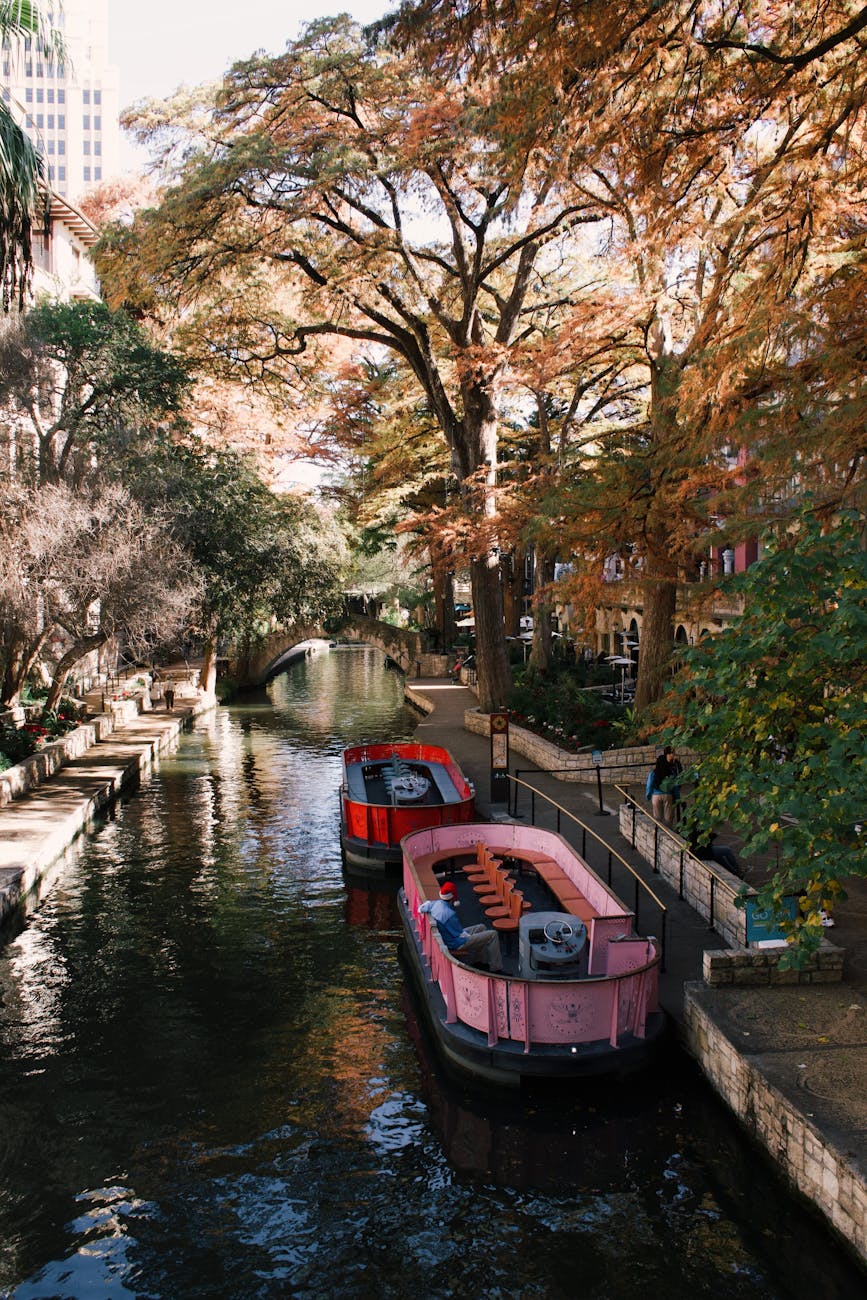
- Treating the River Walk as only a tourist strip; parts are residential and commercial—be respectful and support local businesses.
- Assuming all historic sites are only for quick photos; missions and churches are active places—observe signage and service times.
- Overlooking Fiesta and major-event calendars; these change traffic, pricing, and availability.
- Choosing the least expensive outfitters for river or water activities—cheap operators may cut corners on safety and environmental practices.
FAQ
Is San Antonio walkable without a car for three days?
Yes, if you base yourself in the River Walk, Pearl District, or Southtown. Many attractions, restaurants, and museums are within a few miles. Use VIA buses, BCycle, or short rideshares for trips farther afield.
When is the best time to visit for milder weather and fewer crowds?
Shoulder seasons—March to May and September to November—offer the most comfortable weather and lighter crowds. Be aware Fiesta in April and plan early if you want to attend.
Are there sustainable tour operators or ways to visit the missions responsibly?
Look for guided walks and bike tours run by local operators who donate to preservation or offer community partnerships. Visiting by bike or public transit reduces parking pressure and is the lower-impact option.
Can I do New Braunfels or Austin as a day trip without a car?
Day trips are easier with a car. Public transit options exist but are slower; shared shuttles or guided day tours provide alternatives. If avoiding a car is a priority, consider booking a small-group day tour that departs from San Antonio.
How much should I tip and how do locals expect to be treated?
Tipping 15–20% in restaurants is standard. Tip service workers, drivers, and guides when service is good. Be polite, ask before photographing people, and respect private property and worship spaces.
Conclusion
San Antonio rewards a thoughtful, neighborhood-led visit. Use this page with the 3 days in San Antonio itinerary to choose a sustainable base, book respectfully timed visits, and prioritize local businesses. Small decisions—walking more, choosing family-run restaurants, favoring responsible outfitters—help the city’s economy and reduce your footprint. If you have more time, extend responsibly to nearby New Braunfels for water activities, Austin for music and food, or Corpus Christi for the coast, always favoring local operators and shoulder-season travel when possible.
How this guide was prepared
This guide was prepared through a structured research that combines destination research, geographic context, itinerary planning logic, and content review.