
Best Things to Do in Nice, France — Practical, Local-First Guide
Practical guide to the best things to do in Nice: markets, Old Town, Colline du Château, museums, beaches and sustainable day trips to Antibes, Cannes and Aix-en-Provence. Tips for transport, seasons, bookings and local etiquette.
Scan-friendly, sustainable-focused list of top experiences in Nice to complement a 3-day itinerary. Includes neighborhood tips, transit realities, when to book, and low-impact choices for visitors.
Quick Answer
Scan-friendly, sustainable-focused list of top experiences in Nice to complement a 3-day itinerary. Includes neighborhood tips, transit realities, when to book, and low-impact choices for visitors.
Who This Page Is For
This page is for travelers planning a stay in Nice who want clearer decisions about things to do, local logistics, timing, budgeting, and practical trip planning.
How This Page Was Prepared
This page was prepared through a structured editorial workflow that combines destination research, geographic context, and practical travel-planning review.
Plan the Rest of Your Trip
Use this page together with the full itinerary and the related planning pages below to make better booking, timing, transport, and budget decisions.
Top things to do in a nutshell:
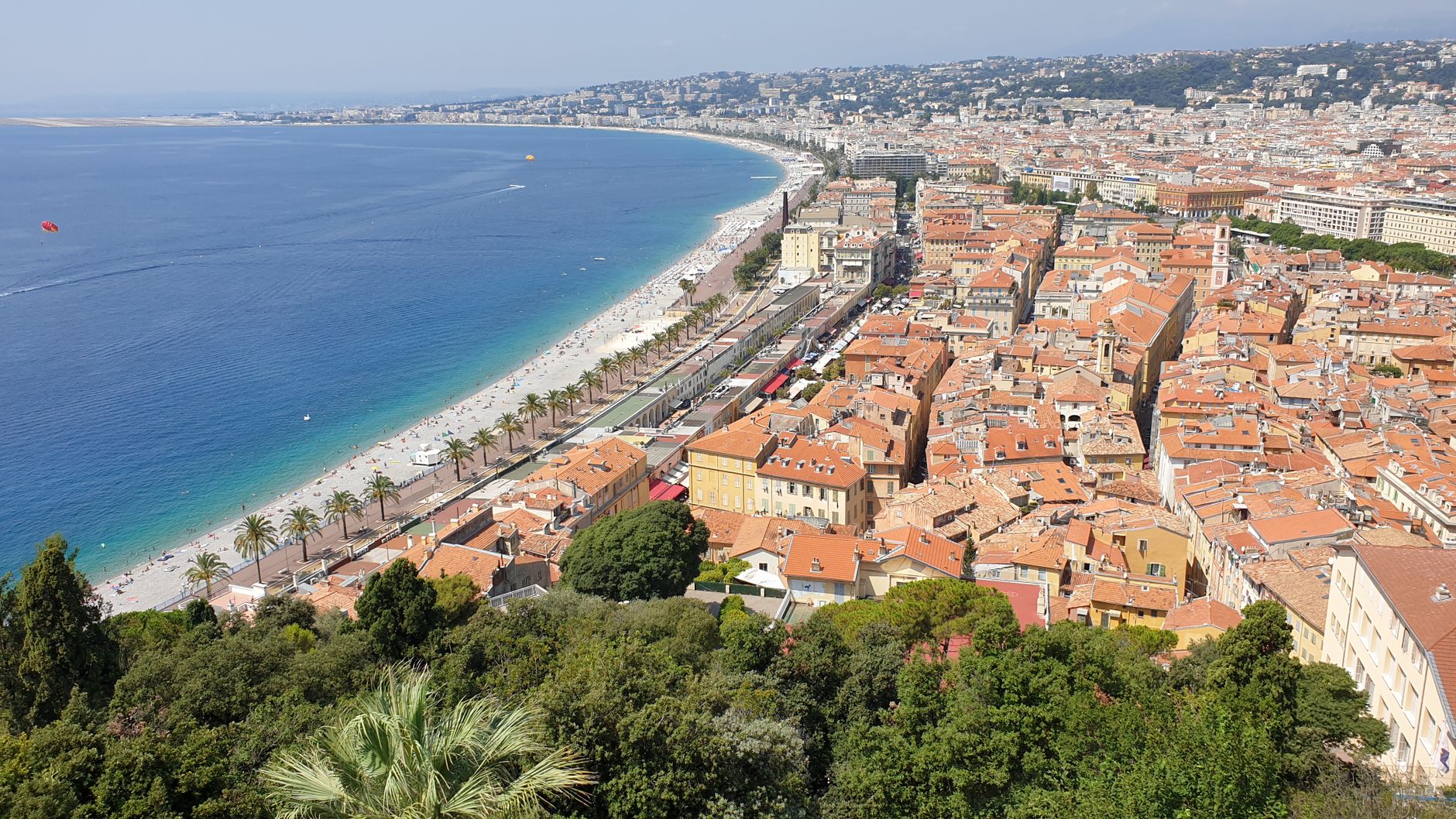
- Stroll the Promenade des Anglais and watch sunrise over Baie des Anges.
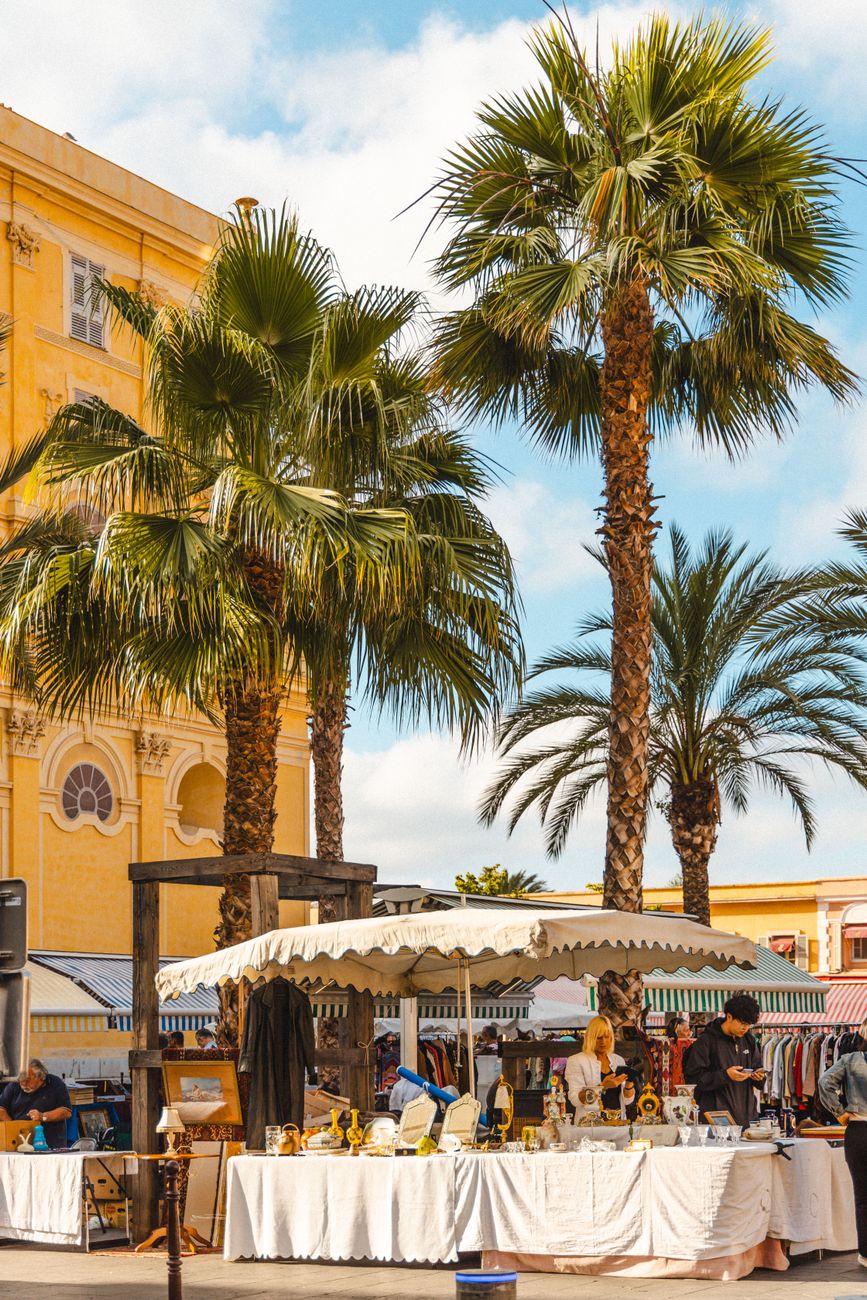
- Explore Vieux Nice and the Cours Saleya market for socca and local produce.
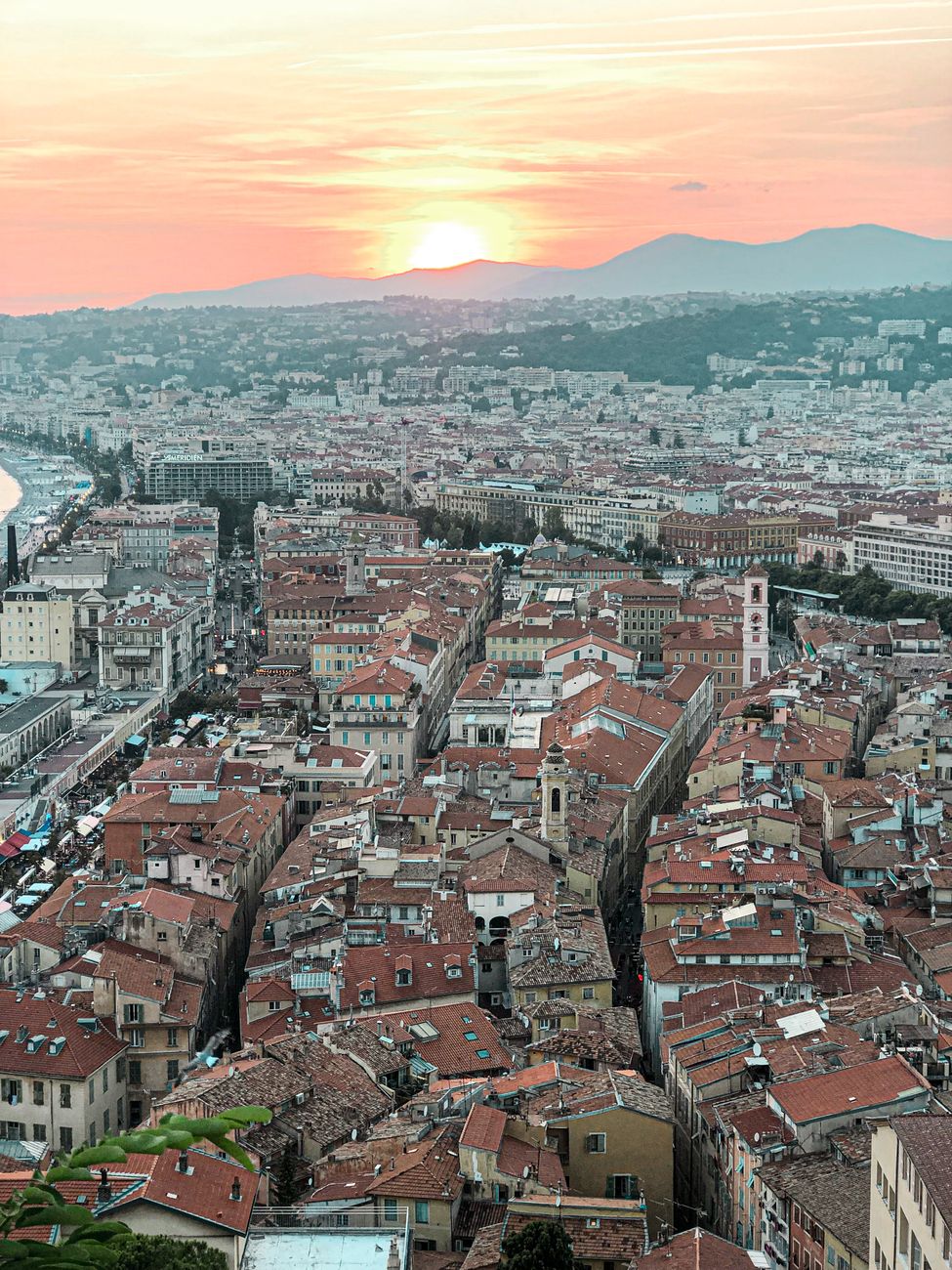
- Walk or take the lift to Colline du Château for panoramic views.
- Visit Musée Matisse or Musée Marc Chagall in Cimiez.
- Spend time at Port Lympia and eat fresh seafood run by local fishmongers.
- Take a short train hop to Antibes or Cannes for a half- or full-day trip.
For a full plan that orders these by day and travel time, see the linked 3 days in Nice itinerary.
This page is a focused, practical list of Nice’s best things to do that pairs directly with our main 3 days in Nice itinerary. It emphasizes low-impact choices, local spending, and realistic transport and seasonal advice so you can pick activities that fit your energy, weather, and values.
Use this as a support guide to choose which neighborhoods and experiences to prioritize, whether you want more beaches, museums, or market time, and to plan sensible day trips to nearby Antibes, Cannes, Aix-en-Provence or Marseille.
What This Page Helps You Decide
This page helps you decide:
- Which neighborhoods to spend your limited time in (Old Town, Port, Cimiez, Jean Médecin).
- Whether to favor culture (museums, chapels) or outdoor time (beach, Colline du Château) depending on season.
- Which experiences to book ahead (museum tickets, guided food tours, private boat trips) and which to leave flexible (markets, walks).
If you’re following the 3 days in Nice itinerary, use this page to swap attractions in or out and to choose sustainable options for transport and meals.
Top Recommendations
Practical, neighborhood-organized picks with quick booking and sustainability notes:
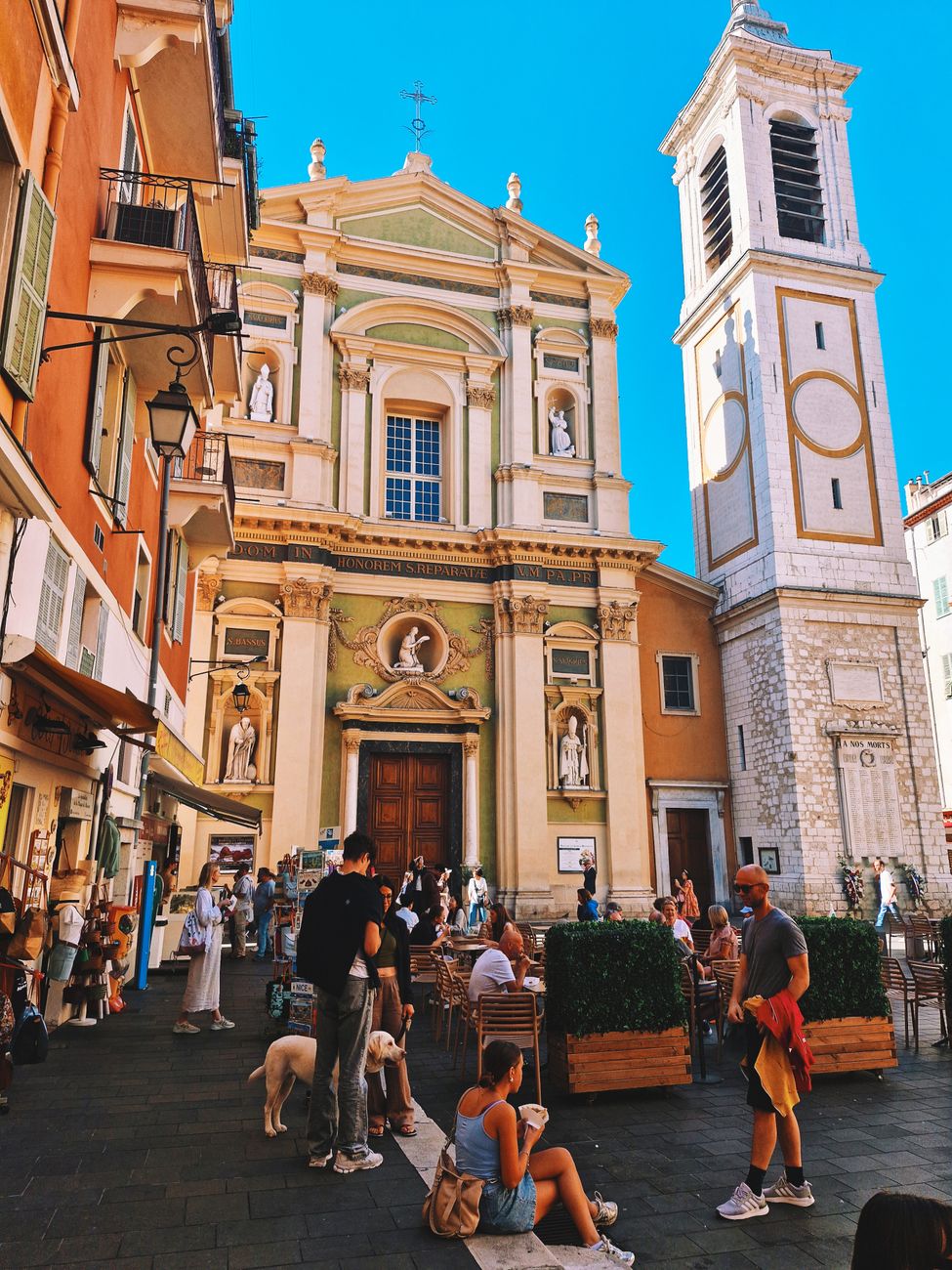
Vieux Nice and Cours Saleya
– Why: Best for local produce, socca, narrow streets and authentic eateries.
– Tips: Go early (8–10am) for flowers and quieter photos. Buy from stall vendors and neighborhood cafés rather than chains.
– Booking: No reservations needed for market browsing; reserve evening restaurants on weekends.
Promenade des Anglais & Baie des Anges
– Why: Iconic seaside promenade for walking, cycling, and sunrise views.
– Tips: Rent a shared bike or use the tram to reduce car use. Bring water and footwear for pebble beaches.
Colline du Château (Castle Hill)
– Why: Short climb or elevator for the best city views and a small park.
– Tips: Visit late afternoon for softer light; bring a refillable bottle and pick up snacks in Old Town.
Museums and Cimiez
– Why: Musée Matisse and Musée Marc Chagall offer insight into Nice’s art history.
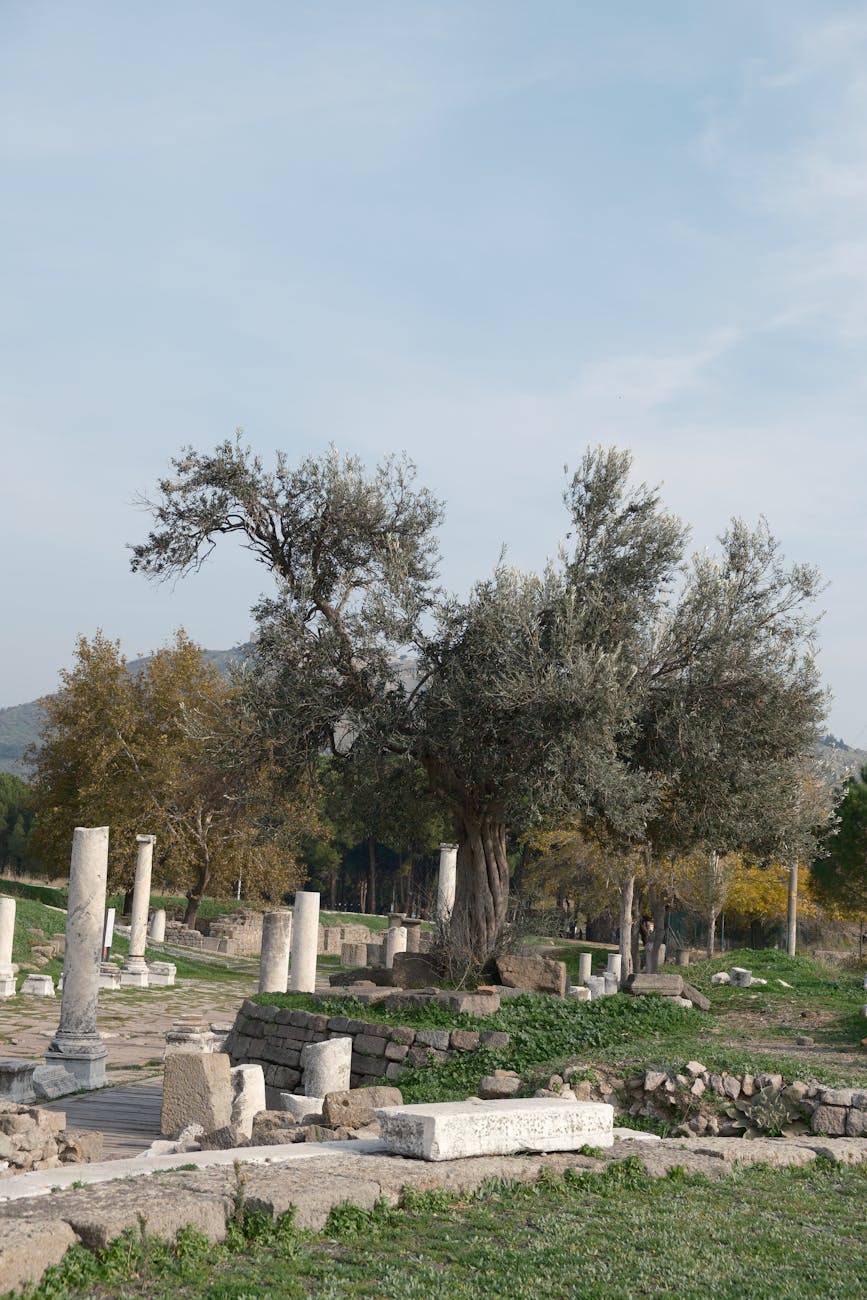
– Tips: Book timed entries in summer; combine with a walk in the Roman ruins and olive groves of Cimiez.
Port Lympia and Fishing Culture
– Why: Working harbor atmosphere and seafood restaurants with local catches.
– Tips: Choose establishments that display local catch or have transparent sourcing; consider a small-group fishing-heritage or sustainable-seafood tour.
Beaches and Water Activities
– Why: Pebble beaches define Nice. Options range from public pebbled shorelines to managed private beaches.
– Tips: Wear water shoes for comfort. If you rent loungers in high season, compare prices and prefer operators with clear environmental practices.
Day Trips (short train rides)
– Why: Easy rail links make Antibes, Cannes, Menton, and Aix-en-Provence practical for half- or full-day escapes.
– Tips: Use TER trains from Gare de Nice-Ville; buy regional tickets in advance for peak summer weekends.
Markets, Food, and Drink
– Why: Eat locally—socca, pissaladière, fresh olives and produce.
– Tips: Try small boulangeries and family-run bistros; slow down and share plates to reduce waste.
Local Context
Neighborhoods and rhythms:
- Vieux Nice (Old Town): narrow streets, daytime markets, many small restaurants—busy midday and evening.
- Promenade and Quai: tourist-facing but beautiful for early morning and evening promenades.
- Cimiez: quieter, museum-rich, residential—best for museum mornings and relaxed afternoons.
- Jean Médecin / City Center: shopping, tram lines, main transit hub at Gare de Nice-Ville.
Seasonal patterns:
– Shoulder seasons (April–June, September–October) offer milder weather, fewer crowds, and lower prices—ideal for sustainable travel.
– High summer (July–August) brings large cruise and beach crowds; book museums and restaurants well in advance.
– Winter is mild but museum hours may be reduced; many locals appreciate off-season visitors supporting year-round businesses.
Transport realities:
– Nice is highly walkable within the center; the tram is efficient along major corridors.
– Regional trains to Antibes, Cannes, Monaco, and Aix depart from Gare de Nice-Ville—fast and frequent.
– Avoid renting a car for staying in Nice; parking is scarce and traffic on the coast can be slow.
How to Choose Well
Match activities to time, energy, and values:
- Time-limited (half day): Choose a neighborhood—Old Town market plus castle hill viewpoint, or a museum and park in Cimiez.
- Full day in Nice: Mix a morning market, lunch in Vieux Nice, afternoon beach or museum, and sunset on the Promenade.
- Adding a day trip: Pick Antibes for markets and beaches, Cannes for festivals and palm-lined boulevards, Aix for Provençal markets and architecture.
Booking advice:
– Reserve museum tickets and guided food tours for summer weekends.
– For restaurants, book ahead for dinner on Saturday nights—especially in Old Town and the Port.
– Use the regional train app or TER machines for day-trip tickets; validate local transport when required.
Low-impact selection:
– Prefer walking, cycling, or tram travel over taxis; choose small, locally owned restaurants and guides.
Responsible and Local-First Tips
Practical ways to travel responsibly in Nice:
- Support local vendors: buy olive oil, herbs, and ceramics from independent stalls or family-run shops in Cours Saleya or Vieux Nice.
- Choose sustainable tours: small-group walking, cooking classes, or guided market tours over large coach experiences.
- Reduce plastic: carry a refillable bottle (many cafés will refill) and avoid packaged water when possible.
- Eat seasonally and locally: favour restaurants that highlight regional producers and seafood caught locally.
- Respect public spaces: pebble beaches are delicate—take rubbish with you and follow any beach protection signs.
- Off-peak travel: visiting in shoulder seasons supports businesses year-round and reduces pressure on public services.

Common Mistakes to Avoid
Avoid these frequent missteps:
- Staying only on the Promenade: You’ll miss Old Town streets, Cimiez museums, and the working port.
- Not checking beach type: Most Nice beaches are pebbles—bring water shoes and expect different comfort than sandy shores.
- Waiting to book in summer: Museums and popular restaurants can sell out—reserve tickets and tables ahead.
- Assuming cars are faster: Coastal traffic and parking make trains and trams more reliable for day trips.
- Eating only on the busiest streets: Walk two blocks off main tourist arteries for better quality and prices, which puts money into local businesses.
- Forgetting basic French courtesies: A simple “Bonjour” on entry and “Merci” on exit goes a long way with shopkeepers and servers.
FAQ
What is the best time of year to visit Nice?
Shoulder seasons—April to June and September to October—offer mild weather, fewer crowds, and better prices. Summer is lively but crowded; winter is quiet and cheaper.
Can I walk to major sights in Nice?
Yes. The Old Town, Promenade des Anglais, Place Masséna and Port are all within easy walking distance. Use the tram for longer hops to Cimiez or to reach the train station quickly.
How do I get to Antibes or Cannes from Nice?
Regional TER trains from Gare de Nice-Ville run frequently to Antibes and Cannes—journeys are 20–40 minutes. Buying tickets in advance helps on busy summer weekends.
Are Nice beaches sandy?
No. Most beaches in Nice are pebbles (galets). Bring water shoes and expect different comfort than sandy Mediterranean beaches.
Do I need to reserve restaurants?
For evening dining in summer, especially weekends, make reservations for popular spots in Old Town and the Port. Market cafés and small bistros are usually walk-in friendly during daytime.
Is Nice safe for solo travelers?
Nice is generally safe, but use normal precautions—watch belongings in busy areas and avoid poorly lit streets late at night. Keep photocopies of your ID when exploring.
How much should I tip in Nice?
Service is often included in restaurant bills. Leaving small change or rounding up for good service is appreciated but not mandatory.
Where can I find authentic local food?
Start at Cours Saleya (market snacks like socca), small bakeries and family-run bistros in Vieux Nice, and seafood stalls near Port Lympia.
Conclusion
Nice works best when you mix a few classic sights with local rhythms: mornings at Cours Saleya, afternoons on the Colline du Château or a museum in Cimiez, and evenings by the Port or Promenade. Use this page to tailor those choices to your schedule and values, and consult the 3 days in Nice itinerary for a full day-by-day plan. If you have extra time, consider short train trips to Antibes, Cannes, or Aix-en-Provence to spread visitor impact and support the wider region.
How this guide was prepared
This guide was prepared through a structured research that combines destination research, geographic context, itinerary planning logic, and content review.