
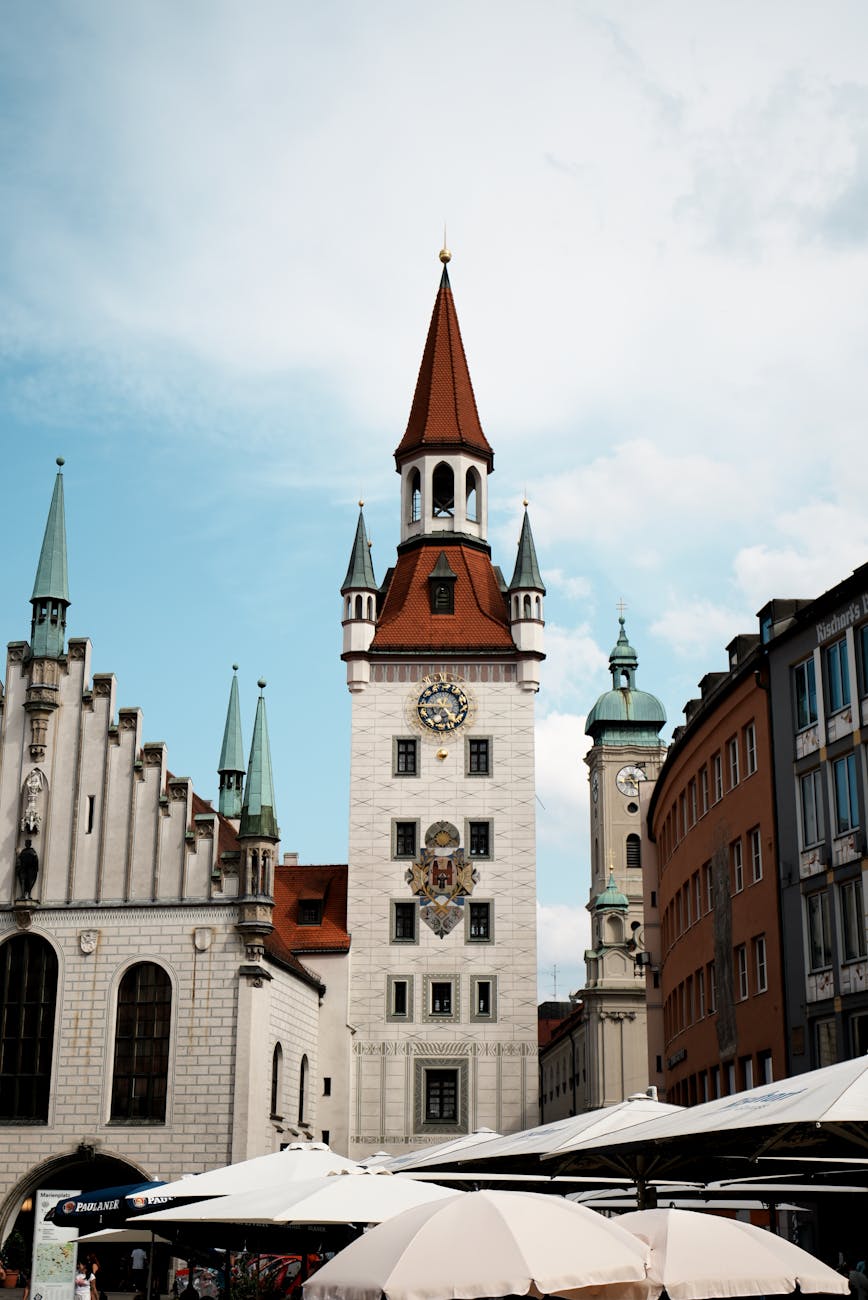
Best Time to Visit Munchen (Munich) — Seasons, Events, and Practical Advice
When to go to Munchen: month-by-month weather, crowds, events (Oktoberfest, Christmas markets), transport realities, and sustainable tips to plan your 3-day Munich itinerary.
Clear guidance on the best months for weather, fewer crowds, and local experiences in Munchen. Practical booking advice, neighborhood notes, and low-impact tips to pair with a 3-day Munich itinerary or day trips to nearby Bavarian towns.
Quick Answer
Clear guidance on the best months for weather, fewer crowds, and local experiences in Munchen. Practical booking advice, neighborhood notes, and low-impact tips to pair with a 3-day Munich itinerary or day trips to nearby Bavarian towns.
Who This Page Is For
This page is for travelers planning a stay in Munchen who want clearer decisions about best time to visit, local logistics, timing, budgeting, and practical trip planning.
How This Page Was Prepared
This page was prepared through a structured editorial workflow that combines destination research, geographic context, and practical travel-planning review.
Plan the Rest of Your Trip
Use this page together with the full itinerary and the related planning pages below to make better booking, timing, transport, and budget decisions.
Best overall months: late April–June and September–early October. These shoulder seasons balance milder weather, fewer international crowds than midsummer, and full service at attractions. Choose late November–December only if you specifically want Christmas markets; avoid late September–early October unless you plan for Oktoberfest and higher costs.
Munchen (Munich) has distinct seasons and a compact city center that makes timing your visit important. This page helps you choose months that suit your priorities: festivals, outdoor time, museum visits, or quieter streets for sustainable, locally minded exploration. It’s written to support our main 3-day Munich itinerary and to suggest low-impact day trips to nearby towns like Augsburg and Garmisch-Partenkirchen.
What This Page Helps You Decide
Use this page to pick the month and style of visit that match your priorities, including:
– When to avoid peak crowds and high prices.
– Whether to align your trip with Oktoberfest or Christmas markets.
– Which neighborhoods to stay in for easy public-transport access to day trips.
– How to adjust a 3-day plan depending on weather and local events.
It also points to nearby cities (Augsburg, Garmisch-Partenkirchen, Regensburg, Nurnberg, Stuttgart) for day-trip planning that pairs well with a 3-day Munich itinerary.
Top Recommendations
Months by priority:
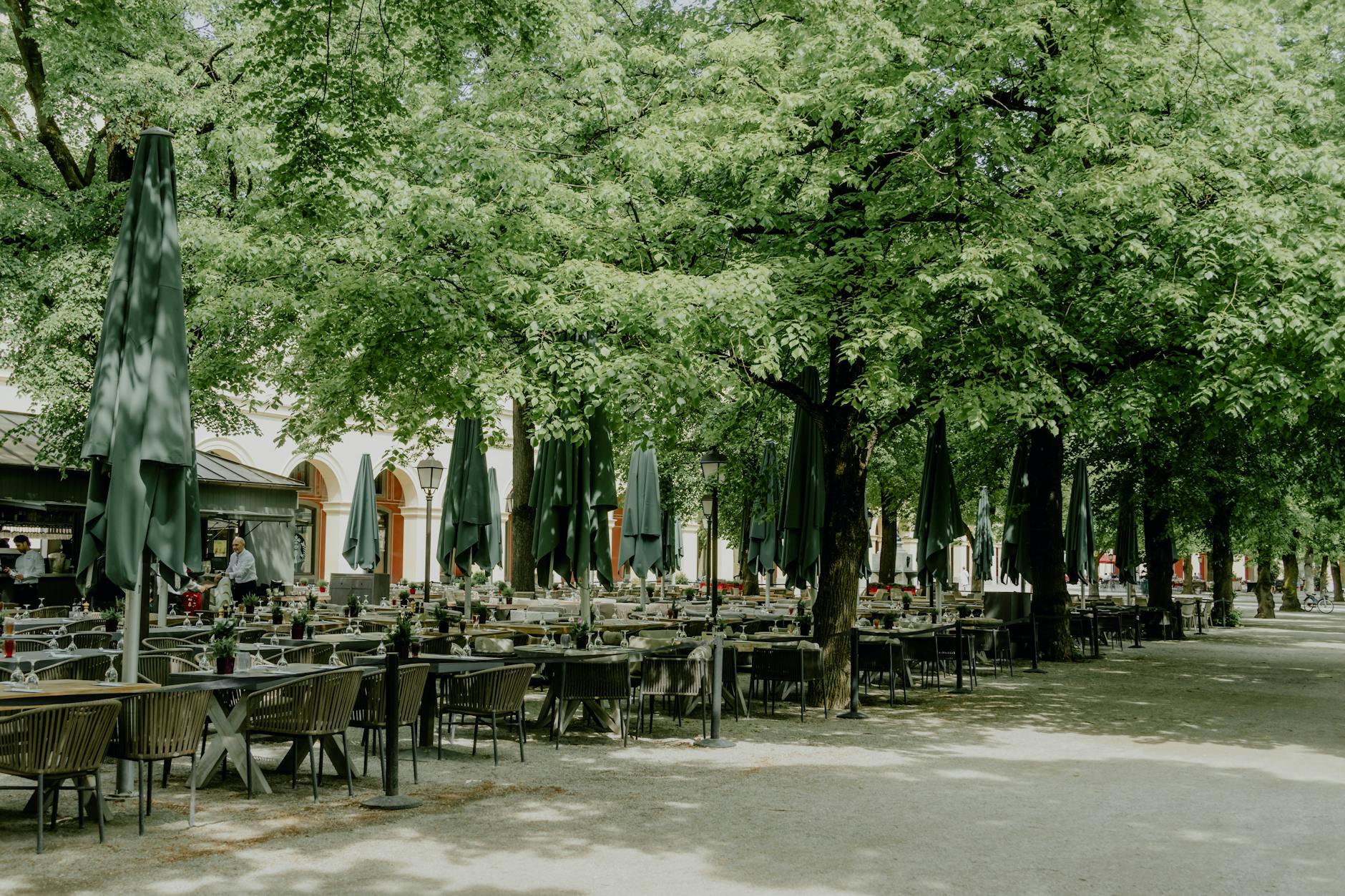
– Spring (late April–June): Best for mild weather, blooming parks, and fewer tourists than July–August. Ideal for cycling along the Isar and outdoor beer gardens.
– Early autumn (September–early October): Warm days and cooler nights; vineyard colors; careful with Oktoberfest dates—if you want the festival, book far in advance.
– December: Perfect for Christmas markets and atmospheric lighting; expect cold weather, short days, and crowded markets in the Altstadt.
– Summer (July–August): Warm, lively, but busiest and most expensive—book hotels and trains early. If you visit, prefer early mornings in sights and late afternoons in parks.
– Winter (January–March): Quiet city museums and lower prices; good for low-impact travel if you don’t mind cold and shorter daylight.
Practical booking notes: reserve hotels and any special-event tickets months ahead for Oktoberfest, Messe trade fairs, and Christmas markets. For trains to nearby towns, check DB/Regional schedules and consider regional day tickets for savings.
Local Context
Neighborhoods and transport realities:
– Altstadt-Lehel: Central, walkable to Marienplatz and museums; busiest but convenient for a first-time 3-day visit.
– Maxvorstadt and Schwabing: Best for museums, cafes, and student life—good local restaurants and quieter evenings than the Altstadt.
– Glockenbachviertel and Gärtnerplatz: Lively food and small businesses; strong local economy—ideal for sustainable stays that support independent shops.
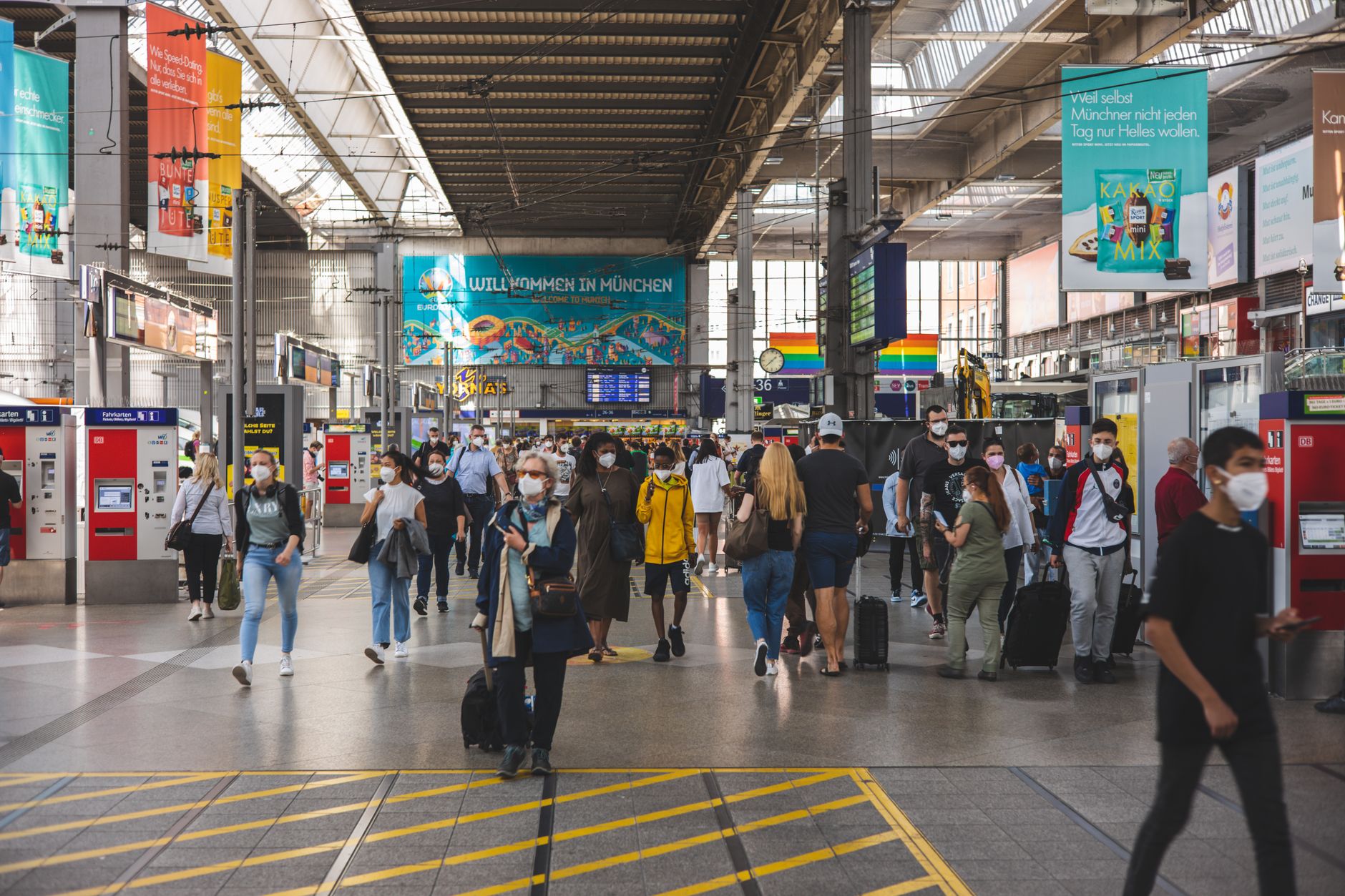
– Travel: Munich’s MVV network (U-Bahn, S-Bahn, trams, buses) is reliable and the best low-impact way to move around. Hauptbahnhof connects regional and long-distance trains for day trips.
Seasonal realities: Tram and U-Bahn run year-round; regional lines can be busy commuter times (weekday mornings/evenings). Summer events and trade fairs drive hotel prices up; local festivals can close streets—check dates before booking.
How to Choose Well
Match timing to trip goals:
– Culture and museums: late fall through spring avoids the heaviest outdoor crowds—book exhibitions in advance.
– Outdoor and beer gardens: late April–June or September for comfortable weather and less humidity.
– Festivals: choose dates intentionally. For Oktoberfest, expect crowds and premium rates; for quieter Bavarian weeknight beer garden experiences, avoid the festival dates.
– Day trips: If you want alpine hiking in Garmisch-Partenkirchen, aim for June–September. For lighter day trips to Augsburg or Regensburg, shoulder seasons offer quieter streets and easier train seats.
Booking tips:
– Hotels: book earlier for big events (6–12 months for Oktoberfest), 1–3 months for shoulder-season travel.
– Trains: buy regional day tickets for groups; reserve long-distance seats when possible to guarantee places during busy periods.
– Tours: prefer small local operators and guides who keep groups compact to reduce impact on neighborhoods.
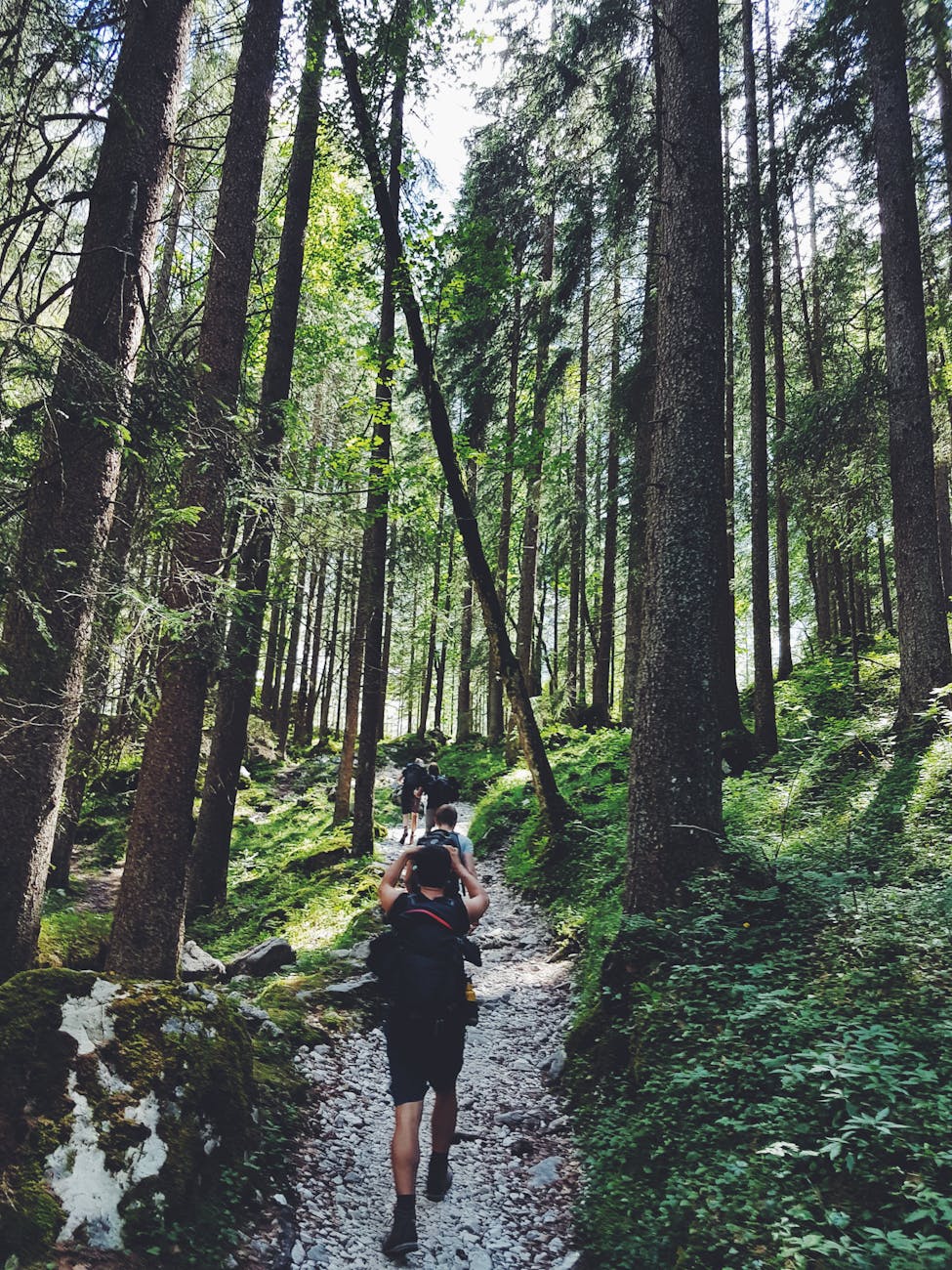
Responsible and Local-First Tips
Plan to spend locally and reduce impact:
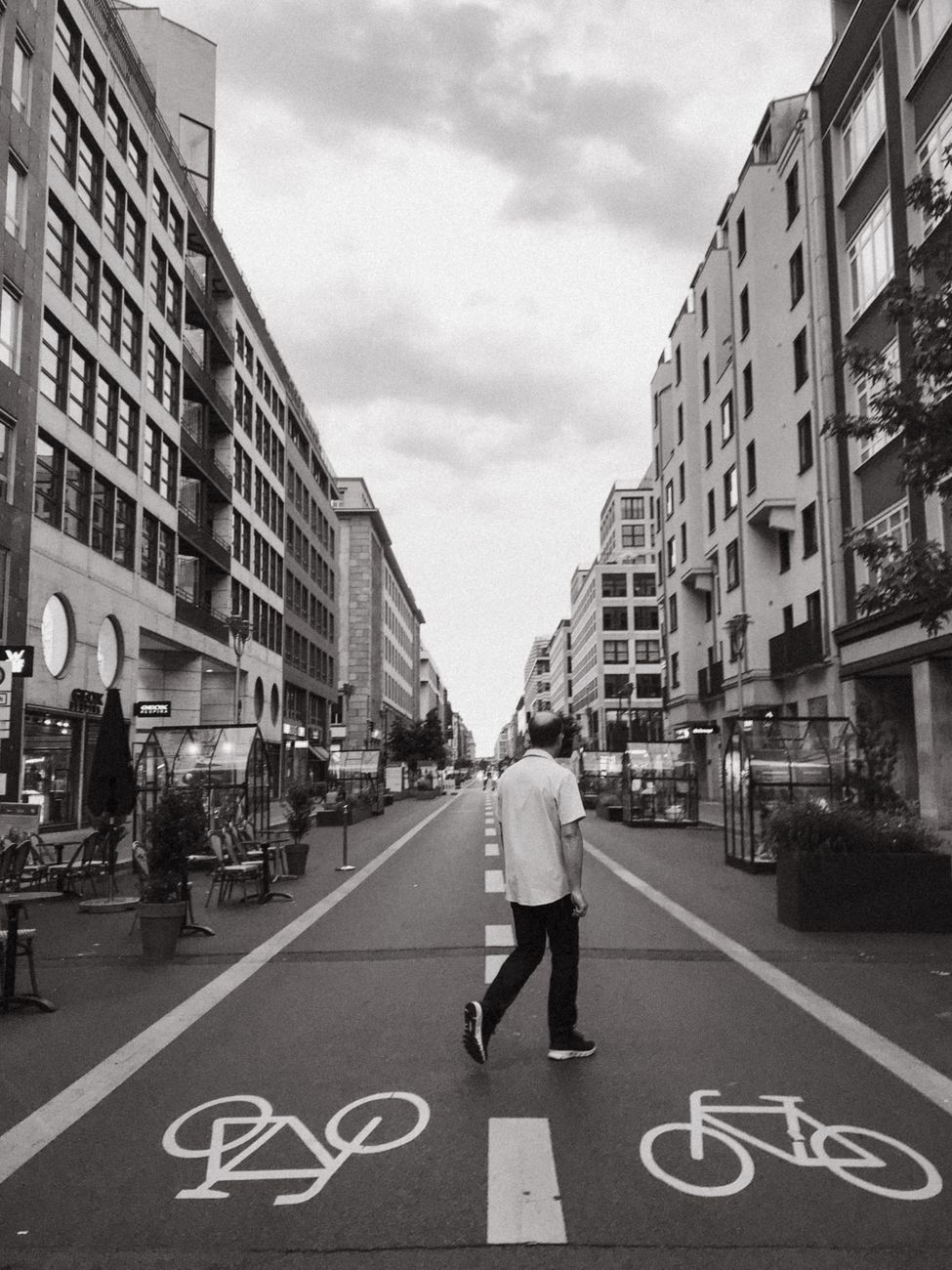
– Use public transit, bikes, or walking; rent from local bike shops rather than international chains when possible.
– Eat at farmers’ stalls in Viktualienmarkt, family-run restaurants in Glockenbachviertel, and seasonal menus—this keeps spending local.
– Stay in a centrally located guesthouse, neighborhood pension, or small hotel in Maxvorstadt or Schwabing to cut commuting emissions.
– Visit popular sights early or late in the day to avoid peak flows and support a steadier local economy.
– Respect quiet hours in residential neighborhoods (commonly 10 p.m. to 6 a.m.) and follow recycling rules (yellow/blue/brown bins).

Common Mistakes to Avoid
- Booking without checking local event calendars: trade fairs and festivals can double hotel prices and fill trains.
- Underestimating walking and transit times: Munich’s core is compact but allow time for transfers to S-Bahn/Regional trains for day trips.
- Staying too far from a U-Bahn or S-Bahn station: it adds commute time to short itineraries like a 3-day visit.
- Relying only on cash or only on cards: many places accept both, but smaller markets and family-run spots often prefer cash.
- Visiting Oktoberfest without reservations or realistic expectations: many tents require bookings and the festival is crowded—consider evenings at local beer gardens instead.
FAQ
When is the absolute busiest time in Munich?
Late June through August and the weeks of Oktoberfest (late September–early October) are the busiest. Christmas market weekends are also very crowded.
Is winter a good time to visit Munich?
Yes, if you prefer museums, lower hotel prices, and holiday markets (late Nov–Dec). Expect cold weather, possible snow, and shorter daylight hours.
Can I do day trips from Munich year-round?
Most nearby cities (Augsburg, Regensburg, Nürnberg) are accessible year-round by train. Alpine hiking to Garmisch-Partenkirchen is best June–September; winter skiing requires proper equipment and winter schedules.
How far in advance should I book hotels and trains?
For Oktoberfest and major trade fairs, book 6–12 months ahead. For high summer, 2–4 months is wise. Trains can be bought closer to travel dates, but reserve long-distance seats early during busy periods.
What about costs and bargains?
Shoulder seasons (late April–June, September) often offer lower prices and full service. Use regional day tickets for groups and buy museum tickets online for savings and to guarantee entry.
Any local etiquette I should know?
Be punctual, queue politely, greet with "Grüß Gott" in more traditional areas if comfortable, observe quiet hours in residential streets, and separate recyclables according to local bins.
Conclusion
Choose late spring or early autumn for the best balance of weather, atmosphere, and lower crowds. If your trip pairs with a short itinerary, consult our 3-day Munich guide for a day-by-day plan optimized by season. For low-impact extensions, consider day trips to Augsburg (30–40 min by train), Garmisch-Partenkirchen (1.5–2 h), Regensburg (~1.5 h), Nürnberg (~1–1.5 h), or Stuttgart (~2–2.5 h). Book sensibly around major events, favor public transit and local businesses, and your Munchen visit will be both enjoyable and responsible.
How this guide was prepared
This guide was prepared through a structured research that combines destination research, geographic context, itinerary planning logic, and content review.