
Where to Stay in München (Munich) — Neighborhood Guide for a 3-Day Visit
Practical, sustainable advice on where to stay in München: neighborhood pros and cons, transport realities, booking tips for Oktoberfest and Messe, and how to choose lodging that supports local businesses during a 3-day visit.
Clear guidance for choosing the best Munich neighborhood for your 3-day trip — from Altstadt convenience to Schwabing charm — with MVV transport tips, seasonal booking notes, and local-first suggestions.
Quick Answer
Clear guidance for choosing the best Munich neighborhood for your 3-day trip — from Altstadt convenience to Schwabing charm — with MVV transport tips, seasonal booking notes, and local-first suggestions.
Who This Page Is For
This page is for travelers planning a stay in Munchen who want clearer decisions about where to stay, local logistics, timing, budgeting, and practical trip planning.
How This Page Was Prepared
This page was prepared through a structured editorial workflow that combines destination research, geographic context, and practical travel-planning review.
Plan the Rest of Your Trip
Use this page together with the full itinerary and the related planning pages below to make better booking, timing, transport, and budget decisions.
Pick a neighborhood by your priorities:
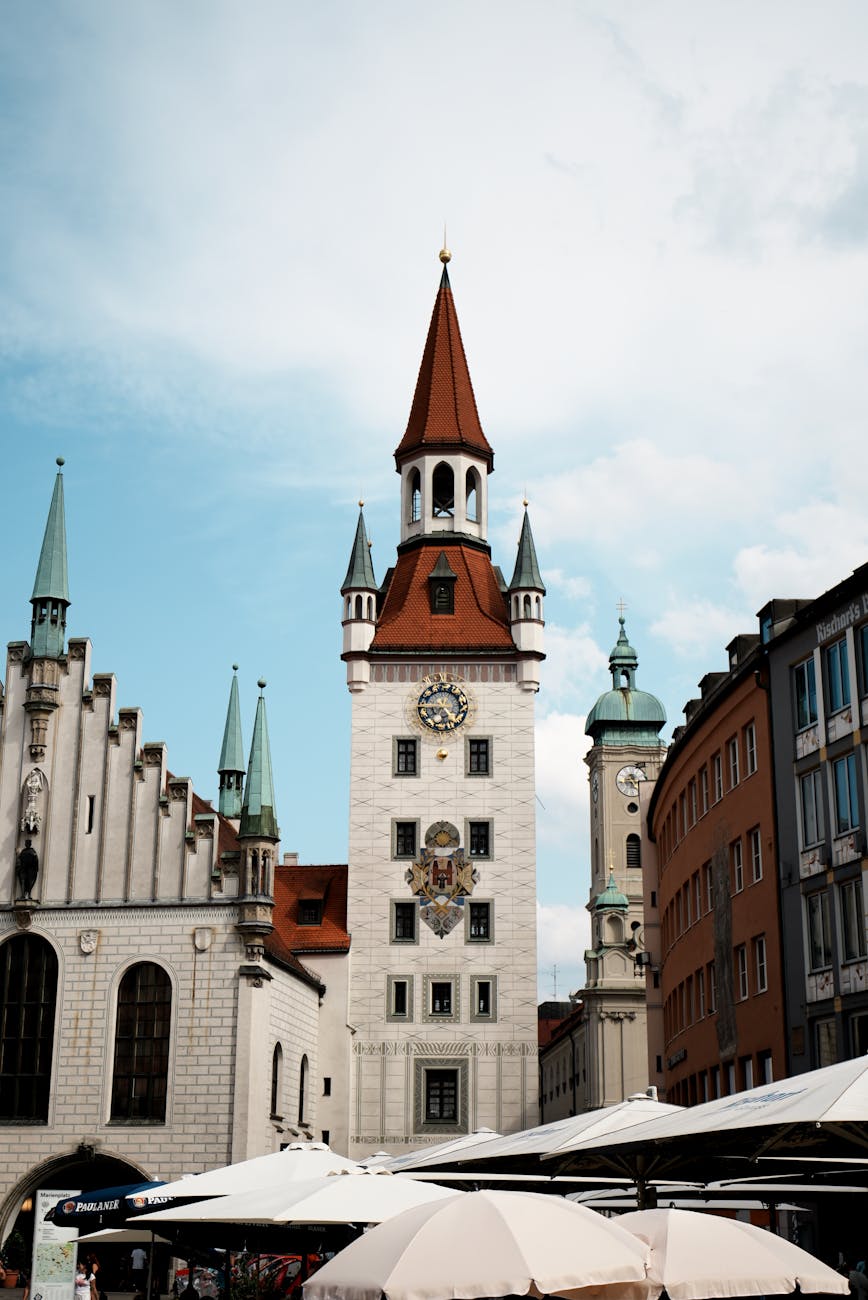
- First time / sightseeing: Altstadt-Lehel or Ludwigsvorstadt (near Marienplatz, easy walking to main sights).
- Museums and a calm, cultural stay: Maxvorstadt (near Pinakotheken, university cafés).
- Cafés, nightlife and leafy streets: Schwabing or Glockenbachviertel (lively but walkable).
- Quieter, family-friendly: Haidhausen (near Gasteig and the Isar) or Neuhausen-Nymphenburg (palace park).
- For fairs (Messe) or business: Messestadt Riem or stay near the Ostbahnhof for direct connections.
If you’ll follow the main 3-day München itinerary, choose a central base (Altstadt, Maxvorstadt or Ludwigsvorstadt) to minimize transit time between attractions.
This page helps you choose the best place to stay in München for a compact visit and easy day trips. It emphasizes neighborhoods that balance convenience, local character and lower-impact choices — practical for a 3-day itinerary and for train links to nearby destinations like Augsburg, Garmisch-Partenkirchen, Regensburg, Nürnberg, and Stuttgart. Expect guidance on transport, seasonal booking realities (Oktoberfest, trade fairs, Christmas markets), and tips to keep your spending local.
What This Page Helps You Decide
This page makes it easy to decide based on these trade-offs:
- Proximity to sights vs. price and noise.
- Access to efficient MVV public transport (U-Bahn, S-Bahn, trams) for day trips and the airport.
- Neighborhood character: quiet residential, museum quarter, student cafés, markets.
- Timing: whether your trip overlaps Oktoberfest, Messe, or Christmas markets.
It also points to the companion 3 days in Munchen itinerary for daily plans and day-trip suggestions to Augsburg, Garmisch-Partenkirchen, Regensburg, Nürnberg and Stuttgart.
Top Recommendations
Short neighborhood guide with pros, cons and best uses:
- Altstadt-Lehel
- Pros: Walk to Marienplatz, Viktualienmarkt, Frauenkirche; excellent tram and S-Bahn links.
- Cons: Expensive and busy; late-night noise in parts.
- Best for: First-timers on a 3-day visit who want minimal transit.
- Ludwigsvorstadt-Isarvorstadt (including areas near Hauptbahnhof and Gärtnerplatz)
- Pros: Central, good for trains, lively food scene around Gärtnerplatz.
- Cons: Areas near Hauptbahnhof can be noisy; check reviews.
- Best for: Travelers arriving by train or looking for diverse dining.
- Maxvorstadt
- Pros: Museums (Pinakotheken), quiet streets, student cafés and bookshops.
- Cons: Fewer late-night options than Schwabing.
- Best for: Culture-focused visitors and families who prefer calmer evenings.
- Schwabing
- Pros: Tree-lined streets, cafés, independent shops; easy tram/U-Bahn links.
- Cons: Can be pricier and busier on weekends.
- Best for: Couples and food-and-café travelers.
- Glockenbachviertel & Isarvorstadt
- Pros: Trendy restaurants, bars, close to the Isar for evening walks.
- Cons: Nightlife noise in parts.
- Best for: Nightlife and design-minded stays.
- Haidhausen (Gasteig area)
- Pros: Village feel, local restaurants, quiet at night and near the Isar.
- Cons: Slightly longer tram/U-Bahn ride to Marienplatz.
- Best for: Families and travelers prioritizing local life.
- Neuhausen-Nymphenburg
- Pros: Access to Nymphenburg Palace and parks; good for relaxed mornings.
- Cons: Further from central sights by foot.
- Best for: Travelers wanting park access and a residential atmosphere.
- Messestadt Riem / Ostbahnhof area
- Pros: Best for Messe (trade fair) and business; direct S-Bahn links and airport tram.
- Cons: Less historic charm.
- Best for: Trade-fair attendees or business travelers.
For most 3-day visitors who also want sustainable, local-first choices, prioritize small guesthouses, family-run pensions, or hotels with clear sustainability credentials in Maxvorstadt, Haidhausen, or Neuhausen.
Local Context
Transport realities
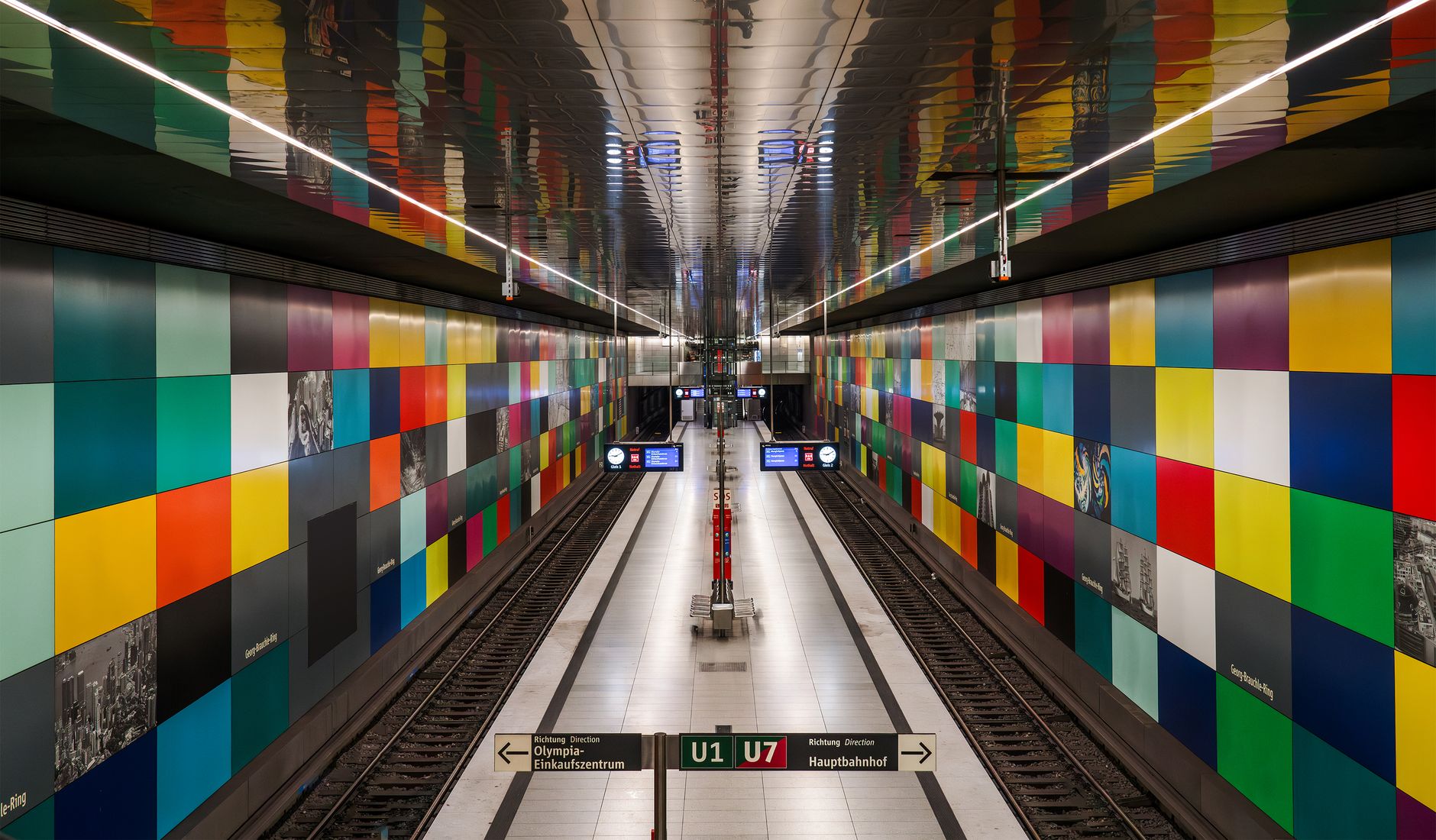
- Munich uses the MVV network: inner-city travel is covered by the 'M' zone ticket. U-Bahn and S-Bahn are frequent; trams and buses fill in well.
- Airport: about 35–45 minutes from the city center by S1/S8 S-Bahn; taxis are expensive and subject to traffic.
- Bikes and car-free options: MVG bikes, city bike lanes and good walking routes along the Isar.
Seasonal patterns and booking
- Oktoberfest (late September–early October) and major trade fairs (Messe) sell out hotels months ahead — book early and expect higher prices.
- Christmas markets (late Nov–Dec) are busy but atmospheric; winter is otherwise lower season.
- Shoulder seasons (April–June, mid-September–October excluding Oktoberfest weeks) balance good weather and fewer crowds.
Local etiquette and practicalities
- Germans value quiet hours (often after 10 pm); be considerate in residential areas.
- Recycling and bottle-deposit systems (Pfand) are common — use separated bins and return bottles where possible.
How to Choose Well
Practical checklist before you book:
- Match location to daily plan: for the 3-day guide, staying in Altstadt, Maxvorstadt or near Hauptbahnhof saves transit time.
- Check MVV access: ensure your lodging is within zone M or near an S-/U-Bahn stop.
- Consider noise: read recent reviews for nightlife or train noise, especially near Hauptbahnhof, Gärtnerplatz and Glockenbach.
- Book flexible rates for uncertain plans around Messe or festival dates.
- Short-term rentals: favor licensed apartments or properties with clear host contact info; local rules can restrict unregistered short-term lets.
- Sustainability filters: look for Green Key, EU Ecolabel, or hotels that publish energy/waste policies — and prefer small, local guesthouses when possible.
Booking tips for linked day trips
- For Garmisch-Partenkirchen or Neuschwanstein-focused days, go by regional DB or Bayerische Regiobahn trains; consider a Bavaria regional day ticket if traveling with others.
- For Augsburg, Regensburg and Nürnberg, S-Bahn/regional trains are easy from Hauptbahnhof — staying central reduces transfer time.
Responsible and Local-First Tips
Simple ways to keep your stay low-impact and helpful to the local economy:
- Choose locally owned pensions, family-run hotels or vetted apartments to keep spending in the neighborhood.
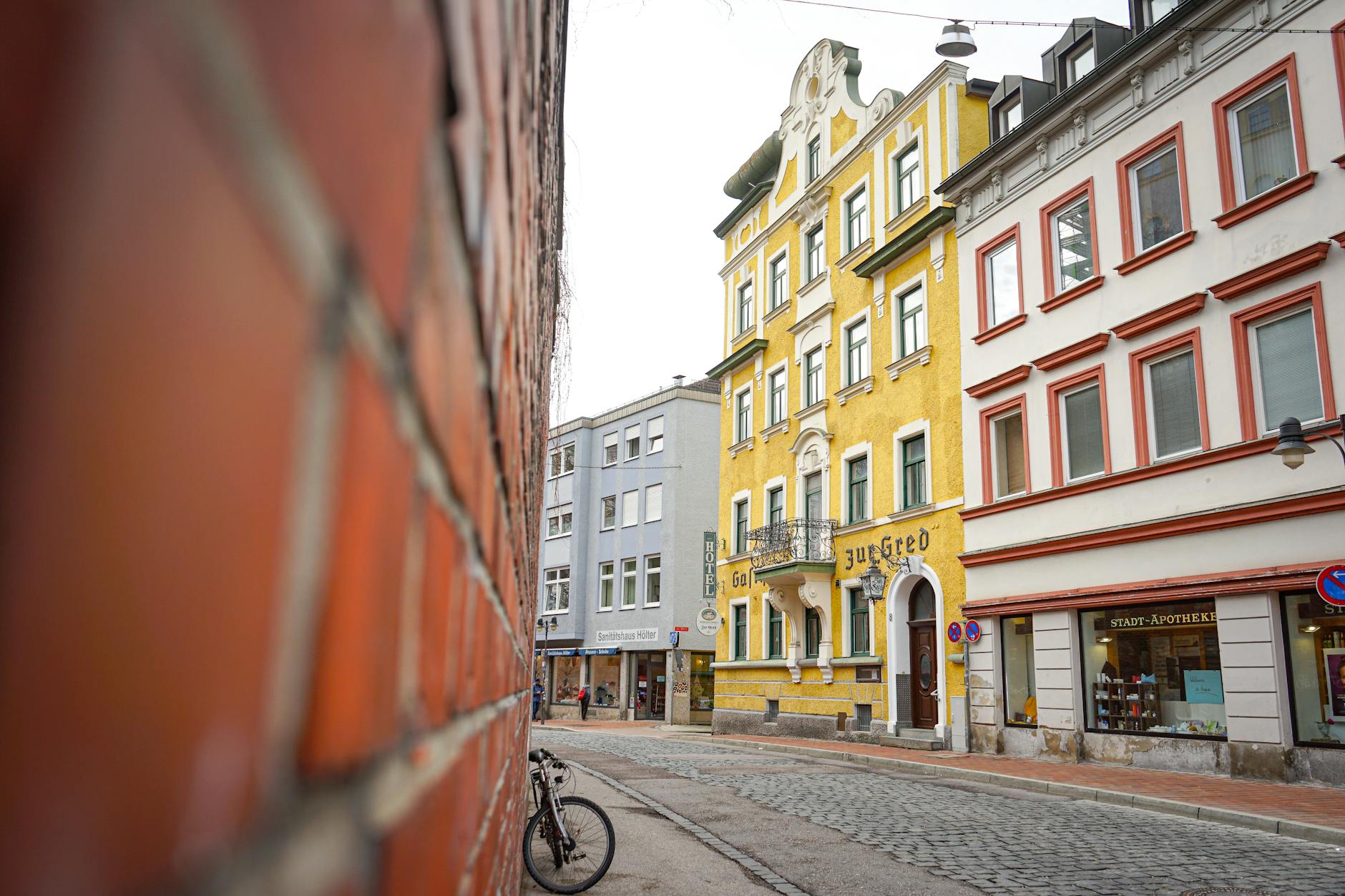
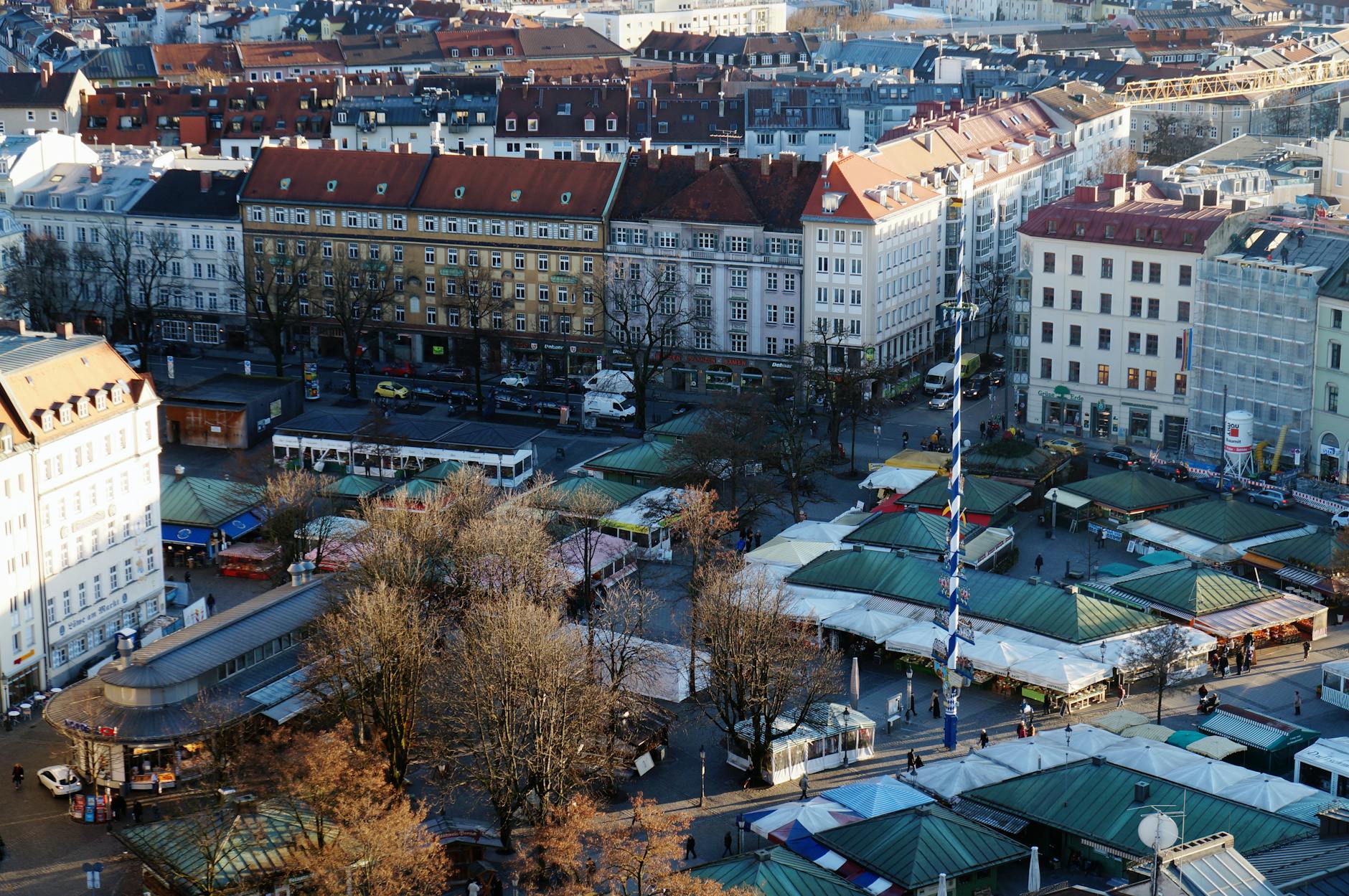
- Eat at markets and small restaurants: Viktualienmarkt, bakeries, and neighbourhood Wirtshäuser support local producers.
- Use public transit, walk or cycle for most short trips; avoid unnecessary car rentals for city visits.
- Return bottles for Pfand and sort recyclables where bins are provided.
- Reduce laundry and towel changes during short stays to save water and energy.
- When taking guided tours, pick small-group operators or certified guides who employ locals.
- Respect quiet hours and residential streets — staying considerate preserves neighborhood character for residents.
Common Mistakes to Avoid
Mistakes visitors often make, and how to avoid them:
- Booking last-minute during Oktoberfest or Messe: plan and reserve months in advance.
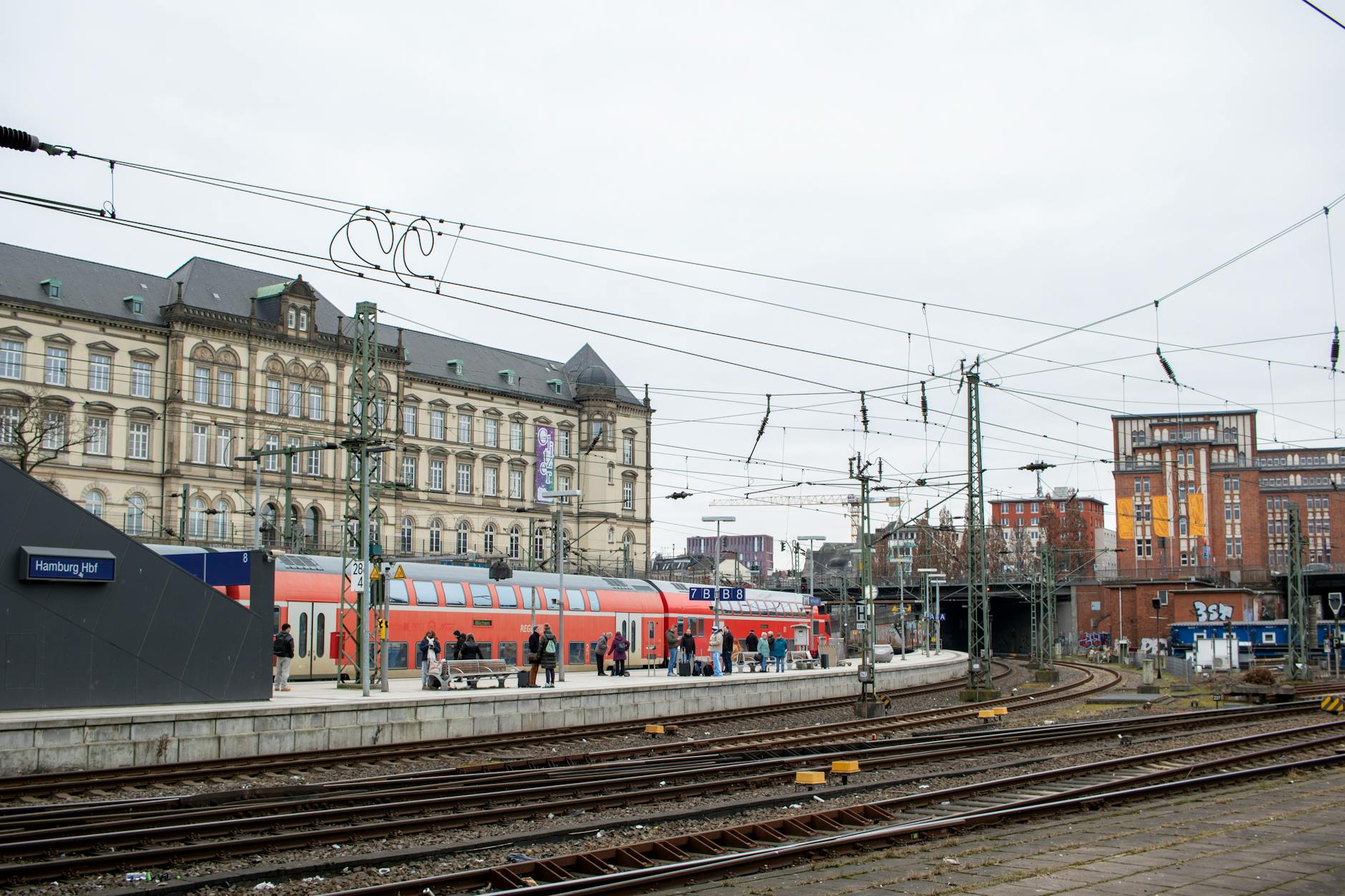
- Choosing Hauptbahnhof solely for price: it’s convenient for trains but can be noisy and less charming.
- Underestimating walking time: central areas are compact, but parks and palaces (Nymphenburg) require transit.
- Renting a car for a city-focused 3-day trip: parking is costly and public transit is faster.
- Using random short-term rentals without checking registration or reviews: verify host contact and legal status.
- Ignoring MVV zones: ensure your ticket covers the MVV 'M' zone for central travel to avoid fines.
FAQ
Which neighborhood is best for a first-time 3-day visit?
Altstadt-Lehel or Ludwigsvorstadt give the best balance of walkability and access to sights on a short trip. They put you close to the main 3-day route and reduce time spent on transit.
Is Munich safe to walk at night?
Munich is generally safe, but use common sense: stick to well-lit streets, avoid poorly lit station underpasses late at night, and watch luggage near transit hubs.
How do I get from the airport to the city center?
Take the S1 or S8 S-Bahn (about 35–45 minutes to central stations). Trains run frequently; buy MVV tickets before boarding or via the MVV app.
Should I stay near Hauptbahnhof?
Good for train arrivals, cheap hotels and transfers. Read recent guest reviews for noise and cleanliness. If you value atmosphere, consider Maxvorstadt, Altstadt or Haidhausen instead.
Do I need a car to visit nearby towns like Garmisch-Partenkirchen or Augsburg?
No — regional and InterCity trains connect these towns efficiently from Hauptbahnhof. For mountain excursions (Garmisch), check train times and reserve seats if recommended.
How far in advance should I book during Oktoberfest or Messe?
Book as early as possible — 6+ months for Oktoberfest and several months before major trade fairs. Expect higher prices and limited availability.
Are there luggage storage options if my lodging check-in is late?
Yes — main stations (Hauptbahnhof) offer lockers and commercial luggage services; many hotels will hold bags before check-in when requested.
How much should I tip in restaurants?
Tipping is modest: round up the bill or add 5–10% for good service. Many places accept cash or card for tips.
Conclusion
Choose a base that fits your 3-day plan: Altstadt or Ludwigsvorstadt for convenience, Maxvorstadt for culture, Schwabing or Glockenbach for atmosphere, Haidhausen or Neuhausen for quieter, local living. Book ahead for festivals or fairs, opt for MVV-friendly locations, and favor local-run accommodations to support the neighborhood economy. For daily itineraries and recommended day trips to Augsburg, Garmisch-Partenkirchen, Regensburg, Nürnberg and Stuttgart, see the 3 days in Munchen companion guide.
How this guide was prepared
This guide was prepared through a structured research that combines destination research, geographic context, itinerary planning logic, and content review.