
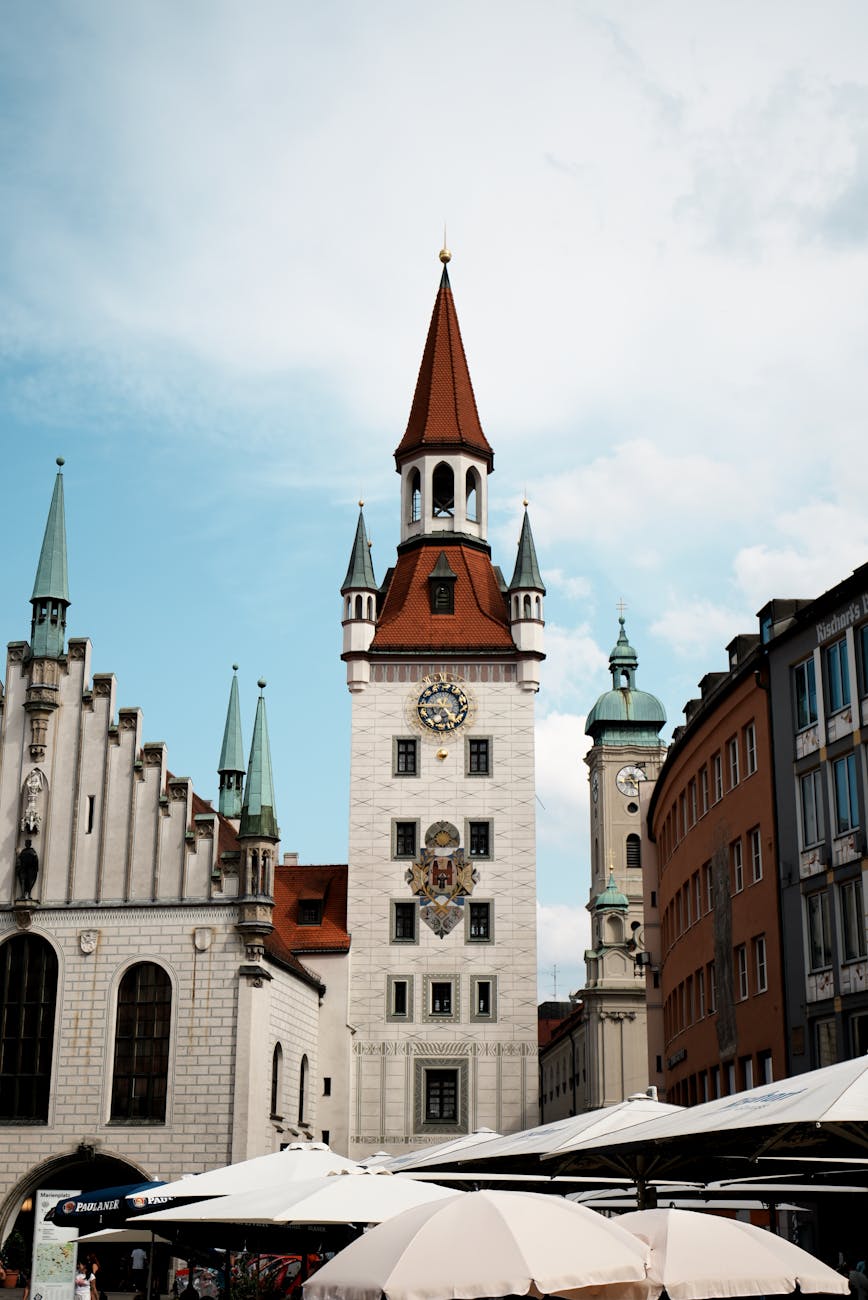
Munchen Travel Budget — Practical Costs & Money-Saving Choices
A compact, practical guide to budgeting for Munchen: daily cost ranges, transport passes, neighborhoods, seasonal price drivers (Oktoberfest, Christmas markets), and smart local-first tips to keep spending low while supporting the city.
Understand realistic daily costs for Munchen, choose the right transport pass, pick neighborhoods that match your budget, and find sustainable ways to save — all written to support our main 3 days in Munchen itinerary and nearby day trips.
Quick Answer
Understand realistic daily costs for Munchen, choose the right transport pass, pick neighborhoods that match your budget, and find sustainable ways to save — all written to support our main 3 days in Munchen itinerary and nearby day trips.
Who This Page Is For
This page is for travelers planning a stay in Munchen who want clearer decisions about travel budget, local logistics, timing, budgeting, and practical trip planning.
How This Page Was Prepared
This page was prepared through a structured editorial workflow that combines destination research, geographic context, and practical travel-planning review.
Plan the Rest of Your Trip
Use this page together with the full itinerary and the related planning pages below to make better booking, timing, transport, and budget decisions.
Typical daily budgets (per person, in EUR):
– Shoestring / backpacker: 50–80 — hostel dorm bed or budget pension, groceries, MVV single/day ticket, free walking tour, parks.
– Midrange: 120–220 — modest private room or 2–3* hotel, a couple of museum entries, one sit-down dinner, MVV day pass or 3-day pass.
– Comfort / flexible: 300+ — central hotel, several paid museums or concerts, taxis occasionally.
Expect sharp price spikes during Oktoberfest (late Sep–early Oct), trade fairs, and Christmas market weekends; book accommodation early for those periods.
This page gives focused, practical cost guidance for Munchen so you can plan money and time around our main 3 days in Munchen itinerary. It prioritizes low-impact choices, local spending, and realistic seasonal notes — useful whether you’re staying in the city center or taking day trips to Augsburg, Garmisch-Partenkirchen, Regensburg, Nurnberg, or Stuttgart.
What This Page Helps You Decide
You’ll be able to decide:
– Where to sleep (neighborhood trade-offs between cost and convenience).
– Whether to buy single MVV tickets, a day pass, or a 3-day pass for your trip.
– Which museums or paid experiences to prioritize versus free alternatives.
– If and when to join day trips to nearby cities and how to do them cheaply (Bayern Ticket, regional trains).
Use this alongside our 3 days in Munchen guide for a budget-aligned itinerary and to choose which nearby city to visit on a day trip.
Top Recommendations
Priorities to lower costs and boost value:
– Book accommodation early for weekends, Oktoberfest, and major trade fair dates; consider family-run pensions in Haidhausen or Schwabing for lower rates and local character.
– Use MVV: a single-zone day pass (Inner district M) often beats multiple single tickets; for several day trips, get a Bayern Ticket for regional travel.
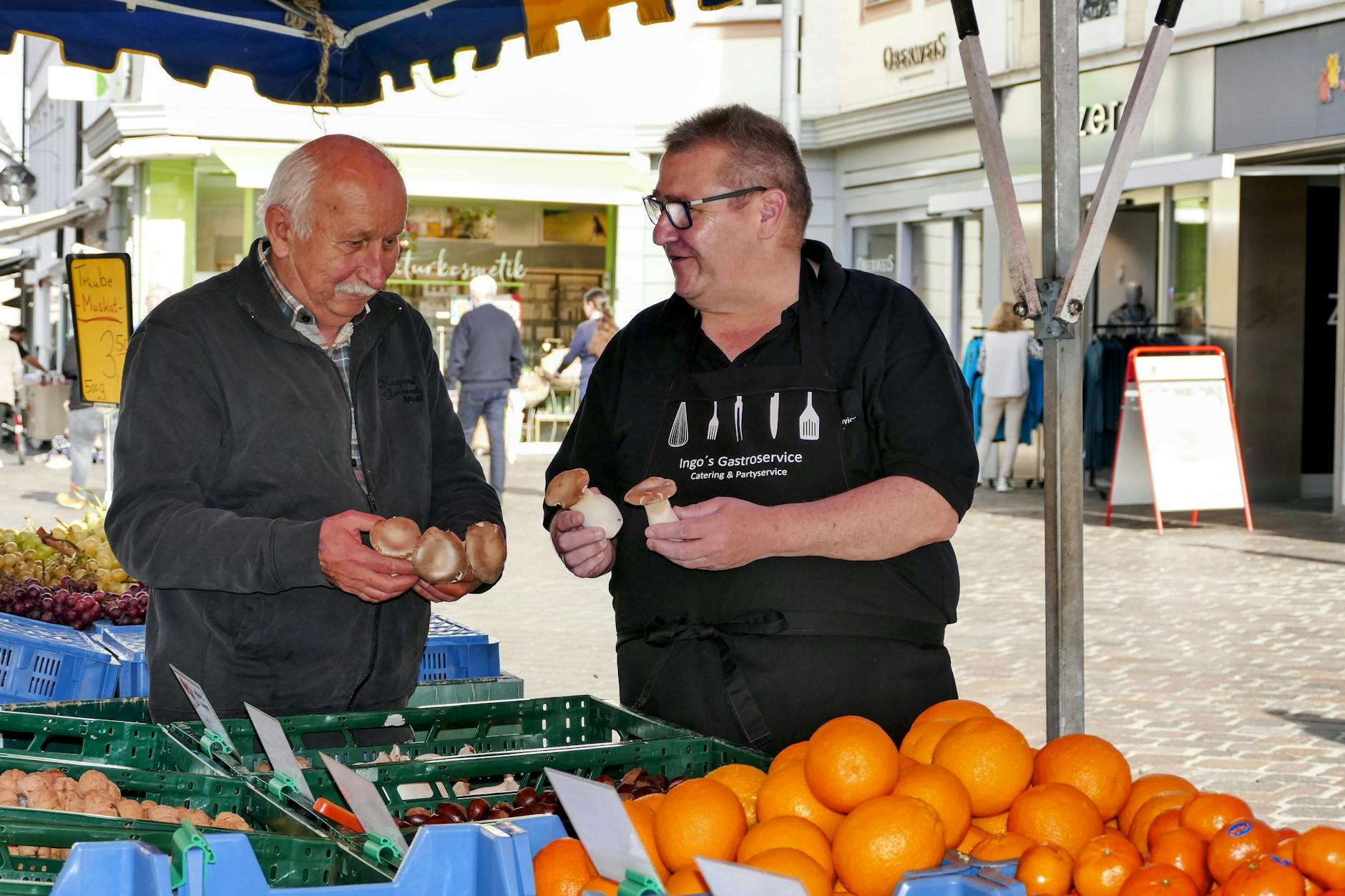
– Eat like a local: buy breakfast and some lunches at Viktualienmarkt stalls or supermarkets; choose neighbourhood beer gardens in summer for affordable meals.
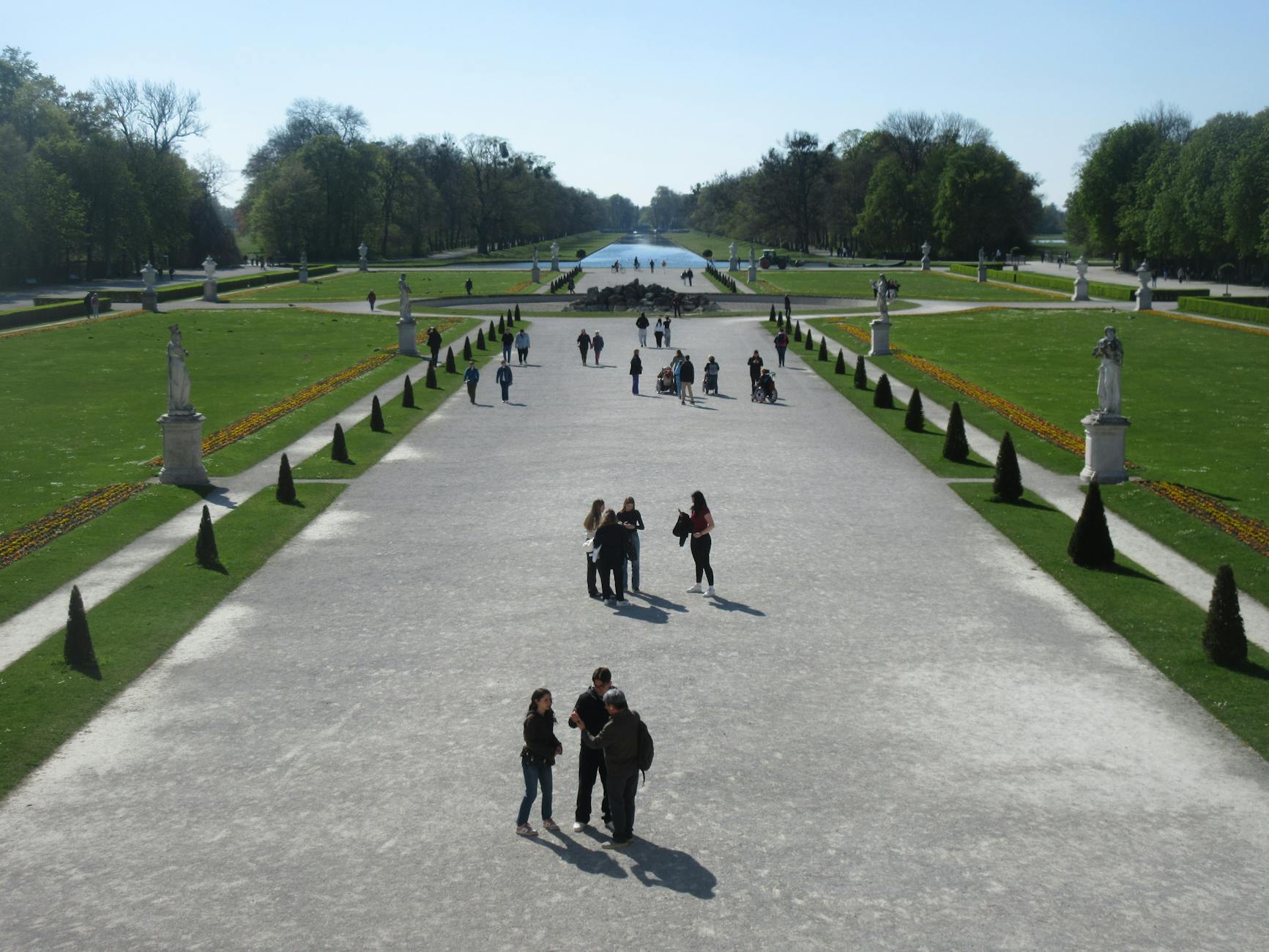
– Combine free and paid sights: English Garden, Isar walks, free city viewpoints, plus one paid highlight (Deutsches Museum or Nymphenburg) to keep costs reasonable.
– Prefer trams, U-Bahn/S-Bahn, and bikes over taxis; use DB regional trains and the Bayern Ticket for low-cost day trips.
Local Context
Neighborhood and transport realities that affect cost:
– Neighborhoods: Altstadt-Lehel is most convenient but costly and noisy; Maxvorstadt and Schwabing offer midrange stays with cafés and museums nearby; Haidhausen and Glockenbachviertel are good value for atmosphere and local businesses.
– Transport: Munchen’s MVV network (U-Bahn, S-Bahn, trams, buses) is extensive. Most central sightseeing fits inside zone M; outer suburbs need extra zones.
– Seasonal patterns: April–May and Sept–Oct are shoulder seasons with better rates and decent weather; late Nov–Dec sees Christmas markets with higher demand; Oktoberfest brings the largest price increases.
– Etiquette: observe quiet hours (generally 10pm–6am in residential buildings), sort recyclables, carry some cash for markets and small cafés, tip 5–10% when service is good.
How to Choose Well
Practical selection rules:
– Accommodation: choose by transit time to key sights in the 3-day guide. If you’ll follow the 3-day route, staying near Marienplatz/Sendlinger Tor cuts travel time but costs more.
– Transport pass: buy a day pass if you plan two or more trips in a day inside zone M. For multiple day trips to Augsburg, Nurnberg, or Garmisch, compare Bayern Ticket vs single long-distance tickets — Bayern Ticket is usually cheapest for groups and regional travel.
– Museums and tours: reserve timed entries for the Deutsches Museum and Nymphenburg Palace; look for combo or discounted late-entry times. Choose one paid museum per day to keep costs down.
– Day trips: pick Augsburg for half-day history, Regensburg or Nurnberg for medieval streets, and Garmisch-Partenkirchen for alpine scenery (expect higher transport costs and time). See the “3 days in Munchen” itinerary for how to fold a day trip in.
Responsible and Local-First Tips
Spend where it benefits residents and reduces footprint:
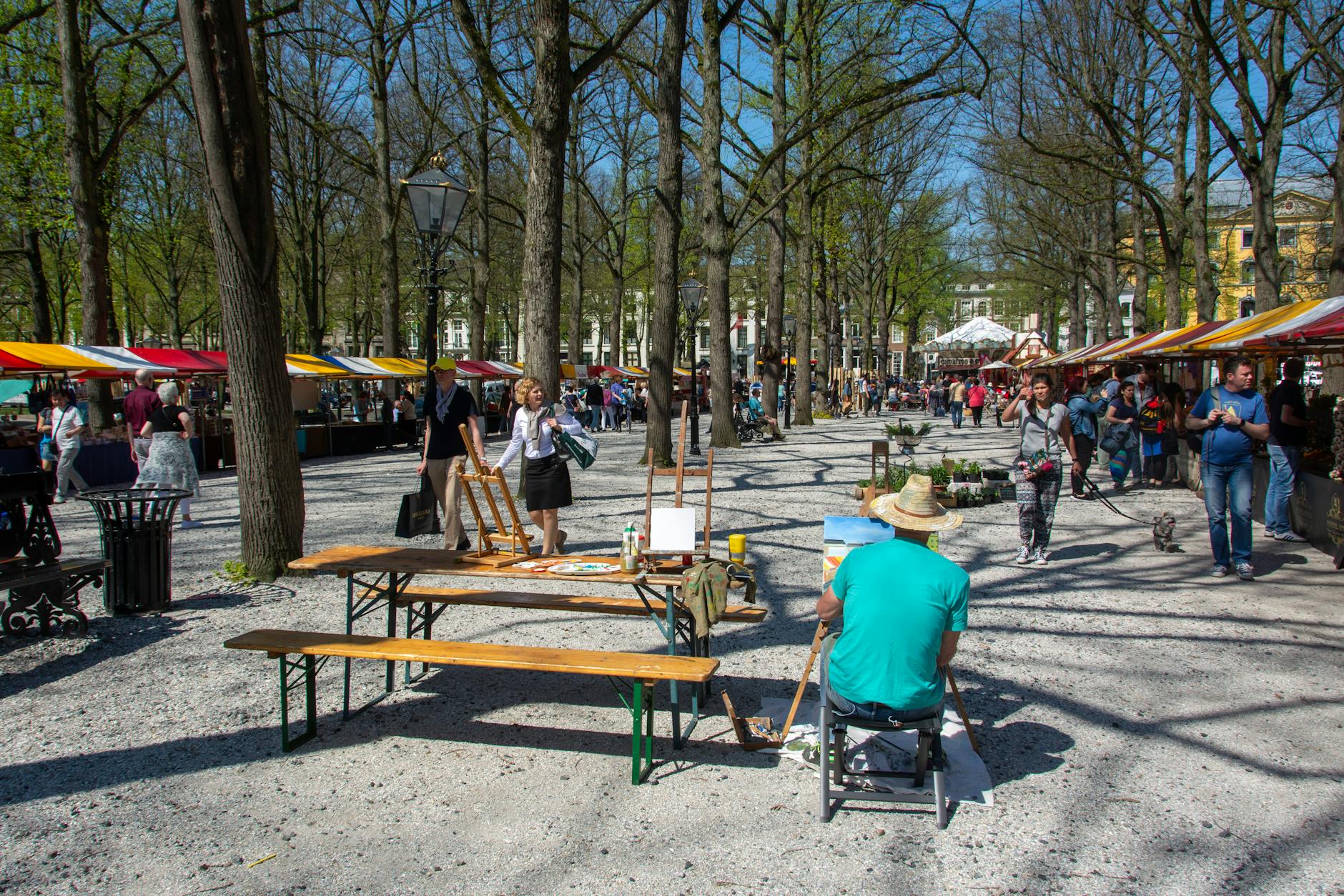
– Buy produce, bread, and snacks at Viktualienmarkt or neighborhood markets rather than supermarket chains.
– Choose small guesthouses, family-run pensions, or certified sustainable hotels in Haidhausen or Schwabing.
– Use public transport, regional trains, or long-distance rail instead of domestic flights to nearby German cities.
– Rent a city bike or use MVG Rad for short trips; bring a refillable bottle and use public water fountains.
– Book local guides for specialized tours (architecture, food, history) rather than large tourist chains — tips support independent livelihoods.
Common Mistakes to Avoid
- Booking last-minute in Altstadt during Oktoberfest or trade fairs and paying a premium.
- Assuming taxis are cheap; use MVV and plan for the occasional ride-share only when necessary.
- Forgetting to check MVV zones — you can overpay with multiple single tickets.
- Over-scheduling: Munchen’s parks and markets are low-cost pleasures; trying to fit too many paid museums increases costs without adding much value.
- Ignoring opening hours: many smaller shops close mid-day on Sundays and some weekdays, so plan food and errands accordingly.
FAQ
How much should I budget for three days in Munchen?
For a basic, comfortable three-day trip expect roughly: – Backpacker: 150–240 EUR total (hostel, groceries, MVV day passes, free sights). – Midrange: 360–660 EUR (private room, one sit-down dinner each night, two museum entries, MVV 3-day coverage). Prices vary by season and event; use this alongside our 3 days in Munchen page to plan specific activities.
Is the MVV day pass worth it?
Yes if you plan two or more round trips in a day inside zone M. A day pass is economical for sightseeing and avoids constant ticket buying. For day trips outside Munchen, compare Bayern Ticket prices.
How can I save on transport to nearby cities?
Use DB regional trains with a Bayern Ticket for groups or solo travel — it’s often cheaper than point-to-point long-distance tickets. Book long-distance IC/ICE early for discounts when needed.
Should I visit during Oktoberfest to save money?
No — Oktoberfest is the most expensive time in Munchen. For lower prices and fewer crowds, travel in April–May or Sept–Oct (shoulder seasons).
Do I need cash everywhere?
Many cafés and shops accept cards, but markets, small bakeries, and some guesthouses prefer cash. Carry 20–50 EUR in small notes for convenience.
Conclusion
Munchen can be budget-friendly with a little planning: pick the right neighborhood, use MVV and regional trains, mix free sights with one or two paid experiences, and prioritize local shops and markets. For a practical day-by-day plan that matches this budget approach, see our 3 days in Munchen guide. For easy, low-impact day trips consider Augsburg, Regensburg, or Garmisch-Partenkirchen using the Bayern Ticket.
How this guide was prepared
This guide was prepared through a structured research that combines destination research, geographic context, itinerary planning logic, and content review.