
Rethymno Travel Budget — Practical Costs, Smart Choices, and Sustainable Tips
Clear, realistic budgeting for Rethymno, Crete: daily cost ranges, where to save and where to spend, transport realities to Chania/Heraklion and Athens, neighborhood choices, and local-first tips to support small businesses.
A compact, travel-planning budget guide for Rethymno that helps you match priorities to costs, avoid common money mistakes, and make low-impact choices while staying close to the 3 days in Rethymno itinerary.
Quick Answer
A compact, travel-planning budget guide for Rethymno that helps you match priorities to costs, avoid common money mistakes, and make low-impact choices while staying close to the 3 days in Rethymno itinerary.
Who This Page Is For
This page is for travelers planning a stay in Rethymno who want clearer decisions about travel budget, local logistics, timing, budgeting, and practical trip planning.
How This Page Was Prepared
This page was prepared through a structured editorial workflow that combines destination research, geographic context, and practical travel-planning review.
Plan the Rest of Your Trip
Use this page together with the full itinerary and the related planning pages below to make better booking, timing, transport, and budget decisions.
Typical daily budgets (per person):
- Backpacker: 30–50 EUR — hostel or budget room, groceries or street food, municipal beach, local bus rides.
- Mid-range: 60–120 EUR — guesthouse or mid hotel, mix of tavernas and cafes, one paid sight per day, occasional taxi.
- Comfortable: 140+ EUR — private hotel near Old Town or harbor, restaurant dinners, car rental for day trips.
Major money tips: book accommodation early for July–August, use KTEL buses to Chania and Heraklion, avoid driving in the Old Town, and favor family-run tavernas and the municipal market for better value and local benefit.
This page gives a clear, usable budget for Rethymno so you can plan money for accommodation, food, local transport and day trips while keeping travel low-impact and locally beneficial. It supports the main 3 days in Rethymno itinerary by pointing out where to save time and money, which neighborhoods suit different budgets, and how to choose sustainable options that benefit small businesses and the local economy.
Keep this nearby while you compare prices and book: mid-June to early September is high season, while April–June and September–October offer lower prices, fewer crowds, and better shoulder-season value.
What This Page Helps You Decide
Use this page to choose:
- How much to budget per day based on travel style and the 3 days in Rethymno plan.
- Which neighborhood to book: Old Town for atmosphere, Platanes for beach access, outskirts for cheaper family-run pensions.
- Whether to rent a car or rely on buses and occasional taxis for low-impact travel.
- When to buy ferry or flight tickets for connections to Chania, Heraklion, Athens or Kos.
It also helps you avoid common money leaks (parking fees, unnecessary taxis, overpriced tourist restaurants) and directs you to sustainable options that keep money in local hands.

Top Recommendations
Save smart, spend where it matters:
- Stay: pick a small guesthouse or family-run pension in the Old Town or Platanes for atmosphere and easy walking; for the lowest nightly rates, look just outside the center in quieter neighborhoods and factor in a short bus or bike ride.
- Eat: prioritize daily lunches at local tavernas and the municipal market; try a family-run meze or a fish taverna at the harbor for authentic food and fair prices.
- Transport: use KTEL buses for Chania (~1–1.5 hours) and Heraklion (~1–1.5 hours) — cheaper than taxis. For inter-island travel, depart from Heraklion or Chania ports depending on ferry routes; expect seasonal schedules.
- Free/cheap highlights: Old Town walking, Rimondi Fountain, municipal beach, Fortezza (small fee), local markets and neighborhood passeggiata.
For details and a daily plan that matches these choices, see the companion 3 days in Rethymno itinerary.
Local Context
Neighborhoods and practical realities:
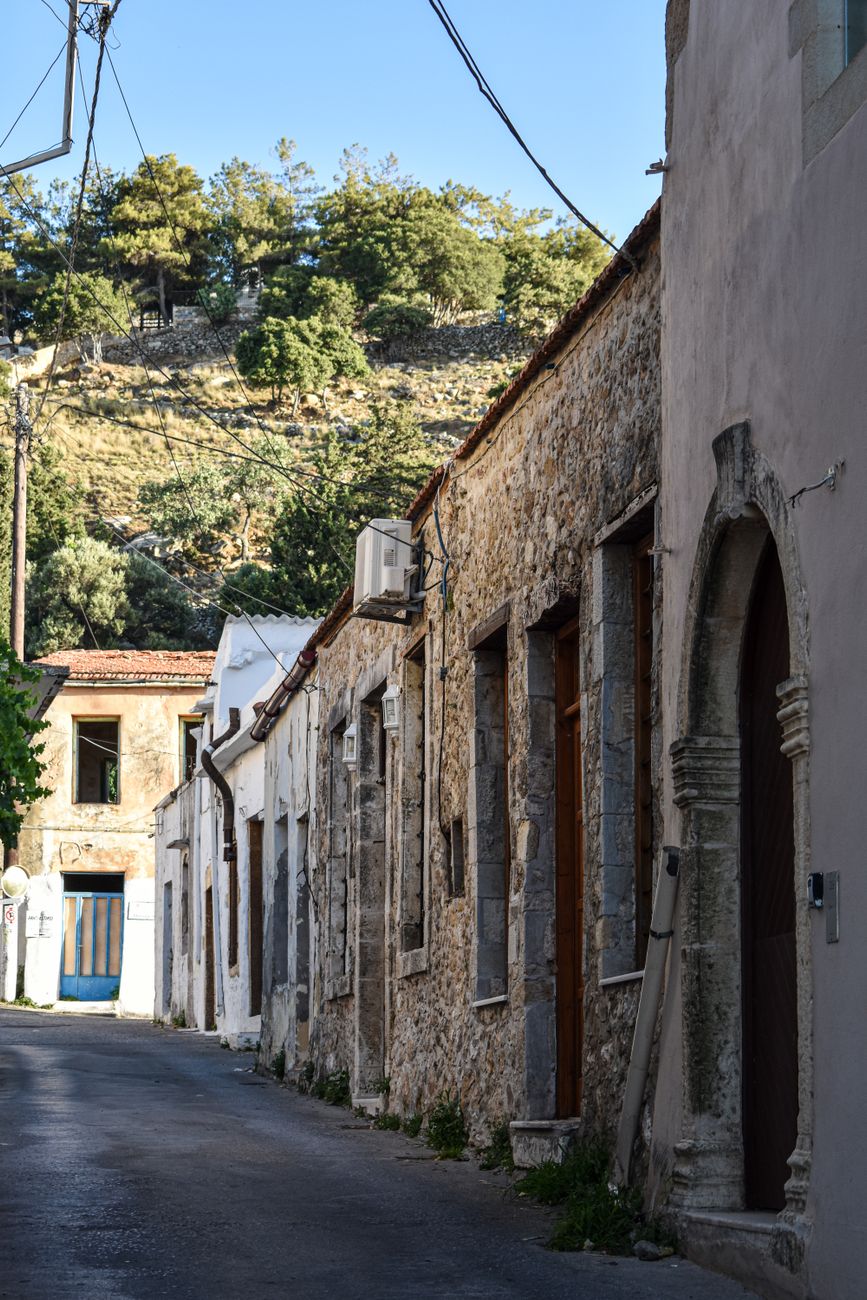
- Old Town: Venetian architecture, narrow streets — best for walkers who want history and cafés. Accommodation here costs more but saves on transit.
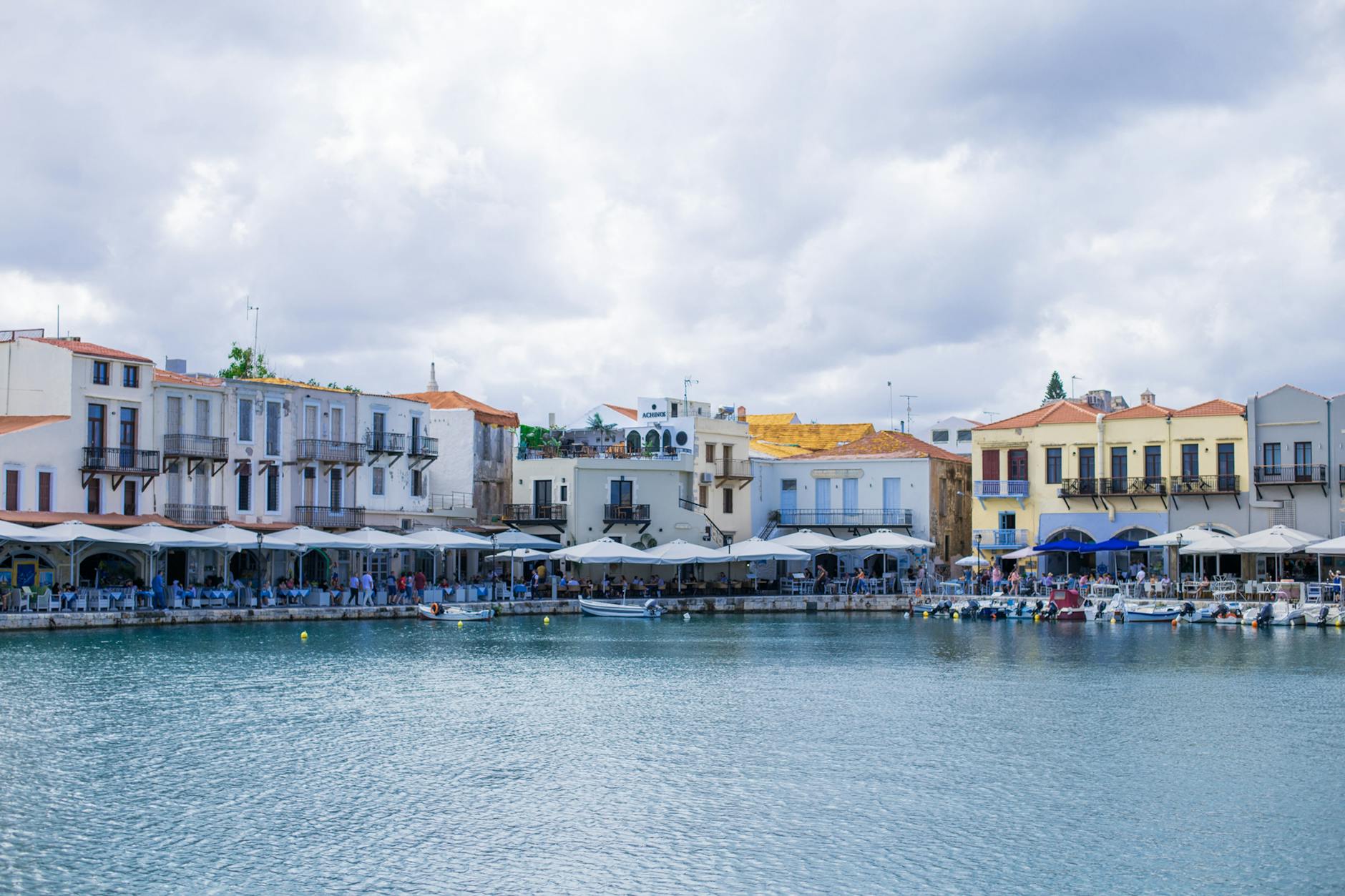
- Old Harbor and Rimondi Square: lively evening scene, close to ferries and waterfront tavernas.
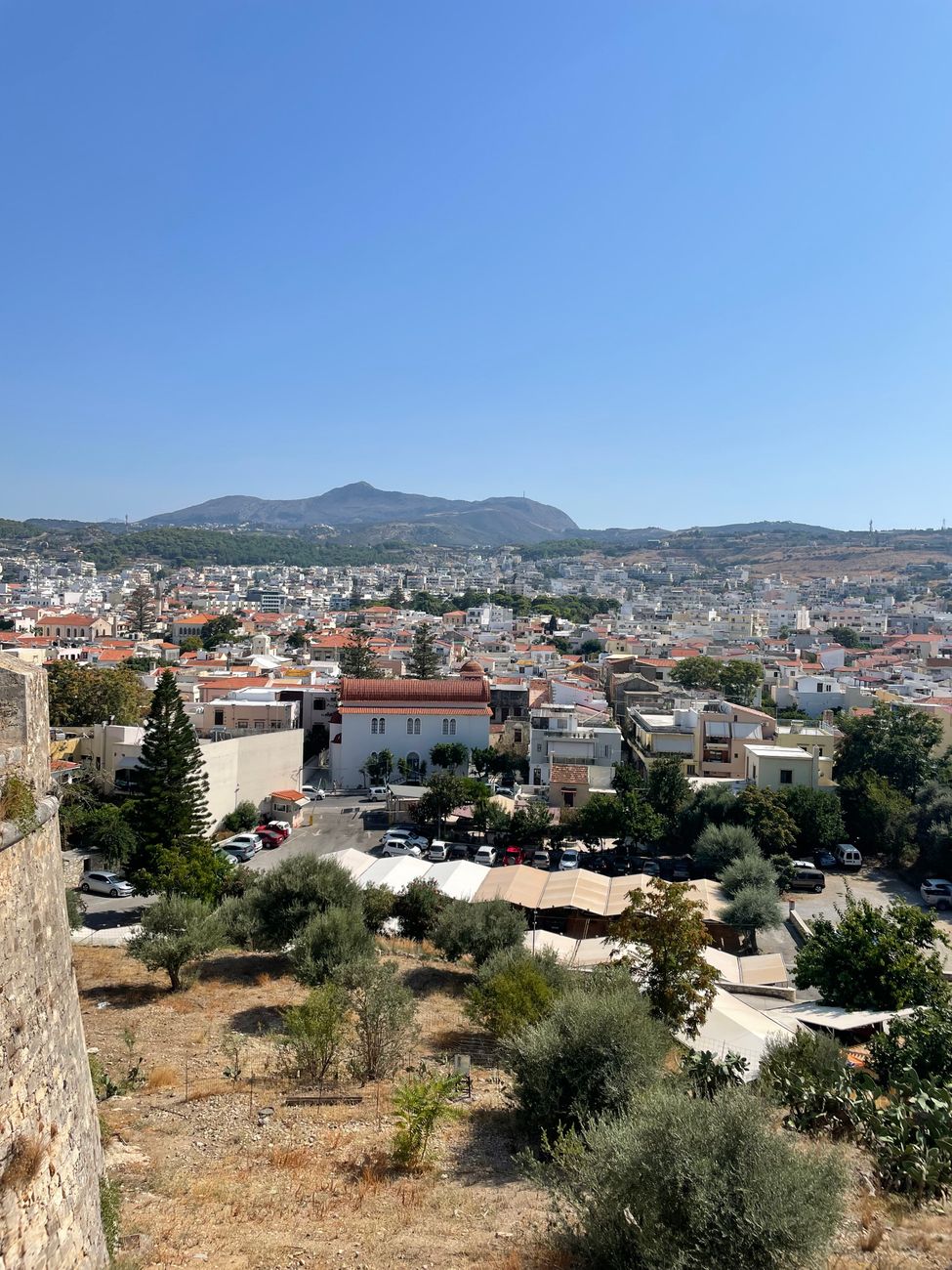
- Platanes and Adele (east of Old Town): beachside resorts with more budget hotels and rental options.
- Suburban outskirts and villages: cheaper rooms and a quieter stay, but add local bus or taxi time.
Transport realities:
- Rethymno has no long-distance rail; buses (KTEL) are the reliable public option. Buses to Chania and Heraklion run frequently but timetables change seasonally.
- There are no direct ferries to mainland ports from Rethymno; use Chania or Heraklion for major ferry routes to Piraeus, other islands, and seasonal links to Kos.
- Driving is convenient for remote beaches and Arkadi Monastery, but parking in the Old Town is limited and roads are narrow.
Seasonality:
- High season (July–August): higher prices, full bookings, and crowded beaches.
- Shoulder season (April–June, September–October): best balance of weather, price, and local life.
How to Choose Well
Match choices to priorities and the 3-day plan:
- If you want culture and evening atmosphere: book in the Old Town despite a slightly higher nightly rate. Walk everywhere and save on transport.
- If beaches and lower cost are top priorities: book in Platanes or the western coastal strip; you’ll trade a bit more transit for cheaper rooms.
- If you prefer low-impact travel: use buses for intercity hops, rent an e-bike or walk locally, and choose guesthouses run by locals.
Booking advice:
- Reserve accommodation and ferries well in advance for July–August. Shoulder season reservations can sometimes be made later but check cancellation terms.
- Check seasonal bus timetables on the KTEL Rethymno site or at the local station; winter services are reduced.
- If renting a car, reserve parking near your hotel and avoid driving into the Old Town — pick a hotel that offers parking or walk-in-friendly access.
Responsible and Local-First Tips
Small changes that help the local economy and environment:
- Eat local: choose family-run tavernas, buy bread and fruit at the municipal market, and ask hosts for neighborhood recommendations.
- Avoid single-use plastics: carry a refillable water bottle; many cafes have water filters or offer refills.
- Low-impact transport: prefer KTEL buses, shared taxis, walking and cycling for short trips; rent a small fuel-efficient car only for necessary day trips to Arkadi or remote beaches.
- Support small suppliers: book tours with local guides, buy handcrafts from market stalls rather than imported souvenirs.
- Respect sites: stick to marked paths at beaches and archaeological sites, don’t anchor on seagrass meadows, and follow mosque/church etiquette (modest dress inside religious buildings).
These choices often cost the same or slightly less than tourist chains and have a positive ripple effect for Rethymno’s small businesses.

Common Mistakes to Avoid
- Booking last-minute in high season and paying peak prices.
- Assuming timetables run year-round: KTEL and ferry schedules change off-season.
- Driving into the Old Town: narrow streets and limited parking mean wasted time and fines.
- Eating only on the main waterfront strip: inland tavernas are often fresher and cheaper.
- Overlooking small entry fees: budget a few euros for sites like the Fortezza and some museums.
Avoid these and you’ll keep costs predictable and support better local experiences.
FAQ
How much should I budget per day in Rethymno?
Budget travelers can manage on 30–50 EUR/day, mid-range travelers 60–120 EUR/day, and those wanting comfort should plan 140+ EUR/day. These are per-person ranges and depend on season and booking choices.
Which neighborhood is best value for a 3-day stay?
For balance, choose accommodation near the Old Town edge or Platanes. You’ll be within walking distance of sights and beaches while finding more mid-range and budget options than the Old Town core.
How do I get to Chania, Heraklion, and Athens cheaply?
Use KTEL buses to Chania (about 1–1.5 hours) and Heraklion (roughly 1–1.5 hours). For Athens or Piraeus, most travelers take a ferry from Heraklion/Chania or fly from nearby airports — ferries and flights are seasonal and should be booked in advance for summer.
Are prices very different in shoulder season?
Yes. April–June and September–October offer lower accommodation rates, fewer crowds, and many local businesses still open. Some tours run reduced schedules but savings and a more authentic feel usually outweigh that.
Is renting a car necessary?
Not for short stays focused on Old Town and nearby beaches. Use buses, taxis, and day tours. Rent a car for flexibility if you plan to visit Arkadi Monastery, remote southern beaches, or rural villages.
Any tipping or etiquette notes I should know?
Tipping is appreciated but modest: rounding up at cafés and 5–10% in sit-down restaurants is normal. Greet shopkeepers and servers with 'Kalimera' in the morning and dress respectfully in churches.
Conclusion
Rethymno is compact and budget-friendly when you plan around seasonality and neighborhood trade-offs. Book early for summer, favor buses and local guesthouses for lower impact, and spend where it helps small businesses — tavernas, markets and family-run tours. For a day-by-day plan that applies these budget choices, see the 3 days in Rethymno itinerary. If you’re continuing on, affordable connections and seasonal ferries link you to Chania, Agios Nikolaos, Heraklion (for Piraeus/Athens), and onward islands like Kos.
How this guide was prepared
This guide was prepared through a structured research that combines destination research, geographic context, itinerary planning logic, and content review.