
Amsterdam on a Budget: Practical Costs, Smart Choices, and Responsible Travel
Practical, room-by-room budget guidance for Amsterdam: daily costs, transport realities, seasonal savings, local neighborhoods, and sustainable tips to support nearby day trips.
A clear, scan-friendly budget guide to Amsterdam that pairs with our 3 days in Amsterdam itinerary. Includes expected costs, neighborhood choices, transport realities, sensible booking tips, and sustainable local-first suggestions for day trips to Haarlem, Utrecht, The Hague and more.
Quick Answer
A clear, scan-friendly budget guide to Amsterdam that pairs with our 3 days in Amsterdam itinerary. Includes expected costs, neighborhood choices, transport realities, sensible booking tips, and sustainable local-first suggestions for day trips to Haarlem, Utrecht, The Hague and more.
Who This Page Is For
This page is for travelers planning a stay in Amsterdam who want clearer decisions about travel budget, local logistics, timing, budgeting, and practical trip planning.
How This Page Was Prepared
This page was prepared through a structured editorial workflow that combines destination research, geographic context, and practical travel-planning review.
Plan the Rest of Your Trip
Use this page together with the full itinerary and the related planning pages below to make better booking, timing, transport, and budget decisions.
Typical daily budget ranges (mid-2020s prices):
- Shoestring: €50–€80 — hostel dorm, supermarket meals, tram day pass, self-guided walking.
- Comfortable budget: €100–€160 — basic private room or budget hotel, 1 museum ticket, a modest restaurant meal, public transport.
- Mixed comfort (tourist-friendly): €180–€260 — central hotel, two paid attractions, canal cruise or small-group tour, occasional taxi.
Save by visiting in shoulder months (April–May, September–October), using an OV-chipkaart or GVB multi-day pass, eating market food, and choosing neighborhoods outside the canal belt with quick tram or bike access.
This page gives focused, usable budget guidance for travelers pairing a money plan with our companion 3 days in Amsterdam itinerary. You’ll find realistic daily costs, where to save without losing character, how to choose neighborhoods, and smart day-trip options to nearby cities like Haarlem, Utrecht, The Hague, Amersfoort, and Hoofddorp.
The advice favors low-impact choices, supporting local businesses, and traveling in shoulder or low season where possible to stretch funds and reduce crowding.
What This Page Helps You Decide
Use this page to:
- Estimate a daily budget that aligns with your travel style and the 3 days in Amsterdam plan.
- Choose a neighborhood that balances cost, character, and transport access.
- Prioritize the attractions and day trips worth paying for versus free alternatives.
- Pick sustainable, local-first options for food, tours, and transit.
If you’re using our 3 days in Amsterdam itinerary, this page helps convert that plan into an affordable spending plan and sustainable choices for each day.
Top Recommendations
Practical moves that save money while keeping the experience authentic:
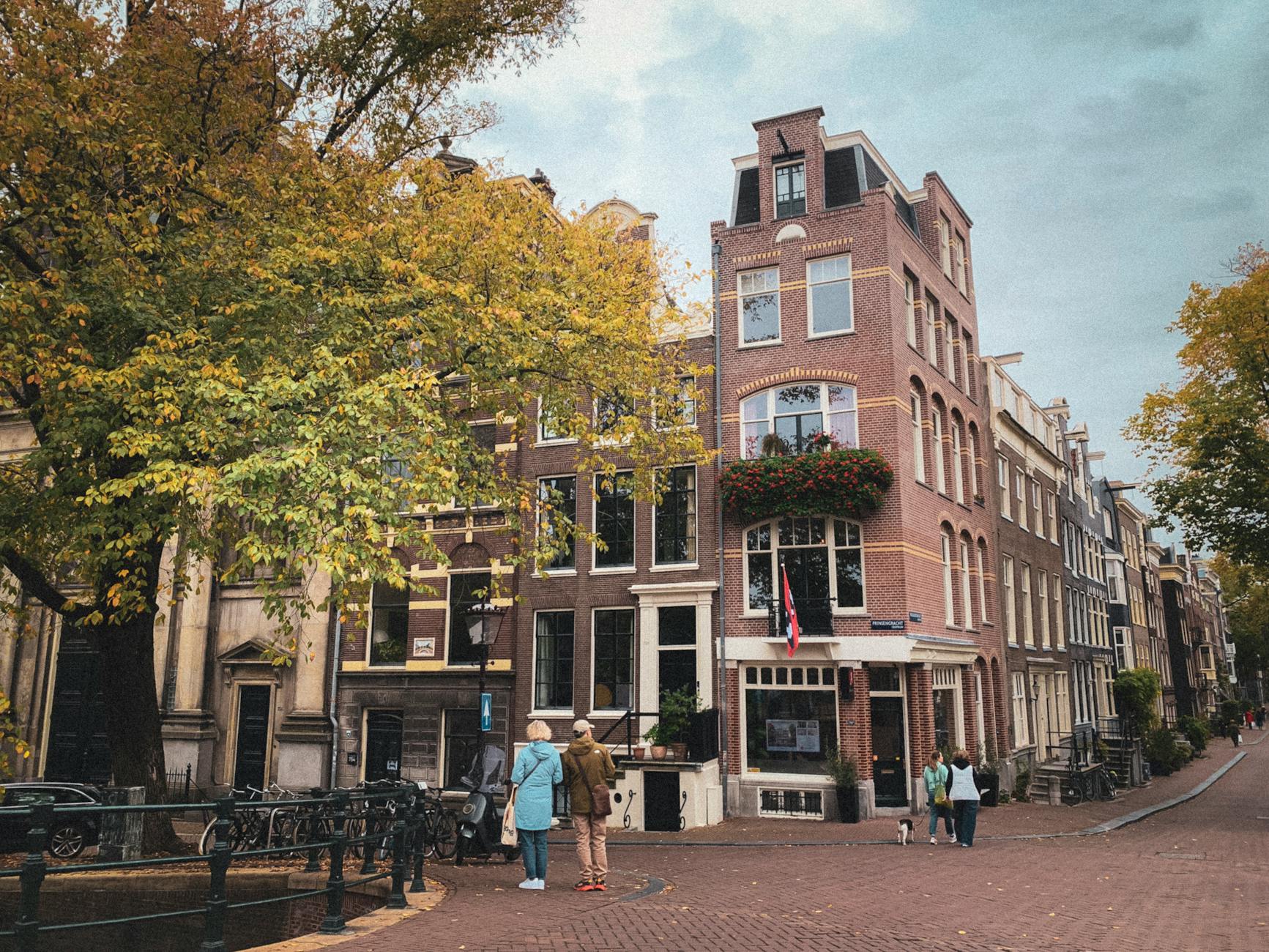
- Stay slightly outside the Canal Ring: De Pijp, Oost (East), or Amsterdam Noord give lower rates and quick tram/ferry links.
- Use an OV-chipkaart or GVB 24/48/72-hour pass for trams and buses; check-in and out on every trip.
- Book major museums (Anne Frank House, Van Gogh) weeks in advance; timed tickets are common and can sell out.
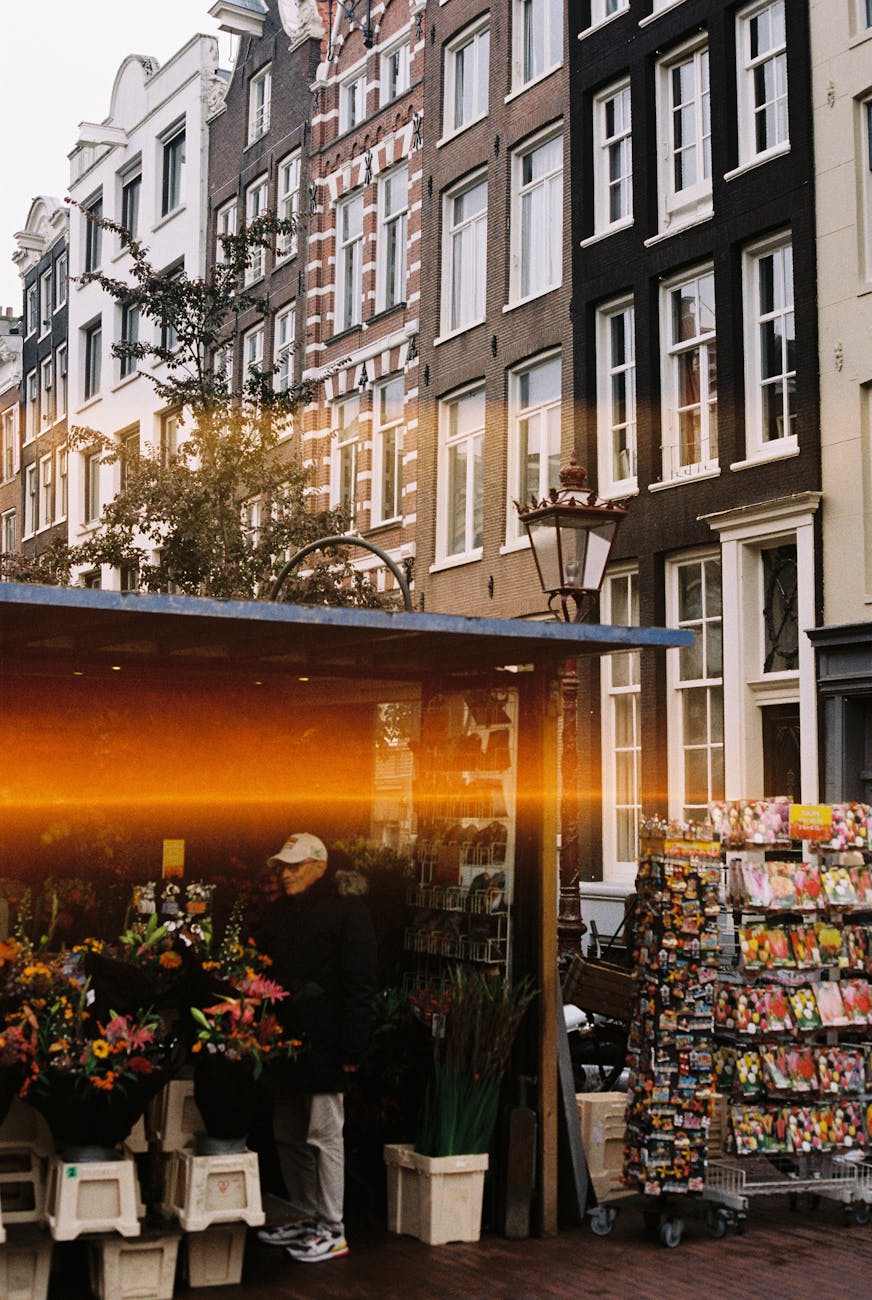
- Eat at markets (Albert Cuyp, Foodhallen moderately priced regional stalls) and brown cafés for local flavors at lower cost than tourist restaurants.
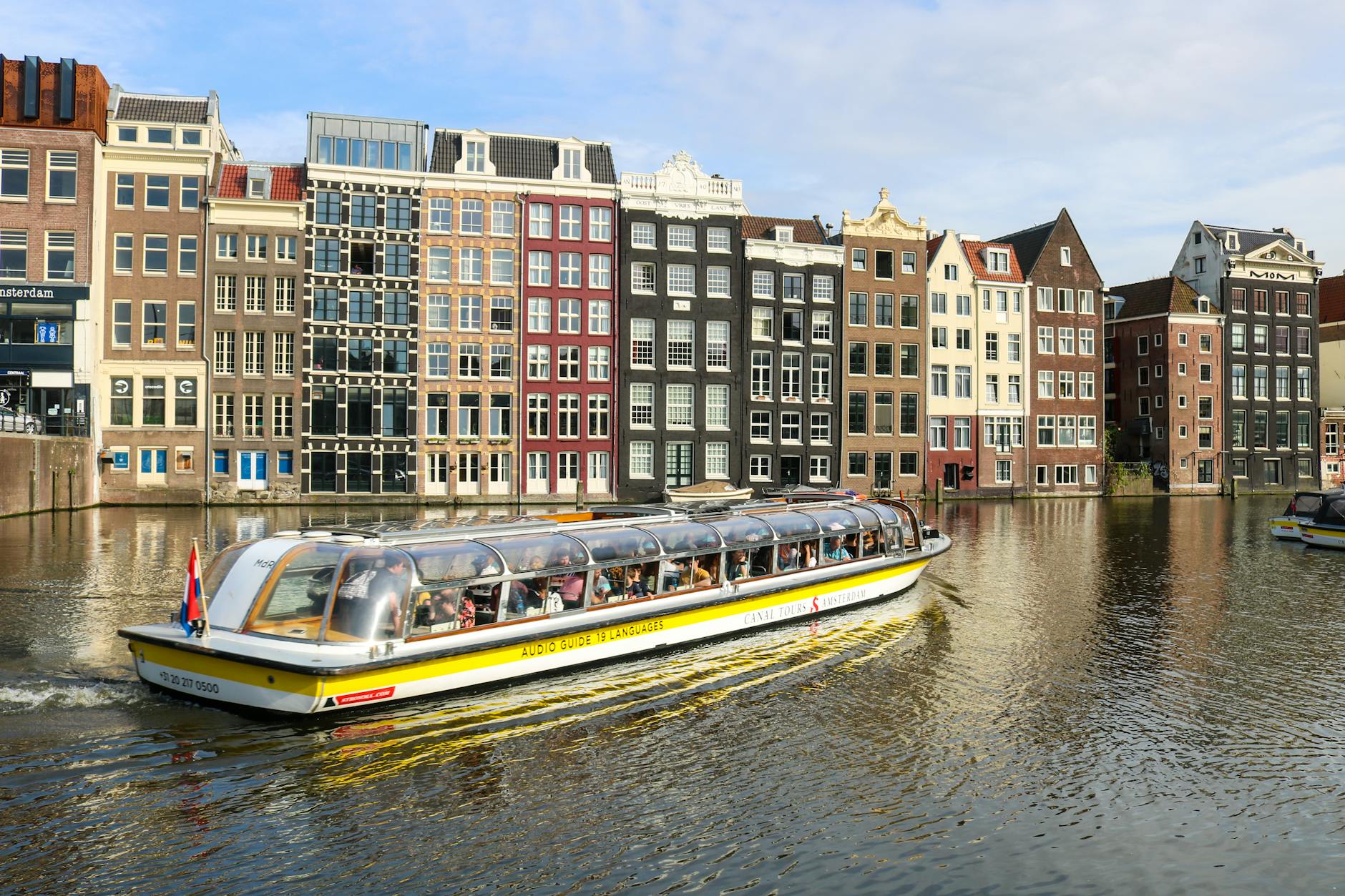
- Choose small-group electric canal tours or rent a shared boat rather than large commercial cruises to support local operators and cut per-person costs.
- Reserve a morning for free walking routes or a self-guided canal-ring walk to balance paid activities.
Day-trip budgeting tip: Trains to Haarlem and Utrecht are 15–25 minutes and inexpensive; buy single or return NS tickets or use an NS off-peak discount when available.
Local Context
Neighborhoods and transport realities to plan around:
- Jordaan and Canal Belt: beautiful but pricier and busier; best for a short, central stay if you value time over money.
- De Pijp and Oost: lively, better value, lots of local bars and markets, safe at night and easy tram access to Museumplein.
- Amsterdam Noord: creative scene, lower prices, quick free ferry from Centraal Station — good for longer stays and NDSM cultural spaces.
Seasonal patterns:
– High season (June–August) brings crowds and higher prices.
– Shoulder seasons (April–May, Sept–Oct) often have tulips (April) and milder weather with lower rates.
– Winter (Nov–Feb) is cheapest but cold and shorter daylight; some outdoor markets and cozy cafés remain open.
Transport notes:
– Bikes dominate; do not walk in bike lanes and always give way to cyclists.
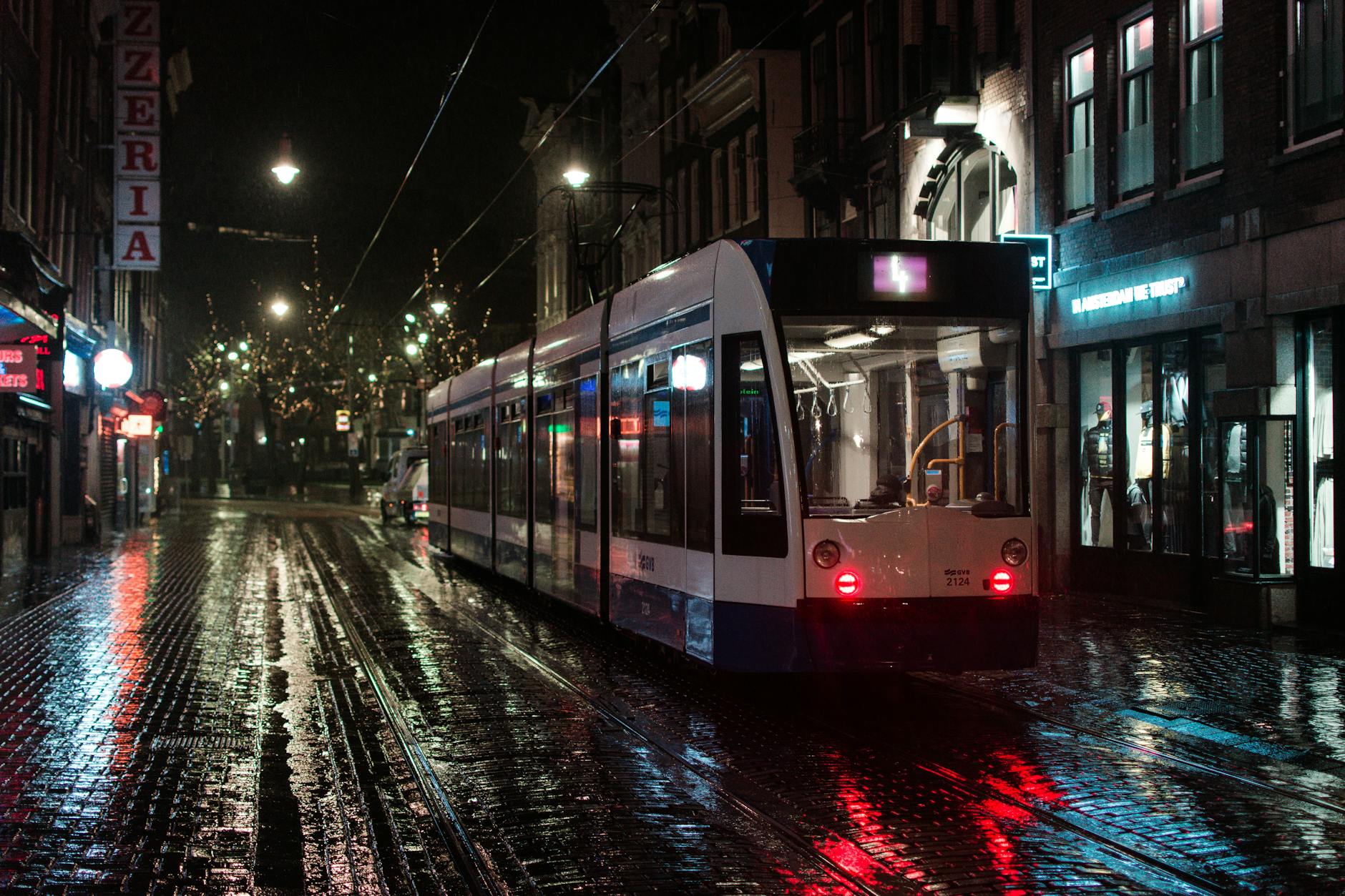
– Trams and buses are frequent; check-in/out with OV-chipkaart. Night buses replace some trams after midnight.
– Intercity trains to Haarlem, Utrecht, The Hague and Amersfoort depart regularly from Centraal Station; no seat reservations required for regional travel.
How to Choose Well
Select accommodation and activities with these questions in mind:
- How many tram transfers from Centraal Station? Less transfer time often offsets a slightly higher nightly rate.
- Does the property have a kitchen or breakfast included? Cooking a few meals saves significantly.
- Are major attractions ticketed with timed-entry? If yes, can you book a morning slot to avoid crowds and balance the day with free activities?
- Will you bike, walk, or use public transport most? Pick a neighborhood that supports your primary mode of travel.
Booking tips:
– Compare nightly rates across platforms and book directly with small hotels or B&Bs when possible; many small operators offer the best rates and refund policies.
– For museum-heavy days, purchase tickets online for set time slots; combine a free canal walk or Vondelpark visit to round out the day.
– For day trips, buy NS tickets on the day or use a contactless card—watch for off-peak discounts and special regional passes.
Responsible and Local-First Tips
Practical sustainability and community-forward choices:
- Choose locally owned cafés, independent shops, and market stalls rather than global chains; tip modestly or round up.
- Prefer small, electric boat operators or self-guided walking and cycling to large diesel canal tours.
- Limit short taxi rides—use trams, bikes, or ferries to reduce emissions and keep spending focused on local transit.
- Support social enterprises and neighborhood initiatives (e.g., community markets in Noord or neighborhood bakeries in De Pijp).
- Travel in shoulder season to reduce pressure on peak infrastructure and get better rates for lodging and tours.
Put money into the local economy by buying produce and snacks at markets and choosing family-run restaurants when possible.
Common Mistakes to Avoid
Don’t fall into these budget traps:
- Staying in the Red Light District purely for price. It’s noisy and late-night tourism can be disruptive.
- Underestimating bike traffic. Walking in bike lanes can cause accidents and fines in some cases.
- Skipping timed-ticket booking for Anne Frank House or Van Gogh Museum — tickets often sell out well in advance.
- Relying on taxis for everyday trips; they add up fast and are usually unnecessary in Amsterdam.
- Buying the biggest tourist card without calculating whether it covers the attractions you actually want to visit. Do the math: if you plan only one major museum a day, pay-as-you-go may be cheaper.
FAQ
What is a realistic daily budget for Amsterdam?
For most travelers following a 3-day plan: €100–€160 per day covers a budget private room, public transit, one paid museum, and mid-range meals. Dorm travelers can aim for €50–€80 a day.
Is the Amsterdam City Card worth it for 3 days?
It depends. The card can pay off if you plan multiple paid museums and public transport visits each day. Compare individual museum entry costs and a 48/72-hour GVB pass to decide. If you plan one paid museum a day plus walking and cheap dining, pay-as-you-go may be cheaper.
How much should I budget for food per day?
Expect €8–€12 for breakfast from a bakery, €6–€12 for a market or café lunch, and €12–€25 for a decent evening meal at a local bistro. You can lower this by shopping at supermarkets or cooking when possible.
How do I get to Haarlem, Utrecht, or The Hague on a budget?
Trains from Amsterdam Centraal to Haarlem or Utrecht take 15–30 minutes and are inexpensive; buy single/return NS tickets or use contactless. The Hague is 40–50 minutes by Intercity train. Local day-trip fairs: plan half a day in each and return to Amsterdam the same evening.
Any etiquette tips to avoid offending locals?
Don’t walk in bike lanes, keep voices moderate in residential areas, ask before photographing people, respect houseboats and private canalside entrances, and tip modestly (rounding up or 5–10% is fine).
Are bikes safe to rent and use as a tourist?
Yes, but follow local rules, stay in bike lanes, use lights after dark, and lock your bike with a good lock. Consider guided bike tours on your first day to learn the flow.
Conclusion
Amsterdam can be enjoyed on a modest budget without losing authenticity. Prioritize neighborhood choice, book timed-entry attractions ahead, use public transport and market food, and favor small local operators for tours and boats.
If you’re using our 3 days in Amsterdam itinerary, slot in one paid museum, one free walk or park visit, and one local market meal per day to keep costs down and experiences local-first. For quick, affordable day trips, consider Haarlem or Utrecht — both are short train rides and excellent complements to a city-focused stay.
How this guide was prepared
This guide was prepared through a structured research that combines destination research, geographic context, itinerary planning logic, and content review.