
Best Things to Do in Amsterdam — Practical, Local, Low-Impact Options
A practical, local-first guide to the best things to do in Amsterdam: museums, canals, markets, bike routes, and easy day trips. Sustainable tips, booking advice, neighborhood notes, and links to the 3 days in Amsterdam itinerary.
Curated, travel-planning friendly list of Amsterdam's best activities with neighborhood-focused advice, seasonal notes, sustainable options, and practical booking tips to pair with your 3 days in Amsterdam itinerary.
Quick Answer
Curated, travel-planning friendly list of Amsterdam's best activities with neighborhood-focused advice, seasonal notes, sustainable options, and practical booking tips to pair with your 3 days in Amsterdam itinerary.
Who This Page Is For
This page is for travelers planning a stay in Amsterdam who want clearer decisions about things to do, local logistics, timing, budgeting, and practical trip planning.
How This Page Was Prepared
This page was prepared through a structured editorial workflow that combines destination research, geographic context, and practical travel-planning review.
Plan the Rest of Your Trip
Use this page together with the full itinerary and the related planning pages below to make better booking, timing, transport, and budget decisions.
Top picks for most visitors: a paced Museumplein visit (Rijksmuseum + Van Gogh), a timed Anne Frank House booking, a relaxed canal walk in the Jordaan, a bike ride or ferry to Amsterdam Noord and NDSM Wharf, and a market stop at Albert Cuyp or Noordermarkt. Reserve museum time slots and Anne Frank House in advance. Combine any of these with a low-impact evening: local restaurant, live music in De Pijp or a quiet canal-side café.
This support page helps you choose the best, realistic things to do in Amsterdam with an emphasis on local experiences and low-impact travel. It’s designed to work with our main 3 days in Amsterdam itinerary: use that itinerary for a day-by-day flow and this page to pick neighborhood-focused activities, responsible options, and practical booking tips.
What This Page Helps You Decide
Quick decisions you can make here:
- Which museums to prioritize based on interest and time.
- Whether to bike, tram, or ferry for each neighborhood and why.
- Which markets and food streets are best for supporting small vendors.
- Which day trips pair well with a 3-day stay (Haarlem, Utrecht, The Hague, Hoofddorp, Amersfoort).
Use this page to swap activities into the 3 days in Amsterdam itinerary depending on season, mobility, and interest in local-first experiences.
Top Recommendations
Museum and culture
– Rijksmuseum and Van Gogh Museum on Museumplein: reserve timed entries and arrive early to avoid crowds. Consider the I Amsterdam alternatives for local exhibitions.
– Anne Frank House: book months ahead in high season; check last-minute releases for locals’ allocations.
Neighborhoods and low-impact experiences
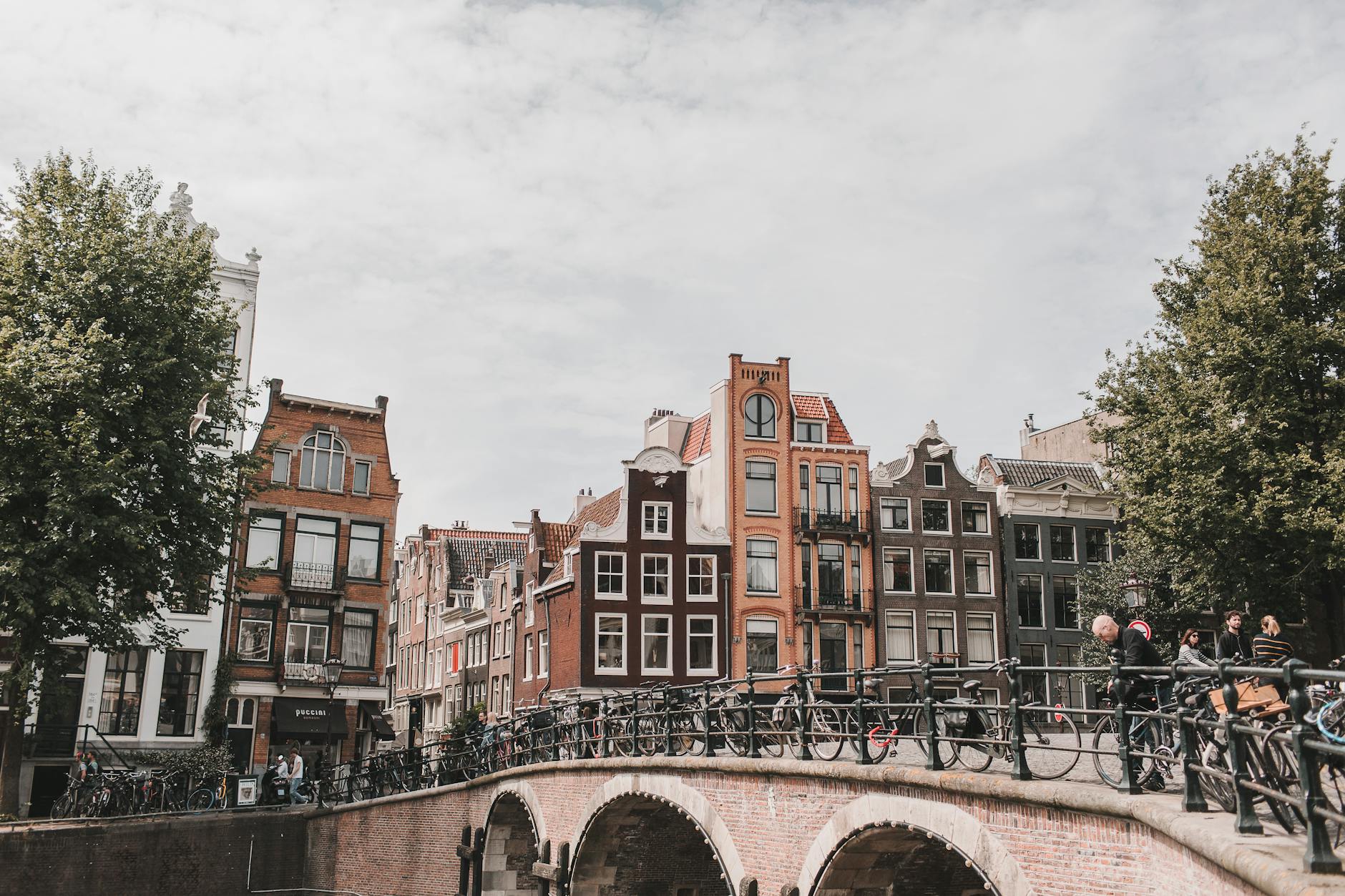
– Jordaan: slow canalside walks, independent galleries, Noordermarkt (Sat), small cafés. Great for late-afternoon wandering.
– De Pijp: Albert Cuyp Market, international cafés, Sarphatipark for a short rest.
– Amsterdam Noord and NDSM Wharf: take the free ferry behind Central Station; street art, industrial cafes, creative workshops.
Outdoors and transit-friendly
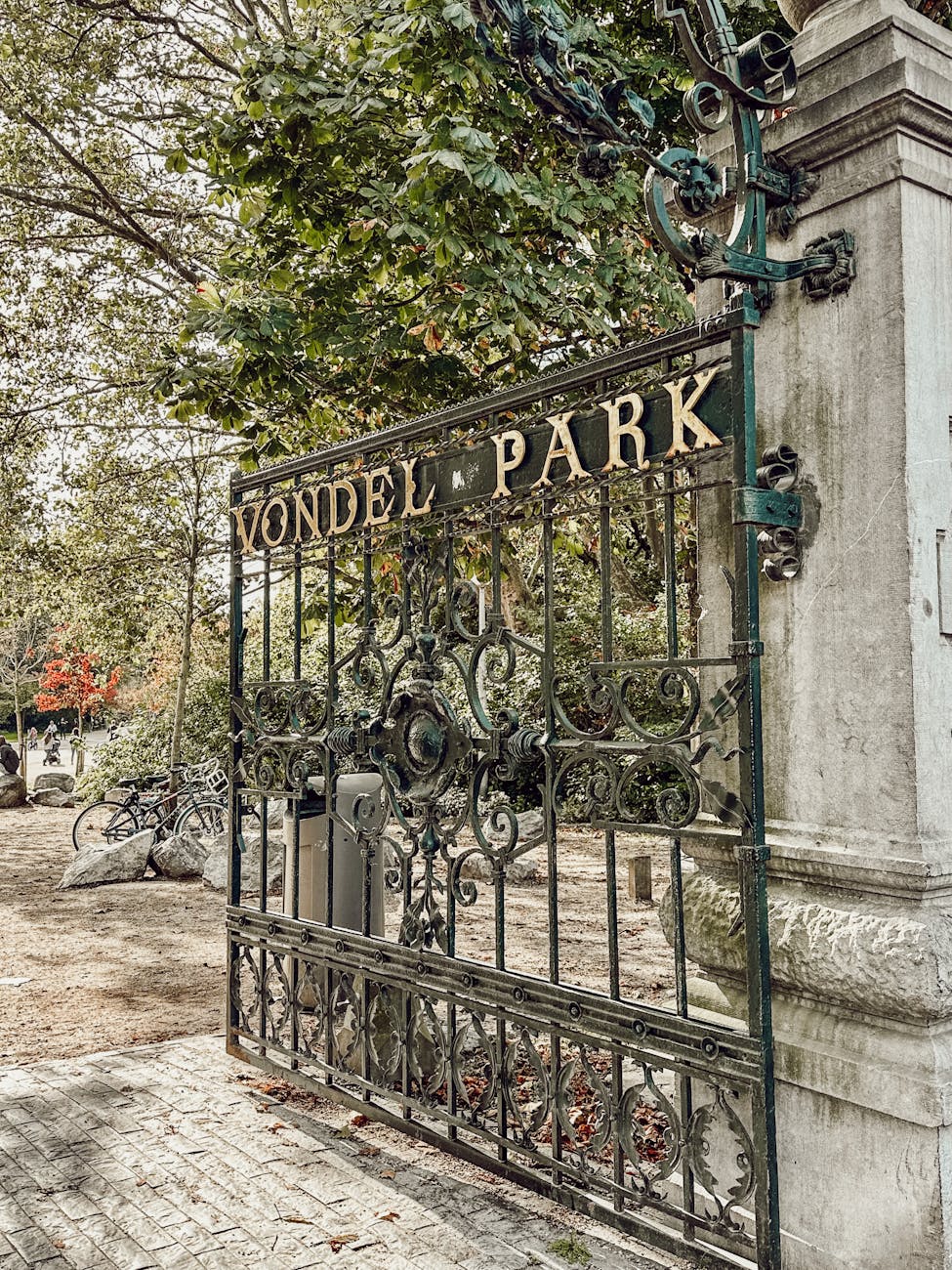
– Vondelpark: picnic, casual people-watching, and local weekend activities.
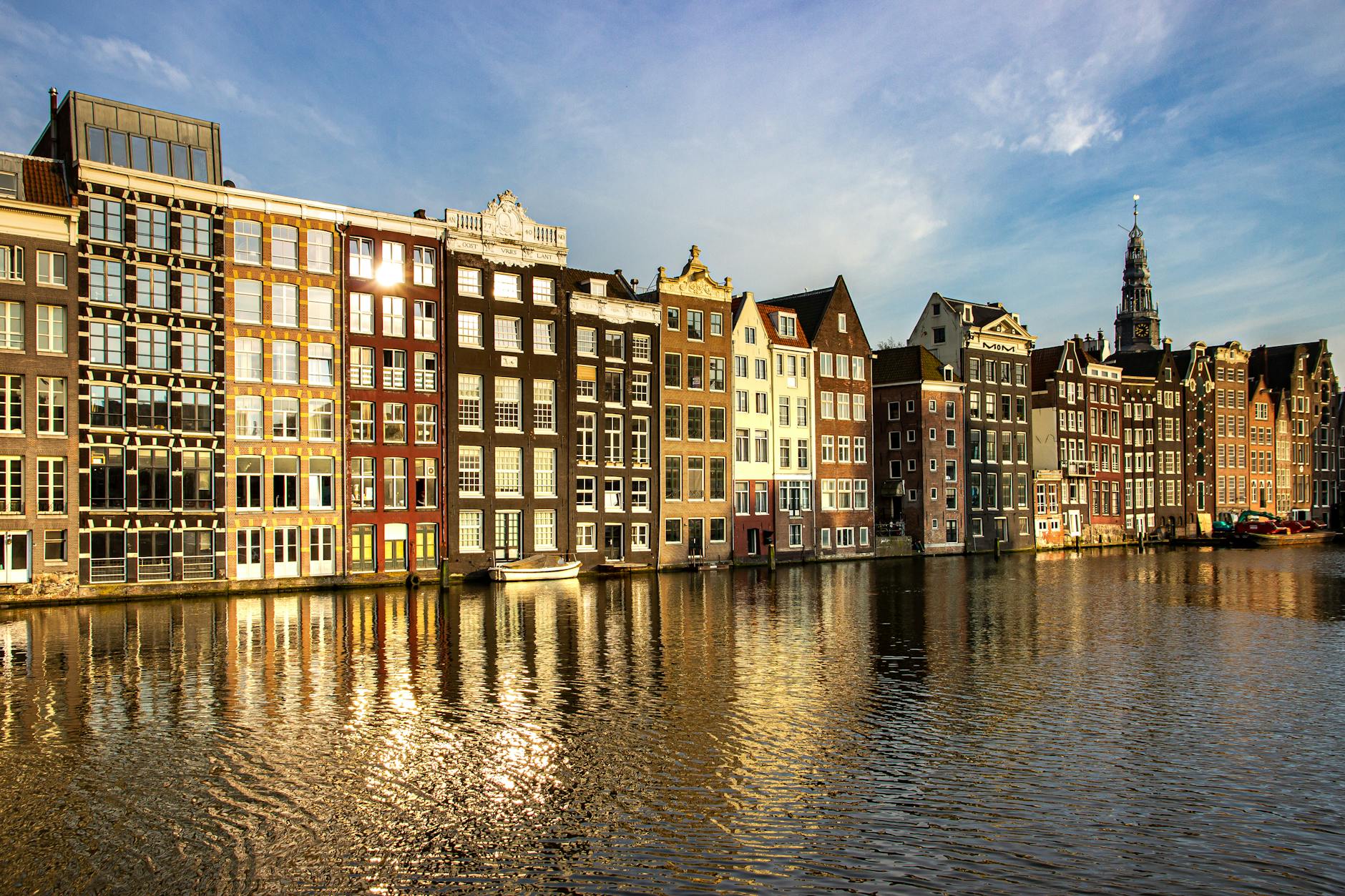
– Canal belt: walk at golden hour; prioritize walking or small electric canal tours run by cooperatives rather than large tour boats.
Markets and eating
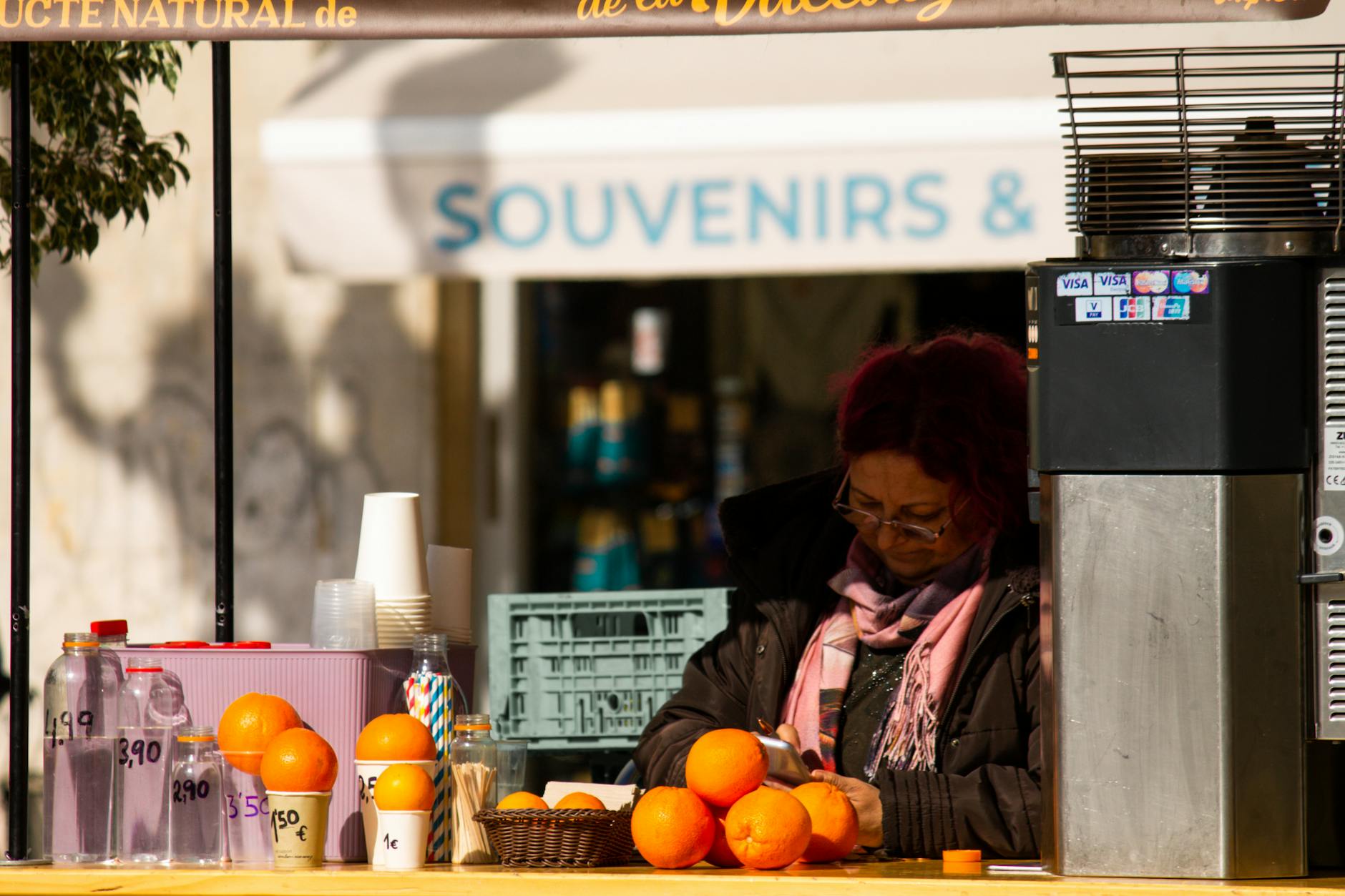
– Support independent vendors at Albert Cuyp, Foodhallen for a variety of local makers, and smaller markets like Dappermarkt for everyday life.
Easy day trips
– Haarlem (20–30 min by train): historic center, Teylers Museum, local breweries.
– Utrecht (30 min): canals with wharves, Dom tower.
– The Hague (45 min): Mauritshuis and Scheveningen coast.
– Amersfoort and Hoofddorp are quick regional options for quieter, local Dutch towns.
Booking tips
– Buy tickets online for major museums. Look for shoulder-season discounts and midweek slots.
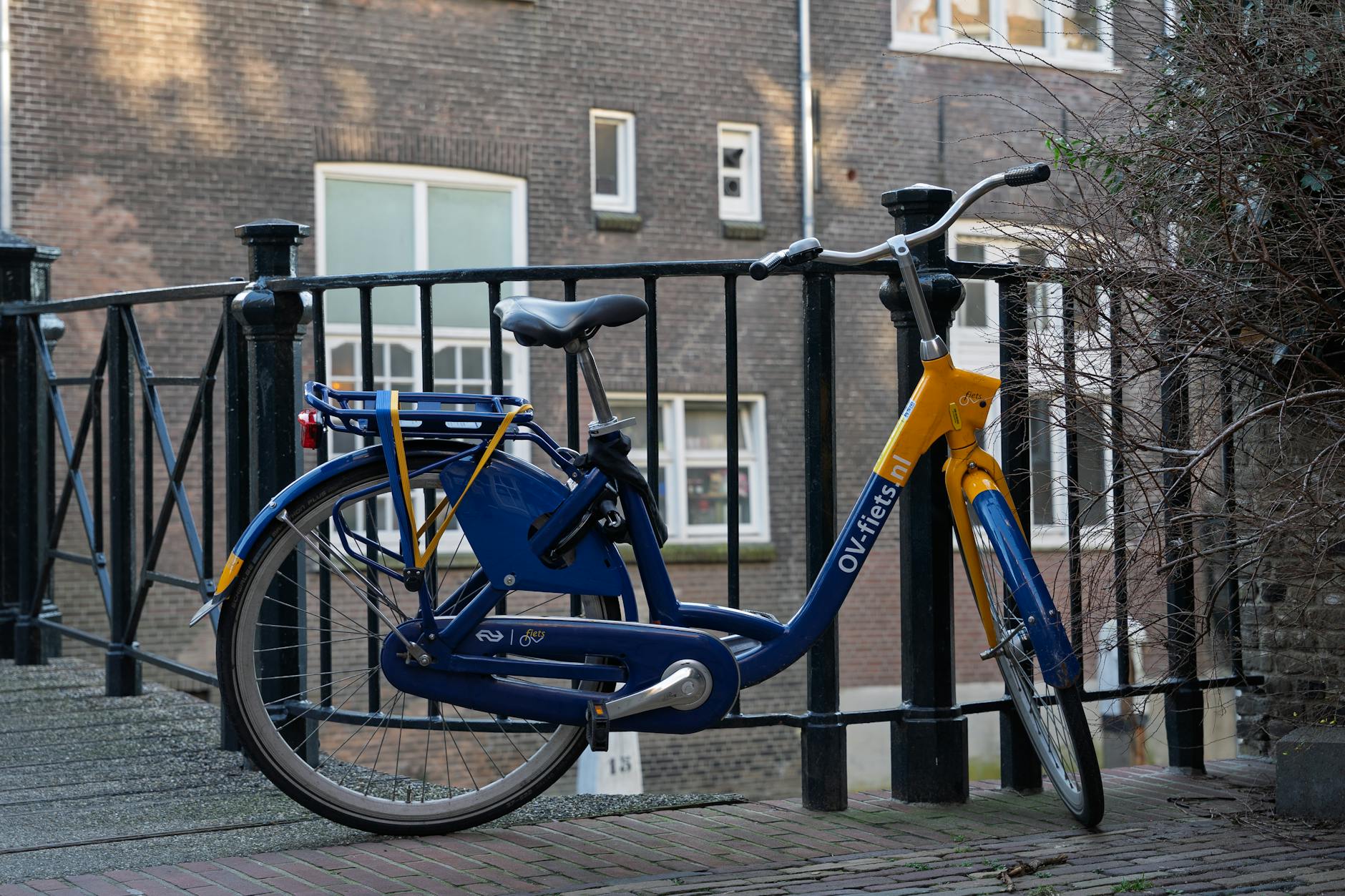
– Use an OV-chipkaart or contactless bank card for trams and regional trains; bikes are plentiful but use reputable rental shops and inspect locks and lights.
Local Context
Seasons and crowds
– Spring (April–May): tulip season lifts day-trip demand to Keukenhof and Lisse; book early if you plan that trip.
– Summer: busy, higher prices, long daylight hours—plan popular museums early.
– Shoulder seasons (March, late Sept–Nov): fewer crowds, local festivals, better value.
Transport realities
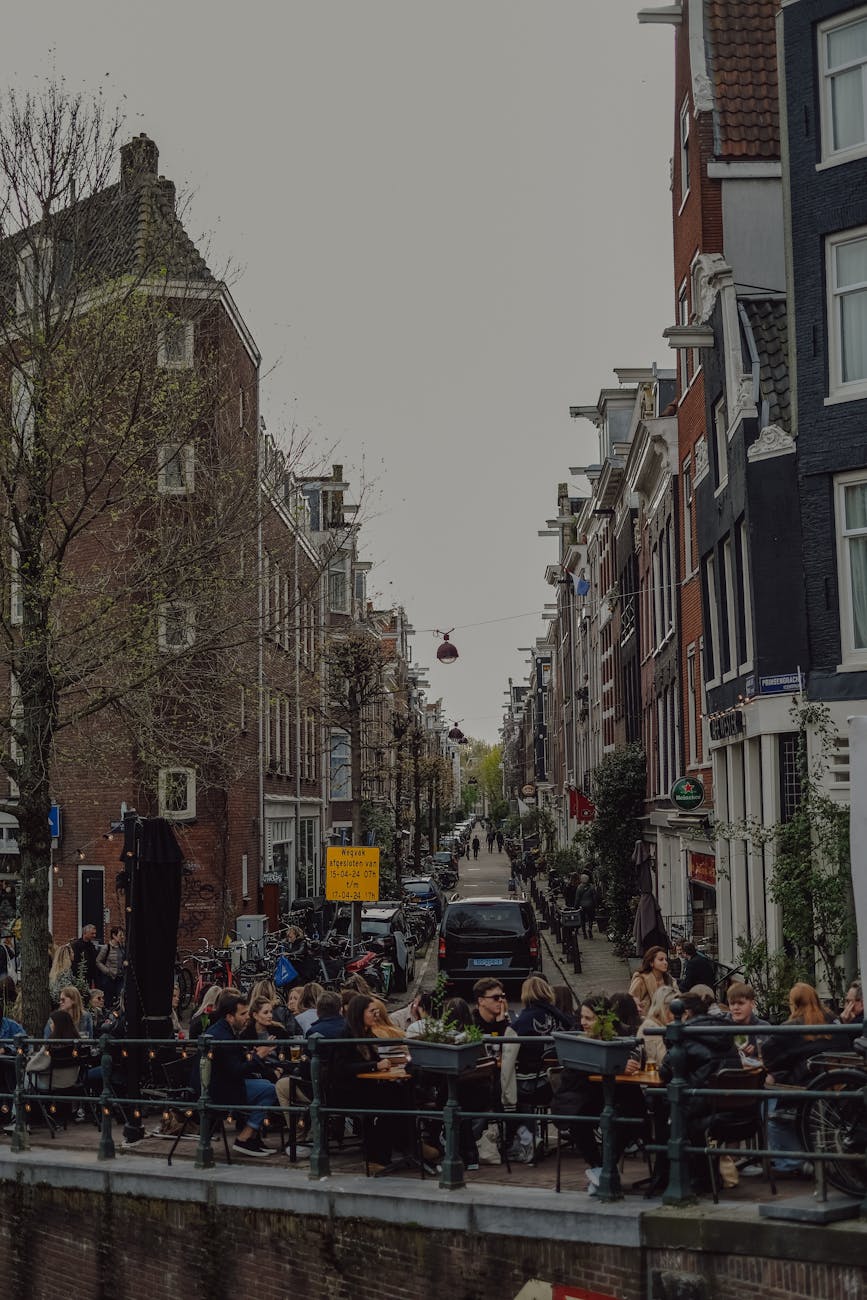
– Amsterdam is compact but busy. Expect heavy bicycle traffic; pedestrians must yield on bike lanes.
– Trams and trains are reliable; ferries to Noord are free and frequent. Taxis and rideshares can be slow in peak hours.
Neighborhood character
– Jordaan: historic, artisan shops, quieter in mornings.
– De Pijp: younger, multicultural dining scene, lively market.
– Red Light District (De Wallen): a historic center with nightlife; follow local etiquette (no photos of sex workers, respect signage).
Local economy note
– Choosing family-run cafés, neighborhood bakeries, and local guides keeps tourism money circulating in Amsterdam’s neighborhoods rather than to international chains.
How to Choose Well
Match activities to your pace and values:
- If you love museums: plan 1–2 major museums with timed entries and use smaller galleries or a canal walk to balance the day.
- If you prefer outdoors: allocate time to a bike loop through the canal belt and a ferry ride to NDSM.
- If you want local food: prioritize markets and small restaurants; check menus online and reserve for popular spots.
Practical checklist
– Reserve Anne Frank House and major museum tickets in advance.
– Carry a charged phone, reusable water bottle, and a compact umbrella.
– Choose public transport or certified electric boat tours to reduce emissions.
Pairing with the 3 days in Amsterdam itinerary
– Swap in a market morning or a Noord creative tour depending on energy levels. Use nearby day trips to extend afternoons if your itinerary frees a half-day.
Responsible and Local-First Tips
Low-impact choices
– Prefer compact group walking tours or small electric canal operators over large tour boats.
– Use public transport, shared ferries, or bikes from local rental shops.
Support local businesses
– Eat at neighborhood cafés and buy from market stands run by locals.
– Book neighborhood guides or workshops (cheese-making, ceramics) from local cooperatives.
Etiquette and respect
– No photography of sex workers in De Wallen. Follow local signs and dress codes in religious buildings.
– Keep noise low in residential areas at night and respect bike lanes—don’t block them.
Accessibility and fairness
– Ask ahead about accessibility at museums and choose providers offering clear pricing and treatment for staff.
– Tip modestly for exceptional service; many places include service in the bill but small change is welcome.
Common Mistakes to Avoid
- Trying to fit every major museum into one day. Pick two and enjoy the rest of the neighborhood.
- Ignoring bike traffic: standing in a bike lane or stepping onto it without looking creates hazards.
- Waiting to buy Anne Frank House or certain museum tickets on arrival—tickets sell out months ahead in high season.
- Choosing the busiest canal cruise just because it’s cheap—look for smaller, electric options that are quieter and more sustainable.
- Overlooking weekday markets or local shops that close early; check opening times, especially outside summer.
FAQ
Do I need to rent a bike to see Amsterdam?
No. Amsterdam is highly walkable and has excellent public transit. Rent a bike only if you’re comfortable with busy lanes and Dutch cycling rules. For short visits, a tram plus a couple of bike rides from a reputable local shop is a safer choice.
When should I book museum tickets and Anne Frank House?
Book the Anne Frank House several weeks to months in advance for high season. Major museum timed entries are recommended at least a week ahead in summer; shoulder season often has more availability.
Is the Red Light District safe to visit?
Generally yes, but be respectful. Avoid photographing people working there, don’t buy from unregulated vendors, and stay in well-lit areas. Visit with the same vigilance you’d use in any city late at night.
Which markets are best for local shopping?
Albert Cuyp Market (De Pijp) for food and casual goods, Noordermarkt (Jordaan) for antiques and organic foods on Saturdays, and Dappermarkt for everyday local life.
How can I reduce my environmental impact while visiting?
Use public transit, walk or take ferries to Noord, choose small-group tours, bring a reusable bottle, eat at locally owned restaurants, and avoid single-use plastics.
Conclusion
Pick a few key experiences—one major museum, one neighborhood, and one low-impact outdoor activity—and pair them with the 3 days in Amsterdam itinerary for a balanced stay. Prioritize timed bookings for popular sites, support small businesses, and choose public transit or reputable local operators for tours and rentals. If you have extra time, use Haarlem, Utrecht, The Hague, Amersfoort, or Hoofddorp for relaxed day trips that show different sides of the Netherlands.
How this guide was prepared
This guide was prepared through a structured research that combines destination research, geographic context, itinerary planning logic, and content review.