
Best Things to Do in Brussels — Practical, Local-First Guide
Practical, sustainably minded guide to the best things to do in Brussels: neighborhoods, museums, markets, transport tips, booking advice, and smart day trips to Leuven, Gent, Antwerpen, Namur and Brugge.
A compact, practical list of the best things to do in Brussels for travelers who prefer local businesses, low-impact choices, and smart planning. Pairs neatly with our main 3-day guide and suggested day trips by train.
Quick Answer
A compact, practical list of the best things to do in Brussels for travelers who prefer local businesses, low-impact choices, and smart planning. Pairs neatly with our main 3-day guide and suggested day trips by train.
Who This Page Is For
This page is for travelers planning a stay in Brussels who want clearer decisions about things to do, local logistics, timing, budgeting, and practical trip planning.
How This Page Was Prepared
This page was prepared through a structured editorial workflow that combines destination research, geographic context, and practical travel-planning review.
Plan the Rest of Your Trip
Use this page together with the full itinerary and the related planning pages below to make better booking, timing, transport, and budget decisions.
Top short-list for first-time visitors:
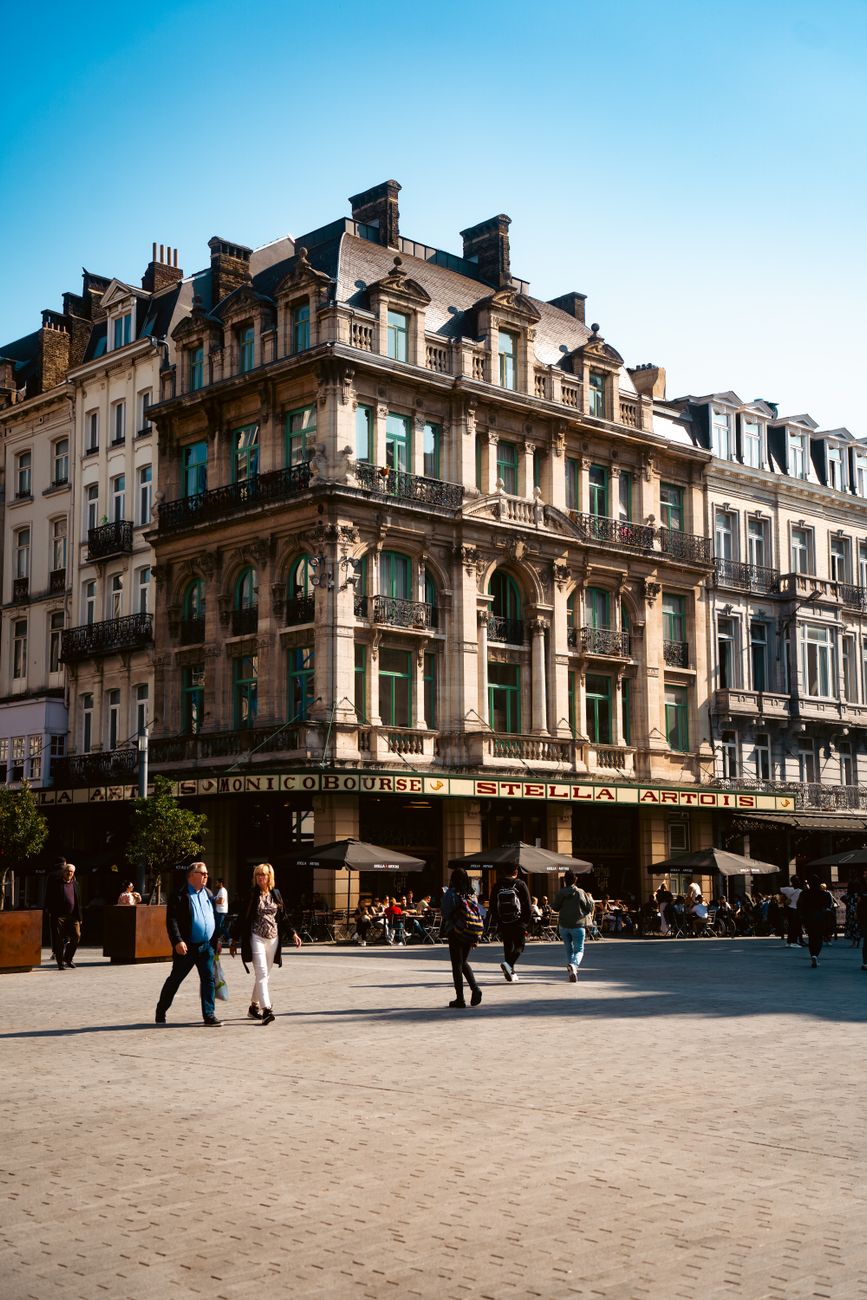
– Explore Grand Place and the Galeries Royales Saint-Hubert early to avoid crowds.
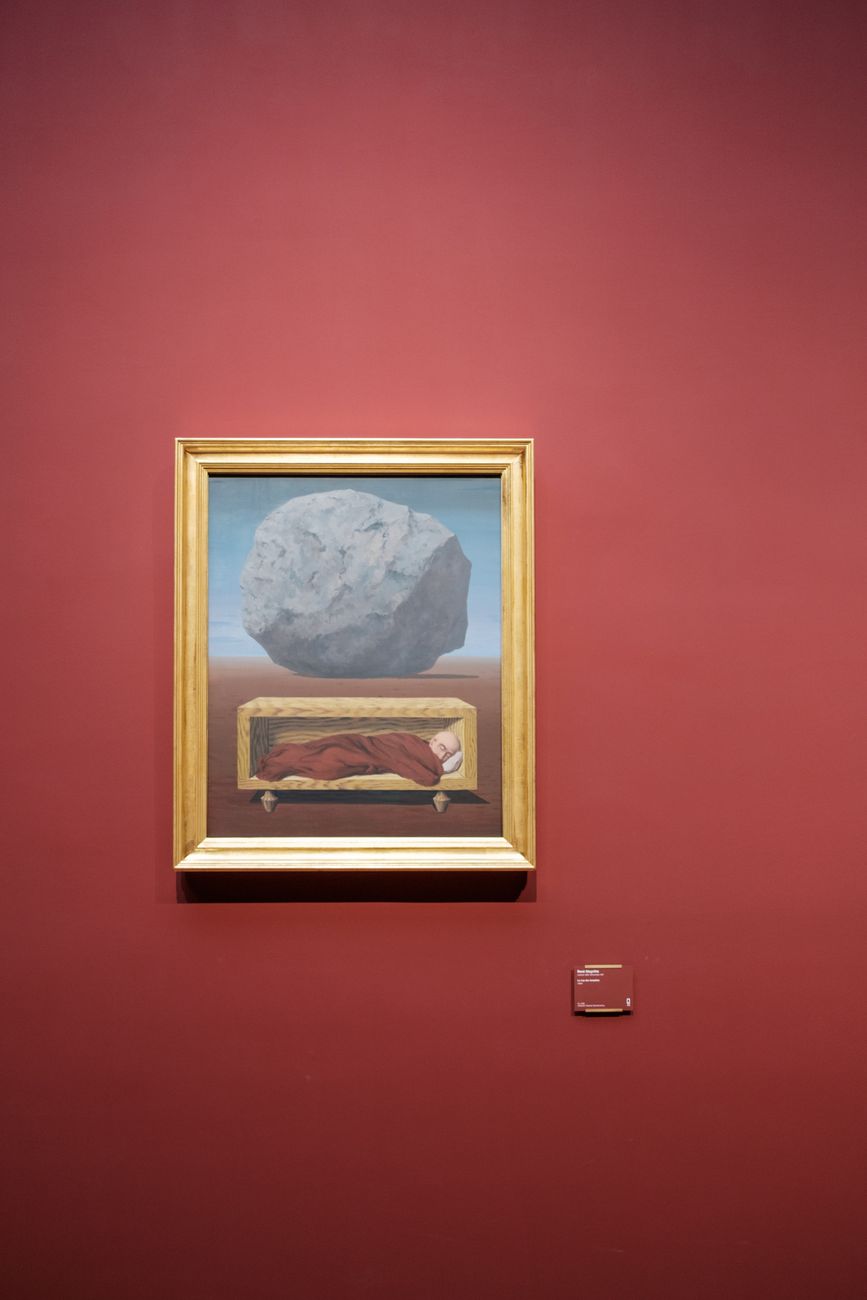
– Visit the Magritte Museum and Royal Museums of Fine Arts (book timed tickets).
– Spend an afternoon in Sablon and Marolles for chocolate, antiques and the Place du Jeu de Balle flea market.
– Sample a local gueuze at Cantillon Brewery and try Brussels’ sustainable eateries in Saint-Géry.
– Reserve a half-day for Atomium/Heysel or for a rail day trip to Brugge or Ghent.
These picks are easy to reorder inside the 3 days in Brussels plan depending on weather and opening hours.
Brussels is a compact, walkable capital that rewards slow exploration: grand civic architecture around the Grand Place, intimate antique shops in the Sablon, lively brunch streets in Ixelles, and working-class markets in the Marolles. This page lists practical, local-first things to do that pair well with the main 3-day guide and short train day trips to Leuven, Gent, Antwerpen, Namur, and Brugge. Expect variable weather — bring a light rain jacket — and plan to move between neighborhoods by tram, Metro or on foot to keep carbon footprint low.
What This Page Helps You Decide
Use this page to:
– Prioritize which neighborhoods to visit during each day of your 3-day stay.
– Choose sustainable options: local restaurants, public transport, and low-impact activities.
– Decide whether to book tickets (museums, Atomium, brewery tours) in advance.
– Pick one or two nearby day trips by SNCB train and schedule them to avoid weekend peaks.
If you want a step-by-step plan, see the main 3-day guide for timed sample days and logistics.
Top Recommendations
1) Grand Place and Galeries Royales Saint-Hubert — Start early for photos and quieter cafés. Allow 45–90 minutes.
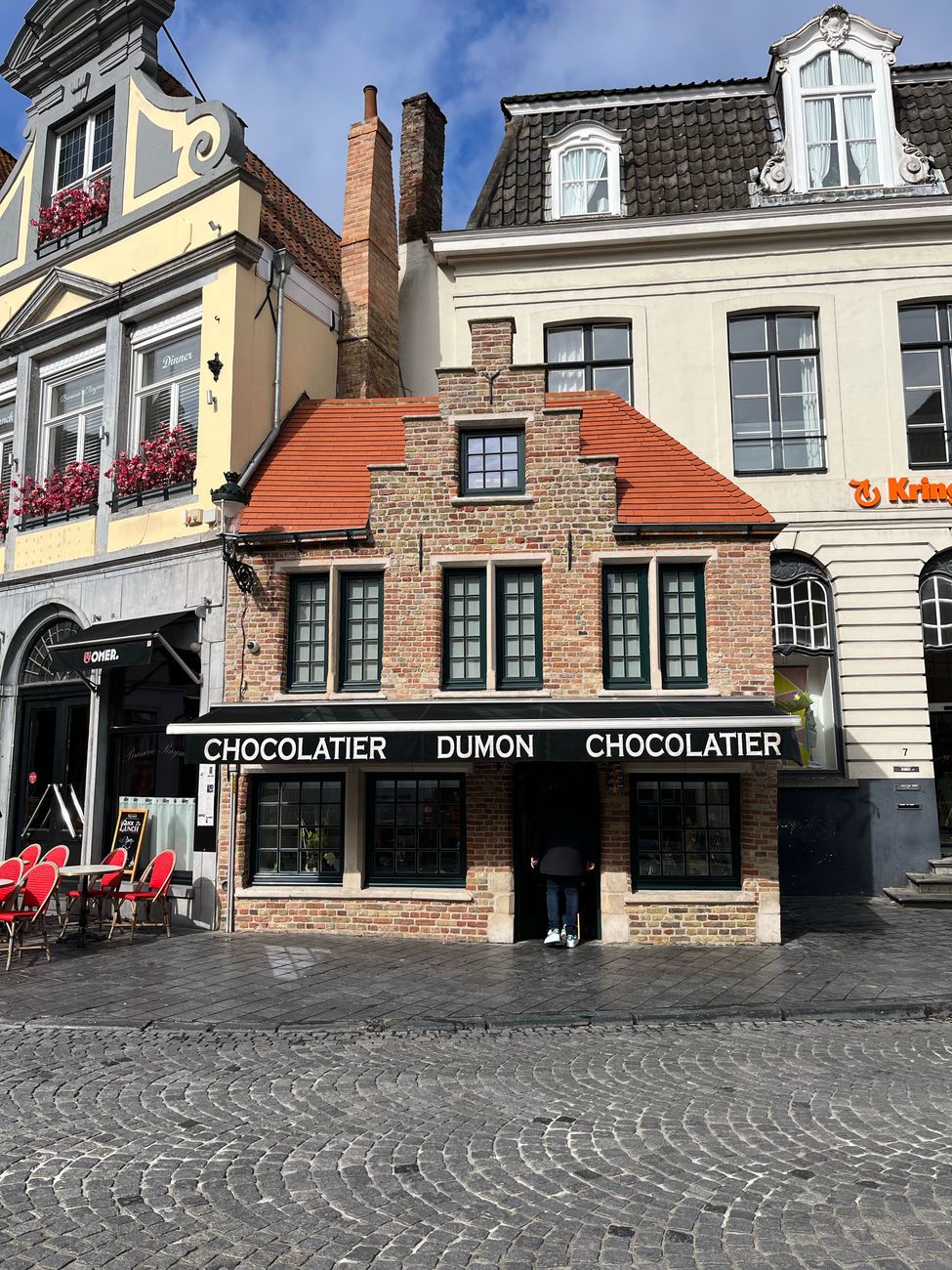
2) Sablon and the Antique Quarter — Browse independent chocolatiers and art galleries; visit the Church of Our Blessed Lady of the Sablon. Best for mid-morning.
3) Marolles & Place du Jeu de Balle — Flea market most mornings; great for vintage finds and supporting local vendors. Bring cash and inspect items.
4) Royal Museums & Magritte Museum — Reserve timed entry online to skip lines; plan 2–3 hours together.
5) Atomium & Laeken Park — Allow half a day; book Atomium time slots and combine with a walk in the Japanese gardens in spring.
6) Cantillon Brewery (Brasserie Cantillon) or local microbreweries — Book tours ahead; the Gueuze lambic tradition is region-specific and local-first.
7) Parc de Bruxelles and Bois de la Cambre — Ideal for a low-impact afternoon picnic sourced from a neighborhood market.
8) European Quarter — Visit the Parlamentarium and walk the park-lined Leopold district; open weekdays with variable opening times.
9) Comic Strip Center and street art trails — Short visits; combine with a coffee in Saint-Géry.
10) Food scene — Favor family-run brasseries, small chocolatiers in Sablon, and fish restaurants near Sainte-Catherine. Ask locals for seasonal specials.
Time tips: split major museums across different days to avoid fatigue and to keep the 3-day itinerary flexible.
Local Context
Neighborhood layout and seasons:
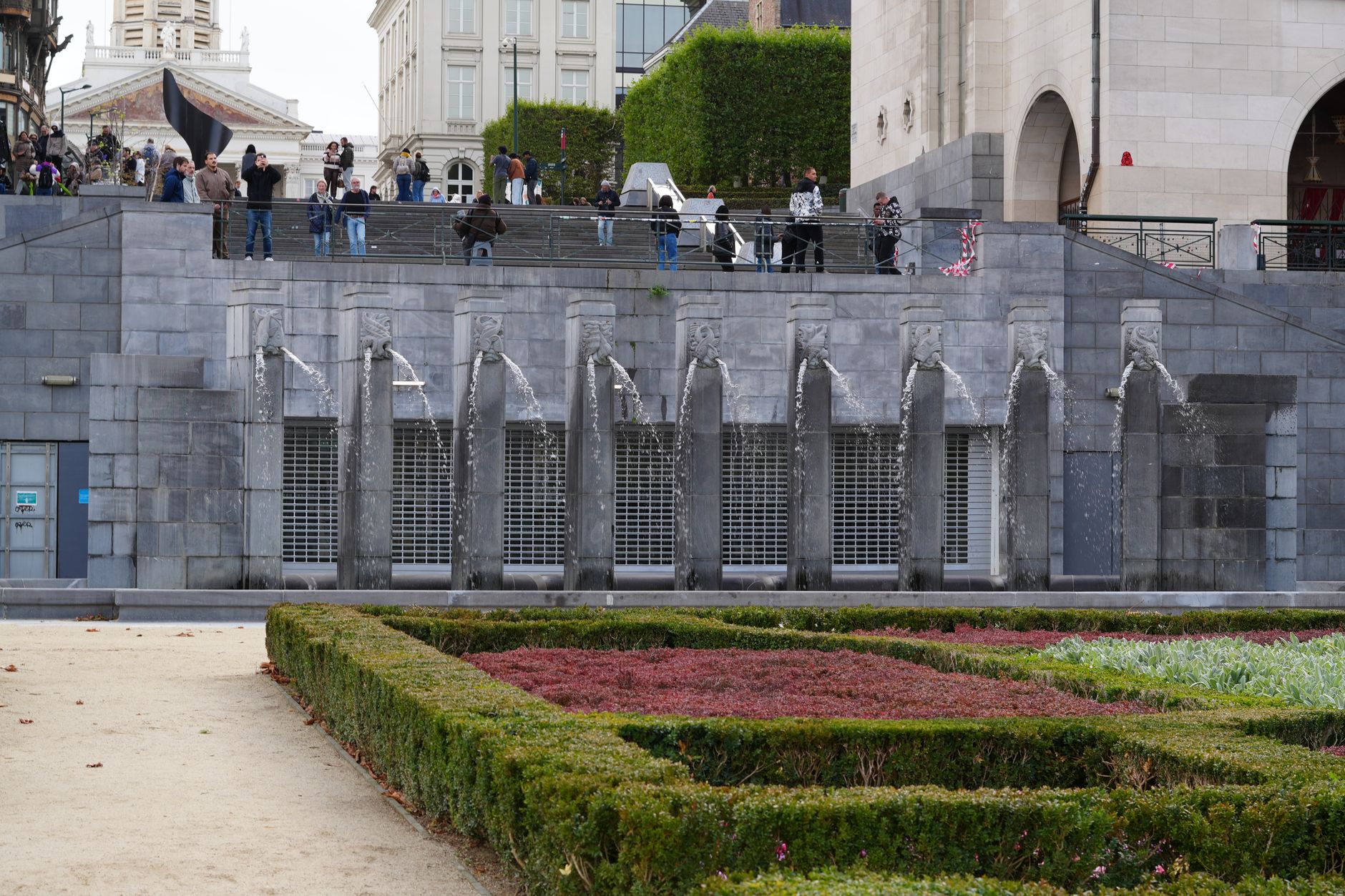
– Central Brussels: Grand Place, Mont des Arts, and the Galeries; walking distances are short but cobbles can be uneven.
– Sablon and Marolles: antiques, small shops, and daily markets — busiest weekends.
– Ixelles and Saint-Géry: lively café culture and restaurants, good for evenings.
– European Quarter: office-heavy; quieter on weekends but useful for museum visits during weekdays.
Seasonality:
– Peak tourists: July–August and special events like Flower Carpet (every two years) and Christmas markets in December.
– Shoulder seasons (April–June, September–October): milder weather, fewer crowds, lower accommodation rates.
Transport realities:
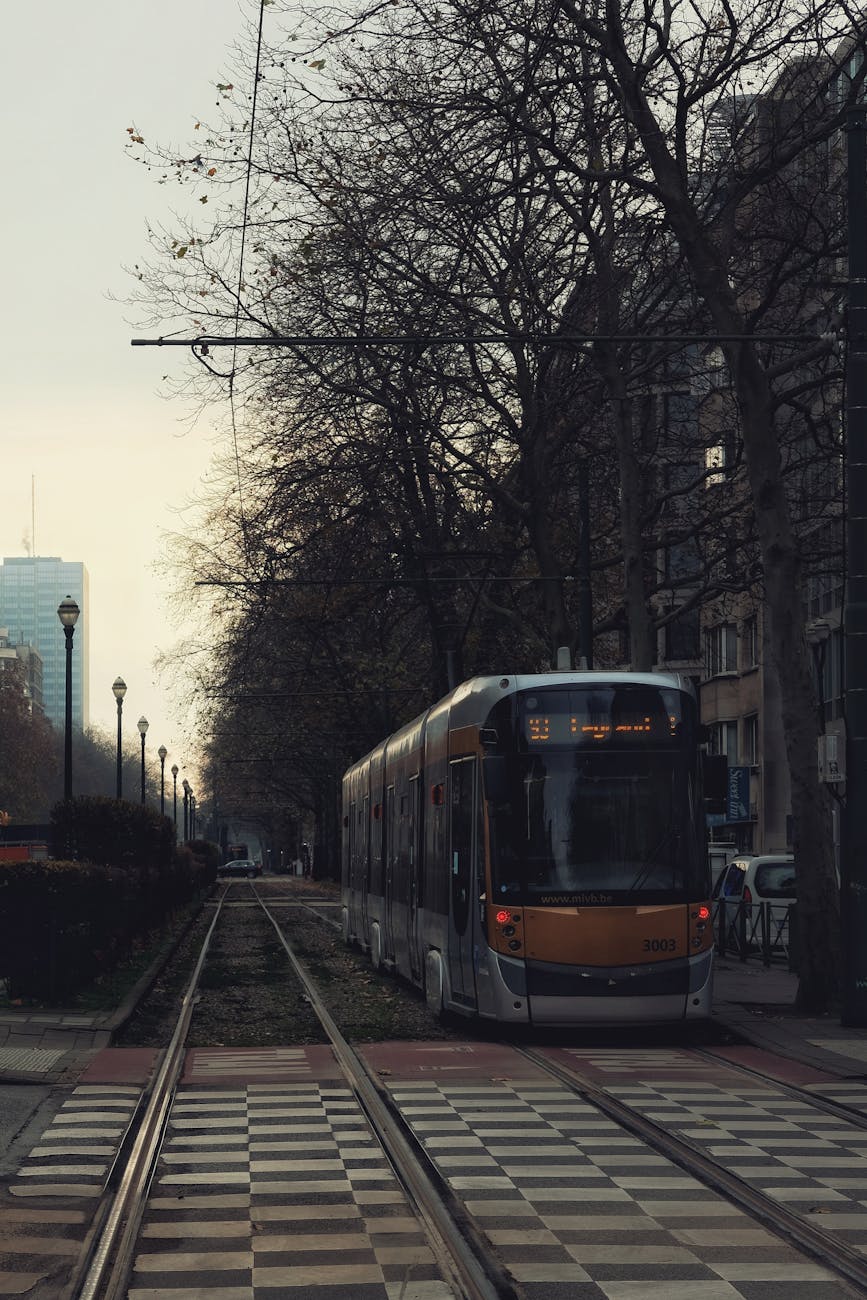
– STIB/CVVB runs Metro, trams and buses. Buy single tickets, day passes, or use contactless payment on board. Validating tickets matters; inspectors operate frequently.
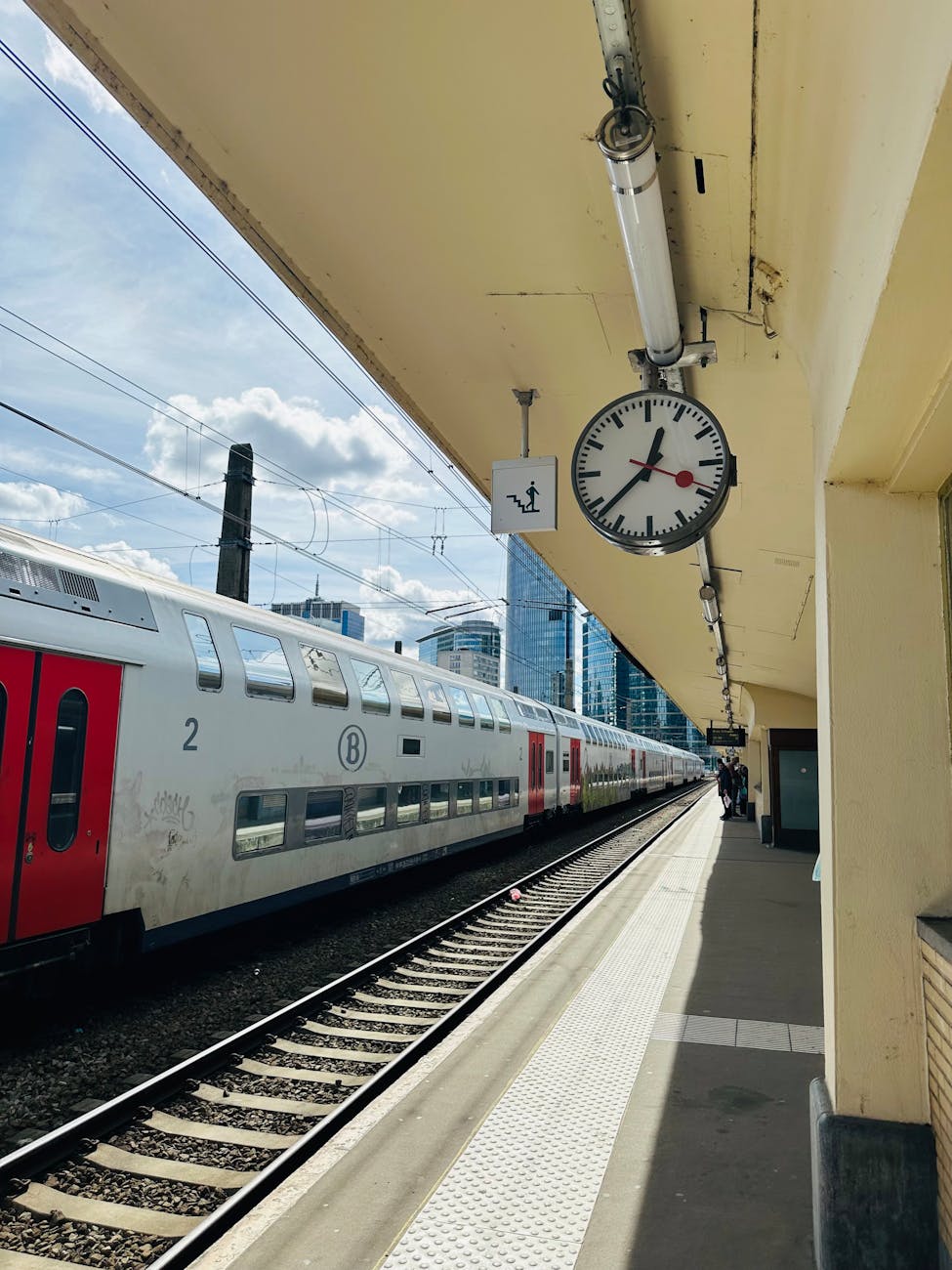
– SNCB trains connect Brussels-Midi to Leuven, Gent, Antwerpen, Namur, and Brugge. Trains are frequent; buy return tickets or use the u-style fare cards for savings.
– Villo! bikeshare and rental bikes are available but watch for cobbles and tram tracks.
Local etiquette:
– Greet shopkeepers with Bonjour/Goede dag. Politeness in French or Dutch is appreciated.
– Tipping is modest; rounding up or leaving 5–10% for table service is common but not required.
How to Choose Well
Prioritize by interest and energy levels:
– Culture-first: split Royal Museums and Magritte across two mornings; book timed entry.
– Food-first: schedule Sablon chocolate shops in the morning and a market picnic for an afternoon in Bois de la Cambre.
– Neighborhood exploration: pair Marolles with Sablon on the same day (short walk) to see contrasting local scenes.
Booking and timing tips:
– Book Atomium, brewery tours, and popular museum slots ahead, especially in summer and weekends.
– Plan one major attraction per morning and lighter walking or park time in the afternoon to avoid tiredness.
– For day trips, take an early SNCB train to Brugge or Gent to maximize time; late-afternoon returns avoid commuter crowds.
Accessibility and budgets:
– Many museums have elevators and accessible paths but check individual sites in advance.
– Use multi-day STIB passes or buy individual tickets depending on your number of rides; validate before travel.
Responsible and Local-First Tips
Support the local economy:
– Buy chocolate, beer, and crafts from independent producers rather than international chains.
– Eat at neighborhood brasseries and market stalls; ask where ingredients are sourced.
Lower-impact choices:
– Favor walking, tram, Metro or train over taxis. Use Villo! only when comfortable with city cycling.
– Carry a reusable bottle — many cafés will refill it — and skip disposable cutlery.
Cultural respect:
– Ask permission before photographing people, especially at markets or neighborhoods with residents going about daily life.
– Be mindful of noise in residential areas after 10 pm. Avoid large tour groups on narrow streets.
Booking and fairness:
– Reserve guided tours and brewery visits directly from the operator’s site or local partners to ensure fair pay to guides.
– If buying antiques or vintage items in Marolles, haggle respectfully and reward provenance information with a tip or a small purchase.
Common Mistakes to Avoid
- Overpacking the Grand Place: it’s stunning, but don’t plan all day there — pair it with nearby sights.
- Relying only on taxis: public transport and trains are faster, cheaper, and greener for day trips.
- Skipping neighborhoods: Sablon and Marolles show a different side of Brussels than the tourist core.
- Waiting to buy popular timed tickets on-site: Atomium and major museums can sell out; reserve online.
- Forgetting small practicals: validate STIB tickets, carry small change for markets, and check museum opening days (many close Mondays).
FAQ
Is Brussels safe for solo travelers?
Yes, central Brussels is generally safe during the day. Stay vigilant on public transport and in crowded tourist areas where pickpocketing occurs. Keep valuables secure and avoid poorly lit streets late at night.
How do I get from Brussels to Brugge, Ghent, Antwerp or Leuven?
Take SNCB trains from Brussels-Midi (Brussel-Zuid). Direct trains run frequently: Antwerp ~40 min, Leuven ~25 min, Ghent ~30–40 min, Brugge ~1h. Buy tickets at machines, stations, or via the SNCB app and validate if required.
Do I need to book museums in advance?
For Magritte Museum, Royal Museums and Atomium it’s recommended to book timed tickets, especially in high season. Smaller museums and markets can usually be visited without prior booking.
Where should I go for authentic Belgian food and beer?
Look for family-run brasseries in Saint-Géry and Ixelles, independent chocolatiers in Sablon, and small breweries like Cantillon. Ask hosts for local names and avoid restaurants that cater only to tour buses.
How much time should I allow for the city center?
For the highlights allow 2 full days in the center and a third for a day trip or a deeper neighborhood exploration — this fits the main 3-day guide structure.
Are English speakers common?
Many people in Brussels speak English, especially in service and cultural sectors. Using a greeting in French or Dutch is still appreciated.
Conclusion
Brussels rewards travelers who move slowly between neighborhoods, support independent businesses, and use public transit. Use this list to plug activities into the 3 days in Brussels itinerary and consider a train day trip to Leuven, Gent, Antwerpen, Namur or Brugge for variety. Book ticketed attractions in advance, favor shoulder-season travel to reduce crowds, and prioritize local-first dining and shopping for the most authentic, sustainable experience.
How this guide was prepared
This guide was prepared through a structured research that combines destination research, geographic context, itinerary planning logic, and content review.