

Brussels Travel Budget — Practical Costs & Low‑impact Choices
How much does a trip to Brussels cost? Practical daily budgets, neighborhood choices, transport realities, and sustainable tips to plan your stay alongside our 3 days in Brussels itinerary.
Realistic daily budgets, where to stay for value, transport and day‑trip costs, and local‑first advice to keep your Brussels trip affordable, responsible, and easy to scan—designed to support the 3 days in Brussels itinerary.
Quick Answer
Realistic daily budgets, where to stay for value, transport and day‑trip costs, and local‑first advice to keep your Brussels trip affordable, responsible, and easy to scan—designed to support the 3 days in Brussels itinerary.
Who This Page Is For
This page is for travelers planning a stay in Brussels who want clearer decisions about travel budget, local logistics, timing, budgeting, and practical trip planning.
How This Page Was Prepared
This page was prepared through a structured editorial workflow that combines destination research, geographic context, and practical travel-planning review.
Plan the Rest of Your Trip
Use this page together with the full itinerary and the related planning pages below to make better booking, timing, transport, and budget decisions.
Approximate daily budgets per person (shoulder season, one person):
– Budget: €55–90 — dorm or cheap private, cheap eats, pay‑as‑you‑go transit.
– Midrange: €120–200 — 2‑3‑star hotel or private apartment, midrange meals, a few paid sights.
– Comfortable/splurge: €250+ — better hotels, guided tours, taxis.
Expect lower prices in April–May and September–October, and higher prices around summer festivals, Christmas markets, and major EU events.
This page gives clear, practical budget guidance for a short Brussels trip and pairs naturally with our main 3 days in Brussels guide. It focuses on what you’ll actually spend (accommodation, food, local transit, entry fees), how to choose neighborhoods and transport so you get more local value, and low‑impact choices that keep money in the community. Use this as a quick planning reference before you book hotels, trains, or day trips to nearby cities such as Leuven, Antwerpen, Gent, Namur, and Brugge.
What This Page Helps You Decide
Use this page to:
– Estimate a realistic per‑day budget for your travel style.
– Choose neighborhoods that balance cost, safety, and local atmosphere.
– Decide whether to buy day passes or single tickets for STIB metro/tram/bus.
– Pick sustainable options: local markets, small guesthouses, and train day trips to Brugge or Gent instead of flights.
– Prepare for seasonal price changes and how they affect bookings.
If you need a timeline of what to see each day, see our 3 days in Brussels guide for a detailed itinerary that pairs with these budgets.

Top Recommendations
Neighborhood and stay choices:
– Best value neighborhoods: Saint-Josse and near Brussels-South (Midi/Zuid) for lower rates and direct train links to day trips.
– Best local atmosphere for midrange stays: Ixelles (Etangs d'Ixelles), Saint-Gilles, and Sablon for small hotels and B&Bs.
– For boutique or quieter luxury: Dansaert and the upper Sablon area.
Transport and passes:
– Use STIB trams/metro for short hops; single rides are inexpensive, and a 24‑hour STIB pass is often cheaper if you plan multiple trips.
– For day trips to Leuven, Gent, Antwerpen, Namur, or Brugge use SNCB intercity trains—tickets are point‑to‑point and rarely need long‑advance purchase.
Food and low‑cost options:
– Eat at markets (Marché du Midi on Sundays, Sablon street traders), local friteries, and stoemp or samosa stands in Saint-Gilles for authentic, inexpensive meals.
– Skip the Grand Place restaurants for lunch: they’re convenient but often pricier and aimed at tourists.
Sustainable choices:
– Stay in small guesthouses or family-run hotels, eat at market stalls and neighbourhood cafés, use the Villo! bike share for short trips, and walk central neighborhoods to reduce transport costs.

Local Context
Languages and etiquette:
– Brussels is largely French‑speaking but official bilingualism (French/Dutch) means basic greetings in either language are appreciated: Bonjour / Goede dag.
– Polite small talk and queueing are normal; tipping is modest — service is frequently included, but rounding up or leaving small change is common.
Transport realities:
– Metro, trams, and buses run well inside the city; validate paper tickets if required and prefer contactless or the STIB app.
– Brussels Airport (BRU) connects by rail to the city; Charleroi (CRL) is farther away with shuttle buses.
Seasonality:
– Peak: June–August and late November–December (Christmas markets). Shoulder seasons (April–May, Sept–Oct) have lower prices and pleasant weather for walking.
Neighborhood character:
– Marolles: flea markets, secondhand shops, more working‑class roots.
– Sablon: antiques and chocolatiers, quieter evenings.
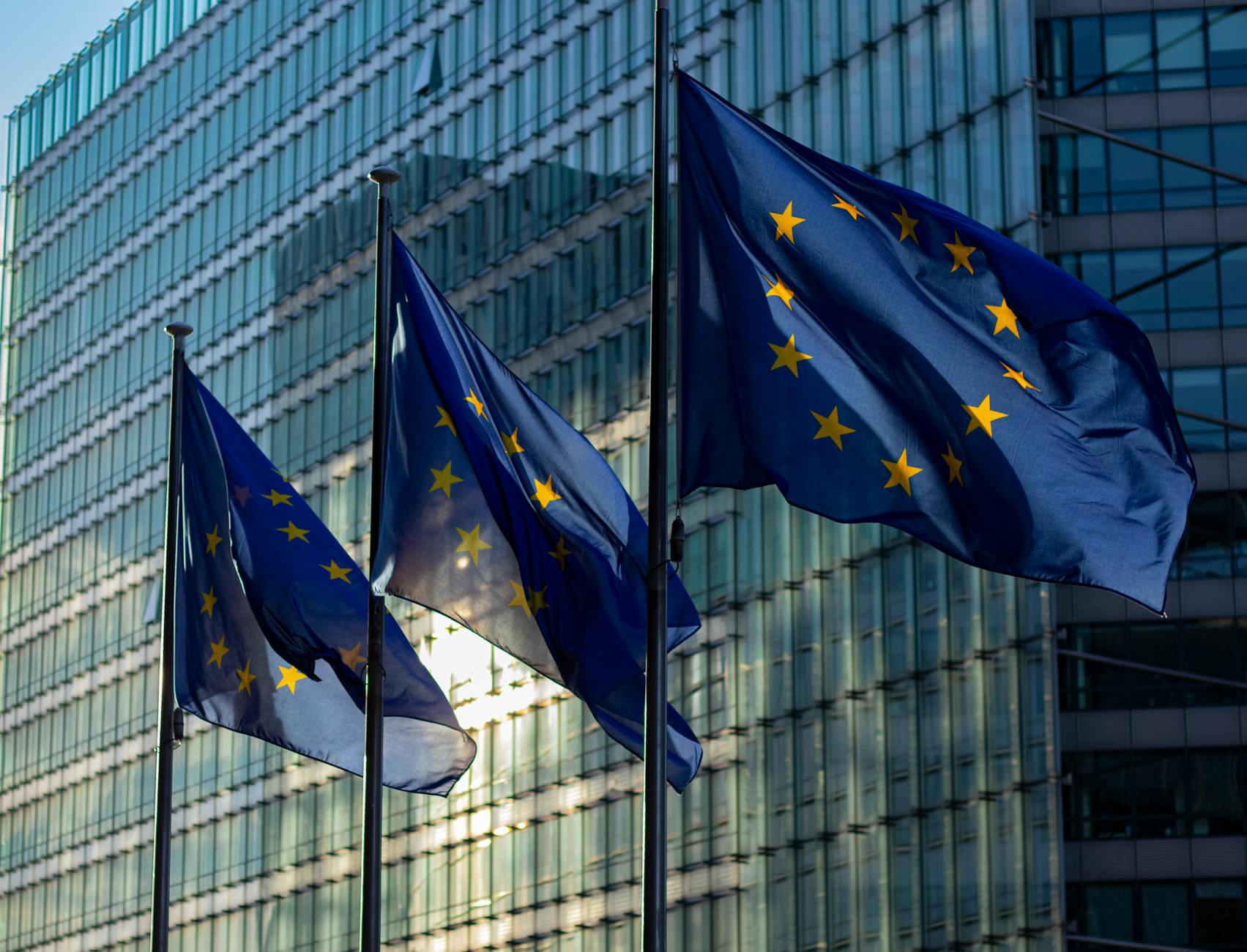
– Dansaert and EU Quarter: modern shopping and business crowds; near Schuman you’ll see EU staff and occasional protests or events that affect local transport.
How to Choose Well
Pick accommodation by tradeoffs:
– If you value walking and atmosphere, choose Ixelles, Saint-Gilles, or Sablon and accept slightly higher nightly rates.
– If you want the cheapest nights, look near Midi/Zuid or train suburbs (easy for day trips), but check reviews for noise and transit times.
Transport passes vs pay-as-you-go:
– If you plan 3+ STIB trips in a day, buy a 24‑hour pass; if you’ll only make one or two rides, single tickets (or contactless payments) are cheaper.
– For day trips, buy SNCB point‑to‑point tickets the same day or in advance if you want a specific train time—no need for complex reservations on domestic intercity routes.
Booking advice:
– Book summer and holiday dates well in advance. For shoulder seasons, flexible cancellation and free cancellation policies are helpful in case of itinerary changes.
– For sustainable stays, filter for small B&Bs, guesthouses, and locally owned hotels on booking sites and prioritize properties with clear recycling and energy policies.

Responsible and Local-First Tips
Practical ways to keep tourism local and low impact:
– Eat where locals go: lunchtime brasseries in the Ilot Sacré, bakeries in Saint-Gilles, and weekday markets for economy and authenticity.
– Buy souvenirs from local artisans in Sablon or Marolles rather than mass‑market stalls on the Grand Place.
– Use public transport, Villo! bikes, or walk; reserve taxis only for late nights or heavy luggage.
– Choose experiences that employ locals: small walking tours, independent chocolatiers, and community‑run workshops.
– Time visits off-peak to reduce pressure on attractions and enjoy lower prices—shoulder season crowds are smaller and many restaurants offer better value menus.

Common Mistakes to Avoid
- Booking the cheapest hotel without checking transit times to major sights or Midi station for day trips.
- Assuming every café accepts only cards or only cash; carry a small amount of euros and prefer contactless where possible.
- Eating on the Grand Place by default — menus there are tourist‑priced.
- Buying an expensive Brussels tourist pass if you only plan to walk and visit a couple of paid museums; many central sights are free or cheap with targeted tickets.
- Overlooking weekday lunchtime menus (formules) that offer local food at a fraction of evening prices.
- Not checking event calendars: EU summits, concerts, and football matches can spike prices and limit hotel availability.
FAQ
How much should I budget for one day in Brussels?
On a budget, plan roughly €55–90 (hostel dorm or budget private, street food, public transport). Midrange travelers should allow €120–200. These are approximate and vary by season and whether you take paid guided tours.
What's the cheapest way to get from Brussels Airport to the city center?
The train from Brussels Airport to central stations is typically the fastest and most economical public option; check SNCB schedules and ticket prices before travel. Charleroi airport requires a shuttle bus to the city and is usually cheaper to fly into but takes longer to reach central Brussels.
Should I buy a Brussels Card or transport pass?
Only buy a Brussels Card if you plan to visit many museums in a short time; otherwise a 24‑hour STIB pass or pay‑as‑you‑go contactless fares are often better value. For intercity day trips, buy SNCB point‑to‑point tickets.
Are cards accepted everywhere?
Most shops, restaurants, and transport kiosks accept contactless cards and mobile payments, but small market stalls or tiny cafés may prefer cash.
Are Brussels neighborhoods safe for budget travelers?
Yes, central neighborhoods are generally safe. Take normal precautions in busy tourist areas and on public transport at night. Marolles and Midi have lively markets but use usual vigilance for pickpockets.
Can I do day trips to Brugge or Gent on a budget?
Yes—SNCB intercity trains run frequently to Brugge, Gent, Antwerpen, Leuven, and Namur. Tickets are sold point‑to‑point and are usually affordable; booking far in advance isn't necessary for these short domestic routes.
Any tipping etiquette?
Service is often included on bills; rounding up or leaving small change is appreciated for good service.
Conclusion
Brussels can be an excellent budget city break with thoughtful choices: stay in neighbourhoods that match your priorities, prefer public transport and walking, and pick local eateries and markets. Use this guide alongside our 3 days in Brussels itinerary to balance time and money, and consider day trips to Leuven, Antwerpen, Gent, Namur, or Brugge by train for extra variety without extra cost. Book key nights for summer and holiday periods, choose sustainable accommodations when possible, and you’ll get a richer, lower‑impact visit.
How this guide was prepared
This guide was prepared through a structured research that combines destination research, geographic context, itinerary planning logic, and content review.