

Ha Noi Travel Budget — Practical Costs, Seasonal Tips, and Local-First Advice
Realistic daily budgets, seasonal notes, transport costs, and sustainable tips for planning 3 days in Ha Noi. Practical advice for low-impact travelers who want authentic experiences and easy links to nearby cities like Hue and Hoi An.
Concrete per-day budgets, booking and transport realities, neighborhood guidance, and sustainable recommendations to support your 3-day Ha Noi itinerary.
Quick Answer
Concrete per-day budgets, booking and transport realities, neighborhood guidance, and sustainable recommendations to support your 3-day Ha Noi itinerary.
Who This Page Is For
This page is for travelers planning a stay in Ha Noi who want clearer decisions about travel budget, local logistics, timing, budgeting, and practical trip planning.
How This Page Was Prepared
This page was prepared through a structured editorial workflow that combines destination research, geographic context, and practical travel-planning review.
Plan the Rest of Your Trip
Use this page together with the full itinerary and the related planning pages below to make better booking, timing, transport, and budget decisions.
Typical daily budgets (approximate, VND / USD, 1 USD ≈ 24,000 VND):
- Shoestring: 300,000–500,000 VND (~12–21 USD). Dorm bed or budget guesthouse, street food, city buses and walking.
- Mid-range: 900,000–1,800,000 VND (~40–75 USD). Private midrange hotel, restaurant meals, occasional Grab or taxi, entry fees.
- Comfortable: 2,500,000–4,500,000 VND (~100–190 USD). Boutique hotel, guided day trips, taxis and domestic flights.
For a 3-day stay aligned with the 3 days in Ha Noi itinerary, plan on mid-range totals of ~3,000,000–5,400,000 VND (125–225 USD) including two paid attractions and one half-day tour.
This page gives straightforward, scan-friendly budget guidance for Ha Noi focused on supporting a short itinerary like our main 3 days in Ha Noi guide. You’ll find per-day cost ranges, realistic transport and booking advice, neighborhood trade-offs, and tips to spend locally and sustainably. The numbers are practical estimates — use them to plan lodging, day trips to Hue, Hoi An (via Da Nang), Nha Trang or flights to Ho Chi Minh City, and to choose low-impact options where possible.
What This Page Helps You Decide
Use this page to quickly choose:
- How much to budget per day and for the full 3-day itinerary.
- Which neighborhood to book in: Old Quarter for convenience, Tay Ho for quiet lakeside stays, Ba Dinh for official sights.
- Transport style: public bus and walking, Grab motorbike for short hops, or taxis for comfort and luggage.
- When to book trains, flights, or seats for day trips to Hue, Hoi An/Da Nang, or Nha Trang.
It complements the 3 days in Ha Noi itinerary by converting plans into realistic costs and low-impact choices.

Top Recommendations
Practical choices to save money and support local businesses:
- Sleep: Book a guesthouse or small hotel in the Old Quarter for walkability; consider a homestay or boutique guesthouse in Tay Ho to support local hosts and avoid crowds.
- Eat: Choose busy street stalls, family-run pho shops, and neighborhood markets like Dong Xuan — busy stalls are safer and keep money local.
- Move: Walk or take buses for short trips; use GrabBike for fast solo hops. Use official taxis (Mai Linh, Vinasun) for luggage and late-night rides.
- Bookings: Reserve trains and flights early for travel to Hue or Nha Trang; use reputable platforms (Baolau, 12Go, airline sites). Expect price spikes at Tet and national holidays.
If you plan intercity travel after your stay, see our notes and suggestions for trains to Hue and flights to Nha Trang and Ho Chi Minh City in the nearby-destinations section of the 3 days in Ha Noi guide.

Local Context
Neighborhoods and seasonal realities:
- Old Quarter and Hoan Kiem: Best for first-time visitors and for a 3-day plan; lively, narrow streets, easy walking to major sights.
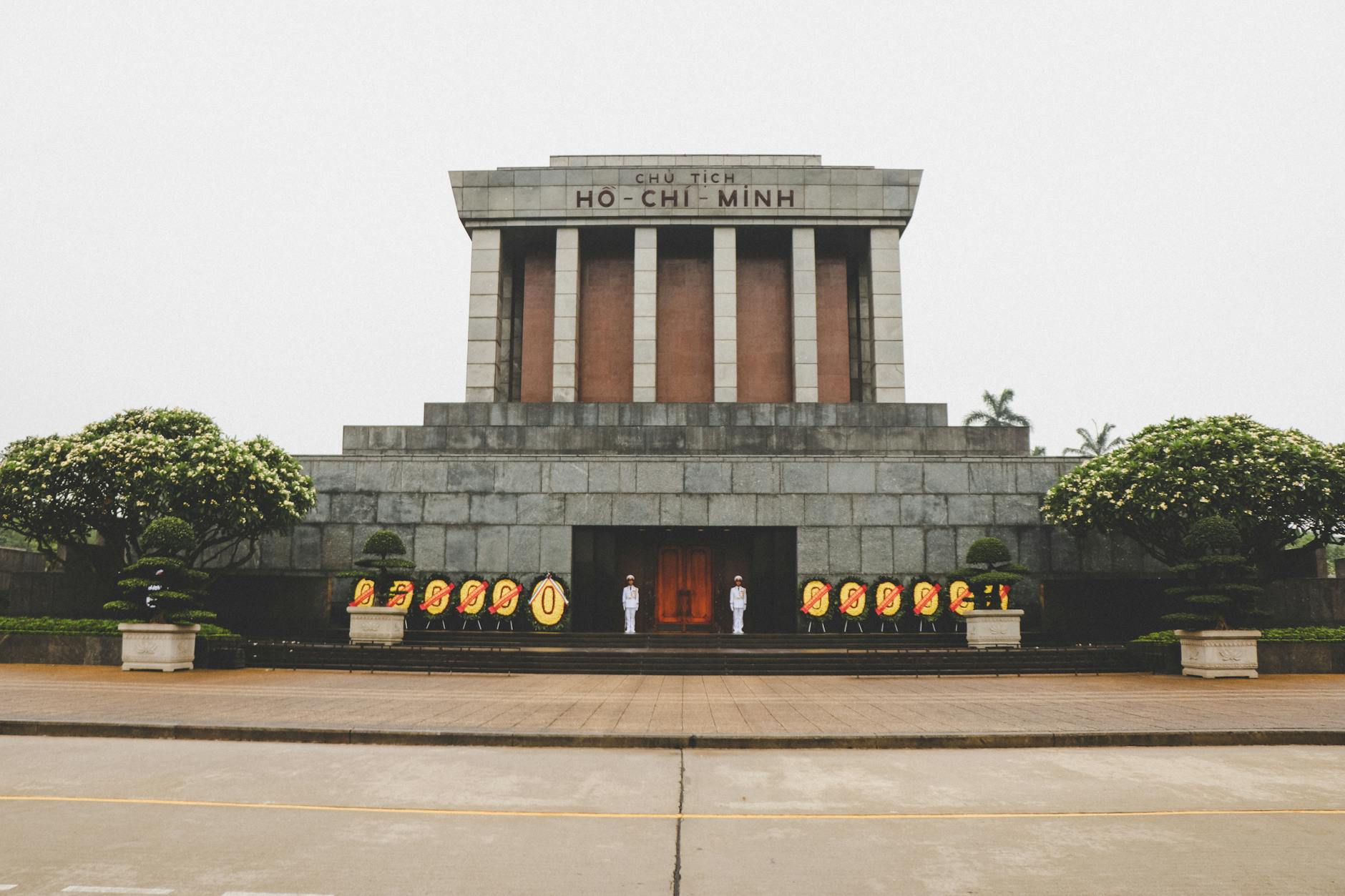
- Ba Dinh: Government district, mausoleum, quieter at night; convenient for museums and official sites.
- Tay Ho (West Lake): Popular with expats and families; calmer, good for bicycle rides and lakeside cafes.
- Dong Da: Local markets and affordable eats; more residential, good for longer stays.
Seasonal overview:
- Shoulder seasons (Mar–Apr, Sep–Nov): Best balance of weather and value — pleasant temps and fewer heavy rains.
- Hot/rainy season (May–Sep): High humidity, afternoon storms; budget travelers can find deals but allow extra time for flooding and delays.
- Cool/dry (Nov–Feb): Cooler mornings and occasional gray days; higher demand around Tet (Lunar New Year) — book early.
Transport realities:
- Noi Bai Airport is 30–60 minutes from the Old Quarter depending on traffic; allow 60–90 minutes during peak hours.
- Hanoi traffic is dense; cross streets carefully and allow extra travel time for taxis and buses.
- Train travel north–south (Reunification Express) is a practical option to Hue — sleepers need early booking.
How to Choose Well
Match budget, neighborhood, and style:
- If you need maximum sightseeing efficiency: stay in the Old Quarter or Hoan Kiem for short walks to most 3-day highlights.
- If you prefer calm and local life: choose Tay Ho or Ba Dinh and use morning/evening transfers to the Old Quarter.
- For day trips: book train sleepers to Hue in advance; domestic flights are quick to Nha Trang and Ho Chi Minh City but check baggage fees.
Booking tips:
- Reserve accommodation and intercity trains/flights at least 2–6 weeks in advance; for Tet or public holidays, book months ahead.
- Use local booking platforms or direct contacts for homestays to ensure hosts receive fair payment.
- For popular small tours (street-food walks, craft workshops), book a day or two early — they often have small groups and support local guides.

Responsible and Local-First Tips
Spend intentionally and reduce impact:
- Prefer locally run businesses: family restaurants, neighborhood tailors, community-run tours, and homestays.
- Choose low-impact transport for short trips: walking, cycling around West Lake, and public buses when practical.
- Food safety and local economy: eat where locals queue; avoid single-use plastics by carrying a reusable bottle and asking for no straw.
- Cultural respect: remove shoes where requested, dress modestly at temples and the Ho Chi Minh Mausoleum, and ask permission before photographing people.
- Avoid wildlife and illegal souvenirs: don’t buy products made from endangered species or items with unclear provenance.
Small choices add up: tipping a local guide, buying produce at wet markets, and choosing responsible tour operators keeps revenue in the community.

Common Mistakes to Avoid
Frequently seen errors and how to avoid them:
- Underestimating travel time: Hanoi traffic is slow at peak hours; plan extra transit time to the airport and for intercity departures.
- Relying only on cards: many markets and street vendors are cash-only; carry small VND notes and change.
- Booking last-minute for Tet: national holidays push prices up and limit availability; book well in advance.
- Ignoring local rules: some attractions close on certain days (check museum and mausoleum hours) and Train Street access can be restricted for safety.
- Over-scheduling: a 3-day plan works best with one relaxed morning and one optional half-day trip rather than back-to-back full days.
FAQ
How much cash should I bring for 3 days in Ha Noi?
For a comfortable 3-day stay, bring ~1,000,000–3,000,000 VND in cash (40–125 USD) and keep a card for larger payments. Street food and markets are cash-focused.
Is Ha Noi cheap to visit?
Yes — you can travel cheaply with street food, buses, and dorms, but prices rise for private rooms, guided tours, and travel during peak holidays.
How to get from Ha Noi to Hue or Hoi An?
Trains: book the Reunification Express sleeper to Hue (book early). Hoi An requires train/flight to Da Nang plus a short shuttle or bus to Hoi An. Buses and reputable operators (Futa) also run overnight services.
When is the cheapest time to visit?
Shoulder seasons (Mar–Apr, Sep–Nov) balance price and weather. Rainy summer months can have lower prices but more delays; Tet is the most expensive.
Are Grab and motorbike taxis safe?
Grab (app-based) and licensed xe ôm are widely used. Always check driver details in-app and wear a helmet on motorbikes. For luggage, choose cars or official taxis.
Conclusion
Plan your Ha Noi budget around neighborhood priorities and the type of experience you want. Use the mid-range estimates if you follow the 3 days in Ha Noi itinerary; choose homestays and local guides to maximize local benefits. Book trains and flights early for intercity travel to Hue, Hoi An/Da Nang, Nha Trang, or Ho Chi Minh City, and favor low-impact transport and businesses when possible for a more responsible trip.
How this guide was prepared
This guide was prepared through a structured research that combines destination research, geographic context, itinerary planning logic, and content review.