

Best Things to Do in Khett Siem Reab (Siem Reap): Temples, Markets, and Responsible Experiences
A practical, local-first guide to the best things to do in Khett Siem Reab (Siem Reap). Temple routes, markets, Tonlé Sap, neighborhoods, transport tips and sustainable recommendations to pair with our 3 days in Khett Siem Reab itinerary.
Concise, scan-friendly recommendations for exploring Khett Siem Reab: how to structure temple days, where to eat and shop locally, seasonal notes for Tonlé Sap and countryside trips, and responsible choices that support local communities.
Quick Answer
Concise, scan-friendly recommendations for exploring Khett Siem Reab: how to structure temple days, where to eat and shop locally, seasonal notes for Tonlé Sap and countryside trips, and responsible choices that support local communities.
Who This Page Is For
This page is for travelers planning a stay in Khett Siem Reab who want clearer decisions about things to do, local logistics, timing, budgeting, and practical trip planning.
How This Page Was Prepared
This page was prepared through a structured editorial workflow that combines destination research, geographic context, and practical travel-planning review.
Plan the Rest of Your Trip
Use this page together with the full itinerary and the related planning pages below to make better booking, timing, transport, and budget decisions.
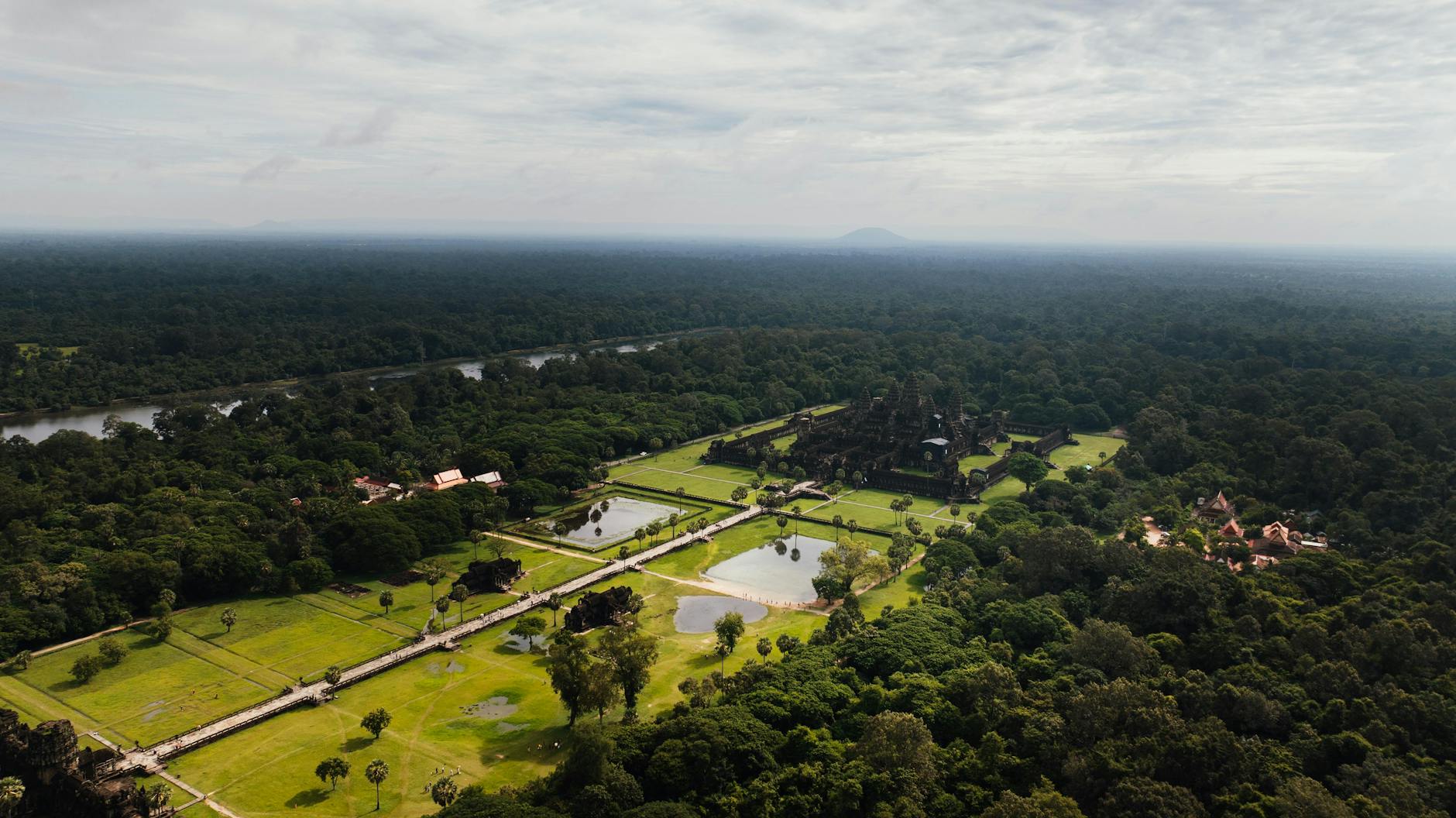
Top must-dos: sunrise at Angkor Wat, the Bayon faces inside Angkor Thom, Ta Prohm’s tree-rooted galleries, an afternoon market walk in the Old Market and the French Quarter, and a community-led boat trip on Tonlé Sap. If you have extra time, add Banteay Srei and Kulen Mountain. Use tuk-tuks or a hired driver for temple days; rent a bicycle for short local loops around villages and rice paddies.
Khett Siem Reab—commonly called Siem Reap—is the launch point for the Angkor Archaeological Park and a compact, visitor-ready town with markets, museums and a growing community tourism scene. This page is a practical companion to the main 3 days in Khett Siem Reab itinerary: it focuses on how to choose temple circuits, neighborhood highlights, low-impact excursions to Tonlé Sap and the countryside, transport realities, and how to spend money locally and responsibly.
What This Page Helps You Decide
Use this page to choose: which temple circuit fits your energy level and time; whether to visit Tonlé Sap or skip a second temple day; where to base yourself in town; and which experiences benefit local communities.
It links naturally to the 3 days in Khett Siem Reab itinerary for timing and hotel suggestions, and points to nearby destinations (Phnom Penh, Preah Seihanouk, Si Racha, Phatthaya, Bangkok) for onward travel planning.
Top Recommendations
Prioritize by time and impact:
- Short visit (1 day): Sunrise at Angkor Wat, quick loop through Angkor Thom (Bayon), and a late afternoon market walk around Phsar Chas and Pub Street.
- Typical visit (2–3 days): Divide temple visits into small circuits—Grand Circuit for broad temples, Small Circuit for Angkor Wat/Angkor Thom, and a half-day to Banteay Srei or Kulen Mountain. Add Tonlé Sap with a community-run village visit rather than a mass tour.
- Active day: Rent a mountain bike for the scooter-free roads around Roluos or the Siem Reap countryside; combine with local lunch in a village guesthouse.
Easy local picks:
– Angkor National Museum for context before temple walks.
– Wat Bo neighborhood for street-food breakfasts and old-school temples.
– Evening: low-key riverside bars on the Siem Reap River rather than busy Pub Street for a quieter, local income-friendly option.

Local Context
Neighborhoods and seasons:
- Old Market / Pub Street (French Quarter): lively after dark; great for crafts, but haggle politely and favor established cooperatives.
- Wat Bo & Slor Kram: residential streets with good cafés, local bakeries, and affordable guesthouses.
- Svay Dangkum: quieter area with community-run restaurants and easy bike access to countryside.
Seasonal realities:
– High season (Nov–Feb): cooler, drier, busiest—book Angkor Park transport and hotels early.
– Shoulder months (Oct–Nov, Feb–Mar): pleasant weather, fewer crowds, good for sunset spots and Tonlé Sap access.
– Wet season (May–Oct): dramatic green landscapes and flooded villages—some rural roads and floating-village tours are best after rains; bring waterproof shoes and expect occasional delays.
Transport realities:
– Tuk-tuks are the dominant short-distance option; agree a price or use hotel-arranged metered apps where available.
– Hired car + English-speaking guide is best for full-day temple circuits, especially if you want deeper historical context.
– Cycling is popular on flat, quiet mornings but avoid busy roads midday and carry water and sunscreen.

How to Choose Well
Match activities to pace, interest and season:
- First-time visitors: do Angkor Wat at sunrise, the Small Circuit (Angkor Wat, Bayon, Ta Prohm), and one late-afternoon market neighborhood. Buy your Angkor park pass and schedule an early pick-up from your hotel or plan to visit the official ticket center before sunrise.
- Repeat visitors or slow travelers: pick Banteay Srei, Kulen Mountain and a community-run Tonlé Sap tour; explore village homestays.
- Families: shorter temple visits with breaks at shaded cafés; consider a boat ride on Tonlé Sap when water levels are high for safer access.
Booking tips:
– Book temple-day drivers or licensed guides the day before for morning starts.
– Reserve special experiences (cooking classes, village homestays) through community tourism organizations to keep income local.
– Use trusted platforms or your hotel for pick-up arrangements to avoid no-show tuk-tuks.

Responsible and Local-First Tips
Support local economies and reduce impact:
- Hire local, licensed guides and drivers; ask how earnings return to the community.
- Buy crafts from cooperatives and social enterprises rather than street stalls with unclear provenance.
- Choose homestays or locally owned guesthouses and eat at family-run restaurants—these spend more locally than large chains.
- On Tonlé Sap, prefer community-led tours that protect nesting areas and avoid boat operators who encourage feeding wildlife.
- Respect temple etiquette: shoulders and knees covered; remove hats in inner sanctuary areas; don’t climb on bas-reliefs.
- Reduce plastic waste: carry a refillable water bottle and decline disposable cutlery and straws where possible.

Common Mistakes to Avoid
Practical missteps visitors make and how to avoid them:
- Overpacking one day with too many temples: temple fatigue is real—limit to 2–3 major sites per morning and rest in between.
- Ignoring heat and hydration: start early, bring sun protection, and plan shaded breaks.
- Booking Tonlé Sap when water is low: check seasonal water levels—during late dry months boat access to some villages can be restricted, and the experience changes significantly.
- Underestimating transit times: tuk-tuk rides to outer temples or Kulen Mountain take longer than maps suggest; pad your schedule.
- Buying cheap trinkets without provenance: seek locally made items and ask if proceeds support artisans or community projects.
FAQ
Do I need an Angkor Park pass and where do I get one?
Yes. An Angkor Archaeological Park pass is required for entry. Passes are issued at the official ticket center near the park; many hotels can help arrange or collect passes if you ask in advance.
Is Tonlé Sap worth visiting?
Yes, if you choose a responsible, community-led operator. The lake offers seasonal ecology and village life—visit in the shoulder or high water months for best access. Avoid operators that stage wildlife interactions.
Can I cycle between temples?
You can cycle short distances around the central circuits and nearby villages, especially early morning. For the larger circuits and outer temples, consider a driver—roads can be busy and hot.
When is the best time to visit to avoid crowds?
Shoulder months (Oct–Nov, Feb–Mar) and early mornings on weekdays reduce crowds. High season (Nov–Feb) is busiest but cooler. Rainy season offers fewer tourists and dramatic green landscapes but expect muddy tracks.
How much should I tip guides and drivers?
Tipping is appreciated but not mandatory. For a full-day guide, consider the local going rate (roughly a modest percentage of the tour cost) and round up tuk-tuk fares; tips shared with drivers and guides are customary when service is good.
Conclusion
Khett Siem Reab pairs world-class archaeology with a compact town that rewards slow, responsible travel. Use this page to refine which temple days make sense for your energy and season, prioritize community-minded operators, and pair your visit with local neighborhoods and markets. For a day-by-day plan that ties these recommendations together, see our 3 days in Khett Siem Reab guide; for onward travel, check options to Phnom Penh, Preah Seihanouk, or connections into Thailand (Si Racha, Phatthaya, Bangkok).
How this guide was prepared
This guide was prepared through a structured research that combines destination research, geographic context, itinerary planning logic, and content review.