
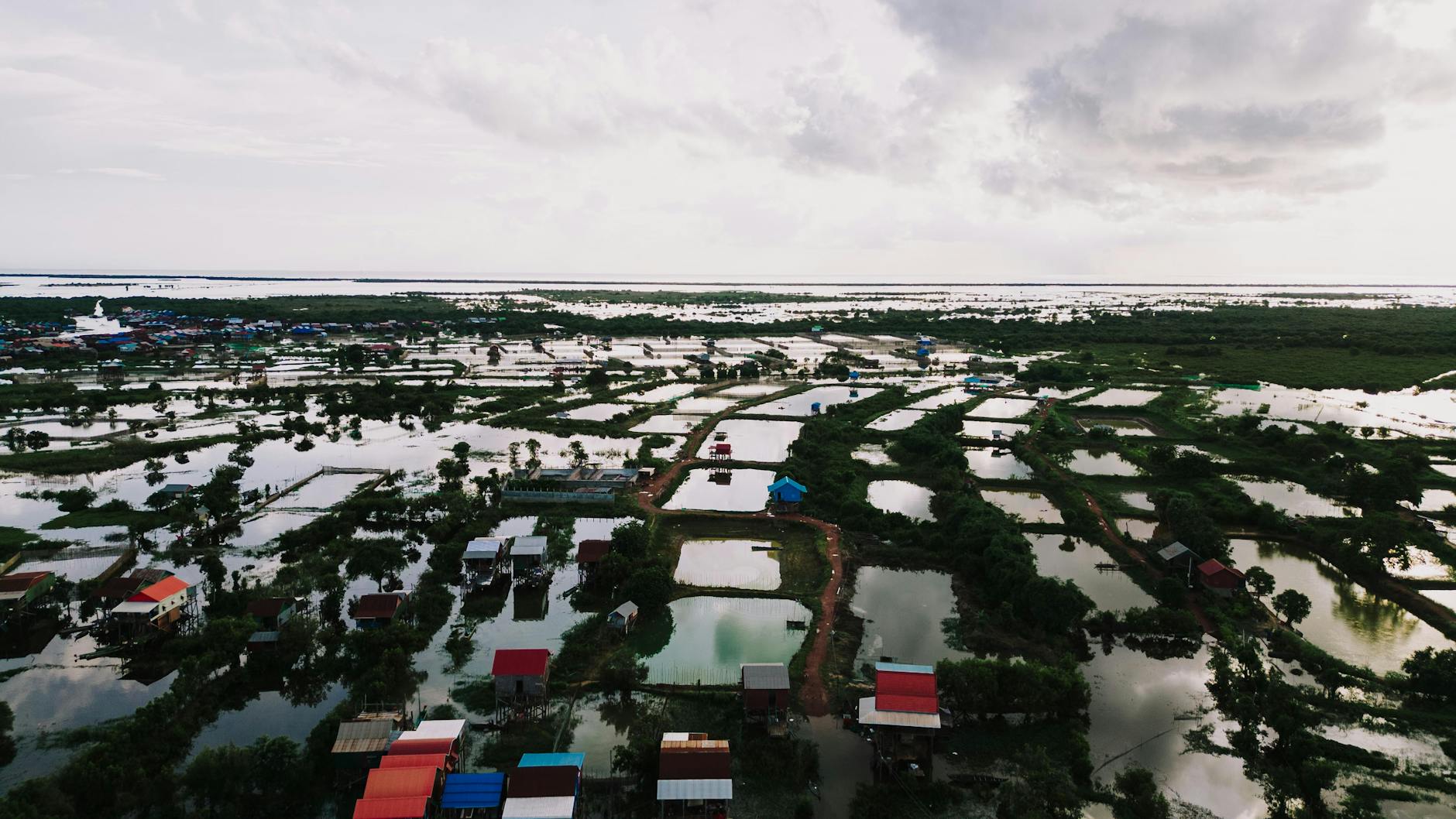
Khett Siem Reab — Practical Travel Budget
A practical, local-first budget guide for Khett Siem Reab (Siem Reap) with realistic daily costs, seasonal tips, transport realities, and sustainable choices. Works as a support page for the 3 days in Khett Siem Reab itinerary.
Clear daily budgets, real transport costs, sustainable tips, and booking advice to help you plan a low-impact, affordable stay in Khett Siem Reab. Ideal as a companion to the 3 days in Khett Siem Reab itinerary.
Quick Answer
Clear daily budgets, real transport costs, sustainable tips, and booking advice to help you plan a low-impact, affordable stay in Khett Siem Reab. Ideal as a companion to the 3 days in Khett Siem Reab itinerary.
Who This Page Is For
This page is for travelers planning a stay in Khett Siem Reab who want clearer decisions about travel budget, local logistics, timing, budgeting, and practical trip planning.
How This Page Was Prepared
This page was prepared through a structured editorial workflow that combines destination research, geographic context, and practical travel-planning review.
Plan the Rest of Your Trip
Use this page together with the full itinerary and the related planning pages below to make better booking, timing, transport, and budget decisions.
Typical daily budgets (USD):
– Shoestring/backpacker: $20–35 per person per day
– Comfortable midrange: $50–100 per person per day
– Small splurge: $120+ per person per day
Major single costs to plan for: Angkor Archaeological Park pass (see below), a tuk‑tuk for temple days, and peak-season accommodation. For pacing and sample daily spending, see the companion 3 days in Khett Siem Reab itinerary.
This page gives clear, actionable cost guidance for Khett Siem Reab (commonly called Siem Reap) so you can support local businesses, minimize environmental impact, and avoid last-minute surprises. Use these figures alongside the 3 days in Khett Siem Reab itinerary to allocate your time and money sensibly and to pick local suppliers, guides, and homestays.
What This Page Helps You Decide
This page helps you:
– Choose a realistic daily budget for your travel style.
– Decide whether to buy a 1-, 3- or 7-day Angkor pass and factor it into your trip cost.
– Compare transport options (airport transfer, tuk-tuk, bicycle, minivan) and expected fares.
– Pick neighborhoods and accommodation types that channel spending to local businesses.
– Identify low-impact choices like bicycle days, shoulder-season travel, and certified local guides.
Refer back to the 3 days in Khett Siem Reab itinerary for sample schedules that match each budget tier.
Top Recommendations
Essentials to budget for first:
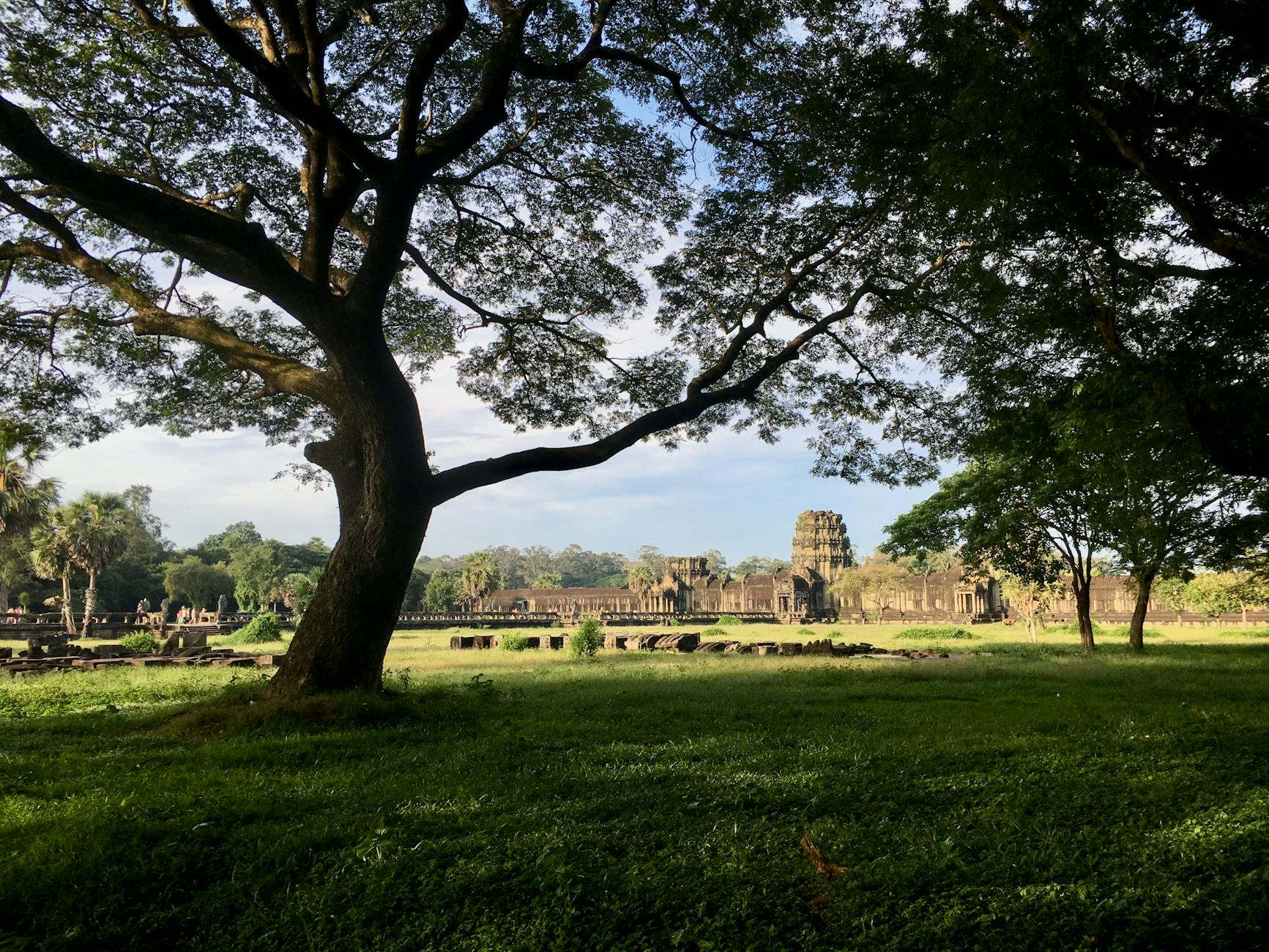
– Angkor Park pass: 1‑day US$37; 3‑day US$62; 7‑day US$72 (buy at the official ticket center and keep ID with you). These are the single biggest fixed costs for most travelers.
– Tuk‑tuk for Angkor day: US$15–25 per day (agree price and route before you start). Drivers are often a good source of local insights and can pause at less-visited temples.
– Local guide: US$25–45 per day for a licensed Khmer guide (high value if you want history and context).
Accommodation and food (daily estimates):
– Budget guesthouse dorm/private: $10–25
– Midrange hotel: $30–80
– Meals: local noodle or street plates $1.50–4; restaurants $5–15; nicer restaurants $20+
Money-saving recommendations:
– Bike one day around the temples near town to save on tuk‑tuk costs and keep impact low.
– Eat at local markets (Old Market, morning markets) to support small vendors and keep costs down.
– Buy crafts from community cooperatives such as Artisans Angkor rather than unregulated stalls.
Local Context
Neighborhoods and seasons:
– Old Market (Psar Chas) and Pub Street: central, lively, convenient for walking, and pricier for hotels and restaurants.
– Wat Bo and Sala Kamreuk: quieter, good for guesthouses and local restaurants with colonial-era houses.
– Svay Dangkum: more residential and a good base for inexpensive homestays and bicycle rides.
Seasonal patterns and crowding:
– High season (Nov–Feb): cooler, driest, highest prices and busiest temples. Book accommodation and tuk‑tuks early.
– Wet season (May–Oct): fewer tourists, lower rates, lush landscapes, afternoon showers—bring rain gear and expect softer dirt tracks.
– Shoulder months (Mar and Oct): a mix of lower prices and reasonable weather; consider these months for better deals and fewer crowds.
Transport realities:
– Siem Reap International Airport is ~10 km from town; airport taxis/tuk‑tuks cost roughly US$8–12.
– Intercity buses and shared minivans run to Phnom Penh (5–7 hours) and Sihanoukville (longer). Cross-border journeys to Thailand usually route via Poipet/Aranyaprathet—allow extra time for immigration.
Local etiquette and booking norms:
– Dress respectfully at temples: shoulders and knees covered.
– Negotiate tuk‑tuk fares politely; agree routes and price before leaving.
– Many services are paid in USD; carry small USD bills and some local currency (riel) for small purchases.
How to Choose Well
Match transport and accommodation to your priorities:
– If you want to minimize cost: stay in Wat Bo or Svay Dangkum guesthouses, eat market food, rent a bicycle for local trips, and limit paid temple days to the highlights.
– If you want comfort and cultural access: choose a midrange hotel near Pub Street, hire a licensed guide for one temple day, and allocate money for community-run excursions (Tonle Sap village trips).
Booking tips:
– Reserve hotels and tuk‑tuks well before high season and Khmer New Year (mid-April).
– Buy Angkor passes at the official center (online options exist but verify legitimacy); bring passport or ID for the pass.
– For day trips to Tonle Sap or community projects, book through reputable operators or your hotel to ensure proceeds benefit local partners.
Balancing time vs cost:
– A full Angkor day with a driver and guide costs more but saves time and reduces transport back-and-forth; splitting temples over two or three lighter days reduces heat stress and gives local businesses more sustained spending.

Responsible and Local-First Tips
Spend with locals and reduce impact:
– Prioritize locally owned guesthouses, family-run restaurants, and community guides.
– Buy handicrafts from registered cooperatives such as Artisans Angkor so earnings stay local and are reasonably priced.
– Use refillable water bottles; many guesthouses provide filtered water stations.
– Choose bicycle or walking days where safe; prefer electric transport or shared tuk‑tuks for groups.
– Respect temple rules and avoid climbing on fragile structures or feeding wildlife.
– Tip modestly: small tips (US$1–3) for tuk‑tuk drivers and guides are appreciated and meaningful.
Seasonal and conservation choices:
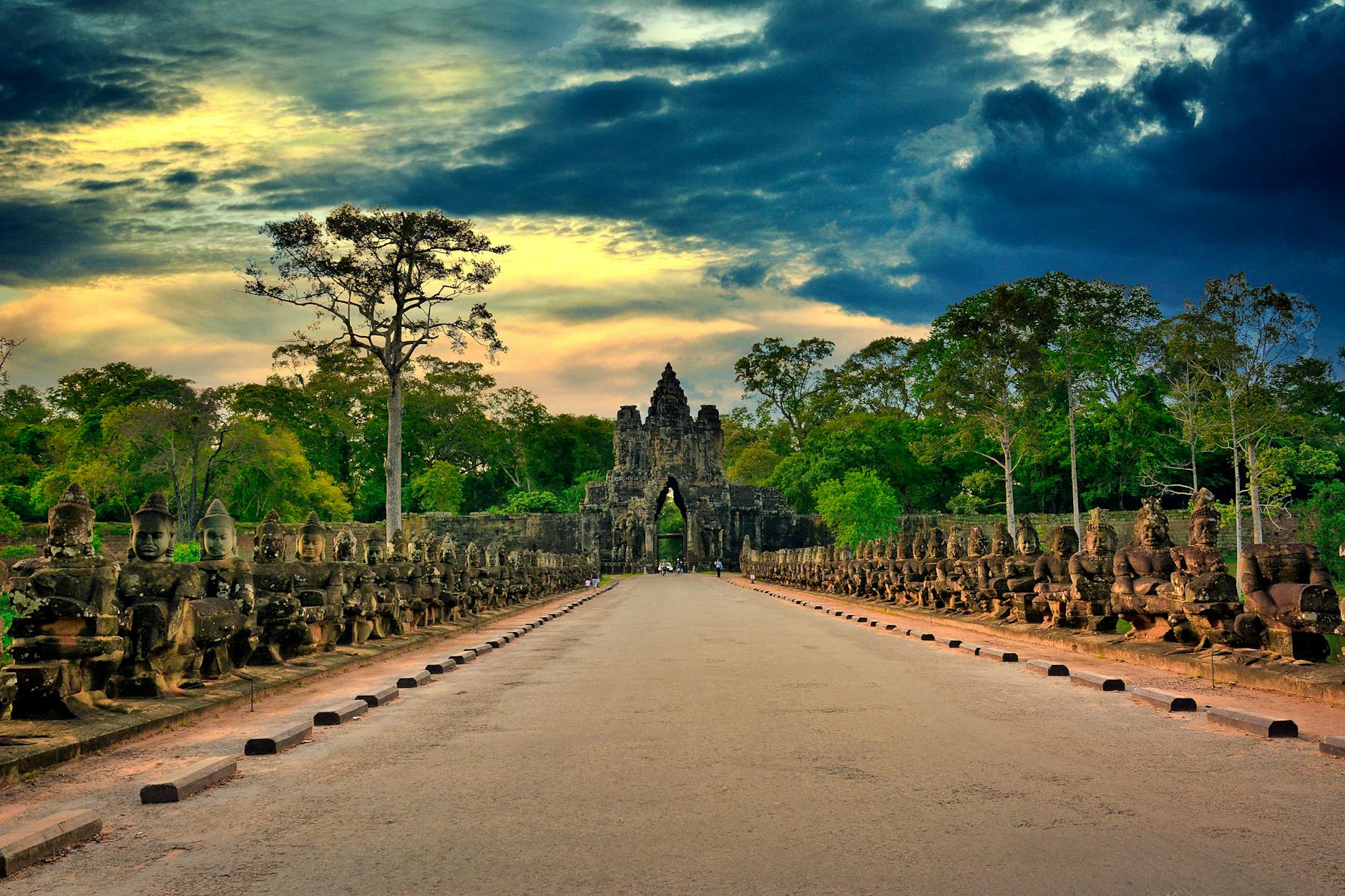
– Visit Tonle Sap with operators that follow community‑led guidelines and contribute to local livelihoods.
– Visit during shoulder or wet seasons when it reduces crowding and spreads tourist income through the year.
Common Mistakes to Avoid
Mistakes that cost money or goodwill:
– Trying to do all the major Angkor sites in a single day—leads to fatigue, poor photos, and wasted fees.
– Not agreeing on tuk‑tuk or tour prices in advance—this causes awkward haggles at the end of the day.
– Booking unverified 'cheap' guides or drivers—check licenses and hotel references to avoid scams.
– Overlooking visa and cash needs—carry small USD bills and confirm current visa fees before you travel.
– Buying wildlife souvenirs or antiques of unclear provenance—these can be illegal and harm local heritage.
– Ignoring local customs at religious sites—cover shoulders and knees, remove shoes where requested, and follow signage.
FAQ
How much should I budget for a 3-day visit?
For a balanced, comfortable 3-day trip including a 3-day Angkor pass, midrange hotel, driver for one full temple day, and meals, plan roughly US$200–350 per person. Backpackers can aim for US$80–150 while travelers wanting comforts should budget US$350+.
Is the Angkor pass worth it?
Yes if you plan to visit multiple major temples. The 1-day pass is fine for a single focused day; the 3-day pass offers the best value for a relaxed 2–3 day visit and matches the companion 3-day itinerary.
When are prices lowest?
Wet season (May–Oct) usually brings lower hotel rates and fewer crowds. Shoulder months (March and October) can offer a compromise of decent weather and better prices. Avoid expecting deep discounts during Nov–Feb high season or Khmer New Year in April.
How can I save money on transport?
Rent a bicycle for in-town travel, share a tuk‑tuk with other travelers for temple days, book shared minivans for intercity travel, and agree fares in advance.
Are USD and local currency both accepted?
Yes—USD is widely accepted. Keep small USD bills and some Cambodian riel for tiny purchases. Check for vendors that prefer exact change.
Any visa or border tips?
Tourist visas are available as e-visa or on arrival; fees are typically around US$30–40 but check current rates before you travel. For cross-border travel to Thailand via Poipet, allow extra time at immigration and avoid overnight crossings.
Conclusion
Use this budget guide with the 3 days in Khett Siem Reab itinerary to plan a trip that balances history, comfort, and local benefit. Prioritize licensed guides, local eateries, and quieter neighborhoods like Wat Bo or Svay Dangkum for a lower-impact stay. If you plan onward travel, factor in bus or flight options to Phnom Penh and coastal or Thai connections (Sihanoukville, Si Racha, Pattaya, Bangkok) and allow extra time for border formalities. Careful choices keep costs predictable and support the community you visit.
How this guide was prepared
This guide was prepared through a structured research that combines destination research, geographic context, itinerary planning logic, and content review.