
Best Things to Do in Lloret de Mar
Practical guide to the best things to do in Lloret de Mar: beaches, Santa Clotilde Gardens, Water World, boat trips, and transit tips for realistic planning.
Concrete, local-first guide to the best attractions and experiences in Lloret de Mar, with prices, time budgets, and transit tips to plan a sensible trip.
Best things to do in Lloret de Mar?
Top must-dos: stroll Jardins de Santa Clotilde (entry ~€5–€7, 45–60 min), relax at Platja de Fenals or Platja de Lloret (free), and book a boat trip to Tossa de Mar (~€20–€30, 2–4 hours). From Barcelona expect a direct coach by Sagalés for about €11–€15 one-way (1h20–1h40).
Who This Page Is For
Useful for first-time visitors and repeat beachgoers planning 1–4 day stays who want specific costs and transit options. Not aimed at travellers seeking only nightlife club listings or nightlife-only itineraries.
Key Takeaways for Lloret de Mar
- Jardins de Santa Clotilde — plan 45–60 minutes; admission about €5–€7 (≈US$5–$8).
- Water World Lloret de Mar — summer day ticket roughly €28–€35 (≈US$30–$38); best for families and hot days.
- Direct coach Barcelona (Estació del Nord) → Lloret by Sagalés costs about €11–€15 one-way; travel time 1h20–1h40 depending on traffic.
- Best quieter months for sea swimming: May–June and September when sea temps are typically 20–24°C and beaches are less crowded.
How This Page Was Prepared
This page was prepared through a structured editorial workflow that combines destination research, geographic context, and practical travel-planning review.
Plan the Rest of Your Trip
Use this page together with the full itinerary and the related planning pages below to make better booking, timing, transport, and budget decisions.
Start with three reliable choices: a morning walk through Jardins de Santa Clotilde (45–60 minutes, €5–€7), a beach for the afternoon (Platja de Fenals for calmer water or Platja de Lloret for facilities; no admission), and a 2–4 hour boat trip to view the coastline or visit Tossa de Mar (~€20–€30). Budget transport and time: direct Sagalés coach from Barcelona Estació del Nord costs about €11–€15 one-way and takes roughly 1h20–1h40. For a single full day allow one sit-down meal (€12–€20 per person at mid-range restaurants), modest museum entries (€3–€7), and an optional activity like renting SUP or joining a diving session (€30–€60).
This page answers the practical question: what are the best things to do in Lloret de Mar and how much time and money should be set aside? Many visitors underestimate how varied Lloret is beyond the main beach and nightlife. Time spent on coastal walking, small museums, and a short boat trip often gives a clearer picture than staying only on Passeig Jacint Verdaguer.
Tourist assumptions that everything is either a crowded sunbed strip or late‑night party lead to poor choices: peak season crowds, unpredictable site opening times, and transfers from Barcelona that take longer than expected. This guide breaks down specific activities by area, gives realistic entry prices and time budgets, and flags options that work when the weather turns bad. Practical transit notes focus on the coach from Barcelona Estació del Nord and the local bus connections via Blanes/Calella.
What This Page Helps You Decide
This guide helps pick between beach days, active coastal walks, and low‑effort cultural sites based on time, budget, and weather. Decide whether to spend limited hours on: – a concentrated town route (Església de Sant Romà, Museu del Mar, cemeterial walk) when time is tight, or – a mixed day combining Santa Clotilde Gardens, a boat trip, and a quieter beach like Cala Boadella.
It also helps choose transport: whether to take the direct coach from Barcelona (best for door‑to‑door simplicity) or use Renfe to Blanes/Calella plus a local bus or taxi (often faster in heavy traffic). For families, this page clarifies which attractions suit children (Water World, Fenals beach) and which require mobility (Camí de Ronda coastal paths with rocky sections).
Top Recommendations
Central area
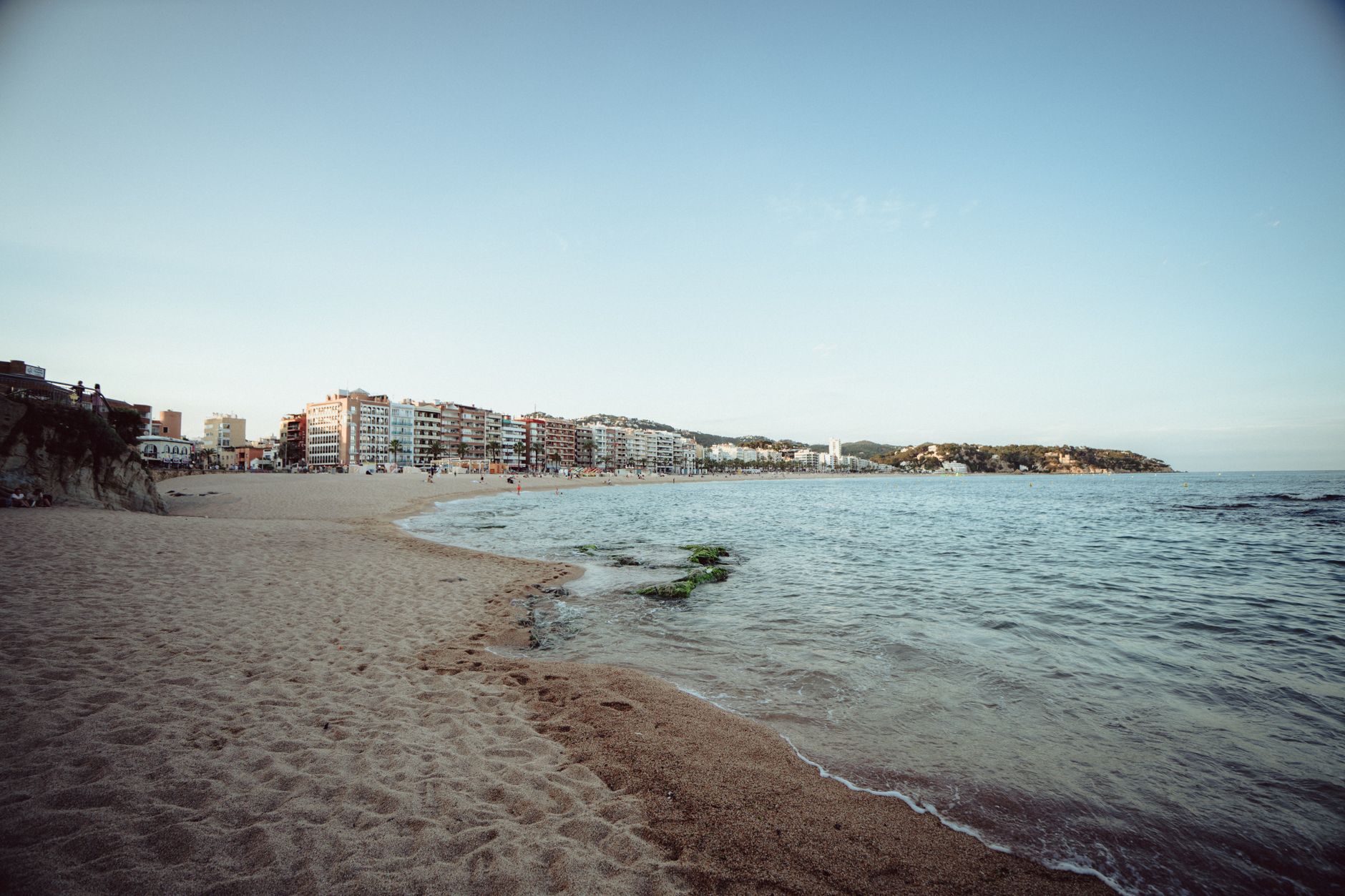
– Platja de Lloret (Platja de Lloret): the main sand beach with showers, lifeguards in high season, and promenade facilities; free access; budget 1–3 hours for sunbathing or a swim.
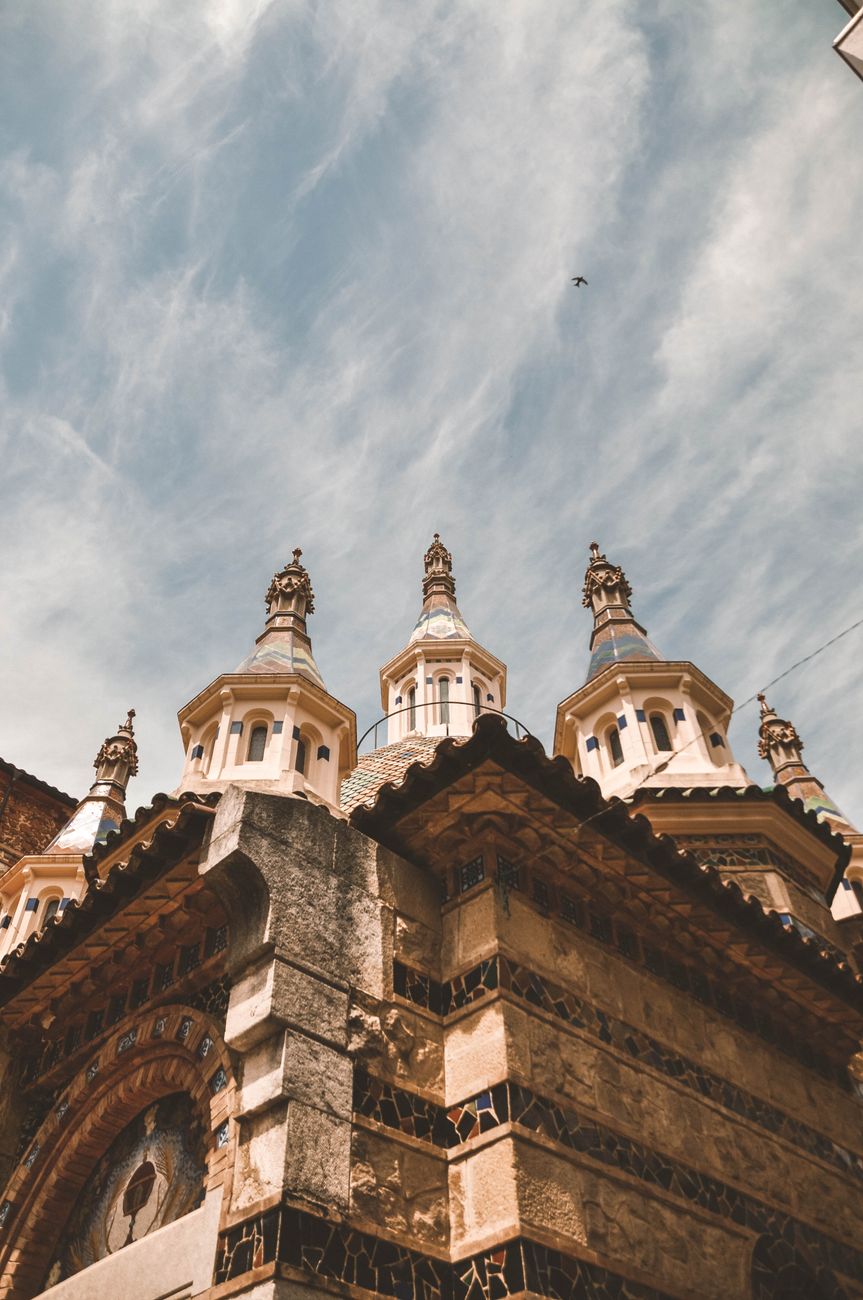
– Església de Sant Romà: early 20th‑century church on Carrer Sant Romà with notable façade; free to view, 20–30 minutes.
Santa Clotilde & headland
– Jardins de Santa Clotilde (Santa Clotilde Gardens): Renaissance-style gardens on the cliff above Cala Boadella; admission ~€5–€7 (≈US$5–$8); allow 45–60 minutes for terraces and views.
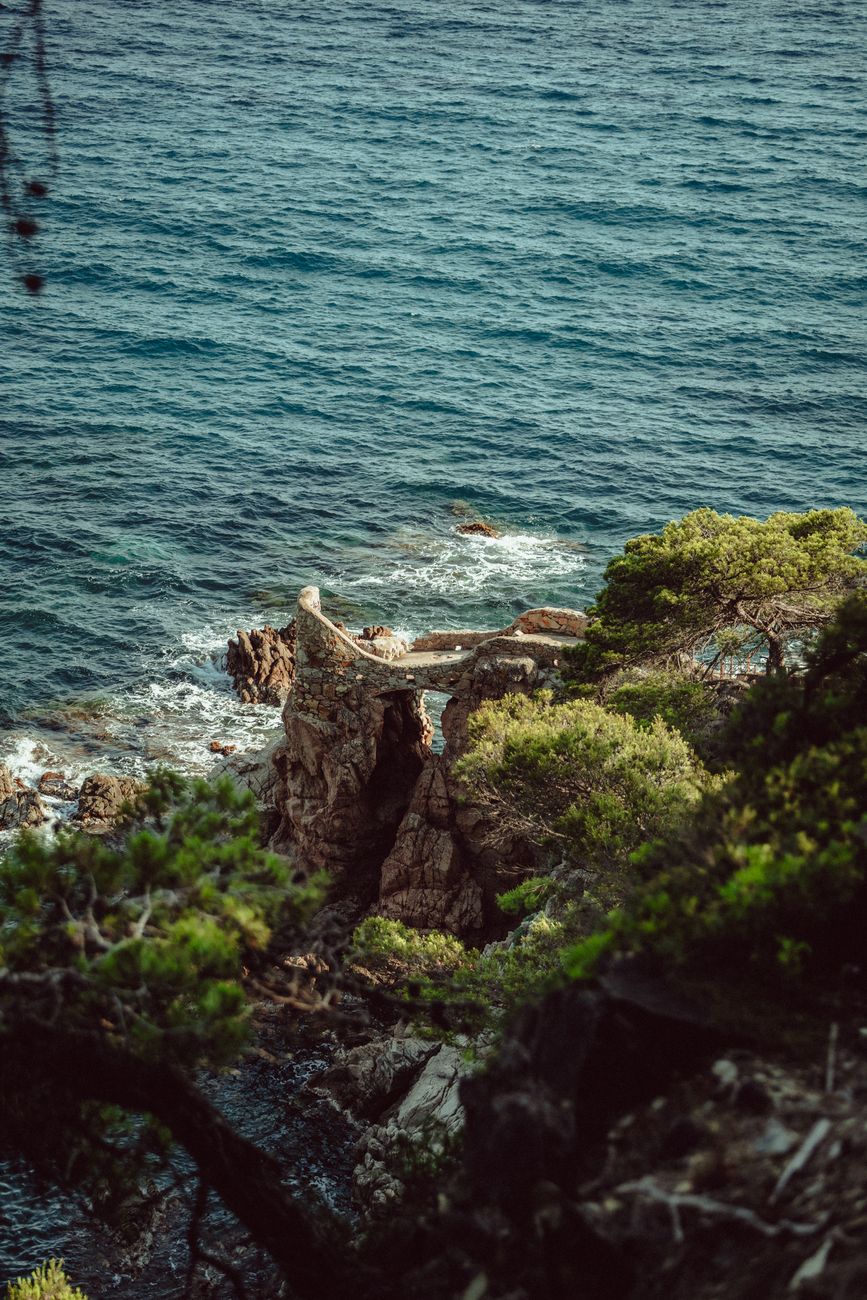
– Castell de Sant Joan (Sant Joan Castle viewpoint): small medieval watchtower on the headland by Cala Banys; free viewpoint, 20–30 minutes for photos and coastal panoramas.
Beaches & coves
– Platja de Fenals: quieter sandy beach in the Fenals neighbourhood with pine shade and family-friendly restaurants; free access; budget 2–4 hours.
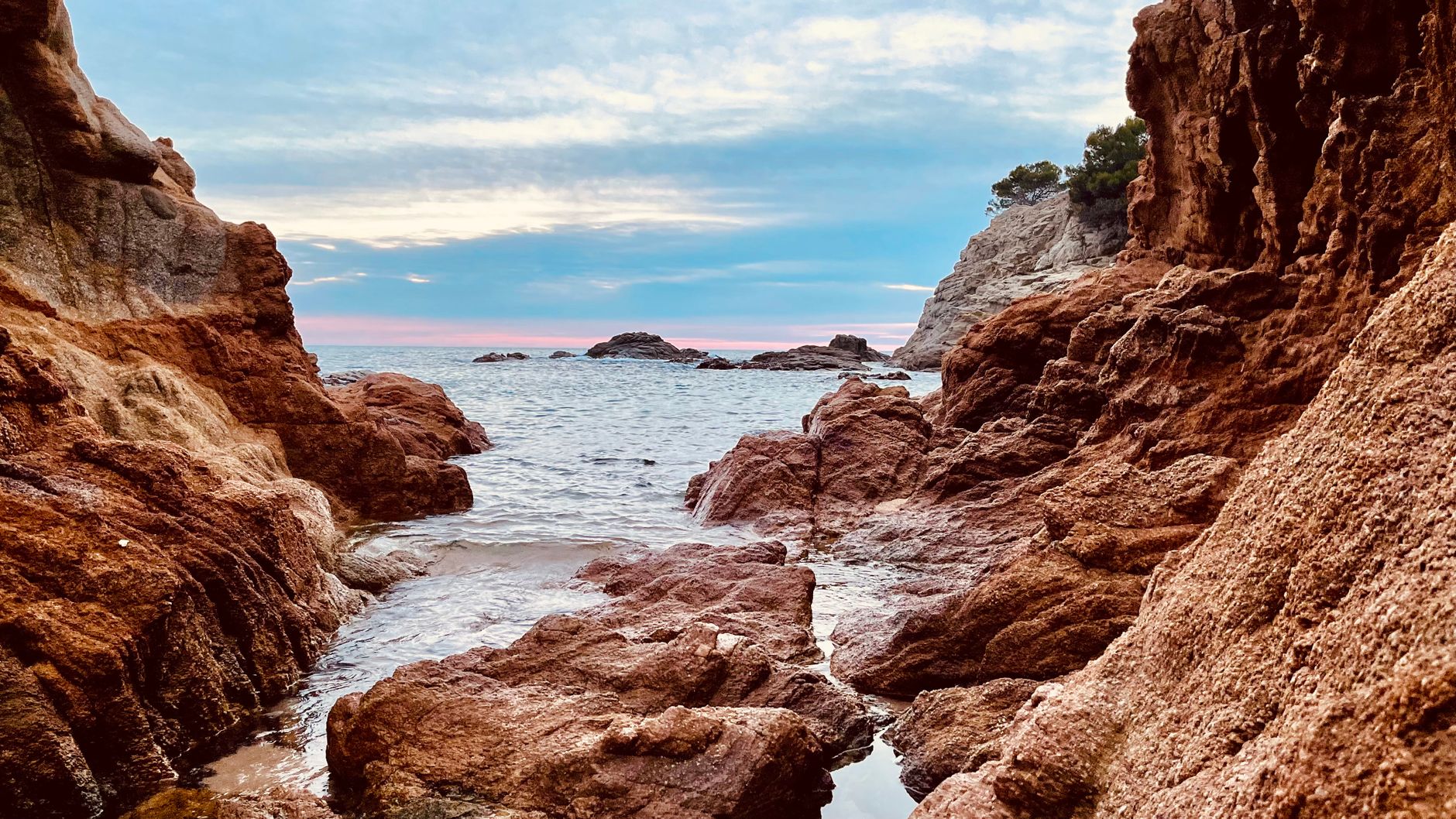
– Cala Boadella: small rocky cove west of Platja de Lloret, accessed via Camí de Ronda; free; 1–2 hours (walk may include stairs).
Active & sea
– Boat trips from Port of Lloret: daily excursions to Tossa de Mar, snorkeling, or coastal sightseeing; typical price €20–€30 (≈US$22–$33) per person; 2–4 hours depending on route.
– Scuba diving and snorkeling operators: local dive centres run guided dives and Discover Scuba sessions; expect €40–€70 (≈US$44–$77) including equipment for a beginner dive; budget 2–3 hours.
Family and bad weather options
– Water World Lloret de Mar: large water park suitable for families and hot days; summer day ticket roughly €28–€35 (≈US$30–$38); allow a full day.
– Museu del Mar (Maritime Museum): small indoor exhibition about fishing and seafaring traditions of Lloret; admission around €3–€5 (≈US$3–$6); plan 45–60 minutes (good when weather is poor).
Local experiences (lower-key)
– Cementiri de Lloret de Mar (Modernist Cemetery): sculptural funerary art on a hillside with sea views; free to walk; 30–45 minutes.
– Local market mornings: weekday local market stalls sell fruit, local cheeses and beach supplies—best source for a simple picnic; check municipal listings for the market day and plan 30–60 minutes.
Bad‑weather option
– Cultural centres and short indoor visits: Museu del Mar and the municipal cultural centre (check seasonal schedules) are the main rainy-day options; combine with a café lunch on Carrer de la Vila for a relaxed afternoon.
Grouping note: most sights cluster within 20–30 minutes on foot along the coast and town centre; use short taxi hops or the local bus network for Fenals and Santa Cristina when needed.
Local Context
Lloret de Mar is on the central Costa Brava coastline in the comarca of Selva. Tourism peaks in July and August, when daytime temperatures commonly reach 28–32°C and beaches become crowded between 11:00 and 16:00. Shoulder seasons (May–June and September) offer cooler crowds and sea temperatures near 20–24°C, which is better for snorkeling and walking.
Public transit: there is no Renfe station in town. Renfe Rodalies R1 serves nearby Blanes and Calella; a short bus or taxi from those stations links to Lloret. Direct coaches from Barcelona Estació del Nord are run by operators such as Sagalés and usually cost €11–€15 one-way. The local bus network connects the town centre, Fenals and Santa Cristina beaches; check the Ajuntament de Lloret timetable or operator apps for seasonal variations.
Neighbourhood notes: Passeig Jacint Verdaguer is the main promenade and hub for restaurants and shops. Fenals sits west of the town centre and has more shade and family facilities. The coastal Camí de Ronda link to Cala Boadella and the headland is rocky in sections—good footwear recommended.

How to Choose Well
Match choices to time and mobility. For a half day, pick either a town cultural loop (Església de Sant Romà, Museu del Mar, short cemetery walk) or a single beach plus a coffee; both fit comfortably within 3–4 hours.
For a full day, combine Jardins de Santa Clotilde in the morning, a boat trip in midday, and Fenals for a late afternoon swim. That sequence minimizes backtracking and uses sheltered morning light for gardens and photos.
Trade-offs: choose Fenals for quieter water and shade but fewer central eateries; choose Platja de Lloret for facilities, rentals, and immediate access to the promenade at the cost of heavier crowds in July–August. If mobility is an issue, avoid long stretches of Camí de Ronda and favour accessible beaches with ramps (Platja de Lloret has the most facilities). For budget travellers, skip paid guided dives and opt for snorkeling from Cala Boadella or Fenals with own gear to save €30–€60.
Responsible and Local-First Tips
Support local businesses by choosing family-run chiringuitos and seafood restaurants that list catch origin. Buying a small snack or coffee from a bar on Carrer de la Vila keeps spending in town rather than big chains on the promenade.
Respect natural areas: use marked paths on the Camí de Ronda and avoid walking through dune vegetation near Santa Cristina and Cala Boadella. Carry a reusable water bottle; several public taps and grocery stores sell filtered water.
Choose guided activities with local operators based in Lloret rather than booking through distant aggregators. For diving and boat trips prefer companies that show their permits and environmental rules. If visiting the cementery and gardens, donate if a container is offered or buy a small local guidebook — that directly supports site upkeep.

Common Mistakes to Avoid
Relying on the train: assuming a direct Renfe station leads to surprise transfers. Trains stop at Blanes or Calella; factor in the 10–20 minute bus or taxi from those stations.
Underestimating walking difficulty: some coastal paths (Camí de Ronda sections) include stairs and uneven rock. Wear closed shoes if planning to visit Cala Boadella or the headland and allow extra time for slower sections.
Booking last-minute in high season: expecting same-day boat trips or Water World tickets in July–August often leads to sold-out slots. Prebook online for Water World, boat trips to Tossa de Mar, and diving sessions, especially on weekends.
FAQ
How much does a day in Lloret de Mar cost on average?
A modest day with beach, casual lunch, and a paid sight (garden or museum) typically totals €25–€45 per person; add €20–€30 for a boat trip or €28–€35 for Water World.
What is the best way to get from Barcelona to Lloret de Mar?
Take a direct coach from Barcelona Estació del Nord (operators like Sagalés), about €11–€15 one-way and 1h20–1h40 depending on traffic. Alternate: Renfe R1 to Blanes then local bus/taxi.
When is the best time to visit to avoid crowds?
May–June and September have fewer crowds and pleasant sea temperatures (around 20–24°C). July–August are the busiest and hottest months.
Are beaches free and are there sunbed charges?
Access to public beaches (Platja de Lloret, Platja de Fenals, Santa Cristina) is free. Sunbeds and umbrellas are rented privately; expect €6–€15 per item depending on season and location.
Is it easy to do a day trip to Tossa de Mar?
Yes. Regular boat trips run from Lloret port and cost about €20–€30; alternatively a 20–30 minute bus or local road transfer is possible.
What should families prioritize with kids?
Water World for a full-day attraction and Platja de Fenals for calm water and shade. Also check lifeguard schedules in high season.
What indoor options exist when it rains?
Museu del Mar provides a focused indoor look at local maritime history (entry ~€3–€5), and municipal cultural centres sometimes host concerts and exhibitions—check seasonal timetables.
Conclusion
The single most important planning point: balance a morning outdoor activity (Santa Clotilde or Camí de Ronda) with a flexible afternoon beach and a booked boat trip or family attraction if desired. That sequencing reduces backtracking and protects against afternoon crowds and heat.
For a practical next step, pair this page with the companion "3 days in Lloret de Mar" itinerary: use Day 1 for town and beaches, Day 2 for Santa Clotilde and a boat trip, and Day 3 for Fenals, a diving session or Water World depending on weather and companions. Check coach schedules, prebook key attractions in summer, and allow extra time for short local transfers.
How this guide was prepared
This guide was prepared through a structured research that combines destination research, geographic context, itinerary planning logic, and content review.