
Best Things to Do in Paris — Practical, Local-First Guide
A practical, sustainable guide to the best things to do in Paris: neighborhood highlights, seasonal tips, transport realities, day trips by train, and which sights to prebook. Ideal companion to our 3 days in Paris itinerary.
If you have 3 days, concentrate on: a central museum (Louvre or Musée d'Orsay), a neighborhood walk (Le Marais or Saint-Germain), an elevated view (Montmartre or Eiffel Tower summit), a relaxed Seine stroll or picnic, and one short day trip by train (Versailles, Reims, or Rouen). Prebook timed-entry for the Louvre, Eiffel summit, and Versailles. Prefer morning or late-afternoon visits to avoid crowds.
Paris offers dense, walkable neighborhoods, world-class museums, and everyday local life in bakeries, markets and parks. This page focuses on practical choices that align with a 3-day itinerary—how to prioritize, where to prebook, and low-impact options that support local businesses. Read this alongside our main 3 days in Paris guide for timing and route suggestions.
What This Page Helps You Decide
This page helps you choose what to prioritize in Paris when you have limited time and want sustainable, local-first experiences. Use it to decide:
- Which neighborhoods to base your walking routes around (Le Marais, Saint-Germain, Latin Quarter, Montparnasse).
- When to prebook tickets and what to buy in advance.
- Which day trips are easiest by train and offer lower-impact transport alternatives.
- How to balance major sights with local markets, parks, and small businesses.
It’s designed as an operational supplement to the 3 days in Paris itinerary—pick the items that fit your energy levels and seasonal conditions.
Top Recommendations
Essential picks, arranged for a short stay:
- Museums & culture:
- Louvre (prebook timed entry) or Musée d'Orsay (smaller queues late afternoon).
- Sainte-Chapelle for its stained glass—book in high season.
- Centre Pompidou for modern art and rooftop views.
- Neighborhood walks:
- Le Marais: boutiques, Jewish quarter falafel, Marché des Enfants Rouges.
- Saint-Germain: cafés, bookshops, and Luxembourg Gardens.
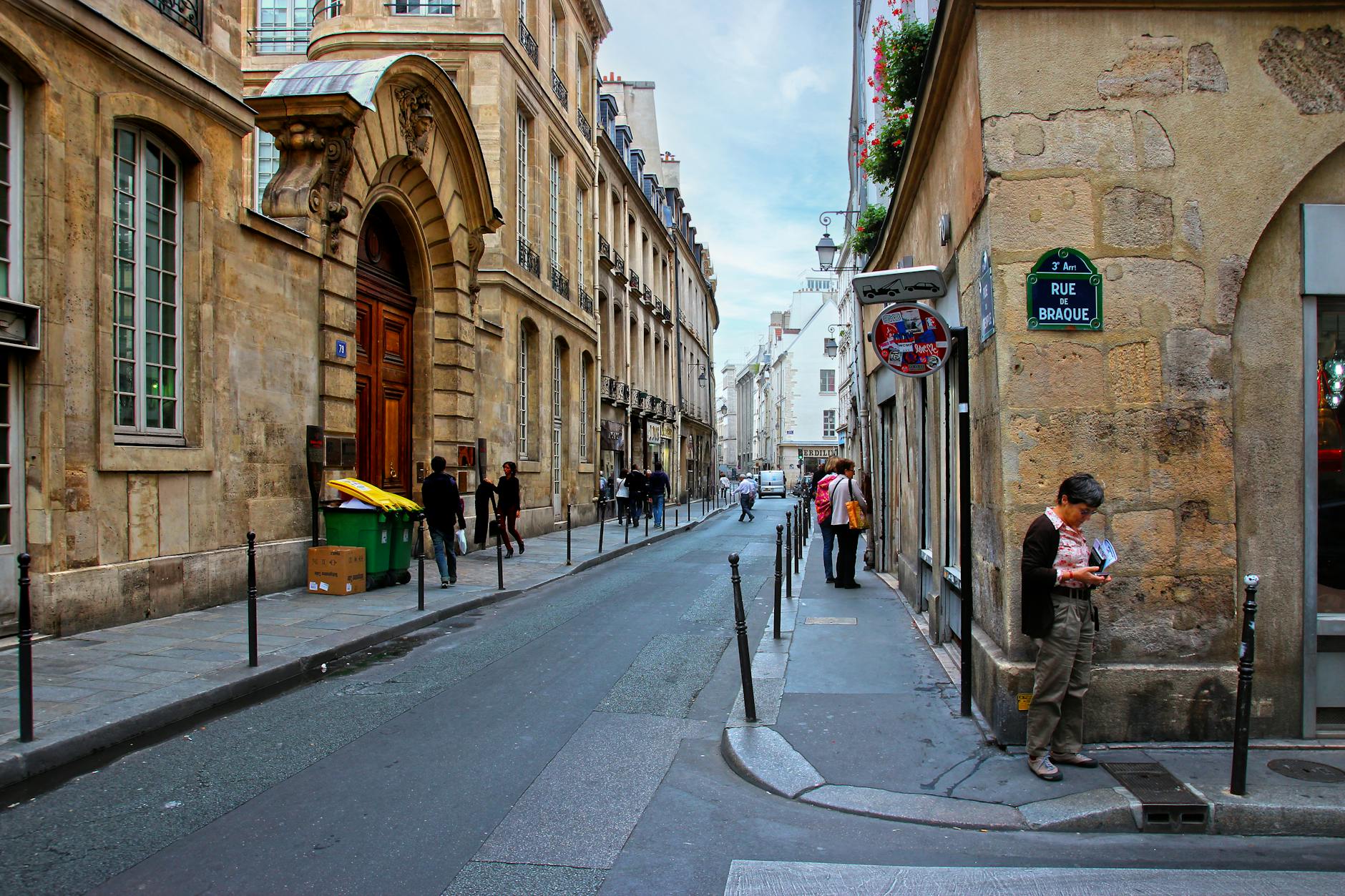
- Montmartre: morning visit for lower crowds; explore Place du Tertre alleyways.
- Markets & food:
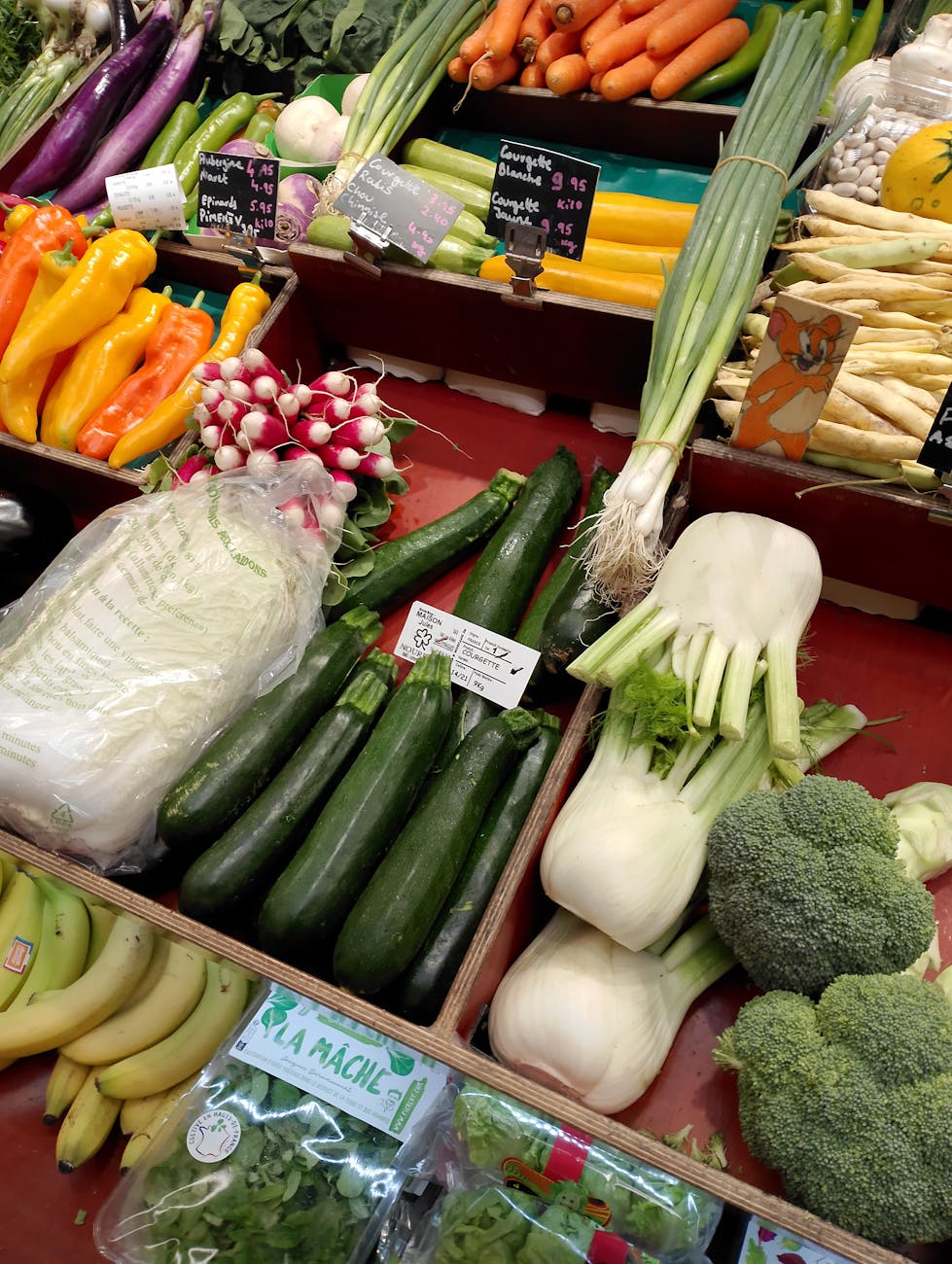
- Marché d'Aligre (local produce and village feel).
- Rue Montorgueil for bakeries and fish shops.
- Try a neighbourhood bistro for midday prix-fixe menus—book ahead for dinner.
- Parks & low-impact leisure:
- Picnic in Parc des Buttes-Chaumont or Jardin du Luxembourg.
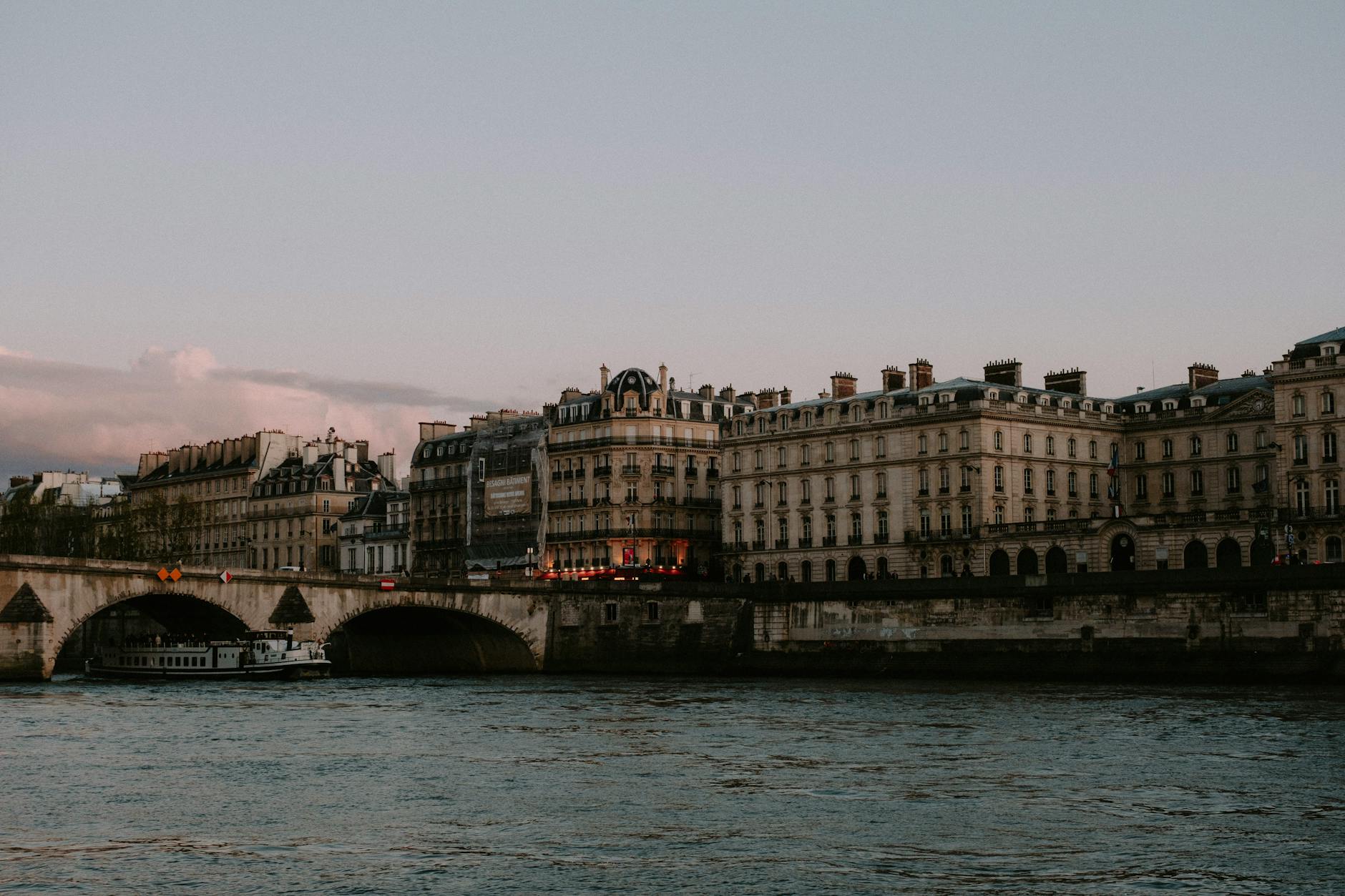
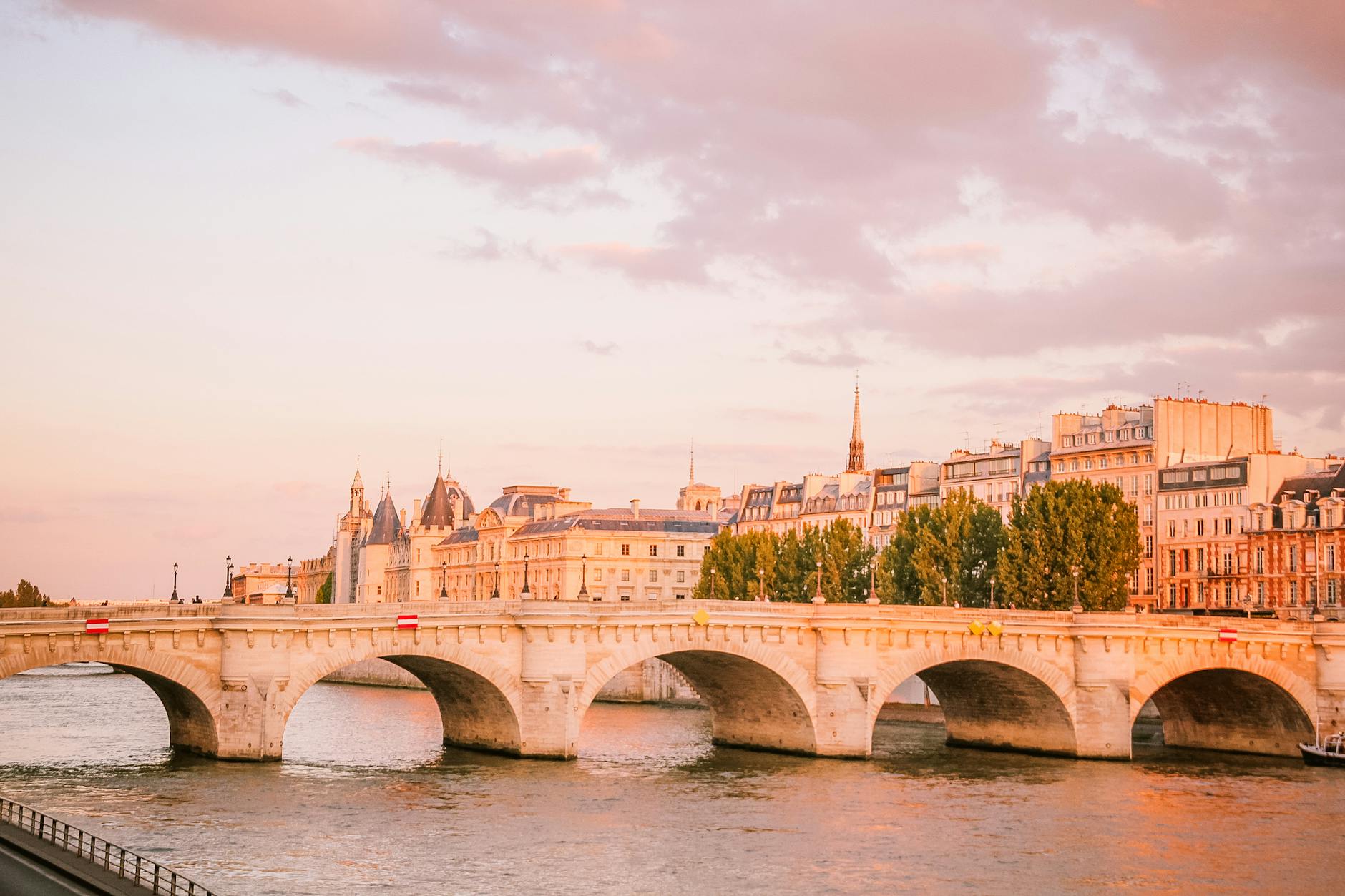
- Walk the Seine quays—bring a reusable bottle and buy from nearby boulangeries.
- Short realistic day trips by train:
- Versailles (30–45 minutes RER C) — prebook entry and the gardens on weekends.
- Reims (45 min–1h by TGV) for Champagne houses—prefer small, family-run houses and book tastings.
- Rouen or Amiens for Gothic architecture reachable by TER/SNCF regional trains.
Timing and booking tips: favor morning museum slots, late-afternoon strolls in neighborhoods, and shoulder-season (April–May, September–October) to reduce crowds.
Local Context
Neighborhood realities:
- Le Marais (3rd/4th arr.): narrow streets, small museums, lively food scene—best on foot.
- Saint-Germain-des-Prés (6th arr.): traditional cafés, art galleries, and quieter evenings mid-week.
- Montmartre (18th arr.): steep streets and tourist hubs near Sacré-Cœur—visit early to catch the ateliers before crowds.
- Latin Quarter (5th arr.): student life, budget eateries, and bookshops near Sorbonne.
Transport realities:
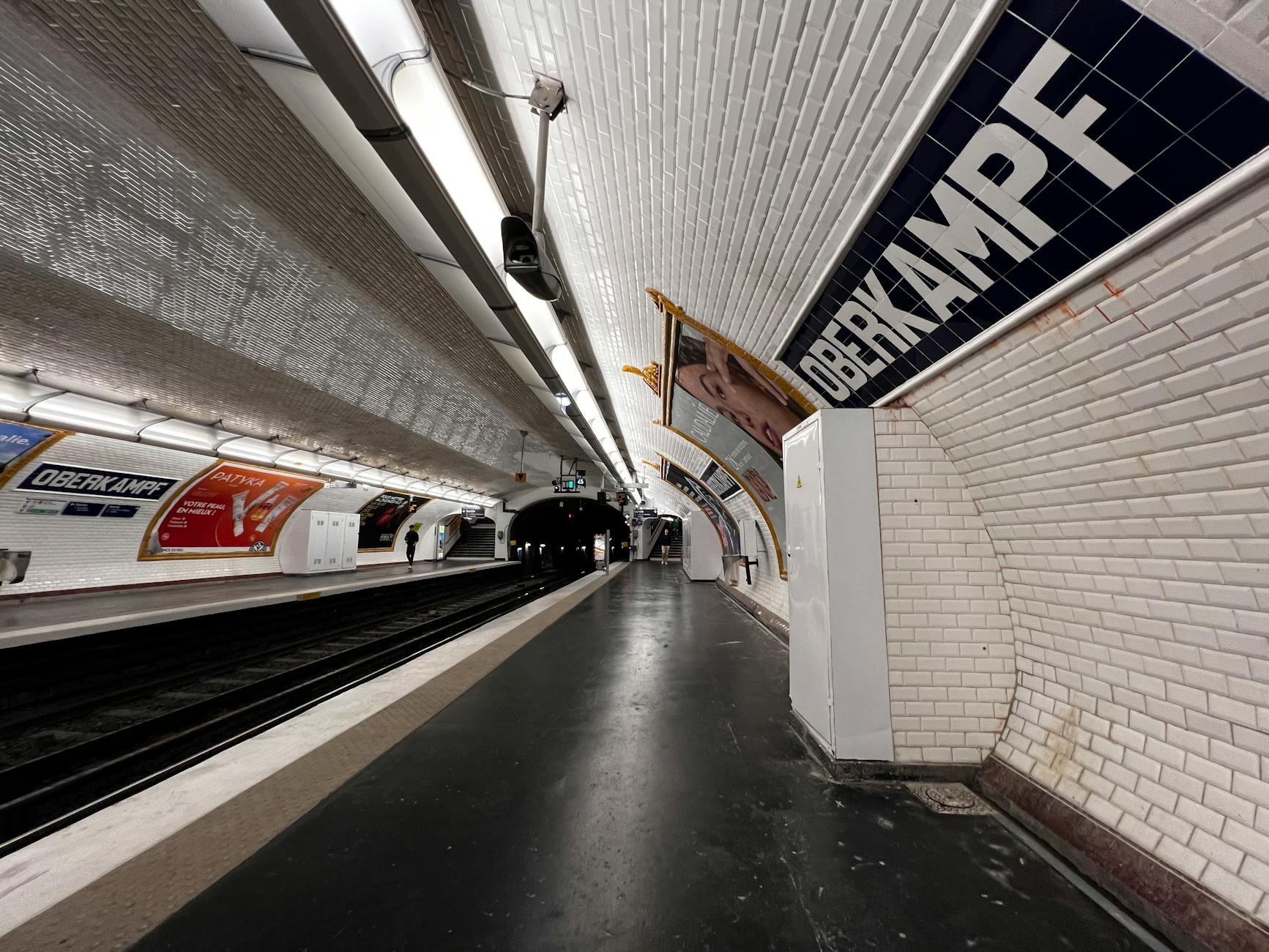
- Metro is fast and extensive; surface buses are slower but better for sightseeing. Get a carnet (10 single tickets) or a Navigo pass for week stays.
- Taxis and ride-hailing can surge; for airport transfers prefer RER or official airport buses unless you have heavy luggage.
- Regional trains (SNCF/TGV/TER) make day trips to Reims, Rouen, Amiens, Le Havre, and Orléans easy—book earlier for lower fares.
Seasonal notes:
- Summer (June–Aug): busiest and hottest; book everything in advance.
- Shoulder seasons (Apr–May, Sep–Oct): best balance of weather and fewer crowds.
- Winter: museums and opera houses are open but some gardens are less attractive; Christmas markets light up certain neighborhoods.
How to Choose Well
Practical selection advice:
- Start with energy and interests: choose one big museum per day plus a neighborhood walk.
- Prioritize vistas at sunrise or dusk for photos with fewer people (Trocadéro early morning, Montmartre at sunset).
- Mix structured visits (timed museums, guided tours) with unstructured time (market browsing, café breaks).
- For day trips, favor direct trains to save time. If you want wine country, choose Reims or Épernay over Bordeaux for shorter travel.
Booking guidance:
- Prebook timed-entry for the Louvre, Sainte-Chapelle, Eiffel summit, and Versailles—skip on-the-day queues.
- Consider a Paris Museum Pass only if you plan several paid museum entries in 2–3 days.
- Reserve restaurants for weekend dinners and popular bistros in Le Marais and Saint-Germain.

Responsible and Local-First Tips
Choose low-impact options and support small businesses:
- Use public transport, Vélib' bikes, or walk between close neighborhoods to reduce emissions.
- Eat at neighbourhood bistros, bakeries, and markets rather than chain restaurants in tourist zones; bring cash for small stalls.
- Book small, certified guides and independent walking tours rather than giant coach groups.
- For Seine cruises, look for quieter, electric or low-emission operators and avoid large party boats that crowd the riverbanks.
- Keep visits to residential neighborhoods respectful: avoid loud behavior, take photos with discretion, and follow private property and signage.
- When taking day trips, prefer regional trains to short flights and choose local producers for tastings and souvenirs (artisan chocolate, local wine merchants).
Practical sustainability habits:
- Carry a reusable water bottle and cutlery.
- Take your rubbish with you when markets lack bins and tip with small bills where service is good.
- Shop at markets like Marché d'Aligre and Marché Bastille to inject spending into local vendors.
Common Mistakes to Avoid
Common pitfalls and how to avoid them:
- Overpacking your days: try one major museum and a neighborhood per day to avoid museum fatigue.
- Waiting to buy timed-entry tickets on the day—major sites often sell out, especially in summer.
- Eating only in the immediate vicinity of tourist monuments (expect higher prices and lower quality near the Eiffel and Louvre); walk a few blocks away for better value.
- Underestimating travel times: metro rides are short but transfer times add up; include buffer time if you have a train to catch.
- Leaving valuables visible or carrying large amounts of cash—pickpockets operate on crowded metros and tourist sites.
- Assuming everything is open: smaller attractions and some restaurants close on Mondays or Tuesdays—check ahead.
FAQ
What are the top five must-do activities for a short stay in Paris?
Visit one major museum (Louvre or Musée d'Orsay), walk a historic neighborhood (Le Marais or Saint-Germain), see a city panorama (Montmartre or Trocadéro), picnic along the Seine or in Luxembourg Gardens, and take one short train day trip (Versailles or Reims).
Should I buy a Paris Museum Pass?
Only if you plan to enter several paid museums and monuments in 2–3 days. It saves time at some sites but not at timed-entry attractions where you still need a reservation.
How do I get to nearby cities like Rouen or Reims?
Regional SNCF/TGV trains run from major Paris stations (Saint-Lazare to Rouen, Gare de l'Est to Reims). Book simple one-way fares in advance for the best prices and check train durations—most are under 1½ hours.
Is Paris safe for solo travelers?
Paris is generally safe but be alert for pickpockets in busy areas and on the Metro. Keep valuables secure, avoid poorly lit side streets late at night, and use official taxis or reputable rideshares if returning late.
When is the best time to visit to avoid crowds?
Shoulder seasons—April–May and September–October—offer milder weather and fewer tourists than July–August. Early mornings are best for major sights.
Conclusion
Make Paris feel manageable by combining one bookable highlight each day with relaxed neighborhood time and low-impact activities that benefit local vendors. Use this page with the 3 days in Paris itinerary to time visits, choose realistic day trips to Reims, Rouen, Amiens, Le Havre or Orléans, and keep your travel footprint smaller by favoring trains, local guides, and markets. Small, thoughtful choices will make your short stay feel fuller and more authentic.
Plan the Rest of Your Trip
This page works best alongside the main itinerary and the other planning pages for Paris.