

Where to Stay in Paris — Practical Neighborhood Guide for a 3-Day Visit
Practical, local-first advice on where to stay in Paris for a 3-day trip. Neighborhood pros and cons, transport realities, sustainable choices, and easy day-trip links to Reims, Rouen, Amiens, Le Havre and Orléans.
For a 3-day visit pick a central arrondissement with strong metro access and good walking connections.
- Best overall (first-time): 1st–4th arrondissements (Louvre, Le Marais) — walking distance to major sights.
- Most romantic: Saint-Germain-des-Prés / 6th arrondissement — cafes, art galleries, quieter evenings.
- Best balance of value and local life: Canal Saint-Martin / 10th–11th — independent shops and neighborhood markets.
- Iconic views and family-friendly: 7th arrondissement (Eiffel area) — parks and roomy hotels.
If you plan a day trip by train (Reims, Rouen, Amiens, Le Havre, Orléans) choose a hotel near a major station (Gare du Nord, Gare de Lyon, Gare Saint-Lazare) to save travel time.
This page helps you choose a neighborhood and lodging style that matches a compact, 3-day visit to Paris while prioritizing low-impact, local-first travel. Recommendations favor walkable zones with good metro access, small hotels and guesthouses that reinvest locally, and options that reduce nightly disturbances for neighbors. Use this as companion support to the main 3 days in Paris itinerary and to plan sensible day trips to nearby cities like Reims, Rouen, Amiens, Le Havre and Orléans.
What This Page Helps You Decide
Use this page to:
- Match neighborhood character to the kind of Paris visit you want (museum-heavy, romantic, food-focused, or low-key local life).
- Choose lodging type: small hotel, guesthouse, aparthotel, or eco-certified property.
- Balance proximity to the sights from the main 3 days in Paris itinerary against noise and cost.
- Plan arrival logistics for your preferred transport hub (CDG/Orly by RER or Roissybus; trains from nearby cities at major stations).
- Make sustainable choices: pick locally run accommodations and spend in neighborhood businesses.
Practical outcomes: you’ll know where to sleep each night to minimize transit time, find quieter rooms, and support the local economy while following the 3-day route efficiently.
Top Recommendations
Neighborhood picks with quick rationale and who they suit best:
- Le Marais (3rd/4th arr.)
- Best for: first-time visitors who want central walking access, boutiques, and museums.
- Why: compact streets, excellent metro (Hôtel de Ville, Saint-Paul), strong local dining. Choose a courtyard-facing room for quiet.
- Saint-Germain-des-Prés / Latin Quarter (6th/5th arr.)
- Best for: romantic stays, literary cafés, museums.
- Why: elegant streets, pedestrian-friendly, close to Musée d'Orsay and Luxembourg Gardens.
- 7th arrondissement (Eiffel / Champ de Mars)
- Best for: families or visitors wanting parks and iconic views.
- Why: peaceful residential blocks, easy to walk to the Eiffel Tower and river cruises; slightly more expensive but quieter at night.
- Canal Saint-Martin / 10th–11th arr.
- Best for: independent restaurants, nightlife that still feels local, and better value.
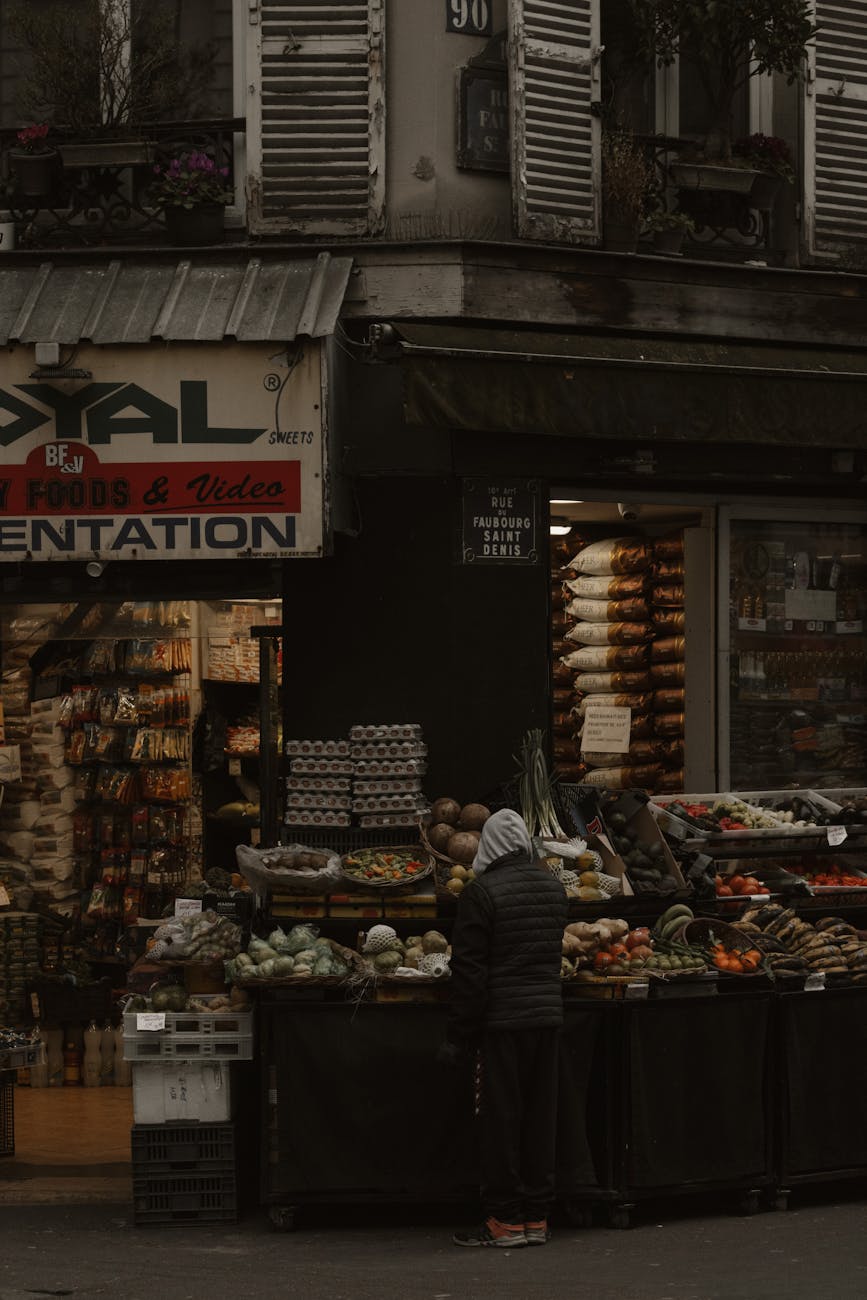
- Why: good cafes, markets (Rue du Faubourg Saint-Denis), well-connected by République or Jacques Bonsergent stations.
- Montmartre (18th arr.)
- Best for: budget travelers and those after village character.
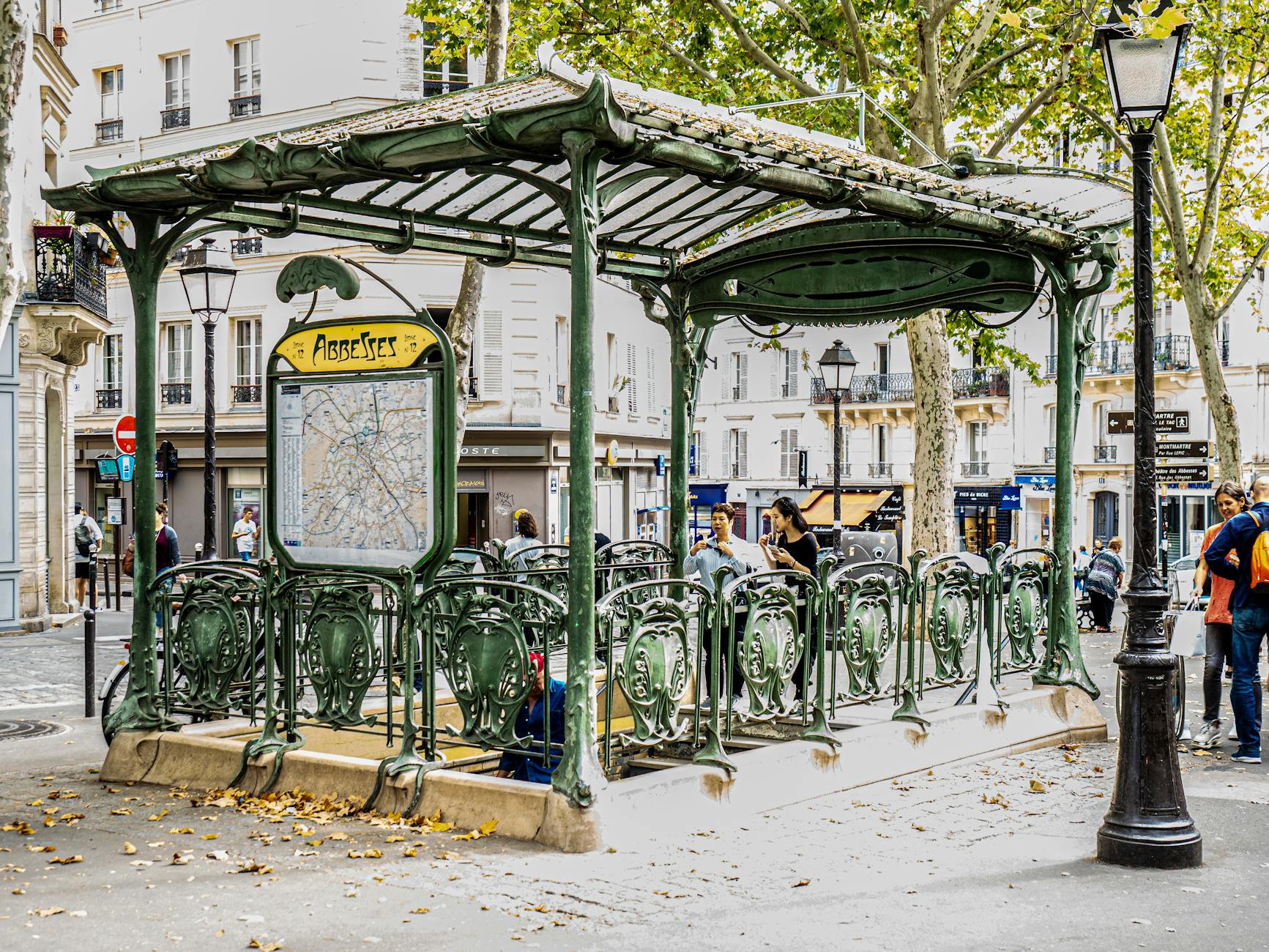
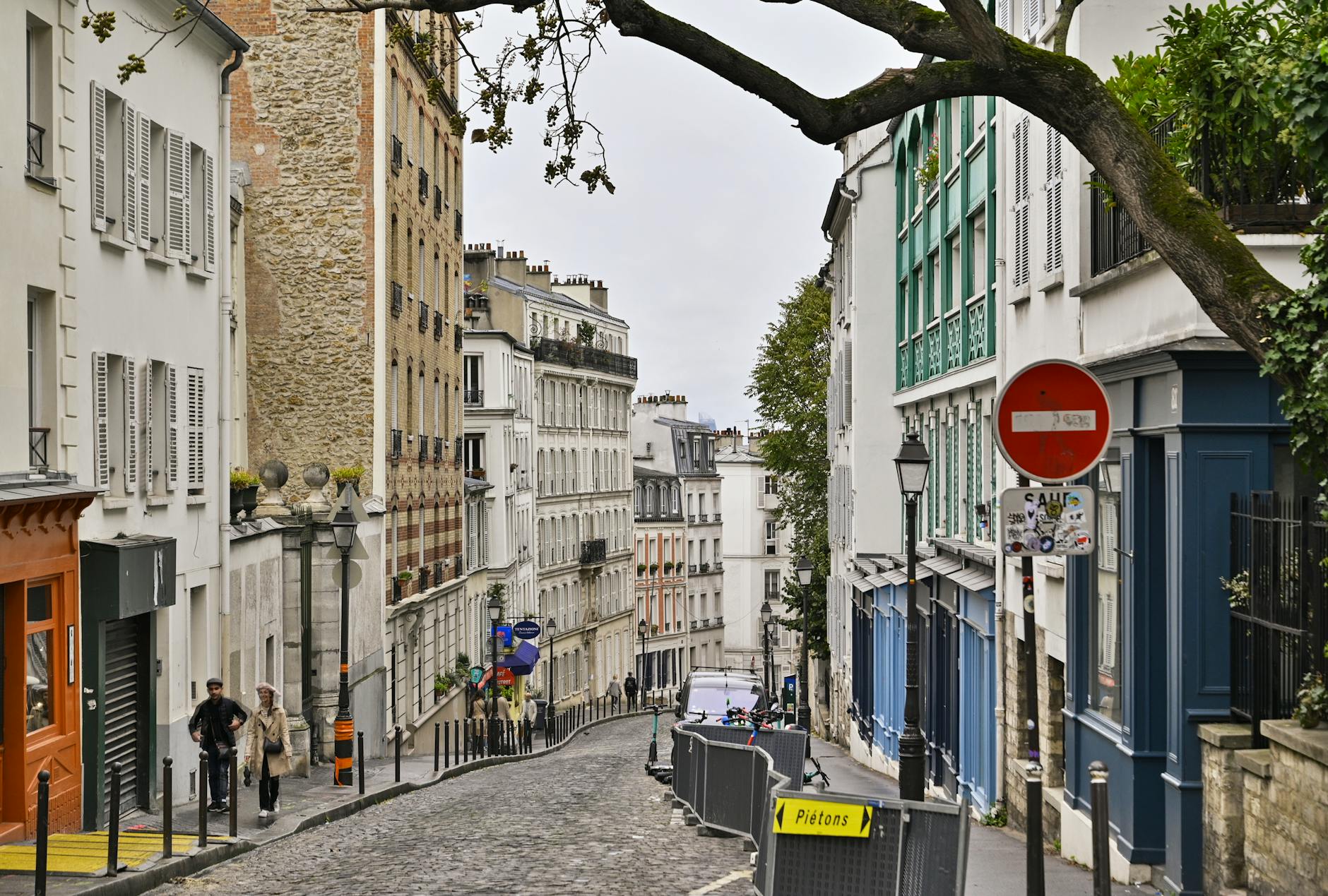
- Why: hilltop views, bistros around Abbesses; expect steeper streets and some tourist crowds near Sacré-Cœur.
- Opera / Grands Boulevards (2nd/9th arr.)
- Best for: travelers arriving by train and shoppers.
- Why: central transit hub, big department stores; rooms may be smaller but location is efficient for short stays.
When staying for only 3 days: prioritize a central base that minimizes long commutes between the hotel and the main sights listed in the 3 days in Paris itinerary.
Local Context
Seasonal patterns and city realities that affect where to stay:
- Seasons: High season (June–August) brings heat, larger crowds, and higher nightly rates. Shoulder seasons (April–May, September–October) offer milder weather, fewer crowds, and better hotel deals. Winter is quieter; some small businesses may close for holidays but museum lines are shorter.
- Noise and protests: Paris has occasional demonstrations and transport strikes. Avoid hotels on major boulevards if you need guaranteed quiet. Choose a courtyard-facing room to reduce street noise.
- Transport: The Metro is the fastest way around central Paris. Major RER lines connect to airports and suburban day-trip stations. Night buses and taxis are available but slower. Always check strike notices during early booking windows.
- Local etiquette: Greet shopkeepers with “Bonjour” or “Bonsoir.” Keep voices moderate in residential neighborhoods, and follow dining hours (restaurants typically open for dinner after 7pm).
- Safety and pickpockets: Watch for pickpockets on metro lines and around major tourist sites — use closeable bags and avoid keeping valuables in back pockets.
How to Choose Well
Practical criteria and booking tips:
- Prioritize proximity to a Metro line with direct connections (Line 1, 4, 7, 9 are particularly useful for central sightseeing).
- Check walking time, not just distance — note that attractions like the Louvre and Île de la Cité are close but can be 20–40 minutes on foot depending on your block.
- Confirm arrival logistics: if you land at CDG, a hotel near Gare du Nord or along RER B saves transfer time; for Orly, pick a south-central base or use Orlyval + RER.
- Room realities: many Paris rooms are compact. Look for “queen” or “double” bed descriptions and square footage if important.
- Noise control: ask whether rooms face the street or courtyard; request higher floors if street noise bothers you.
- Booking channels: prefer the hotel’s own site or a local booking platform for better cancellation policies and to support local businesses. Look for eco-certifications or independent guesthouses in listings.
- Refundability and flexibility: on a short trip, choose a rate with free cancellation or at least free date changes when possible.
Quick checklist before you book:
– Which Metro lines are within a 5–10 minute walk?
– Is the neighborhood active at night or mostly residential?
– Does the property list heating/air conditioning and luggage storage?
– Are there grocery stores, bakeries, or a local market nearby?
Responsible and Local-First Tips
Make your stay beneficial to Paris neighborhoods and low-impact:
- Stay in small hotels, family-run guesthouses, or eco-certified properties rather than large international chains when possible.
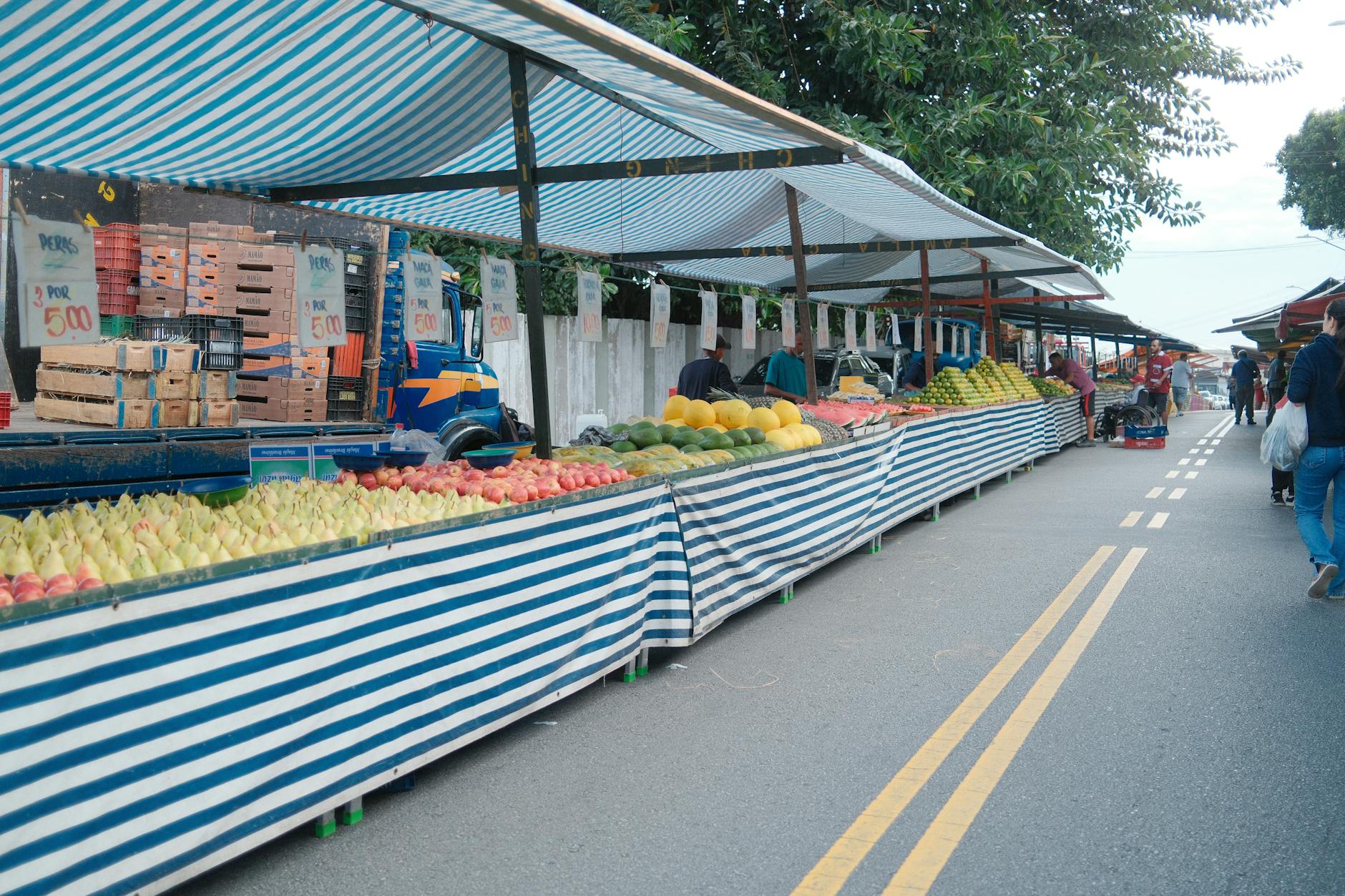
- Eat locally: buy bread from a neighborhood boulangerie, order at bistro counters, and choose markets like Marché d'Aligre or Marché Bastille.
- Use rail for nearby day trips: Reims, Rouen, Amiens, Le Havre and Orléans are all train-accessible and reduce carbon compared with short flights.
- Walk and cycle: Paris has many safe walking routes and a strong Vélib' bike network; use these to reduce taxi use.
- Respect residential life: avoid loud late-night groups, keep balcony smoking to a minimum, and dispose of waste in the proper bins.
- Hire licensed local guides for themed walks (food, architecture, history) to ensure earnings stay local and to get accurate context not found in crowdsourced apps.
Small acts matter: bring a reusable water bottle, refuse single-use cutlery, and tip locally for exceptional service.
Common Mistakes to Avoid
Avoid these common mistakes on a short Paris stay:
- Choosing a hotel only for an "Eiffel view" without checking noise, distance to the metro, or nighttime activity.
- Forgetting to check the closest metro lines; a 10–20 minute extra commute each day wastes sightseeing time.
- Booking the cheapest room without confirming bed type and room size — many small rooms are sold as "standard."
- Ignoring arrival transport: staying far from major stations makes day trips to Reims, Rouen, Amiens, Le Havre or Orléans slower.
- Not accounting for protests or strikes: have a plan B for transfers and allow time buffers.
- Overlooking sustainable choices: favoring large, out-of-neighborhood hotels concentrates tourist spending and misses opportunities to support local economies.
If in doubt, pick a central, well-connected neighborhood and a locally run property with flexible cancellation.
FAQ
Where should I base myself for a 3-day first-time visit?
Pick a central arrondissement like Le Marais (3rd/4th), Saint-Germain (6th), or the 1st/2nd for easy walking to major sights. These reduce transit time and let you follow the 3 days in Paris itinerary comfortably.
Is it better to stay near a train station for day trips?
Yes—if you plan day trips to Reims, Rouen, Amiens, Le Havre or Orléans, choose a hotel within a 10–15 minute walk of Gare du Nord, Gare de Lyon, or Gare Saint-Lazare depending on which trains you’ll use.
Are Paris hotels safe at night?
Central Paris is generally safe, but stay aware of pickpockets in tourist areas and on the Metro. For quieter nights, request a courtyard-facing room and avoid hotels on noisy nightlife streets.
How far ahead should I book for shoulder season vs summer?
For shoulder season (April–May, Sept–Oct) 4–6 weeks is usually fine. For peak summer and holiday weeks, book 2–3 months ahead to secure better rates and sustainable properties.
Should I worry about strikes affecting my stay?
Strikes happen occasionally. Build time buffers into arrivals and departures, and choose flexible bookings. If you must travel during a high-risk window, staying close to a major station helps you pivot to alternative trains or buses.
Can I find eco-friendly hotels in central Paris?
Yes. Look for properties with green certifications, energy-saving measures, locally sourced breakfasts, and bike rentals. Small guesthouses and family-run hotels often have lower environmental footprints than large chains.
Conclusion
For a short, effective visit align your lodging choice with the 3 days in Paris itinerary: prioritize centrality, metro access, and a neighborhood tone that fits your interests. Favor small, locally run properties and train-accessible bases if you plan day trips to Reims, Rouen, Amiens, Le Havre or Orléans. Book flexible rates during unpredictable months, request quieter rooms, and support neighborhood businesses to keep your visit low-impact and locally beneficial.
Ready to pick a neighborhood? Use this guide alongside the 3 days in Paris itinerary to map each night to your planned days and reserve an eco-conscious, locally owned place to stay.
Plan the Rest of Your Trip
This page works best alongside the main itinerary and the other planning pages for Paris.