

Best Time to Visit Paris: When to Go, What to Expect, and How to Plan
Practical guide to the best times to visit Paris by season, crowd and price patterns, transport realities, and sustainable, local-first tips—perfect as support for a 3 days in Paris itinerary.
If you want the best balance of weather, crowds, and prices, visit in late April–June or September–mid October. These shoulder-season months offer comfortable temperatures, open terraces, fewer tourists at major sites, and lower hotel rates than July–August. For fewer crowds regardless of weather, aim for November–March (watch for shorter daylight and occasional strikes).
Paris works year-round, but what you want from the trip—fewer crowds, warm café terraces, festivals, cheaper hotels, or museum time—determines the best month to travel. This page gives clear, practical guidance tied to neighborhoods, transport realities, and sustainable choices so you can slot a visit into a 3 days in Paris itinerary or add a train day trip to Reims, Rouen, Amiens, Le Havre, or Orléans.
What This Page Helps You Decide
Use this page to choose when to book: whether to prioritize mild weather, museum time, local festivals, or cheaper lodging. It helps you decide:
- Best season for walking neighborhoods like Le Marais, Latin Quarter, and Saint-Germain.
- When museums and attractions are busiest and how to avoid lines.
- How local events (fashion weeks, public holidays) affect prices and transport.
- Which months suit day trips to Reims (champagne region) or Rouen (Normandy).
Top Recommendations
Season-by-season quick guide:
- Late April–June (Best overall): Mild temperatures, blossoms in parks (Jardin du Luxembourg, Tuileries), long museum opening hours, good for walking and cycling. Book timed tickets for the Louvre and Sainte-Chapelle.
- September–mid October (Best autumn): Warm early days, cultural calendar restarts, lower summer crowds, harvest menus in bistros. Check for Nuit Blanche in early October if you want late-night contemporary art.
- July–August (Peak summer): Bright and lively—outdoor terraces, Paris Plages along the Seine—but expect crowds, higher prices, and some local shops or restaurants closed for August holidays. Consider staying in outlying neighborhoods like Canal Saint-Martin or the 20th arrondissement for better value.
- November–March (Low season): Cheapest hotels and short lines at major museums. Days are colder and shorter; good for museum-focused trips, Christmas markets, and local cafés. Watch for potential transport strikes and bad weather on the outskirts.
Practical booking tips:
- Reserve hotels and flights early for school holidays and Paris Fashion Week.
- Buy timed-entry tickets for top museums and Versailles ahead of time.
- For nearby towns, prefer trains (SNCF/TGV) over flights for lower impact and faster door-to-door travel.

Local Context
Neighborhood and transport realities matter. Choose lodging and plans that cut unnecessary travel time and benefit local businesses.
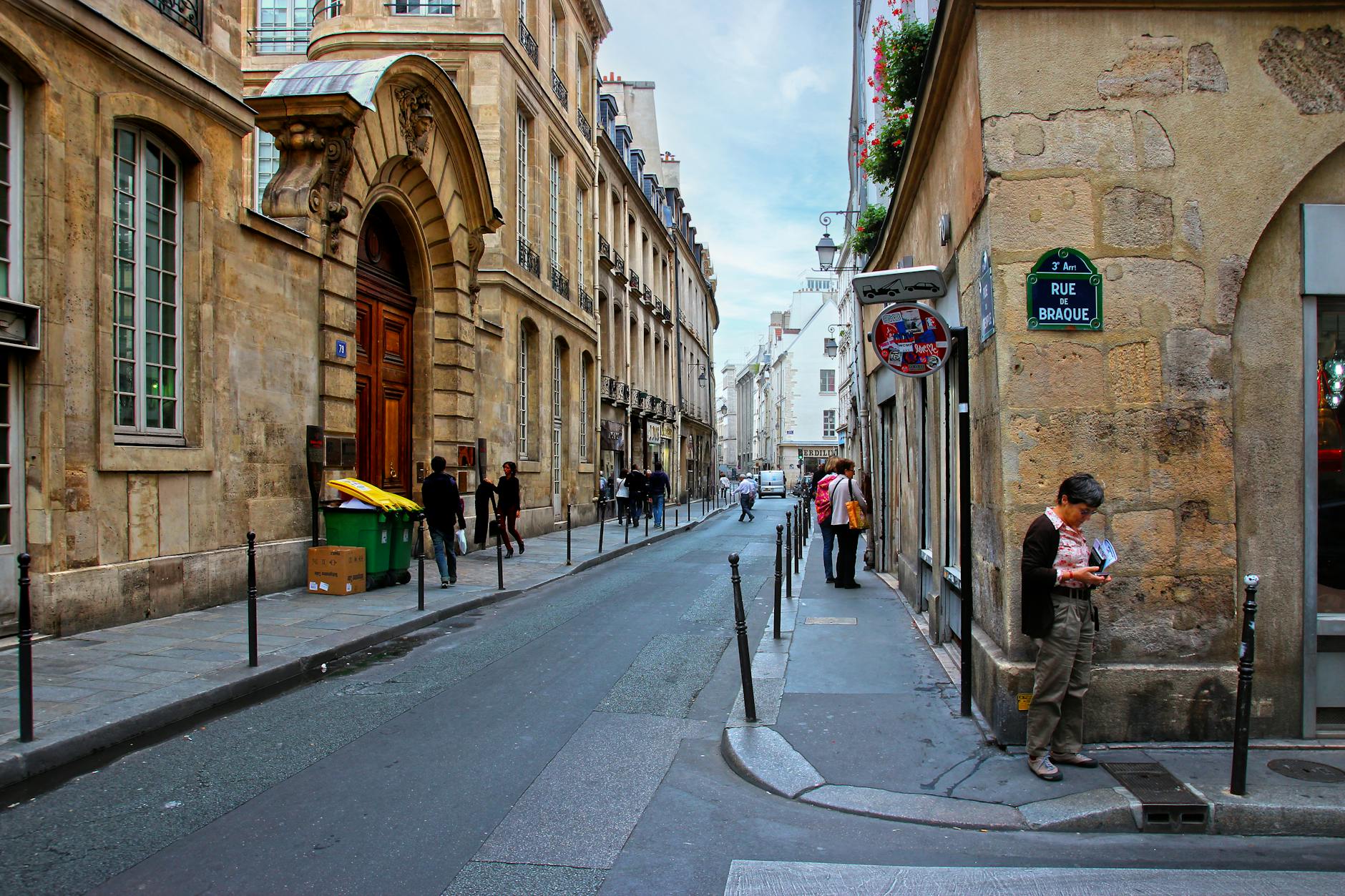
- Neighborhoods: For first-timers, central areas—1st to 7th arrondissements—put you near major sites but are pricier. Le Marais (3rd/4th) and Saint-Germain (6th) offer local shops; Canal Saint-Martin and Belleville offer lower-cost, local-focused scenes.
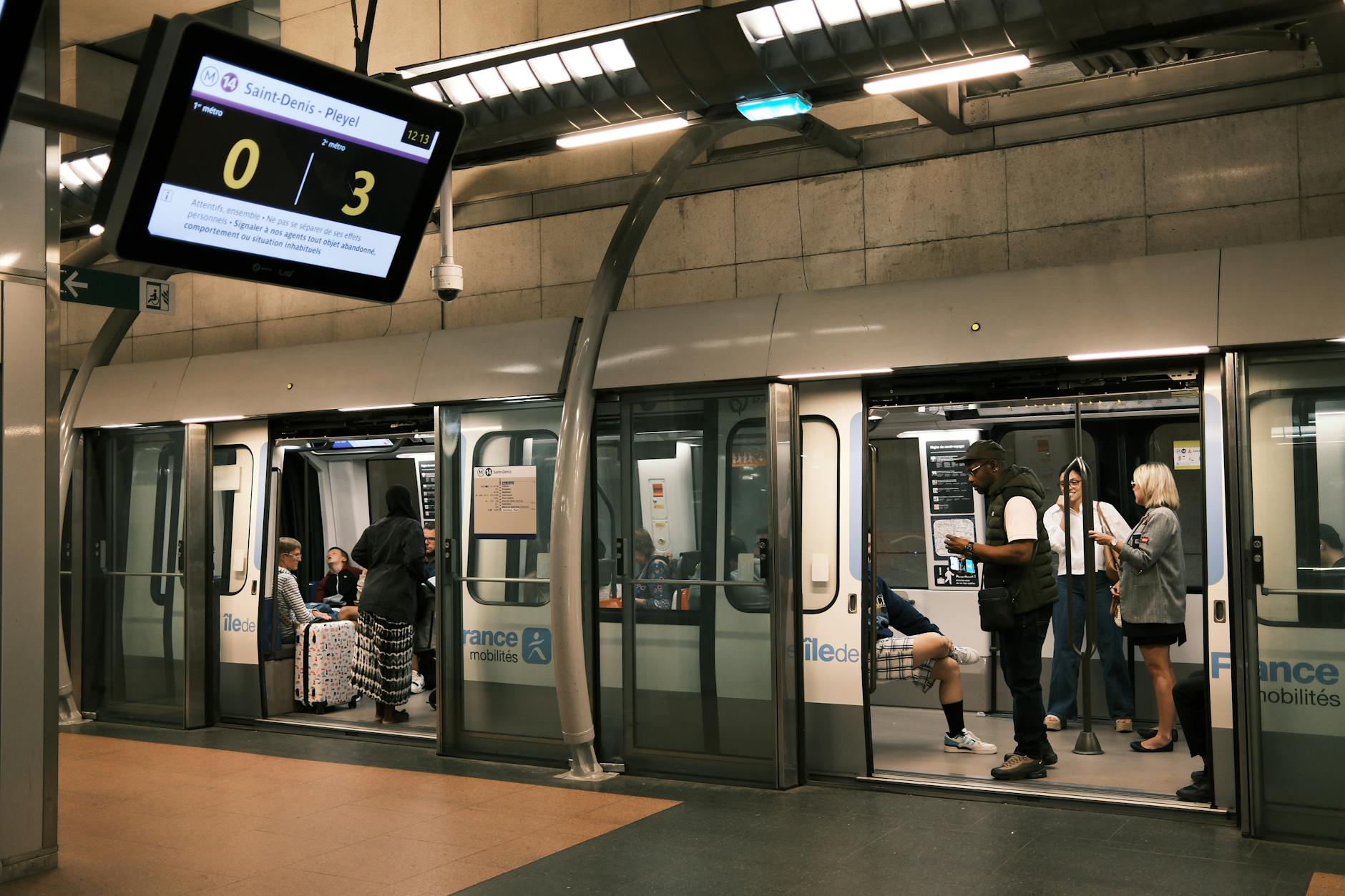
- Transport: Metro is fast and frequent; RER is necessary for Versailles and Charles de Gaulle. Expect a higher taxi surge and traffic delays during rush hours. Buy a Navigo weekly pass if you stay 7+ days; single tickets or carnet suits short visits.
- Seasonality: Schools are out late June–August—expect families and higher hotel prices. Major trade shows and Fashion Week can double hotel rates near show venues—check Paris Convention Bureau dates.
- Etiquette and rhythm: Greet shop staff with Bonjour or Bonsoir, wait to be seated in many cafés, and know tipping is modest—service is usually included but rounding up is appreciated.
How to Choose Well
Decide by priorities with short checklist questions:
- Want outdoor cafés and long days? Pick May–June or September.
- Want the lowest prices and less crowding at museums? Choose November–March.
- Planning day trips to Reims, Rouen, Amiens, Le Havre, or Orléans? Avoid major holidays and check train timetables—early morning departures maximize sightseeing time.
Practical steps:
- Match your dates against big local events (Fashion Week, Marathon, national holidays like May 1).
- Book key attractions and restaurant reservations in advance if traveling in shoulder or high season.
- Consider staying in one of the outer arrondissements served by direct metro/RER lines to reduce hotel costs while keeping fast access to central sights.

Responsible and Local-First Tips
Make choices that support the local economy and reduce impact:
- Travel by train to nearby cities (Reims in ~45 min, Rouen ~1h10, Amiens ~1h10, Le Havre ~2h20, Orléans ~1h15) rather than renting a car.
- Choose small hotels, family-run guesthouses, or locally owned cafés and bistros over international chains.
- Buy produce and snacks from markets such as Marché Bastille or Marché d'Aligre to support local vendors.
- Walk and cycle—Paris has extensive bike lanes and shared bikes (Vélib'). Short trips on foot keep spending within neighborhoods.
- Time visits to popular attractions early morning or late afternoon to reduce environmental impacts of crowding and to spread tourist flows.
Booking and packing for sustainability:
- Prefer digital tickets to reduce paper waste and buy museum passes only if you will use them several times.
- Pack a reusable bottle and tote for markets.
- Respect residential areas—keep noise low at night and follow local rules in parks and sacred sites.

Common Mistakes to Avoid
Avoid these frequent planning errors:
- Booking without checking local events. Paris Fashion Week, the Marathon, and trade fairs can spike prices and crowding.
- Underestimating walking time between sights—Paris is dense but attractions can be farther apart than they appear on maps.
- Assuming everything is open year-round—many small restaurants close for two weeks in August and some museums have seasonal closures; always check opening hours.
- Over-scheduling: plan one major museum and a neighborhood walk per half-day to reduce rush and support local cafés.
- Ignoring transport strikes: strikes are occasional; have a flexible backup (extra travel time, night buses, or a day with no long-distance transfers).
FAQ
When is the absolute best month to visit Paris for mild weather and fewer crowds?
Late May and early June or September offer the best balance—pleasant temperatures, longer daylight, and smaller crowds than July–August.
Is winter a bad time to visit Paris?
No—winter has shorter days and colder weather, but lower prices, fewer queues, and atmospheric cafés and Christmas markets. It's ideal if you prefer museums and a quieter city.
How does Paris Fashion Week affect travel plans and prices?
Fashion Week brings visitors and industry events that raise hotel rates and reduce availability in central neighborhoods. Book months in advance if your dates overlap.
Can I do day trips to Reims, Rouen, Amiens, Le Havre, or Orléans from Paris in a day?
Yes—all are doable by train. Reims is ~45 minutes on the TGV from Gare de l'Est; Rouen and Amiens are about 1–1.5 hours; Orléans ~1h15; Le Havre ~2h20. Book SNCF tickets ahead for best fares and check first/last train times.
Are there months to avoid because of closures or sanitation strikes?
August sees many small businesses temporarily closed for summer holidays. Strikes are unpredictable—check local news a few days before travel and allow flexibility in your schedule.
How many days should I plan in Paris if I’m following the 3 days in Paris itinerary?
The 3 days in Paris itinerary is optimized for first-time visitors. Add extra days in shoulder season if you want slower exploration, museum deep-dives, or day trips to nearby cities.
Any practical tips for booking museums and restaurants?
Buy timed-entry tickets online for the Louvre, Orsay, and Versailles. Reserve popular small restaurants a week or two ahead, more for weekend dinners or if you travel during high season.
How do I balance seeing major sights with supporting local neighborhoods?
Combine one major attraction per day with deliberate time in a neighborhood market or a locally owned bistro. This spreads economic benefit and reduces crowd pressure on single sites.
Conclusion
Pick dates that match your priorities: shoulder seasons for the best overall experience, winter for low prices and museum time, summer for bustling outdoor life. Pair your timing with sustainable choices—train day trips, local shops, and off-peak museum visits—to make the most of a 3 days in Paris itinerary and benefit nearby destinations like Reims and Rouen. Check event calendars, book key tickets in advance, and leave room to wander: Paris rewards slow travel.
Plan the Rest of Your Trip
This page works best alongside the main itinerary for Paris.