
Best Things to Do in Punta Cana: Beaches, Nature & Local Experiences
Practical, sustainable guide to the best things to do in Punta Cana—beaches, island trips, parks, markets, and responsible tips to plan your visit alongside our 3-day Punta Cana itinerary.
A practical list of Punta Cana highlights—what to prioritize for 1–4 days, how to get around, sustainable choices, and booking tips that pair with our 3 days in Punta Cana itinerary.
Quick Answer
A practical list of Punta Cana highlights—what to prioritize for 1–4 days, how to get around, sustainable choices, and booking tips that pair with our 3 days in Punta Cana itinerary.
Who This Page Is For
This page is for travelers planning a stay in Punta Cana who want clearer decisions about things to do, local logistics, timing, budgeting, and practical trip planning.
How This Page Was Prepared
This page was prepared through a structured editorial workflow that combines destination research, geographic context, and practical travel-planning review.
Plan the Rest of Your Trip
Use this page together with the full itinerary and the related planning pages below to make better booking, timing, transport, and budget decisions.
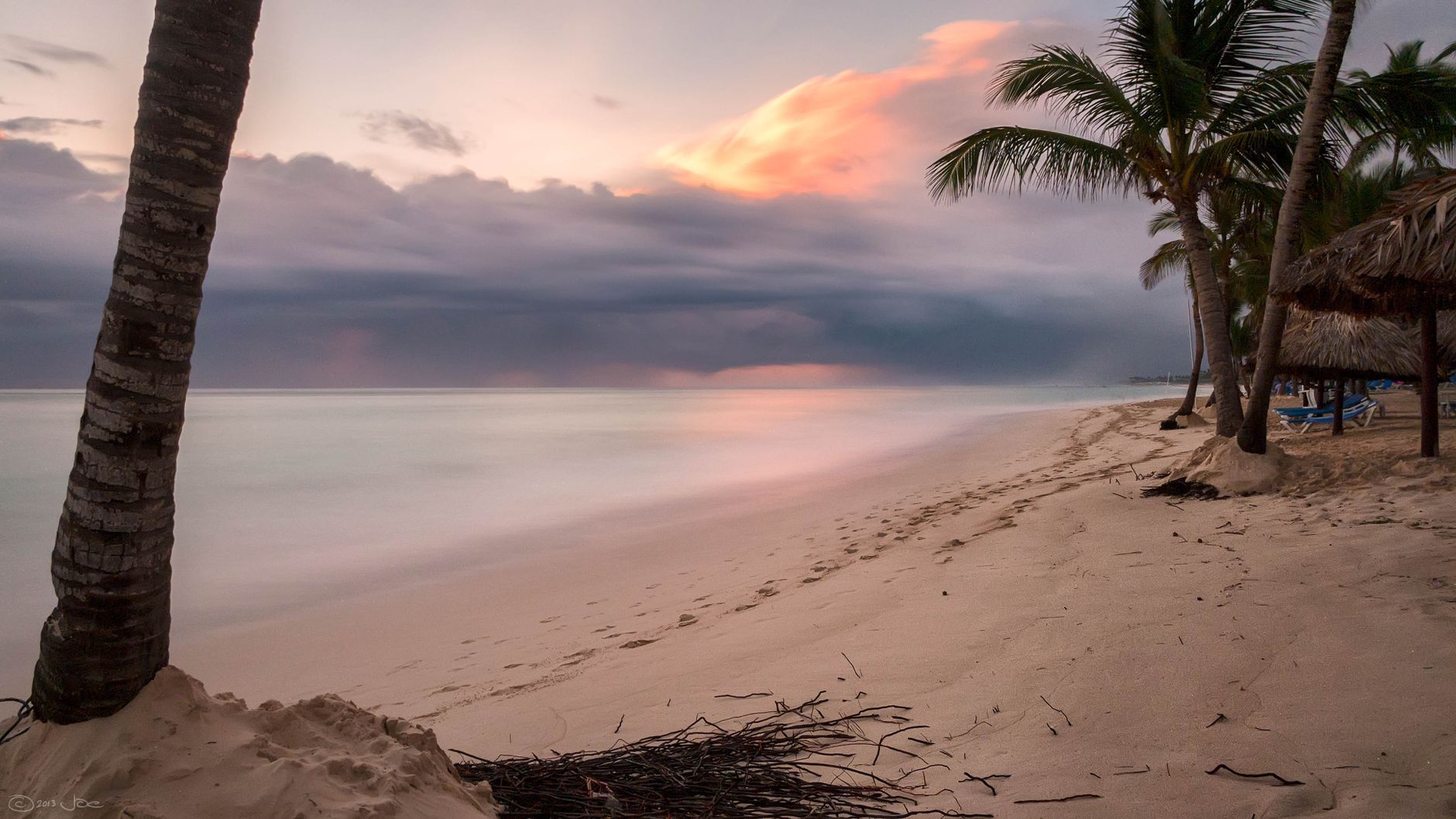
Top five essentials: 1) Spend a morning at Bávaro Beach for sand and easy amenities. 2) Take a morning boat trip to Isla Saona for beaches and birdlife. 3) Visit Hoyo Azul at Scape Park or Indigenous Eyes Ecological Park for freshwater lagoons and shade. 4) Try Macao Beach for surfing or Cap Cana for calmer water and marina walks. 5) Explore El Cortecito market and local restaurants to taste Dominican food and support local vendors.
This page collects the best, practical things to do in Punta Cana for travelers who want beach time, nature, and authentic local experiences without wasting time or money. Use it as a companion to the 3 days in Punta Cana itinerary—pick activities that fit your pace and transportation options. Recommendations focus on neighborhoods like Bávaro, Cap Cana, and Punta Cana Village, note seasonal patterns, and prioritize local-run and low-impact choices when possible.
What This Page Helps You Decide
This page helps you choose activities based on length of stay, mobility, and values: whether you prefer slow beach days, active nature visits, or cultural time in town. It pairs cleanly with the 3 days in Punta Cana itinerary: pick one major day trip (Isla Saona or Scape Park), one local beach morning, and one community-focused afternoon. If you’re extending travel in the region, see nearby destinations such as Santo Domingo for colonial history, San Juan for Puerto Rican connections, or island hops to Kralendijk and Kingston.
Top Recommendations
Prioritized activities with practical notes:
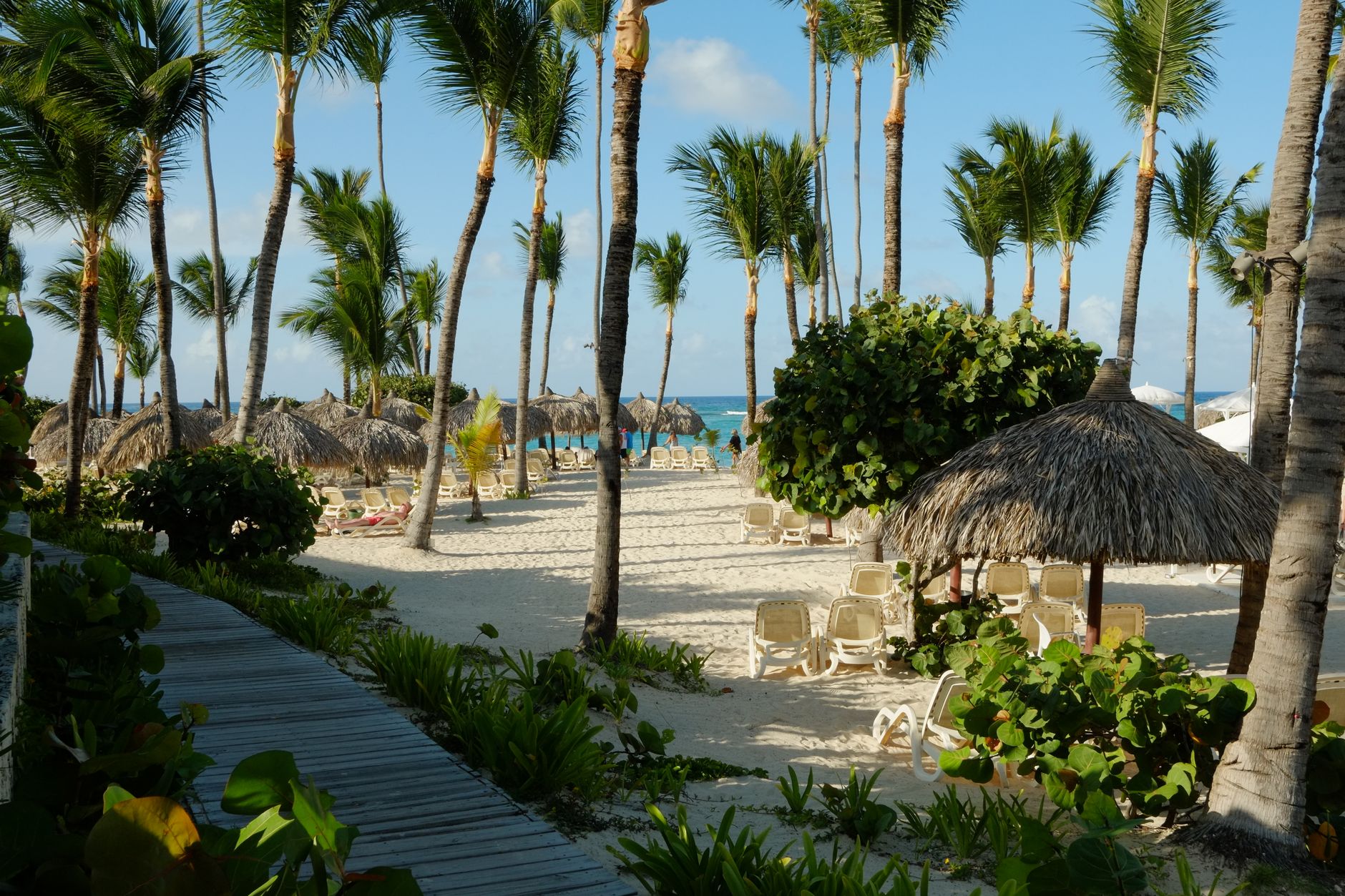
- Bávaro Beach (half day): Broad, well-serviced stretch ideal for a first morning. Facilities vary by stretch—choose public access points near El Cortecito to support local businesses. Arrive before 10:00 to find shade and calmer water.
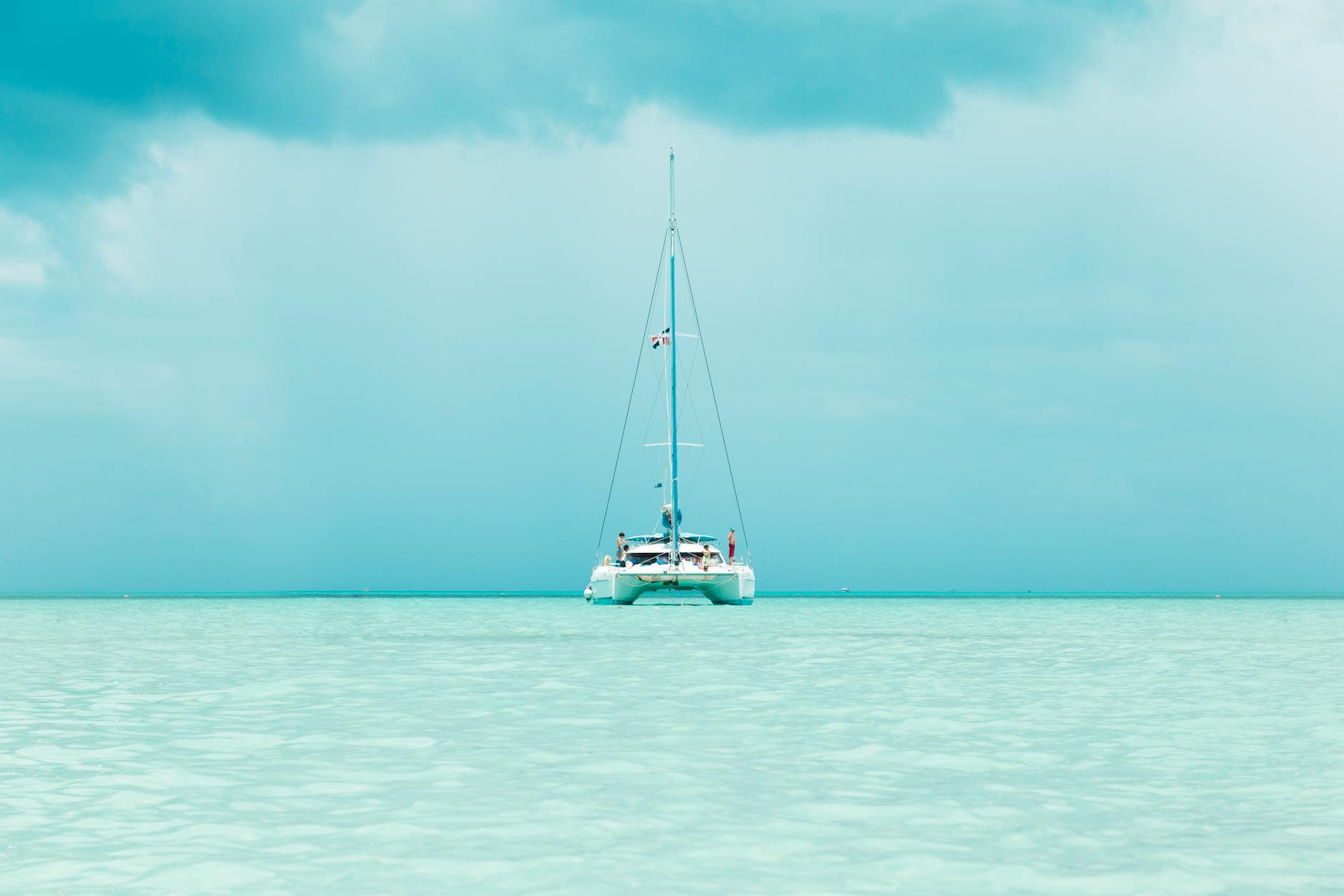
- Isla Saona day trip (full day): Book with small-boat operators who include park fees and use reef-safe practices. Morning departures beat crowds and offer better snorkeling near reef edges.
- Hoyo Azul / Scape Park (half to full day): Reserve tickets in advance for early slots to avoid heat. Trails and ladders mean moderate mobility required; wear water shoes.
- Indigenous Eyes Ecological Park (2–3 hours): A 1,500-acre private reserve with short trails and freshwater lagoons. Ideal for a cooler afternoon and shorter walks; support the park’s conservation fees.
- Macao Beach (half day): The best public beach for waves and local vendors. Surf lessons and small local eateries line the road; agree prices before service.
- Cap Cana & Juanillo Beach (half day): Upscale marina, calm water, and beach clubs. Good for a quieter beach afternoon or a sunset walk; consider public access beaches first to spend locally.
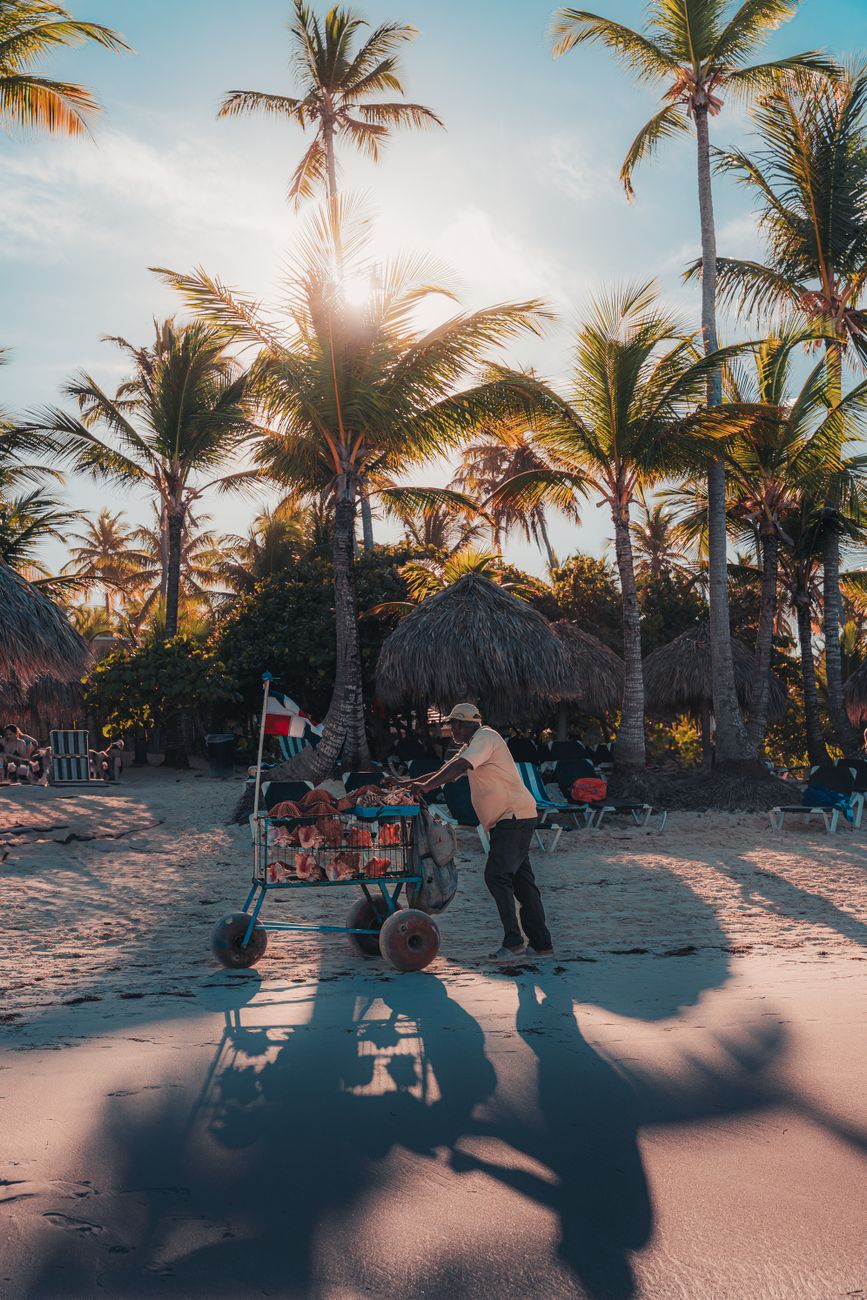
- Local food and markets (El Cortecito, Bavaro town): Try sancocho, fresh fish stands, and tropical fruit. Carry cash for small vendors and buy crafts directly from makers when possible.
- Snorkeling and coral restoration experiences: Choose operators who work with local NGOs, limit group sizes, and brief guests on no-touch rules.
- Short cultural trip to Higuey (half day): Visit the Basílica in Higüey and a local market to see regional life beyond the resorts.
Each of these pairs well with the 3 days in Punta Cana itinerary: slot an island day, a park day, and a market beach day across a long weekend.
Local Context
Neighborhoods and transport realities:
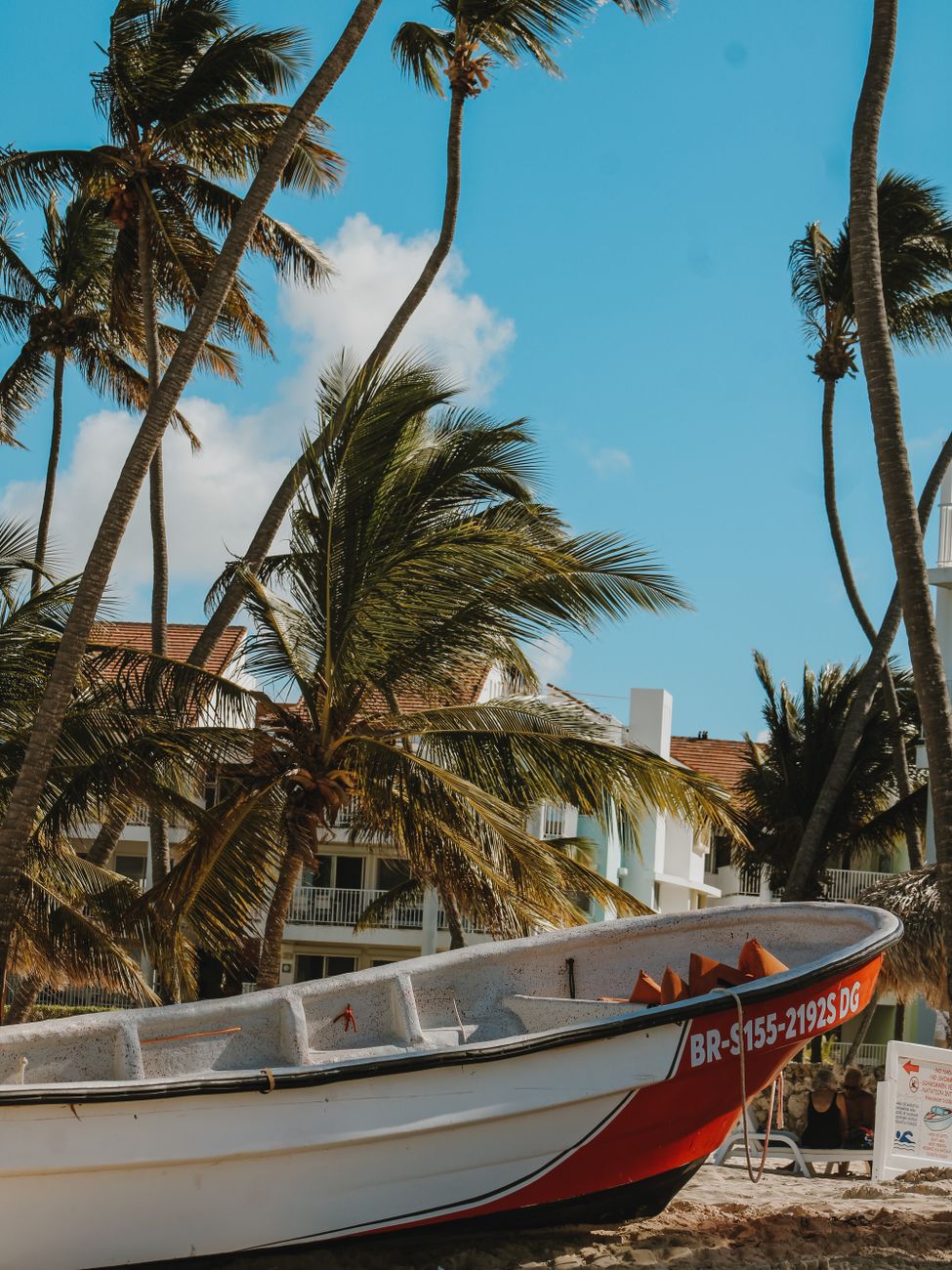
- Neighborhoods: Bávaro is the main tourist strip with beaches and services; El Cortecito is the nearby low-key food and craft area; Cap Cana is a planned upscale marina and residential zone; Punta Cana Village is a compact commercial hub near the airport.
- Transport: Taxis are available but confirm fares before departing. Many hotels offer shuttle service to main beaches and attractions—ask about shared shuttles to reduce cost. Renting a car gives flexibility for Macao and Higuey, but roads outside the resort strip can be narrow; drive cautiously. Local minibuses (guaguas) run between towns but can be slow and crowded.
- Seasonal patterns: High season runs December–April (best weather, highest prices). Shoulder months May and November can be quieter and cheaper with acceptable weather. Hurricane season is June–November with the peak risk in September–October; buy travel insurance covering storms.
- Local etiquette: Greet with a smile and a handshake in small businesses. Swimwear is normal at beaches but avoid wearing it in town streets or religious sites—bring a cover-up. Tipping for restaurant servers and guides is appreciated; small vendors expect cash.
How to Choose Well
Match activities to mobility, time, and values:
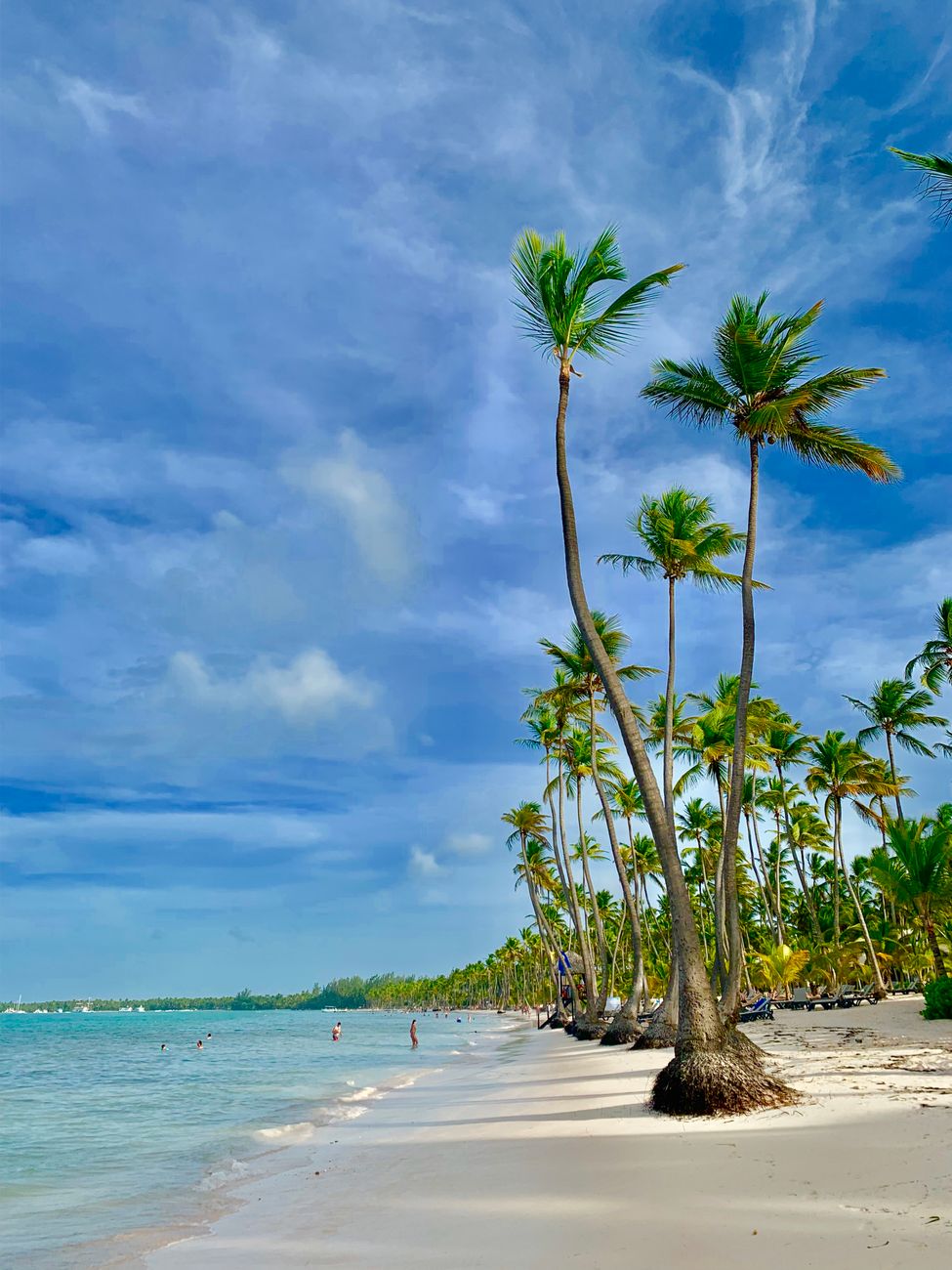
- Time: If you have only a weekend (2–3 days), choose one big day trip (Isla Saona or Scape Park), one beach morning at Bávaro or Macao, and one market or marina evening. The 3 days in Punta Cana itinerary outlines this exact mix.
- Mobility: Hoyo Azul and Indigenous Eyes have uneven paths; pick Isla Saona or Cap Cana for gentler walking. Ask operators about stairs and distances when booking.
- Budget: Public beaches and self-guided market strolls are lowest cost. Small-group tours cost more but often deliver better experiences and local income.
- Sustainability: Prefer operators that demonstrate reef-safe practices, pay local crews, and avoid plastic waste. Book directly with local guides when possible—many are listed on profile pages in the 3-day itinerary.
Booking advice:
– Reserve high-demand excursions at least 1–3 weeks in high season. Shoulder season you can often book 2–4 days ahead.
– Confirm pickup times and meeting points; many hotels require a second meeting point if you’re not in the resort zone.
– Check cancellation and weather policies—look for flexible change policies if visiting during hurricane season.
Responsible and Local-First Tips
Small choices that help local communities and ecosystems:
- Spend at local eateries, street stalls, and family-run guesthouses to keep tourist dollars in the community.
- Use reef-safe sunscreen (look for non-nano zinc) and respect no-anchoring zones; choose tours that use mooring buoys.
- Pack a reusable water bottle and refill where safe—ask your hotel about filtered refill stations.
- Hire guides and experiences that employ local staff; ask how revenue benefits the local community before booking.
- Minimize single-use plastics on boat trips—bring dry bags for snacks and trash bags to return your waste.
- Buy crafts directly from makers and request fair prices; avoid plastic trinkets that don’t support artisans.
- Observe wildlife from a distance. Don’t feed iguanas, birds, or marine life and follow guide instructions during snorkeling.
Common Mistakes to Avoid
Avoid these frequent pitfalls:
- Overpacking your schedule: Punta Cana is best enjoyed without rushing—leave half-days free for rest.
- Booking the cheapest large-boat tour without vetting conservation practices—price sometimes reflects environmental cost.
- Assuming resort transport covers every excursion—confirm pickups and extra fees in advance.
- Wearing only swimwear away from beaches or religious sites—bring a cover-up when visiting towns or the Basílica in Higuey.
- Ignoring weather windows: afternoon storms are common in summer; prioritize morning excursions.
- Not carrying small bills and cash for markets and taxis—ATMs are in tourist hubs but can charge fees.
FAQ
What is the best time of year to visit Punta Cana?
The peak season with the most reliable weather is December–April. For fewer crowds and better prices, consider shoulder months like May and November. Remember hurricane season runs June–November; September–October are highest risk months.
Is Punta Cana safe for solo travelers and families?
Punta Cana is generally safe in tourist areas when you follow normal precautions: use hotel safes for valuables, avoid unlit streets at night, confirm taxi fares ahead of time, and stick to recommended beaches and operators. Families should choose operators with child-friendly safety policies and life jackets.
Can I visit Santo Domingo or nearby islands from Punta Cana?
Yes. Santo Domingo is a 2–3 hour drive west; it’s an excellent day trip for colonial history. Regional flights and ferries serve other islands—San Juan (Puerto Rico) and Kralendijk (Bonaire) require flights, while Haiti’s Port-au-Prince is close regionally but requires careful planning and appropriate travel checks. Consider adding these to a longer trip after your 3 days in Punta Cana.
Do I need to rent a car?
Not necessarily. For most resort-based stays, shuttles, taxis, and organized tours cover attractions. Rent a car if you want independent trips to remote beaches like Macao, Higuey, or to explore beyond the resort strip. Drive cautiously and insure your rental.
How should I tip guides and service staff?
: Tipping is appreciated. Typical ranges: servers 10–15% in restaurants, hotel porters $1–2 per bag, tour guides $5–20 depending on group size and length, and boat crew $5–10 per person. Cash in Dominican pesos or US dollars is widely accepted; small notes are helpful.
Conclusion
Plan a balanced Punta Cana trip by combining one major day trip (Isla Saona or Scape Park), relaxed beach time at Bávaro or Macao, and an afternoon supporting local markets in El Cortecito or Higuey. Use our 3 days in Punta Cana itinerary to schedule these choices efficiently. Favor small local operators, travel in shoulder season if possible, and follow low-impact practices to keep beaches and reefs healthy for future visitors. If you’re continuing your trip, Santo Domingo, San Juan, Kralendijk, Port-au-Prince, and Kingston each offer logical extensions—book transport early and check entry requirements.
How this guide was prepared
This guide was prepared through a structured research that combines destination research, geographic context, itinerary planning logic, and content review.