
Best Time to Visit Punta Cana — Seasons, Weather, Prices, and Practical Advice
When to go to Punta Cana: month-by-month weather, crowd and price patterns, sustainable tips, neighborhood notes, and booking advice to plan your 3-day itinerary and nearby trips to Santo Domingo, San Juan, and Jamaica.
Punta Cana’s sun, beaches, and reefs are available year-round. This guide shows the best months for calm seas, lower prices, local events, and low‑impact choices so your 3-day trip is better planned and more responsible.
Quick Answer
Punta Cana’s sun, beaches, and reefs are available year-round. This guide shows the best months for calm seas, lower prices, local events, and low‑impact choices so your 3-day trip is better planned and more responsible.
Who This Page Is For
This page is for travelers planning a stay in Punta Cana who want clearer decisions about best time to visit, local logistics, timing, budgeting, and practical trip planning.
How This Page Was Prepared
This page was prepared through a structured editorial workflow that combines destination research, geographic context, and practical travel-planning review.
Plan the Rest of Your Trip
Use this page together with the full itinerary and the related planning pages below to make better booking, timing, transport, and budget decisions.
Best months: December–April for the driest, sunniest weather and the calmest seas. Best value and fewer crowds: late April–June and late September–early November (shoulder seasons). Avoid: peak hurricane risk from August to October for highest storm probability and higher travel disruption risk.
If you need a short, practical travel decision: choose December–April for reliable beach weather and easy day-trip planning; choose May–June or October–early November for lower prices, easier bookings, and good sea clarity with fewer tourists.
Punta Cana is a coastal region in the eastern Dominican Republic known for long white-sand beaches, resort zones, and nearby natural attractions. Travelers coming for 3 days will base themselves in Bávaro, Punta Cana Village, or Cap Cana and use the time for beaches, snorkeling, and a single day trip inland or to a nearby island. This page focuses on when conditions — weather, sea, crowds, prices, and local rhythms — align with your priorities, especially if you prefer lower impact travel and supporting local businesses.
What This Page Helps You Decide
Use this page to pick the best month to travel, whether to prioritize weather or price, and how to shape a 3-day itinerary that respects local communities and natural areas. It helps with:
- Timing your visit to match sea conditions for snorkeling and water sports.
- Booking windows: when to reserve flights, hotels, and tours for the best rates.
- Choosing neighborhoods — Bávaro, Cap Cana, El Cortecito, Uvero Alto — based on pace and access.
- Planning day trips to Santo Domingo or nearby islands and knowing realistic travel times and transport modes.
Top Recommendations
Plan by priorities:
- For best beach weather and calm seas: travel December–April. Expect higher prices and book 2–4 months ahead for December holidays.
- For value and fewer crowds: travel April–June or late September–early November. Many tour operators offer discounts; sea conditions are usually acceptable for snorkeling.
- For lowest risk and local-first choices: stay in locally owned guesthouses or small hotels in El Cortecito or Bávaro and book eco-certified operators for excursions.
- If you must travel in hurricane season (June–November): buy flexible tickets, book hotels with free cancellation, and keep travel insurance that covers storms.
Practical book-ahead checklist:
- Flights and PUJ transfers: 1–3 months ahead; sooner for December–January.
- Popular excursions (Scape Park, Catalina/ Saona day trips): 2–4 weeks ahead in high season.
- Local experiences (fishing with small operators, culinary tours): book locally on arrival or through verified small businesses to support the local economy.
Local Context
Neighborhoods and transport:
- Bávaro: main tourist hub with beaches, restaurants, and many hotels. Good walking sections like El Cortecito for local shops and street food.
- Cap Cana: upscale marina, golf, and Hoyo Azul; quieter and more exclusive, best for luxury stays and yacht departures.
- Uvero Alto and Macao: more open coastline and surf at Macao; good if you want fewer resort crowds.
- Punta Cana Village: compact central area with restaurants and grocery options near PUJ.
Transport realities:
- Punta Cana International Airport (PUJ) is close to most resorts; transfers are short (20–45 minutes to Bávaro) but should be prebooked.
- Local buses (guaguas) are limited for tourists; taxis and private transfers are the most reliable. Ride apps are less prevalent than in larger cities.
- Renting a car gives flexibility for day trips (Santo Domingo is roughly 2–3 hours by car), but watch for road conditions, local driving norms, and parking at smaller hotels.
How to Choose Well
Match month to activity:
- Sunbathing and calm swimming: December–April.
- Surfing and larger waves: May–July and autumn swells at Macao.
- Snorkeling and diving: December–May for best visibility; prefer mornings when winds are lower.
- Festivals and culture: Dominican Carnival events are mainly February–March; local music and food scenes are year-round in Bávaro and Santo Domingo.
Choose accommodation with local impact in mind:
- Prefer family-run hotels or small guesthouses in El Cortecito or Punta Cana Village for direct local benefit.
- If staying at an all-inclusive, look for properties that partner with local suppliers or have sustainability certifications and support community programs.
Booking tips:
- Use flexible fares for travel in June–November.
- Reserve popular tours at least 1–2 weeks ahead in shoulder seasons and 3–6 weeks in peak season.
- Compare direct-book rates with reputable OTAs — small properties sometimes offer discounts and free transfers when booked directly.
Responsible and Local-First Tips
Low-impact practices that improve trips and benefit residents:
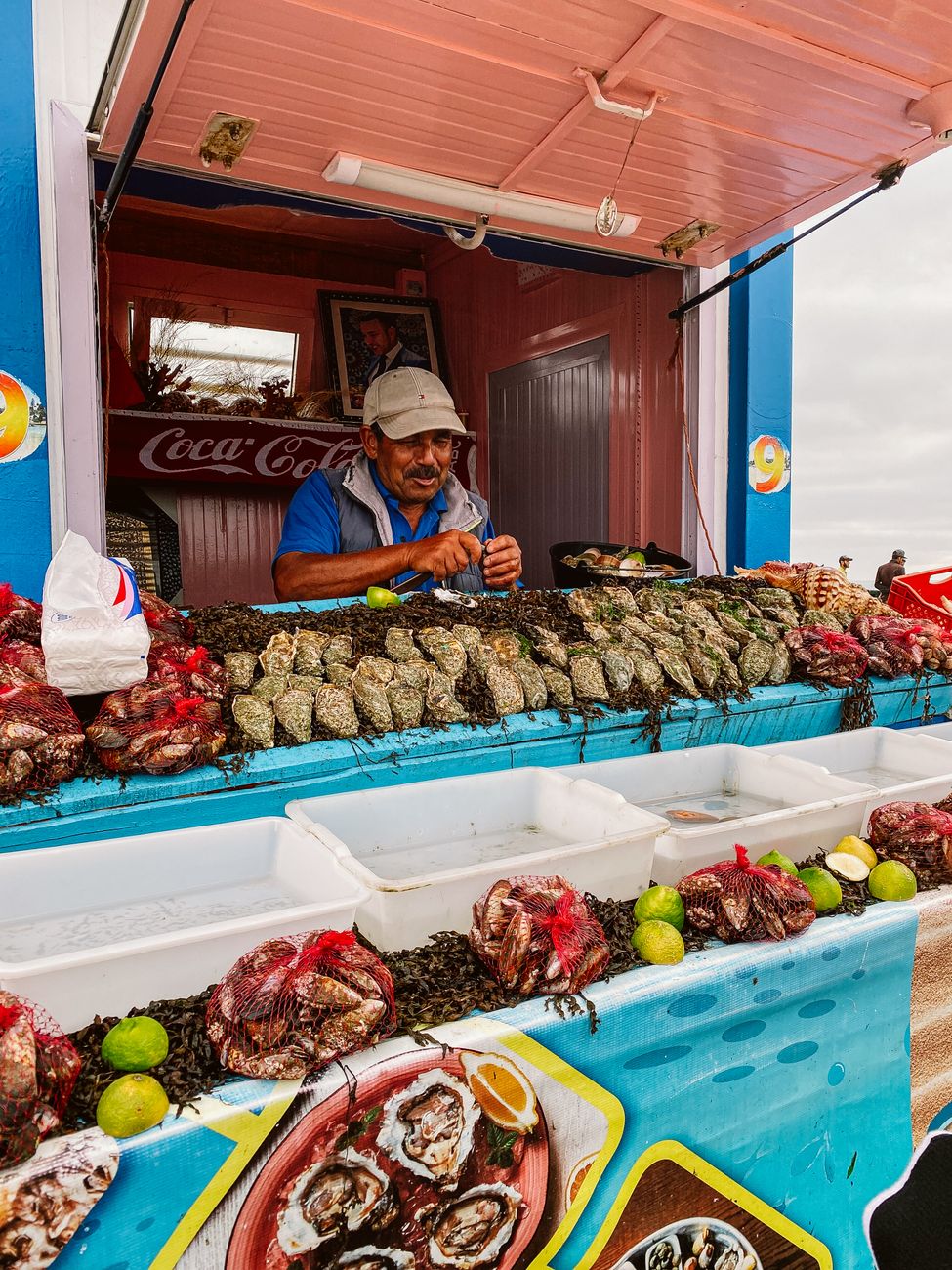
- Support local eateries and vendors in El Cortecito and Bávaro rather than only resort restaurants.
- Choose snorkeling and diving operators who follow reef-safe practices: no touching coral, reef‑friendly sunscreen, and limited group sizes.
- Respect wildlife: do not approach sea turtle nesting areas (June–October) and avoid taking shells or coral.
- Reduce single-use plastics by carrying a refillable bottle; many hotels have filtered water stations.
- Spend with tour operators that employ local guides and pay fair wages — ask where guides are from and if proceeds support community projects.
Small actions matter: tipping appropriately, bringing reusable bags for market purchases, and choosing excursions that avoid damaging sensitive coastal habitats.
Common Mistakes to Avoid
Avoid these predictable errors:
- Booking last-minute for December–April without expecting steep rates and limited availability.
- Assuming taxi fares are metered; agree on a price or use your hotel to arrange transfers.
- Overpacking activities into a 3-day schedule; pick one water activity plus a relaxed beach day to reduce stress and carbon footprint.
- Ignoring hurricane-season risk: don’t skip travel insurance or flexible bookings between August and October.
- Choosing tours without checking recent reviews — small local operators can be excellent, but verify safety practices and conservation commitments.
FAQ
Is Punta Cana safe to visit year-round?
Generally yes; Punta Cana has a stable tourist infrastructure and year-round warm weather. Safety concerns are mostly petty theft — use hotel safes and avoid poorly lit isolated areas at night. During hurricane season (June–November) monitor forecasts and buy refundable bookings or insurance.
When are flights and hotels cheapest?
Cheapest windows are late April–June and late September–early November. Prices spike in mid-December through mid-April and again around US/Canadian holidays.
Can I snorkel year-round in Punta Cana?
Mostly yes. December–May typically has the clearest water and calmer seas for snorkeling. Shoulder months can still be good, but expect occasionally choppier conditions.
Should I rent a car for a 3-day trip?
Not necessary unless you plan a day-long drive to Santo Domingo or remote beaches. For a short stay focused on beaches and a single excursion, prebooked transfers and local tours are simpler and reduce stress.
Any local-first day-trip recommendations to pair with a 3-day stay?
Consider a boat tour to Saona or Catalina that uses community‑run operators when possible, or a short inland visit to Bavaro markets and Indigenous Eyes Ecological Park with a certified guide. For longer trips, Santo Domingo is a 2–3 hour drive and worth a cultural day if you start early.
Conclusion
Timing your Punta Cana trip depends on whether you prioritize guaranteed sun, lower costs, or minimal crowds. For a 3-day itinerary, base yourself in Bávaro or Punta Cana Village, prioritize one major water activity and one local experience, and book key items in advance during high season. Choose shoulder months or local-run operators to reduce your environmental footprint and put money directly into the community. For day-by-day planning, see our companion guide: 3 days in Punta Cana, and if you want to extend your trip, consider nearby capitals like Santo Domingo, San Juan, or Kingston for cultural variety.
How this guide was prepared
This guide was prepared through a structured research that combines destination research, geographic context, itinerary planning logic, and content review.