
Where to Stay in Punta Cana: Neighborhoods, Resorts, and Local Options
Practical guide to where to stay in Punta Cana: compare Bávaro, Cap Cana, hotel zones and local guesthouses; transport, seasonality, and low-impact choices for a 3-day trip.
Decide quickly between all-inclusive resort comfort and small local stays. This page compares Punta Cana neighborhoods, transport realities, sustainable options, and booking tips to support a 3-day itinerary.
Quick Answer
Decide quickly between all-inclusive resort comfort and small local stays. This page compares Punta Cana neighborhoods, transport realities, sustainable options, and booking tips to support a 3-day itinerary.
Who This Page Is For
This page is for travelers planning a stay in Punta Cana who want clearer decisions about where to stay, local logistics, timing, budgeting, and practical trip planning.
How This Page Was Prepared
This page was prepared through a structured editorial workflow that combines destination research, geographic context, and practical travel-planning review.
Plan the Rest of Your Trip
Use this page together with the full itinerary and the related planning pages below to make better booking, timing, transport, and budget decisions.
If you want convenience and single-bill simplicity: choose an all-inclusive resort in Bávaro or Arena Gorda near Bávaro Beach. For quieter beaches, boutique hotels, and easier access to Cap Cana attractions, stay in Cap Cana (Juanillo Beach). For a more local feel and budget options within walking distance of restaurants and small shops, look at El Cortecito and Punta Cana Village. If your plan follows the 3-day guide, base yourself in Bávaro for day trips and nightlife, or split nights between an all-inclusive and a local guesthouse to support nearby businesses.
This support page helps you choose where to stay in Punta Cana depending on trip length, travel style, and priorities like local impact and convenience. It’s written to pair with the main 3 days in Punta Cana itinerary, so you can match lodging to the activities you plan. Expect beach-focused neighborhoods, a cluster of large all-inclusive resorts, and a handful of smaller guesthouses and villa options for travelers who want local contact and lower-footprint stays.
What This Page Helps You Decide
This page helps you choose by weighing: travel priorities (relaxation vs exploring), companion type (families, couples), transport tolerance, and sustainability goals.
Use it to decide:
– Neighborhood or resort zone to book
– Whether to book all-inclusive or mix local stays
– How to book transfers and small local activities
It also highlights seasonal considerations and links naturally to the 3 days in Punta Cana itinerary when deciding nights and activity logistics.

Top Recommendations
Pick one of these approaches based on your priorities:
– All-inclusive ease (best for families and first-timers): Book a resort in Bávaro or Arena Gorda. Look for properties with family facilities and pre-arranged airport transfers.
– Boutique and local-first (best for lower impact and cultural contact): Stay in a small hotel or guesthouse in El Cortecito or Punta Cana Village and dine at local paladares.
– Cap Cana for upscale beaches and marina access: Choose Cap Cana (Juanillo Beach) if you plan to visit Scape Park, the marina, or want quieter sands.
– Split-stay strategy: Combine 2 nights at an all-inclusive for ease and 1 night in a locally run casa particular or small hotel to support the local economy and sample neighborhood food.
Booking tips:
– Always confirm whether transfers are included and check exact pickup points at PUJ.
– Compare refundable vs non-refundable rates; shoulder season deals often use refundable flexible rates.
Local Context
Neighborhoods and what to expect:
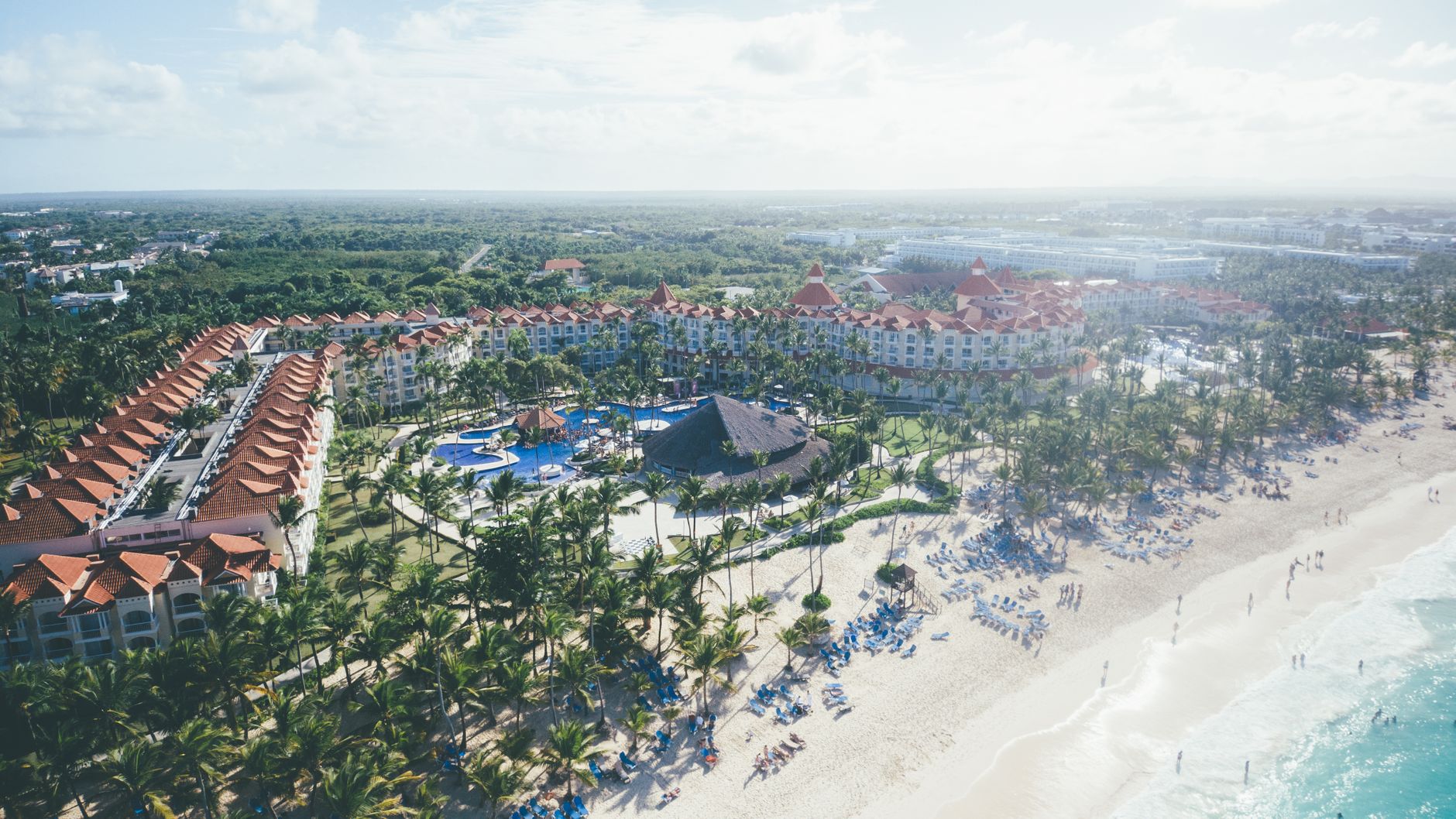
– Bávaro / Arena Gorda: The main resort strip with most hotels, beach access, restaurants, and tourist infrastructure. High season energy, convenient for excursions.
– El Cortecito: Small commercial strip with local restaurants, seafood stalls, and shops. Short walk to public beach access points.
– Punta Cana Village: Inland neighborhood with condos, small hotels, grocery options, and a slow, residential feel.
– Cap Cana: Gated community with high-end resorts, Juanillo Beach, a marina, and private beaches; quieter but pricier.
Transport realities:
– Punta Cana International Airport (PUJ) is 15–45 minutes from most resorts. Private transfers and shared shuttles dominate; public buses are limited.
– Uber is limited; local taxis and negotiated fares are common. Rent a car if you plan to explore Macao Beach or inland towns, but confirm parking and gated-community rules.
Seasonality:
– High season: mid-December through March—expect higher prices and busy beaches.
– Shoulder seasons: April–May and November—lower prices, good weather, good compromise between crowds and hurricane risk.
– Rain / hurricane season: June–November—short heavy rains are common; hurricanes are rare but possible between August and October.
How to Choose Well
Match the neighborhood to your daily plan:
– Following the 3 days in Punta Cana itinerary: base in Bávaro for beaches and excursions listed there; consider a day trip to Cap Cana or Scape Park.
– If you want easy beach access and organized activities: book beachfront at Arena Gorda or Bávaro Beach.
– For food and local contact: choose El Cortecito or Punta Cana Village and plan to eat at family-run restaurants.
– For calm, premium beaches: Cap Cana (Juanillo) is best but has fewer low-cost local options.
Practical booking advice:
– Check whether the property has on-site medical support or 24/7 front desk if you’re traveling in shoulder season.
– Confirm check-in/out times and traffic delays from PUJ—late afternoon arrivals can take longer in high season.
– Look for properties that publish sustainability practices: local hiring, waste reduction, and water conservation.
Responsible and Local-First Tips
Simple choices that shift revenue to local communities and reduce impact:
– Stay at small hotels or guesthouses for at least one night to support local owners.
– Eat at family-run paladares in El Cortecito and buy fresh fruit from small markets.
– Choose low-impact excursions: guided nature walks at Indigenous Eyes Ecological Park, small-boat tours that follow local rules, or community-led cultural experiences.
– Reduce waste: bring a reusable water bottle and refuse single-use plastics at resorts and excursions.
– Ask about tipping norms and pay fair wages for private guides and drivers.
– Prefer operators and shops that employ locals and demonstrate environmental practices; avoid businesses that pressure you into activities harmful to reefs or wildlife.

Common Mistakes to Avoid
Avoid these frequent missteps:
– Booking only the cheapest all-inclusive without checking proximity to the airport or planned activities; some resorts are farther than they appear on maps.
– Assuming public transport will cover day trips—arrange transfers or rent a car for remote beaches like Macao.
– Overlooking resort fees, mandatory taxes, or required COVID-era paperwork that can affect arrival.
– Forgetting hurricane insurance or refundable rates if traveling in August–October.
– Staying inside a gated resort the whole trip and missing local culture; at least one meal outside the resort enriches the visit and helps local businesses.
– Taking photos of people—especially vendors—without permission.
FAQ
Is it better to stay in Bávaro or Cap Cana for a short trip?
For a 3-day trip, Bávaro is usually better because it offers easy beach access, lots of excursion options, and proximity to nightlife and services. Cap Cana is quieter and more upscale—choose it if you want calmer beaches and marina access.
Are there good local dining options near the resorts?
Yes. El Cortecito has the densest concentration of local eateries and seafood stalls within walking distance of many hotels. Punta Cana Village also has small restaurants and grocery options.
Should I rent a car?
Rent a car if you plan to visit Macao Beach, inland markets, or nearby towns like Santo Domingo on an extended trip. For short stays centered on beach activities, pre-booked transfers and day-trip shuttles are more convenient.
How much should I tip?
Typical tipping is 10–15% in restaurants if service is not included. Tip porters, drivers, and guides directly—small, frequent tips help local workers more than one large tip.
What’s the best time to get deals but avoid storms?
Shoulder seasons April–May and November usually offer lower rates while avoiding the core hurricane months. Always check travel insurance for hurricane coverage if you travel between August and October.
Conclusion
Choose a stay that matches how you plan to spend your days: Bávaro for convenience and activity access, Cap Cana for quieter upscale beaches, and El Cortecito or Punta Cana Village for a more local experience. If you’re using the 3 days in Punta Cana itinerary, consider a split stay to balance convenience and local impact. Book transfers ahead, favor shoulder-season timing for better value and fewer crowds, and include at least one local meal or small-business stay to keep tourism benefits flowing to the community. For longer regional planning, consider connecting onward to Santo Domingo, San Juan, Kralendijk, Port-au-Prince, or Kingston and factor travel time into multi-city trips.
How this guide was prepared
This guide was prepared through a structured research that combines destination research, geographic context, itinerary planning logic, and content review.