
Seoul Travel Budget: Practical Costs, Smart Choices, and Sustainable Tips
Realistic per-day budgets, neighborhood choices, transport realities, and local-first tips for planning a money-wise, low-impact trip to Seoul. Support page for the 3 days in Seoul itinerary and nearby day trips.
Clear daily budgets, where to save and where to spend, transit and booking advice, and sustainable, local-first ideas to support your 3-day Seoul itinerary and nearby destinations like Goyang and Incheon.
Quick Answer
Clear daily budgets, where to save and where to spend, transit and booking advice, and sustainable, local-first ideas to support your 3-day Seoul itinerary and nearby destinations like Goyang and Incheon.
Who This Page Is For
This page is for travelers planning a stay in Seoul who want clearer decisions about travel budget, local logistics, timing, budgeting, and practical trip planning.
How This Page Was Prepared
This page was prepared through a structured editorial workflow that combines destination research, geographic context, and practical travel-planning review.
Plan the Rest of Your Trip
Use this page together with the full itinerary and the related planning pages below to make better booking, timing, transport, and budget decisions.
Typical per-person daily ranges (Seoul, 2026 baseline):
– Shoestring: $25–$45 — dorm bed, cheap street food, metro-only transport.
– Budget: $50–$90 — basic private room or guesthouse, market meals, public transit, one paid attraction.
– Midrange: $100–$180 — 3-star hotel or well-located hanok, some taxis or tours, nicer dinners.
– Comfort/Splurge: $200+ — boutique hotel, KTX trips, guided experiences.
Expect higher costs during cherry blossom (late March–April) and autumn foliage weekends. Monthly transit pass needs vary; a T-money card loaded per trip is cheapest for short stays.
This page gives short, actionable budget guidance for travelers using the 3 days in Seoul itinerary as a base. It’s aimed at people who prefer supporting local businesses, minimizing environmental impact, and choosing practical options that fit a compact city trip. Use this alongside neighborhood or day-trip pages for Goyang, Incheon, Suigen, Busan, and Jeju to plan logical connections and realistic costs.
What This Page Helps You Decide
Use this page to make these choices quickly:
– Daily budget category to use with the 3 days in Seoul itinerary.
– Which neighborhood to book as your base for convenience and cost.
– When to buy transport cards, KTX seats, and attraction tickets.
– Which meals, markets and experiences to prioritize for local value.
– Whether to add a day trip to nearby cities like Goyang or Incheon.
Practical outcome: a realistic per-day spend and a short list of pre-book items.

Top Recommendations
Best quick choices for value and authenticity:
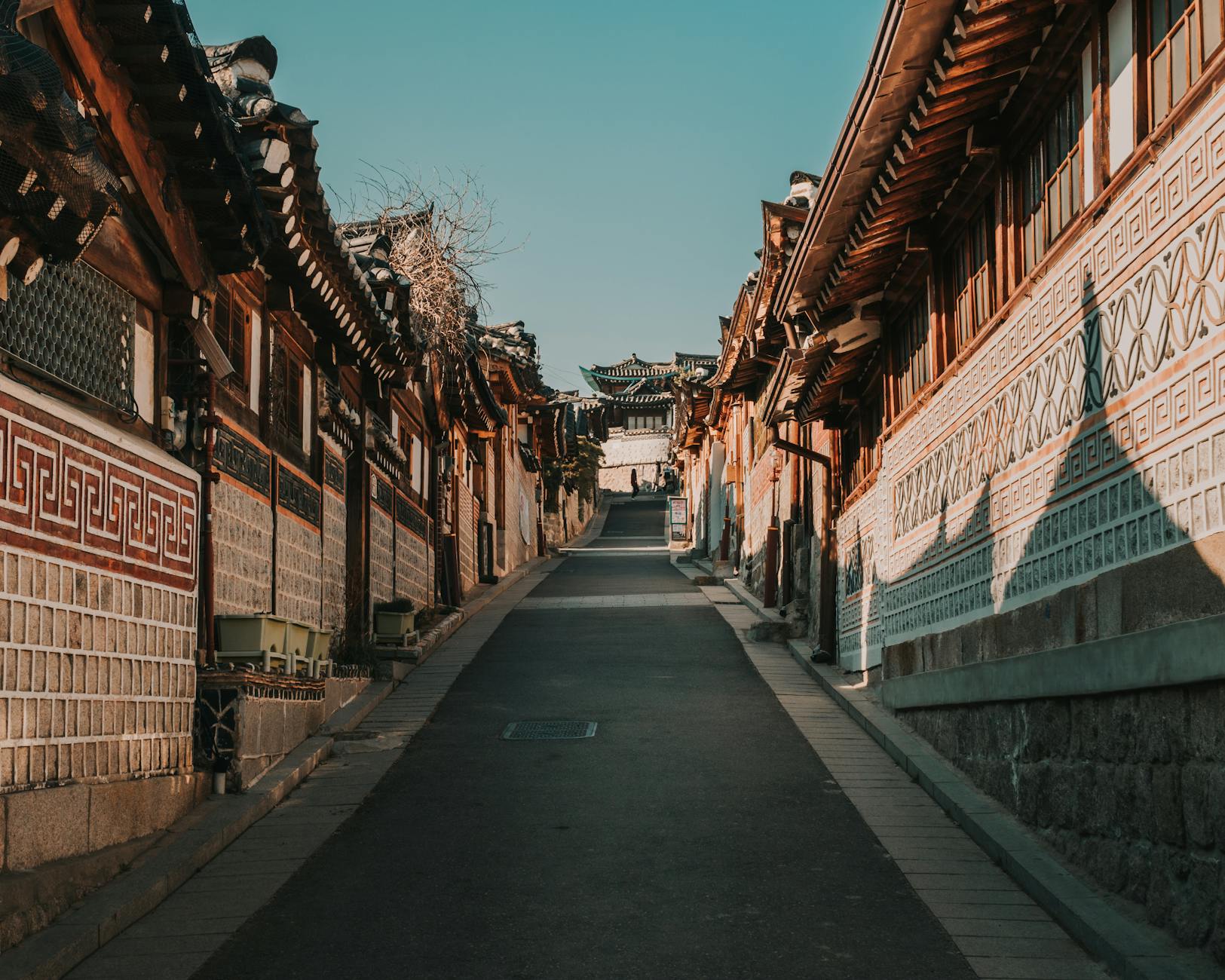
– Base neighborhoods: Jongno/Insadong (walkable to palaces), Hongdae/Yeonnam (budget nightlife and creative cafes), Myeongdong/Chungmuro (central for first-time visitors). For quieter budget stays, consider Mapo or Dongdaemun.
– Accommodation: choose guesthouses, small hanok stays in Bukchon or a budget boutique near Hongdae. Book 1–2 months ahead for shoulder season, 2–3 months for peak spring and autumn weekends.
– Food: prioritize markets — Gwangjang for bindaetteok and bibimbap, Mangwon for local stalls, and small family-run restaurants in Euljiro and Ikseon-dong for affordable, high-quality meals.
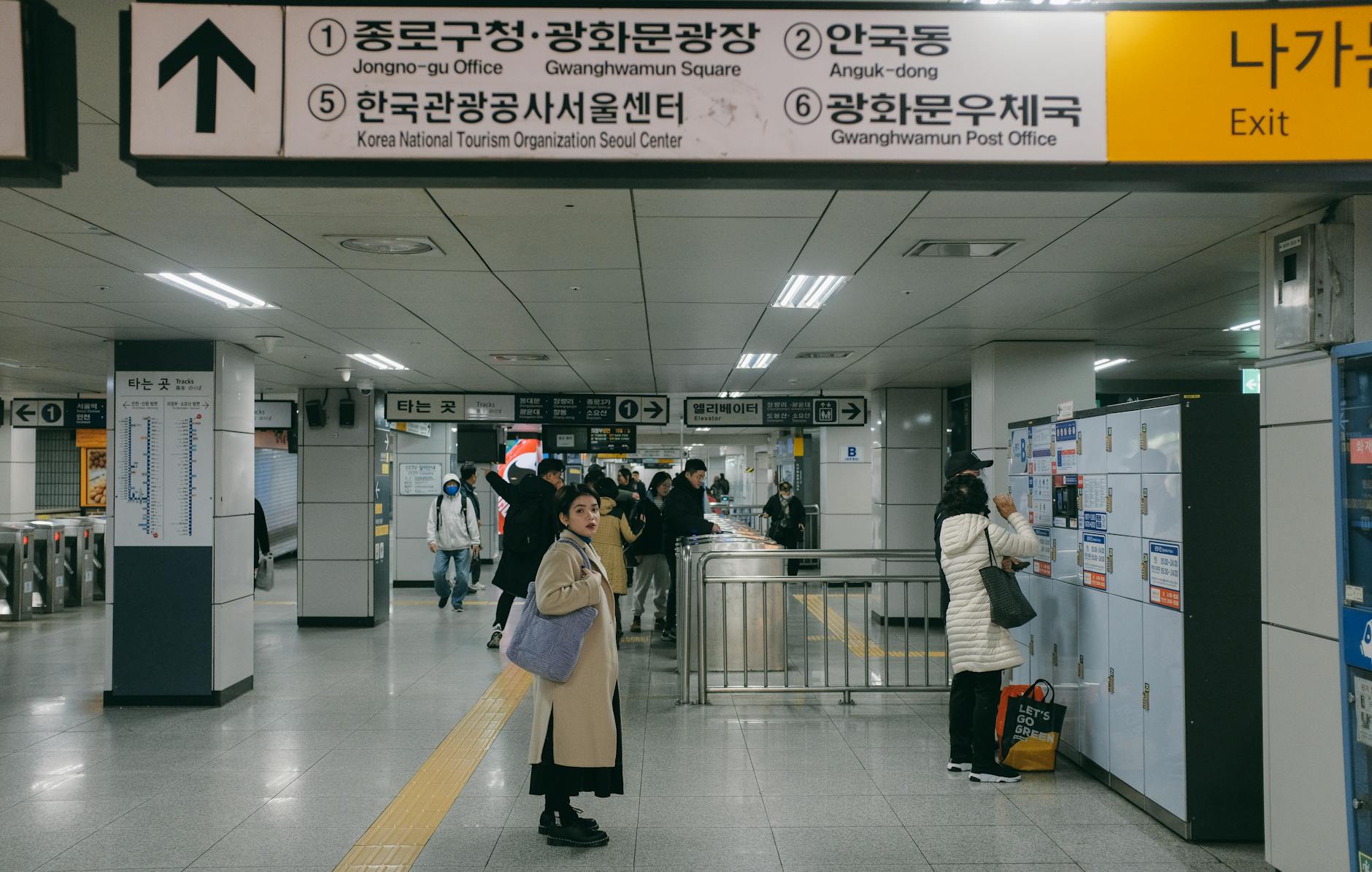
– Transit: buy a T-money card at convenience stores; use the subway for most trips. AREX express vs. all-stop train and airport limo buses: the all-stop AREX + metro is cheapest, AREX express saves time with a premium.
– Day trips: Goyang (Ilsan Lake Park), Incheon (Chinatown, old port), and short KTX hops to Busan or Jeju flights — reserve KTX seats in advance for weekends.
– Money-saving passes: Korea Rail Pass for multiple intercity trips, museum combo tickets for Jongno museums; skip cable cars when a short walk offers similar views.
– Sustainable wins: walk Han River bike paths, use bikes in Yeouido, and favor small markets and family restaurants over multinational chains.

Local Context
Neighborhood rhythms:
– Jongno and Insadong: daytime palace crowds, many traditional shops; quieter at night.
– Hongdae and Sinchon: student nightlife, buskers, late service hours for food and drinks.
– Myeongdong and Dongdaemun: heavy shopping traffic; can be loud and crowded on weekends.
Seasonal patterns that affect cost and comfort:
– Spring (Mar–Apr) and autumn (Oct–Nov): higher prices for accommodation, strong crowds on weekends.
– Summer (Jun–Aug): hot, humid, monsoon rains; indoor itineraries may be cheaper.
– Winter (Dec–Feb): cold but fewer tourists; lower midweek hotel rates.
Transport realities and etiquette:
– Seoul’s subway is fast, cheap, and extensive; expect rush-hour congestion on Lines 2, 1, and 4.
– Taxis are affordable compared with many Western cities but surge with traffic; ride-sharing apps have limited coverage.
– Cultural etiquette: remove shoes where requested, keep voices low on public transit, wait in marked queues, and be deliberate when photographing inside religious sites.
How to Choose Well
Choosing a base and budget:
– Prioritize proximity to a major subway line and one transfer to your main attractions—being on Line 2 or near Seoul Station cuts travel time.
– If your 3-day plan focuses on palaces and traditional neighborhoods, stay in Jongno/Insadong. For nightlife and budget food, pick Hongdae or Sinchon.
– Balance price and convenience: a slightly more expensive hotel near a transfer hub can save taxi and time costs.
Booking timeline and practical tips:
– Domestic flights and ferries to Jeju: book 4–8 weeks early for best fares.
– KTX seats: reserve for weekends and holidays; buy through official Korail channels or a reputable reseller.
– Book popular hanok stays and small guided tours early; they sell out in spring and fall.

Responsible and Local-First Tips
Spend locally and reduce impact:
– Eat at family-run eateries and markets; fewer packaging waste and more direct benefit to the local economy.
– Prefer public transit, bike rentals, and walking over taxis for short trips.
– Bring a refillable water bottle—many convenience stores sell filtered water refills, and cafés will refill for a small fee if asked.
– Choose small guided tours run by local guides or community cooperatives for neighborhood walks, food tours, and craft workshops.
– Avoid single-use plastics when possible and carry reusable cutlery for market foods.
Near-city connections: this support page links naturally to day-trip or overnight pages for Goyang, Incheon, Suigen, Busan, and Jeju so you can plan low-impact itineraries that spread tourist spending beyond central Seoul.

Common Mistakes to Avoid
Save time and money by avoiding these errors:
– Booking the cheapest room far from a subway transfer hub and then spending more on taxis.
– Waiting to buy KTX or popular hanok stays during peak season.
– Assuming card acceptance everywhere—small markets sometimes prefer cash, though credit cards are widely accepted.
– Over-scheduling: allow buffer time for subway transfers, museum lines, and traffic to Incheon or Gimpo.
– Ignoring the T-money card—single tickets add up and slow you down.
– Tipping: not expected and sometimes awkward; a polite thank-you is standard.
FAQ
How much should I budget per day for a comfortable 3-day stay in Seoul?
For a comfortable midrange experience expect $100–$150 per person per day including a modest hotel, three meals (mix of market and sit-down), subway travel, and one paid attraction. Adjust up for KTX day trips or nicer restaurants.
Is Seoul expensive compared with other Asian capitals?
Seoul can be cheaper than Tokyo for eating out and similar to Taipei for transit costs. Accommodation in peak spring/autumn can push prices higher, but local markets and guesthouses keep daily costs flexible.
What’s the easiest way to get from Incheon Airport to central Seoul on a budget?
Use the all-stop AREX train or an airport limousine bus for the cheapest, luggage-friendly option. The express AREX saves time but costs more. A shared airport shuttle can work for groups.
Do I need to tip in Korea?
No. Tipping is not customary and is unnecessary in most restaurants and taxis. A small, discreet tip to tour guides who rely on them is appreciated but not required.
How do I avoid crowds and keep costs down during popular seasons?
Travel midweek where possible, choose shoulder-season dates (late April–May or late October–November excluding weekends), and book accommodations and transported tickets in advance.
Can I day-trip to Busan or Jeju from Seoul on a 3-day trip?
Busan is possible as a long day using an early KTX and a late return, but it’s tiring. Jeju requires a flight and is better as an overnight trip. If you want a relaxed day trip, choose closer options like Goyang or Incheon.
Conclusion
Use these budget ranges and neighborhood tips to finalize lodging and transport choices for your 3 days in Seoul. Prioritize a convenient subway base, book KTX or hanok stays early if traveling in peak windows, and favor markets and small businesses to get authentic experiences while supporting the local economy. For the day-by-day plan and timed maps, see the 3 days in Seoul itinerary and linked pages for Goyang, Incheon, Suigen, Busan, and Jeju to plan any extensions.
How this guide was prepared
This guide was prepared through a structured research that combines destination research, geographic context, itinerary planning logic, and content review.