

Best things to do in Venezia
Practical guide to the best things to do in Venezia: museums, islands, vaporetto tips, cicchetti spots and costs. Plan with realistic prices and transit info.
Clear, specific planning advice for a short stay in Venezia: what to see, how to travel, costs, and local-first tips tied to neighbourhoods and transit.
Best things to do in Venezia?
Buy an ACTV 48-hour vaporetto pass (about €36) if planning multiple crossings and island visits; it usually saves money over single tickets (~€8 each). Prioritise pre-booking Palazzo Ducale tickets (~€25) and arrive at St Mark's Basilica early or late to avoid the longest queues.
Who This Page Is For
Useful for first-time visitors and repeat visitors planning 1–4 days who want a practical mix of major sights, local food stops, and island trips. Not aimed at luxury-only travellers who will rely entirely on private water taxis.
Key Takeaways for Venezia
- ACTV single vaporetto ticket ≈ €8 (~US$8.50); consider a 48-hour pass (~€36) for multi-stop visits
- Palazzo Ducale typical entry ≈ €25 (~US$27); buy tickets on VeneziaUnica to skip the longest lines
- Pala d'Oro or organized visits to Basilica di San Marco require a small fee (≈ €5) or reservation during high season (Apr–Sep)
- Short traghetto rides across the Grand Canal cost about €2–€3 and save a long detour on foot
How This Page Was Prepared
This page was prepared through a structured editorial workflow that combines destination research, geographic context, and practical travel-planning review.
Plan the Rest of Your Trip
Use this page together with the full itinerary and the related planning pages below to make better booking, timing, transport, and budget decisions.
For most short visits the single most useful action is to buy an ACTV vaporetto pass for the length of stay; a 48-hour pass (~€36) usually pays for itself if planning visits to Murano or Lido plus inner-city hops. Reserve Palazzo Ducale tickets in advance (typical price ≈ €25) and plan St Mark’s Basilica either at opening or late afternoon to avoid the longest lines. Use traghetto crossings (€2–€3) for authentic short rides across the Grand Canal and save gondola spending for a single special trip (daytime regulated rate around €80 for 30 minutes).
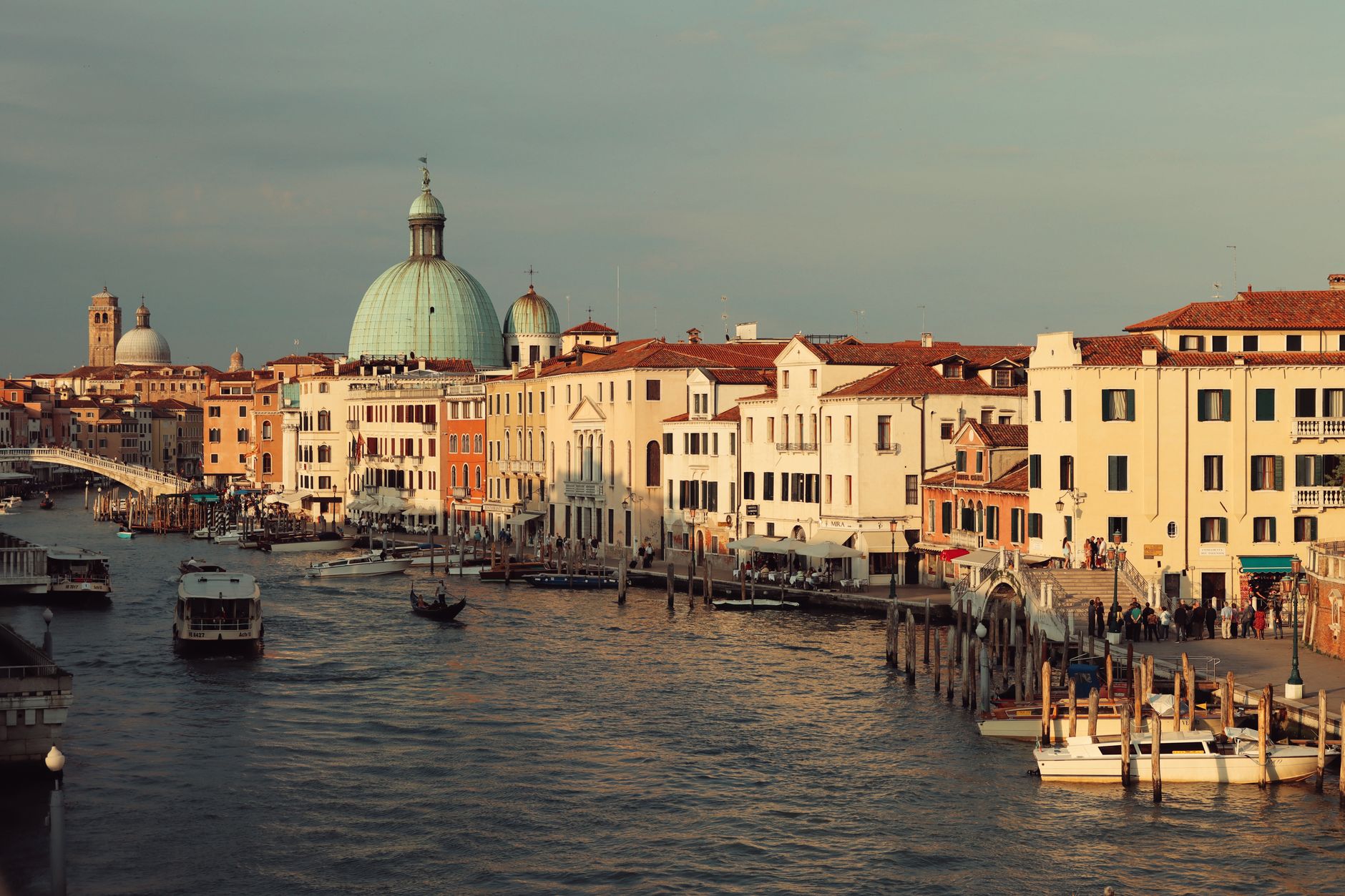
This page answers a single practical question: what are the best, realistic things to do in Venezia for a short visit and how to plan them without wasting time or money. Visitors often underestimate walking distances inside the sestieri, assume every museum opens early, or buy expensive single transit tickets instead of timed passes. Crowds around St Mark's, Rialto and vaporetto piers make timing and reservations the most useful levers for saving time. The guide focuses on concrete choices — how much time to budget at each sight, expected entry costs, local transit options (ACTV, Alilaguna, traghetto), lower-key neighbourhood experiences like bacari cicchetti and the Jewish Ghetto, plus at least one indoor option for rainy days.
What This Page Helps You Decide
This page helps decide which attractions to prioritise when time is limited, whether to buy ACTV single tickets or a 24/48/72-hour pass, and which island(s) to visit if only one is possible. It helps weigh a gondola ride versus a local traghetto or a private water taxi by comparing costs and typical durations. It also advises on when to book major museums or timed entries (Palazzo Ducale, Gallerie dell'Accademia, Peggy Guggenheim) and which neighbourhoods to schedule for food and fewer crowds (Cannaregio, Dorsoduro). Finally, it flags one reliable indoor alternative if bad weather arrives.
Top Recommendations
Grouped by area for efficient routing.
San Marco and nearby
– Basilica di San Marco: main basilica free to enter but Pala d'Oro and museum have fees; reserve for Pala d'Oro (€5 / ~US$5.50) or timed entry during Apr–Sep. Budget 45–90 minutes.
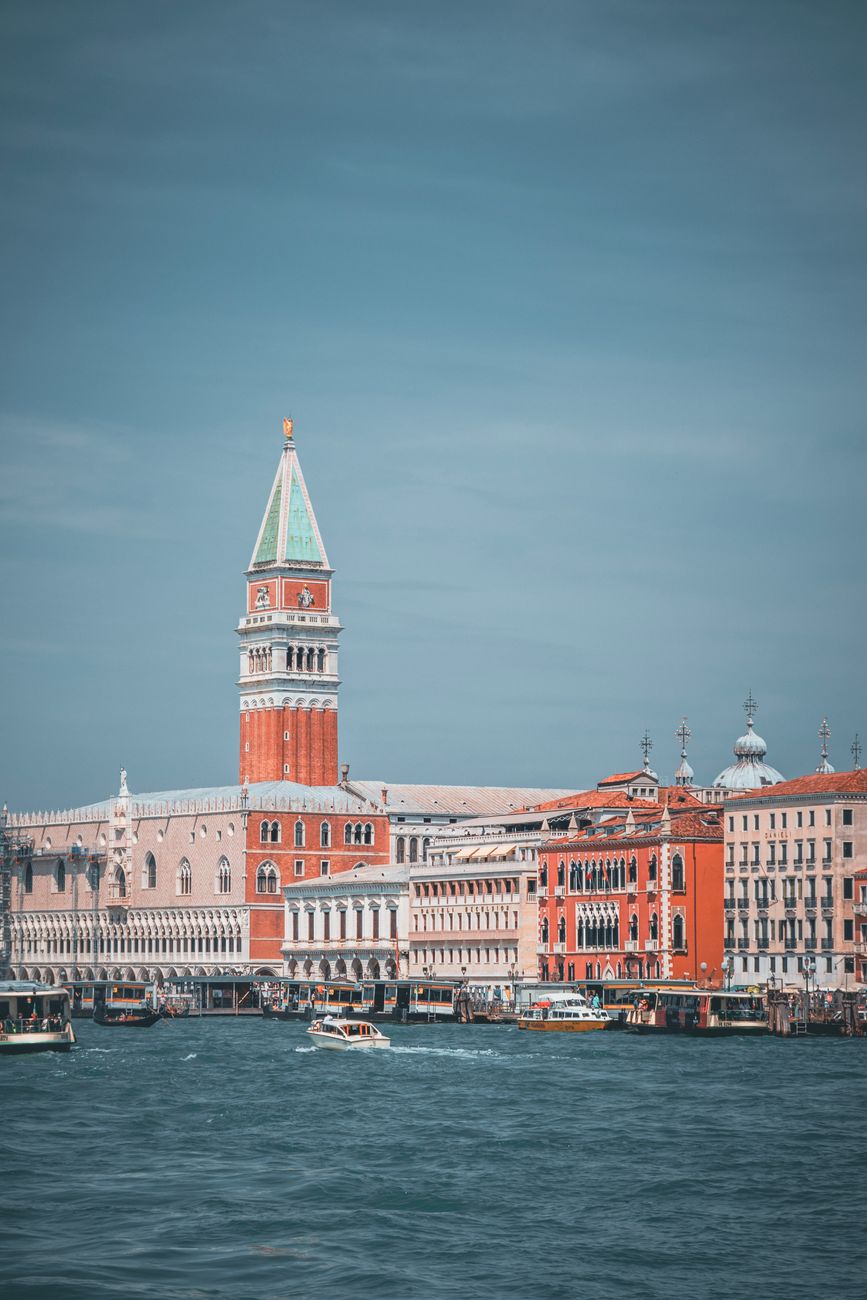
– Palazzo Ducale (Doge’s Palace): guided or timed-entry tickets ≈ €25 (~US$27); allow 1.5–2.5 hours. Book on VeneziaUnica to cut queue time.
– Campanile di San Marco: lift access to views, ticket ≈ €10 (~US$11); 30–45 minutes.
Rialto and San Polo
– Ponte di Rialto and Rialto Market: free to view, bring cash for market purchases; plan 30–60 minutes for market browsing and photos.
– Traghetto along the Grand Canal: local ferry rides ≈ €2–€3 each; useful and fast for crossing at Rialto or near Accademia stops; 5–10 minutes per crossing.
Dorsoduro and art museums
– Peggy Guggenheim Collection: modern art museum on the Grand Canal, entry ≈ €15 (~US$16); indoors and ideal for rainy days; 1–2 hours.
– Gallerie dell'Accademia: Venetian paintings from Bellini to Canaletto, ticket ≈ €12 (~US$13); 1.5–2.5 hours.
– Punta della Dogana: contemporary shows and views of San Giorgio, ticket variable (~€8–€12); 45–90 minutes.
Islands and boating
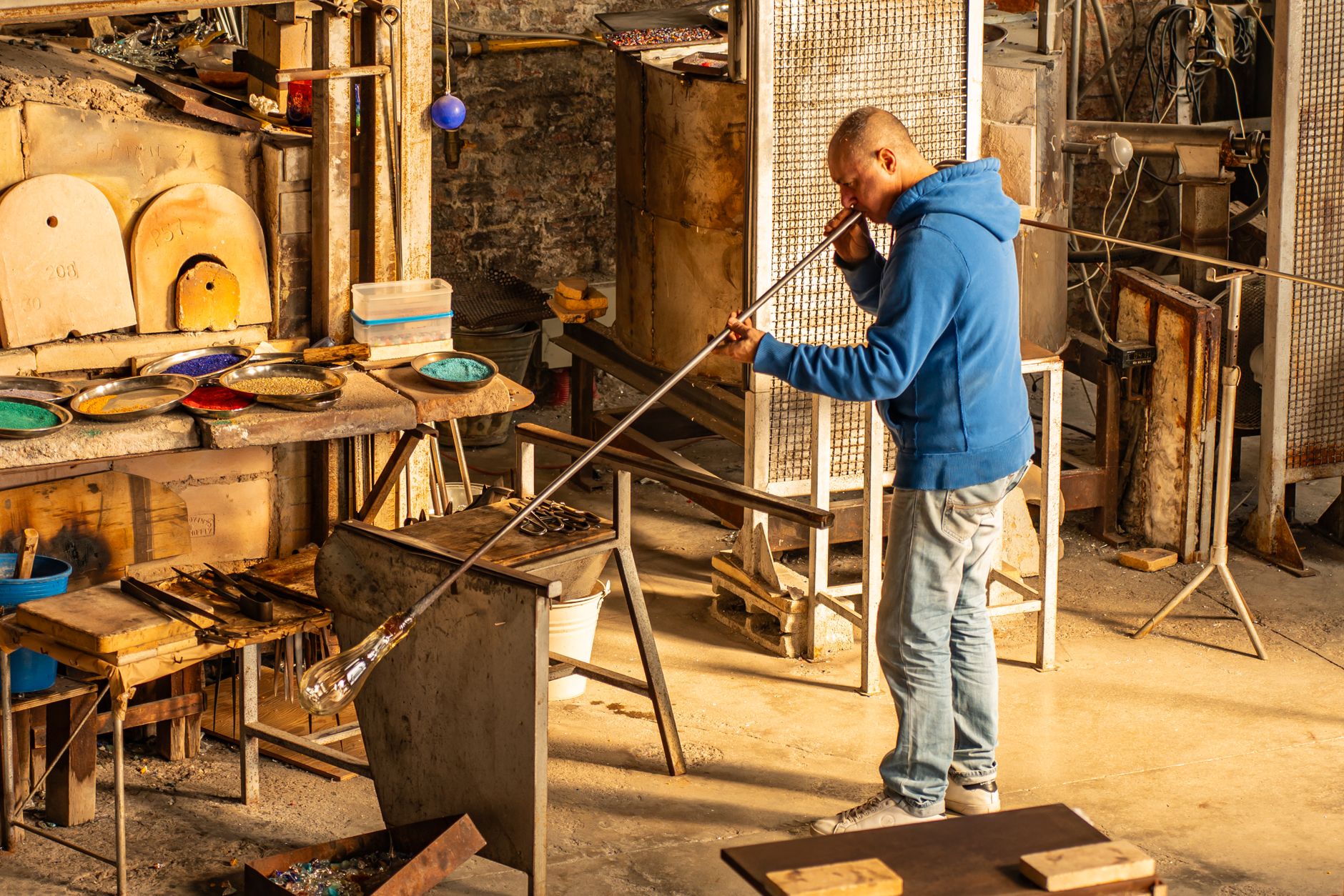
– Murano (Museo del Vetro and glassblowing demo): museum entry ≈ €12 (~US$13); demos vary but expect €5–€15 for workshop viewing or small purchases; budget a half- to full-day if adding Burano.
– Burano: colorful houses and lace workshops, free to stroll; train or vaporetto + walking, budget 2–4 hours round trip.
– Lido di Venezia: beaches and seaside avenue; vaporetto ride from San Marco ~30 minutes; beach time variable.
Local, lower-key experiences
– Bacari crawl for cicchetti (small plates): expect €1.50–€4 per cicchetto and €3–€6 for a small glass of wine; sample at Cantina Do Mori (near Rialto) or All’Arco in San Polo; plan 1–2 hours for a relaxed food crawl.
– Jewish Ghetto, Cannaregio: synagogues and local bakeries; guided tours available with synagogue entry fees varying (~€10–€15); budget 1.5–2 hours.
Bad-weather option
– Teatro La Fenice guided tour or a show: guided tours ≈ €9–€12, performances vary widely in price; indoor option that still connects with local culture; allow 1–2 hours for a tour or 2+ hours for a performance.
Practical time and cost notes: most museums open mid-morning and close mid-afternoon or early evening; combine nearby sights to reduce backtracking. Vaporetto single ≈ €8 (~US$8.50) and day passes (24/48/72 hours) typically cost around €25/€36/€54 respectively; check ACTV website and the AVM/ACTV app for current prices.
Local Context
Venezia's layout is a thin web of narrow alleys and canals; walking remains the primary mode once off the vaporetto. Expect stepping stones and many bridges — luggage-friendly routes from Piazzale Roma or Santa Lucia station avoid repeated canal crossings but may add distance. Seasonal peaks are April–September and holiday weeks such as Easter and Christmas markets; late autumn has fewer tourists but cooler, wetter weather and acqua alta risks. ACTV operates vaporetto lines (Line 1, Line 2 are the main tourist routes) and local traghetti cross the Grand Canal at strategic points. Weekend restaurant prices rise near major piazzas; neighbourhoods like Cannaregio and Dorsoduro offer lower prices and more local character. Small food purchases are usually cash-accepting but most places take cards.

How to Choose Well
Decide by trade-offs between time, cost, and experience. If island visits are a priority, buy a 48-hour ACTV pass (~€36) and plan Murano plus Burano in one day to maximise value. If museums and indoor art suit bad-weather days, prioritise Peggy Guggenheim and Gallerie dell'Accademia and allow 3–4 museum hours rather than squeezing many short visits. For a compact overview with minimal walking, focus on San Marco, Rialto, and a short vaporetto ride on Line 1; expect Line 1 to be slower but scenic, Line 2 often faster with fewer stops. Choose a single gondola ride if the budget is limited (regulated daytime rate ~€80 for 30 minutes) and prefer a traghetto (€2–€3) when just needing to cross the canal inexpensively. Allocate at least 20–30% of daytime for walking, queuing, and map-checking when making an hourly plan.

Responsible and Local-First Tips
Choose local food businesses and smaller shops over international chains. For cicchetti, pick bacari such as Cantina Do Mori (Rialto) or Osteria Al Squero (Dorsoduro) to support family-run spots. Buy glassware from small Murano ateliers rather than mass-produced souvenirs; request a certificate of origin when purchasing higher-value pieces. Avoid private water taxis except for clear necessity; they use more fuel and cost far more (short private rides often €40–€120). Walk when possible to keep neighbourhoods livable and limit noise on canals after 10pm. Use refillable water bottles and refill at public fountains (fontanelle) where available to reduce plastic waste.
Common Mistakes to Avoid
Relying on taxis and gondolas as primary transport quickly increases costs. A private water taxi from Piazzale Roma to San Marco can be over €100 during daytime; compare a vaporetto pass cost first. Skipping online booking for Palazzo Ducale or key exhibitions causes long waits during high season; timed tickets on VeneziaUnica reduce queueing. Underestimating time between sights leads to rushed visits; walking between Rialto and Accademia often takes 20–30 minutes with crowds, not 5 minutes. Buying single vaporetto tickets for multiple rides adds up — calculate pass versus single-ticket costs before arrival. Expect occasional acqua alta in autumn/winter; bring lightweight waterproof shoes and check local tide forecasts on Centro Previsioni e Segnalazioni Acque Alte.
FAQ
How much does a vaporetto ride cost?
A single ACTV vaporetto ticket is roughly €8 (~US$8.50); 24/48/72-hour passes are typically around €25/€36/€54. Check the ACTV or VeneziaUnica site for current rates.
How long should a first-time visitor spend at Palazzo Ducale?
Plan 1.5–2.5 hours for Palazzo Ducale to see the Doge’s apartments, the Bridge of Sighs, and the prisons; add time if joining a guided tour.
Is a gondola ride necessary and how much will it cost?
A gondola is optional and expensive; daytime regulated rate for a standard 30-minute ride is approximately €80, rising for evening or longer private rides. Consider a traghetto (€2–€3) for a short authentic crossing.
Which island should be visited if there is time for only one?
Choose Murano for glass demonstrations and the Museo del Vetro (ticket ≈ €12) if interested in craft; choose Burano for photography and lace if colour and walking are priorities. Allocate at least 3–4 hours round trip.
What is the best way to get from Marco Polo airport to the city center and cost?
Options include Alilaguna water bus (lines Arancio/Blu) which typically costs around €15–€20 depending on route, ACTV buses plus vaporetto combinations, or private water taxi (much more expensive, often €70+ depending on time and group size). Timings vary from 20 to 80 minutes depending on route.
Are there good indoor alternatives for rainy days?
Yes: Peggy Guggenheim Collection, Gallerie dell'Accademia, Palazzo Ducale interior tours, and Teatro La Fenice guided tours are reliable indoor options.
When is the least crowded time to visit St Mark's and Rialto?
Early morning around 7:00–8:30 and late afternoon after 18:00 generally have fewer day-trip crowds, outside of peak summer months and holiday weekends.
Conclusion
The most important thing to remember is to plan around transit and timing: buy the right ACTV pass for island visits, pre-book Palazzo Ducale if it is a priority, and allow walking and queuing time between spots. Prioritise one neighbourhood per part of the day to reduce backtracking and choose one island for a half-day if staying under three days. For a natural next step, pair this list with the main 3-day Venezia itinerary to slot major sights and local meals into a realistic schedule that fits the chosen transit pass and weather forecasts.
How this guide was prepared
This guide was prepared through a structured research that combines destination research, geographic context, itinerary planning logic, and content review.