

Best Things to Do in Vienna — Practical, Local, Responsible
A concise, practical guide to Vienna's top sights and local experiences—neighborhood tips, transport realities, sustainable choices, and how to fit them into a 3-day Vienna itinerary.
If you have limited time, prioritize:
– Morning at Schönbrunn: palace gardens and Gloriette before crowds.
– Walking the Innere Stadt: St. Stephen's Cathedral, Graben, Kärntner Straße.
– MuseumsQuartier: Kunsthistorisches Museum or Leopold Museum depending on taste.
– Naschmarkt for lunch and local producers.
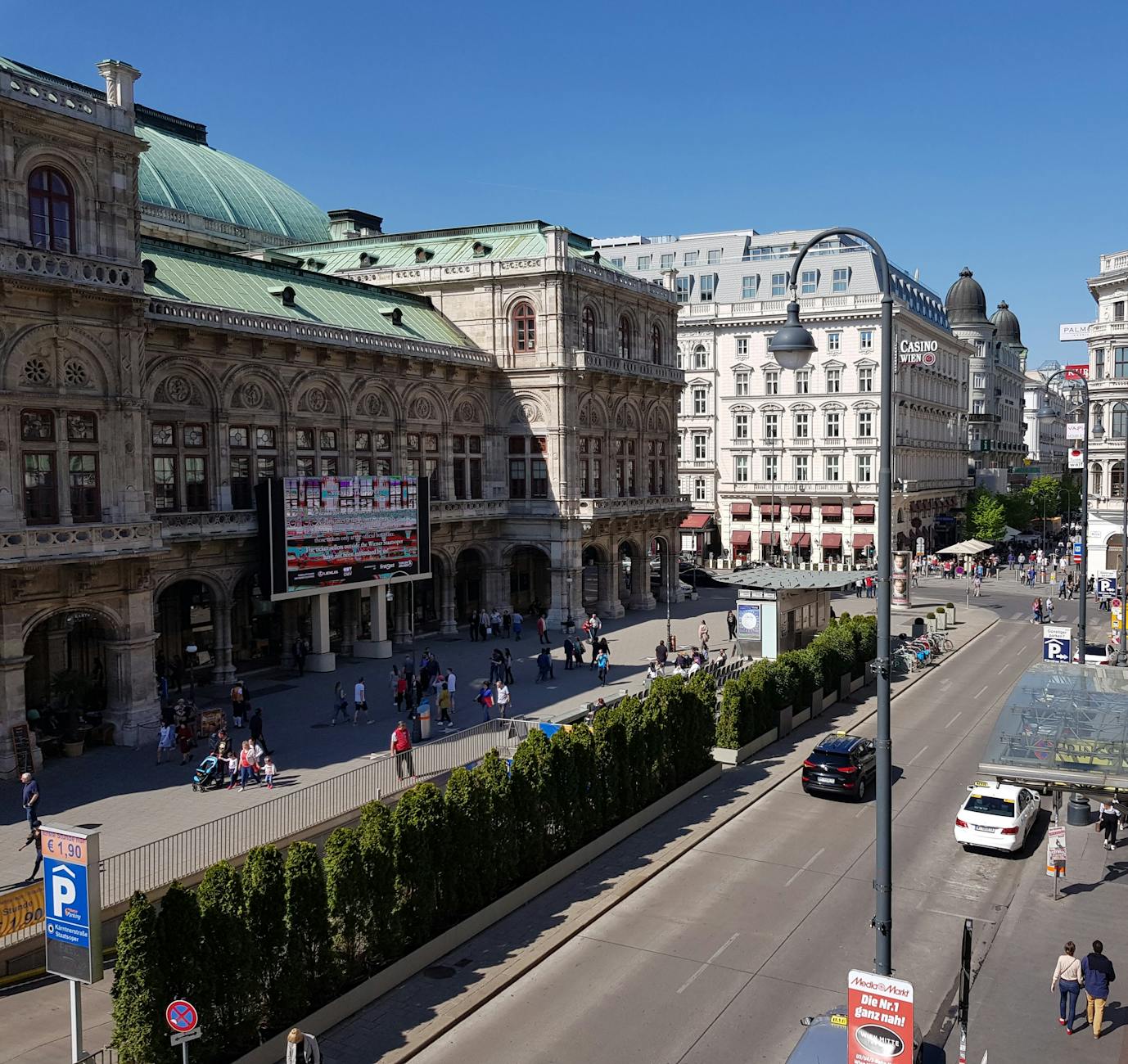
– An evening concert or opera (book ahead).
– A relaxed ride on the giant Prater wheel or a walk along the Danube Canal.
These choices balance iconic sights with local food and public transport efficiency. For a complete plan, see the linked 3 days in Vienna itinerary.
This support page helps you convert a short visit into a thoughtful, locally minded experience. Use it alongside the main 3 days in Vienna itinerary to choose which neighbourhoods, museums, concerts and markets match your pace and values. Recommendations favor low-impact choices, local spending, and realistic transport times so the plan works for shoulder seasons and travellers wanting authentic encounters.
What This Page Helps You Decide
Use this page to choose which experiences to include in your 3-day visit, which neighbourhood to base yourself in, and when to buy tickets. It helps you decide:
– Which sights to book in advance (Schönbrunn tours, State Opera, timed museum entries).
– Which activities work best by season (park walks in spring/autumn, indoor museums in winter).
– Whether to allocate a day trip to Bratislava, Salzburg, Graz or Budapest based on travel time and interest.
– How to prioritise food and market stops to support local vendors.

Top Recommendations
1) Schönbrunn Palace and Gardens (Hietzing)
– Go early to avoid coach groups; explore the gardens/free areas if you skip the full palace tour.
– Book timed palace entry online for peak seasons.
2) Innere Stadt walking loop (1st District)
– Highlights: St. Stephen's Cathedral, Hofburg, Demel or a small café on Michaelerplatz.
– Use a walking map and stop at quieter side streets like Kohlmarkt for historic façades.
3) MuseumsQuartier and Museums (MuseumsQuartier / Neubau)
– Choose Kunsthistorisches for Old Masters or Leopold for modern Austrian art.
– Check combined tickets and late-opening evenings to avoid midday crowds.
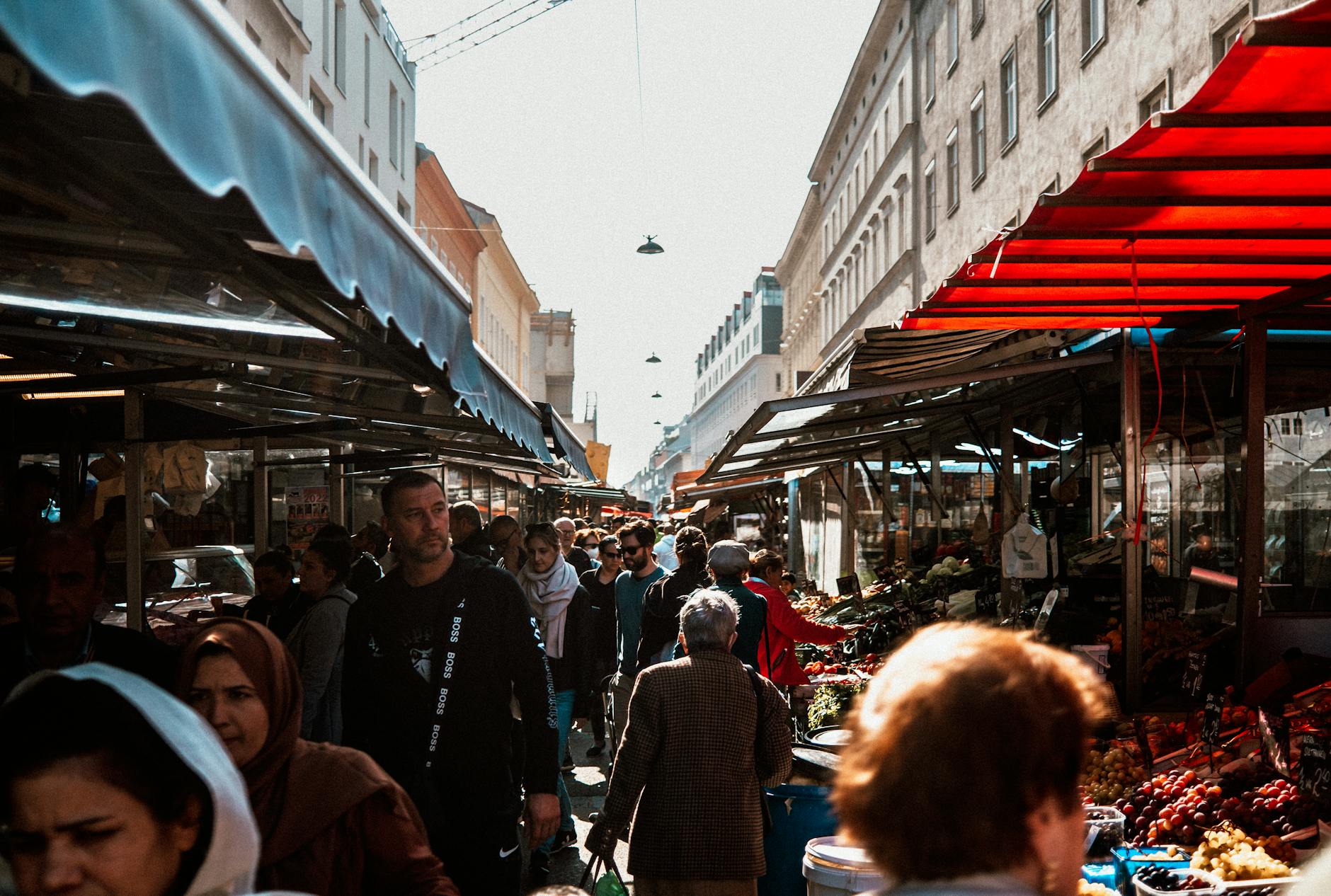
4) Naschmarkt and local food stalls (Wieden/Linke Wienzeile)
– Ideal for lunch, small producers and sustainable snack choices.
– Visit on a weekday morning to meet local shoppers.
5) Music night: State Opera, Musikverein or smaller house concerts
– Book as early as possible; consider standing tickets or daytime guided tours if budget is tight.
6) Danube Canal and Prater (Leopoldstadt/Prater)
– Rent a bike or walk the canal; the Prater wheel offers historic views without long detours.
7) Hundertwasserhaus and alternative walks (Landstraße/Spittelberg)
– Combine with a stroll through gay-friendly and bohemian Neubau and Spittelberg courtyards.
8) Short day trips
– Bratislava: 1 hour by hydrofoil/train—good half-day option.
– Salzburg and Graz: 2–3 hours by train—best as overnight or full-day trips.
– Budapest: 2.5–3 hours by rail—choose if you want a distinct capital contrast.
Practical booking notes:
– Reserve concert and palace tickets online in advance, particularly April–October.
– Use the Vienna public transport app or buy a 48/72-hour pass if staying multiple days.

Local Context
Neighbourhoods and what they feel like:
– Innere Stadt: central, many historic sights, higher prices, quiet after hours in some parts.
– Neubau and Mariahilf: galleries, boutiques, evening cafés; good for independent shopping.
– Leopoldstadt: green spaces, Danube Canal, family-friendly eateries.
– Landstraße: Belvedere, good tram connections.
Seasonal patterns:
– Spring (April–June) and autumn (September–October) are pleasant, with fewer cruise or coach groups than summer.
– Winter is excellent for museums and the State Opera, but mornings can be foggy and cold.
Transport realities:
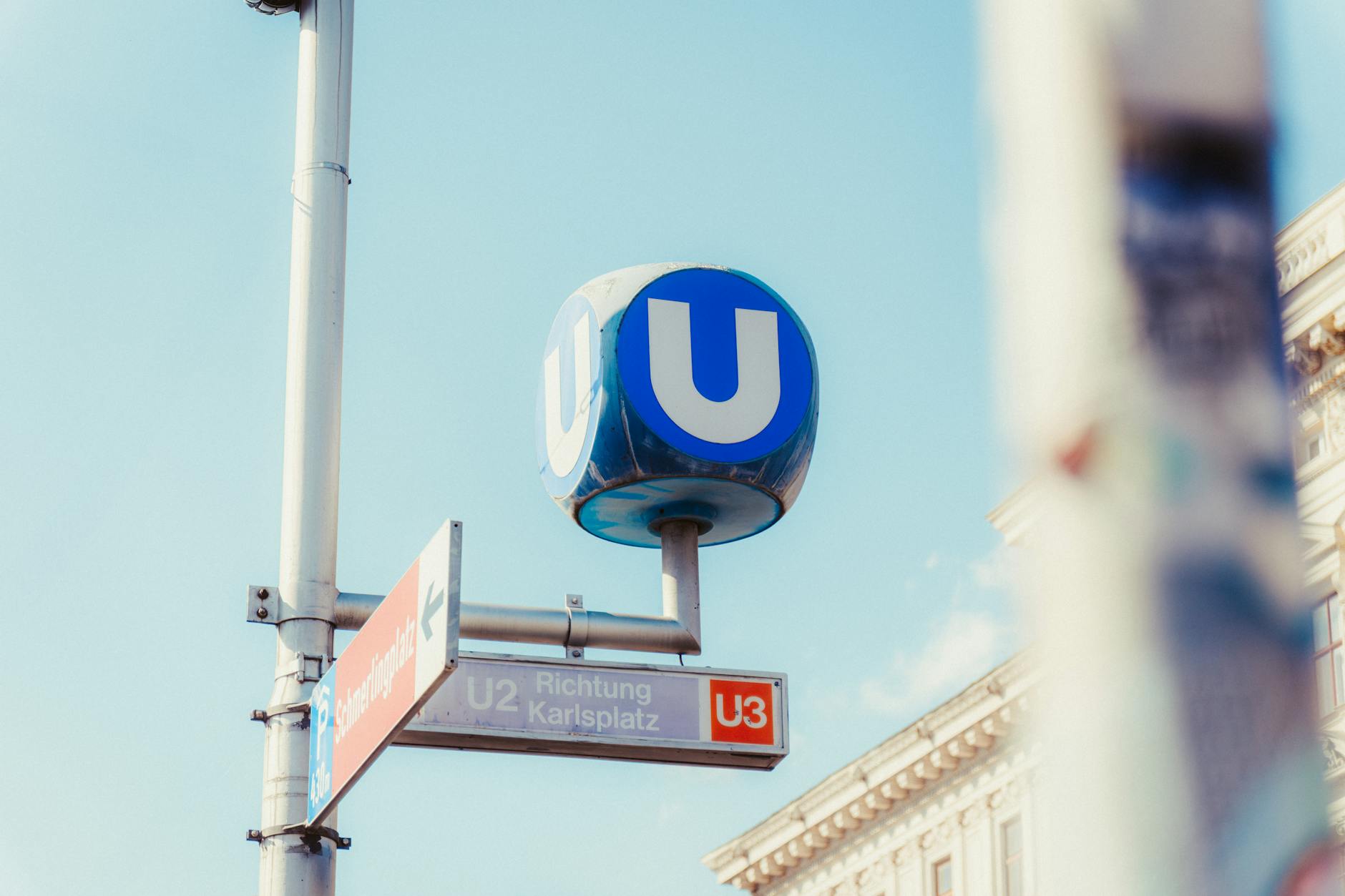
– Vienna's U-Bahn, trams and buses (Wiener Linien) are punctual and cover the city well; validate tickets where relevant.
– Many central attractions are walkable; trams are scenic and useful for cross-town trips.
– Regional trains to Graz, Salzburg and Bratislava are frequent—book IC/railjet seats for comfort on longer trips.
Local etiquette and money:
– Quiet, respectful behaviour on trams and in churches; speak softly in public spaces.
– Cash is still commonly used at markets and small cafés—carry modest euros.
– Tipping is appreciated but modest: rounding up or 5–10% for table service is common.
How to Choose Well
Match time and interests:
– 1 day: pick a neighbourhood (Innere Stadt + Naschmarkt) and an evening concert.
– 2–3 days: follow the 3 days in Vienna itinerary—mix palace/museum, market/food and a relaxed neighbourhood like Neubau.
– 4+ days: add a day trip to Bratislava or Salzburg.
Consider mobility and pace:
– If you prefer fewer steps, prioritise tram/U-Bahn hops (Belvedere, MuseumsQuartier, Naschmarkt) over long walking loops.
– For an easy local rhythm, plan mornings for sights and afternoons at markets or parks.
Booking tips:
– Book high-demand concerts and Schönbrunn guided tours weeks in advance during April–October.
– For low-impact travel, choose regional trains over flights to nearby cities and consider off-peak departures.
Responsible and Local-First Tips
Practical ways to keep your visit low-impact and locally beneficial:
– Eat at family-run heurigers (wine taverns) and market stalls at Naschmarkt to support small vendors.
– Use public transport, rent a city bike, or walk. Avoid short taxi hops where a tram is efficient.
– Choose licensed guides and small-group walking tours led by local operators. Ask about their community links.
– Avoid feeding birds in public parks and follow local waste-sorting rules.
– Visit popular sites early or late to spread your impact across the day and reduce peak crowding.
– If buying souvenirs, prefer local crafts over mass-produced items—look for makers in Neubau galleries or Spittelberg markets.
Common Mistakes to Avoid
- Overpacking your days: Vienna rewards slow museum visits and café stops; trying to see everything reduces enjoyment.
- Skipping advance bookings for palace and concerts during peak months—tickets may sell out.
- Relying only on taxis: public transit is faster and cheaper in central Vienna.
- Ignoring opening hours: many smaller museums and churches close midweek or have limited winter hours.
- Only eating in tourist-heavy restaurants: explore side streets for better-value, local-first dining.
- Underestimating travel time to nearby cities: Bratislava is quick, but Salzburg, Graz and Budapest work best as dedicated day trips or overnights.
FAQ
Do I need to book the Vienna State Opera in advance?
If you want a seat for a popular opera, book weeks to months ahead. Standing tickets or guided tours can be booked closer to the date. For orchestral concerts at Musikverein, buy early for good seats.
Is the Vienna Pass worth it for 3 days?
The pass can work if you plan many paid attractions in a short time; however, it encourages a rushed schedule. For a relaxed 3-day plan, buy timed tickets for Schönbrunn and one or two museum entries and rely on a 48/72-hour transport pass.
Can I do a day trip to Budapest or Bratislava from Vienna?
Bratislava is the easiest day trip (about 1 hour by train or hydrofoil). Budapest and Salzburg are achievable as long day trips by fast train but are better as overnight stays to avoid rushed sightseeing.
How do I get around with luggage between cities?
Use Vienna Hauptbahnhof for direct rail connections. Many hotels store luggage for late departures. For larger items, book a seat on a Railjet and consider advance reservations.
What is polite tipping behaviour in Vienna?
Tipping is modest—round up or add 5–10% at restaurants if service is not already included. For taxi drivers, rounding up is normal. Small tips for guides are appreciated.
When is the best time to visit Vienna to avoid crowds but still have mild weather?
Late April–June and September–early October offer pleasant weather with fewer peak-season crowds. Early spring and late autumn are quieter but cooler.
Conclusion
Use these notes to customise the main 3 days in Vienna itinerary: choose one palace or one major museum per day, include a market lunch and an evening music experience, and reserve a day for a nearby city only if you want a different pace. Prioritise public transport, small local businesses, and off-peak times for a lower-impact, more authentic visit. For detailed day-by-day timing and sample routes, see the 3 days in Vienna guide and linked pages for Graz, Salzburg, Innsbruck, Bratislava and Budapest.
Plan the Rest of Your Trip
This page works best alongside the main itinerary and the other planning pages for Vienna.