
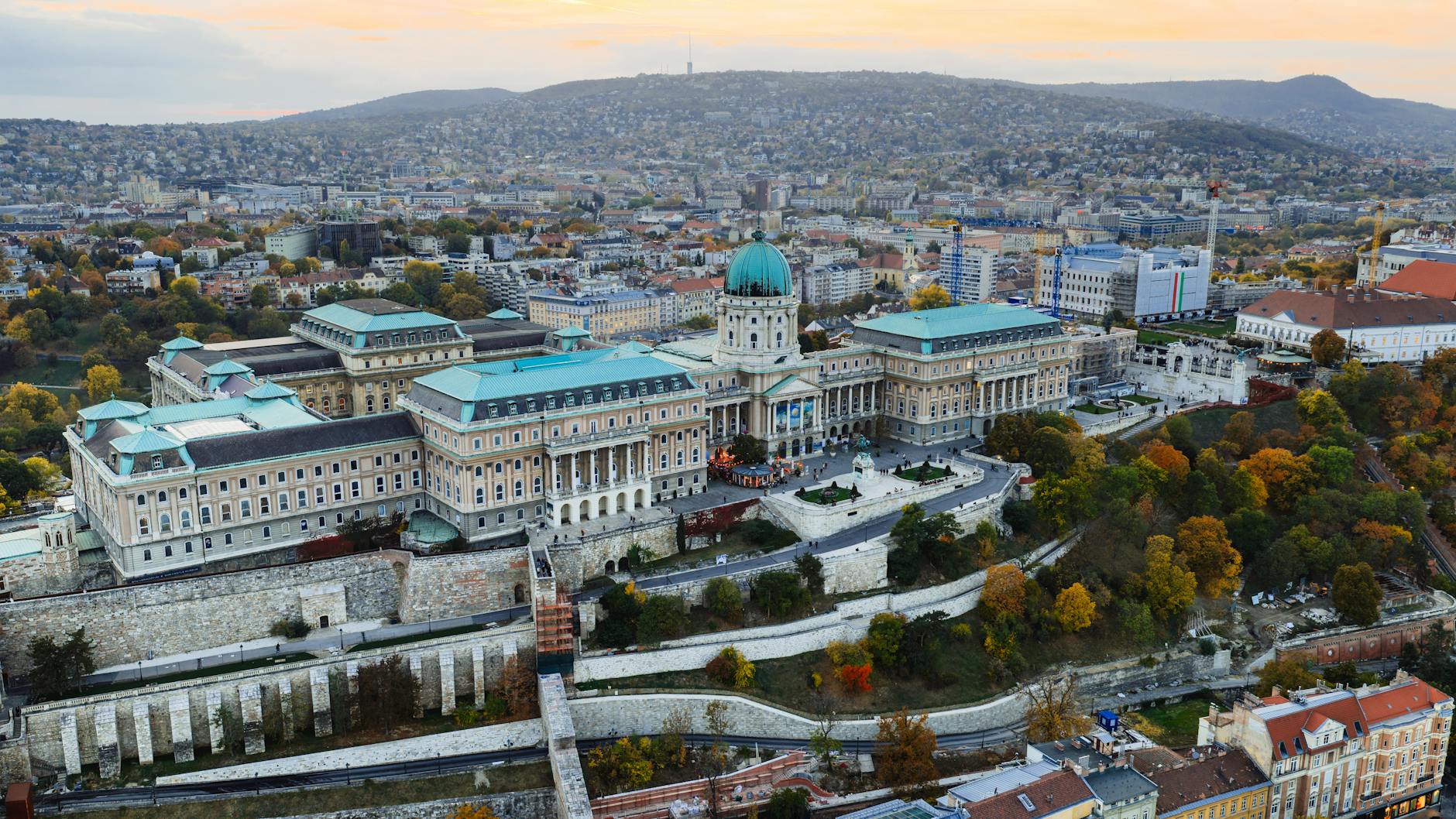
Responsible Travel in Budapest: Practical, Low-Impact Choices to Support Local Life
A concise, practical companion to the 3 days in Budapest itinerary with sustainable tips, neighborhood advice, transport realities, and local-first recommendations for low-impact travel in Budapest.
Best approach: visit in shoulder seasons (April–May or September–October) for milder weather and fewer crowds; base yourself in a central but locally-minded neighborhood (District V or VIII/Ferencváros) to keep short walks to attractions and spend in local shops; prioritize trams, metro and river ferries over taxis; pre-book popular thermal-bath time slots and main attractions from the 3-day guide to avoid queues. For day trips, trains to Vienna and Bratislava are straightforward; regional trains connect to Szeged, Pécs and Debrecen but allow extra travel time.
This page is a hands-on support guide for travelers using the main 3 days in Budapest itinerary. It focuses on responsible, low-impact choices that prioritize local businesses, quieter neighborhoods, and seasonal timing. Read it to decide where to sleep, how to move around, what to book in advance, and which nearby cities—Szeged, Pécs, Debrecen, Bratislava or Vienna—are realistic next stops. The tone is practical: avoid overhyped suggestions and get the sustainable, local-first options that make a trip better for you and for Budapest.
What This Page Helps You Decide
Use this page to choose:
– Where to stay: quieter Buda (District I) vs walkable Pest neighborhoods (Districts V, VI, VII, IX)
– How to move: when a 72-hour transport pass makes sense versus single tickets or occasional ride-sharing
– When to book: thermal baths, ruin-bar concert tickets, or guided tours best reserved in advance
– How to day-trip responsibly: train vs coach to nearby cities and Szentendre via HÉV
– What to prioritize from the 3 days in Budapest itinerary and which sights to shift to an extra day or a slower pace
Top Recommendations
Practical, local-first choices to make your visit meaningful and low-impact:
– Neighborhoods: stay in District V (Belváros) for short walks to main sights, or choose District IX (Ferencváros) and District VIII for better value and growing local restaurants.
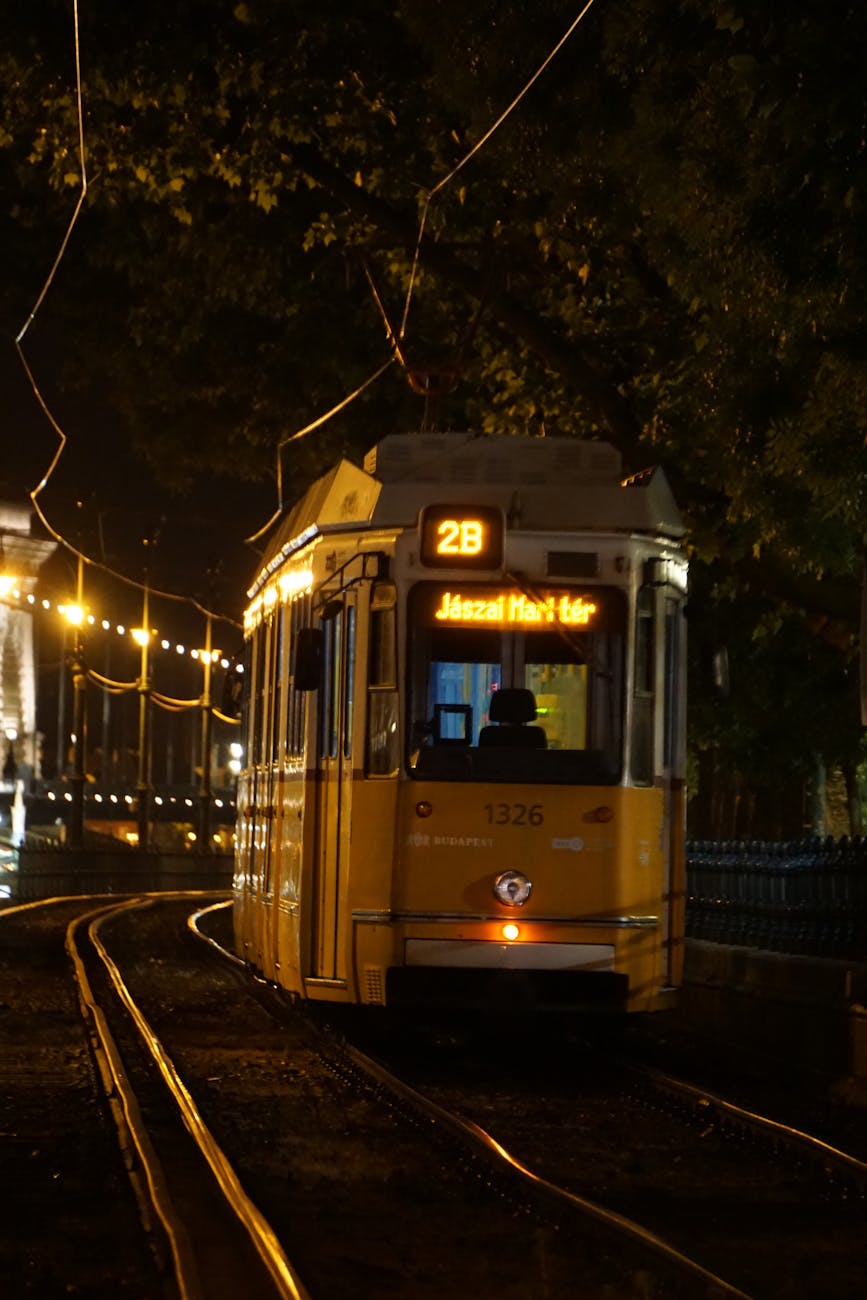
– Transport: buy BKK single tickets or a 72-hour pass if you plan frequent transfers; always validate. Use trams 4/6 and the M1 historic metro for efficient sightseeing.
– Baths: reserve a morning or late-afternoon slot at Széchenyi or Gellért on busy days; avoid weekend peak times in high season.
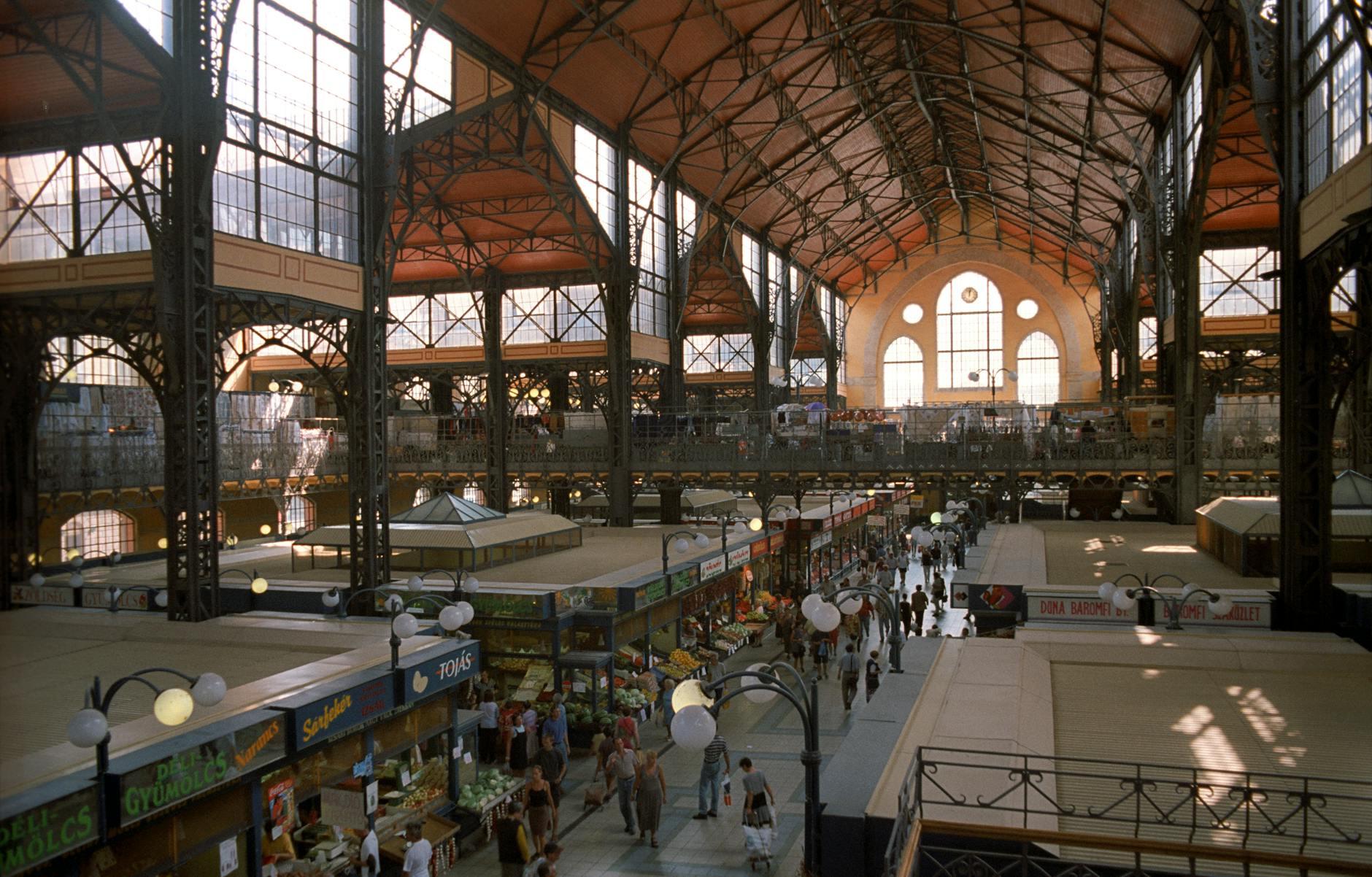
– Eating: start meals at Great Market Hall or district farmers’ stands, prefer locally owned bistros and family-run pastry shops over chain restaurants.
– Activities: take a short Danube ferry instead of a large tourist cruise for the same view with less environmental impact.
– Day trips: use MÁV trains to Szeged, Pécs or Debrecen; take the RailJet to Vienna or regular Slovak Railways/RegioJet services to Bratislava. Pack light and book return tickets the day before during peak periods.
Local Context
Seasons and crowds: Budapest has hot summers and cold winters. Peak tourist months are June–August and major holidays; shoulder seasons offer better value and quieter streets.
Transport realities:
– Metro and trams are frequent; buy tickets at vending machines or via BKK app and validate before boarding.
– Bike-share (MOL Bubi) runs seasonally and has limited stations; bring your own helmet if you’ll cycle longer distances.
– Taxis should use meters; prefer Bolt or licensed companies and confirm a metered fare.
Cultural etiquette and practicalities:
– Simple Hungarian: köszönöm (thank you), jó napot (good day) is appreciated.
– Tipping of 10–15% in restaurants is common; rounding up is fine for small purchases.
– Thermal-bath etiquette: wear swimsuits, use flip-flops, and keep noisy behavior away from quiet pools.
Money and connectivity:
– Cards are widely accepted; keep some cash for markets and small cafés. Free Wi‑Fi is common in cafés but use a local eSIM or reliable roaming for maps and bookings.
How to Choose Well
Accommodation:
– Prefer small guesthouses, family-run pensions, or locally owned apartments booked through reputable platforms; this directs spending to residents.
– If you want quiet nights after following the 3-day guide, choose Buda (District I/II) or the calmer streets of District IX.
Tours and guides:
– Choose licensed, small-group walking tours that employ local guides. Ask if guide fees stay local.
– Avoid tours that exploit animals, glamorize poverty, or use mass attendance venues that displace community spaces.
Transport passes and tickets:
– Estimate the number of journeys before buying a 72-hour pass. Single tickets plus occasional taxi can be more economical if you plan a lot of walking.
Day trips:
– Prefer trains for lower emissions and better local integration. For Vienna or Bratislava, early morning departures give you more time without an overnight.
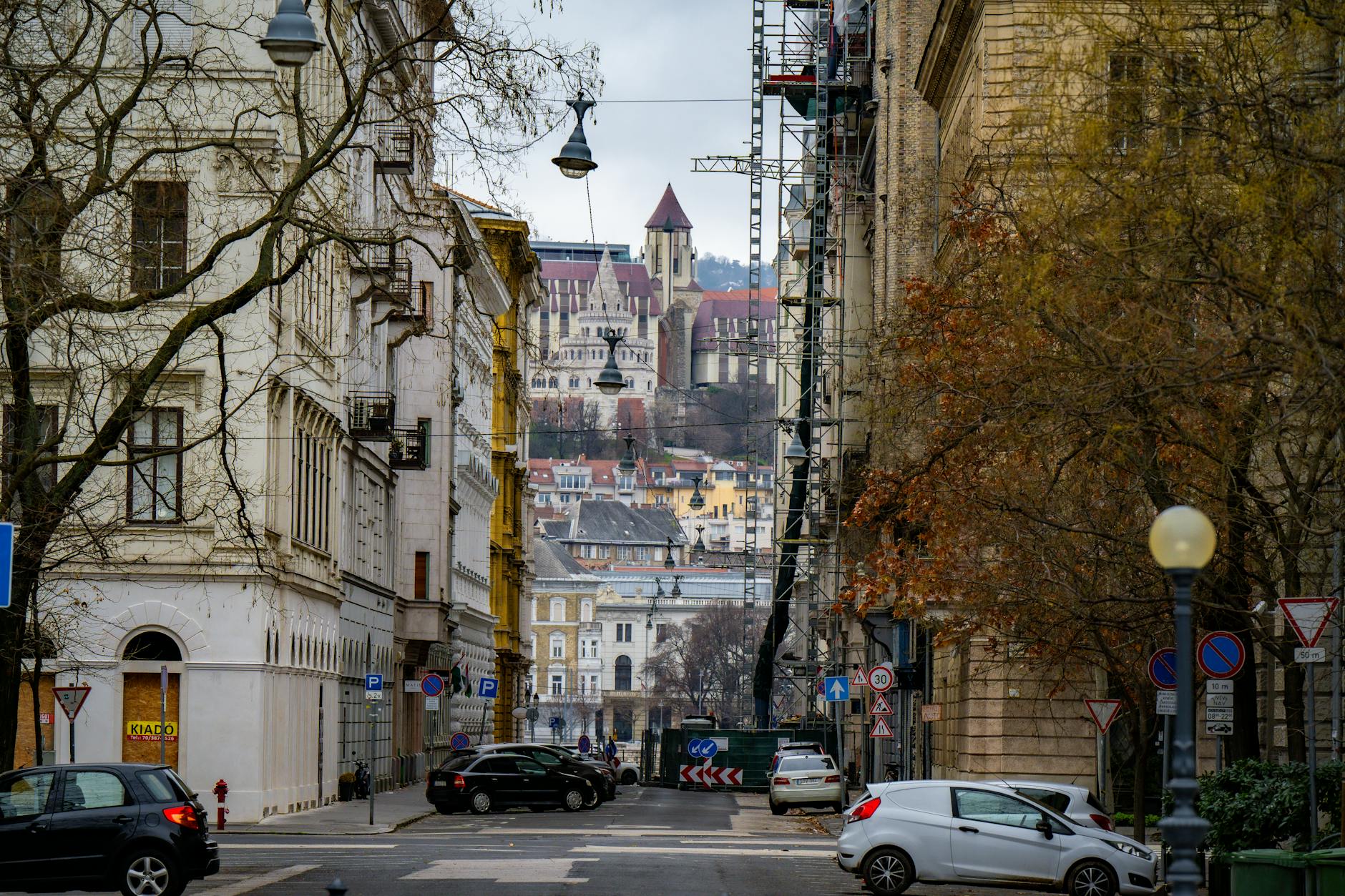
Responsible and Local-First Tips
Simple habits that benefit local communities and reduce impact:
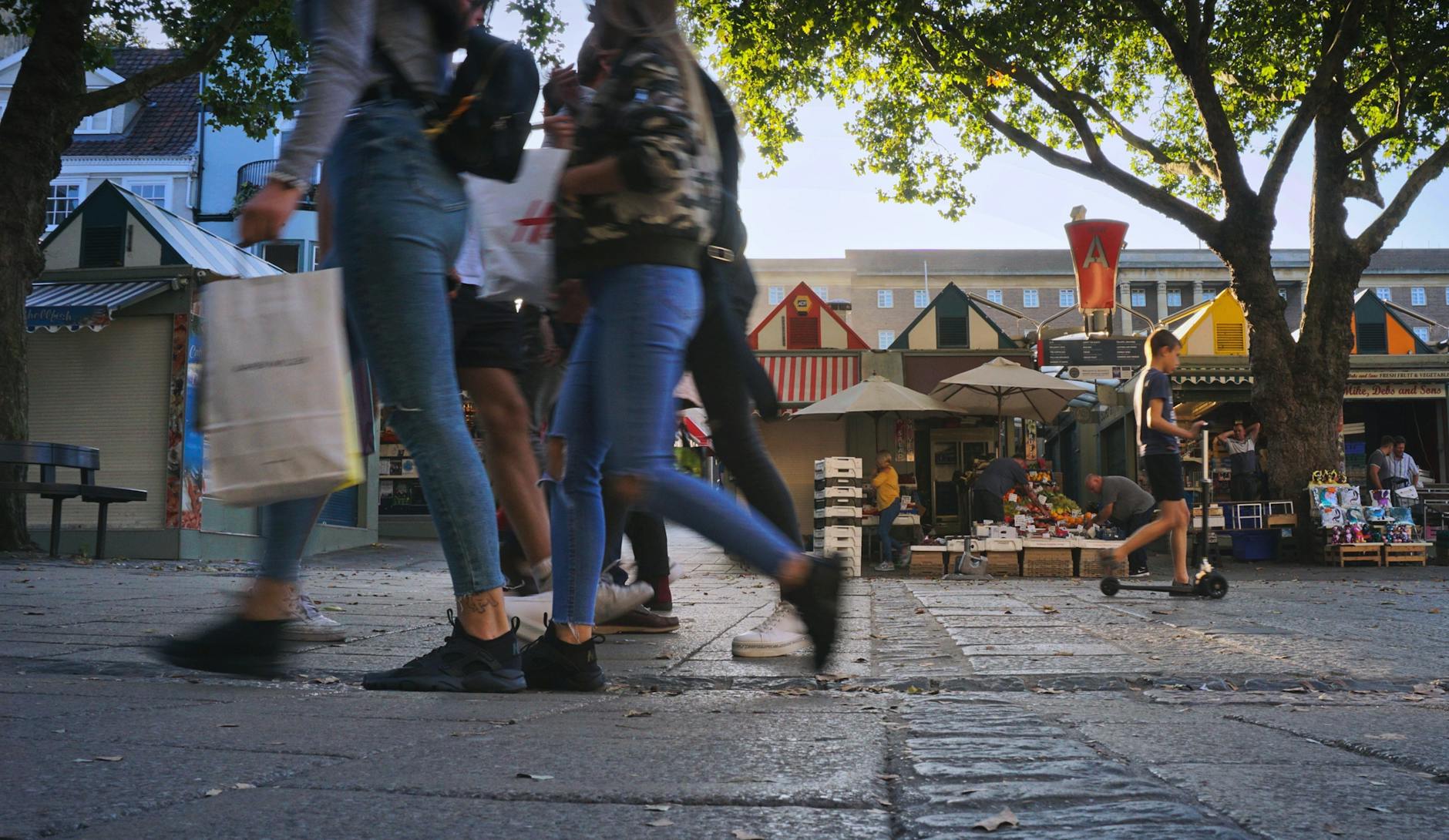
– Spend at markets, independent cafés, family bakeries and craft shops rather than international chains.
– Refill a water bottle—tap water is safe in Budapest—and avoid single-use plastic.
– Walk more: many attractions in the 3-day itinerary are within 20–30 minutes of each other.
– Use public transit and ferries over river cruise boats when possible.
– Choose experiences that hire locals: cooking classes with neighborhood cooks, community-led walking tours, family-run workshops.
– Be mindful of noise late at night in residential districts and follow rules at protected sites and parks like Margaret Island.
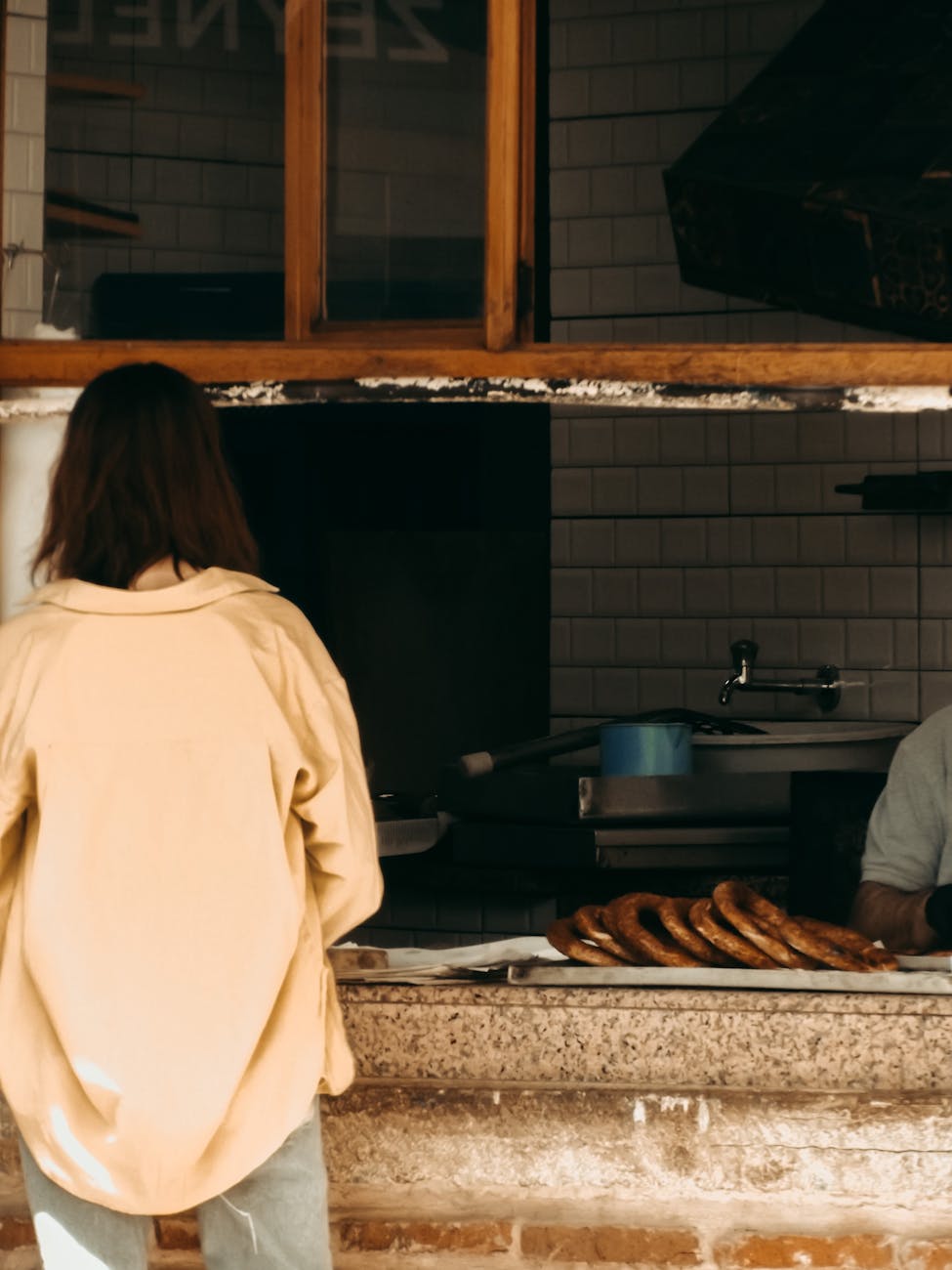
Common Mistakes to Avoid
Mistakes that make trips harder or less sustainable:
– Overpacking the schedule: the 3-day guide covers highlights—leave margin for slow coffee, markets, and unexpected discoveries.
– Not validating transport tickets or misunderstanding pass rules—fines are enforced.
– Booking thermal baths on the spot during peak season—slots sell out.
– Staying only in District V (Belváros) and missing vibrant neighborhoods like Erzsébetváros, Ferencváros or Óbuda.
– Exchanging large sums of cash at the airport—use card payments or city exchange offices with better rates.
– Taking unmetered taxis: choose licensed apps or official taxi stands.
FAQ
When is the best time for a low-impact visit to Budapest?
Shoulder seasons—April–May and September–October—offer mild weather, fewer crowds and lower prices. Early mornings on weekends are best for baths and markets.
Are Budapest’s thermal baths open year-round and do I need to book?
Most baths are open year-round. Popular ones like Széchenyi and Gellért recommend booking peak-time entries in advance, especially weekends and holiday periods.
How do I get to Vienna or Bratislava sustainably from Budapest?
Take the RailJet to Vienna (approx. 2h 30m) or regular cross-border trains/Railjet/RegioJet services to Bratislava (approx. 2h 30m by some services). Trains are the lower-emission and convenient option; book early for best fares.
Is Budapest safe and suitable for solo travelers concerned with responsible travel?
Yes—Budapest is generally safe. Use the same common-sense precautions you would in any city. Respect local neighborhoods, avoid loud late-night behavior in residential areas, and choose licensed guides for tours.
How should I handle tipping and small purchases?
Tipping 10–15% in restaurants is normal; for small cafés and market stalls, rounding up or leaving small change is appreciated. Pay by card when possible to reduce cash handling fees for small local vendors.
Can I bring a bicycle and where is cycling feasible?
Bring or rent a bike for riverside routes and Margaret Island. Central streets can be busy—use designated bike lanes and MOL Bubi for short hops. Avoid heavy-traffic roads at rush hour.
Conclusion
Budapest rewards slower, considered travel. Use this page alongside the 3 days in Budapest itinerary to book baths, choose a neighborhood, and plan sustainable day trips to Szeged, Pécs, Debrecen, Bratislava or Vienna. Next steps: reserve key time-sloted activities (thermal baths, major museums), decide on a transport pass based on your planned journeys, and pick lodging that supports a local owner. Small choices—walking, buying locally, and timing visits outside peak hours—make your visit richer and better for the city.
Plan the Rest of Your Trip
This page works best alongside the main itinerary and the other planning pages for Budapest.