

Best Time to Visit Athens — When to Go, Why, and Practical Tips
Decide the best time to visit Athens with month-by-month weather, crowd signals, neighborhood tips, transport realities, and sustainable choices to pair with a 3-day Athens itinerary.
Athens is year-round but how you experience it changes by season. This guide helps you pick months that match your priorities — sightseeing comfort, lower crowds, evening life, or festival season — and gives practical booking, transport, and neighborhood advice to make a short stay (see our 3 days in Athens) both low-impact and memorable.
Quick Answer
Athens is year-round but how you experience it changes by season. This guide helps you pick months that match your priorities — sightseeing comfort, lower crowds, evening life, or festival season — and gives practical booking, transport, and neighborhood advice to make a short stay (see our 3 days in Athens) both low-impact and memorable.
Who This Page Is For
This page is for travelers planning a stay in Athens who want clearer decisions about best time to visit, local logistics, timing, budgeting, and practical trip planning.
How This Page Was Prepared
This page was prepared through a structured editorial workflow that combines destination research, geographic context, and practical travel-planning review.
Plan the Rest of Your Trip
Use this page together with the full itinerary and the related planning pages below to make better booking, timing, transport, and budget decisions.
Best overall months: late April–June and September–October — warm weather, fewer cruise-day crowds, and lively neighborhood scenes. If you want budget and museum-focused quiet, January–March is low-crowd and mild. Avoid July–August if you dislike heat and mass tourism; if you must travel then, plan early mornings, evenings, and book ahead.
Athens is compact, layered with antiquity and lively neighborhoods. When you visit affects heat, crowds, opening hours and day-trip options to nearby islands like Kos or Crete. This page focuses on practical choices for travelers who want authentic neighborhood life, support local businesses, and reduce high-impact tourism patterns. Use it alongside our main 3 days in Athens itinerary to time your trip for the experience you want.
What This Page Helps You Decide
This page helps you choose travel dates and daily rhythms for a short trip (ideal for a linked 3 days in Athens itinerary). It answers:
– When are museum and site crowds lowest?
– Which neighborhoods are best for evening life or quieter local stays?
– How seasons affect transport, day trips to Piraeus and islands, and hotel availability?
You'll get booking and packing tips tailored to Athens's practical realities.
Top Recommendations
Follow these practical choices depending on priorities:
– Best balance (weather + crowds): late April–June and September–October. Expect 20–28°C, light rain possible in April/October.
– Low-crowd museums and cheaper rooms: January–March. Some outdoor sites can be brisk; check closing days.
– Festival season and nightlife: July–August for Athens Epidaurus Festival and late-night terraces, but book months in advance and prepare for heat.
– Day trips: use September–June for calmer ferries to Piraeus-linked islands and easier bookings.
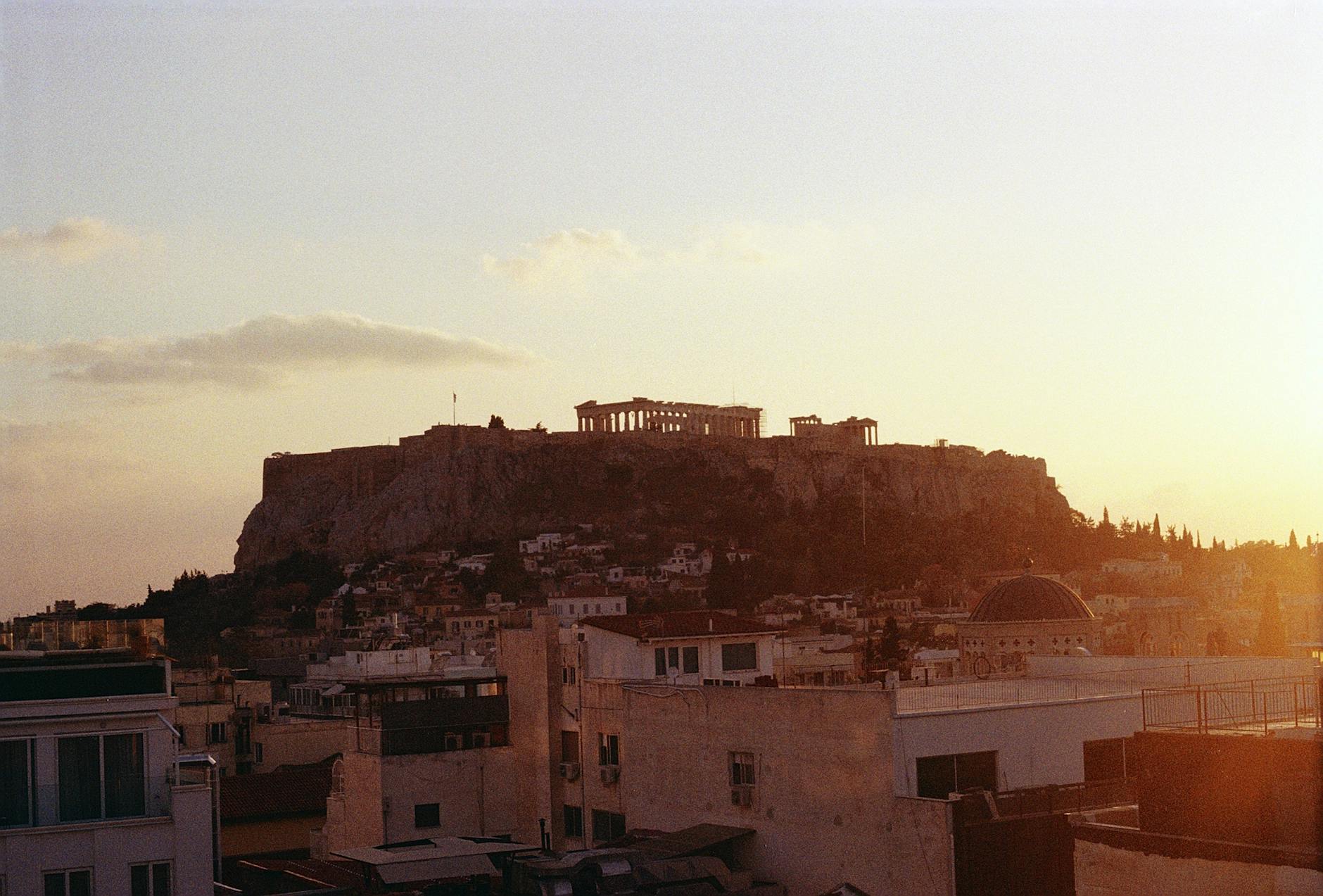
Book Acropolis tickets with a timed entry in advance for any season. Reserve an evening rooftop table for sunset views in Plaka or Koukaki during shoulder months.
Local Context
Neighborhoods and seasonal behavior matter:
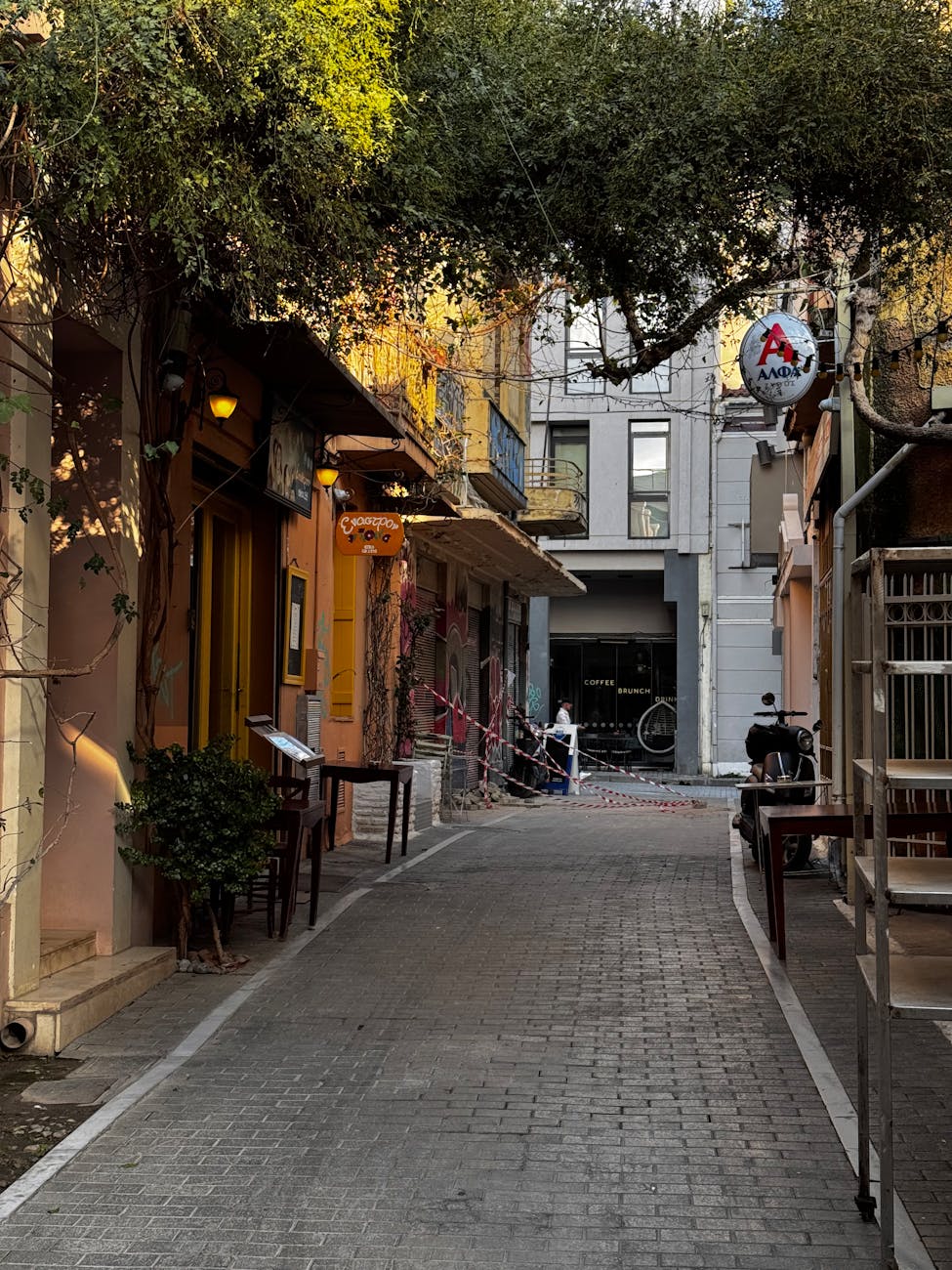
– Plaka and Monastiraki: always touristy, best early morning or late evening to avoid cruise-day peaks.
– Koukaki and Pangrati: local favorites near the Acropolis — good for supporting independent tavernas and quieter evenings.
– Psyrri and Gazi (Kerameikos): lively nights and street art; weekends fill quickly.
– Kolonaki: upscale shopping and galleries; quieter museums and cafes in low season.
Transport and opening hours:
– Metro is efficient; buses and trams connect coastal suburbs. Trams to the southern waterfront run regularly but can be slower in rush hour.
– Many museums and archaeological sites have reduced hours or closed days (often Monday). Always check official hours and reserve timed tickets for the Acropolis and Acropolis Museum.
Local etiquette: modest clothing in churches, lower-voice behavior at archaeological sites, and a small tip for table service (5–10%) is customary but not mandatory.

How to Choose Well
Match dates to priorities with these simple rules:
– If you want comfortable sightseeing and terrace dinners: choose May–June or September–October.
– If budget and museum time matter more than weather: choose January–March.
– If festivals and late-night culture are a priority: July–August, but book hotels and tables early and expect heat.
– If you plan island day trips from Piraeus: May–September gives the most frequent ferry schedules; shoulder months have fewer sailings but less crowded ports.
Practical booking advice:
– Reserve Acropolis timed entry and Acropolis Museum tickets in advance.
– Book centrally located lodgings (Koukaki, Pangrati, Monastiraki) to reduce taxi use and spread tourist income locally.
– If arriving by air, use the metro to central Athens; from Piraeus, ferries and suburban rail serve nearby islands and Thessaloniki connections.

Responsible and Local-First Tips
Make your visit beneficial for local communities:
– Stay in small guesthouses or locally owned hotels in neighborhoods like Koukaki, Pangrati, or Ano Petralona.
– Eat at family-run tavernas and bakeries; buy produce from Varvakios Market or small greengrocers.
– Use public transportation, walk, or rent a bicycle for short trips; avoid unnecessary taxi rides.
– Visit neighborhoods beyond the Acropolis—Kerameikos, Exarcheia (respectful of local culture), and the Stavros Niarchos Foundation Park support different local economies.
– Reduce plastic waste: carry a reusable water bottle (Athens tap water is potable in most places) and refuse single-use plastics where possible.
– Avoid one-day cruise-only excursions that concentrate crowds and miss local economic benefits; consider overnight stays in Piraeus or a nearby island like Kos or Chania to spread tourist spend.

Common Mistakes to Avoid
Avoid these travel pitfalls:
– Waiting to buy Acropolis or popular museum tickets on the day — timed entries often sell out in shoulder and high seasons.
– Planning only Acropolis + one museum and skipping neighborhoods; Athens’s character is in streets and cafes.
– Traveling in August without reservations — many small businesses close for summer holidays, and prices peak.
– Assuming all sites are open daily; check closures (many museums close one weekday).
– Relying solely on taxis in the center — metro and walking are often faster and cheaper, and they reduce local congestion.
FAQ
When is the absolute best month for weather and fewer crowds?
Late May and mid-September offer warm temperatures (comfortable for walking and rooftop dining) and fewer cruise-ship day-trip crowds.
Is Athens worth visiting in winter?
Yes — January–March is quieter, museum visits are easier, hotel prices are lower, and the city is walkable. Some outdoor venues may be chilly, but cultural life continues.
How hot does it get in summer and how should I plan days?
July–August regularly reach 33–38°C. Plan major outdoor sightseeing for early morning (first Acropolis entry) and late afternoon; rest during midday heat and enjoy evening social life.
Do I need to book ferries to nearby islands in advance?
In high season (July–August) and during holidays, book ferries in advance. In shoulder months you can often book a few days ahead but check schedules as services are reduced.
Which neighborhoods are best for a sustainable, local stay?
Koukaki, Pangrati, and Ano Petralona balance local life and access to sights. Staying there directs spending to neighborhood businesses rather than tourist-only corridors.
Are museums closed on certain days?
Many museums and smaller sites close one weekday (commonly Monday). Check official sites for each museum’s schedule before you travel.
Can I use Athens as a base to visit Piraeus and islands like Kos or Chania?
Yes. Piraeus is a short metro/suburban rail ride and the main ferry hub. For Kos, Chania or Rethymno, overnight stays or planned island itineraries reduce the rush of day trips and spread tourism benefits.
Conclusion
Choosing when to visit Athens comes down to trade-offs between weather, crowds, and events. For most travelers wanting authentic experiences with lower impact, the shoulder months (late spring and early autumn) are optimal. Pair your timing with neighborhood stays, timed tickets for major sites, and a plan to support local businesses. For day-by-day planning, see our 3 days in Athens itinerary and consider adding nearby Piraeus or an overnight island hop to Kos, Chania, or Rethymno to distribute tourism benefits beyond the city center.
How this guide was prepared
This guide was prepared through a structured research that combines destination research, geographic context, itinerary planning logic, and content review.