

Where to Stay in Athens — Neighborhoods, Practical Tips, and Sustainable Choices
Practical neighborhood guide for first-time and returning visitors to Athens. Compare Plaka, Koukaki, Psiri, Kolonaki, Pangrati and Glyfada with booking, transport and low-impact tips to support a 3-day Athens itinerary.
Choose the right Athens neighborhood for your 3-day visit. This page helps you match location, price, and vibe to your plans while prioritizing local businesses and low-impact travel.
Quick Answer
Choose the right Athens neighborhood for your 3-day visit. This page helps you match location, price, and vibe to your plans while prioritizing local businesses and low-impact travel.
Who This Page Is For
This page is for travelers planning a stay in Athens who want clearer decisions about where to stay, local logistics, timing, budgeting, and practical trip planning.
How This Page Was Prepared
This page was prepared through a structured editorial workflow that combines destination research, geographic context, and practical travel-planning review.
Plan the Rest of Your Trip
Use this page together with the full itinerary and the related planning pages below to make better booking, timing, transport, and budget decisions.
Best general picks by priority:
- First-time visitor and easy walking: Koukaki or Makrigianni — nearest practical access to the Acropolis, short walks to the museum, many family-run tavernas.
- Central, tourist hub: Plaka/Monastiraki — iconic streets, great for short stays but noisier and more touristy.
- Nightlife and cafés: Psiri — lively evening scene, street art, restaurants; better for mid-week stays or solo travelers.
- Upscale shopping and quieter evenings: Kolonaki — boutique hotels, cafés, good for late starts and museum visits.
- Local neighborhood, good value: Pangrati — everyday Athenian life, parks and bakeries, well-connected by metro.
- Beach/coastal: Glyfada — choose this for a seaside stay and tram access to the city center.
- Ferries: stay near Piraeus only if you must catch an early ferry — otherwise stay central and travel to Piraeus the morning of departure.
For day-by-day logistics, see the linked 3 Days in Athens itinerary for how neighborhood choice affects each day.
This concise support page helps you pick where to stay in Athens so your lodging complements a short itinerary like our companion '3 Days in Athens'. It focuses on real neighborhoods, transport realities, and practical, lower-impact choices that keep more money with local hosts and businesses.
If you plan ferries to the islands (Piraeus) or onward travel to Thessaloniki and Crete, choose lodging with easy rail or metro access. If you want nightlife, pick a livelier district; if you want quiet mornings by the Acropolis, choose a nearby but calm street.
What This Page Helps You Decide
This page clarifies which neighborhood matches your priorities and how to book smartly:
- Proximity vs. price: central neighborhoods save walking time but cost more; Pangrati and Metaxourgeio often give better value.
- Noise and nightlife: Plaka and Psiri are busiest at night; Kolonaki and Koukaki have calmer evenings.
- Ferry or airport timing: choose proximity to Piraeus only when you have an early ferry; otherwise prioritize metro access to the airport.
- Family needs: pick ground-floor rooms, quieter streets, and easy access to green space like the National Garden.
- Seasonality: shoulder seasons (April–May, Sep–Oct) balance milder weather and fewer crowds.
Use this guidance alongside the 3 Days in Athens itinerary to align lodging with the sequence of sites you plan to visit.

Top Recommendations
Neighborhoods and who they suit (practical notes):
- Koukaki / Makrigianni — Best for first-timers who want easy access to the Acropolis and short walks to recommended cafes. Pros: walkable, many family-run guesthouses. Cons: popular at night near museum areas.
- Plaka / Monastiraki — Best for iconic scenery and market shopping. Pros: immediate access to archaeological sites and metro. Cons: noisy, tourist shops; prefer early mornings or shoulder season.
- Psiri — Best for evening food and bar scene, street art, creative micro-restaurants. Pros: lively; affordable short-stay options. Cons: can be loud late-night.
- Kolonaki — Best for boutique hotels, upmarket dining and quieter evenings. Pros: central, elegant. Cons: pricier.
- Pangrati — Best for authentic neighborhood life, bakeries, and parks. Pros: value, local cafés; well-connected metro. Cons: fewer tourist amenities.
- Glyfada — Best if you want a beach-adjacent base and tram access. Pros: seaside restaurants, calmer nights in summer. Cons: 30–40 minutes by tram/metropolitan routes to central Athens.
- Piraeus — Best only when your schedule requires an early ferry. Otherwise use it for day trips and stay central.
Booking tips: prioritize a hotel or guesthouse within a 10–20 minute walk of a metro station if you plan day trips to the islands or the airport. For high season (mid-June–August) reserve 8–12 weeks out; shoulder season reservations are more flexible.
Local Context
Practical realities to plan around:
- Transport: Athens has three metro lines that cover the city center; Syntagma and Monastiraki are central hubs. Line 1 (the green line) links to Piraeus for ferries; Line 3 reaches the airport. Tram service connects the central city to coastal neighborhoods like Glyfada.
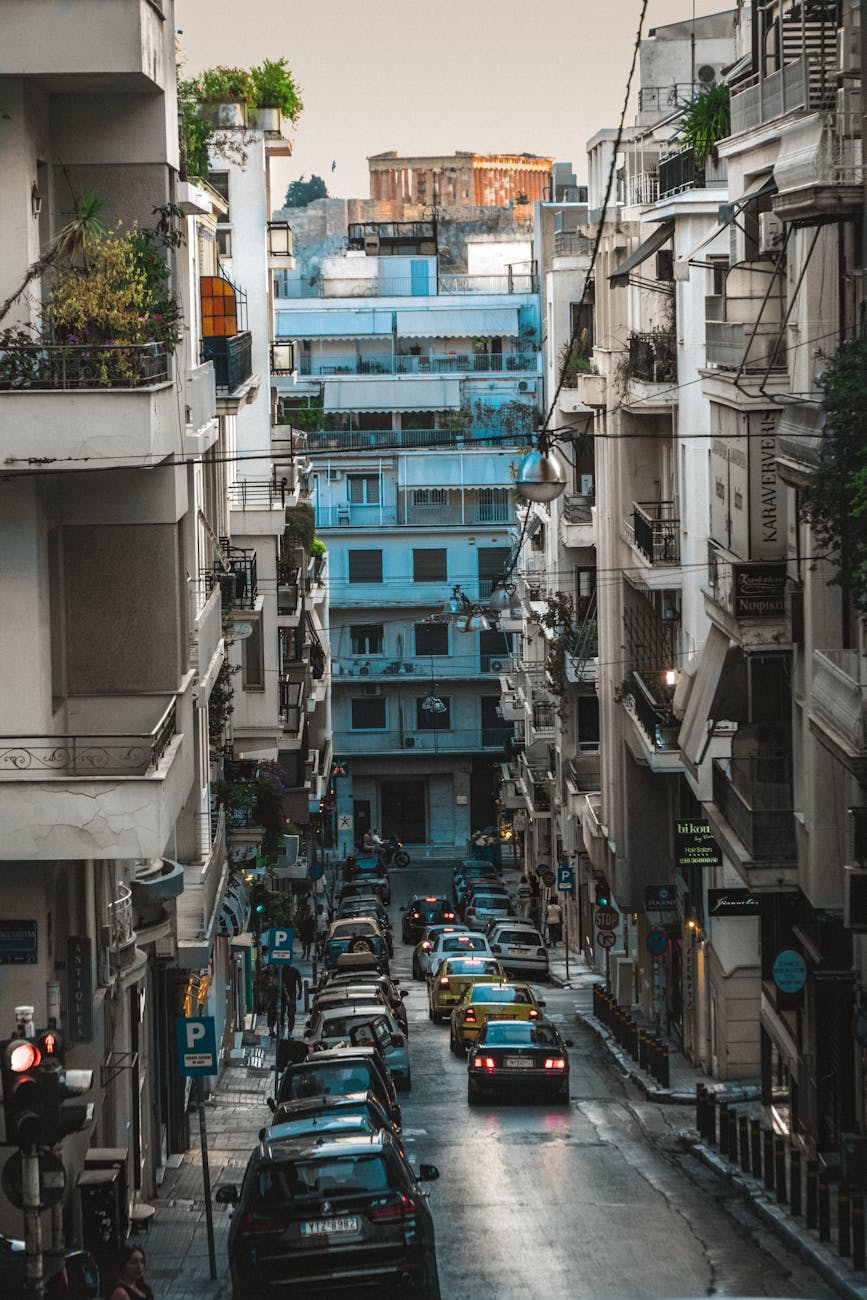
- Walking: The historic center is compact and best explored on foot. Expect cobbled streets and short inclines around the Acropolis.
- Season and climate: Summers are hot and crowded (July–August); shoulder seasons (April–May, Sep–Oct) are ideal for cooler weather and lighter crowds.
- Safety and etiquette: Athens is generally safe by day; take normal urban precautions at night. In churches, dress modestly (covered shoulders/knees). Tipping 5–10% in tavernas is customary for good service.
- Money and bookings: Many small cafés and shops prefer card but carry some euros for markets and quick purchases. Confirm room amenities like air conditioning for summer stays.

How to Choose Well
Choose a neighborhood by answering these quick questions:
- How many minutes do you want to spend walking to the Acropolis or main museums? If under 15 minutes, prioritize Makrigianni/Koukaki or Plaka.
- Do you value quiet nights or nightlife? Choose Kolonaki or Pangrati for quiet; Psiri for bars and late dining.
- Will you take morning ferries? If yes, factor early transport to Piraeus or consider arriving in Piraeus the night before.
- Are you traveling with family or mobility concerns? Seek ground-floor rooms, elevator access, and proximity to green spaces (National Garden).
Booking checklist:
- Confirm cancellation policy and small-business ownership where possible.
- Check guest reviews for noise and reliability of AC in summer.
- For shorter stays, favor a central location to reduce daily transit time — this keeps more of your trip in the local economy rather than on wheels.
Responsible and Local-First Tips
Make stays benefit locals and reduce impact:
- Choose family-run pensions, guesthouses, or locally operated boutique hotels. Ask hosts about community initiatives or neighborhood guides.
- Use public transport (metro, tram, bus) and walk short distances. Apps like Beat are fine for longer trips; prefer shared rides over private transfers.
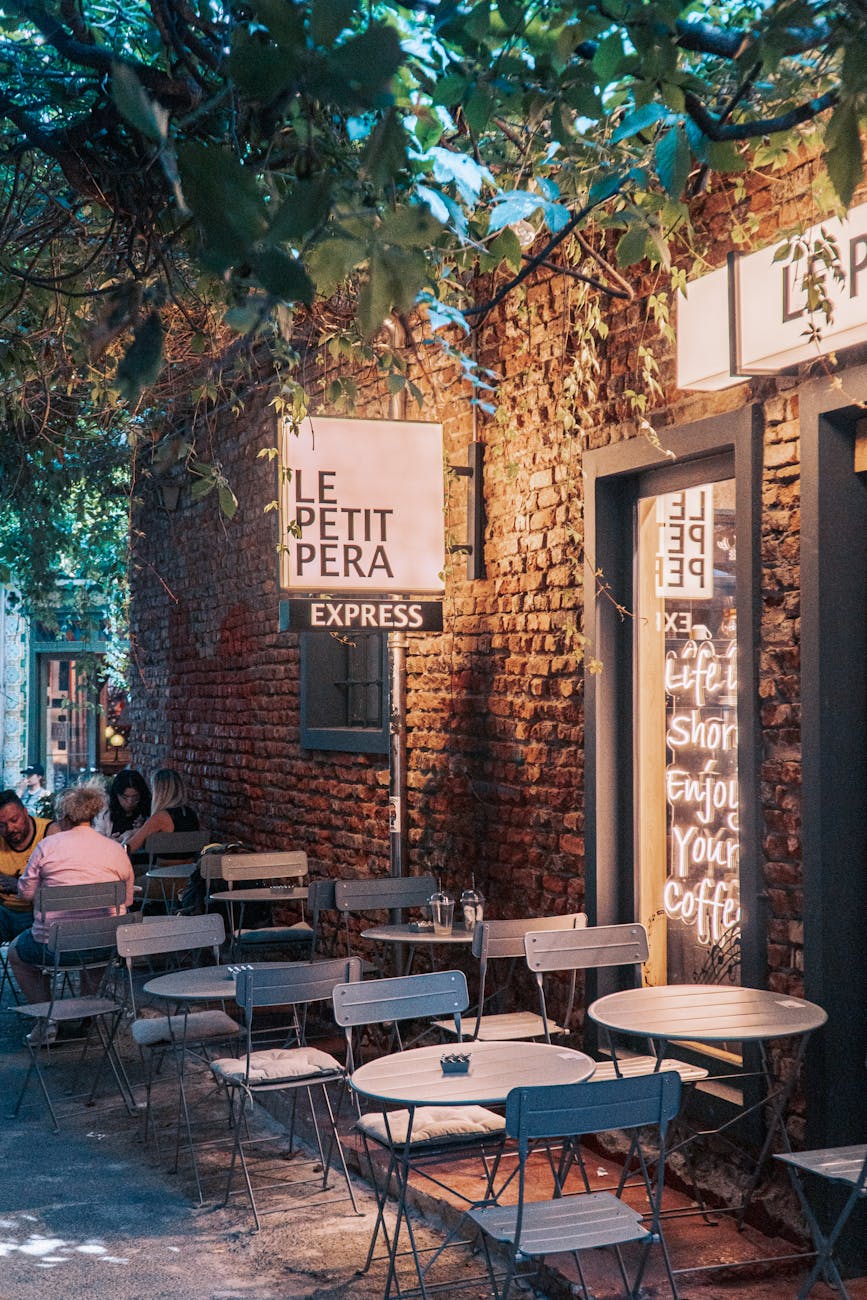
- Eat at small tavernas and cookshops; buy fruits, cheeses, and souvenirs from Varvakios Market and artisan shops in Kerameikos.
- Travel in shoulder season to reduce strain on infrastructure and enjoy safer, more authentic interactions.
- Reduce laundry pressure: request linen changes only when needed and bring a refillable water bottle — several cafes and museums offer refill stations.
- If you plan island hopping, prefer daytime ferries over short flights when time allows; they produce less CO2 per traveler for nearby islands.
Small choices—where you sleep, eat, and shop—send most money to neighborhood businesses instead of international chains.

Common Mistakes to Avoid
- Booking Plaka expecting quiet: the neighborhood is beautiful but busy and noisy into the night.
- Staying far from a metro stop to save money: you may lose the savings in time and taxi fares, especially if you have early ferries or flights.
- Underestimating summer heat: check for reliable air conditioning and book earlier in the day for outdoor visits.
- Assuming central hotels mean local benefit: large international chains often keep profits out of the neighborhood—consider local alternatives.
- Not allowing ferry buffers: Piraeus transfers and boarding can take longer than expected, so build in extra time for morning departures.
- Ignoring local holidays and strikes: occasional transport strikes happen in Athens; check news and have a backup plan.
FAQ
Which neighborhood is best for a 3-day first-time visit?
Koukaki or Makrigianni are ideal—walkable to the Acropolis and museum, with local tavernas and easy access to metro lines for day trips. Pair this choice with the '3 Days in Athens' itinerary for efficient daily routes.
Is Plaka a good place to stay?
Plaka is picturesque and central but can be very touristy and noisy. It's excellent for daytime sightseeing, less ideal if you need quiet nights.
Should I stay in Piraeus the night before an early ferry?
Only if your ferry is very early or weather risks delays. Otherwise, staying central and leaving early in the morning gives more evening choices and local dining options.
How do I get from the airport to my hotel affordably?
The metro Line 3 serves the airport to central hubs like Syntagma and Monastiraki; suburban rail and buses are alternatives. For door-to-door, prefer licensed taxis or a shared transfer booked in advance.
Is Athens safe to walk at night?
Central neighborhoods are generally safe, but use normal urban caution after midnight. Well-lit areas like Syntagma, Koukaki, and Kolonaki are popular after dark.
How far in advance should I book a hotel?
For high season (July–August) book 8–12 weeks ahead. For shoulder season you can often book 3–6 weeks out with more flexibility.
Any tips for families?
Look for ground-floor or elevator-access rooms, book near a metro stop, and choose quieter streets near the National Garden or Pangrati for mornings and playground access.
Conclusion
Pick a neighborhood that matches how you want to spend your time: proximity to sights, evenings out, or a seaside extension. Use the 3 Days in Athens itinerary to match each day’s activities to the best lodging choices. Favor small, locally owned accommodations, travel in shoulder season when possible, and use public transport to keep your visit low-impact and beneficial to Athens’ neighborhoods.
If you plan island or long-distance travel, remember Piraeus for ferries and consider connections to Thessaloniki, Chania, Rethymno or Kos when extending your trip.
How this guide was prepared
This guide was prepared through a structured research that combines destination research, geographic context, itinerary planning logic, and content review.