
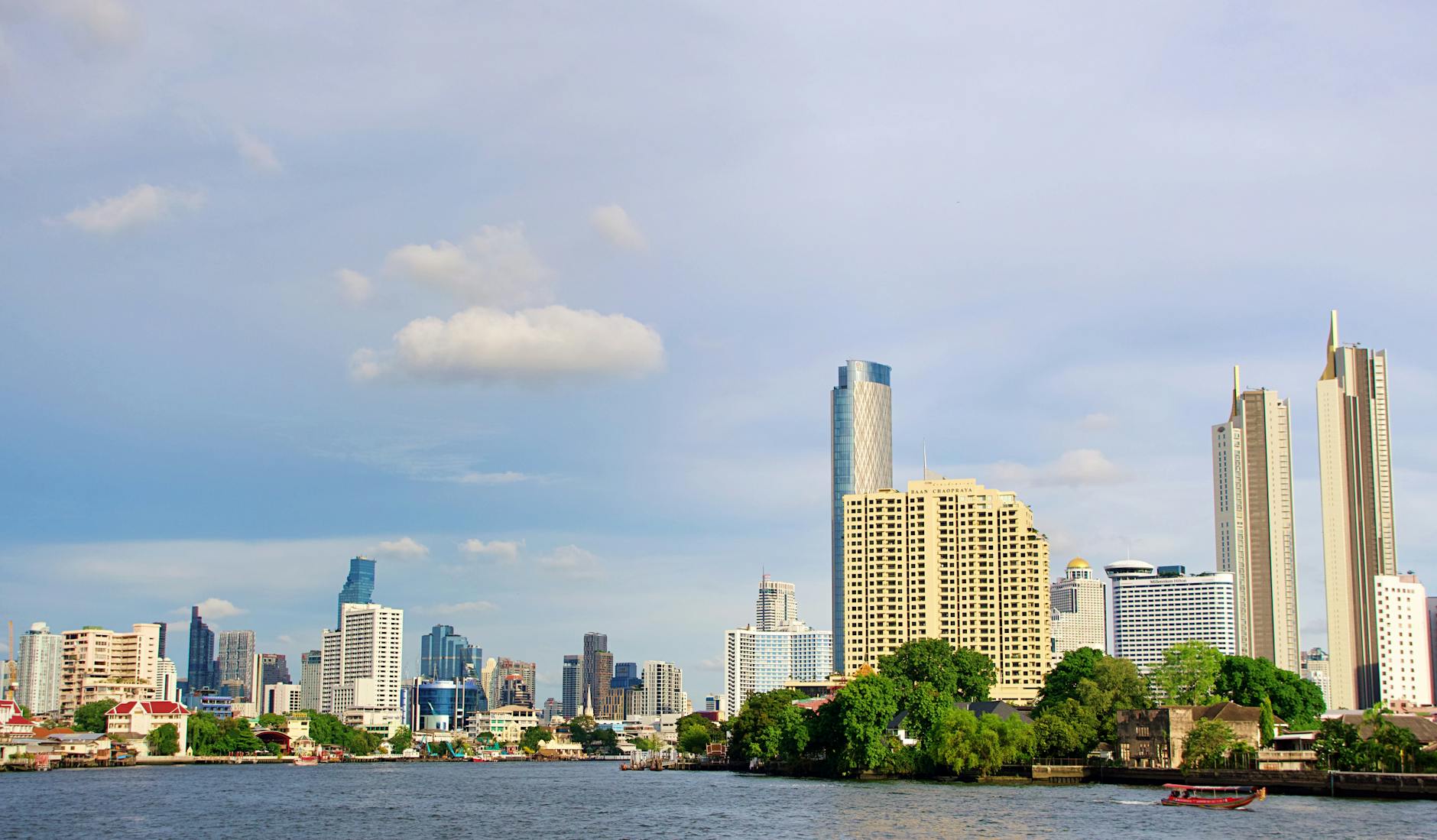
Best Time to Visit Bangkok — Weather, Crowds, and When to Book
Clear, practical guidance on when to visit Bangkok. Compare seasons, festivals, nearby day trips (Pattaya, Hua Hin), transport realities, and low-impact tips to plan your 3-day Bangkok itinerary.
Bangkok is year-round lively but very different by season. This page helps you pick the best months for comfort, budget, and day trips to nearby beaches and Isaan, with sustainable, local-first advice to support your 3-day itinerary.
For most travelers the best balance of weather and crowds is November through February: cooler mornings, lower humidity, and clearer skies. If you prefer fewer tourists and better hotel deals, consider the shoulder months of late October or March–April; expect more heat but lower prices. The monsoon (May–October) brings heavy, short-lived downpours and green landscapes — great for lower-impact travel if you plan flexible indoor/outdoor options and use public transport.
Practical shorthand:
– Best weather and busiest: Nov–Feb
– Best value and fewer crowds (but hotter): Mar–Apr and late Oct
– Lowest prices and greener landscapes (with rain): May–Oct
Bangkok's year breaks into three practical patterns: a cool-dry season (roughly November–February), a hot season that peaks in March–May, and a rainy (monsoon) season from May through October. Each period affects temperature, humidity, river levels and crowd levels differently. This page focuses on helping you pick dates that fit your tolerance for heat and rain, your budget, and the day trips you may want to make to nearby places like Pattaya, Hua Hin, or Udon Thani. If you're preparing a short stay, see the linked 3 days in Bangkok itinerary for timing-specific tips and a day-by-day plan.
What This Page Helps You Decide
Use this page to decide:
– Which month to book flights and hotels for a 3-day Bangkok trip.
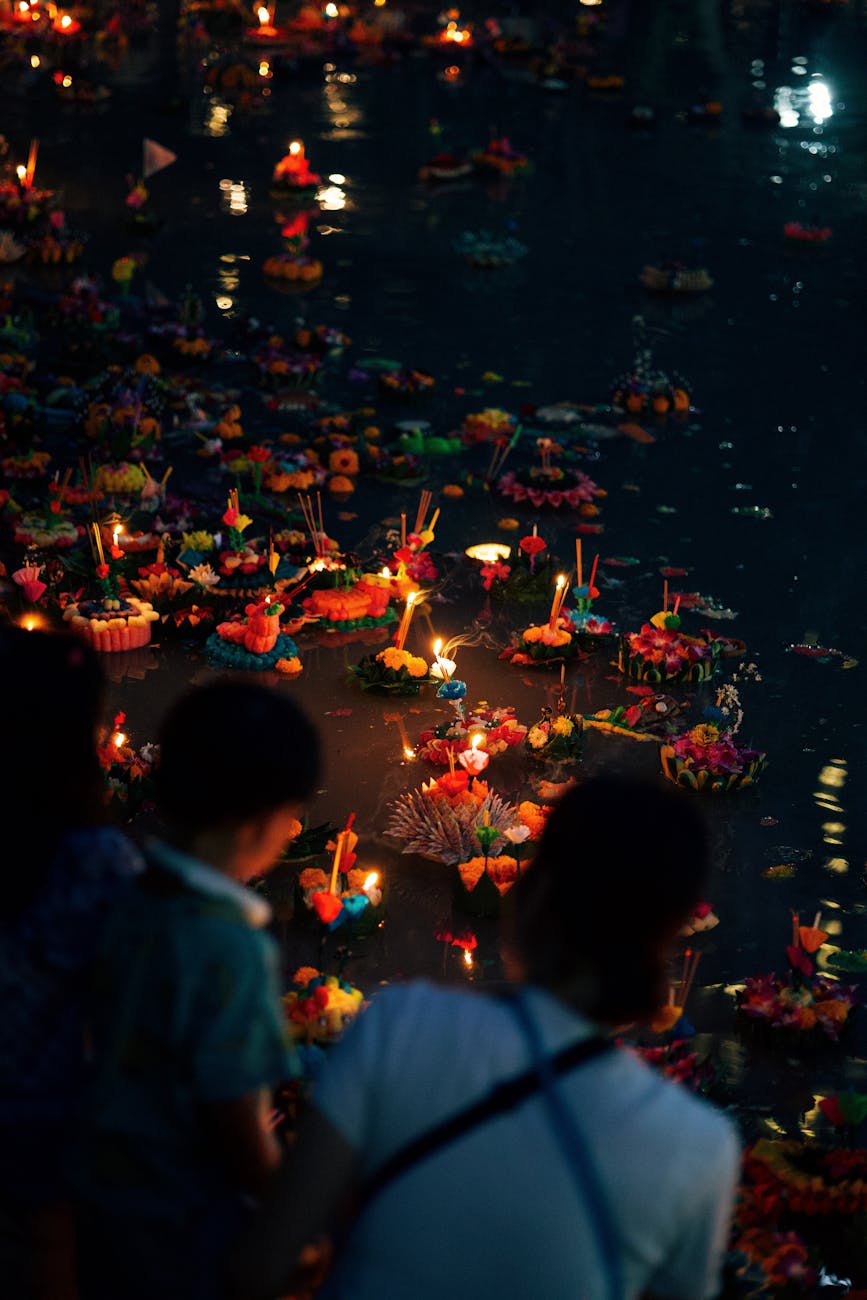
– Whether to time travel for festivals like Loy Krathong (usually November) or Songkran (mid-April).
– Which neighborhood to base yourself in depending on crowds, transport, and atmosphere.
– If a day trip to Si Racha, Pattaya, Cha-am / Hua Hin, or Udon Thani fits your travel window (seasonal sea conditions and travel time matter).
It is written to pair with the 3 days in Bangkok day-by-day guide and to help you pick low-impact, locally beneficial options while you travel.
Top Recommendations
Choose by weather tolerance and interests:
– If you want cooler, drier days for temple visits and rooftop views: travel Nov–Feb. Book hotels early for December holidays.
– If you want festivals, street celebrations and a lively atmosphere: plan around Loy Krathong (Nov) or Songkran (mid-April) but expect crowds and higher prices for Songkran.
– If you want lower prices and don’t mind heat: aim for March–April; mornings are best for outdoor sightseeing.
– If you want green parks and fewer tourists: consider the monsoon shoulder (late Sep–Oct) and plan flexible indoor activities.
Neighborhood recommendations by preference:
– Riverside / Phra Nakhon: best for calmer mornings, riverside ferries and easy access to the Grand Palace and temples.
– Sukhumvit / Asoke / Phrom Phong: best for BTS access, restaurants, and nightlife; good for families and longer stays.
– Silom / Sathorn: compact, business hours tempo, near Lumpini Park and river transport.
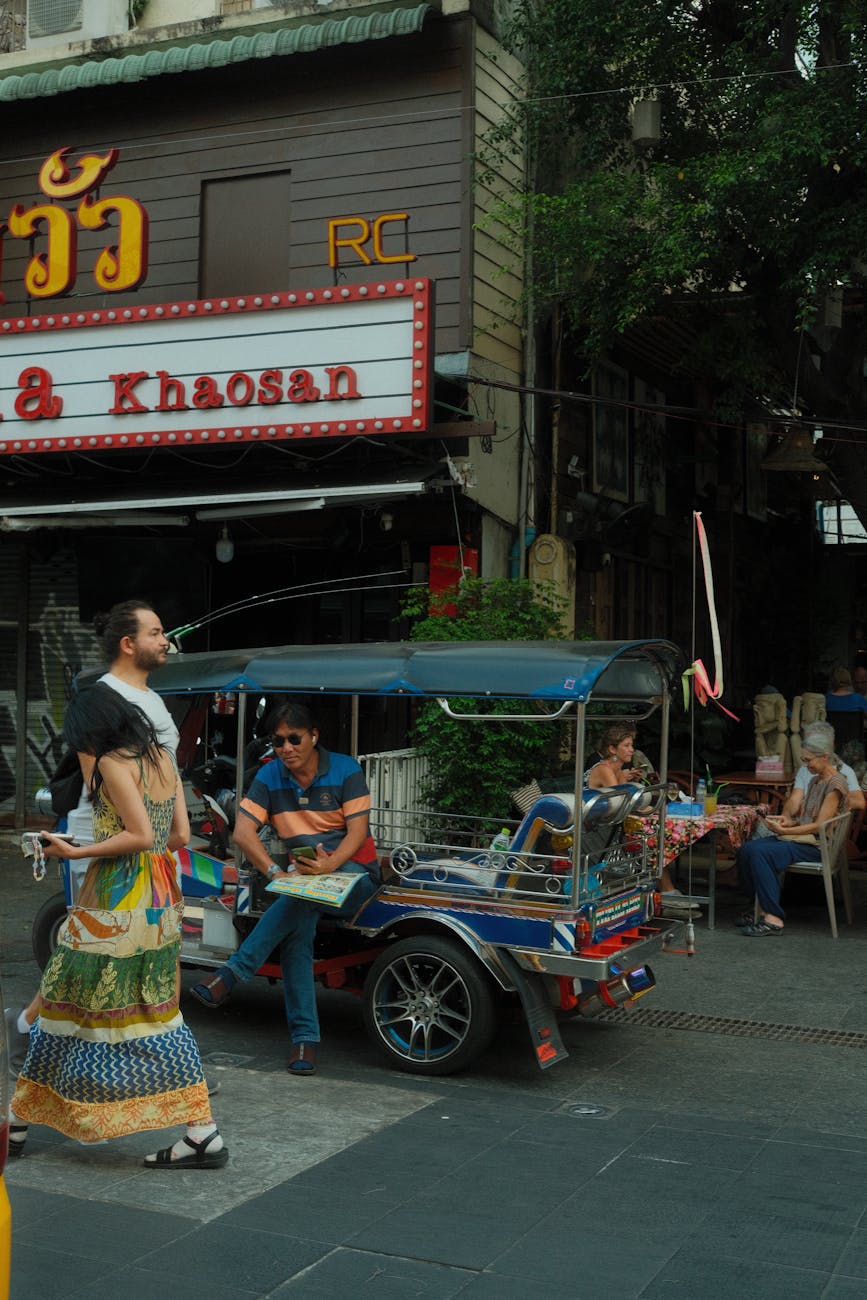
– Banglamphu / Khao San: budget stay for backpackers and late-night street life; expect noise.
Booking tips:
– Reserve hotels with free cancellation if your trip overlaps shoulder-to-peak transition (e.g., late October–November).
– For river or rooftop views, book months ahead for Nov–Feb.
– Prefer hotels near BTS/MRT stops to avoid traffic delays; plan morning temple visits to dodge midday heat.
Local Context
Transport realities:
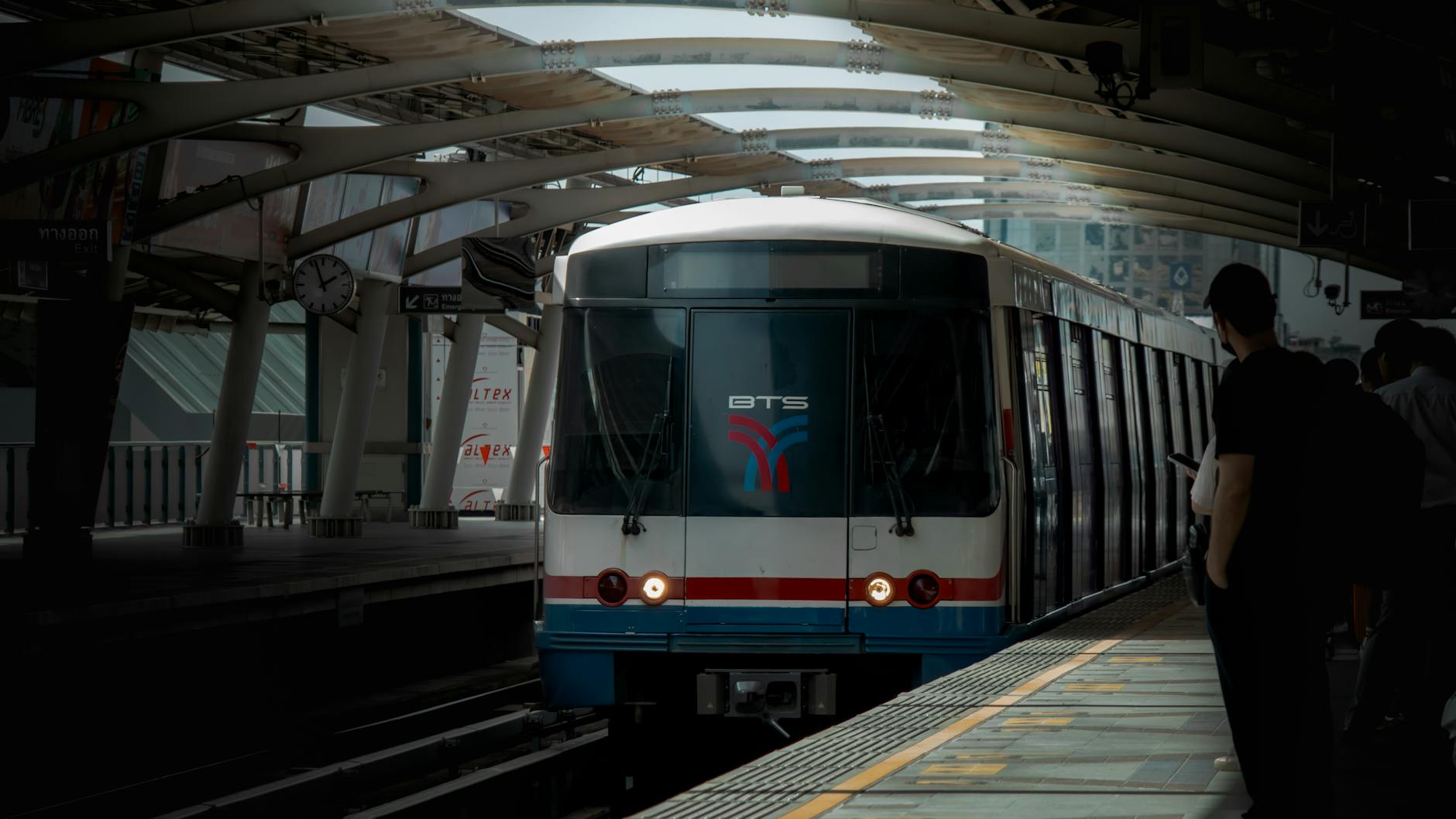
– Bangkok has an efficient BTS skytrain and MRT metro covering central areas; use them to avoid surface traffic during rush hours.
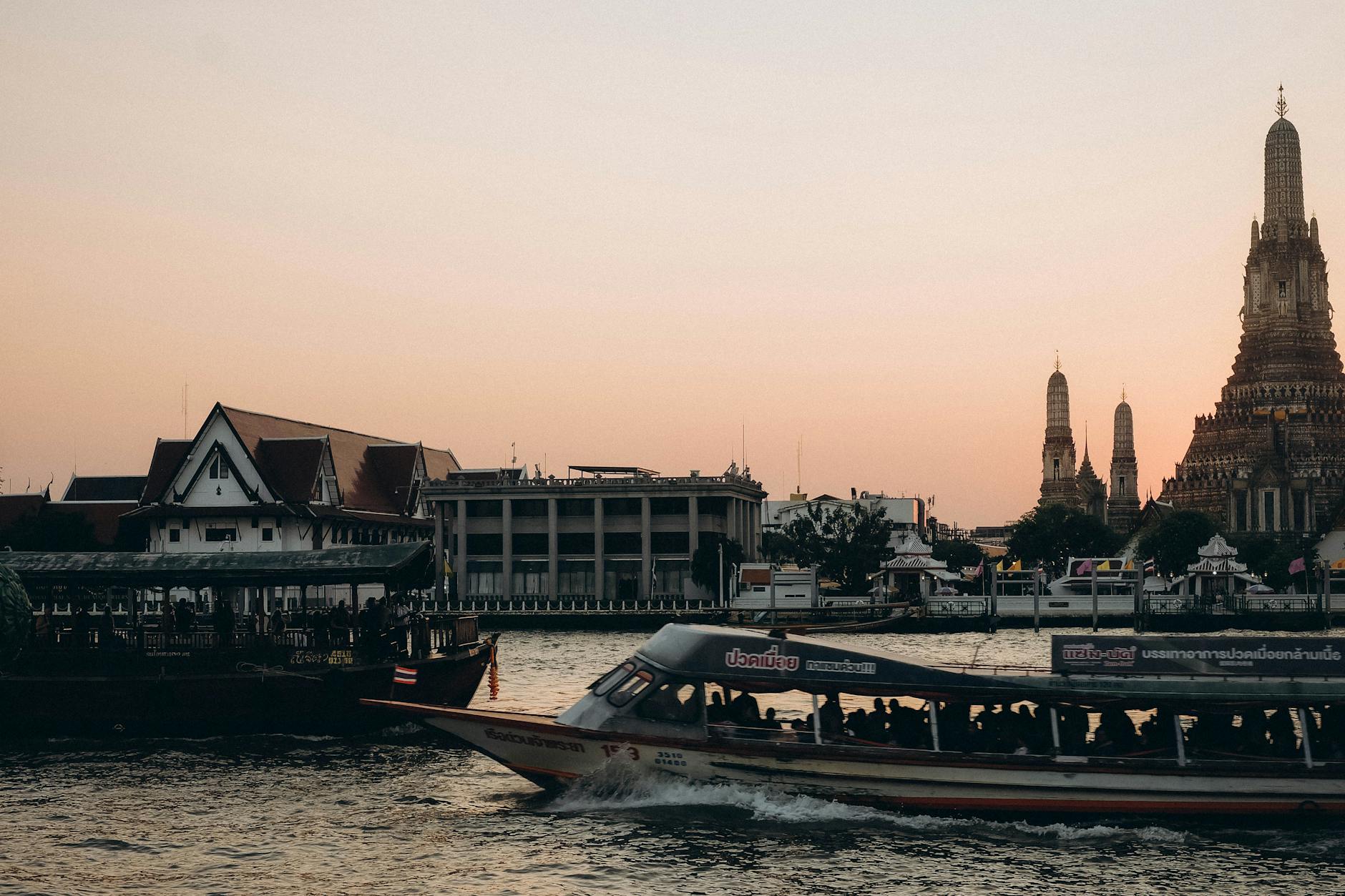
– River ferries and Chao Phraya Express boats are fast, scenic ways to reach riverside temples and markets.
– Taxis are plentiful but factor in heavy traffic; insist on the meter and carry small notes for shorter trips.
– Airport travel: Suvarnabhumi (BKK) is connected by the Airport Rail Link; Don Mueang (DMK) is north and better reached by bus or taxi from central Bangkok.
Weather and crowd context:
– Heat and humidity peak in April–May; plan early mornings and air-conditioned breaks.
– Monsoon rains can flood low-lying streets briefly; bring waterproof shoes and a compact umbrella.
– Weekend markets (Chatuchak) and evening markets (Rod Fai, Asiatique) follow their own timetables — check ahead for closures and special events.
Etiquette and local realities:
– Dress modestly at temples (shoulders and knees covered) and remove shoes where required.
– Small vendors rely on cash; carry some Thai baht and use cards for larger hotels and stores.
– Tipping is appreciated for good service but not mandatory.
How to Choose Well
Match your priorities to a season:
– Comfort-first: pick Nov–Feb and book early to secure riverside or central hotels used in the 3-day itinerary.
– Cost-first: pick shoulder season (Mar–Apr or late Oct) and travel early mornings to minimize heat impact.
– Experience-first (festivals and culture): time around Loy Krathong in November or Songkran in April, but expect crowds and higher accommodation prices.
– Low-impact traveler: choose shoulder or off‑peak months and avoid the busiest dates; plan fewer transfers and favor public transit.
Practical steps before booking:
– Check festival dates (they vary by lunar calendar) and city events that may affect hotel availability.
– Compare flight prices for mid-week vs weekend departures; Tuesdays and Wednesdays sometimes offer better fares.
– Book hotels near a BTS/MRT station if you plan to use the 3-day itinerary’s morning-to-evening schedule to maximize time.
Responsible and Local-First Tips
Small choices that help local communities and reduce impact:
– Travel shoulder season when possible to spread tourist income and reduce pressure on peak services.
– Use BTS, MRT and riverboats; they cut emissions and keep spending in local neighborhoods.
– Eat at small family-run restaurants and food stalls to support local cooks and vendors. Ask for water in a glass instead of bottled when safe to do so.
– Choose locally run guided tours (community-based bike tours in Bang Krachao or guided food walks in Chinatown) rather than large international operators.
– Bring a reusable water bottle and say no to single‑use plastic bags; many cafes will refill or offer paper alternatives.
– At animal attractions, avoid venues that offer elephant rides or performances; seek accredited sanctuaries focused on rescue and welfare.
– Follow temple etiquette: cover shoulders and knees, speak quietly, and ask before photographing monks or private rituals.
Common Mistakes to Avoid
Avoid these frequent planning and on-the-ground errors:
– Underestimating travel time: Bangkok traffic can double trip times; favor BTS/MRT for central transfers.
– Packing only for heat: rainy season brings sudden showers; bring quick-drying clothing and waterproof shoes.
– Expecting cashless everywhere: small markets and street vendors typically require cash.
– Booking last-minute for peak dates: December and festival weekends sell out quickly.
– Wearing revealing clothing to temples: plan modest outfits and carry a scarf for quick cover-ups.
– Over-scheduling: leave extra time in your 3-day plan for rest and unexpected transport delays to reduce stress and support local slow-paced businesses.
FAQ
What is the single best month to visit Bangkok for pleasant weather?
December offers consistently cooler mornings, lower humidity and clear skies, but it is also a peak month for visitors so book early.
Is the monsoon a bad time to visit Bangkok?
Not necessarily. Monsoon months (May–October) have frequent rain but also lower prices, greener parks and fewer tourists. Plan for flexible scheduling and prioritize indoor options like museums and malls during heavy rain.
Should I avoid visiting during Songkran?
Songkran (mid-April) is lively and culturally significant, but streets become soaked and crowded. If you enjoy immersive festivals and don’t mind crowds, go; if you prefer calmer travel, avoid those dates.
Can I take day trips to Pattaya or Hua Hin year-round?
Yes, but beach conditions and crowds vary. November–April gives the best beach weather. For lower-impact visits, travel during shoulder months and use public transport or shared transfers rather than private cars.
How far in advance should I book a hotel for a 3-day visit?
For Nov–Feb and festival weekends, book 6–8 weeks ahead. For shoulder months you can often find good rates 2–4 weeks out, but choose refundable rates if your dates sit near seasonal transitions.
Any packing tips for a short trip?
Pack light, breathable layers, comfortable shoes for walking, a small umbrella or rain jacket for monsoon months, and a scarf for temple visits.
Conclusion
Choosing the best time to visit Bangkok depends on whether you prioritize comfort, festivals, price or lower impact. For most travelers, November–February balances weather and accessibility; shoulder months give value and fewer crowds. Use public transit, support small vendors and consider flexible bookings to reduce stress and help local economies. If you’re planning a short stay, pair this timing advice with the 3 days in Bangkok itinerary to structure mornings, afternoons and evening markets efficiently. Also consider nearby destinations — Si Racha and Pattaya for quick seaside trips, Hua Hin or Cha-am for quieter beaches, or Udon Thani if you’re heading to Isaan — and confirm seasonal suitability before you go.
How this guide was prepared
This guide was prepared through a structured research that combines destination research, geographic context, itinerary planning logic, and content review.