
Where to Stay in Bangkok: Neighborhoods, Transport, and Booking Tips
Clear, practical guidance on which Bangkok neighborhood fits a 3-day trip—Sukhumvit, Siam, Riverside, Silom, Khao San—plus transport, etiquette, and sustainable tips.
Short guide to choosing the best neighborhood for a 3-day Bangkok itinerary, with transport realities, local-first recommendations, and booking advice for shoulder seasons.
For most first-time visitors on a 3-day trip: stay near Siam or a BTS station on Sukhumvit (Asok, Phrom Phong) for the fastest access to shops, temples, and nightlife. Choose the Riverside for a quieter, scenic stay and easy boat access to the Grand Palace. Pick Khao San/Banglamphu only if you want the old-city vibe and cheap guesthouses. For business travel or a calmer, local experience consider Silom/Sathorn or Ari.
Bangkok is a large, layered city where the right neighborhood depends on how you plan to spend three days. This page helps you match time, mobility, interests, and sustainability goals to an area that minimizes travel time and supports local businesses. If you’re following the companion 3 days in Bangkok itinerary, pick a base that reduces transit time between your planned sights so you get more local experiences and less time in traffic.
What This Page Helps You Decide
This page helps you choose a neighborhood based on:
- Trip length and typical daily routes (sightseeing vs. shopping vs. river cruising).
- Transport priorities: close to BTS/MRT, river pier, or bus terminal for side trips.
- Budget and comfort: guesthouse, mid-range hotel, or riverside luxury.
- Local-first priorities: neighborhoods with neighborhood markets, family-run guesthouses, and restaurants that benefit local vendors.
It also gives practical booking and timing advice for linking this stay with the 3 days in Bangkok main itinerary and day trips to nearby destinations like Pattaya (Phatthaya), Si Racha, Cha-am/Hua Hin, or flights to Udon Thani.
Top Recommendations
Pick one of these according to pace and priorities:
- Siam (best for first-timers, shopping, central BTS access)
- Why: central to BTS lines and the main 3-day itinerary routes.
- Good for: short stays wanting to minimize transit time.
- Sukhumvit: Asok / Phrom Phong / Thong Lo (food, nightlife, local markets)
- Why: excellent restaurants, night markets, and long BTS line; easy airport-rail and Skytrain access.
- Good for: food-focused travelers and families who want modern comforts and parks (Benjakitti Park).
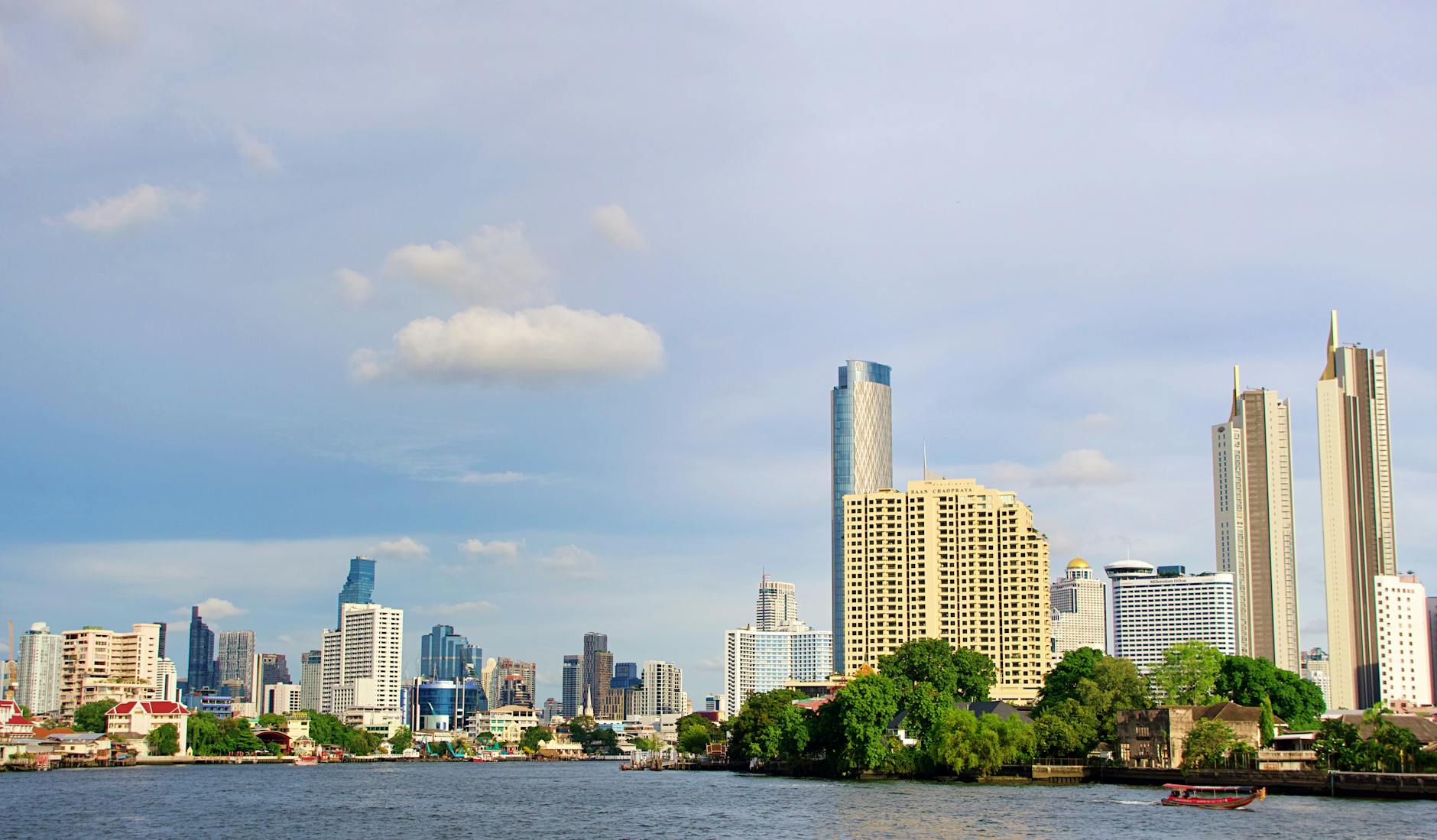
- Riverside (Bangkok Riverside near Charoen Krung / Chao Phraya)
- Why: scenic, calmer, strong ferry links to historic temples.
- Good for: travelers who prefer a relaxed pace and hotel piers for boat travel.
- Silom / Sathorn (business district, good evening food scene)
- Why: compact, mix of street food and quieter hotels; quick river or BTS access.
- Good for: travelers who want early starts and evening markets.
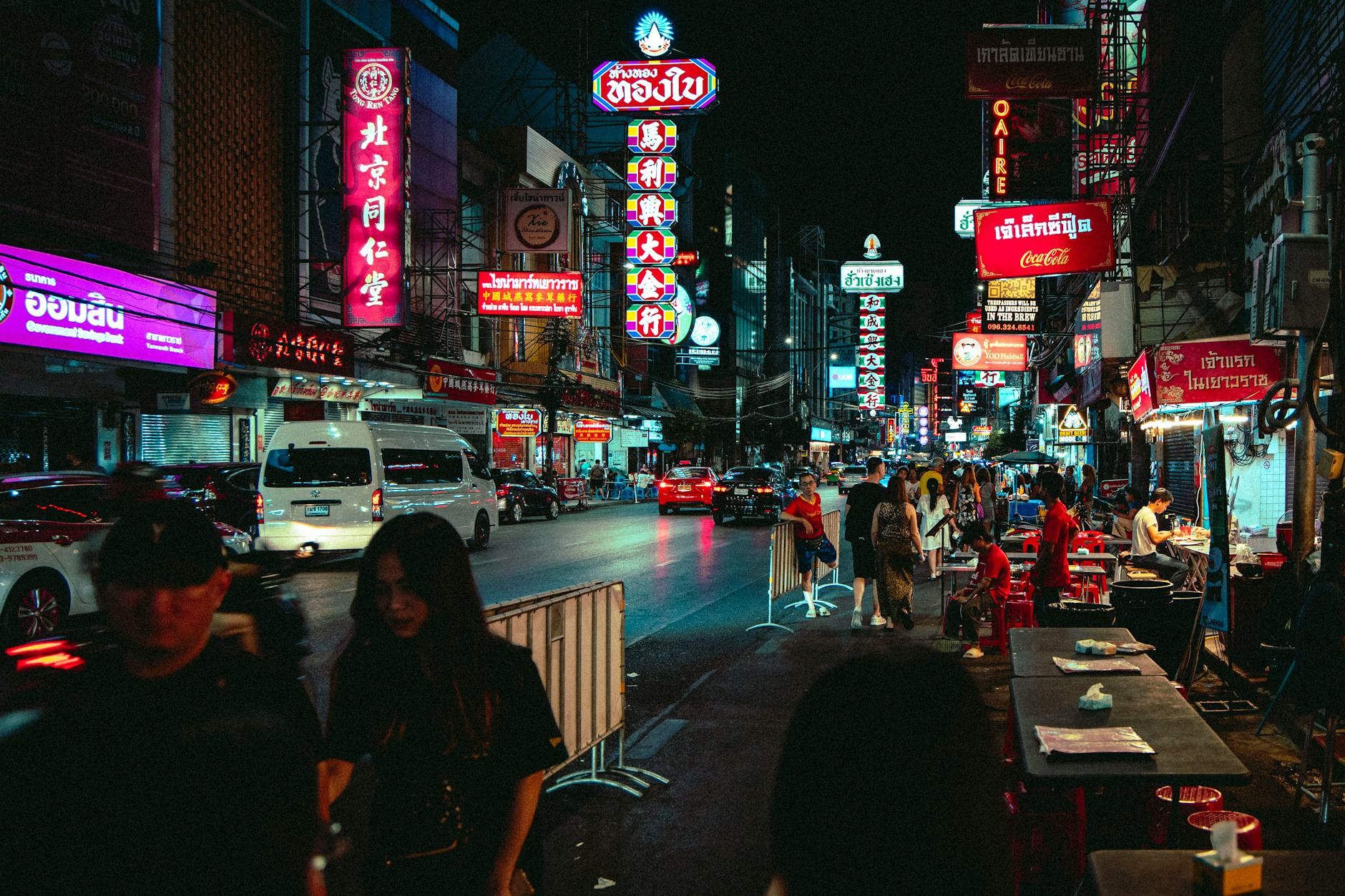
- Khao San / Banglamphu (budget, backpacker vibe)
- Why: cheap stays, lively streets, close to the old city temples.
- Good for: backpackers and those prioritizing old-city walks over transit efficiency.
- Ari (local, quieter cafes)
- Why: residential neighborhoods with a local cafe culture and small boutiques.
- Good for: slower-paced stays and supporting local entrepreneurs.
Booking tips:
– For a 3-day itinerary, prioritize hotels within a 5–10 minute walk of BTS/MRT or a river pier.
– Book refundable rates if your flights use Don Mueang vs. Suvarnabhumi or if you plan onward buses to Pattaya/Cha-am.
Local Context
Transport realities:
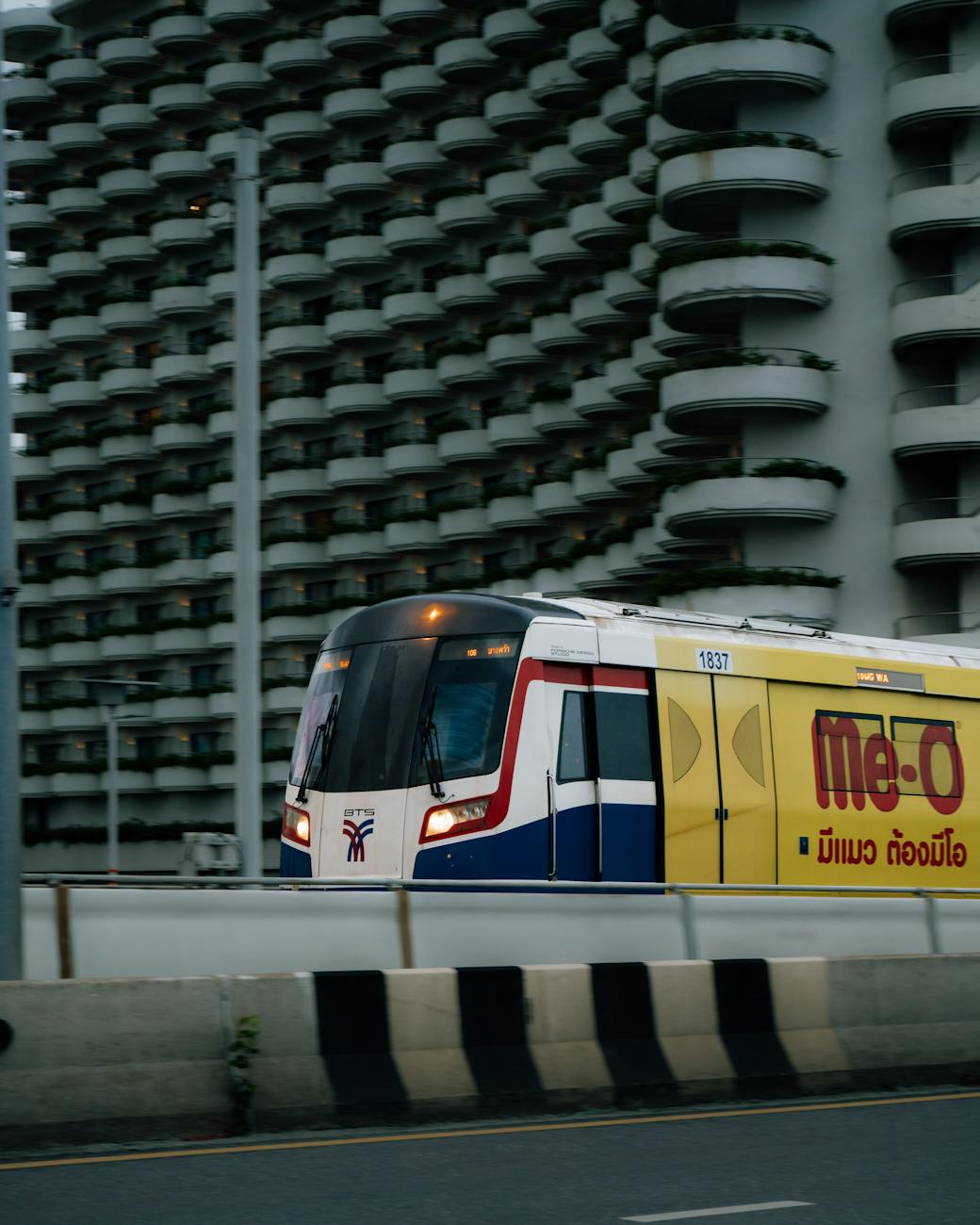
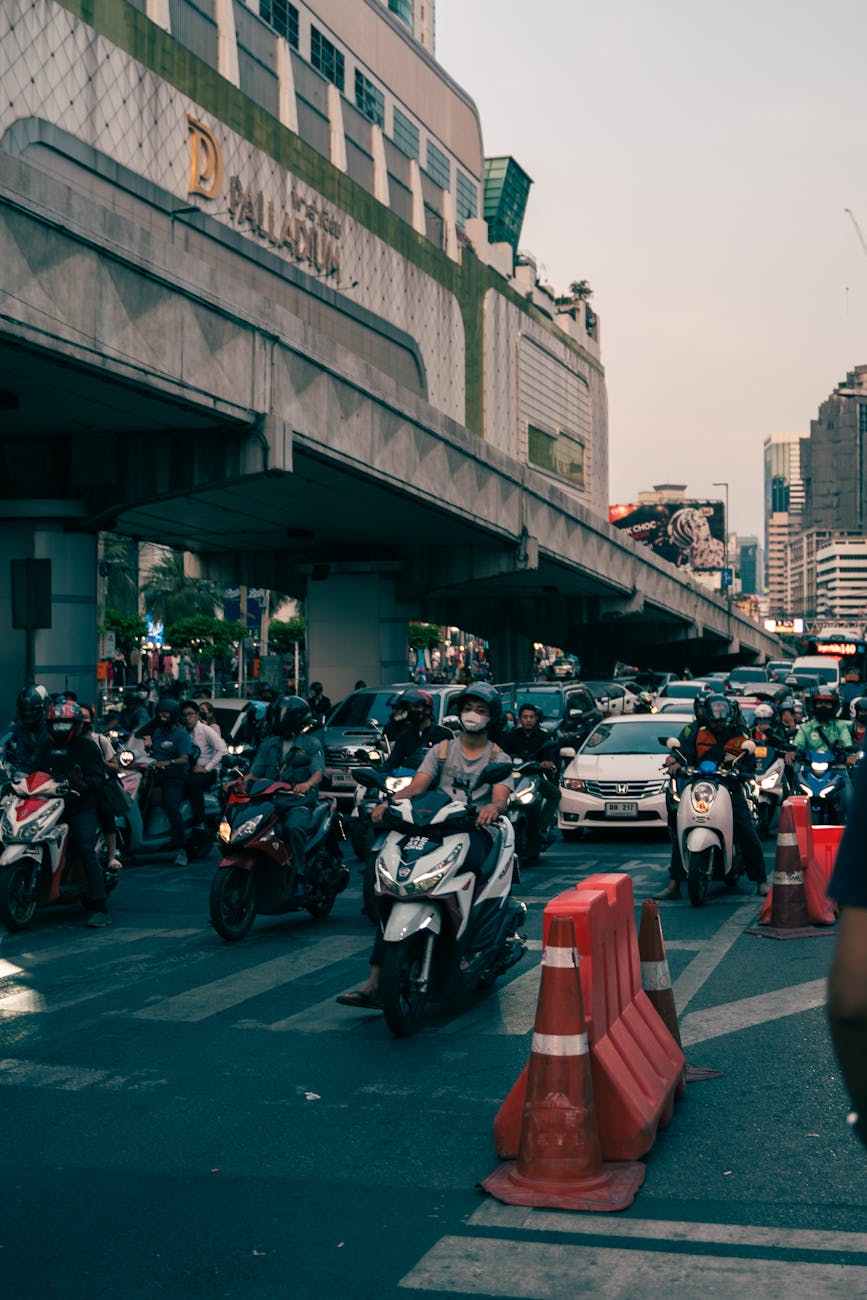
- BTS Skytrain and MRT subway are the fastest ways to cross central Bangkok and avoid road traffic. Neighborhoods near a station give you more time for sights.
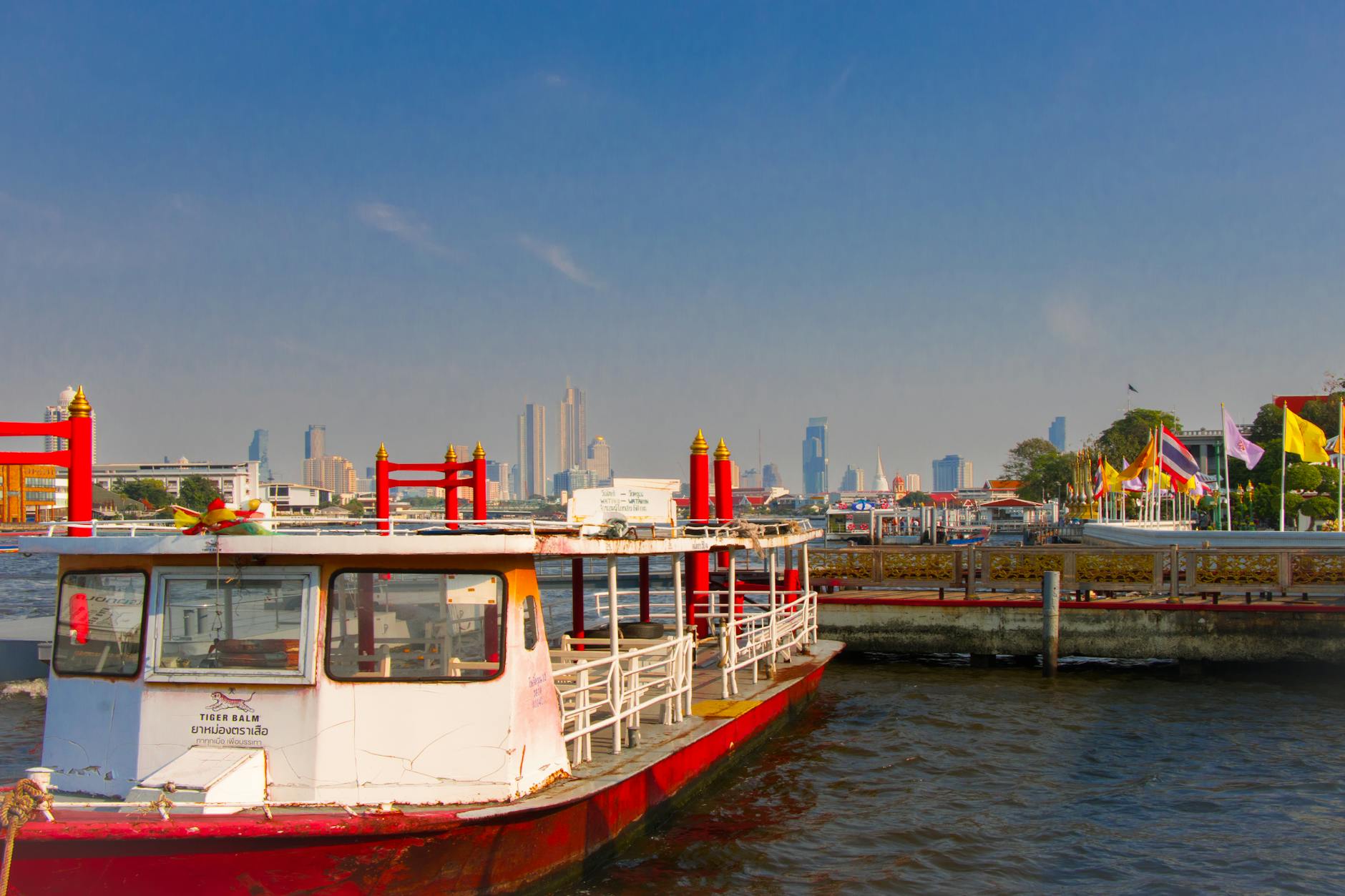
- Chao Phraya Express Boats are efficient for temple routes; a riverside hotel with its own pier saves taxi time and helps local boat operators.
- Don Mueang (DMK) is closer to northern and low-cost flights; Suvarnabhumi (BKK) connects directly by Airport Rail Link to the city center.
- Buses to Pattaya/Si Racha often depart from Ekkamai (Eastern Bus Terminal). Buses/trains to Hua Hin/Cha-am commonly use the Southern Bus Terminal or Hua Lamphong station.
Seasonal notes:
- Cool season (Nov–Feb): most comfortable, highest prices and crowds—book earlier.
- Hot season (Mar–May): intense heat—choose air-conditioned lodging and plan indoor/river activities for midday.
- Rainy season (Jun–Oct): lower prices and fewer tourists; rivers and canals can be busy after heavy rains. Shoulder months (late Oct–Nov, Mar) balance weather and crowd levels.
Etiquette and local realities:
- Dress respectfully at temples (shoulders and knees covered). Keep shoes off inside temple buildings.
- Bargain politely at markets but pay list prices at fixed cafés and restaurants when posted.
- Tipping is appreciated but modest; round up taxi fares or add 10% at restaurants if service is good.
How to Choose Well
Match neighborhood to your daily plan:
- If your 3-day plan follows the main itinerary in the companion 3 days in Bangkok guide, choose a hotel that reduces transfer time between Day 1 and Day 2 highlights (for example, Siam for museum/shopping clusters and nearby BTS lines).
- If you value evening street food and nightlife, prioritize Sukhumvit (Phrom Phong, Thong Lo) or Silom.
- For scenic, relaxed mornings and easy temple access via boat choose the Riverside; confirm the hotel pier is served by the Chao Phraya Express Boat.
- For short day trips to nearby coastal or industrial towns (Pattaya/Phatthaya, Si Racha) look for lodging near Ekkamai or the Eastern Bus Terminal; for trips to Hua Hin and Cha-am check proximity to the Southern Bus Terminal or Hua Lamphong train station.
Practical criteria checklist when booking:
- Distance/time to the nearest BTS/MRT station or river pier.
- Whether breakfast is included and whether the hotel sources food locally.
- Cancellation policy and whether airport transfer is included or straightforward.
- Reviews that specifically mention soundproofing, AC reliability, and actual walking time to transit (not just distance).
Responsible and Local-First Tips
Choose accommodations and activities that keep money local and reduce impact:
- Prefer family-run guesthouses, small boutique hotels, and locally staffed homestays over large international chains when quality and safety are comparable.
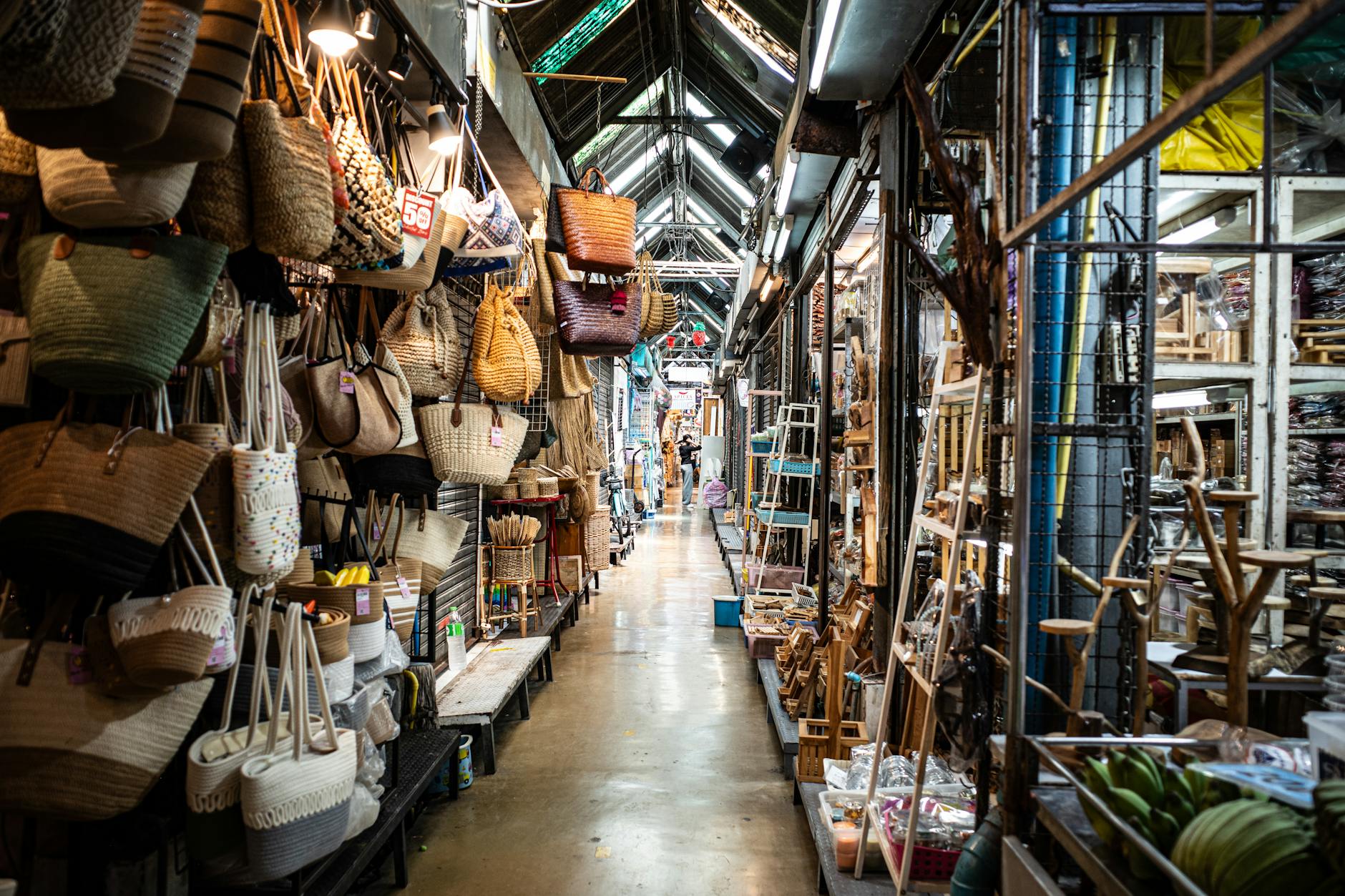
- Eat at neighborhood markets and small restaurants to support local vendors—look for busy stalls where locals eat.
- Use public transport (BTS/MRT/boats) rather than taxis for most inner-city trips to cut congestion and emissions.
- Bring a refillable bottle; many cafés and hotels will happily refill it. Avoid single-use plastics at markets.
- Book day tours with operators who demonstrate clear animal welfare standards and fair labor practices; avoid any attraction that advertises direct contact with wild animals.
- Shop with intention: buy crafts from community-run markets and cooperative stalls rather than mass-produced souvenirs.
Common Mistakes to Avoid
Watch out for these frequent errors:
- Choosing a hotel solely by price without checking transit access. A cheap hotel far from BTS/MRT can waste most of a short trip.
- Assuming all taxis use meters—insist on the meter or agree a price beforehand. Prefer Grab (ride-hailing) where available for price transparency.
- Booking a riverside hotel without checking whether the pier has regular service; some piers are private or only served by hotel boats.
- Overpacking activities for a 3-day trip. Allow time for transit delays and a slower pace to enjoy local cafés and markets.
- Confusing bus terminals—Ekkamai, Mo Chit, and the Southern Bus Terminal serve different regions; choose lodging near the terminal for early departures.
- Staying on Khao San expecting quiet nights—it’s lively and noisy at night; choose a quieter street or another neighborhood if you need sleep.
FAQ
Which neighborhood is best for a first-time 3-day visit?
Siam or a BTS-adjacent Sukhumvit neighborhood (Asok/Phrom Phong) offers the quickest access to malls, museums, temples by river/metro connections and saves time on transfers.
Is the Riverside worth the extra cost?
Yes if you value scenic mornings and quick boat access to temple sites. It can be quieter and more relaxed, though farther from some shopping areas—factor in boat or taxi time.
Should I book near Ekkamai or Mo Chit for side trips?
Book near Ekkamai (Eastern Bus Terminal) for Pattaya and Si Racha. Use Mo Chit (Northern Bus Terminal) for northern provinces and Chatuchak; book near the Southern Bus Terminal or Hua Lamphong train station for Hua Hin/Cha-am.
Are taxis safe and affordable?
Taxis are safe and inexpensive if the meter is used. Use Grab for clearer pricing and language support. Avoid unmetered taxi offers from unsolicited drivers.
How far in advance should I book?
For cool-season travel (Nov–Feb) book 4–8 weeks ahead. For shoulder months 2–3 weeks is usually sufficient. For special events or long weekends, book earlier.
Conclusion
Choosing where to stay in Bangkok is about reducing transit time, matching daily rhythms to neighborhood strengths, and supporting local businesses. For a streamlined 3-day visit, prioritize proximity to BTS/MRT or a reliable river pier, book flexible rates during shoulder seasons, and pick lodgings that channel spending into the local economy. Use this page alongside the 3 days in Bangkok itinerary and consider nearby connections to Pattaya, Si Racha, Cha-am/Hua Hin, or Udon Thani when planning onward travel.
How this guide was prepared
This guide was prepared through a structured research that combines destination research, geographic context, itinerary planning logic, and content review.