

Best Time to Visit Barcelona — When to Go for Weather, Crowds, and Local Life
Practical, neighborhood-aware advice on the best months to visit Barcelona, with shoulder-season tips, festival timing, transport realities, sustainable suggestions, and day‑trip guidance to Sitges, Calella and Salou.
Plan your 3-day Barcelona trip around pleasant weather, fewer crowds, and local events. This guide explains seasonal patterns, where to stay, booking advice, and low‑impact choices for exploring the city and nearby coast.
Best overall months: late April–early June and September–mid October. These shoulder periods offer mild weather, fewer cruise and coach crowds, and full local life. If you want beaches plus nightlife, late June or early September balances warmer water with smaller crowds than July–August. For lower costs and the quietest city experience, visit from mid November to February (expect cooler weather and shorter museum hours).
Barcelona is a compact, walkable city with strong seasonality in weather, crowds, and opening hours. Choosing when to visit affects not just temperatures but how you experience neighborhoods, public transport, and nearby coastal towns like Sitges or Calella. Use this page alongside our main 3 days in Barcelona itinerary to pick dates that match your tolerance for heat, queues, and nightlife noise while favoring low‑impact travel and local spending.
What This Page Helps You Decide
Use this page to match your travel priorities to practical tradeoffs:
- Weather vs crowds: choose shoulder months for comfortable walking and manageable lines.
- Neighborhood fit: decide if you want the beach buzz (Barceloneta), local markets and cafes (Gràcia, El Born), or central architectural access (Eixample, Gothic Quarter).
- Day trips: confirm train and bus frequency to Sitges, Calella, Lloret de Mar, and Salou for your chosen dates.
- Booking urgency: learn which tickets and lodgings to reserve in advance depending on festival season or summer peaks.
Pair this with our 3 days in Barcelona guide to slot attractions into quieter times of day and to plan sustainable day trips to nearby towns.

Top Recommendations
Practical, date-focused choices:
- Shoulder season pick (April–June; September–October): mild 18–25°C temperatures, museums less crowded, reliable public transport, many local businesses open after winter.
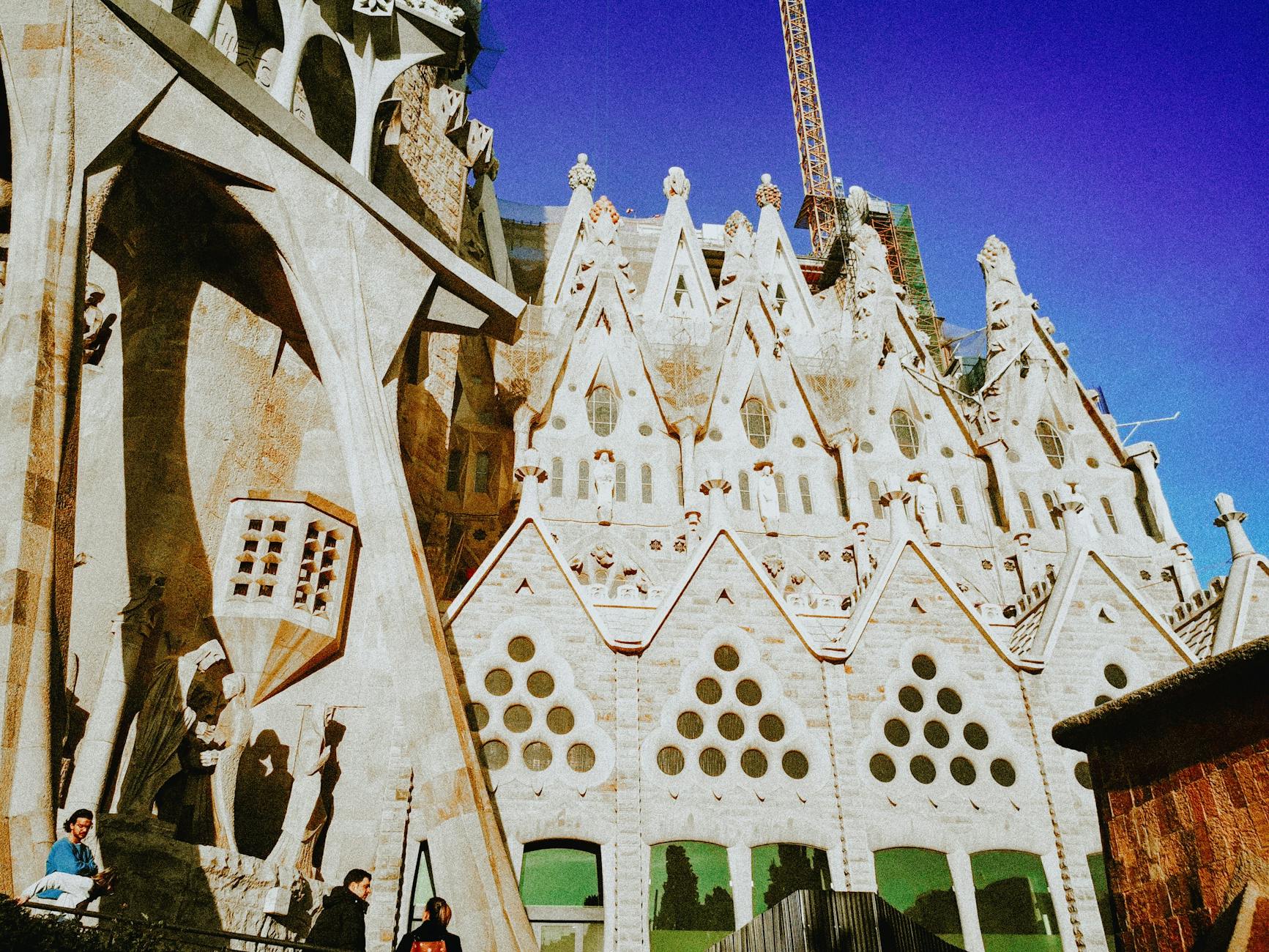
- Early mornings and late afternoons: visit Gaudí sites like Sagrada Família or Park Güell outside midday for better light and fewer people.
- If you need guaranteed beach weather: aim for June or September rather than July–August to avoid extreme crowds and heat.
- Winter travel (November–February): great for lower prices, quieter streets, and local festivals; check museum hours and reduced ferry/day‑trip services.
- Festivals: La Mercè (late September) is lively and local‑focused; Gràcia festival (third week of August) is neighborhood‑run but crowded—book lodgings early.
Recommended actions:
– Book timed-entry tickets for Sagrada Família and Park Güell in advance regardless of season.
– Reserve accommodation 2–4 months ahead for summer and festival dates; 2–6 weeks is usually fine for shoulder and winter seasons.
Local Context
Neighborhood realities and transport:
- Eixample: centered for architecture (Passeig de Gràcia, Casa Batlló) and easy metro access. Expect more tourists near metro hubs.
- Gothic Quarter and El Born: great for walking and dining; narrow streets can feel claustrophobic in high season. Shop hours vary; many family shops close midday or Sundays.
- Gràcia: a village feel with plazas, ideal for slower evenings and supporting local businesses.
- Barceloneta: beach atmosphere; noisy and busy in summer. Consider staying here only if you want early beach access and seafood restaurants.
Transport realities:
– Metro and TMB buses run frequently; Hola Barcelona cards are convenient for multi-day stays. Buy single T-Casual tickets for short visits if you prefer pay-as-you-go.
– Regional trains serve Sitges, Calella, and Salou—use Rodalies and regional services from Sants, Passeig de Gràcia, or Estació de França. Lloret de Mar is better reached by bus from Barcelona Estació del Nord or Sants.
– Walking and cycling: the city is bike-friendly with protected lanes, but city bike-sharing (Bicing) is for residents—rent from local shops instead.

How to Choose Well
Match dates to your priorities with this short checklist:
- If you prioritize museums and architecture: choose shoulder seasons; plan morning slots for Sagrada Família and Casa Milà.
- If you want beach time plus evening culture: pick early June or September; water is warm enough and nightlife is active without peak crowds.
- If you want low costs and quiet streets: visit November–February, verify opening hours for attractions, and pack for 8–15°C daytime temperatures.
- If attending a specific festival: confirm neighborhood closures and book lodging early; prefer neighborhoods outside festival epicenters for calmer nights.
Booking tips:
– Always reserve timed museum entries online and keep printed or digital confirmations handy.
– For day trips: check train timetables and buy advance ferry or high‑speed train tickets for Salou or farther destinations during summer weekends.

Responsible and Local-First Tips
Reduce your impact and support the local economy:
- Stay in locally owned guesthouses, small pensions, or neighborhood apartments in Gràcia, Poble Sec, or El Born rather than international chains.
- Eat at markets and family-run restaurants: Mercat de Sant Antoni for daily shopping, local tapas bars in El Born or Poble Sec for sustainable sourcing.
- Use public transport and regional trains for day trips to Sitges, Calella, or Salou. Avoid private boat parties that damage marine environments.
- Book small-group or neighborhood walking tours led by licensed local guides to keep tourism revenue local and learn about Catalan culture.
- Travel light and reuse hotel towels; choose eco-certified accommodations where available.
Cultural etiquette:
– Catalan is commonly used; a few words like bon dia (good day) and gràcies (thank you) are appreciated. Respect residential areas—keep noise down late at night.

Common Mistakes to Avoid
Short, practical warnings:
- Mistake: Booking top attractions on the same day. Fix: stagger timed entries (morning Sagrada Família, afternoon Picasso Museum) to avoid fatigue.
- Mistake: Staying only in Barceloneta for convenience. Fix: choose central Eixample or Gràcia for quieter nights and better public transport links.
- Mistake: Expecting direct trains to all coastal towns. Fix: check bus connections to Lloret de Mar and combined train+bus routes for some destinations.
- Mistake: Ignoring pickpocket risks in crowded places. Fix: use a front‑zip bag and be vigilant on metro and La Rambla.
- Mistake: Assuming all shops are open daily. Fix: confirm Sunday hours and midday closures in smaller neighborhood shops.
FAQ
When is the absolute best month for good weather and fewer tourists?
Late May and September are the best compromise—pleasant temperatures, open businesses, and significantly fewer coach and cruise crowds than July–August.
Is Barcelona worth visiting in winter?
Yes. Winter offers lower prices, quieter streets, and a local feel. Expect cooler days (8–15°C) and shorter attraction hours; many restaurants remain open. It's ideal if you dislike crowds.
Can I do day trips to Sitges, Calella, and Salou in shoulder season?
Yes. Sitges and Calella are served by regular regional trains most of the year; Salou is reachable by regional train or bus. Service frequency is higher in summer—check timetables in advance for off‑peak months.
How early should I book Sagrada Família or Park Güell tickets?
Book as soon as your dates are fixed. Even in shoulder seasons popular time slots can sell out a few weeks ahead; summer and festival periods require booking months in advance.
What should I pack for spring and autumn visits?
Layers: a light waterproof jacket, comfortable walking shoes, and a sun hat. Evenings can be cool (12–18°C), while daytime may reach mid‑20s.
Is La Boqueria worth visiting?
Yes for a quick sensory visit and local produce, but it's touristy. For fresher local markets, try Mercat de Sant Antoni or smaller neighborhood markets in Gràcia and Sant Antoni to support local vendors.
Conclusion
For a 3-day Barcelona trip that balances weather, culture, and low-impact choices, favor late spring or early autumn. Book key attractions and neighborhood accommodation early for festivals and summer. Use public transport and local guides to extend your visit sustainably to nearby towns like Sitges or Calella. For step‑by‑step planning, open our 3 days in Barcelona itinerary to fit your chosen dates into quieter windows of the day and make the most of local experiences.
Plan the Rest of Your Trip
This page works best alongside the main itinerary for Barcelona.
How this guide was prepared
This guide was prepared through a structured research that combines destination research, geographic context, itinerary planning logic, and content review.