
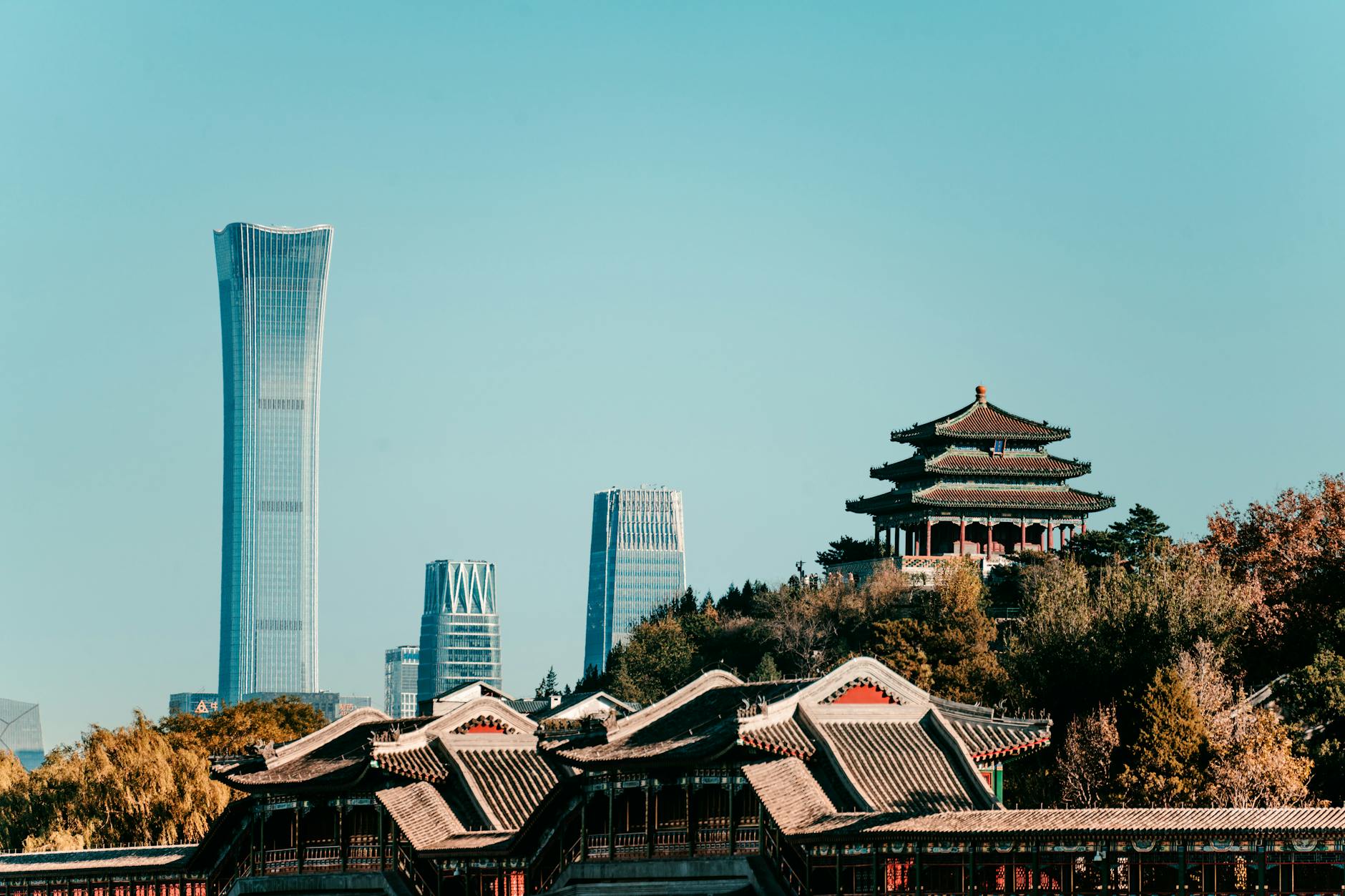
Best Time to Visit Beijing — When to Plan a 3-Day Trip
Find the best months, seasonal pros and cons, transport and booking tips, and sustainable local-first advice for planning a 3-day trip to Beijing. Shoulder-season recommendations, festival notes, and nearby-city travel links included.
For a compact 3-day visit to Beijing, aim for spring (April–May) or autumn (late September–November) for the best weather, clearer air, and manageable crowds. This page helps you decide when to book museums, the Great Wall, and neighborhoods so your itinerary runs smoothly and supports local businesses.
Quick Answer
For a compact 3-day visit to Beijing, aim for spring (April–May) or autumn (late September–November) for the best weather, clearer air, and manageable crowds. This page helps you decide when to book museums, the Great Wall, and neighborhoods so your itinerary runs smoothly and supports local businesses.
Who This Page Is For
This page is for travelers planning a stay in Beijing who want clearer decisions about best time to visit, local logistics, timing, budgeting, and practical trip planning.
How This Page Was Prepared
This page was prepared through a structured editorial workflow that combines destination research, geographic context, and practical travel-planning review.
Plan the Rest of Your Trip
Use this page together with the full itinerary and the related planning pages below to make better booking, timing, transport, and budget decisions.
Best months: late September to early November (autumn) and mid-April to May (spring). These windows offer the clearest air, comfortable temperatures, and fewer peak-week crowds than Golden Week or Chinese New Year.
If you must choose one month: October (after National Day crowds subside) combines cool, dry weather and fall colors at places like Fragrant Hills and the Summer Palace.
This page helps you choose the best months and practical travel windows for a concentrated 3-day visit to Beijing. It focuses on weather, air quality, crowd patterns, transport realities, and booking timing—plus sustainable, locally minded choices such as using public transit, eating at family-run restaurants, and supporting neighborhood businesses. If you’re pairing this with a longer route, see the linked 3 days in Beijing guide and nearby-city options like Tianjin and Qingdao for onward travel.
What This Page Helps You Decide
Use this page to pick specific travel dates that match your priorities:
- If you want clear photography and comfortable walking: choose October or late April–May.
- If you want lower prices and empty museums: aim for mid-November or February (expect cold weather).
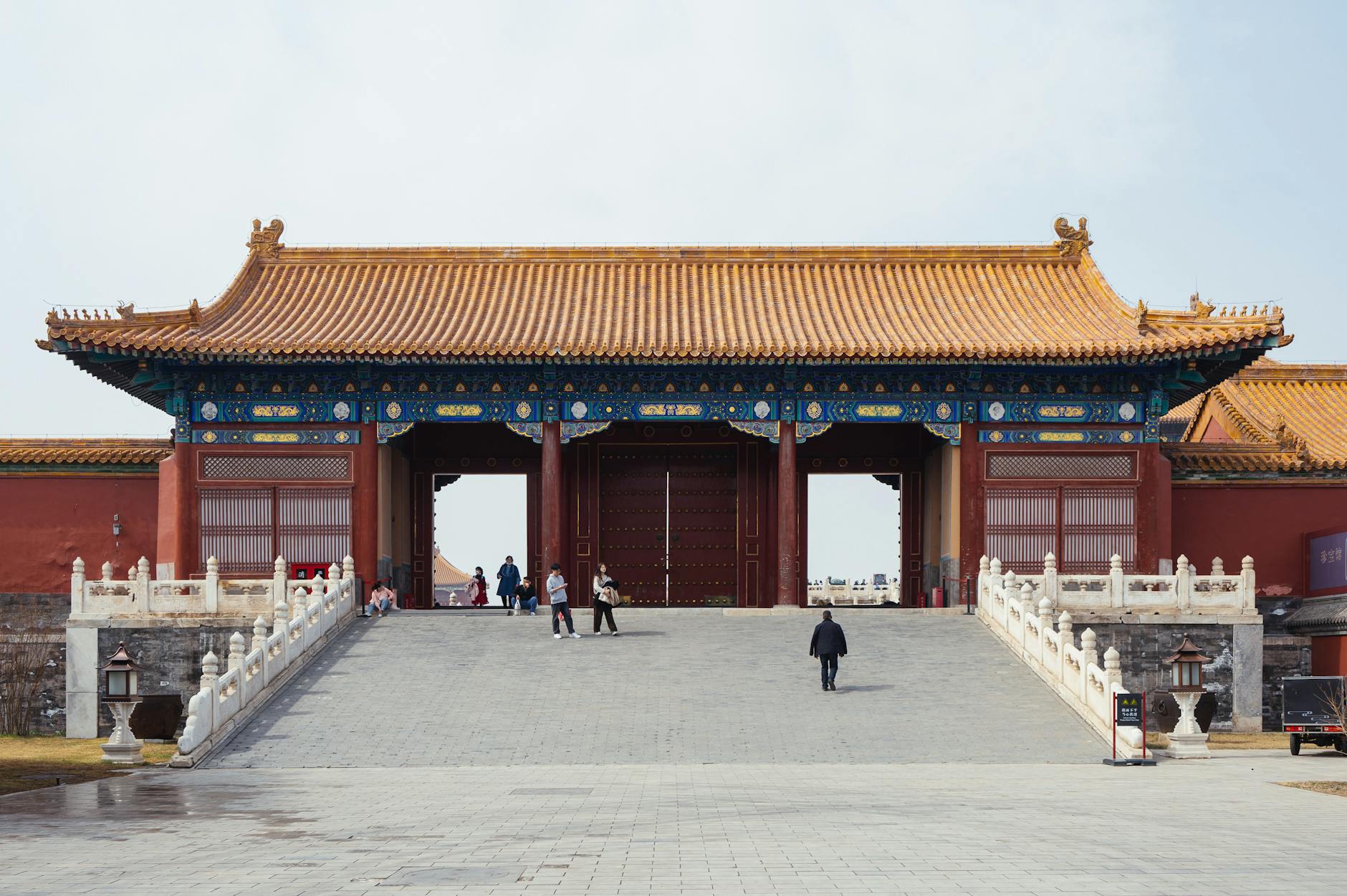
- If you want to avoid crowds at the Forbidden City: arrive at opening time on a weekday and book tickets in advance.
It also helps you decide whether to add a Great Wall day trip (Mutianyu for easy access; Jinshanling for hiking and fewer crowds) and which nearby city to visit after Beijing—high-speed trains connect to Tianjin, Jinan, Taiyuan, Qingdao, and Dalian.
Top Recommendations
Seasonal highlights and practical booking tips:
- Autumn (late Sep–Nov): Best overall—cool, dry, clear air. Great for the Great Wall, hutong walks, and outdoor markets. Book flight and hotels early for the National Day holiday (Oct 1–7).
- Spring (April–May): Comfortable temperatures and blooming trees. Watch for pollen (allergy days) and occasional sand from the north in March.
- Summer (June–Aug): Hot, humid, and stormy afternoons. Good for long daylight hours and evening food markets; avoid peak July and the second half of August if you dislike crowds and heat.
- Winter (Nov–Feb): Very cold with lower tourist volume and cheaper hotels. Heating season can bring worse air quality; choose clear days for outdoor photography.
Practical bookings:
– Forbidden City tickets: reserve a morning entry at least a few days ahead online.
– Great Wall: pre-book transport or a guided van for Mutianyu/Jinshanling during shoulder seasons.
– Domestic high-speed trains: reserve seats a week or more in advance during holiday periods.
Sustainability tip: prioritize small, locally owned guesthouses (siheyuan courtyard hotels) or neighborhood hostels in Dongcheng or Chaoyang to direct spending to local hosts.
Local Context
Neighborhood and transport realities:
- Dongcheng and Xicheng: best for classic central Beijing—Forbidden City, Tiananmen, and traditional hutongs. Good for walking and courtyard hotels.
- Chaoyang and Sanlitun: modern dining, nightlife, and embassies; more international restaurants and later nightlife.
- Haidian: university districts and the Summer Palace; useful if combining culture with academic visits.
Transport:
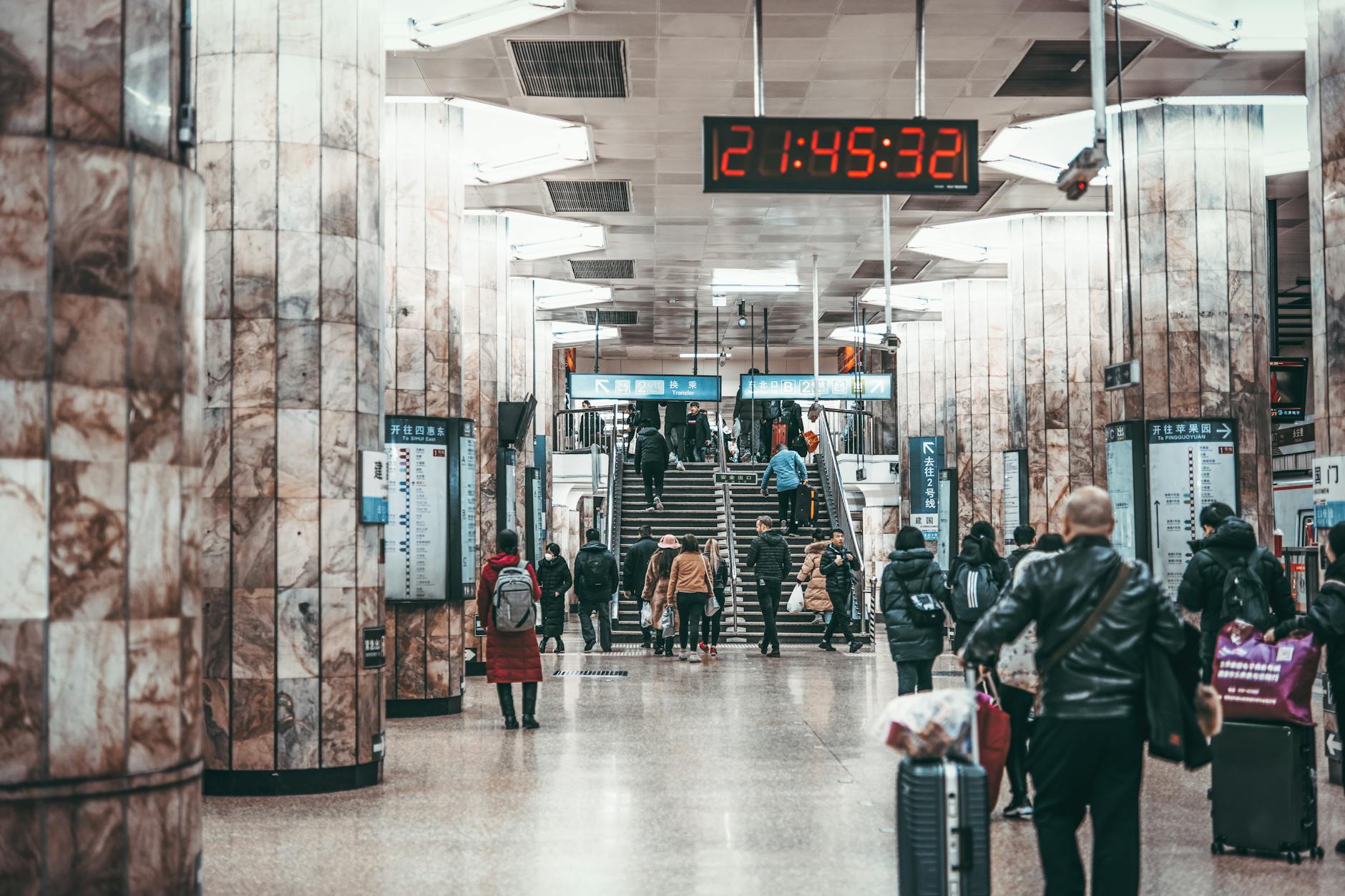
– The subway is extensive and usually faster than taxis during rush hour (07:00–09:30 and 17:00–19:30). Expect crowds on Lines 1, 2, and 10.
– Beijing Capital and Daxing airports both serve international flights; allow at least 3 hours for international departures and check transit time—Daxing can be 45–90 minutes from central Beijing.
– High-speed trains to nearby cities (Tianjin, Jinan, Qingdao, Taiyuan, Dalian) are frequent—great for extending your route after a 3-day stay.
Local etiquette and practical notes:
– Tipping is not the norm, though small tips are accepted in tourist services. Be respectful at religious sites: speak quietly and follow signs.
– Cash is less common; mobile payments (Alipay/WeChat) are ubiquitous—carry a card or cash as backup.
– Drinking water: avoid tap water; use bottled or filtered water.
How to Choose Well
Match weather and crowds to your 3-day plan:
- If your 3 days include the Great Wall: choose autumn or spring for comfortable hiking. For limited time, pick Mutianyu (easier access) or Jinshanling (less crowded, busier trails).
- If museums and palace time are priorities: book the earliest Palace Museum slot and visit the Temple of Heaven in the late afternoon to avoid peak museum crowds.
- For food markets and nightlife: summer and early autumn evenings are lively; choose local night markets like Wangfujing with a preference for stalls recommended in your 3-day guide.
Practical day order suggestion for a 3-day trip:
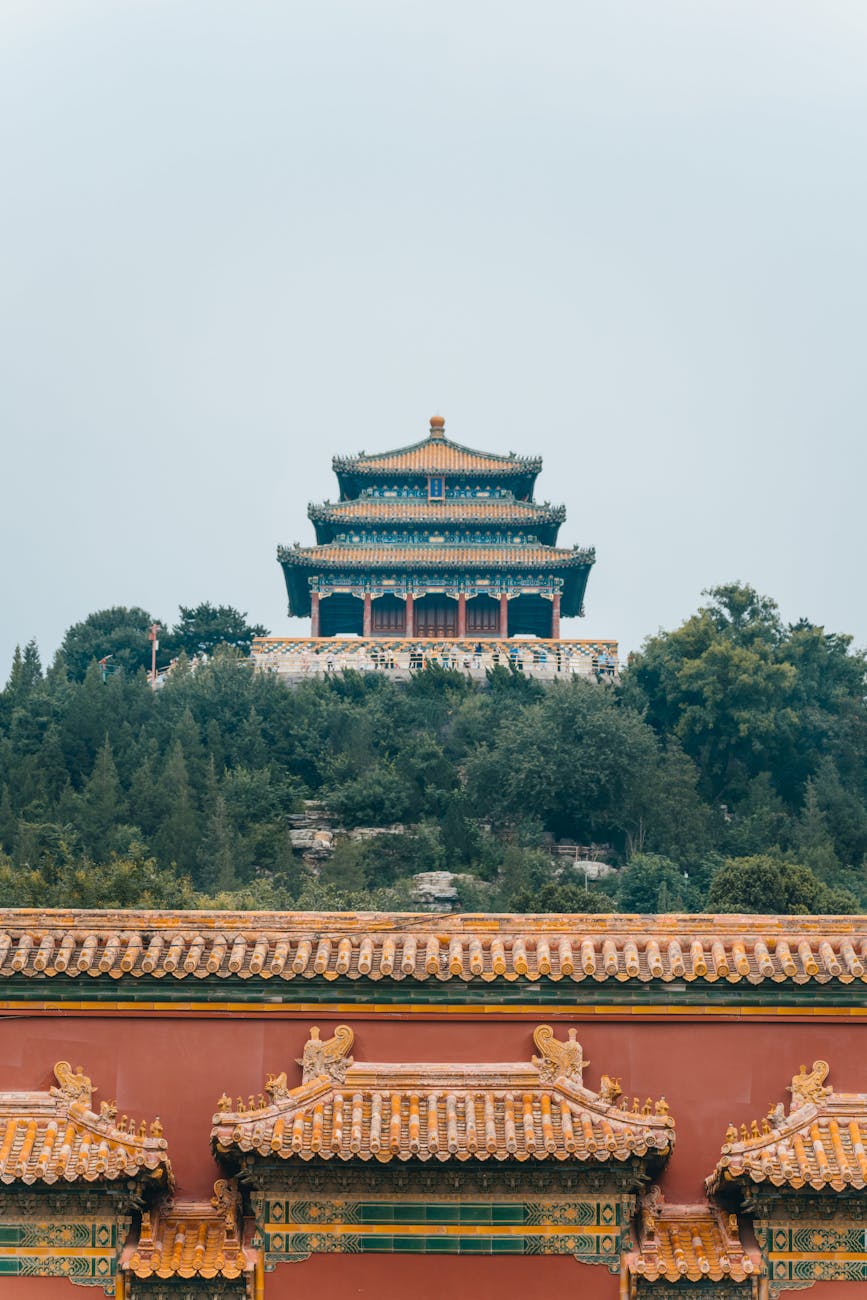
– Day 1: Tiananmen and Forbidden City (morning), Jingshan Park (sunset), hutong walk in Dongcheng.
– Day 2: Great Wall (Mutianyu or Jinshanling) day trip.
– Day 3: Summer Palace or Temple of Heaven, 798 Art District, and evening markets in Sanlitun or Wangfujing.
Booking advice:
– Reserve Palace Museum and Great Wall transport ahead for shoulder and peak seasons.
– Buy high-speed train tickets in advance if continuing to Tianjin or Qingdao—trains sell out around national holidays.
Responsible and Local-First Tips
Small choices that support local communities and reduce impact:
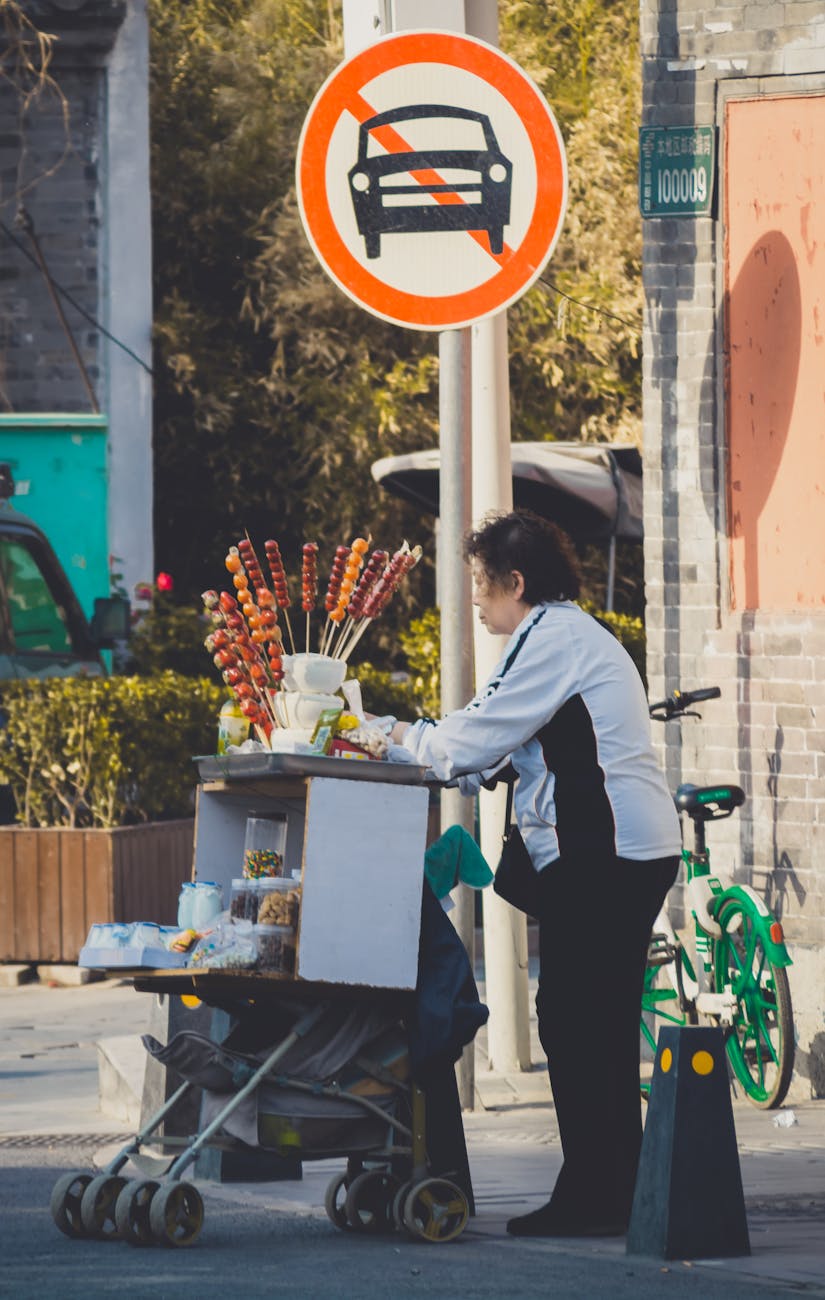
- Use the subway, buses, or electric bike-share for short trips rather than taxis for lower emissions.
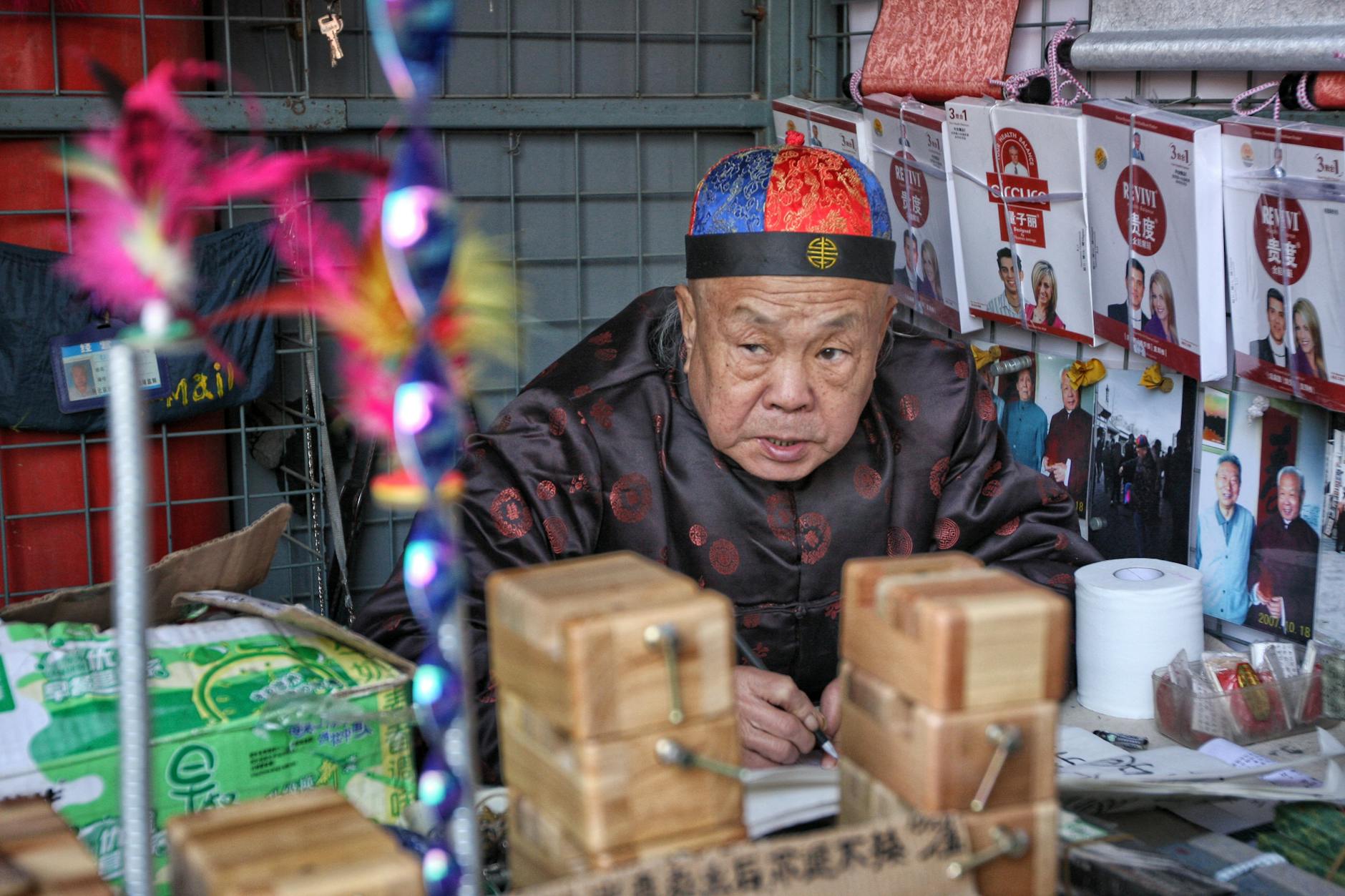
- Eat at family-run restaurants, neighbourhood noodle shops, and morning markets; buy souvenirs from Panjiayuan Market artisans rather than mass-produced stalls.
- Choose certified local guides for the Great Wall and hutong tours so fees benefit guides and preserve local knowledge.
- Avoid peak holiday windows (National Day and Chinese New Year) when services are overloaded and sites are excessively crowded—this reduces strain on local infrastructure.
- Respect fragile sites: keep to marked paths on the Great Wall, don’t climb walls that are roped off, and leave no trace at parks and lakes.
Seasonal sustainability tip: traveling in shoulder seasons spreads visitor demand, supports smaller businesses outside high season, and often provides better air and weather conditions.
Common Mistakes to Avoid
Practical missteps travelers often make:
- Booking without checking Chinese public holidays: Golden Week (Oct 1–7) and Spring Festival (late Jan/Feb) bring crowds and price spikes.
- Assuming taxis are always faster—during rush hours the subway is usually quicker.
- Visiting the Forbidden City and Great Wall on the same day—each deserves a full half to full day to avoid rushed visits.
- Not checking air quality forecasts: heavy pollution days are more common in winter; plan outdoor activities on clearer days.
- Overpacking day plans: Beijing’s attractions are spread out; allow time for transit and security checks at major sites.
FAQ
When is Beijing least crowded?
Late November through February (excluding Chinese New Year) sees the fewest tourists. Expect cold weather, but museums and shops are quieter and hotels cheaper.
Is Beijing worth visiting in winter?
Yes—if you don’t mind cold. Winter offers crisp skies on clear days, fewer crowds, and cheaper rates. Check AQI forecasts and plan indoor activities for poor-air days.
Can I do the Forbidden City and the Great Wall in one day?
Technically possible but not recommended. Each site requires significant time: Forbidden City needs at least 3–4 hours; Great Wall day trips involve travel time. Split them across two days where possible.
How far in advance should I book tickets and transport?
Book Palace Museum tickets as soon as your dates are fixed (tickets often open 30 days ahead). Great Wall transfers and high-speed train tickets should be reserved a week or more in advance, and earlier during public holidays.
What are the best nearby cities for a quick extension?
Tianjin (30–40 minutes by high-speed train) for riverside food and colonial architecture, Qingdao or Dalian for coastal scenery (2–4 hours by train or short flight), and Jinan or Taiyuan for regional culture—train times vary, so book high-speed trains in advance.
Conclusion
For a focused 3-day Beijing itinerary, target spring (April–May) or autumn (late September–November) for the best balance of weather, air quality, and manageable crowds. Book high-priority tickets—Forbidden City and Great Wall—before you arrive, use public transit and local guides, and consider shoulder-season travel to support smaller businesses and reduce impact. When you’re ready to expand beyond three days, the high-speed rail network makes it easy to continue to Tianjin, Jinan, Taiyuan, Qingdao, or Dalian.
How this guide was prepared
This guide was prepared through a structured research that combines destination research, geographic context, itinerary planning logic, and content review.