
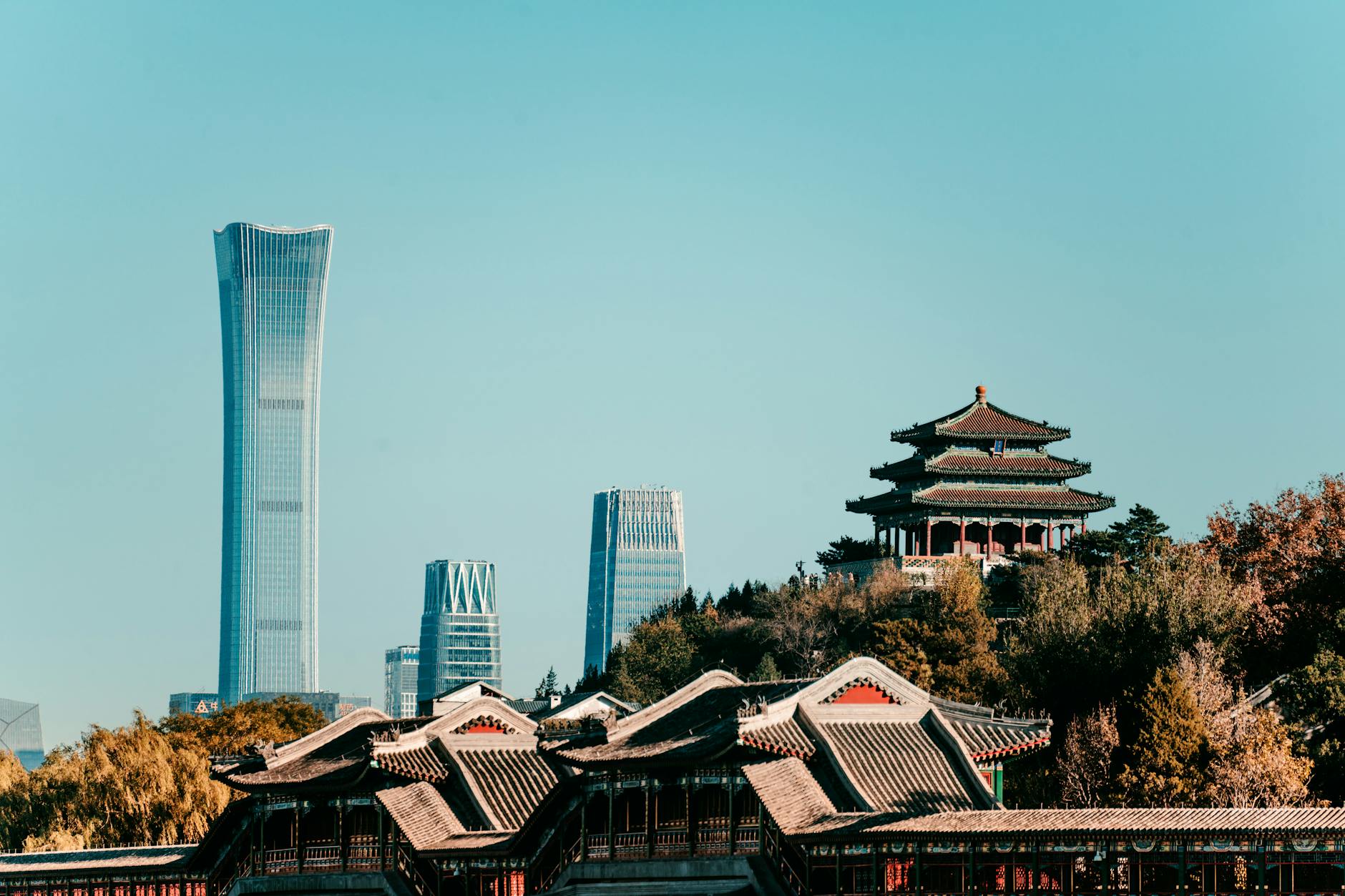
Where to Stay in Beijing — Neighborhoods, Practical Tips, and Responsible Choices
Practical, local-first guidance on where to stay in Beijing for a 3-day itinerary: neighborhood trade-offs, seasonal advice, transport realities, sustainable lodging options, and booking tips.
Clear neighborhood recommendations for first-time visitors, families, and budget travelers. Includes transport realities, seasonal tips, local etiquette, and sustainable choices that pair well with our 3 days in Beijing itinerary.
Quick Answer
Clear neighborhood recommendations for first-time visitors, families, and budget travelers. Includes transport realities, seasonal tips, local etiquette, and sustainable choices that pair well with our 3 days in Beijing itinerary.
Who This Page Is For
This page is for travelers planning a stay in Beijing who want clearer decisions about where to stay, local logistics, timing, budgeting, and practical trip planning.
How This Page Was Prepared
This page was prepared through a structured editorial workflow that combines destination research, geographic context, and practical travel-planning review.
Plan the Rest of Your Trip
Use this page together with the full itinerary and the related planning pages below to make better booking, timing, transport, and budget decisions.
For a 3-day visit, stay centrally in Dongcheng or Xicheng to be within walking or a short subway ride of the Forbidden City, Temple of Heaven, and hutongs. Choose Chaoyang (Sanlitun, 798) if you want contemporary art and nightlife; Haidian if you prefer university vibes and the Summer Palace. For families or longer stays, consider a serviced apartment near the CBD with kitchen space.
If you want the quietest nights and a more authentic stay, pick a small, locally run courtyard guesthouse (hutong) in Dongcheng or a family-owned hotel in Xicheng. Book early for Golden Week and Spring Festival; shoulder seasons (April–May, September–October) offer the best balance of weather and crowd levels.
This page helps you choose which Beijing neighborhood to book for a short city trip and pairs directly with the 3 days in Beijing itinerary. It focuses on practical trade-offs: proximity to sights, noise and crowds, transport links, and low-impact, local-first lodging. If you have limited time, pick a location that reduces transit time to the sights you want to prioritize so you spend more time exploring and less time commuting.
What This Page Helps You Decide
Use this page to match your priorities to neighborhoods and lodging types.
Decisions this page supports:
– First-time highlights vs. quiet local life
– Budget guesthouse vs. mid-range hotel vs. apartment
– Proximity to subway lines and key train stations
– Where to base yourself for a Great Wall day trip or for onward travel to Tianjin, Jinan, Taiyuan, Dalian, or Qingdao
Transport realities to consider:
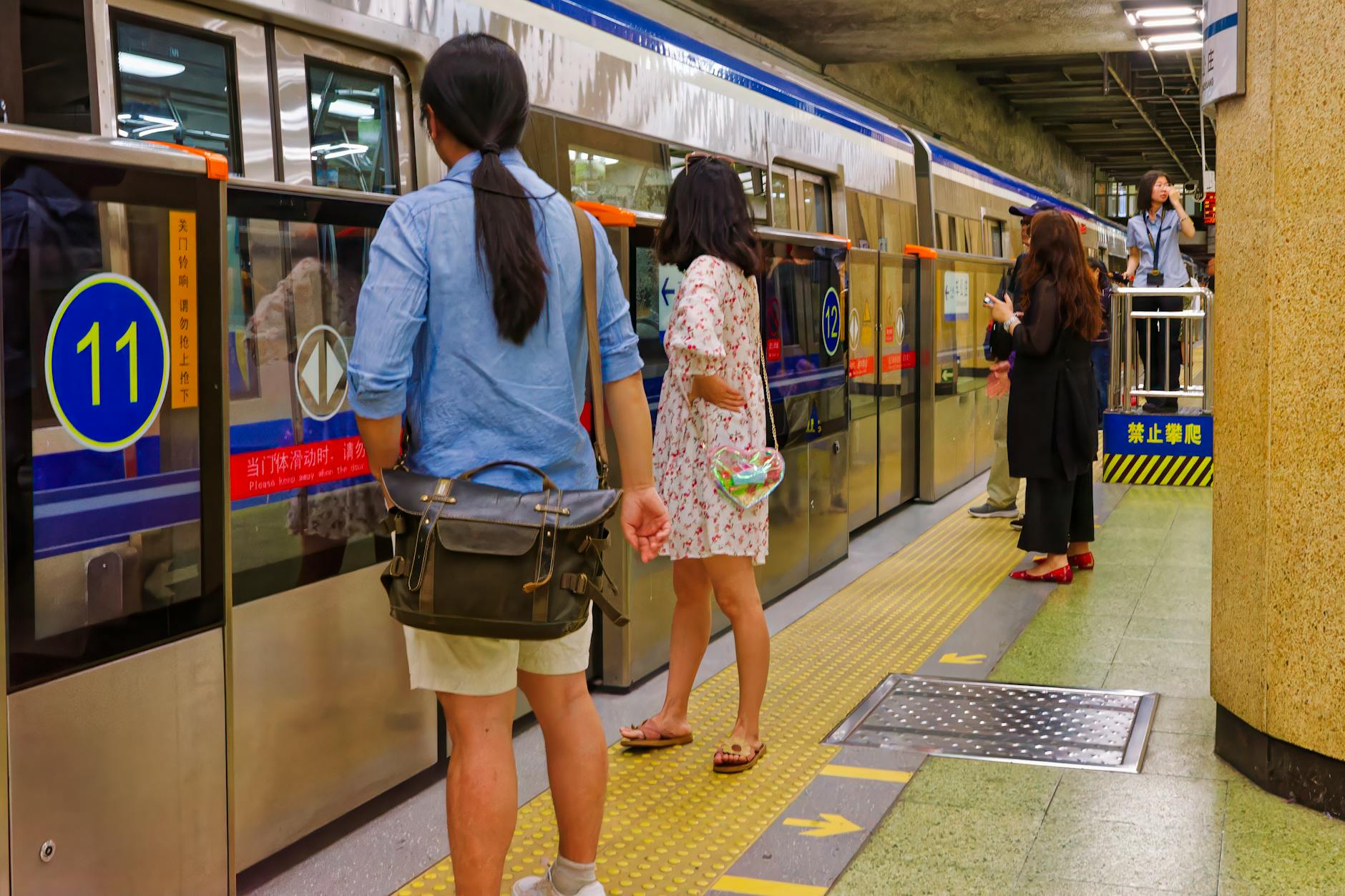
– Beijing’s subway is extensive and often faster than taxis during peak hours; plan for crowds on Line 1, Line 2 and the Airport Express during commute times.
– Two major airports: Beijing Capital (PEK) to the northeast and Daxing (PKX) to the south. High-speed trains depart mainly from Beijing South and Beijing West stations.
– Expect longer taxi times across ring roads during morning and evening rush hours.
Top Recommendations
Neighborhood recommendations by traveler type:
- First-time, short trip (best for the 3 days in Beijing itinerary): Dongcheng. Close to Forbidden City, Temple of Heaven, pedestrian streets, and many hutong guesthouses. Easy walking distances for core sights.
- Culture and art: Chaoyang (798 Art Zone, Sanlitun). Choose a locally run boutique hotel or a small guesthouse to support neighborhood businesses.
- Students, gardens, and quiet streets: Haidian (near Summer Palace and Peking and Tsinghua universities). Good for off-peak stays and lower weekday noise.
- Budget travelers: Gulou and Nanluoguxiang area (north of the Forbidden City). Plenty of hostels and small guesthouses; walkable to many attractions.
- Families or business travelers: Chaoyang CBD / Wangfujing for reliable mid-range hotels, serviced apartments, and restaurants.
Sustainable lodging ideas:
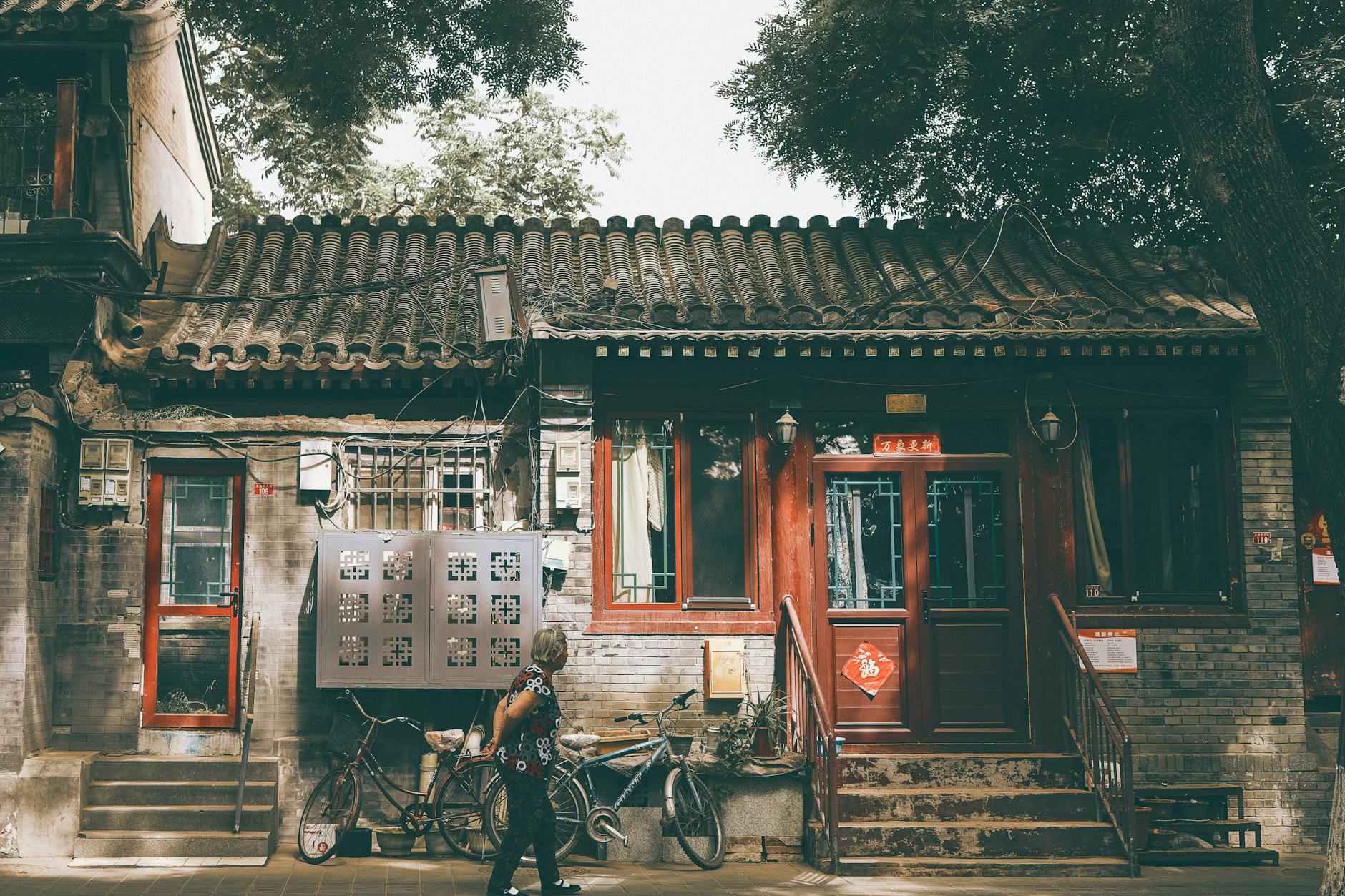
– Seek family-run courtyard guesthouses in Dongcheng to keep spending local.
– Choose hotels with energy-saving policies, refillable toiletries, and public transport incentives.
Booking tips:
– Book well in advance for national holidays (Golden Week — early October; Chinese New Year — variable).
– Confirm heating (winter) or air conditioning (summer) and elevator access if you have luggage or mobility needs.
Local Context
Neighborhood snapshots and practical notes:
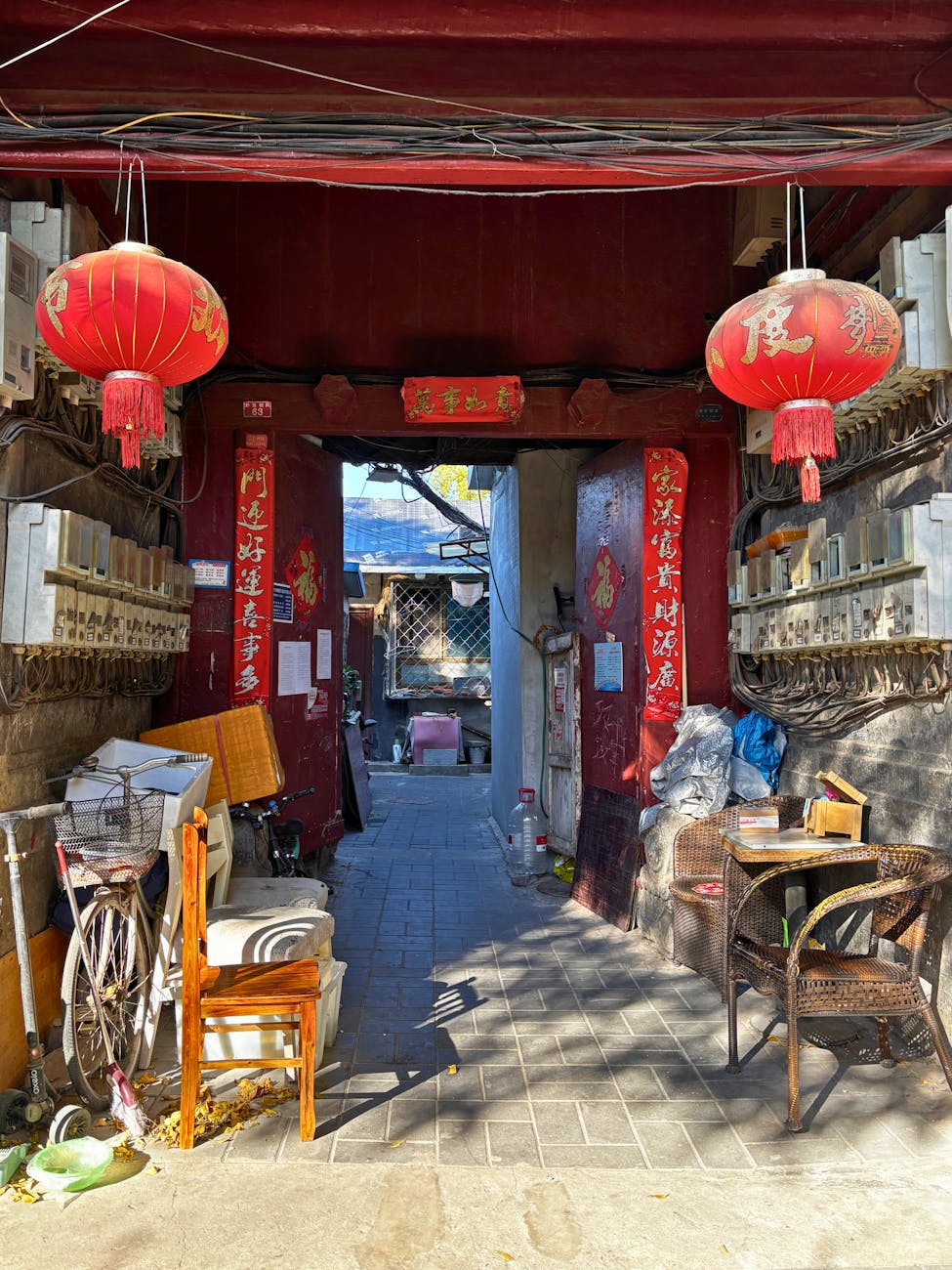
- Dongcheng: Historic core, close to Forbidden City, Tiananmen, and many classic hutongs. Streets are often narrow; choose a courtyard property for quieter nights. Many small restaurants and teahouses.
- Xicheng: Residential and traditional with quieter streets, good local markets, and proximity to the Temple of Heaven. Better for slower mornings and local markets.
- Chaoyang: International dining, nightlife in Sanlitun, and art in 798. Larger hotels and serviced apartments but busier at night.
- Haidian: Green, university neighborhoods, and the Summer Palace. Good for longer stays and calmer days.
Seasonal realities:
– Spring and autumn are the most pleasant for walking and photos; summers are hot and humid with higher ozone and PM2.5 days; winters are cold, dry, and centrally heated indoors.
Local etiquette and practicalities:
– Hotels will register passport information at check-in — have digital copies ready.
– Be courteous in hutongs: keep voices down in residential lanes and avoid blocking narrow walkways.
– Carry a cash card or mobile pay; many smaller vendors accept only local mobile payment apps, so keep some cash for markets.
How to Choose Well
A simple checklist to pick the right place:
- Prioritize proximity for short visits: save travel time by staying within a 20–30 minute subway ride of the Forbidden City.
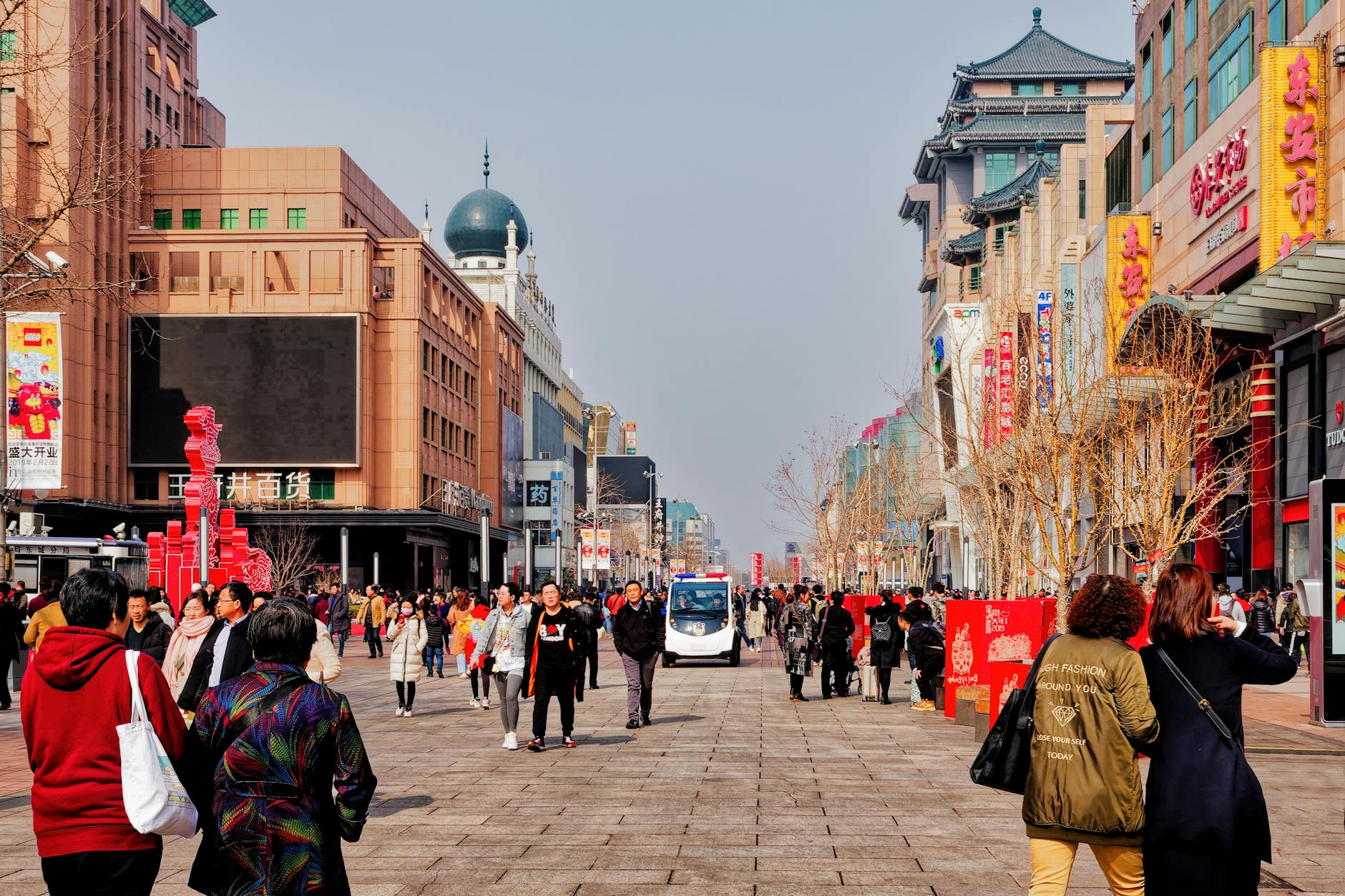
- If you value quiet evenings, avoid main commercial streets like Wangfujing and Sanlitun.
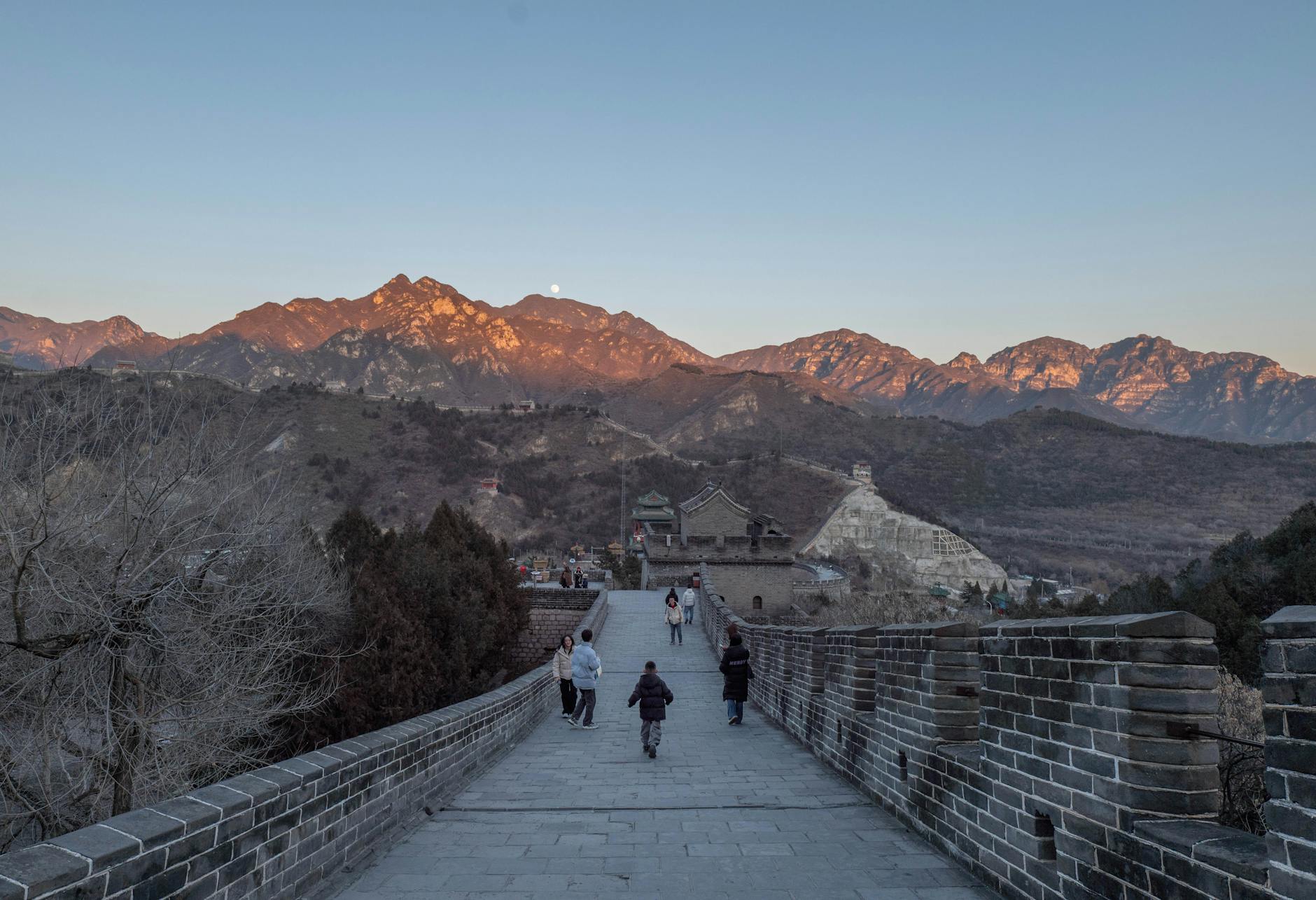
- For day trips to the Great Wall, select accommodation near a direct taxi route to Mutianyu or near a subway line that connects to tour pick-up points.
- Families: check room size and kitchen facilities; serviced apartments in Chaoyang or hotel suites near Dongcheng are practical.
Practical booking advice:
– Confirm cancellation rules and whether the property will request passport registration on arrival.
– Look at recent guest photos to verify room size and window orientation — courtyard-facing rooms are often quieter.
– For lower environmental impact, prefer properties that advertise towel reuse and reduced housekeeping frequency.
Responsible and Local-First Tips
Make choices that benefit locals and reduce impact:
- Stay with locally owned guesthouses or small hotels when possible—spend at nearby restaurants, tea houses, and shops.
- Use the subway, shared bicycles, or walk for short trips instead of taxis. If you take a taxi, use official meters or a Didi app.
- Choose less-trafficked Great Wall sections like Mutianyu (early morning) or Jinshanling (longer trekking route) instead of Badaling at peak times.
- Reduce single-use plastics: carry a refillable bottle and use restaurants’ tap-boiled water or filtered dispensers.
- Respect temples and historical sites: dress modestly when required, remove hats in prayer areas, and follow photography rules.
Booking for impact:
– Ask properties about staff hiring and local sourcing. Prefer hotels that hire local staff and use local suppliers for food and services.
Common Mistakes to Avoid
Avoid these frequent errors:
- Choosing an airport-area hotel thinking it’s convenient for sightseeing. Beijing’s ring roads and traffic can turn a short distance into a long commute.
- Underestimating travel time during rush hour—allow 30–60 extra minutes for taxi trips across the city at peak times.
- Booking at Badaling for a short Great Wall visit during national holidays—expect heavy crowds.
- Not checking heating or air conditioning in seasonal months.
- Forgetting that hotels must copy passports at check-in—have a digital photo ready if you want a faster check-in.
FAQ
Which neighborhood is best for a 3-day first-time visit?
Dongcheng is the best single base for a short trip—close to the Forbidden City, Tiananmen, many hutongs, and short subway rides to other sights. It pairs well with the 3 days in Beijing itinerary.
Is Beijing safe to walk around at night?
Yes, central neighborhoods like Dongcheng and Chaoyang are generally safe, but use normal city caution in late-night areas. Keep belongings secure on crowded subways and near major tourist spots.
What should I know about air quality?
Air quality varies by season. Check real-time AQI and plan outdoor activities for clearer days in spring and autumn. If you’re sensitive, bring an N95/KN95 mask for high-PM2.5 days.
How do I get to Tianjin or Qingdao from Beijing?
High-speed trains depart from Beijing South and Beijing West to Tianjin, Jinan, Taiyuan, Dalian, and Qingdao. Tianjin is roughly 30–40 minutes on the fastest trains; Qingdao and Dalian are several hours—book tickets on China’s high-speed network in advance.
Can I take a taxi or Didi from the airport to town?
Yes. Use official taxi ranks at airports or the Didi app. Expect traffic on ring roads; for Daxing (PKX) allow extra time because it’s farther south.
Do I need to register my passport at check-in?
Yes. Chinese hotels are required to register passport details for all foreign guests. Have a digital copy ready to speed up check-in.
Where should I stay for an easier Great Wall day trip?
For a less crowded Wall visit, stay in Chaoyang or Dongcheng and book an early transfer to Mutianyu or Jinshanling. Many small operators and hotel desks can arrange pickup.
Any tips for language and payment?
English is uneven outside tourist areas. Download an offline map and translation app. Mobile payment is widespread—carry some cash for small markets and confirm if a vendor accepts international cards.
Conclusion
Choose a base that minimizes transit time to the sights you most want to see and supports local businesses. Dongcheng and Xicheng are the most convenient for a short stay; Chaoyang and Haidian suit other priorities. Use this guidance alongside the 3 days in Beijing itinerary to structure each day efficiently, and consider day-trip options to Tianjin, Jinan, Taiyuan, Dalian, or Qingdao if you have extra time. Small choices—courtyard guesthouses, public transport, early departures to the Wall—make your trip lower impact and more rewarding for local communities.
How this guide was prepared
This guide was prepared through a structured research that combines destination research, geographic context, itinerary planning logic, and content review.