
Beijing in 3 Days: A Practical 72-Hour Itinerary & Tips
A compact, honest 3-day plan for Beijing covering transport, realistic timing, key sites (Forbidden City, Great Wall, hutongs), food, and budgets.
A straight-to-the-point 72-hour plan for Beijing that prioritizes realistic timing, public transit, essential bookings, and food choices for first-time visitors.
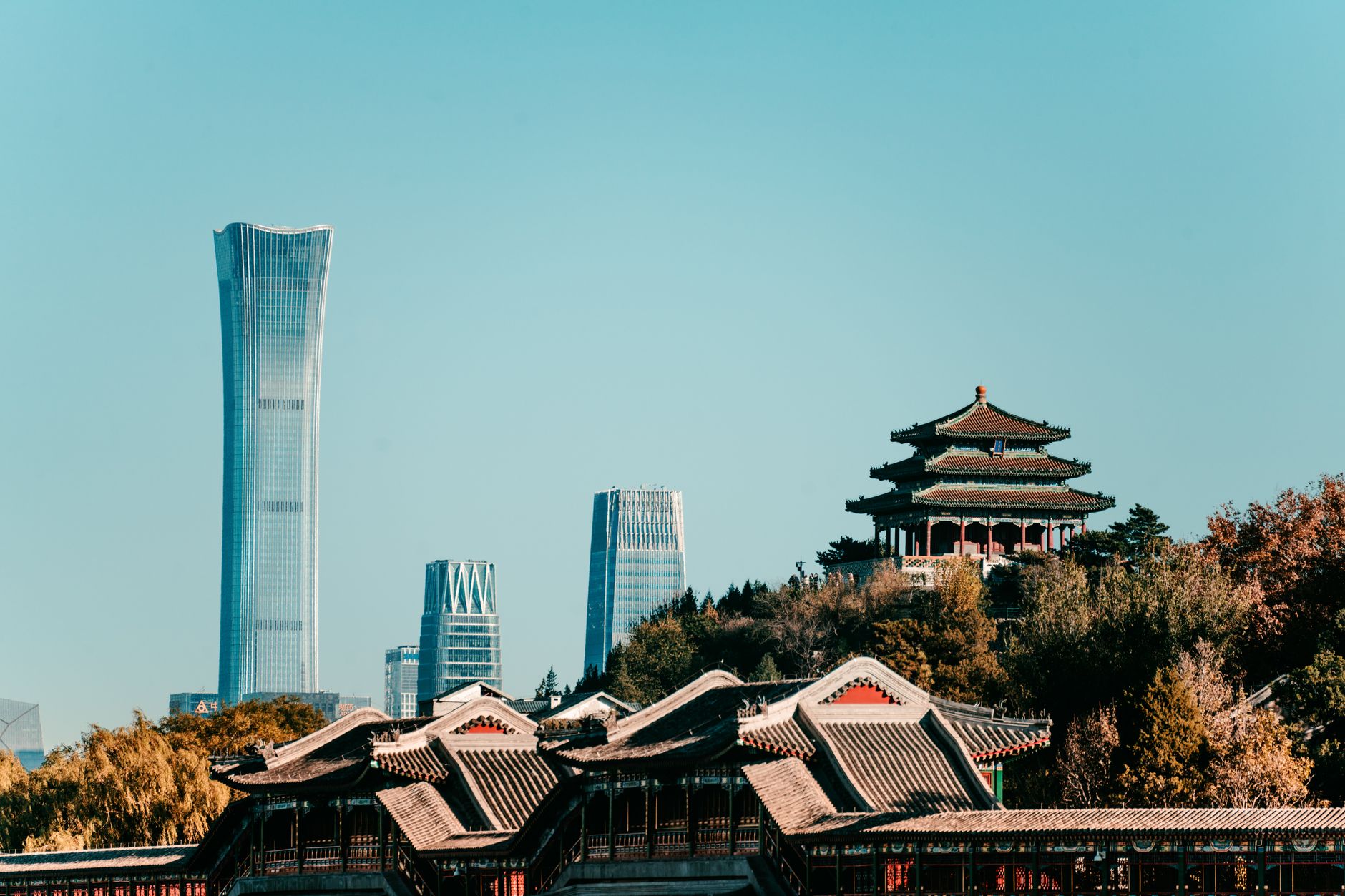
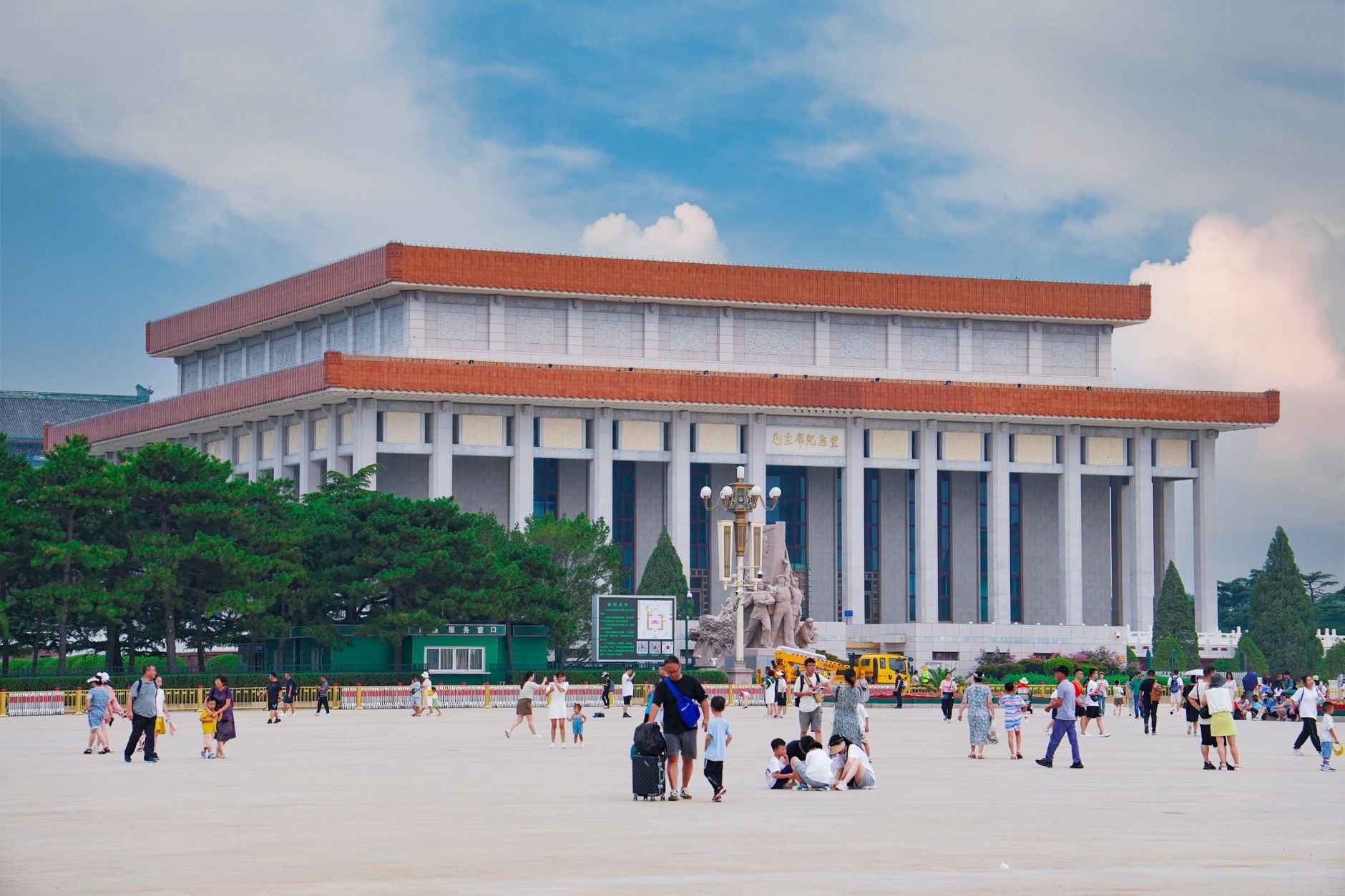
Expect a city where scale and crowds set the tone more than quiet charm. The first impression is wide boulevards, heavy traffic during peak hours, and clusters of intensely visited sites such as Tiananmen Square and the Palace Museum that require timing and patience.
The mood changes by neighborhood: central lanes around Wangfujing and Qianmen feel tourist-dense, hutongs north of Gulou feel residential and narrow, and Chaoyang around Sanlitun and 798 shows modern commercial energy. Noise, air quality, and crowds can be significant factors for timed plans.
Many planners assume transport around the ring roads is quick — that is often false during morning and evening peaks. This city suits travellers who are prepared to use the subway, book key tickets in advance, and accept that moving between distant attractions will take time.
Is 3 days in Beijing enough?
Three days is enough to see the core highlights: Tiananmen/Forbidden City, a Great Wall visit (Mutianyu or Juyongguan), the Summer Palace or Temple of Heaven, and a hutong walk with local food. The honest caveat: the city’s museums and modern art districts require more time for full appreciation, so choose one museum or gallery cluster rather than trying to do them all.
Who This Guide Is For
Best for active first-time visitors who tolerate crowds, use public transit, and want a mixture of historic sites and local food. Poor fit for travellers who prefer slow-paced museum deep-dives or want to avoid crowded tourist hubs.
Local Tips for Beijing
Practical details that most travel sites skip — specific to Beijing.
- Buy a Beijing Transportation Smart Card (Yikatong) at major subway stations or convenience stores; subway fares start at RMB 3 and are distance‑based so the card saves time.
- The Palace Museum (Forbidden City) sells timed e-tickets only; foreign travellers must register with passport details and choose an entry slot—tickets can sell out a day or two ahead in peak months.
- Mutianyu Great Wall shuttle and cable-car tickets are separate from the entrance fee; cable-car roundtrip is roughly RMB 100–140 depending on season, so budget for both when planning a half-day trip.
- Wangfujing Snack Street and Nanluoguxiang have many cash-only vendors and high tourist markups; carry RMB cash or ensure Alipay/WeChat Pay is set up on a phone with a foreign card bound.
- Take the Airport Express from Capital Airport to Dongzhimen (about 20–25 minutes) then transfer to Line 2 or Line 13; expect 50–70 minutes from Daxing Airport to central areas by taxi or Airport Express plus subway.
How This Guide Was Prepared
This guide treats Beijing as a large, working capital where logistics matter as much as attractions. Many guides cram every major site into a single day; this plan recognizes transit time, timed-ticket rules, and local rhythms so three days cover core highlights without constant rushing. This guide was prepared through a structured research that combines destination research, geographic context, itinerary planning logic, and content review.
Plan Your Stay in Beijing
Use these planning pages to compare areas to stay, expected costs, seasonal timing, and local transport before booking.
Why Visit
Historic concentration: the Palace Museum and Tiananmen Square offer a dense, consecutive sequence of imperial and modern-state sites that cannot be experienced in most other Chinese cities.
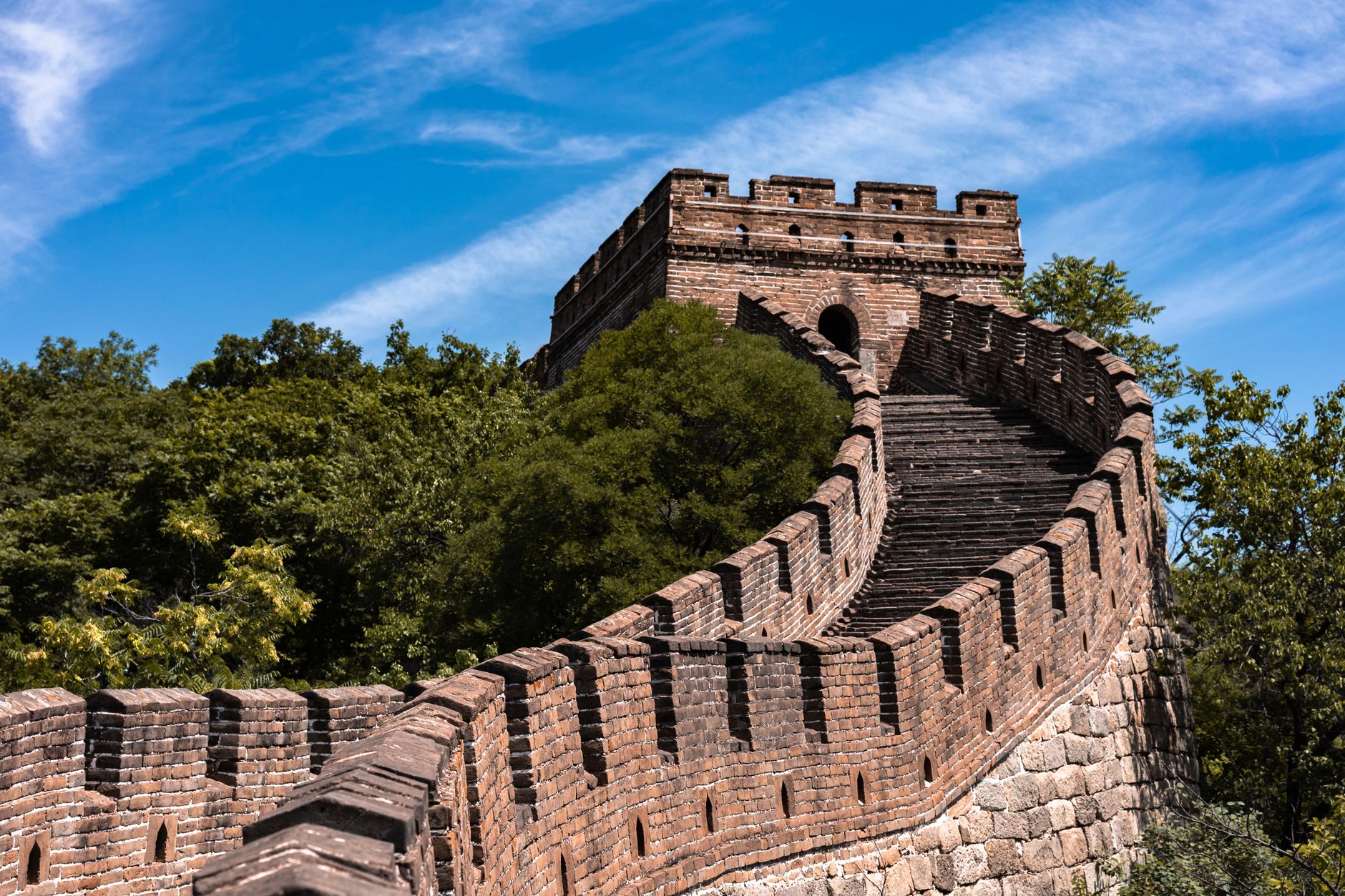
A wall you can actually walk: the Great Wall at Mutianyu or Juyongguan are accessible day trips with intact ramparts and clear visitor routes rather than ruins spread thinly across a region.
Distinct urban textures: hutong neighbourhoods such as Nanluoguxiang and the Shichahai area provide narrow alleys and courtyard houses alongside modern gallery districts like 798 Art Zone.
Practical access: two international airports, an extensive subway network (Line 1, Line 2, Line 4, Line 5, Line 6, Line 10, Airport Express) and frequent high-speed rail connections make the city a practical hub for a short trip.
Quick Planning Tips
Book the Palace Museum (Forbidden City) e-ticket slot before arrival; tickets are timed and require passport details. Summer Palace and other major parks use timed entry on busy days, so check official websites.
The Airport Express connects Capital Airport to Dongzhimen; taxis to central areas from Capital usually cost RMB 100–150 depending on traffic and distance. From Daxing Airport, expect a 50–70 minute taxi ride and fares closer to RMB 200–300 to central districts.
Get a Yikatong (Beijing Transportation Smart Card) at subway stations for faster boarding; it accepts top-ups at machines and convenience stores. Install the Beijing Subway app and DiDi for route planning and taxi bookings; many metro stations accept contactless bank cards but mobile apps are handier.

Day 1
Morning: Start at Tiananmen Square then enter the Palace Museum via the Meridian Gate with a timed e-ticket. Expect security lines and a one-way route through the main halls; allocate 2.5–3 hours for the core circuit. From Tiananmen, walk 10–15 minutes north to the gate and plan transfers by foot rather than circling by taxi.
Lunch: Walk toward Wangfujing for lunch—select a local restaurant such as a traditional roast duck venue or a noodle shop; many mid-range meals cost RMB 40–120 per person. Wangfujing Street is a 10–15 minute walk east from the Palace gates.
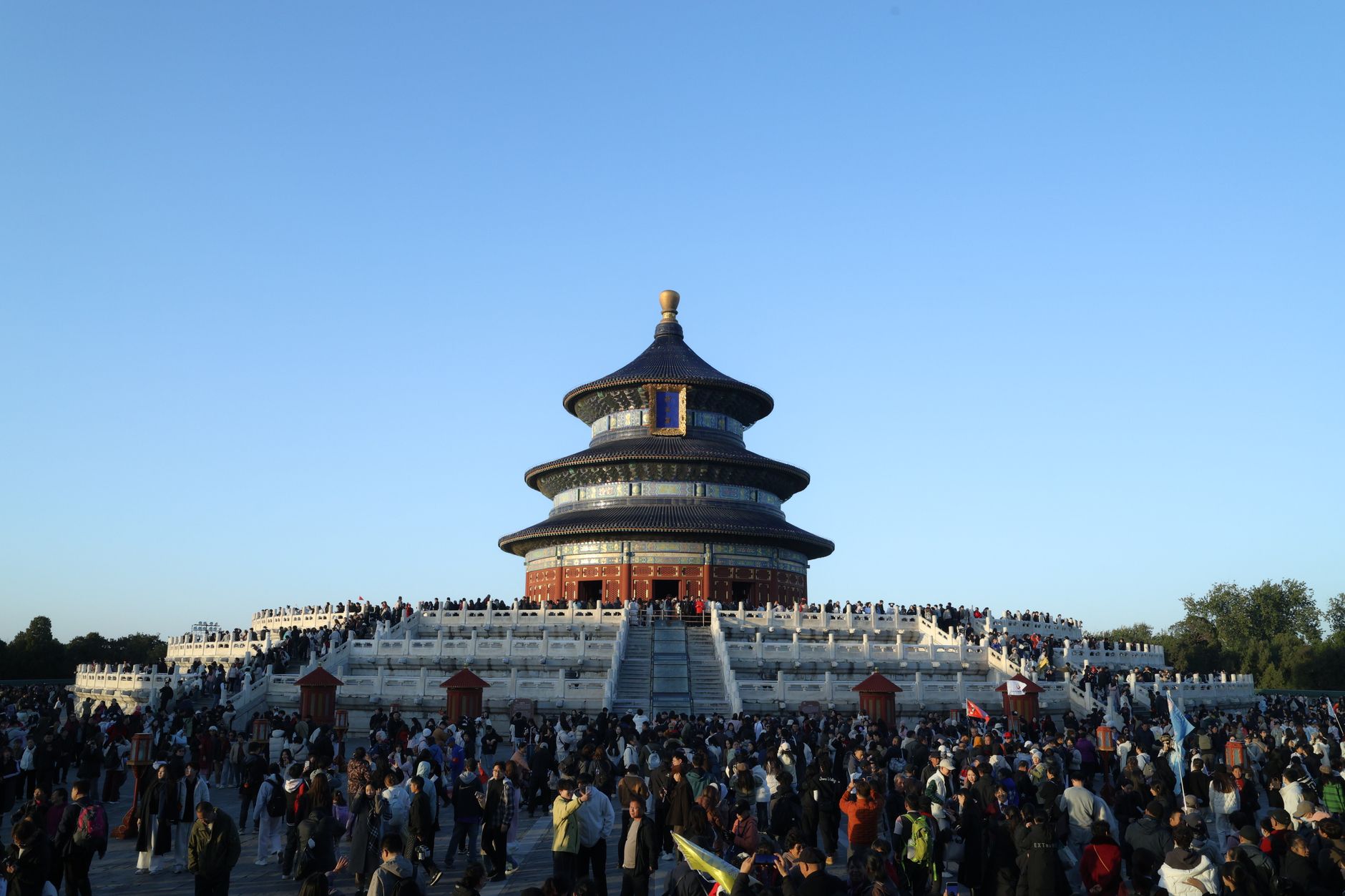
Afternoon: Take Line 1 west or Line 2 to Qianmen and then Line 2/13 transfers to reach the Temple of Heaven; the park and the Hall of Prayer for Good Harvests are a 20–30 minute visit if focused. From Temple of Heaven, take Line 5 north to the Lama Temple (Yonghe Gong) for a 20-minute visit to see active Buddhist worship.
Evening: Finish in the hutong network around Houhai and Nanluoguxiang for a walk and drinks by the lake. Small bars open late; expect noise and crowds. If energy allows, have dinner at a hutong courtyard restaurant or try street snacks along Nanluoguxiang.
Day 2
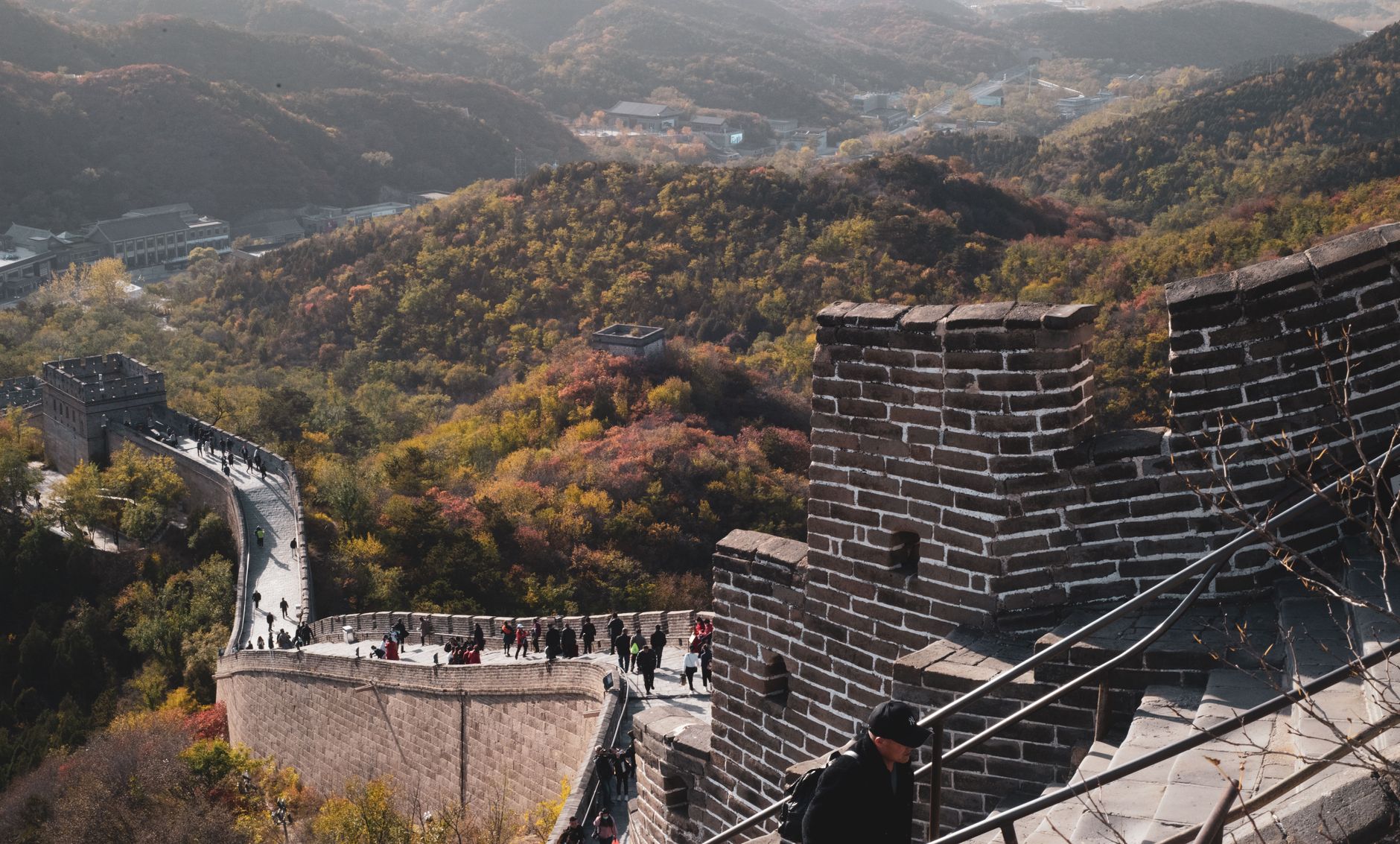
Morning: Reserve a half-day for the Great Wall at Mutianyu. Book a shuttle or a private transfer; driving time from central areas is about 70–90 minutes each way. Allow three to four hours on-site for hiking, cable car options, and photos. Avoid Badaling on peak holiday days if preferring less crowding.
Lunch: Have a simple lunch near Mutianyu village or bring packed food; on-site restaurants are more expensive and service can be slow during peak times. Budget accordingly for the return drive.
Afternoon: Return to the city and head to the Summer Palace (Yiheyuan) via Line 4 to Beigongmen or Xiyuan—expect a 30–40 minute subway plus short walk. The lake and long corridors require a couple of hours to appreciate; boat rides on Kunming Lake are available seasonally.
Evening: Dine in the Haidian or northwest Xicheng area, where local universities and neighborhoods offer more moderately priced restaurants. Alternatively, head to Wudaoying Hutong for quieter dinner choices than Wangfujing.
Day 3
Morning: Explore 798 Art Zone in Chaoyang for contemporary galleries and coffee shops; allow 2–3 hours to see a couple of galleries and outdoor installations. From central areas, expect a 20–40 minute taxi or a subway-plus-bus route depending on the starting point.
Midday: Head to the Drum and Bell Towers area (Gulou) and walk the surrounding hutongs toward Houhai for midday snacks and craft shops; this area is compact and walkable. Eat a light lunch at a courtyard restaurant or a noodle shop—many serve zhajiangmian for RMB 20–35.
Afternoon (checkout or flight note): If checking out and catching an afternoon flight, keep activities close to your accommodation or near a major subway line. From central hotels, allow at least 60–90 minutes to reach Capital Airport via Airport Express and transfers, and 70–100 minutes to Daxing by taxi. For afternoon flights, leave extra buffer for security checks and traffic.
Evening: If time remains, book an early-evening Peking duck dinner at a reputable restaurant such as Da Dong or Siji Minfu as a final meal; reserve a table in advance to avoid long waits.
Best Local Experiences
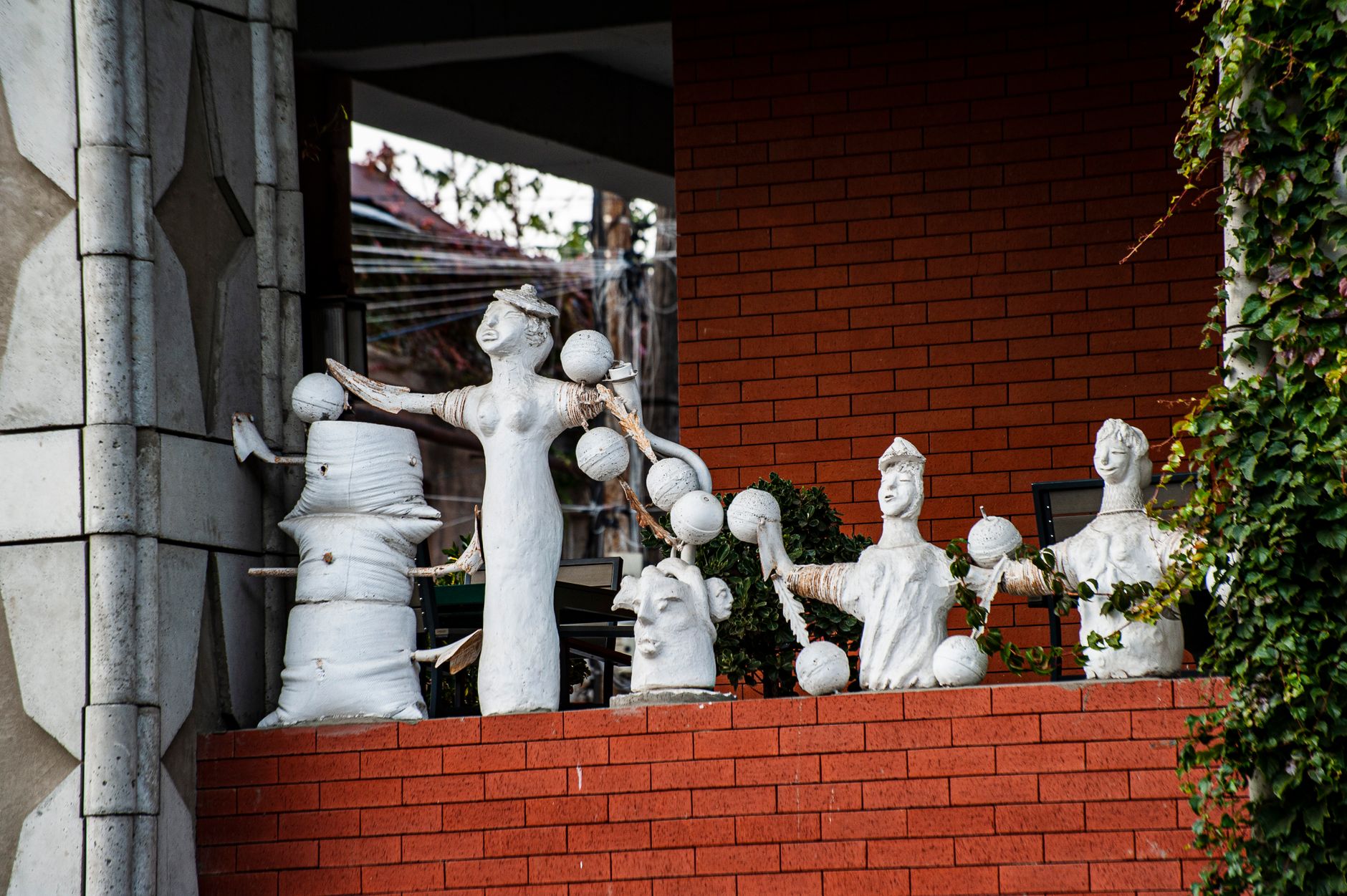
Temple of Heaven morning tai chi: watch or join local residents practicing tai chi and other fitness routines near Tiantan Park gates—best early morning. Panjiayuan Antique Market: open most weekends, useful for browsing antiques and household items; bargain hard and expect many modern reproductions.
Houhai boating and lakeside bars: rent a small boat in summer or walk the banks for street food and live music in the evening. 798 Art Zone: contemporary galleries, artist-run spaces, and industrial architecture—plan at least two hours.
Wangfujing Snack Street and Dongcheng night stalls: try jianbing and candied fruit, but be prepared for tourist prices. Beijing opera at Liyuan Theatre near Qianmen: a shorter, tourist-oriented performance provides a good introduction to the art form.
Morning market shopping at Sanyuanli or local wet markets near university areas: fresh produce, local snacks, and a look at daily life away from main tourist routes. Hutong courtyard teahouses in Nanluoguxiang or Yandai Xiejie for a slower hour away from the busiest streets.
Where to Stay
Dongcheng District (near Wangfujing, Forbidden City): Suited to first-time visitors who want walking access to Tiananmen, the Palace Museum, and hutongs. Expect mid-range hotels RMB 500–1,200 per night (~€65–155 / $70–170) and guesthouses from RMB 300 (~€40 / $35).
Chaoyang District (Sanlitun, 798 Art Zone): Suited to nightlife and gallery visitors; more international hotels and embassies. Expect higher-end options from RMB 800–1,800 per night (~€100–230 / $110–260) and mid-range around RMB 500–900.
Xicheng / Houhai area (Gulou, Beihai Park): Suited to travellers who prefer hutong walks and a mix of local restaurants. Nightly rates typically range RMB 350–900 (~€45–115 / $40–120) depending on whether staying in a boutique courtyard inn or a chain hotel.
Book hotels on lines with direct subway access (Line 1, Line 2, Line 4) to avoid long taxi rides during rush hour. Expect peak-season surcharges and higher prices during Chinese national holidays.
Food and Drink
Peking duck (roast duck): Crisply roasted whole duck carved tableside. Reliable restaurants: Quanjude (tourist classic) or Da Dong (modern, pricier). Expect RMB 200–450 per duck (serves 2–4) depending on venue.
Jianbing (savory crepe): A common breakfast street food made with batter, egg, sauces and crisp wafers. Found at morning stalls near subway exits and markets; typical price RMB 5–12.
Zhajiangmian (fried sauce noodles): Thick wheat noodles with fermented soybean paste and toppings. Good local versions at small restaurants in the hutongs and university areas; typical price RMB 20–40.
Douzhi (fermented mung-bean drink) and youmian breakfasts: Traditional Beijing breakfast options available in older neighbourhood vendors; douzhi and a fried dough stick (youtiao) might cost RMB 5–15 together.
Street snacks and skewers: Wangfujing Snack Street and street vendors near Houhai sell lamb skewers, candied hawthorn (tanghulu), and exotic items. Expect higher tourist prices there—RMB 15–50 per item—so balance with meals at local restaurants.
Dinner recommendation: For a full evening, book a Peking duck set at Da Dong or Siji Minfu; for budget-friendly dinners, look for hotpot chains or noodle shops in university districts where a meal runs RMB 40–120.
Getting Around
Subway network: Use Line 1 (east-west), Line 2 (ring line), Line 4 (north-south), Line 5, Line 6, Line 10, and the Airport Express for most central transfers. Key transfer stations: Dongzhimen, Xizhimen, and Guomao.
Fares and cards: Single-ride fares start at RMB 3 and increase by distance; most central trips cost RMB 3–6. Yikatong (Beijing Transportation Smart Card) speeds boarding and applies to buses and some taxis. Official apps: Beijing Subway app for maps and timing; use DiDi for taxis and private rides.
Airport and taxi fares: Taxi from Capital Airport to central districts normally RMB 100–150; Daxing to central districts RMB 200–300 depending on traffic. Express routes: Airport Express links Capital Airport to Dongzhimen in about 20–25 minutes plus transfers.
Other modes: Shared bikes are widespread (Mobike/ofo alternatives now under different operators) and useful for short hops; check docking rules. Walking is practical in compact areas like the Forbidden City to Wangfujing corridor and the Gulou/Houhai cluster.
Best Time to Visit
Spring (April–May): Temperatures 10–25°C with moderate crowds; a good balance of weather and lower air pollution days. Peak floral and park views make palace gardens and temple parks pleasant.
Autumn (September–October): Temperatures 10–22°C; clear skies and comfortable conditions. National Day week in early October is extremely crowded and more expensive—avoid those dates if possible.
Summer (June–August): Hot and humid with higher air pollution days; peak tourist season for the Great Wall and parks. Expect afternoon thunderstorms and higher hotel prices.
Winter (November–March): Cold with temperatures often below freezing; crowds thin outside of Lunar New Year. Museum lines are shorter but outdoor sites are chilly—layered clothing and windproof outerwear are necessary.
Budget and Practical Tips
Sample daily budget (mid-range): Accommodation RMB 400–900 (~€50–115 / $55–125), food RMB 150–300 (~€20–40 / $20–45), transport RMB 20–50 (~€2.5–6 / $3–7), entry fees and extras RMB 100–250 (~€13–32 / $15–30). A conservative mid-range daily total is RMB 700–1,500 (~€90–190 / $95–205).
Budget travellers can reduce costs by staying in hostels or guesthouses (RMB 150–350/night), eating street food and small restaurants (RMB 20–50/meal), and using the subway extensively. Expect higher costs for guided Great Wall transfers and table-service Peking duck.
Tipping norms: Tipping is not commonly expected in local restaurants, taxis, or at museums. High-end hotels and international restaurants sometimes accept a discretionary service charge; tipping remains optional rather than required.
Practicalities: Carry passport copies and a printed or digital Palace Museum e-ticket. Mobile payments are extremely convenient; set up Alipay or WeChat Pay with a linked card if possible. Check local holiday calendars (Chinese New Year, National Day) to avoid peak crowds and price surges.
FAQ
Is Beijing safe for tourists?
The city is generally safe for tourists; standard urban precautions apply—watch belongings in crowded subway stations and tourist sites, and avoid poorly lit hutong alleys late at night.
What’s the best way to get from the airport to the city?
Use the Airport Express from Capital Airport to Dongzhimen and transfer to subway lines, or take a taxi (RMB 100–150 to central districts); from Daxing a taxi or the Daxing Airport Express plus a subway transfer is fastest.
Is a Beijing city card or tourist pass worth buying?
There is no single pass that covers every major site; the Palace Museum requires a separate timed ticket. A Yikatong transit card is highly useful for subway and bus travel but museum passes are paid individually.
Can a visitor use Google Maps and Western apps?
Many Western apps are blocked; use offline maps or download local apps such as Beijing Subway and Baidu Maps. DiDi is the common ride app; download and set up before arriving if possible.
Which Great Wall section is best for a half-day trip?
Mutianyu is a popular half-day option with restored sections and cable-car access, offering easier hiking and fewer military installations than Badaling. Juyongguan is closer but narrower and often busy on holidays.
Do most places accept cards or cash only?
Larger shops and restaurants accept international cards; many small vendors prefer mobile pay or cash. Carry some RMB cash for markets and small stalls.
Can English be relied upon for navigation?
Subway signage includes English and staff at major stations usually help; in hutongs and small shops, basic Mandarin phrases or a translation app are helpful.
Are museums free or cheap?
Some municipal museums have low or free entry, but major attractions such as the Palace Museum and Summer Palace charge admission (Palace Museum peak-season ticket roughly RMB 60; Summer Palace around RMB 30–60). Always check official sites for current prices and timed slots.
Conclusion
A realistic 72-hour visit delivers the city’s essential contrasts: imperial ceremonial spaces, a section of the Great Wall, a hutong walk, and a taste-focused evening. Time management, advance booking for the Palace Museum, and using the subway with a Yikatong card are the practical priorities that decide whether the trip feels smooth or frantic.
If time is tight, prioritize a single imperial complex (the Palace Museum in the morning) and one larger excursion (Mutianyu or the Summer Palace) plus an evening spent in a hutong sampling local food. That balance delivers scale, context, and memorable meals without constant transit stress.
How this guide was prepared
This guide was prepared through a structured research that combines destination research, geographic context, itinerary planning logic, and content review.