
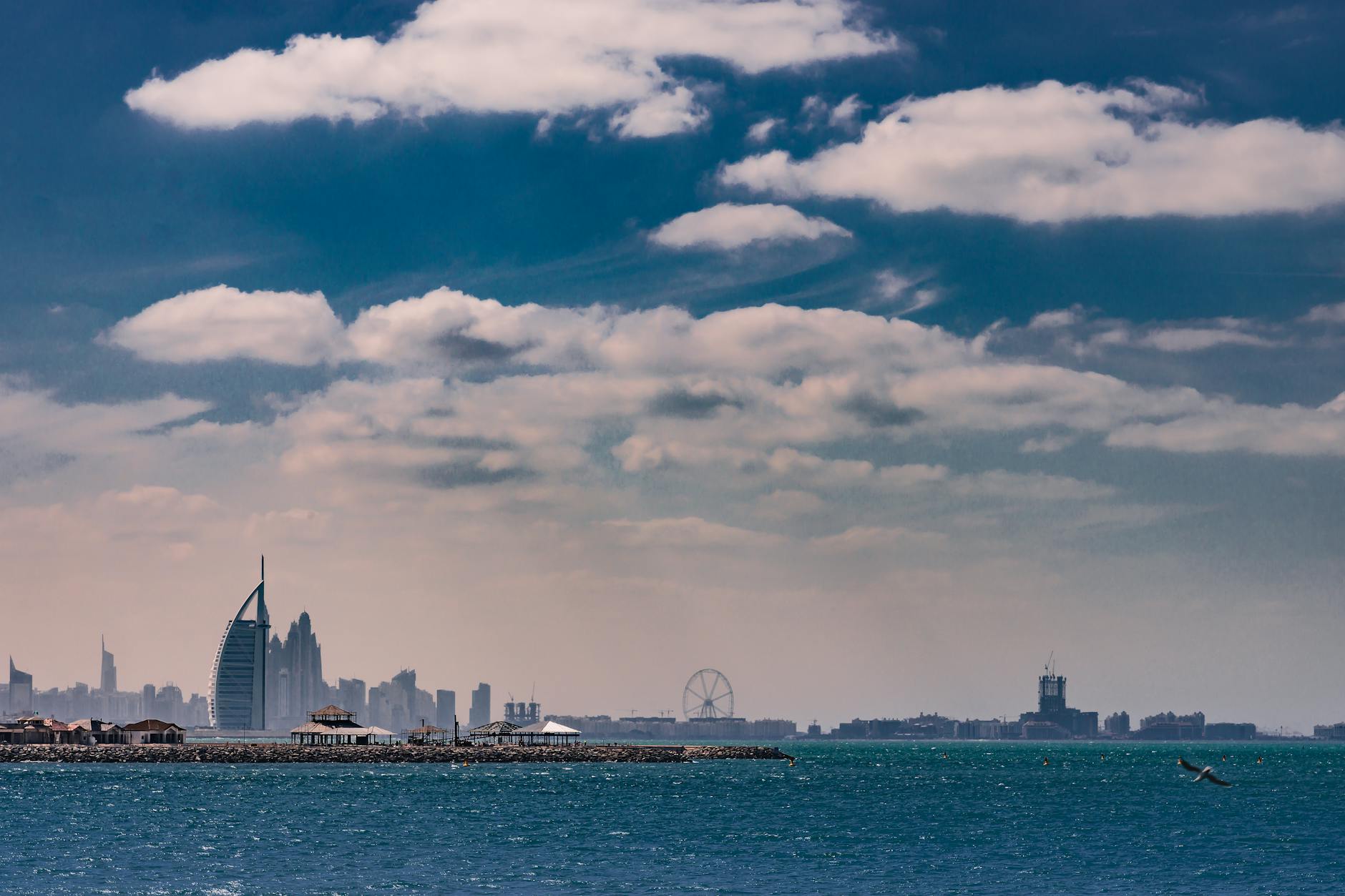
Where to Stay in Dubai — Neighborhoods, Practical Tips, and Responsible Choices
Practical neighborhood guide to choosing where to stay in Dubai for a 3-day trip. Recommendations by style, transport realities, seasonal timing, booking tips, and local-first suggestions for lower-impact travel.
A concise, practical neighborhood guide to help you pick the best place to stay in Dubai for a short itinerary. Covers Downtown, Marina, Jumeirah, Old Dubai, Al Quoz and sustainable, family-friendly, and budget options plus transport and booking advice linked to a 3-day Dubai plan.
Quick Answer
A concise, practical neighborhood guide to help you pick the best place to stay in Dubai for a short itinerary. Covers Downtown, Marina, Jumeirah, Old Dubai, Al Quoz and sustainable, family-friendly, and budget options plus transport and booking advice linked to a 3-day Dubai plan.
Who This Page Is For
This page is for travelers planning a stay in Dubai who want clearer decisions about where to stay, local logistics, timing, budgeting, and practical trip planning.
How This Page Was Prepared
This page was prepared through a structured editorial workflow that combines destination research, geographic context, and practical travel-planning review.
Plan the Rest of Your Trip
Use this page together with the full itinerary and the related planning pages below to make better booking, timing, transport, and budget decisions.
For a first-time 3-day visit — stay in Downtown Dubai if you want central access to Burj Khalifa and the Dubai Mall with easy metro links. If you want beachfront and evening life, pick Dubai Marina or Jumeirah (JBR). For a more local, budget, or historic experience choose Deira or Al Fahidi/Al Bastakiya. For art and a quieter weeknight scene, use Al Quoz / Alserkal Avenue.
If you have only three days and want minimal commuting, prioritize proximity to a Dubai Metro Red Line station. Book early for the winter high season (November–March) and consider shoulder months (March–April or September–November) for milder weather and lower rates.
This page helps you choose the best neighborhood in Dubai for a short, 3-day visit. It’s written to support a compact itinerary (see the companion "3 days in Dubai" guide) and focuses on practical trade-offs: travel time, seasonal comfort, typical budgets, and ways to favor local businesses and low-impact options. Expect clear, neighborhood-by-neighborhood notes, transit realities, etiquette pointers, and quick booking advice.
What This Page Helps You Decide
Use this page to choose the neighborhood that best matches your trip priorities and to avoid wasted travel time during a short stay. Specific decisions covered:
- Which neighborhood keeps commute times short for a 3-day itinerary.
- Whether to trade convenience for a beachfront or historic atmosphere.
- When to book and how seasonality affects price and comfort.
- How to support local businesses and choose lower-impact options.
- Practical day-trip options to nearby cities like Sharjah and Abu Dhabi, including typical travel times.
Internal note: pair your chosen neighborhood with the companion 3-day guide to plan daily logistics and one-day extension options to Sharjah or Abu Dhabi.
Top Recommendations
Short summaries and why you might pick each area for a 3-day stay.
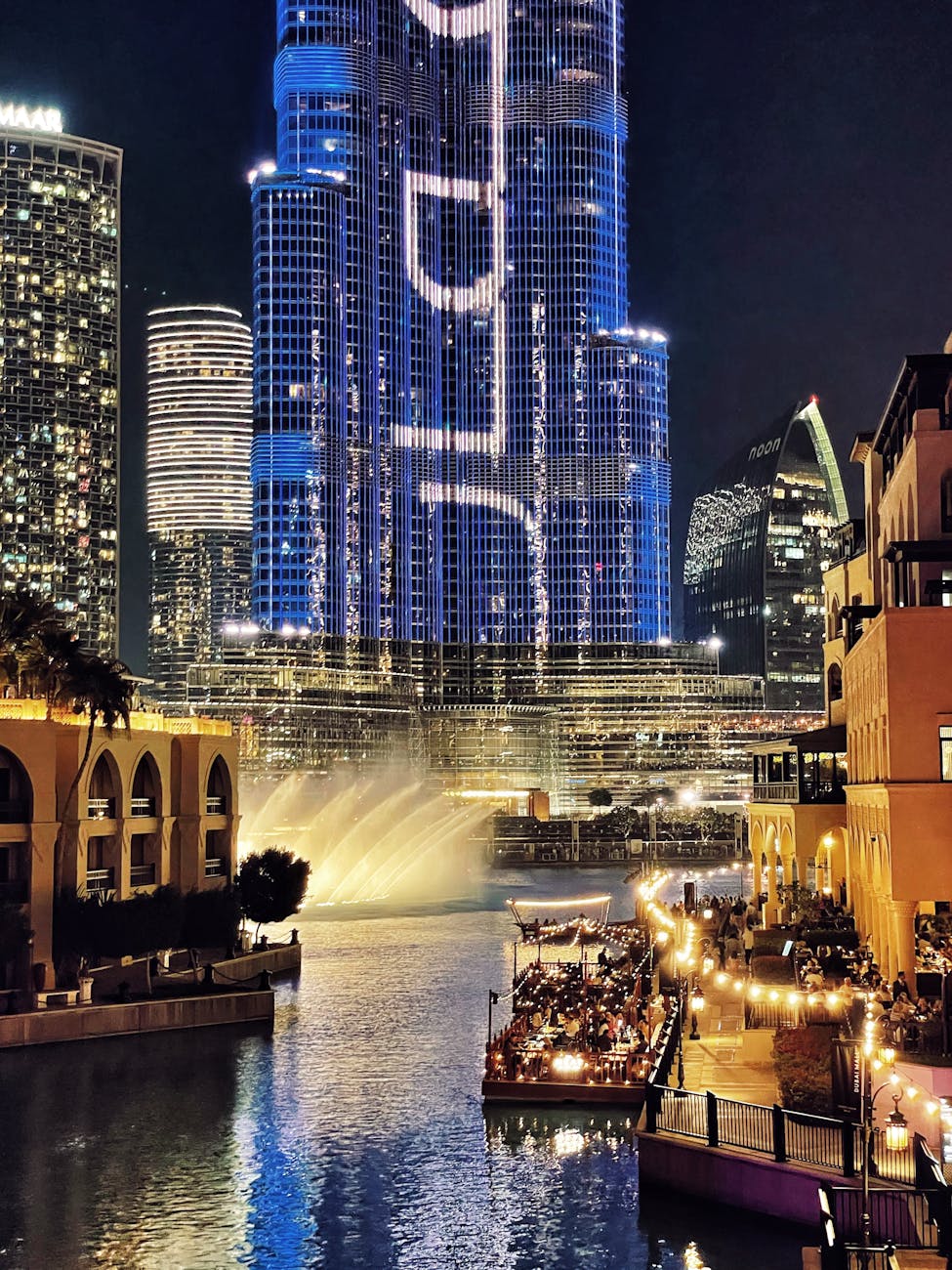
- Downtown Dubai — Best for first-timers and sightseers. Central to Burj Khalifa, Dubai Mall and many tour pick-up points. Excellent metro access. Expect mid-to-high prices and busy streets. Choose a hotel or apartment near Burj Khalifa/Dubai Mall for the most compact days.
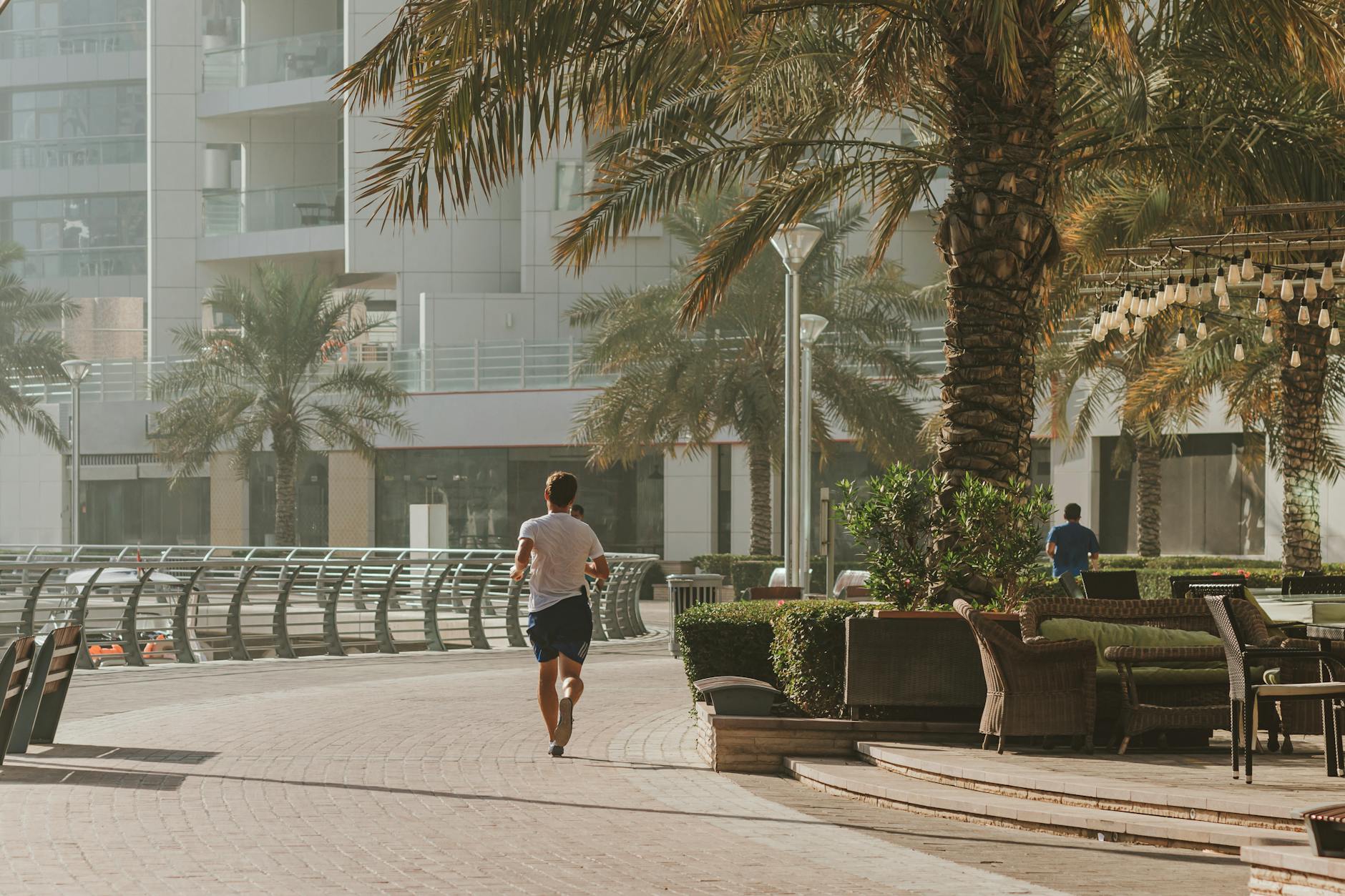
- Dubai Marina / JBR — Best for beach access, evening dining, and a waterfront promenade. Great for couples and families who expect nightlife and restaurants within walking distance. Use tram and metro connections; traffic can be heavy at peak times.
- Jumeirah — Best for beachfront villas and quieter seaside stays. Good for smaller families and beach time; fewer metro options so budget for taxis or bus links.
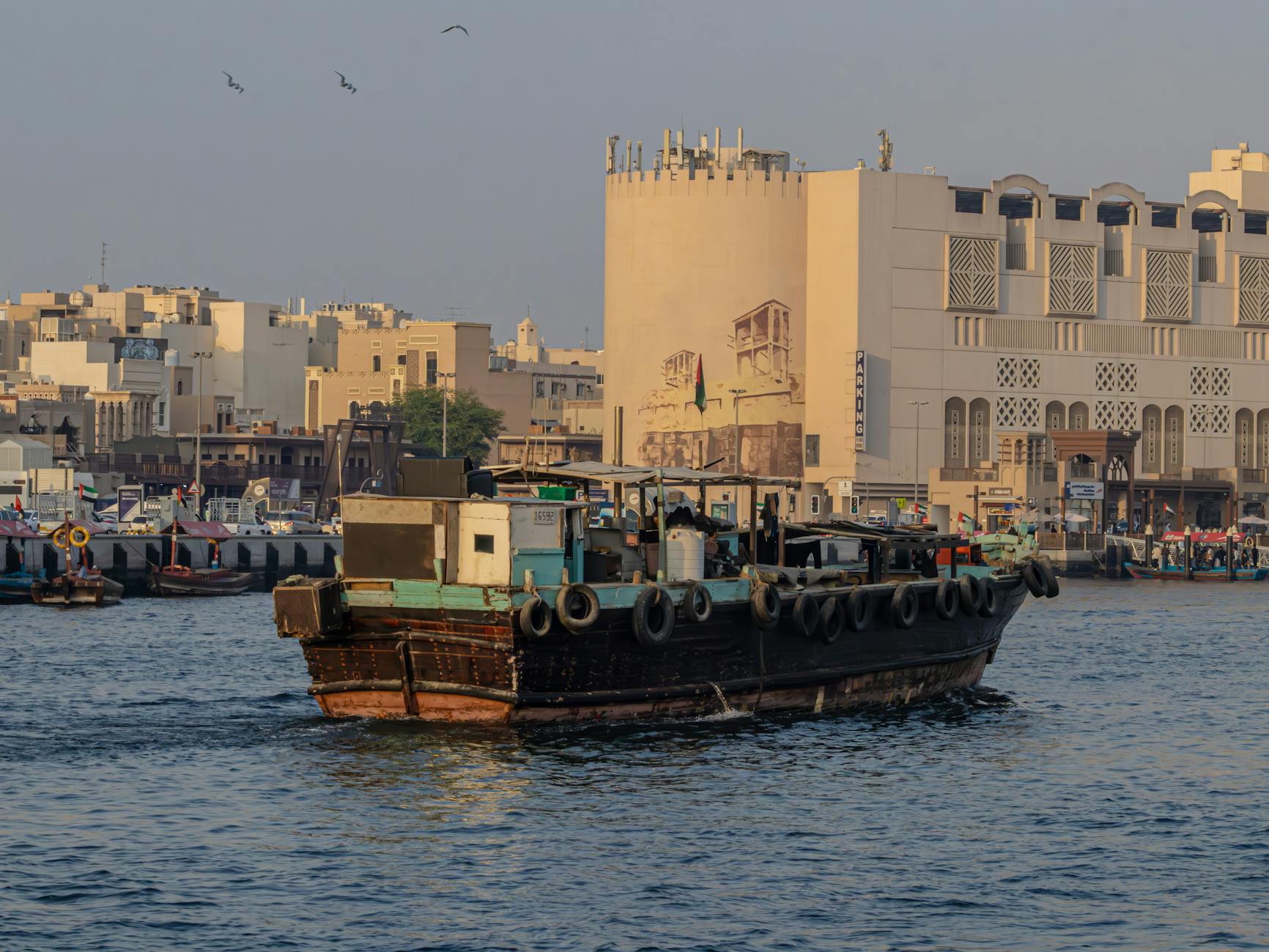
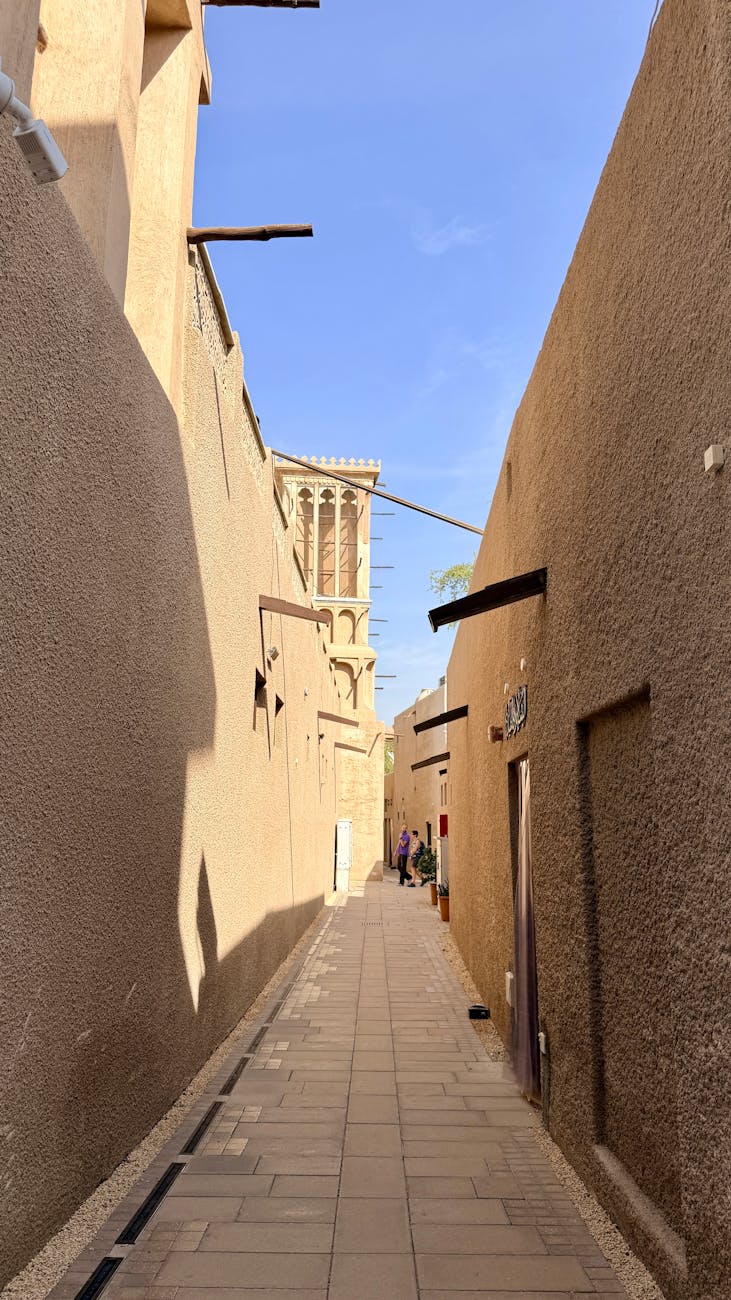
- Al Fahidi / Al Bastakiya (Bur Dubai) — Best for culture, museums, and the historic creek. Compact, walkable, and locally run guesthouses are common. Strong local-first options for dining and heritage tours.
- Deira / Old Dubai — Best for markets and budget travelers. Close to the Creek, Gold Souk and abra crossings. Good public transport links; expect older hotels and strong value.
- Al Quoz / Alserkal Avenue — Best for art lovers and longer-stay creatives. Galleries, independent cafés, and a quieter night scene. Slightly farther from main tourist nodes but excellent for a different perspective.
Booking tips: compare refundable rates during winter, check for municipal fees and tourism taxes added at checkout, and prefer options that allow easy metro or tram access to minimize taxi use.
Local Context
Transport realities
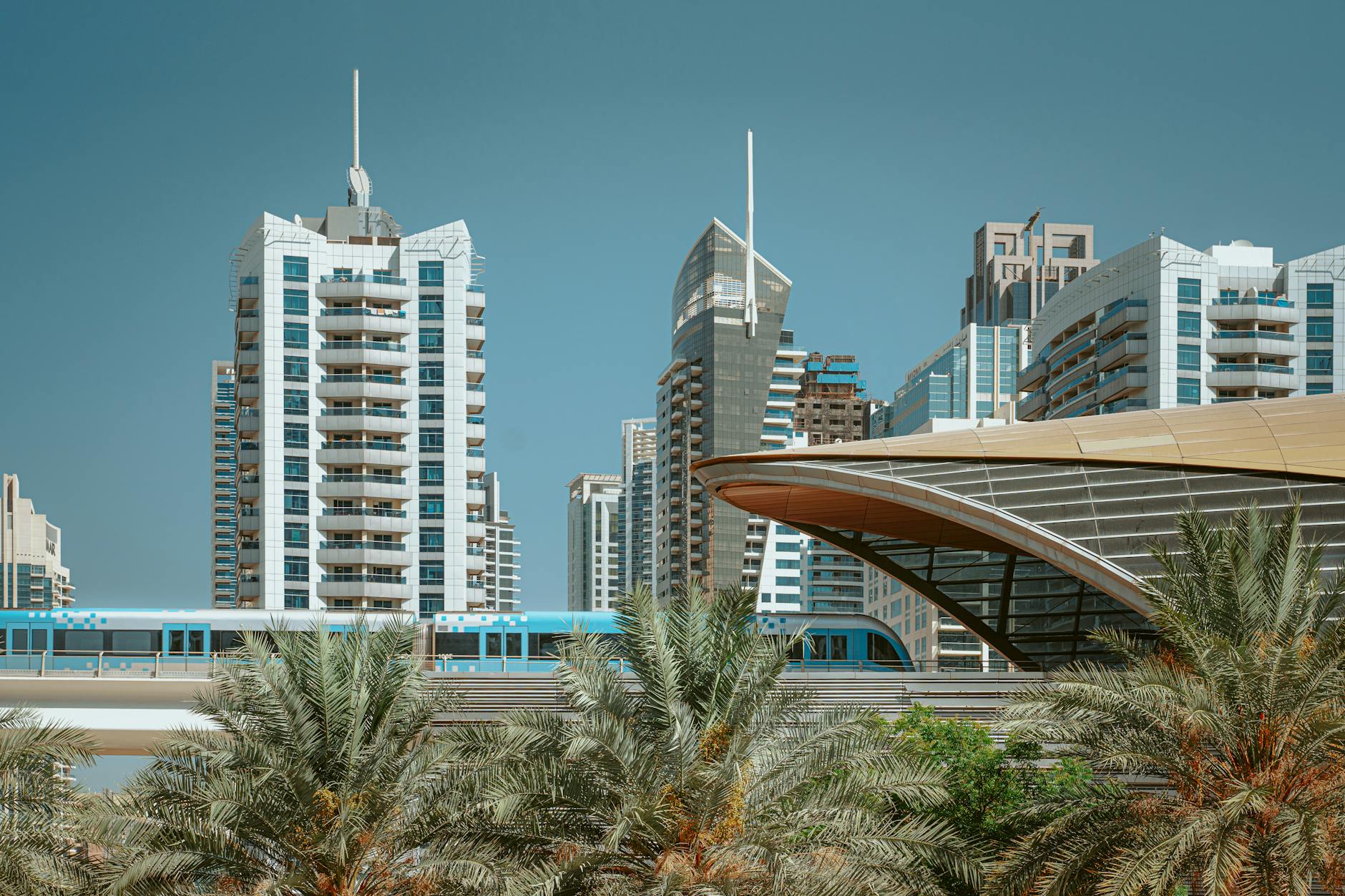
- The Dubai Metro (Red and Green Lines), tram in Marina, and extensive taxi network make getting around straightforward. NOL cards are used across metro, bus and tram.
- Traffic on Sheikh Zayed Road and between Dubai and Abu Dhabi or Sharjah can be heavy in morning and evening peaks. Allow 1.5–2 hours by car to Abu Dhabi under normal conditions.
- Walking is easiest in Downtown, Al Fahidi, and parts of Marina; summer heat limits daytime walking elsewhere.
Seasonal patterns
- Peak tourist season: November–March (milder weather, higher prices). Shoulder months: March–April and September–November. Summer (June–August) is hot but can mean lower prices.
Local etiquette and practicalities
- Dress conservatively in mosques and government buildings; in public beaches and malls, smart-casual is usual. During Ramadan avoid eating or drinking in public during daylight hours out of respect.
- Tipping is customary in restaurants and for drivers; small local tips go a long way for independent businesses.
How to Choose Well
A quick checklist to match the right neighborhood to your needs:
- Prioritize proximity to the attractions on your 3-day itinerary. Downtown minimizes transit time for central sights.
- Balance budget vs. time: cheaper hotels in Deira can mean longer taxi rides if your plan centers on Downtown or Marina.
- Consider mobility and heat: pick a neighborhood with shade, nearby metro access, or short taxi rides during hotter months.
- Family needs: look for family suites, kitchenette apartments, or hotels with pools in Marina or Jumeirah.
- Book with flexible cancellation during the high season and verify total nightly costs including tourism fees.
Sustainable choices
- Prefer locally run guesthouses, small boutique hotels, or apartments where your spending supports SMEs.
- Choose accommodations with water-saving and energy-efficiency practices, and use refillable bottles to reduce plastic waste.
- Use public transport for key transfers and local buses for short journeys when practical.
Responsible and Local-First Tips
Practical, low-impact choices while staying in Dubai:
- Eat at neighborhood cafés, small restaurants, and family-run eateries to keep spending local rather than only international chains.
- Book guided experiences with licensed local operators (heritage walks in Al Fahidi, Abra rides at the Creek, market tours in Deira).
- Reduce plastic waste: carry a refillable water bottle and use hotel water stations or refill shops.
- Choose shoulder-season travel when possible to reduce peak-season crowding and energy demands.
- Support small creative spaces: visit Alserkal Avenue’s galleries and buy directly from makers.
- If you rent a car, combine errands to reduce mileage and park in designated areas; otherwise prefer metro, tram, or taxis for shorter stays.
Be mindful during Ramadan and national holidays — schedules and opening hours change, and participating respectfully helps local communities.
Common Mistakes to Avoid
Avoid these common errors when choosing where to stay in Dubai:
- Picking a cheap hotel far from metro lines and expecting short commutes. Traffic and taxi costs quickly erase savings.
- Assuming every beachfront hotel means easy public beach access—check whether public stretches or private beach etiquette applies.
- Ignoring seasonality and booking last minute in winter. Rates surge in November–March and during major events.
- Underestimating travel time to nearby cities: allow 1–2 hours to Abu Dhabi and 30–60 minutes to Sharjah depending on traffic and border procedures.
- Choosing an isolated luxury resort if you want a local neighborhood experience—many are self-contained and remove opportunity to support local vendors.
FAQ
Which neighborhood is best for a 3-day first-time visit?
Downtown Dubai is the most practical base for three compact days because it places Burj Khalifa, Dubai Mall and many tour pick-up points within short transit time. If you prefer beach time, choose Marina/JBR.
Is Dubai safe for solo female travelers?
Yes. Dubai is generally safe; standard precautions apply. Use official taxis or app rideshare, avoid empty streets late at night, and respect local dress norms in conservative areas.
How do I get from Dubai International Airport (DXB) to my hotel?
Options include the Dubai Metro (Red Line from Terminals 1 and 3), taxis at the official ranks, or pre-booked transfers. For Downtown or Marina, metro plus a short taxi often beats traffic during peak hours.
Is Dubai walkable?
Parts are very walkable (Downtown, Al Fahidi, Marina promenade). Many other areas are dispersed and best reached by metro, tram, or taxi—especially in hot months.
Where can I stay on a budget without losing time to commute?
Choose Deira or Bur Dubai hotels that are near Green Line or Red Line metro stations; they offer value and reasonable transit times to main sights.
Will Ramadan affect my stay?
Yes. During Ramadan, many restaurants adjust hours and some services pause during daylight. Tourism-facing venues remain open, but be respectful: avoid eating or drinking in public during daylight and follow local guidance.
Can I day-trip to Abu Dhabi or Sharjah from Dubai?
Yes. Sharjah is the closest cultural day-trip (30–60 minutes by car depending on route). Abu Dhabi takes about 1.5–2 hours by road; plan a full day and check traffic and event schedules.
How do I use public transport in Dubai?
Buy or top up a NOL card at stations or kiosks to use metro, buses and tram. Many taxi drivers accept card and app payments; have small change if paying cash.
Conclusion
Pick a neighborhood that minimizes transit time for the attractions on your 3-day plan: Downtown for central convenience, Marina/JBR for beach and evenings, Al Fahidi for heritage. Favor public transport, locally run businesses, and shoulder-season travel where possible. When you’re ready to extend, consider day trips to nearby Sharjah for museums or Abu Dhabi for the Sheikh Zayed Mosque — both are natural complements to the companion 3 days in Dubai itinerary.
Book thoughtfully, support small businesses, and you’ll get the most from a short, responsible stay in Dubai.
How this guide was prepared
This guide was prepared through a structured research that combines destination research, geographic context, itinerary planning logic, and content review.