
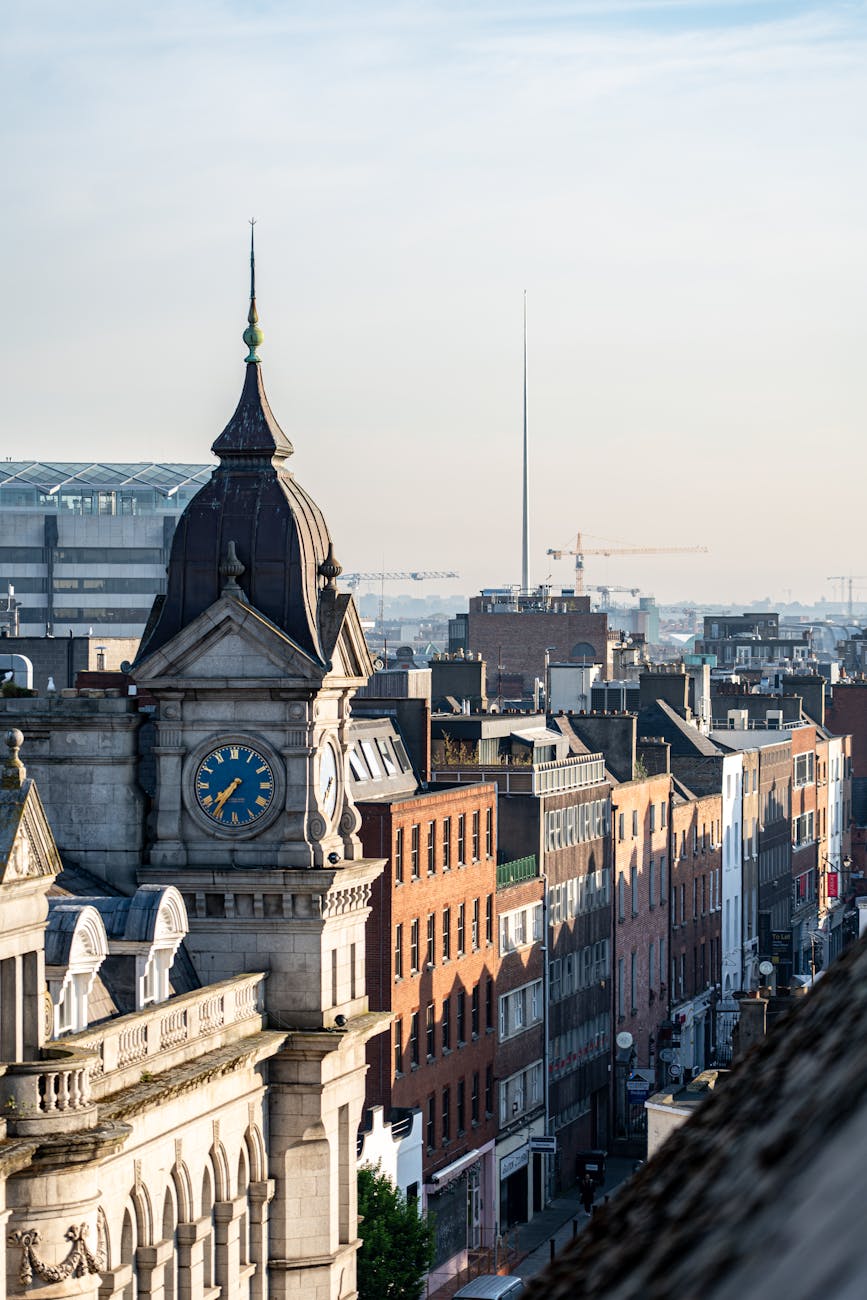
Best Time to Visit Dublin
Practical guide to choosing the best months to visit Dublin for weather, crowds, events, and sustainable travel. Shoulder-season tips, neighborhood advice, and booking notes to pair with our 3 days in Dublin itinerary.
When to visit Dublin depends on whether you prioritise long daylight and festivals, fewer crowds, lower costs, or mild weather. This page helps you match months to priorities, pick neighborhoods, and make low-impact choices while planning your 3-day Dublin trip.
Quick Answer
When to visit Dublin depends on whether you prioritise long daylight and festivals, fewer crowds, lower costs, or mild weather. This page helps you match months to priorities, pick neighborhoods, and make low-impact choices while planning your 3-day Dublin trip.
Who This Page Is For
This page is for travelers planning a stay in Dublin who want clearer decisions about best time to visit, local logistics, timing, budgeting, and practical trip planning.
How This Page Was Prepared
This page was prepared through a structured editorial workflow that combines destination research, geographic context, and practical travel-planning review.
Plan the Rest of Your Trip
Use this page together with the full itinerary and the related planning pages below to make better booking, timing, transport, and budget decisions.
If you want the best balance of weather, daylight and fewer crowds, aim for April–May or September–October (shoulder seasons). For long daylight and festivals pick late May–July, but expect higher prices and queues. Winter is cheapest and quietest but wetter and darker. Match your priorities to these windows to plan efficiently.
This page helps you decide when to visit Dublin so your 3 days in Dublin feel smooth, local, and low-impact. It focuses on practical trade-offs — weather, daylight, crowds, costs, and events — and includes neighborhood and transport notes so you can pick the right time and place to stay.
What This Page Helps You Decide
Use this page to choose:
- Which month fits your tolerance for rain, crowds, and prices.
- Whether to time your visit for a festival (St. Patrick’s Day, Dublin Theatre Festival, Pride) or avoid crowds.
- Where to base yourself in the city for a 3-day itinerary (central walkable neighborhoods vs quieter local areas).
- When to book key attractions and intercity day trips to Galway, Cork, Limerick (Luimneach), Belfast and Liverpool.
Links in the text point naturally to the main 3 days in Dublin guide and suggested day trips.
Top Recommendations
Month-by-month practical guidance:
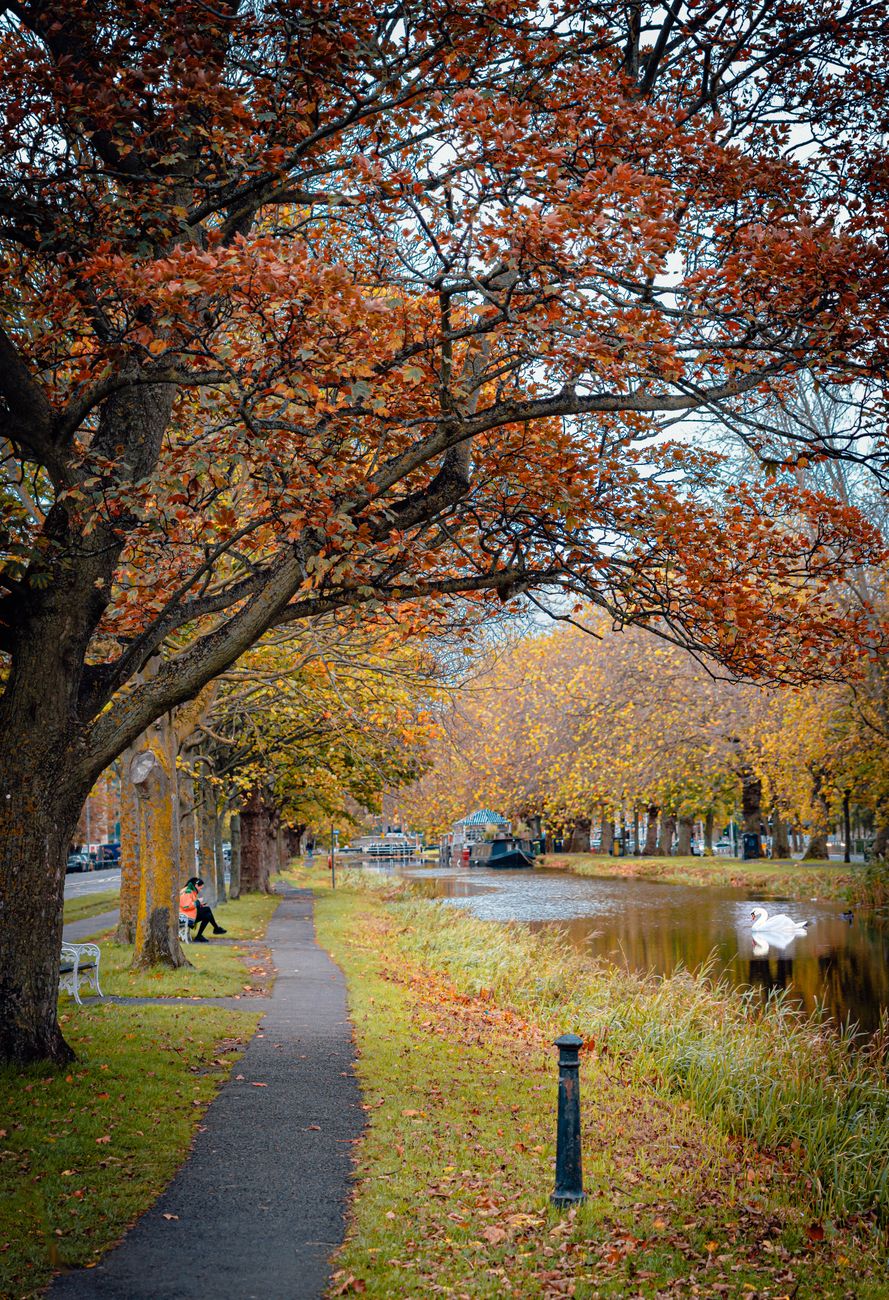
- April–May (best overall): Longer days, spring blooms, fewer tourists than summer, many attractions open. Good for walking tours and day trips by train.
- September–October (second best): Warmish days, thinning crowds, cultural season ramps up—good for concerts and museums. Accommodation prices often fall after August.
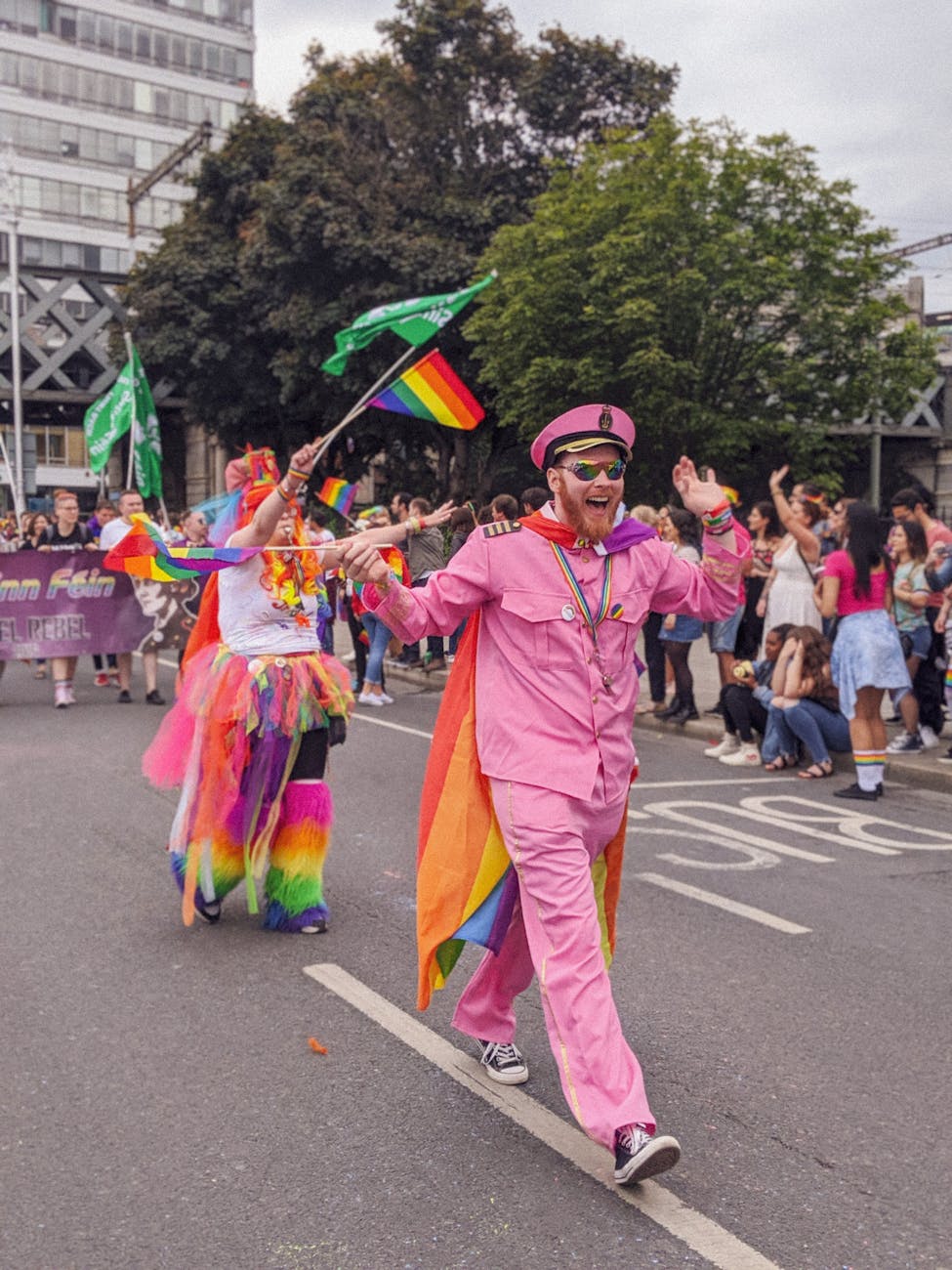
- June–July (peak summer): Longest daylight and most events (Dublin Pride, festivals). Expect crowds, higher prices, and advance booking needs.
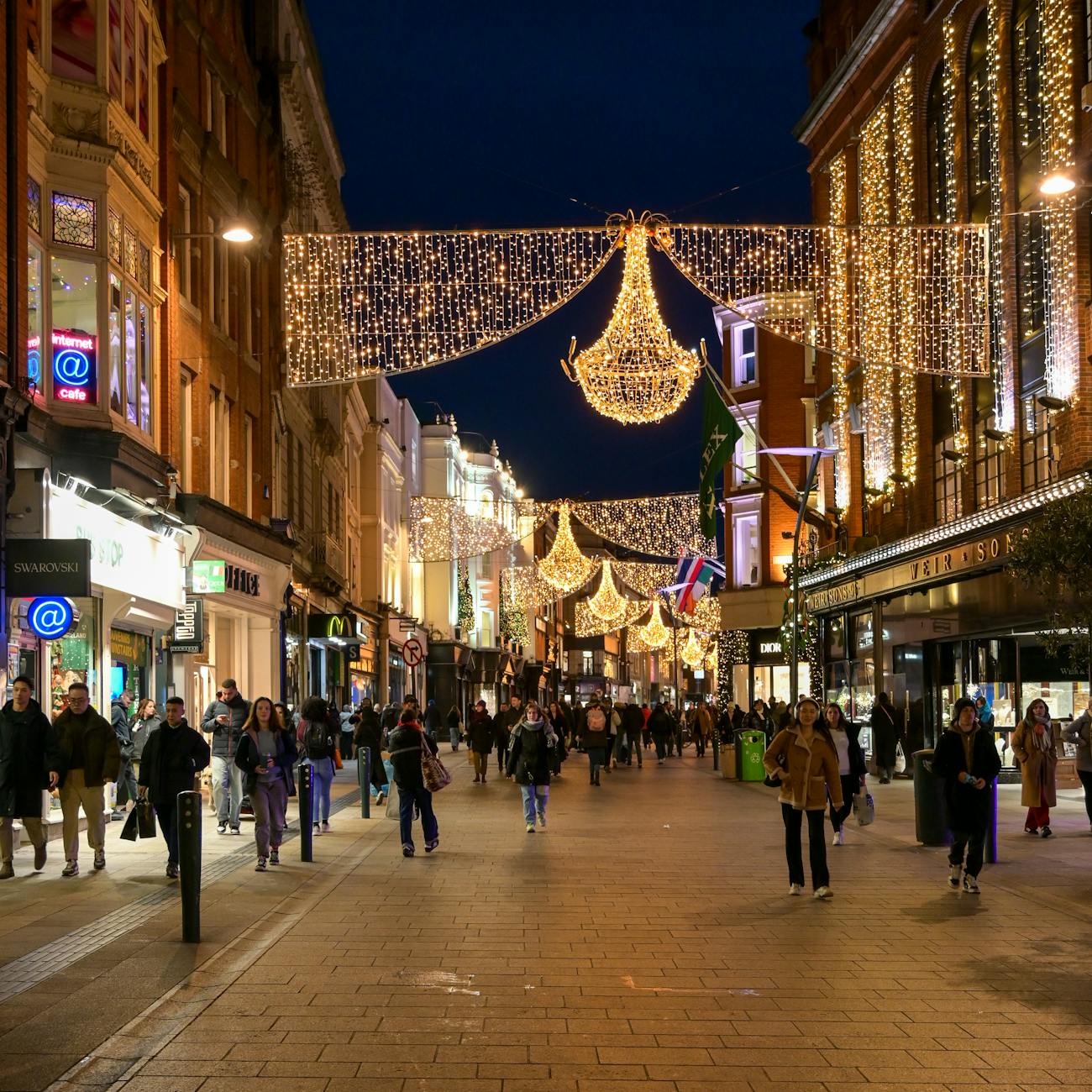
- March (St. Patrick’s season): Unique atmosphere but extremely busy and expensive around March 17—book months ahead if attending.
- November–February (winter): Lowest prices and few tourists. Short days, frequent rain; ideal if you prefer museums, indie cafés, and a slow pace.
Who should visit when:
– Budget travelers: Nov–Feb (watch daylight).
– Culture and festivals: June and early March.
– Comfortable weather with fewer crowds: Apr–May, Sep–Oct.
For a ready plan, pair your chosen dates with our 3 days in Dublin itinerary and book key sites (Book of Kells, Kilmainham Gaol, Guinness Storehouse) in advance.
Local Context
Weather and daylight: Dublin has a temperate maritime climate — mild but changeable. Rain is frequent year-round; bring a waterproof layer and quick-dry clothing. Summers are cool-to-warm; winters are mild but grey. Expect long daylight from late May through July and short days in December.
Neighborhoods and transport realities:
– Dublin 1–2 (City Centre, Trinity, Grafton Street): Very walkable but tourist-concentrated.
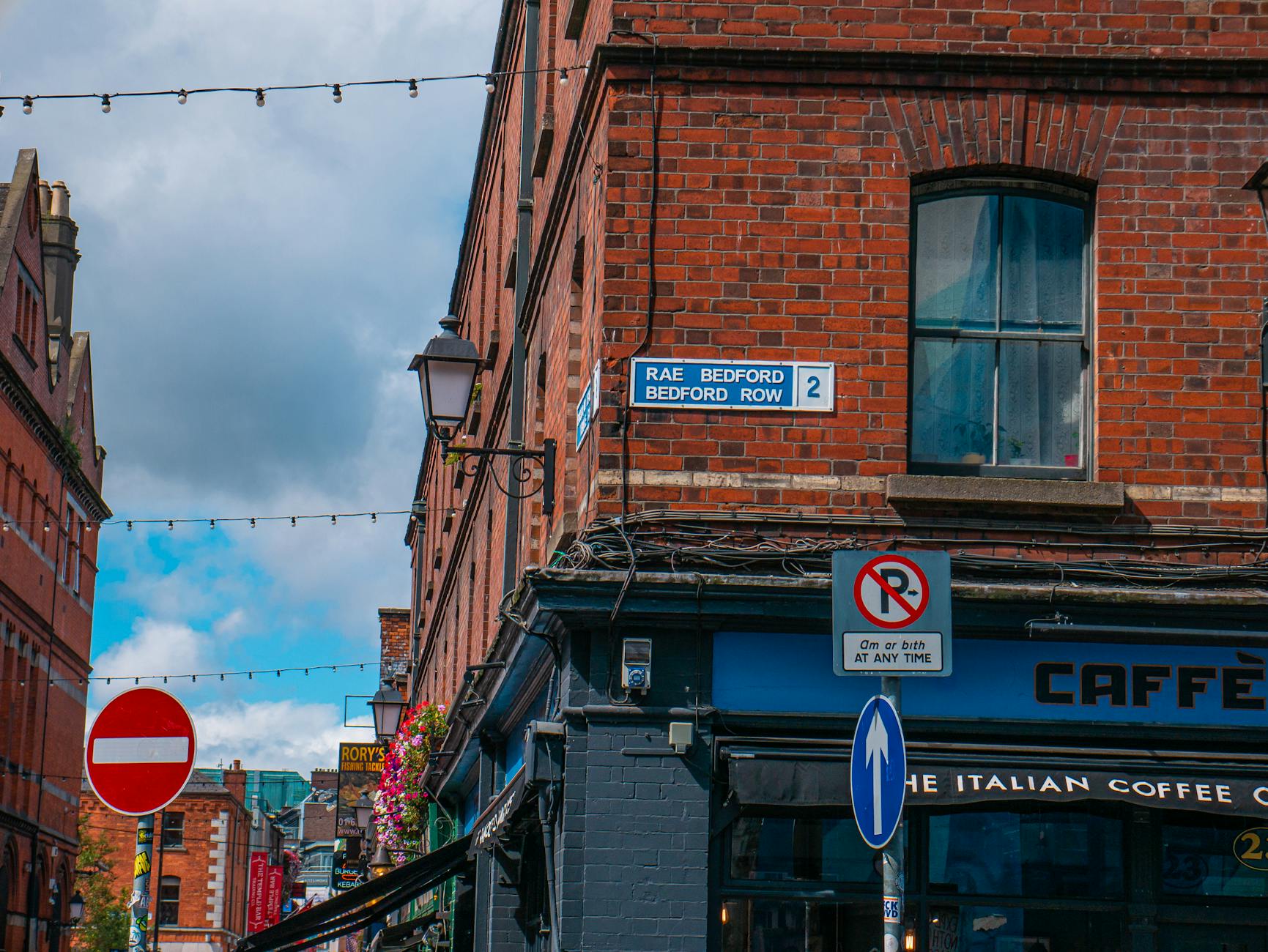
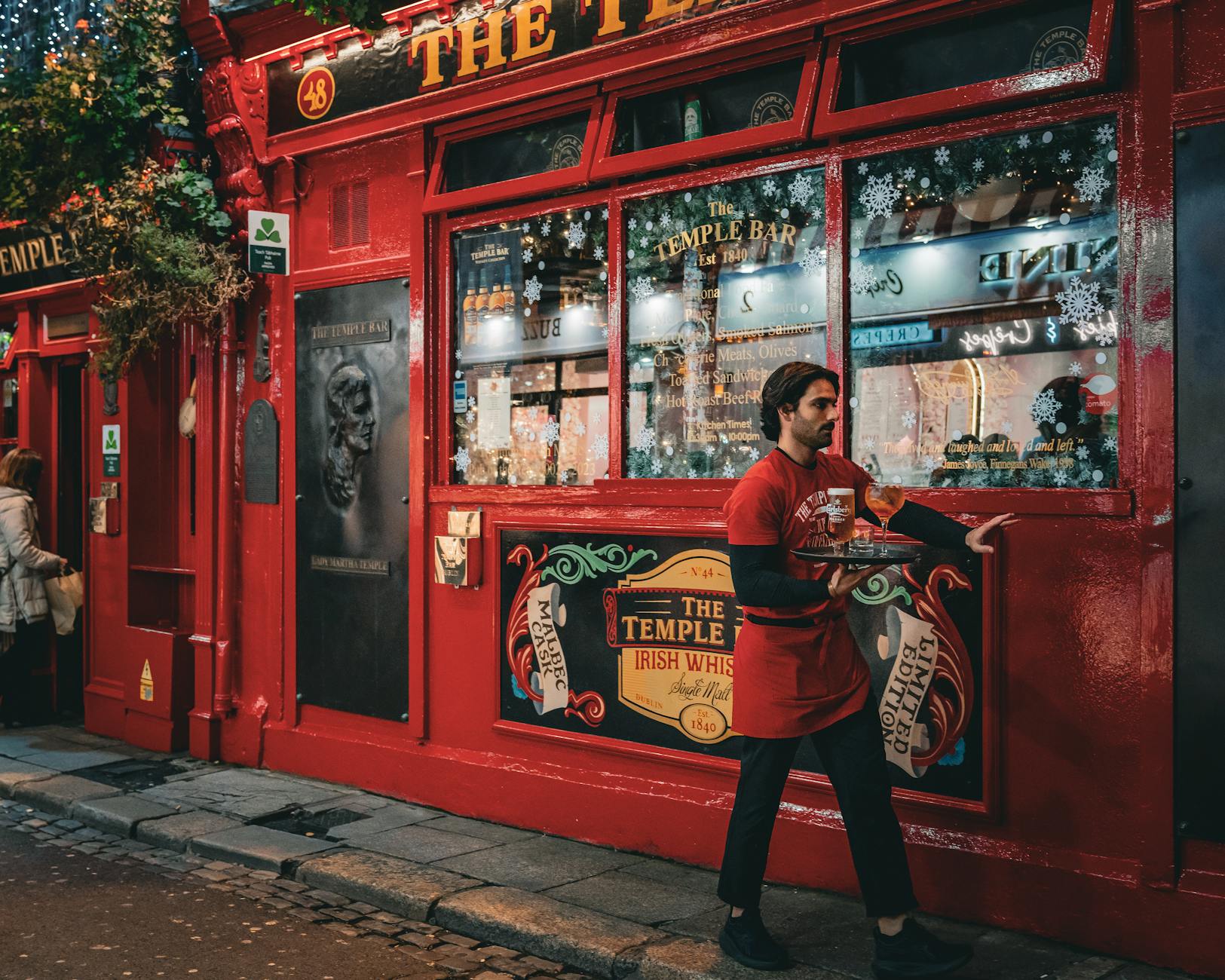
– Temple Bar: Busy at night and aimed at visitors; for a more local feel choose nearby Dublin 2 or Portobello.
– Dublin 8 (Kilmainham, Guinness area), Stoneybatter, Smithfield: Good for relaxed evenings, markets, and local pubs.
– Docklands and Grand Canal Dock: Modern hotels and easy DART/Luas access to ports and airports.
Public transport: The city is compact — walking often beats a short bus. LUAS tram lines and DART trains are reliable for suburbs and coastal day trips. Buses fill at peak times; allow extra time for airport transfers. Book intercity trains and buses early for the best fares.
How to Choose Well
Match dates to priorities using these quick rules:
- If you value lower impact and local spending: choose shoulder seasons (Apr–May, Sep–Oct) and stay in a neighborhood like Portobello, Stoneybatter, or Phibsborough. Use local pubs, markets, and small tour operators.
- If you need reliable weather and long days: pick late May–July but book major sites 4–8 weeks ahead.
- If you’re on a tight budget: travel in winter; expect limited daylight but cheaper lodging and fewer queues.
Accommodation choices for a 3-day itinerary:
– Central walking base (Dublin 1/2) keeps transit time down — useful if your plan mirrors the 3 days in Dublin guide.
– Choose a guesthouse or small B&B in Dublin 8 or Portobello to support local hosts and enjoy quieter evenings.
Booking tips:
– Reserve timed-entry sites (Book of Kells, Kilmainham Gaol) and popular tours early.
– Buy multi-day Leap Visitor Cards if you plan heavy public transport use.
– For day trips to Gaillimh (Galway), Luimneach (Limerick), Cork or Belfast, check train and coach schedules and book seats in advance during peak season.
Responsible and Local-First Tips
Practical sustainable choices that help the local economy:
- Travel light and use public transport: walk, cycle (City Bikes or local hires), LUAS and DART for day trips to coastal towns.
- Eat local: choose neighborhood cafés, family-run pubs and markets (Temple Bar Food Market on Saturdays, Dublin Flea and local farmers’ markets) instead of chain restaurants in tourist squares.
- Book smaller walking tours run by local guides, and tip fairly — hospitality is often a key part of incomes.
- Avoid single-use plastics: bring a reusable water bottle; many cafés will refill it.
- Spread your visits across neighborhoods to avoid over-concentrating tourist spending only in Temple Bar.
When taking day trips, prefer trains or scheduled coaches over private coach charters to reduce per-person emissions and support public rail services.
Common Mistakes to Avoid
Avoid these predictable problems:
- Staying only in Temple Bar to “be near everything”: it's noisy and tourist-priced. Choose nearby Dublin 2 or Portobello for better value and local atmosphere.
- Underestimating rain and wind: even in summer, have a waterproof layer and sensible shoes.
- Leaving key attraction bookings to the last minute during peak months: Book of Kells, Guinness Storehouse, and Kilmainham Gaol sell out.
- Forgetting public-transport evening schedules: some local lines slow down late; check times for returning from concerts or pubs.
- Assuming day trips are quick: Galway, Cork, Limerick and Belfast are easily reachable but plan travel time so your 3 days in Dublin stay comfortable.
FAQ
What is the single best month to visit Dublin?
For most travelers the best single month is May — good weather, longish days, and fewer summer crowds. April and September are nearly as good.
Do I need to book attractions in advance?
Yes for popular sites in high season: Book of Kells, Kilmainham Gaol, and the Guinness Storehouse should be booked 2–8 weeks ahead in summer and during festivals.
Is Dublin rainy year-round?
Rain is frequent but usually light showers rather than all-day downpours. Pack a waterproof jacket and quick-dry layers year-round.
Should I avoid St. Patrick’s Day?
Only if you dislike crowds and high prices. The parade is iconic but central Dublin becomes extremely busy; book months ahead if you want to attend.
Are day trips to Galway, Cork, Limerick, Belfast or Liverpool practical from Dublin?
Yes — trains and coaches run daily. Galway (Gaillimh) and Cork are best for overnight stays but doable as long days. Belfast is a straightforward train; Liverpool usually requires a flight or a ferry+train connection.
Where should I stay to follow the 3 days in Dublin itinerary?
Stay in central Dublin 1 or 2 for short walking distances to major sights, or choose Dublin 8/Portobello for a quieter, more local feel while still being a short bus or tram ride from the city centre.
Conclusion
Choose shoulder seasons (April–May, September–October) for the best mix of weather, daylight and low-impact travel. If you prefer festivals or long days, late May–July works but book early. Pair your timing with neighborhood choices and advance bookings to make the most of our 3 days in Dublin itinerary, and consider sustainable day trips to Gaillimh, Luimneach, Cork, Belfast or Liverpool to spread your spending and reduce peak-season pressure.
How this guide was prepared
This guide was prepared through a structured research that combines destination research, geographic context, itinerary planning logic, and content review.