

Where to Stay in Dublin — Neighborhoods, Transport, and Practical Tips
Decide where to stay in Dublin by traveler type, seasons, and transport. Practical neighborhood picks, sustainable tips, and booking advice to support your 3-day Dublin itinerary.
Practical neighborhood advice for a 3-day Dublin trip: where to stay by budget and vibe, how to reach day-trip hubs, and low-impact tips to support local businesses.
Quick Answer
Practical neighborhood advice for a 3-day Dublin trip: where to stay by budget and vibe, how to reach day-trip hubs, and low-impact tips to support local businesses.
Who This Page Is For
This page is for travelers planning a stay in Dublin who want clearer decisions about where to stay, local logistics, timing, budgeting, and practical trip planning.
How This Page Was Prepared
This page was prepared through a structured editorial workflow that combines destination research, geographic context, and practical travel-planning review.
Plan the Rest of Your Trip
Use this page together with the full itinerary and the related planning pages below to make better booking, timing, transport, and budget decisions.
Best overall for first-timers: Dublin 2 (around Trinity College, Grafton Street, St. Stephen’s Green) — central, walkable, close to museums and pubs.
Best for nightlife and eating out: Camden/Temple Bar — lively evenings but noisy and touristy; good for short stays if you expect late nights.
Best for a quieter, local feel: Portobello and Rathmines — canals, cafés, and a residential vibe with easy city-centre access via buses or a long walk.
Best for day-trip hubs and train links: Stay near Heuston Station (for Cork/Limerick) or Connolly/Busáras (for Belfast/Gaillimh/Howth) to reduce travel stress.
This page helps you choose where to stay in Dublin to make the most of a 3-day visit while supporting local businesses and keeping your impact low. It’s written to complement our main 3 days in Dublin itinerary, so you can match neighborhoods to each day’s plan, and to recommend where to base yourself for day trips to Luimneach, Gaillimh, Cork, Belfast or Liverpool.
Expect short walks, frequent tram and commuter-rail options, and neighborhoods that suit different priorities: first-time visitors, food lovers, quieter residential stays, and easy access to intercity trains and ferries.
What This Page Helps You Decide
Use this page to make three practical decisions:
- Which neighborhood matches your priorities (walking, nightlife, quiet local life, or day-trip convenience).
- How to balance cost, noise and transport access when booking.
- Sustainable choices that support local hosts, markets, and low-impact transport.
It also points you to the 3 days in Dublin itinerary for matching daily plans to where you stay, and suggests neighborhoods that make side trips to Gaillimh, Luimneach, Cork, Belfast or Liverpool easiest.
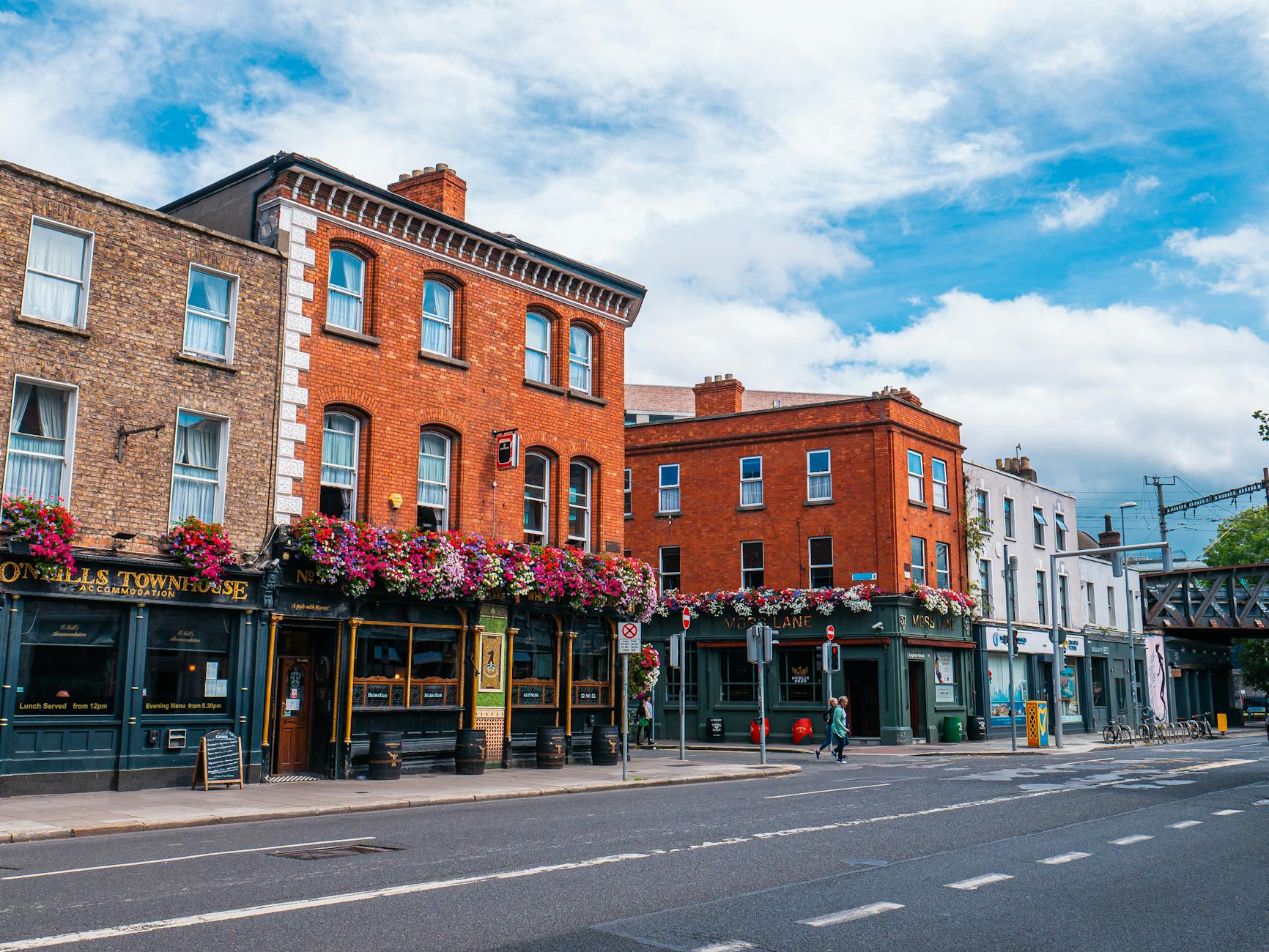
Top Recommendations
By traveler type:
- First-time visitors: Dublin 2 (near Trinity, Grafton, St. Stephen’s Green). Walkable to major sights and recommended in the 3-day itinerary.
- Night owls and music lovers: Temple Bar/Centenary/Camden Street — expect noise; choose a well-reviewed hotel with soundproofing if you stay here.
- Food and café culture: Stoneybatter and Smithfield — growing restaurant scene and local markets; good for supporting small businesses.
- Families and quieter stays: Ballsbridge, Sandymount, and Dublin 4 — parks, calmer streets, and good connections by bus or DART.
- Budget and social travelers: The Liberties and hostels around Christchurch — cheaper options, vibrant local pubs and markets.
- Day-trip hubs: Heuston Station (southwest trains) and Connolly/Busáras (northeast trains and buses) — book hotels within a 10–20 minute walk to cut morning transfer times.
Accommodation types to prioritize:
– Family-run guesthouses and B&Bs for local insight and direct economic support.
– Small hotels with sustainability certifications or clear waste/recycling policies.
– Apartments for multi-night stays; verify central heating and transport access in shoulder-season months.

Local Context
Seasons and crowds:
– Peak season: June–August. Book 2–3 months ahead for hotels and 3–6 months for popular event weekends (St. Patrick’s Day, major concerts, rugby fixtures).
– Shoulder seasons (April–May, September–October): often the best balance of weather, fewer crowds, and lower prices.
– Winter: quieter and cheaper, but daylight is short and some attractions have reduced hours.
Transport realities:
– Dublin is compact but not tiny — central areas are very walkable, but Phoenix Park, Howth and suburbs need public transport.
– Luas tram (Red and Green lines) and DART (coastal rail) are reliable for many attractions. Buy Leap Visitor Card for short stays to save on fares.
– Heuston and Connolly are the two main rail hubs; choose your base depending on planned day trips.
– Airport: Dublin Airport is 20–30 minutes by taxi from the city centre in normal traffic; buses (Airlink 747/748) and direct coach services link the city and suburbs.
Local etiquette:
– Pubs are friendly but not a place to leave large tips; round up or add 10% in restaurants for good service.
– Respect quieter residential streets after 11pm and follow local recycling rules in guesthouses.
– A polite “thank you” (or “slán”) goes a long way in small businesses.

How to Choose Well
Checklist for picking a place:
– Prioritize proximity to the transport hub you’ll use most (Heuston for Cork/Limerick, Connolly for Belfast/Howth).
– Check noise reviews and whether rooms have double-glazed windows if you need quiet.
– Confirm shoulder-season heating and cancellation policies; shoulder months can be chilly and rainy.
– Book at least partial refundable fares or free cancellation when travelling in event-heavy periods.
– When using apartment platforms, verify local host reviews and that the listing follows local registration rules.
Booking tips:
– Compare small guesthouses directly — they often offer the best local advice and better rates than large OTAs.
– If you plan multiple day trips (Gaillimh, Luimneach, Cork), pick a home base close to Connolly or Heuston and reserve intercity trains early for the best prices.

Responsible and Local-First Tips
Support local businesses:
– Prefer family-run B&Bs, independent cafés, and markets such as the Temple Bar Food Market (weekends) and local farmer stalls.
– Eat at neighborhood restaurants rather than chain outlets to keep money in the local economy.
Low-impact transport and stays:
– Walk where possible, use DublinBikes for short trips, and choose the Luas or DART instead of taxis when practical.
– Look for hotels with sustainability practices: linen policies, recycling, energy-efficiency and local staffing.
Low-impact day trips:
– Use trains to reach Gaillimh or Luimneach and ferries/coaches for Liverpool to reduce carbon per passenger.
– Opt for guided walks with certified local guides rather than large coach tours.
Respectful behaviour:
– Keep noise down in residential areas late at night and follow any posted park or trail rules.
– Ask before photographing people in markets or traditional pubs.

Common Mistakes to Avoid
- Choosing Temple Bar for authenticity: it’s central and fun but touristy and loud; prefer nearby Dublin 2 for a similar location with more options.
- Underestimating transfer times: allow extra time for airport journeys and intercity trains during rush hour.
- Booking apartments without checking host credentials: verify local registration and recent reviews.
- Ignoring shoulder-season heating: some smaller properties switch off central heating outside peak months — check before you arrive.
- Assuming all attractions are open year-round: check opening times in winter and around public holidays.
FAQ
What’s the best area for a first-time 3-day visit?
Stay in Dublin 2 near Trinity College, Grafton Street or St. Stephen’s Green. It’s walkable to museums, shopping and many of the stops on the 3 days in Dublin itinerary.
Is Temple Bar a good place to stay?
Temple Bar is great for nightlife and late meals but very noisy and more expensive. If you prefer quieter evenings, base yourself in Dublin 2 or Stoneybatter and visit Temple Bar after dinner.
How do I get to Belfast, Gaillimh or Cork for day trips?
Trains depart from Connolly Station to Belfast and Gaillimh, and from Heuston Station to Cork and Limerick. Choose accommodations within a 10–20 minute walk of the appropriate station to simplify early departures.
When should I book accommodation?
Book at least 2–3 months ahead for summer; for event weekends (St. Patrick’s Day, major concerts, rugby) book as early as possible. Shoulder season bookings can be made closer to travel but check cancellation policies.
How walkable is Dublin and should I use public transport?
Central Dublin is highly walkable. Use Luas and DART for longer trips like Howth or coastal routes; buy a Leap Visitor Card for short stays to save on fares.
Any sustainability-minded booking advice?
Favor small, locally run B&Bs and hotels with clear sustainability practices. Use public transport and walk between neighborhoods. Buy food at markets and cafes that list local suppliers.
Conclusion
Match your priorities — central walking access, calm residential streets, nightlife, or rail hubs — to one of the neighborhoods above. Use this page alongside the 3 days in Dublin itinerary to place each daily plan near your accommodation and to pick the right train hub for day trips to Luimneach, Gaillimh, Cork, Belfast or Liverpool.
Practical next steps:
– Pick two neighborhoods that fit your travel pace and check hotels or B&B reviews for noise and transport links.
– Reserve trains early for intercity trips and buy a Leap visitor card for local travel.
– Choose options that put money into local businesses and favour low-impact transport to keep Dublin welcoming for residents and future visitors.
How this guide was prepared
This guide was prepared through a structured research that combines destination research, geographic context, itinerary planning logic, and content review.