

3-Day Practical Guide to Dublin: Itinerary and Tips
A practical 3-day Dublin itinerary with transit tips, realistic budgets, neighbourhood plans and must-see attractions to help plan a realistic weekend.
A no-nonsense 72-hour plan that balances major sites, coastal time and local transit know-how so visitors leave with a clear sense of the city's layout and costs.
Expect a compact centre with Georgian streets, a working docklands area and easy seaside access. The mood switches quickly: mornings suit museum visits and park walks, afternoons are for markets or a coastal DART trip, and late evenings concentrate around a few busy pub districts. Sound levels rise at night near Temple Bar and along the quays; quiet streets are more likely in Merrion Square, Portobello and parts of Ballsbridge.
Many visitors assume this is mainly a drinking city and miss the national museums, Kilmainham Gaol and the coastal villages that are a short train ride away. The layout makes it straightforward to mix paid attractions and free museums without long transfers. This city rewards planning: timed tickets for Book of Kells, early Kilmainham slots and a topped-up Leap Card cut waiting and expense.
Is 3 days in Dublin enough?
Yes: three days is enough to cover central highlights—Trinity College and the Book of Kells, Kilmainham Gaol, Guinness Storehouse or EPIC, and a half-day trip to Howth. Caveat: there won't be time for longer county trips (Wicklow or Cork) or a deep exploration of every neighbourhood.
Who This Guide Is For
Best for travellers who prefer a mix of history, short walks and one coastal excursion; less suitable for those wanting a slow food-focused holiday or to use the stay as a base for multi-county day trips.
Local Tips for Dublin
Practical details that most travel sites skip — specific to Dublin.
- Buy and top up a Leap Card at Connolly Station, Heuston Station or at many LUAS stop machines to cut fares by roughly 20% compared with cash on buses.
- Airlink 747/748 runs from Dublin Airport to Busáras/Heuston and O'Connell Street — expect €8–€12 one-way and allow 30–45 minutes in normal traffic.
- Howth on the DART line (northbound) is about 25–30 minutes from Connolly and costs roughly €3.50–€5 each way; the cliff walk starts a short walk from Howth Harbour.
- Book of Kells has timed-entry tickets (around €16–€18); buy online to avoid long queues at Trinity College entry.
- Many sit-down restaurants add a discretionary service charge; tipping of 10% in pubs for table service is appreciated but not mandatory.
How This Guide Was Prepared
This guide treats Dublin as a compact, mixed city: a walkable Georgian centre plus docks and quick coastal escapes. Many guides over-focus on pubs and a single 'Guinness experience' and skip how easy it is to pair museums, parks and a seaside village in three days. This guide was prepared through a structured research that combines destination research, geographic context, itinerary planning logic, and content review.
Plan Your Stay in Dublin
Use these planning pages to compare areas to stay, expected costs, seasonal timing, and local transport before booking.
Why Visit
There are concentrated cultural institutions within walking distance: Trinity College and the Book of Kells, the National Museum on Kildare Street and the National Gallery near Merrion Square. This makes three days feel full without long commutes.
A short commuter rail ride (DART) gives immediate coastal contrast; Howth and Howth Head offer seafood, harbour views and easy cliff walks that feel like a day outside the city. Industrial docks, the Samuel Beckett Bridge and modern office developments show a different face on the north quays compared with the Georgian south side.
History and political memory are accessible: Kilmainham Gaol and the nearby Irish Museum of Modern Art sit in an area that reveals twentieth-century conflict and public art in a single walk. Food options run from market stalls at Dublin Docklands and the Temple Bar Food Market to longstanding restaurants on Lower Merrion Street and Dame Street.

Quick Planning Tips
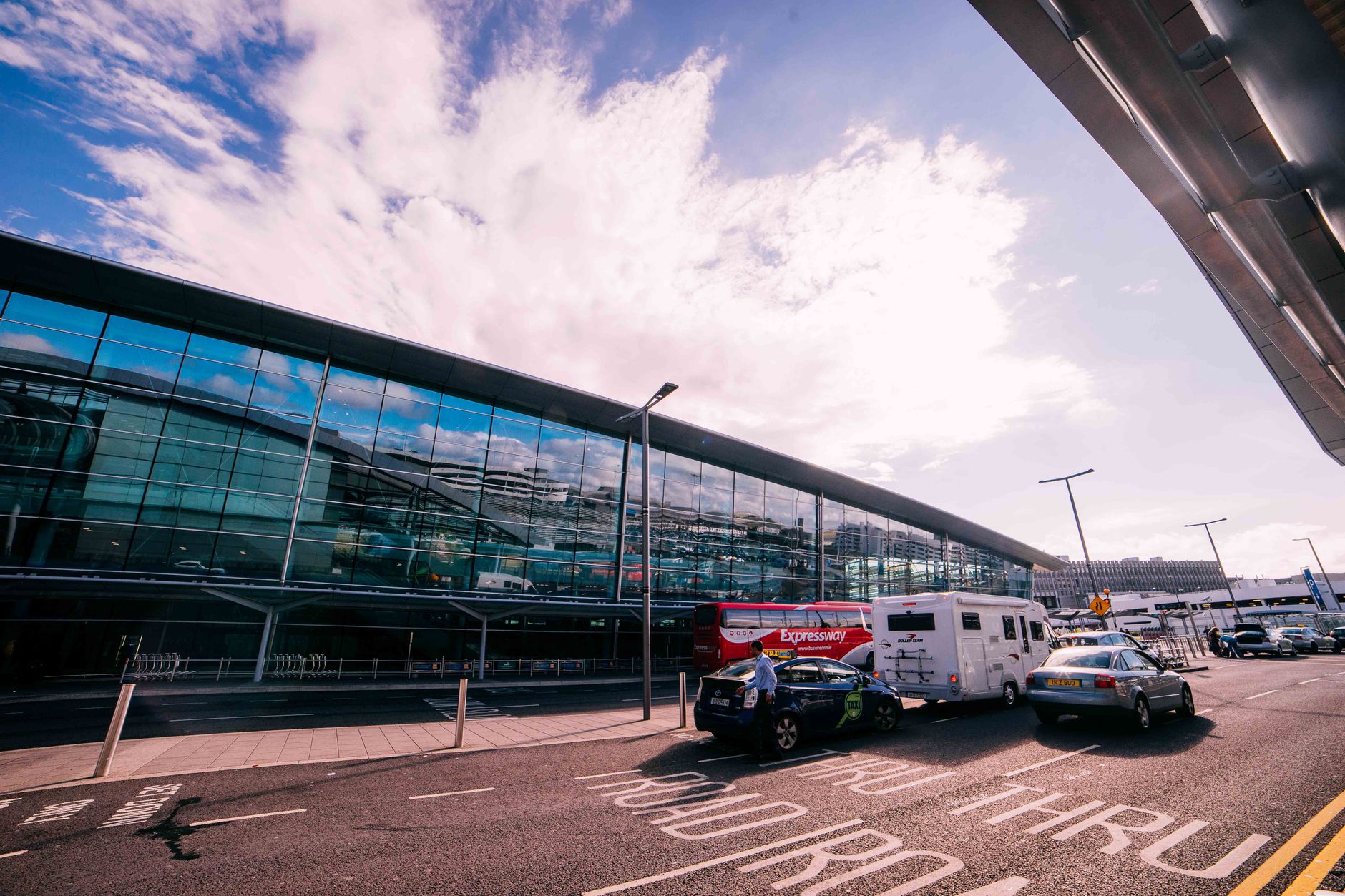
From Dublin Airport the fastest public option is Airlink 747/748 to O'Connell Street or Busáras; budget taxis typically charge €25–€35 to the centre depending on traffic. If arriving by train, use Connolly or Heuston stations; these link directly to DART and intercity services respectively.
Carry euros and get a Leap Card for best fares across Luas, DART and Dublin Bus; machines are at main stations and many LUAS stops. Avoid buying single-ride bus tickets with cash — drivers require exact change and cash fares are higher than Leap fares.
Book the Book of Kells and Kilmainham Gaol in advance with timed slots, and check opening hours for museums (many close earlier on Sundays). Allow extra travel time for evenings: taxi availability drops and buses can be slow after 11pm.
Day 1
Morning: Start at Trinity College for the Book of Kells (timed ticket ~€16–€18) and the Long Room. Trinity is a short 5–8 minute walk from Grafton Street, so wander shops and street performers afterward.
Late morning: Walk 10 minutes to St Stephen's Green for a park stroll and quick coffee at a nearby cafe such as Queen of Tarts on Cow's Lane (slices from about €4–€6). From the park, it's a 12–15 minute walk to Grafton Street's southern end.
Afternoon: Head west to Dublin Castle and the Chester Beatty Library (15–20 minutes on foot or 8 minutes by Luas Red from Trinity via Abbey Street). Entry to Chester Beatty is free; allow 1–1.5 hours.
Late afternoon: Take the Luas Red or walk 20–25 minutes toward the Guinness Storehouse for the classic tour (~€26–€30) or choose the nearby Teeling/Jameson tours at Bow St. Dinner: The Winding Stair on Lower Ormond Quay for Irish produce with mains around €18–€28.
Evening: If energy remains, cross the Ha'penny Bridge and pick a quiet pub away from Temple Bar (look in Dawson Street or Camden Street) to avoid the busiest tourist nights.

Day 2
Morning: Start with Kilmainham Gaol; take the 13 or 68 bus from the city centre or walk 20–30 minutes from Heuston Station. Guided tour tickets are roughly €9–€12 and the tour runs about 75 minutes; arrive for an early slot to avoid crowds.
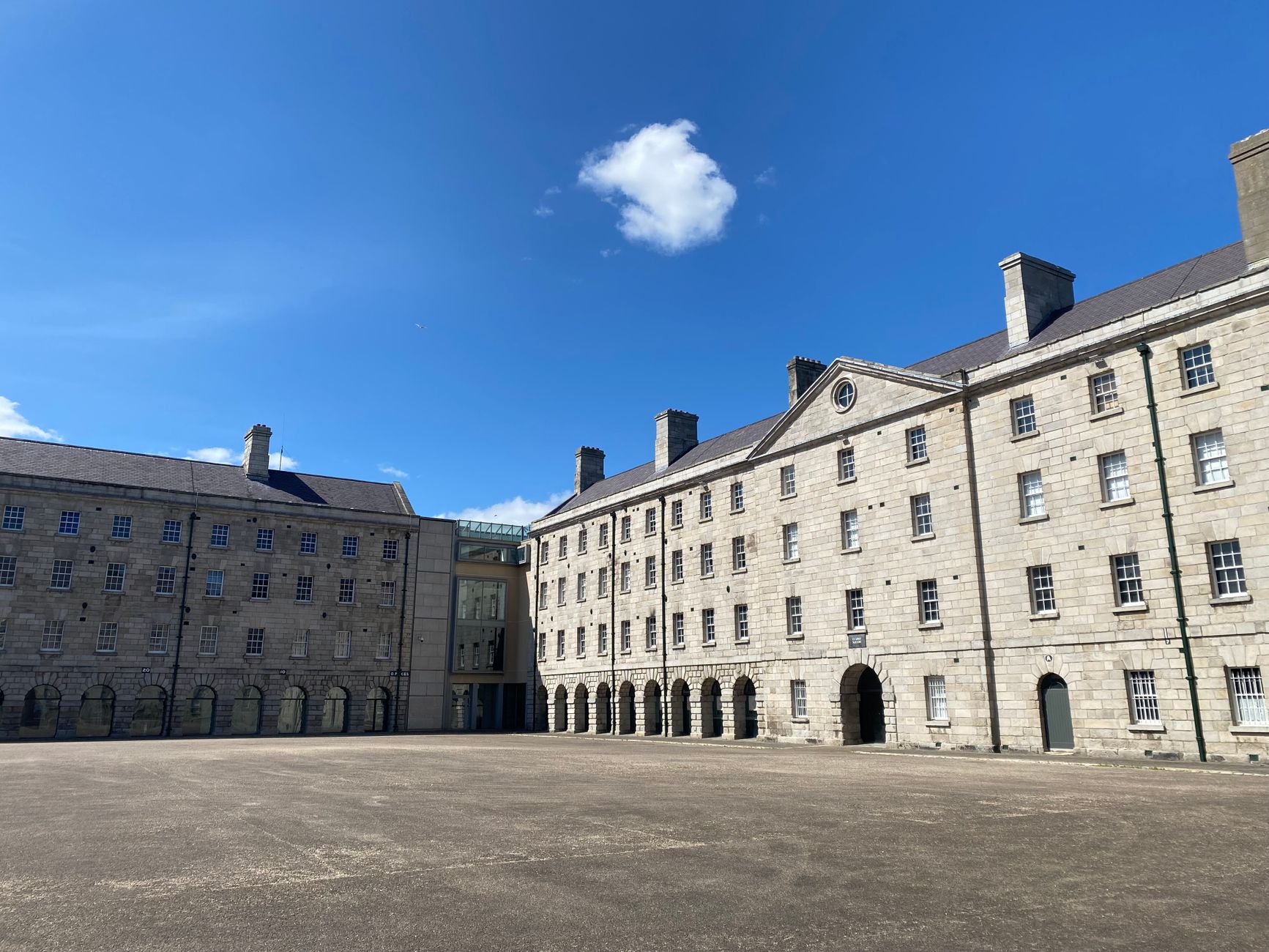
Late morning: Walk 10 minutes to the Irish Museum of Modern Art (IMMA) in Kilmainham for contemporary exhibitions and a quieter courtyard. Entry fees vary; many shows are free or low-cost.
Afternoon: Catch the Luas Green line from Smithfield or Abbey Street to the Docklands, then walk to EPIC The Irish Emigration Museum in CHQ building (entry ~€15–€17). Allow 1.5–2 hours for the exhibition.
Late afternoon: Explore the Docklands on foot—Samuel Beckett Bridge, Bord Gáis Energy Theatre and cafés around Grand Canal Dock. Travel to dinner by DART or bus into the Ballsbridge/Grand Canal area for a different local feel.
Evening: Eat at a restaurant in the Ballsbridge or Portobello neighbourhoods where service is calmer than central tourist streets. Finish with a short walk along Grand Canal if the weather is dry.
Day 3
Morning: Reserve the morning for Howth. Take the DART from Connolly (northbound) — journey time ~25–30 minutes and fares roughly €3.50–€5 each way. Walk the cliff loop or the shorter harbour to Bullock Harbour walk depending on time.
Late morning: Eat seafood near Howth Harbour; places like Beshoff Bros or Aqua for a quick fish-and-chips or a market stall lunch. Allow 1.5–2 hours for walking and food.
Afternoon: Return to the city and visit the National Museum or the National Gallery on Kildare Street (both free). If checking out of a hotel, store luggage at the hotel or use Connolly/Heuston left-luggage options and plan an afternoon museum visit before airport transfer.
Late afternoon/early evening: If flying late, leave for Dublin Airport by Airlink 747/748 from O'Connell Street or take a taxi (€25–€35). If staying later, explore Merrion Square and the Georgian doors, then a final pub meal in a calmer district.
Practical note: For afternoon flights, aim to leave the city centre 2–2.5 hours before departure on weekdays and 2.5–3 hours at weekends to allow for traffic and security lines.

Best Local Experiences
Howth harbour and the cliff walks on Howth Head deliver a short coastal day trip directly on the DART line. The seafood stalls by the harbour are practical for a quick lunch.
A guided tour of Kilmainham Gaol gives direct historical context not available in short museum labels. Booked time slots create a focused 75-minute visit.
EPIC The Irish Emigration Museum in CHQ tells emigration stories interactively; it's a modern counterpoint to older institutions. The Guinness Storehouse and Jameson Distillery Bow St. are different commercial experiences—choose one to avoid repetition.
St Stephen's Green and Merrion Square are classic park walks with Georgian doorways on nearby streets for architecture fans. The monthly or weekend markets at Temple Bar (food market) and the Bernard Shaw/Grand Canal Dock pop-ups feature local producers and casual dining.
Stroll along the north quays to see the Samuel Beckett Bridge and the Docklands office architecture; walk to Smithfield Market and stop at local bakeries or cafés for a less tourist-centred coffee break.

Where to Stay
City Centre/South Georgian Quarter (Grafton Street, Trinity, Merrion Square) — suits first-time visitors wanting walkable access to museums, shopping and restaurants. Expect €120–€220 per night (≈€130–€240 EUR/USD equivalent depending on season).
Temple Bar/Quays — suits night owls who want proximity to pubs and evening performances; expect noise at night and higher tourist prices. Typical rates €140–€260 per night (≈€150–€285 EUR/USD equivalent).
Ballsbridge/Grand Canal/Docklands — suits business travellers and anyone preferring calmer streets and good links to the Aviva Stadium and Ballsbridge embassies. Taxi or Luas to centre is short; nightly rates generally €110–€200 (≈€120–€220 EUR/USD equivalent).
Portobello and Smithfield — suits visitors who prefer a neighbourhood feel with cafés and slightly lower prices; near Luas and a short bus to the centre. Expect €90–€160 per night (≈€95–€175 EUR/USD equivalent).
Food and Drink
Full Irish breakfast: plate with eggs, sausages, rashers, black pudding and soda bread. Find a reliable version at Keogh's Café or Bewley's on Grafton Street for €10–€15.
Street food: fish and chips or battered haddock from Beshoff Bros in Howth or at market stalls near Temple Bar; expect €7–€12 for a takeaway portion. For quick burgers, Bunsen on Wexford Street is a common low-fuss option (€7–€10).
Dinner recommendation: The Winding Stair or The Woollen Mills for Irish produce with mains about €18–€28; both are near the River Liffey and accessible on foot from central streets.
Pubs and drinks: a pint in a central tourist pub will cost roughly €5.50–€7; smaller neighbourhood pubs can be slightly cheaper. Irish coffee or an Irish whiskey tasting at Jameson Bow St. costs about €12–€25 depending on the tour.
Dessert and tea: Queen of Tarts or Keoghs on South William Street for pastries and afternoon tea options, €4–€8 per item.
Getting Around
Luas tram has two main lines: Red (Tallaght/Saggart to the city centre and Heuston area) and Green (Bride's Glen to Broombridge via St Stephen's Green). DART runs along the coast from Howth and Malahide in the north to Greystones in the south.
Dublin Bus covers routes across the city; pay-by-cash is accepted but use Leap Card for cheaper fares and transfers. Single Luas or Bus journeys usually range €2.10–€3.50 depending on distance; DART short trips are roughly €2.20–€4.00. Leap Card typically saves about 20% and has daily caps.
Apps and cards: use the TFI Journey Planner app for timetables and the Leap Card for payment. Taxis from Dublin Airport to the centre commonly cost €25–€35; pre-booked airport transfers add convenience for late arrivals.
Best Time to Visit
Late spring (May–June) and early autumn (September) offer milder weather and fewer peak-weekend crowds than July–August. Day temperatures range 12–20°C in these months and attractions are less packed.
High summer (July–August) brings warmer days (15–22°C) but larger crowds and higher hotel rates; book attractions well ahead. Winter (November–February) is colder (3–8°C), with shorter daylight and fewer tourists but lower prices and easier bookings.
March–April can be changeable with a mix of sun and rain; this period may offer value rates and off-peak museum hours. For outdoor walks like Howth, choose a clear day in late spring for the best combination of light and cooler temperatures.
Budget and Practical Tips
Daily budget example (mid-range): accommodation €110–€180; food €30–€60; transport €4–€8; entry fees €10–€30. Converted roughly: accommodation €110–€180 (≈$120–$195), food €30–€60 (≈$33–$65), transport €4–€8 (≈$4.50–$9), attractions €10–€30 (≈$11–$33).
Cheaper option: hostel or budget hotel €30–€80 per night; self-catering or market meals lower daily food spend to €15–€25. Higher end: boutique hotels in Ballsbridge or close to Trinity run €200+ per night in high season.
Tipping: a service charge may appear on bills at some restaurants; if not, a 10% tip for good service is standard but not mandatory. For taxi rides round up or add 10%. Bring a mixture of card and cash; contactless and chip-and-PIN cards are widely accepted.
FAQ
Is Dublin safe for solo travellers?
Central areas and main tourist routes are generally safe in daylight; take standard precautions at night, avoid poorly lit back streets and keep valuables secure.
Is the Leap Card worth buying for a 3-day stay?
Yes — Leap Card reduces fares across Luas, DART and Dublin Bus and avoids exact-change problems; top up at stations or online.
Can public transport get to the airport late at night?
Airlink 747/748 runs into the evening but check the timetable; late-night taxis are available and cost about €25–€35 to the centre.
Are museums worth paying for or mostly free?
Several national museums and the National Gallery are free; paid tickets are for attractions like the Book of Kells, Guinness Storehouse, EPIC and Kilmainham Gaol.
Do pubs accept cards or only cash?
Most pubs accept cards, especially in central and tourist areas, but smaller corner pubs may prefer cash for small tabs.
How long is a typical visit to the Guinness Storehouse or Jameson Distillery?
Plan 1.5–2 hours for either experience; tours vary and the tasting elements can extend the visit.
Conclusion
Three days provides a clear taste of the city's museums, a historic prison visit, a branded spirits or brewing tour and a coastal excursion without long travel. Visitors will most likely remember the contrast between Georgian streets, museum interiors and a sea-facing village on the DART line.
If time runs short, prioritise a timed Book of Kells slot and a morning or late-afternoon walk in Howth — those two cover the city's academic and coastal sides in one concise package.
How this guide was prepared
This guide was prepared through a structured research that combines destination research, geographic context, itinerary planning logic, and content review.