
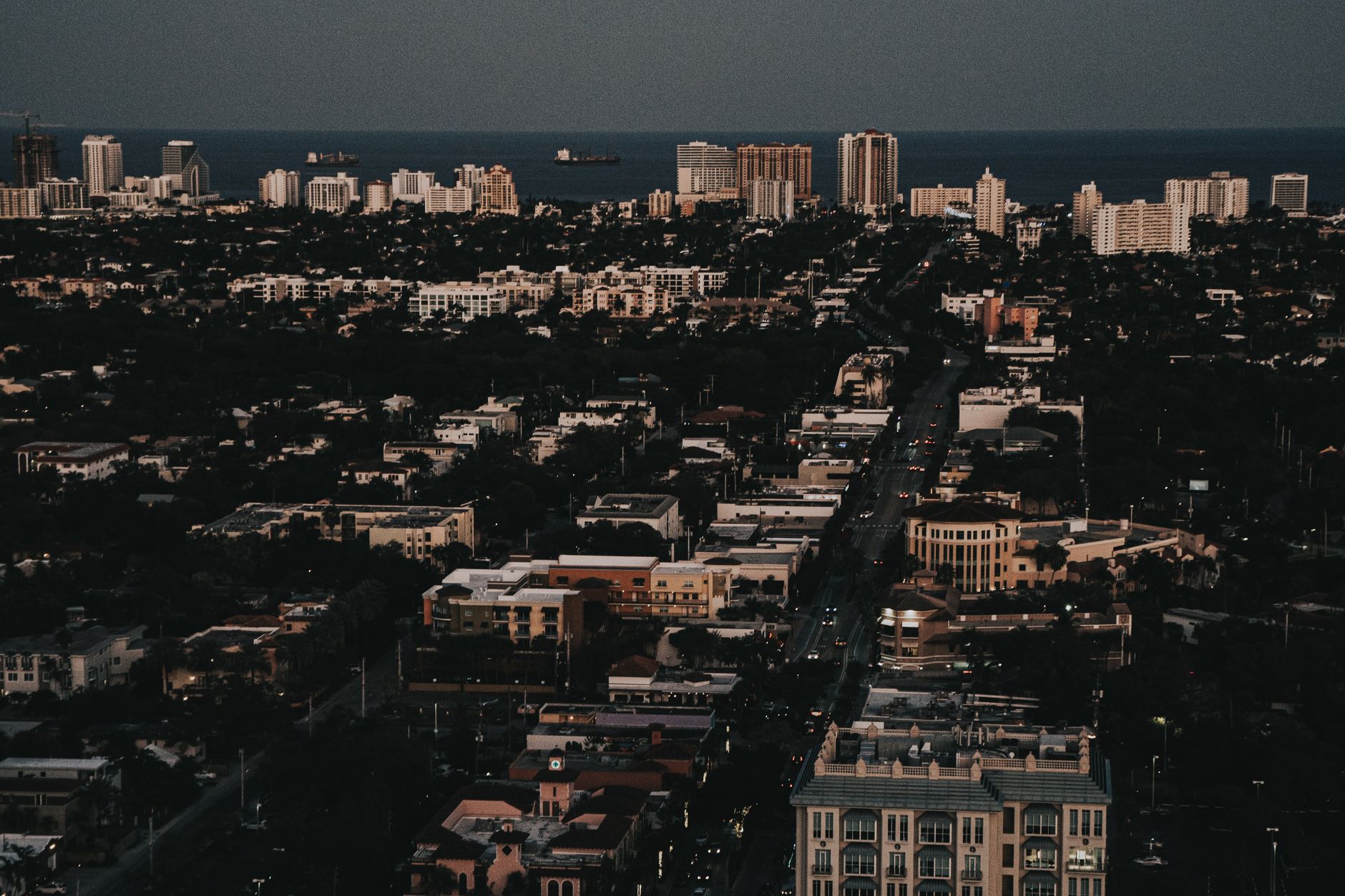
Best Time to Visit Fort Lauderdale
Practical guide to the best months for Fort Lauderdale: weather, crowds, hotel prices, events like FLIBS (Oct), Tortuga (Apr), and Winterfest (Dec).
When to go to Fort Lauderdale depends on trade-offs between weather, price, and events. Winter is driest and most expensive; spring and fall shoulders often give the best balance.
Best time to visit Fort Lauderdale?
For reliably dry, beach-friendly weather choose December–April, when highs are typically 75–85°F and rainfall is lowest; expect hotel rates around $250–350/night in peak winter. For the best value with acceptable conditions, pick late April–May or November when average rates drop to about $140–200/night and crowds thin.
Who This Page Is For
This page helps travelers choosing when to schedule beach time, festivals, diving, or lower hotel prices in Fort Lauderdale. Not aimed at cruise-only passengers who leave from Port Everglades without spending nights in the city.
Key Takeaways for Fort Lauderdale
- Peak season: December–March with highs 75–85°F and typical hotel rates $250–350+/night.
- Best-value months: August–September with hotel rates often $100–150/night but increased storm risk.
- Major annual events: Fort Lauderdale International Boat Show (October), Tortuga Music Festival (April), Winterfest Boat Parade (December).
- Shoulder-season picks: April–May and November — milder humidity, lower rates (~$140–200/night), fewer spring-break crowds.
How This Page Was Prepared
This page was prepared through a structured editorial workflow that combines destination research, geographic context, and practical travel-planning review.
Plan the Rest of Your Trip
Use this page together with the full itinerary and the related planning pages below to make better booking, timing, transport, and budget decisions.
For the most predictable beach weather and low rainfall pick December through April; expect highs around 75–85°F and lows 55–70°F with light rain and busy beaches and restaurants. For lower prices and fewer visitors choose November, late April or May—average hotel rates fall to roughly $140–200/night, humidity remains moderate and dive/snorkel visibility is good.
Avoid September if travel flexibility and storm avoidance are priorities; hurricane activity peaks August–October and many hotels discount rates then because of cancelations and lower demand. October has two faces: good weather most years but extremely high prices during the Fort Lauderdale International Boat Show.
This page answers: when is the best time to visit Fort Lauderdale for sun, reasonable prices and local events? Weather, crowds and local calendars interact strongly here. Winter (Dec–Mar) brings the driest weather and the most visitors from northern states; hotels, restaurants and beach parking fill early. Summer (Jun–Aug) brings high heat, frequent afternoon thunderstorms and lower hotel rates, but also humidity that affects outdoor plans.
Several misunderstandings are common. People book Fort Lauderdale in late October without realizing the Fort Lauderdale International Boat Show drives downtown rates up dramatically. Others assume September is merely cheap and miss the reality of higher hurricane and tropical-storm risk. Finally, many overlook shoulder months like April, May and November which balance weather, price and quieter beaches.
The guidance below breaks the year into clear choices and gives specific months, temperature ranges, crowd notes, and event timing so decisions can be matched to priorities: beach time, boat-based activities, diving/snorkeling or festival attendance.
What This Page Helps You Decide
This page supports specific calendar choices: whether to visit during peak winter (to guarantee sun and low rain), shoulder months (for lower cost and still-good conditions), or summer (for discounts and quieter beaches but hotter weather). It helps choose dates around big local events—Fort Lauderdale International Boat Show in October, Tortuga Music Festival in April, Winterfest Boat Parade in December—so booking avoids rate spikes or secures tickets.
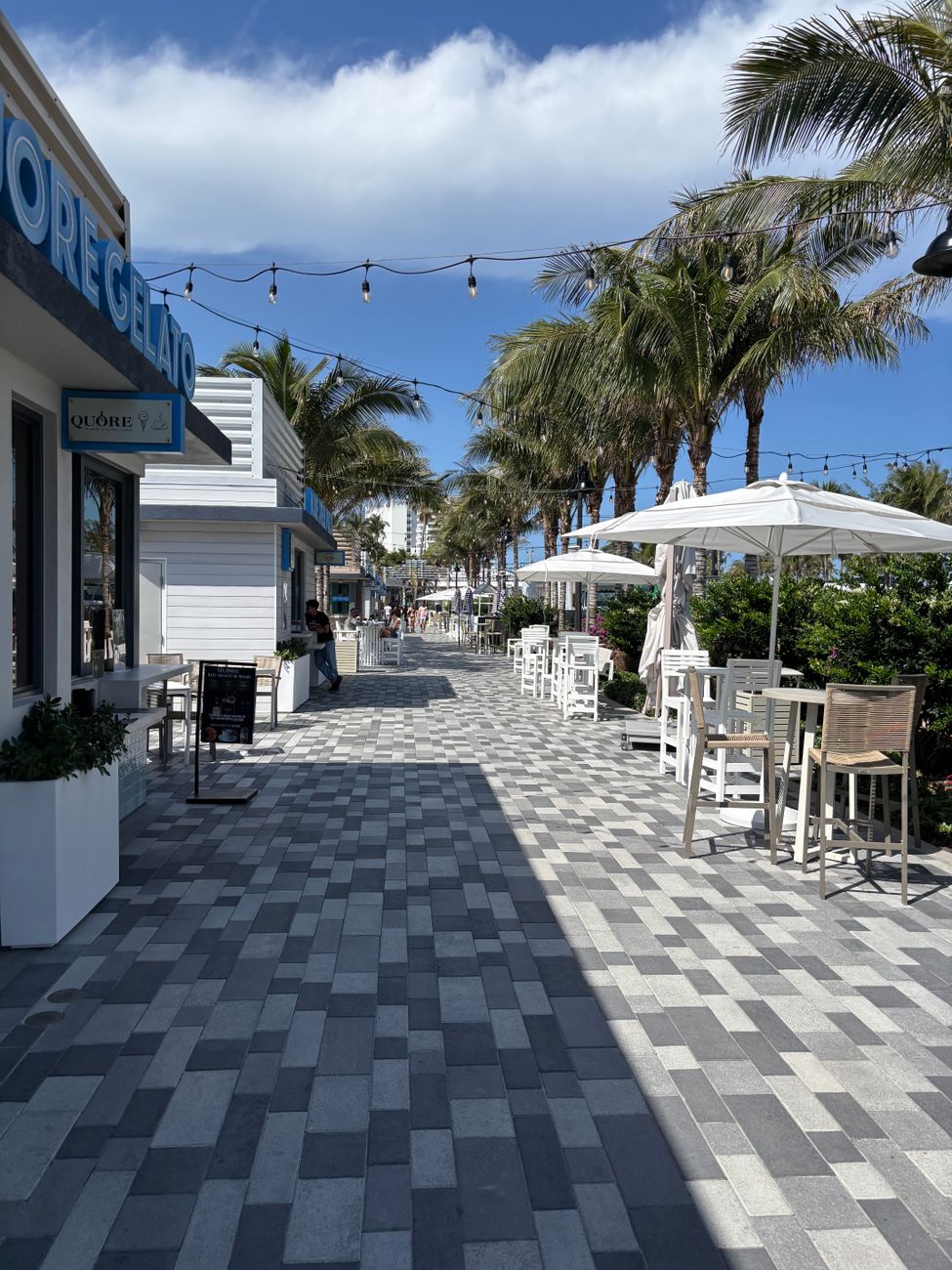
Neighborhood choices are covered with timing in mind: Fort Lauderdale Beach for classic sun-and-sand during winter; Las Olas Boulevard for dining and galleries in shoulder months; Lauderdale-by-the-Sea for snorkeling and reef access in summer when water temperature is highest. The page aids decisions on renting a car versus relying on Broward County Transit, Tri-Rail and Brightline depending on season and parking costs.
Top Recommendations
Month-by-month seasonal snapshot with typical highs/lows (F), rainfall tendency and crowd level:
- January: High 75°F / Low 58°F. Low rainfall; high crowds from snowbirds. Hotels typically $250–350/night in popular beachfront areas. Good for beach walks and water clarity.
- February: High 76°F / Low 59°F. Low rainfall; busy (President's Day weekend and Las Olas Art Fair months can spike crowds). Expect similar rates to January.
- March: High 79°F / Low 63°F. Moderate rainfall begins; very busy during spring-break weeks near Fort Lauderdale Beach and Las Olas.
- April: High 82°F / Low 66°F. Lower crowd peaks after spring break; moderate rainfall. Good shoulder-month pick and Tortuga Music Festival often in April (Fort Lauderdale Beach Park).
- May: High 85°F / Low 70°F. Rainfall rising but showers are often short; crowds moderate. Hotel rates drop to shoulder-season levels (~$140–200/night).
- June: High 88°F / Low 75°F. Start of wet season; frequent afternoon thunderstorms. Crowds low on weekdays but weekends busier. Watch for early hurricane-season storms.
- July: High 90°F / Low 76°F. Hot, humid, daily storm chances. Family travel increases; hotel discounts possible but heat can limit beach time midday.
- August: High 91°F / Low 77°F. Hottest month with heavy humidity and storms. Hotel rates often lowest ($100–150/night) but beach comfort reduced.
- September: High 89°F / Low 76°F. Peak hurricane risk and highest rainfall. Crowds low and hotel rates low, but travel insurance recommended; avoid if risk aversion is high.
- October: High 84°F / Low 72°F. Rainfall tapering; weather can be very pleasant but the Fort Lauderdale International Boat Show (late October) makes downtown and hotels extremely expensive (downtown rates often exceed $400/night during show week).
- November: High 80°F / Low 67°F. Drying trend, pleasant humidity and falling hotel rates. Good shoulder month with fewer crowds and comfortable sea temperatures — strong value.
- December: High 77°F / Low 62°F. Low rainfall and high visitation for holidays; Winterfest Boat Parade (early to mid-December) draws crowds. Holiday week hotel rates often spike.
Event and festival notes (approximate months): Fort Lauderdale International Boat Show — October; Tortuga Music Festival — April (Fort Lauderdale Beach Park); Winterfest Boat Parade — December. Also watch for Las Olas Art Fair (often in February and November).
Value and avoidance summary: Best value months are August–September for low hotel rates (often $100–150/night) but these come with heat and increased storm risk. Peak/most expensive months are December–March and the week of the Fort Lauderdale International Boat Show in October (expect $250–400+/night). Months to avoid if weather-safety is the priority are September and, to a lesser extent, August because of hurricane season and high humidity.
Shoulder-season advantages: April–May and November offer reduced hotel rates (commonly $140–200/night), fewer spring-break crowds than March, good water temperatures for snorkeling, and reliable morning sun with afternoon showers less likely than summer.

Local Context
Fort Lauderdale has a strong seasonal rhythm driven by visitors from colder U.S. states. Snowbirds increase occupancy from December through March, putting pressure on Las Olas Boulevard restaurants and beachfront parking. Beaches near the pier and Fort Lauderdale Beach Park fill early on sunny winter weekends.
Public transit options influence timing choices. Brightline provides higher-speed rail service between Fort Lauderdale and Miami; Tri-Rail connects commuters along the coast and has a Fort Lauderdale station. Broward County Transit (BCT) runs the main bus network and Sun Trolley serves short neighborhood loops including Las Olas and the beach. Many visitors arrive via Fort Lauderdale-Hollywood International Airport (FLL) or by car from I-95 and US-1.
Seasonal marine factors matter. Sea turtle nesting runs May–October; beaches have posted nesting zones and lights-out rules at night. Snorkel and dive visibility is usually best in late spring and fall. Port Everglades cruise schedules also affect local traffic and hotel choices around embarkation dates.
How to Choose Well
Decide based on three trade-offs: weather, cost, and events.
- If weather is the priority, pick December–April. Expect dry mornings, pleasant sea breezes, and full-service operations at beachfront restaurants and water-activity vendors. Trade-off: higher hotel and parking costs.
- If cost-savings matter most, pick late summer to early fall (August–September) for the lowest nightly hotel rates. Trade-off: increased humidity, afternoon storms and elevated hurricane risk; flexible bookings and travel insurance are essential.
- If a balance is required, choose April–May or November. These shoulder months give lower rates than winter, fewer spring-break crowds than March, and comfortable conditions for snorkeling or canal boat tours.
Neighborhood-specific choices:
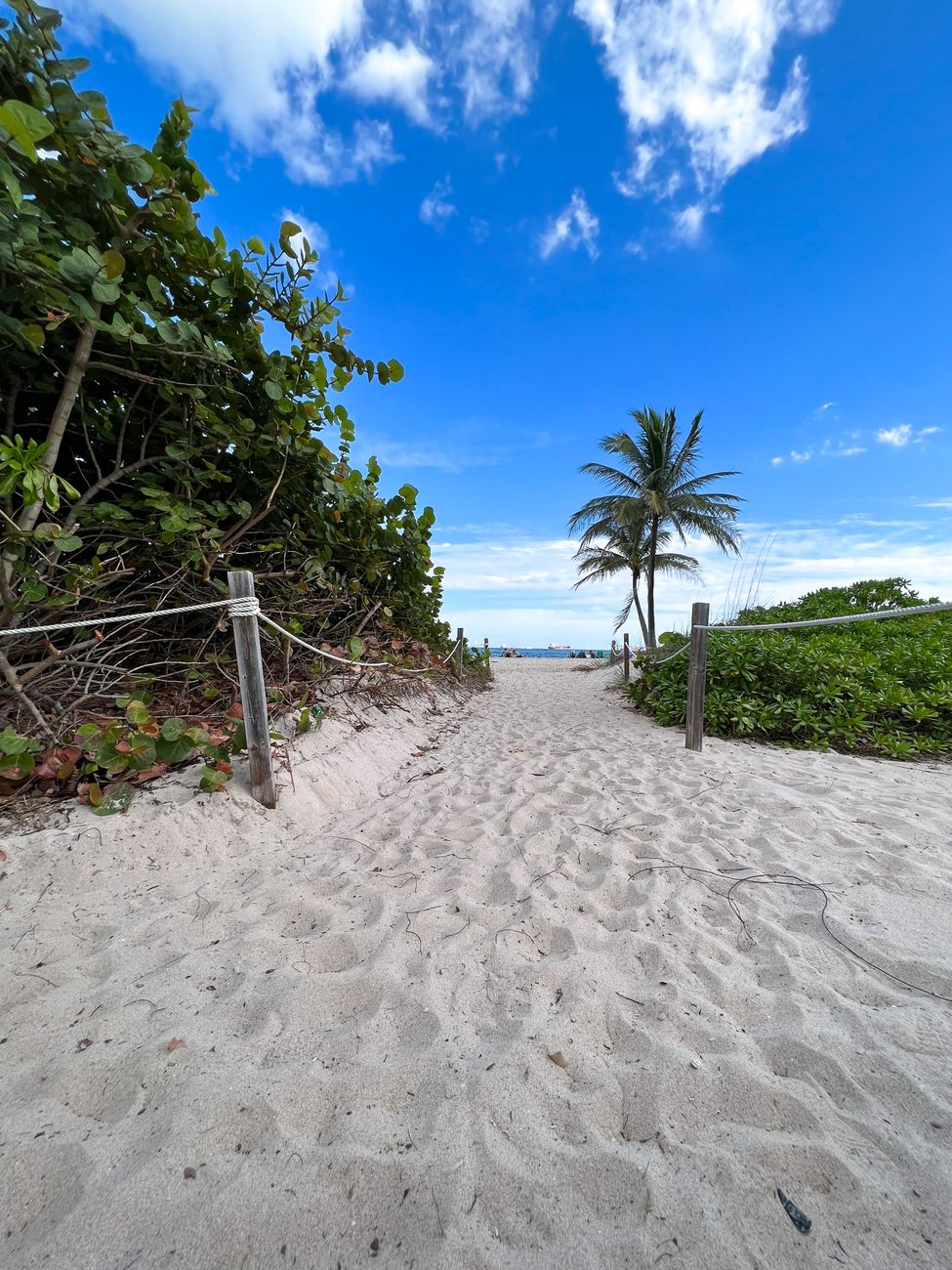
– Fort Lauderdale Beach or Beach Place offers the shortest walks to sand during any month but higher parking fees (metered curb rates $1.50–$2.50/hour and municipal lots $6–15/day).
– Las Olas Boulevard is the best pick for dining and nightlife in shoulder and winter months; nearby hotels fill during gallery-event weekends.
– Lauderdale-by-the-Sea and Hollywood are better for quieter beaches and reef access, especially in summer when water temperature is warmest.
Transport and logistics choices influence dates. Use Brightline for quick trips to Miami events, and check Tri-Rail and BCT schedules if planning day trips to West Palm Beach or Miami Beach.
Responsible and Local-First Tips
Support local businesses and reduce impact by choosing independent restaurants and services. Eat at waterfront restaurants like Coconuts (seafood near Port Everglades), buy pastries at a Las Olas bakery rather than chain coffee, and hire licensed local dive shops in Lauderdale-by-the-Sea for reef snorkeling trips.
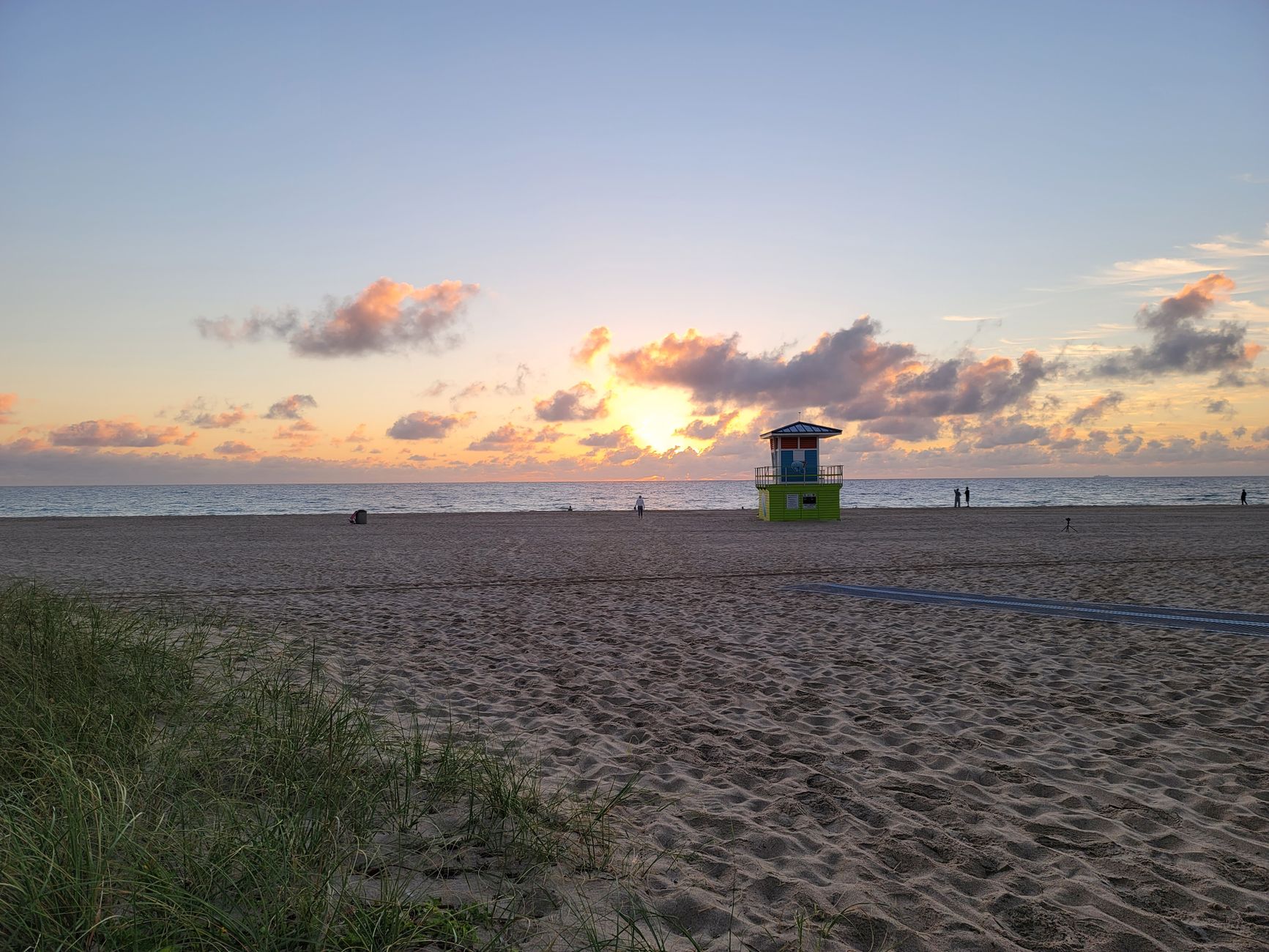
Follow sea-turtle nesting rules (May–October): avoid bright lights at night on the beach, obey posted roped nesting areas, and do not use flash photography around nests. Use reef-safe sunscreen (look for non-nano zinc oxide) when snorkeling to reduce coral stress.
Use public transit when feasible. Brightline and Tri-Rail reduce driving between cities. Use the Broward County Transit app for bus routes and the Sun Trolley for short hops on Las Olas and the beach. When renting a car, prefer economy models and park in municipal lots rather than single-use lots to reduce congestion.
Choose tour operators and shops that are licensed and show local employment. Book beach-and-water activities with companies that follow state park rules at Hugh Taylor Birch State Park and have clear environmental policies.
Common Mistakes to Avoid
Three common, concrete mistakes and how to avoid them:
- Booking during the Fort Lauderdale International Boat Show without checking hotel blocks: downtown hotels and the area near Port Everglades can exceed $400/night the week of FLIBS. Avoid by verifying event dates and booking outside the downtown zone or earlier in the year.
- Assuming low summer prices mean easy beach days: July–August bring high heat and daily storms. Expect afternoons to be interrupted by thunderstorms and plan morning beach sessions or pool time at the hotel.
- Skipping travel protection in September: hurricane season peaks August–October. Many travel suppliers offer refundable or changeable fares during boat show or winter weeks, but standard nonrefundable deals in September can lead to losses if tropical systems force cancelations. Buy flexible fares or travel insurance that covers named storms.
Avoid these by cross-checking event calendars, booking refundable hotel rates when traveling during hurricane season, and planning beach time for mornings in summer months.
FAQ
When is Fort Lauderdale driest and best for beach time?
December through April is driest with morning sun and lower rainfall; expect highs 75–85°F and low chance of afternoon storms.
Which months give the best hotel prices?
August and September usually have the lowest average nightly hotel rates (commonly $100–150/night), but these months carry higher heat and hurricane risk.
Is October a good time to visit?
October often has good weather, but the Fort Lauderdale International Boat Show (late October) raises downtown hotel rates — plan well in advance or avoid downtown that week if on a budget.
How bad are crowds during spring break?
March can be crowded around Fort Lauderdale Beach, especially on weekends and near beachfront bars. Las Olas sees increased dining demand but is less crowded than the sand strip.
What transit options connect Fort Lauderdale to Miami and West Palm Beach?
Brightline provides faster rail service to Miami and West Palm Beach; Tri-Rail is the commuter option along the coast. Broward County Transit buses and the Sun Trolley serve local routes.
Do hotels and attractions close in summer?
Most hotels and eateries stay open year-round. Some small tour operators may reduce schedules in September if weather is unfavorable. Verify booking conditions before arriving.
Should travel insurance be purchased for September travel?
Yes. September is within the historical peak of hurricane season; buy insurance that covers named storms or choose refundable bookings.
Conclusion
The single most important decision is balancing weather certainty against cost and event timing. For reliable beach weather and full-service operations choose December–April; for the best value with still-good conditions pick April–May or November. Avoid September if storm risk and trip disruption are unacceptable.
Plan neighborhood choices with timing in mind: Fort Lauderdale Beach for classic sand, Las Olas for restaurants and galleries, and Lauderdale-by-the-Sea for quieter reef access. For more detailed day-to-day planning, consult the companion 3 days in Fort Lauderdale itinerary to match the recommended months above with specific neighbourhood-based activities and transit routes.
How this guide was prepared
This guide was prepared through a structured research that combines destination research, geographic context, itinerary planning logic, and content review.