
3-Day Timisoara Itinerary: Practical Weekend Guide
Three-day Timisoara plan with transit tips, neighbourhood routes, museum fees and food picks to plan a realistic weekend without unpleasant surprises.
A frank, walkable 72-hour plan for Timisoara that balances centre squares, riverfront time and two distinct neighbourhoods—real travel details, not fluff.
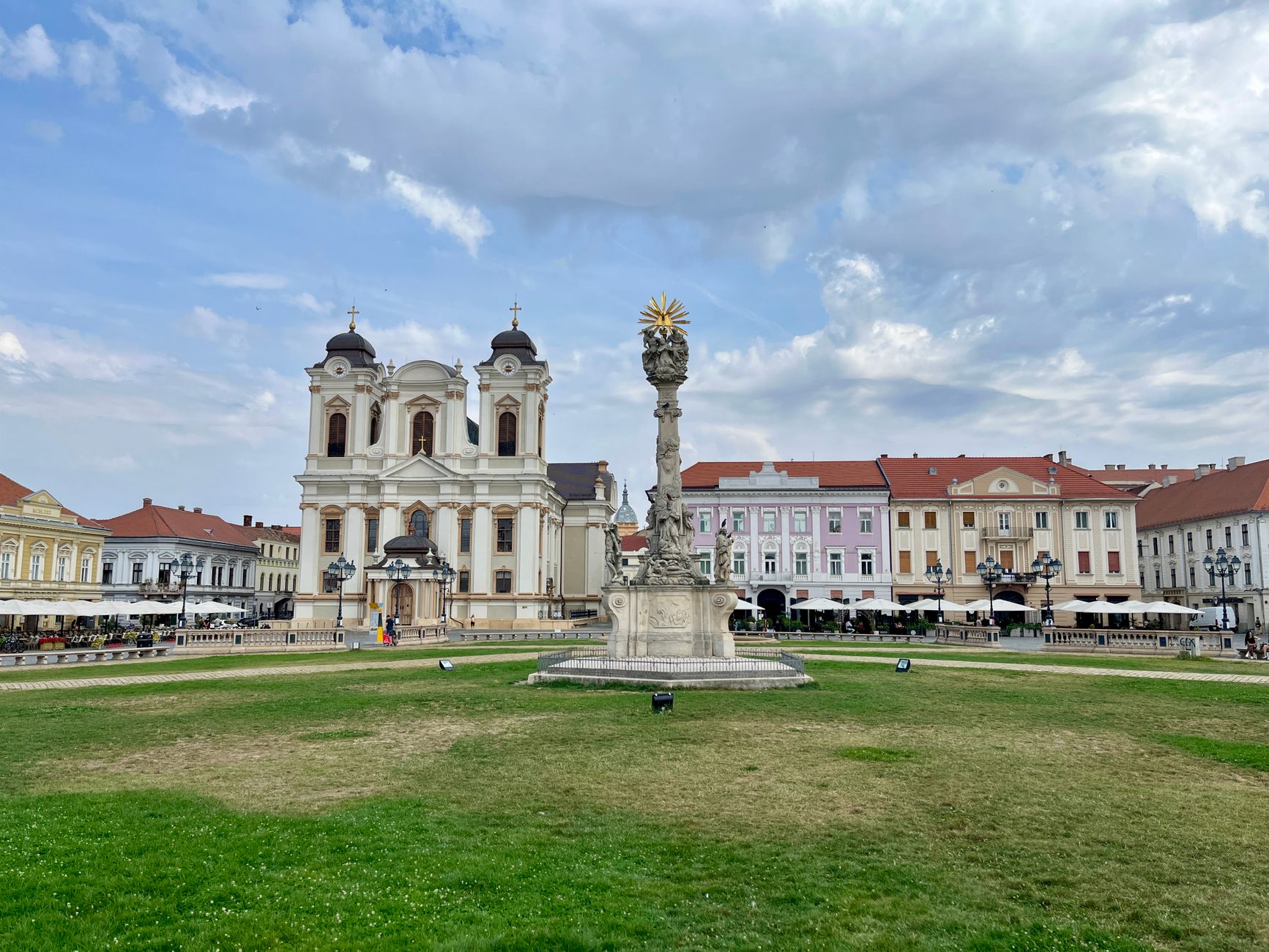
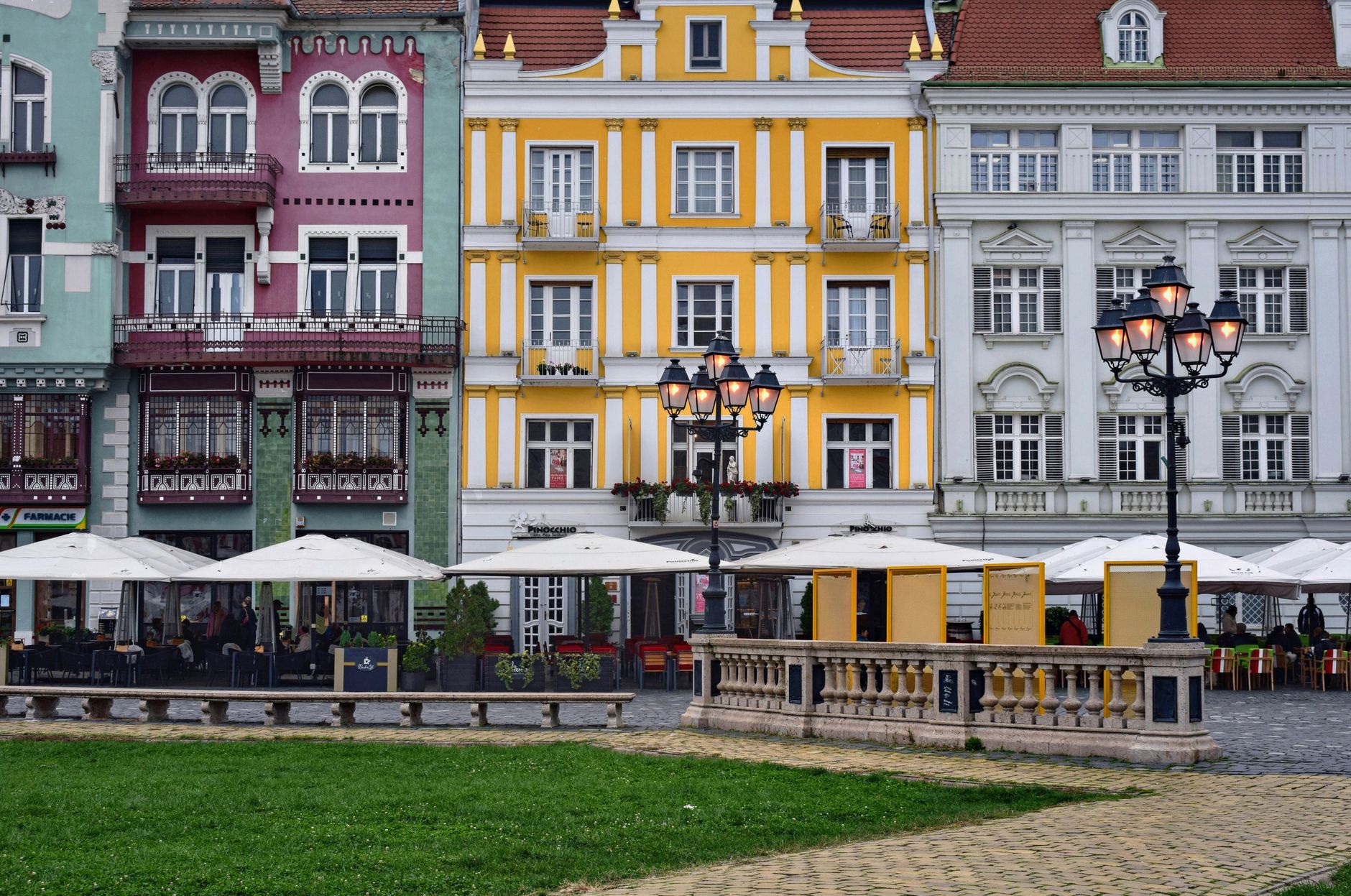
The centre reads as a series of linked open squares framed by Austro-Hungarian baroque façades, interwar apartment blocks and an obvious river running through the middle. First impressions are often: there are more cafés and fewer large tourist crowds than expected, while the architecture switches from ornate baroque in Piața Unirii to the broad boulevards around Piața Victoriei.
Expect street-level variety: a cathedral and an opera house share the same few tram stops as student bars, municipal offices and a modern shopping island at Iulius Town. Noise levels are moderate; weekends in Iosefin and Fabric get lively after dinner, but central squares are mostly daytime foot traffic.
Many visitors expect an immediately walkable compact downtown and get surprised by the scale of parks and the river’s embankments that require short tram hops. This city suits people who like slow walks broken by strong cafés, concise museum visits and short tram rides rather than long museum days.
Is 3 days in Timisoara enough?
Three days is enough to cover the main squares (Piața Unirii, Piața Victoriei), the Bega riverfront, Bastion/Cetate and one or two neighbourhoods like Iosefin or Fabric. It will not leave time for a relaxed trip beyond the region such as Hunedoara or Oradea without extending the stay.
Who This Guide Is For
Best for urban walkers, architecture and café-focused travellers who want concentrated cultural time and moderate prices. Poor fit for those seeking hiking, multi-day nature escapes or travellers wanting an in-depth exploration of the Banat countryside.
Local Tips for Timisoara
Practical details that most travel sites skip — specific to Timisoara.
- Buy single tickets or 24-hour passes from STPT kiosks or yellow ticket machines at major stops; a single ride is about 3.5 RON and a 24h pass around 8–10 RON (price check at machines).
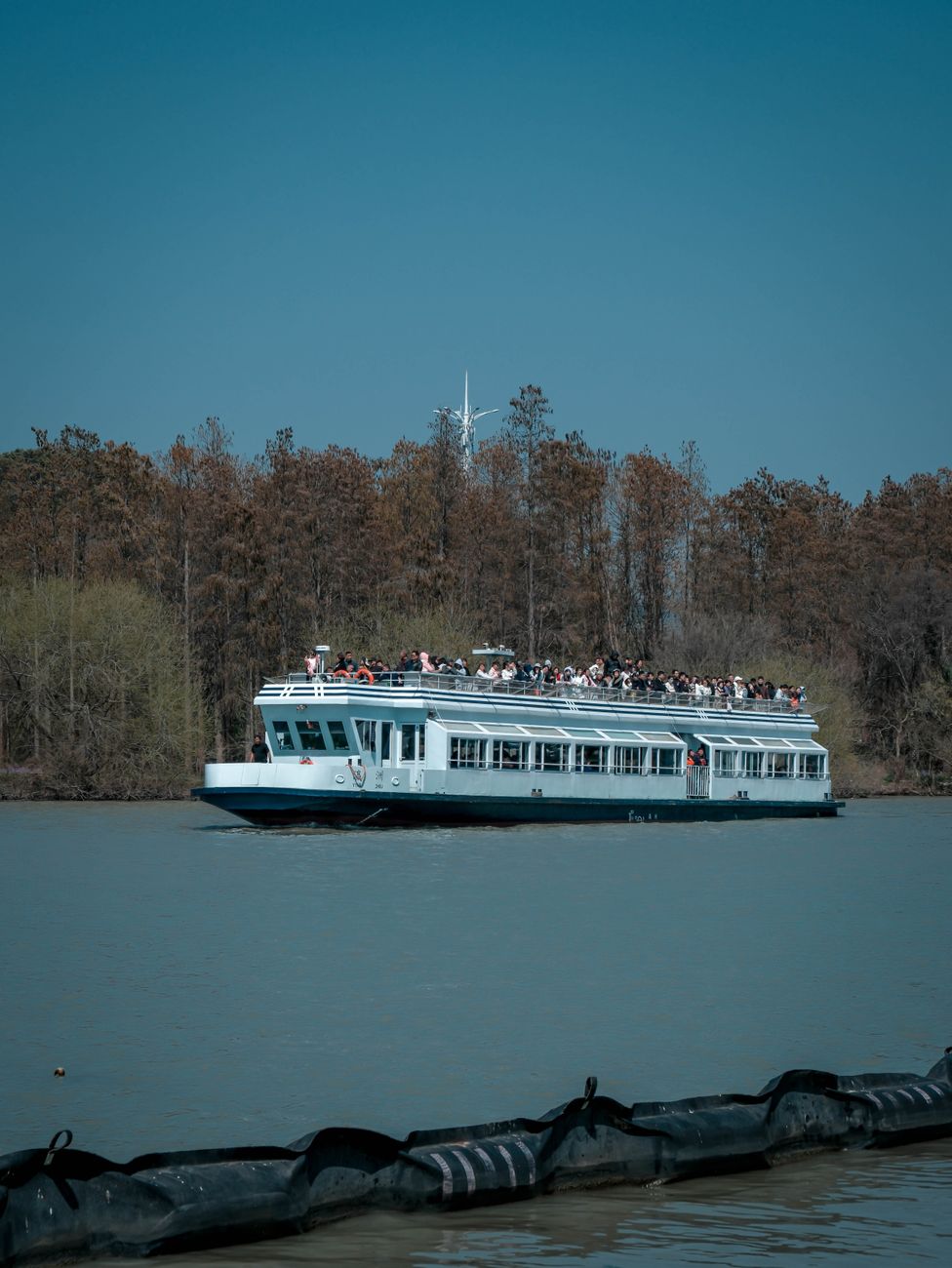
- Take the riverwalk along the Bega from Pod Traian to Iulius Town; there are rentable electric boats in summer and the promenade has bike docks near Splaiul Tudor Vladimirescu.
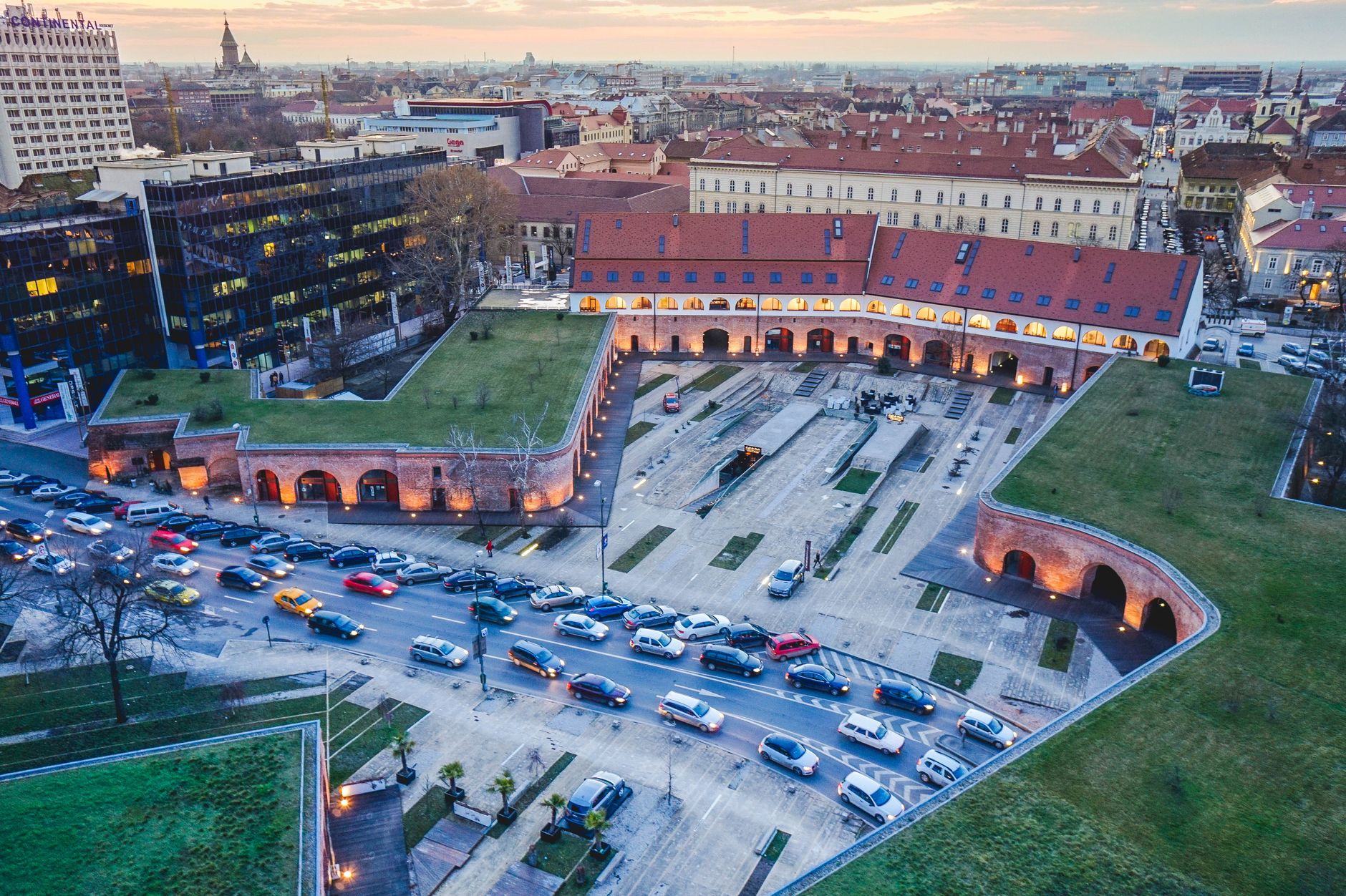
- Bastion Theresia (Bastion) houses small shops and the Huniade Castle is the Banat Museum — combined visits are compact and use the Piața Unirii / Piața Traian tram stops.
- Traian Vuia International Airport taxi fare to the centre typically runs 40–70 RON; the airport shuttle/express bus runs on a limited schedule—confirm times before relying on it for early flights.
- Iosefin and Fabric fill up with students after 18:00; bars and late-night cafés are concentrated on Strada Alba Iulia and Strada Mare; many small places accept cash only, so carry some RON.
How This Guide Was Prepared
Timisoara rewards people who treat it as a collection of squares and riverside routes rather than a single landmark-driven city. Most guides over-emphasize the Orthodox cathedral and the Opera while skipping the riverside promenades, the interwar apartment districts and the Bastion shopping arcades where locals eat and meet. The practical reality: short distances, a compact tram network and a strong student scene make it ideal for a focused long weekend if the aim is architecture, cafés and riverside walks. This guide was prepared through a structured research that combines destination research, geographic context, itinerary planning logic, and content review.
Plan Your Stay in Timisoara
Use this itinerary as your starting point, then compare areas to stay, transport options, seasonal timing, and realistic daily costs before booking.
Why Visit
The city’s square-by-square layout makes it possible to see distinct architectural periods in a short time: baroque in Piața Unirii, 19th-century civic buildings around Piața Traian and more austere 20th-century blocks toward takeaways in Fabric. The riverfront is surprisingly civic — promenades, cycle paths and small hire boats give a different urban feel than many Romanian regional towns.
Local culture is mixed: Serbian, Hungarian and Romanian traces show in street names, churches and museum displays; the Banat Museum at Huniade Castle documents that specific regional identity. The nightlife focus in Iosefin and Fabric means food and bar options are open later than in neighbourhoods that depend on daytime tourism.
Practical advantage: compact public transport and short taxi rides make it efficient for a 72-hour stay to cover most central attractions without long transfers. Museums and entry fees are modest compared with capital-city prices, so a focused cultural weekend is affordable.
Quick Planning Tips
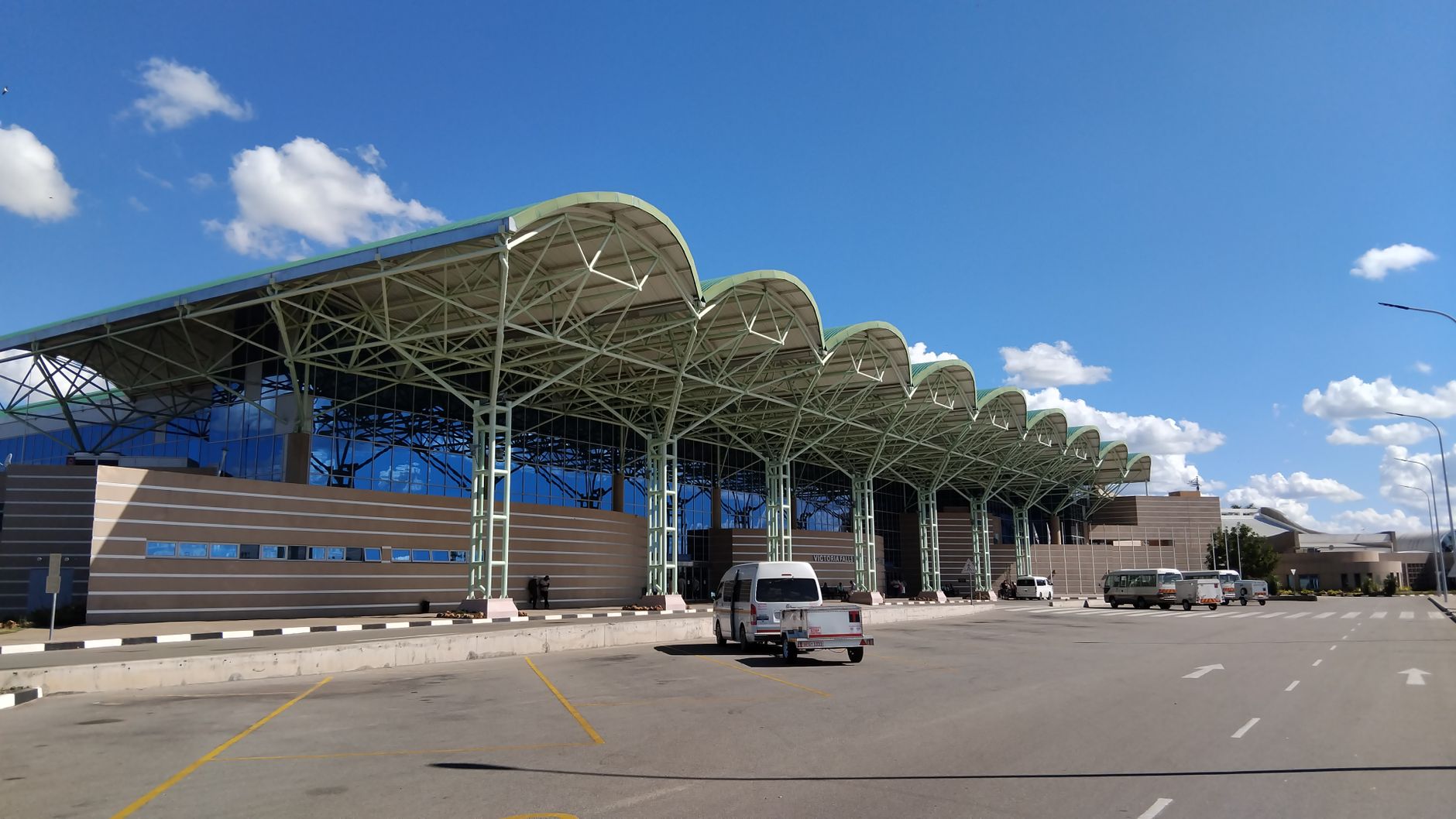
The fastest route from Traian Vuia International Airport is by taxi or airport shuttle; taxis take roughly 15–25 minutes to the city centre depending on traffic. Timisoara North (Gara de Nord) train station links longer-distance trains from Bucharest or Cluj; a taxi from the station to Piața Unirii is usually under 10 minutes.
Carry some RON for neighbourhood cafés and market stalls; smaller shops and traditional bakeries often prefer cash and change can be limited at late hours. Avoid assuming every museum is open on Monday — cross-check opening days for the Banat Museum and the Art Museum before scheduling.
Download STPT timetables or use Google Maps and Moovit for tram/bus routing. Reserve evening dining on Saturdays in Iosefin if the restaurant is small; popular spots do fill up.
Day 1
Start in Piata Unirii (Union Square). Spend time at the Baroque Palace and the Roman Catholic cathedral; the Art Museum is inside the Baroque Palace and a quick visit is often 45–60 minutes. Walk 5–10 minutes along Strada Emanuil Ungureanu or take a short tram ride to reach Piața Traian and Bastion Theresia.
From Bastion Theresia cross to Huniade Castle (Banat Museum) — combine these two sites for a compact two-hour block; walking between Bastion and Huniade takes 7–12 minutes on foot. After the museum, walk to the Bega embankment (about 10 minutes) and follow the riverside toward Pod Traian for photos and a riverside coffee.
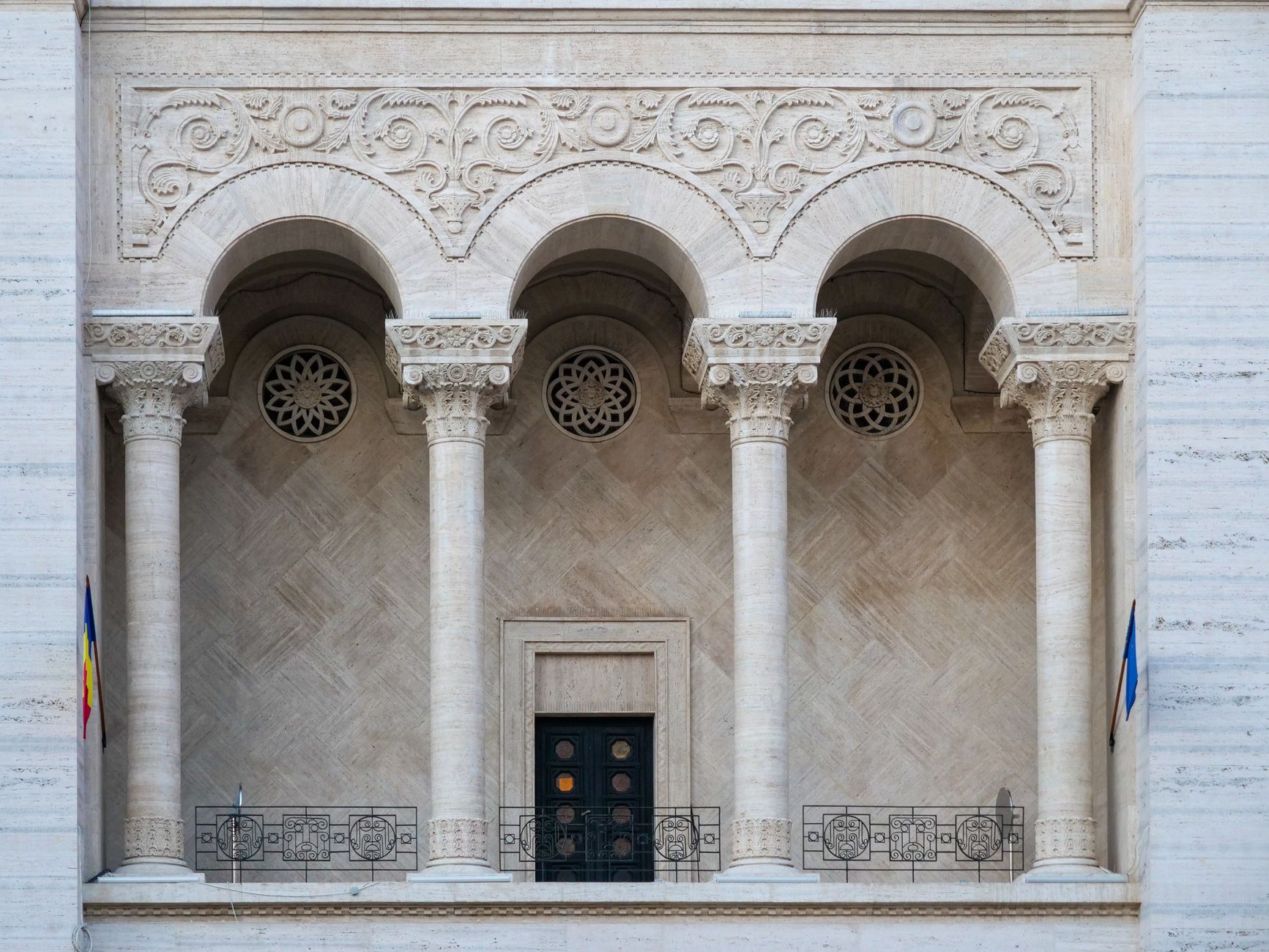
Lunch at Iulius Town food court is convenient and quick; it’s a 15–20 minute walk from Bastion or a short tram ride (check lines stopping at Iulius Town). After lunch, return to Piața Victoriei to see the Romanian National Opera building and the Orthodox Metropolitan Cathedral; expect 10–15 minutes between the riverfront and the Victory Square area by tram or 20–25 minutes on foot.
Dinner at the Hotel Continental restaurant in the Piața Victoriei area provides a reliable menu and easy location before an evening stroll along the lit river promenade. For the evening, walk the Bega stretch toward Iosefin where bars and cafés concentrate — expect the area to be livelier after 20:00.

Day 2
Spend the morning in Iosefin and Fabric districts to get a different feel from the centre squares. Begin at Piata Traian, then walk along Strada Alba Iulia toward Iosefin; this is a 10–15 minute walk that passes small bakeries and cafés. Stop for coffee in Iosefin and then continue to the old industrial Fabric quarter for street art and restored factories now used as bars and cultural spaces.
Visit the Museum of the Communist Consumer for a focused 45–60 minute visit; it’s compact and helps explain 20th-century urban life. From Fabric, cross Pod Traian and follow the riverside cycle path towards Iulius Town for a riverside park break — cycling is practical here with hire points near the mall.
For lunch try a local grill or a mititei stand along Splaiul Tudor Vladimirescu in the Fabric area; many locals eat there during weekday lunch hours. In the afternoon pick a small gallery or boutique in Iosefin, then take tram 1 or a short taxi back to Piața Unirii for an early evening music or theatre event at the Romanian National Opera (book in advance for weekend performances).
Evening recommendation: choose a small bistro in Iosefin or the Bastion passage for dinner; the district draws students and young professionals so many places stay open later than the central museum district.
Day 3
Use the final day for anything missed plus a relaxed riverside morning and an optional quick excursion. Start with a morning walk along the Bega from Pod Traian toward Iulius Town, stopping at the riverside park and any weekend markets near Piața Traian (check Saturday market times). If museum visits were skipped earlier, use the morning for the Banat Museum or the Art Museum depending on interests.
If interested in modern urban life, spend an hour at Iulius Town shopping park and the rooftop green areas; there are cafés and the mall is good for last-minute purchases. For a half-day trip consider a 1.5–2 hour drive to the nearest larger attraction, or keep the afternoon for a relaxed lunch and luggage pickup.
Practical flight-note: Traian Vuia Airport check-in recommends leaving the city centre at least 1–1.25 hours before a domestic flight and 1.5–2 hours for international flights; allow 15–25 minutes travel time by taxi depending on traffic. Confirm shuttle times if relying on the airport bus and arrange a taxi through a known company if the schedule does not match the departure time.
If time is tight, prioritize a short Bega boat ride and a 30–45 minute walk through Piața Unirii — those two provide a concentrated impression of what the city feels like.
Best Local Experiences
Bega riverboat hires and evening promenades along Splaiul Tudor Vladimirescu — short 20–40 minute hires show a different urban perspective. Bastion Theresia arcades and the Bastion shops — compact retail and cafés built into the old fortress walls. Huniade Castle / Banat Museum — a focused regional history collection in a medieval building.
Iosefin evening cafés and bar crawl along Strada Alba Iulia and Strada Mare — student-friendly and where locals dine late. Iulius Town park and rooftop — modern green space that contrasts with the old town and useful for families or anyone wanting easy access to cafés and shops. The Museum of the Communist Consumer is a small, pointed collection for a single-hour visit that clarifies 20th-century urban life in Banat.
Where to Stay
Cetate (Historic Centre) — suits first-time visitors who want immediate access to Piața Unirii, Bastion and the Opera; expect 220–350 RON/night (45–70 EUR/USD) for a mid-range hotel within walking distance of main squares. This area is best for short walks and museum access.
Iosefin — suits people who want cafés, bars and a neighbourhood feel; easy walking to the centre (10–20 minutes) and cheaper boutique hotels or apartments run about 150–280 RON/night (30–55 EUR/USD). Expect narrower streets and more nightlife noise on weekend evenings.
Iulius Town / Lipovei — suits families and shoppers who prefer modern hotels and parking; it’s 10–15 minutes by tram to the old town and hotels here range 200–350 RON/night (40–70 EUR/USD). This area is quieter at night and convenient for late departures due to closer road access to the airport.
Food and Drink
Mic dejun (Romanian breakfast): a common local breakfast includes a strong coffee and a cornmeal patty or sandwich from a local bakery. Good cafés in Iosefin and near Piața Unirii serve espresso and pastries for 8–14 RON (1.5–3 EUR/USD).
Street food: covrigi (Romanian pretzel) — baked, salted rings sold at kiosks and bakeries for about 2–4 RON. Quick local grills sell mititei (grilled skinless sausages) for 12–20 RON for a portion; they pair with mustard and a side of bread.
Classic dishes: ciorbă (sour soup) — often made with beef or vegetables and served in central restaurants for 12–25 RON. Sarmale (cabbage rolls) appear on many menus for 20–35 RON. For dessert, papanași (fried dough with jam and sour cream) costs 18–30 RON in casual restaurants.
Evening recommendation: try a mid-range bistro in Iosefin or near Piața Victoriei for regional Banat dishes; mains generally range 30–70 RON. Local draft beer prices run about 8–12 RON for 0.5L in a bar.
Getting Around
Public transport is run by STPT (Societatea de Transport Public Timișoara) and includes trams, trolleybuses and buses. Trams serve the main corridor between Piața Traian, Piața Unirii and Iulius Town; tram stop names to look for include Piața Unirii, Piața Traian and Pod Traian.
Single-ride tickets are purchased at yellow machines or kiosks and cost around 3.5 RON; 24-hour passes run roughly 8–10 RON. Use the STPT website, Google Maps or Moovit for route planning; validate tickets on board where required. Taxis are inexpensive for short trips — a typical 10–15 minute ride in the centre will be about 15–30 RON; to the airport expect 40–70 RON depending on time of day.
Bicycles and e-scooters are increasingly available for short hops; docking points are concentrated near Iulius Town and the main river promenade. For real-time timetables the STPT app or Moovit provides reliable schedules and live routes.
Best Time to Visit
Late spring (May–June) and early autumn (September) offer the best mix of comfortable temperatures and reasonable prices; daytime highs usually sit between 18–26°C and the city is mostly dry. July–August brings warm days (up to 30°C) and more domestic visitors; expect higher prices for hotels and a busier riverside.
Winter months (December–February) are cold (−1 to 6°C) and quieter; museums are open but some outdoor attractions and boat hires are suspended. Late November and early December can be pleasant for short breaks if the goal is cheaper rates and Christmas markets, though evenings are cold.
For best value choose shoulder months (May or September) when tram and museum schedules are fully operational, terraces are open and accommodation deals remain possible.
Budget and Practical Tips
Typical daily budget for a mid-range traveller: accommodation 200–300 RON (40–60 EUR/USD), food 80–130 RON (16–27 EUR/USD), local transport 10–25 RON (2–5 EUR/USD), entry fees 20–60 RON (4–12 EUR/USD). A modest three-day trip therefore averages about 900–1400 RON (180–285 EUR/USD) excluding flights.
Museum entry fees are modest: Banat Museum or Art Museum typically 10–20 RON per adult; special exhibitions or opera tickets cost more. Tipping is common but modest: 5–10% in restaurants if service is good; small change for café staff is fine.
Bring a mix of cash and card; many smaller cafés and market stalls accept only cash. Keep a photocopy or photo of passport information for hotel check-in and carry a small daypack for water and a light layer during riverfront walks.
FAQ
Is Timisoara safe for solo travellers?
Yes. Most central neighbourhoods are safe by day and evening; normal city precautions apply, and pickpocketing is the main concern in crowded events or public transport.
How do I get from the airport to the city centre?
Taxi or airport shuttle is fastest; taxis typically cost 40–70 RON and take 15–25 minutes depending on traffic. Check the airport shuttle schedule if relying on public transport.
Are trams easy to use for tourists?
Yes. Buy tickets at kiosks or machines and validate on board. Trams cover the main tourist axis and stops are named for the squares and landmarks.
Is a city card or Timisoara pass worth buying?
No widely promoted city pass covers all sights; individual museum entries are inexpensive so buying tickets on the spot is usually more economical than a bundled pass.
Can English be used widely?
English is common among younger people, café staff and museum personnel; Hungarian and Serbian are also seen in signs and menus in parts of the city.
What are good day-trip options nearby?
Oradea and the medieval sites of Hunedoara require a half-day to full-day; traveling to them cuts into a three-day schedule, so plan extra time if included.
Are museums open on Mondays?
Several museums and smaller galleries limit hours on Monday; check specific museum websites ahead of arrival.
How to avoid weekend restaurant crowds?
Reserve dinner for Saturday night, and opt for earlier dining (18:00–19:00) or choose larger restaurants in Iulius Town to avoid full bookings.
Conclusion
A 72-hour plan delivers a clear sense of the city: its sequence of squares, the river that organizes urban life and two active neighbourhoods that show everyday local culture. The most lasting impressions are likely to be a riverside walk at dusk, the contrast between the ornate centre and the regenerated industrial Fabric quarter, and a late-night café in Iosefin.
If time runs short, prioritise a 60–90 minute Bega river stretch and a 30–45 minute walk through Piața Unirii — together they give the quickest, truest feel for the city’s layout and atmosphere.
How this guide was prepared
This guide was prepared through a structured research that combines destination research, geographic context, itinerary planning logic, and content review.